The New Standard: Why This Lower-Sugar Granola Is Revolutionizing Toddler Breakfasts
In the landscape of modern parenting, the morning rush often forces a compromise between convenience and nutrition. While store-bought cereals and granola bars offer a quick solution, they are frequently laden with excessive added sugars that can lead to energy spikes and crashes in young children. A new, chef-developed approach to the breakfast staple—a homemade, lower-sugar granola—is changing the way families approach the first meal of the day, proving that pantry-staple ingredients can create a sophisticated, toddler-friendly meal without the need for processed sweeteners.
Main Facts: A Nutritional Pivot
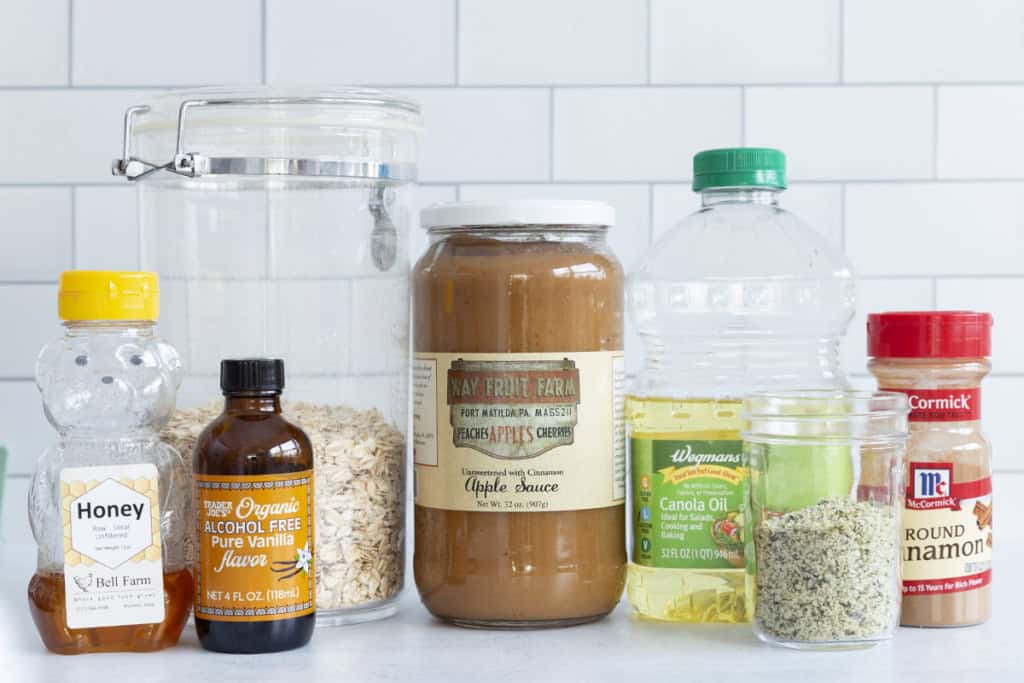
The core of this culinary shift lies in the replacement of traditional sugar-heavy binders with natural, fruit-based alternatives. Unlike conventional granolas that rely on heavy amounts of honey, corn syrup, or cane sugar to achieve a signature crunch, this recipe utilizes unsweetened applesauce. This ingredient serves a dual purpose: it acts as a moisture-retaining binder while imparting a subtle, natural sweetness that appeals to the developing palates of toddlers without overwhelming them.

Nutritionally, the shift is significant. By minimizing added sugars, parents can provide a breakfast that sustains energy levels through the morning. The recipe focuses on whole-grain oats as the foundation, providing essential fiber for digestive health. When paired with protein-rich additions like yogurt or milk, this granola transforms from a simple snack into a balanced, nutrient-dense meal that supports the growth and activity levels of active children.
Chronology: From Concept to Kitchen Staple
The development of this recipe followed a trajectory of trial and error aimed at solving the "texture vs. sweetness" dilemma.
- The Initial Phase: The creator began by experimenting with classic granola recipes, focusing on olive oil and nut-free variations. While these provided excellent base structures, the sugar content remained a consistent point of concern for parents seeking "cleaner" breakfast options.
- The Formulation Phase: Over several years of iterative testing, the transition was made toward using fruit purees. By balancing the acidity of applesauce with oats and healthy fats, the texture achieved a "just-right" consistency—crunchy enough to be satisfying, yet soft enough for toddlers who are still refining their chewing skills.
- The Integration Phase: Once the recipe was finalized, the focus shifted to versatility. The recipe was designed to be adaptable: it can be baked in batches, stored for months, or ground into "granola sprinkles" for younger toddlers transitioning to solid foods.
Supporting Data: Breaking Down the Components
The beauty of this approach lies in its transparency. When moving away from commercial brands, parents gain total control over the ingredient list. The recipe relies on four pillars of nutrition:
- Whole Grains: Rolled oats serve as the primary source of complex carbohydrates, ensuring a slow release of energy.
- Healthy Fats: Using high-quality oils (such as olive or coconut) ensures that the granola stays crisp without the need for butter or hydrogenated fats.
- Natural Sweetness: Unsweetened applesauce reduces the glycemic impact compared to refined sugars.
- Customizable Add-ins: Whether opting for seeds (sunflower, pumpkin, or hemp) for a nut-free profile or adding dried fruits for vitamins, the nutritional profile can be tailored to the specific needs of the child.
With a calorie count of approximately 91 kcal per serving and only 3 grams of sugar, this recipe stands in stark contrast to commercial alternatives, which can often contain double or triple that amount of sugar per serving.
Official Perspectives and Expert Advice
Pediatric nutritionists and child development experts have long advocated for the reduction of added sugars in early childhood. Excessive sugar intake is linked not only to dental health concerns but also to the development of preferences for highly sweetened foods later in life.
The approach promoted by this recipe aligns with these expert recommendations by:
- Encouraging Sensory Development: By introducing texture through homemade granola, children learn to navigate different mouthfeels, which is critical for speech and motor development.
- Promoting Autonomy: Serving granola with yogurt or milk allows children to participate in the "assembly" of their breakfast, fostering a positive relationship with mealtime.
- Safety First: For toddlers aged one and older, the "granola sprinkle" method—using a food processor to grind the oats into a finer, easier-to-manage consistency—mitigates choking risks while maintaining the flavor profile.
Implications: The Long-Term Benefits
The transition to a lower-sugar breakfast culture has far-reaching implications for family health. By adopting a "make-ahead" mindset, parents can avoid the panic of the morning rush, reducing reliance on pre-packaged, sugar-dense foods.
Economic and Environmental Impact
Beyond health, there is an economic argument for this approach. Buying bulk oats, seeds, and pantry staples is significantly more cost-effective than purchasing premium, "low-sugar" branded granolas, which often command a high price point. Furthermore, by utilizing reusable storage containers, families can reduce the plastic waste associated with individual serving packets and snack boxes.
Building Healthy Habits
Perhaps the most profound implication is the psychological impact on the child. By exposing children to recipes that highlight the natural flavors of oats and fruit rather than the artificial intensity of refined sugar, parents are helping to calibrate the child’s palate. This creates a foundation for lifelong healthy eating habits, where "breakfast" is defined by nutrient density rather than sugary gratification.
How to Successfully Implement the Recipe
For parents looking to make the switch, the process is streamlined for efficiency:
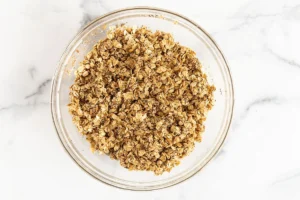
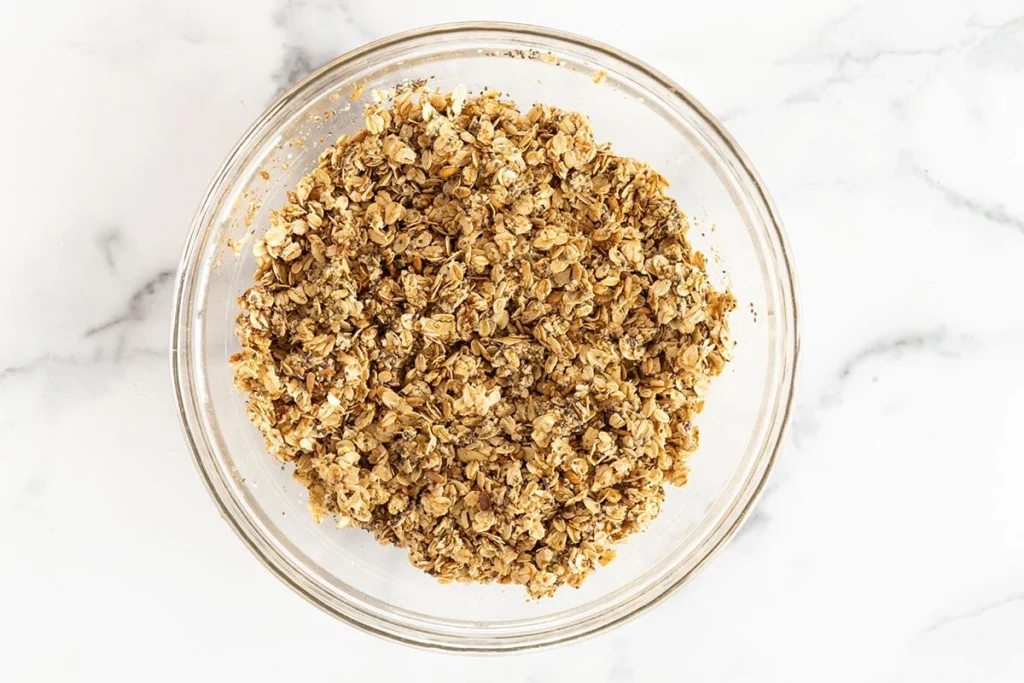
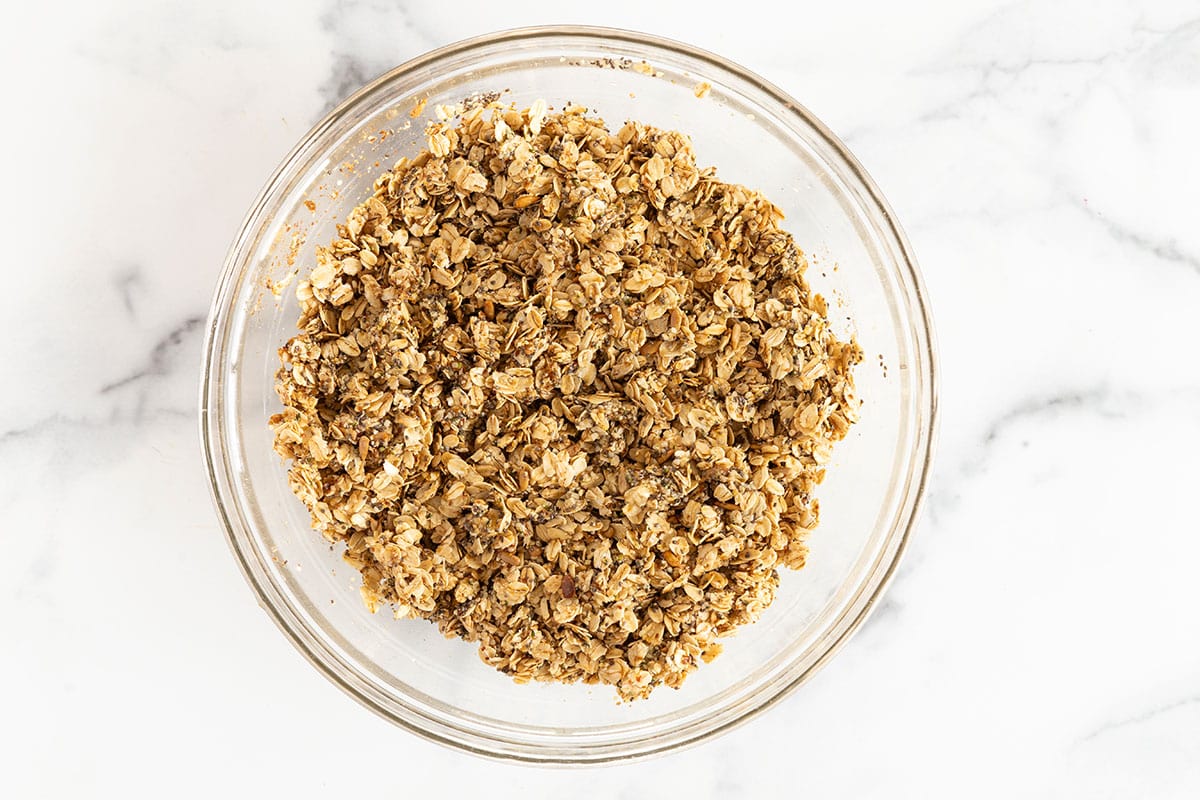
- Preparation: Mix all dry ingredients (oats, seeds, spices) with the wet binders (applesauce, oil) in a single bowl.
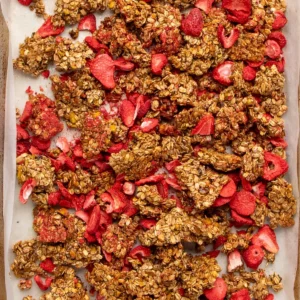
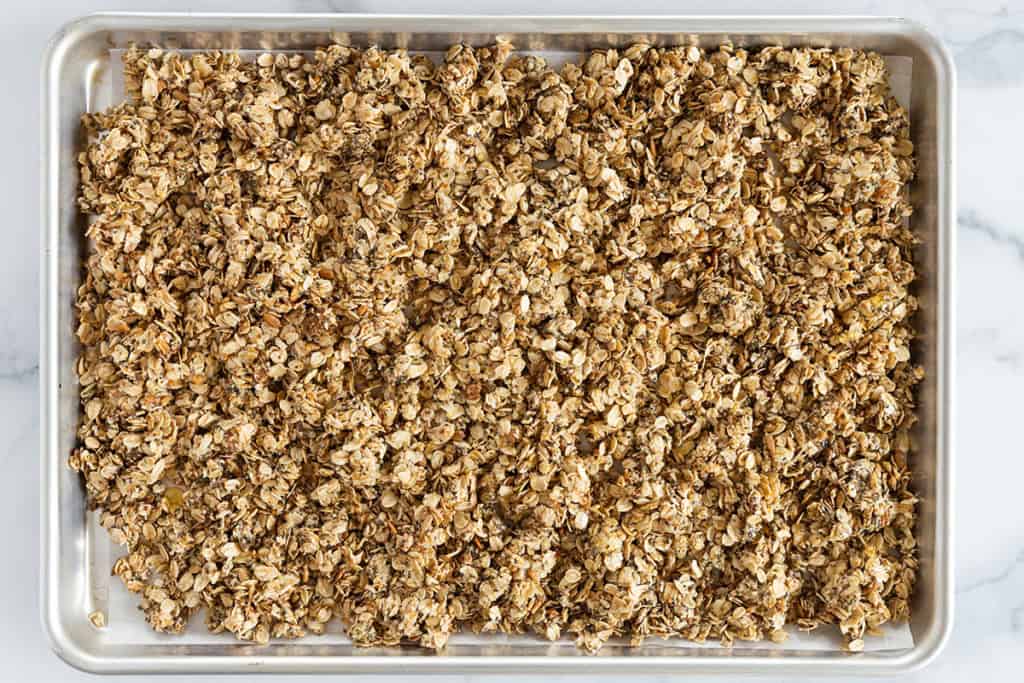
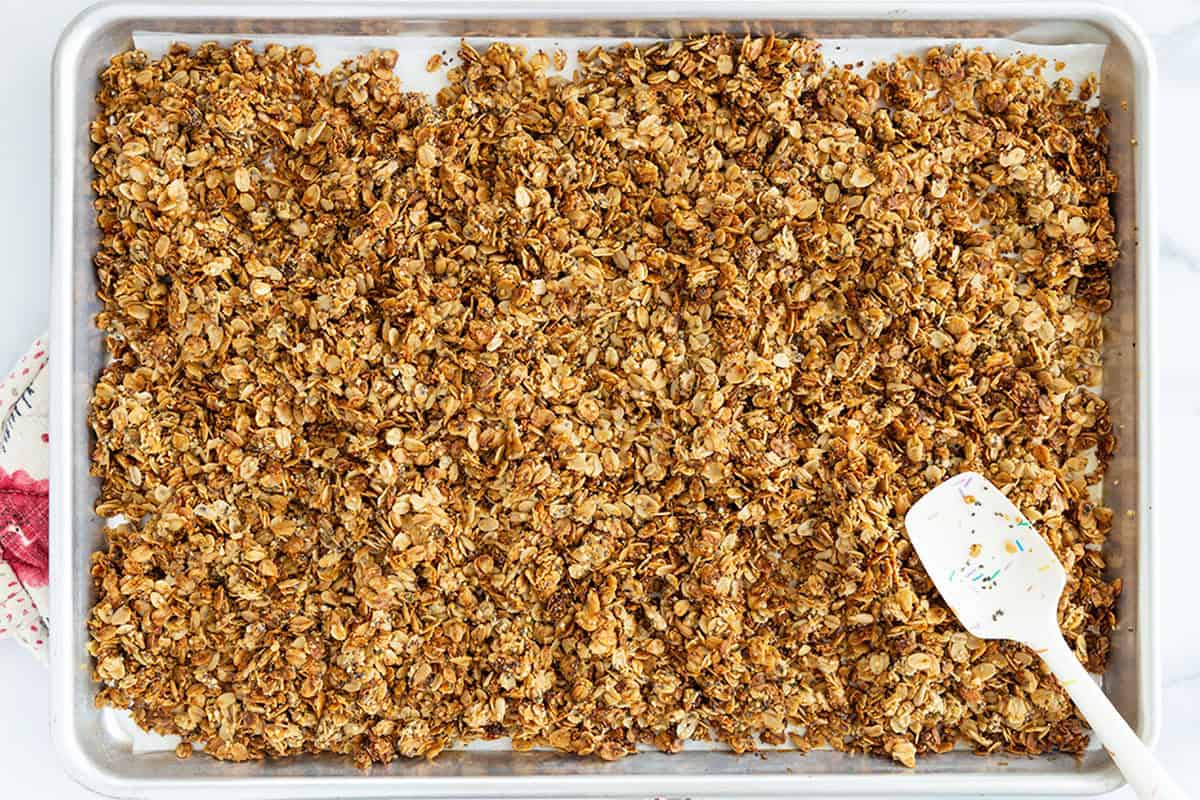
- The Bake: Spread the mixture evenly on a baking sheet. The key is to bake until lightly golden; over-browning can lead to a bitter taste.
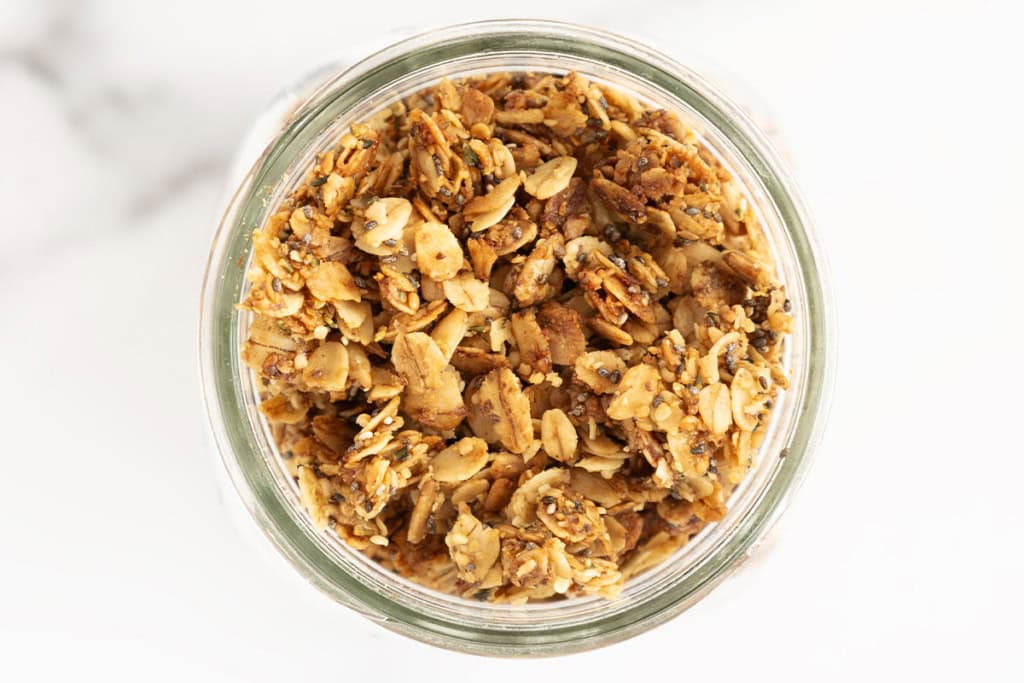
- Cooling and Storage: Allow the granola to cool completely before storage. This ensures the texture remains crisp. It can be stored in an airtight container for up to a month, or frozen for up to three months, making it an ideal candidate for meal prepping.
Conclusion
The evolution of the toddler breakfast is clearly moving toward simplicity and transparency. This lower-sugar granola is more than just a recipe; it is a tool for parents to reclaim control over their children’s nutritional intake. By focusing on whole, recognizable ingredients, families can provide a breakfast that is as delicious as it is beneficial. Whether served as a crunchy topping for yogurt or a quick, healthy snack on the go, this recipe offers a reliable, sustainable, and wholesome solution to the daily breakfast dilemma. As more families move away from the "sugar trap" of commercial cereals, they are finding that the most effective way to fuel a child’s day is to return to the basics—one batch of granola at a time.