Financial Crossroads: High-Earning Connecticut Couple Navigates Debt and the Path to Homeownership

Main Facts: The Paradox of High Income and Consumer Debt
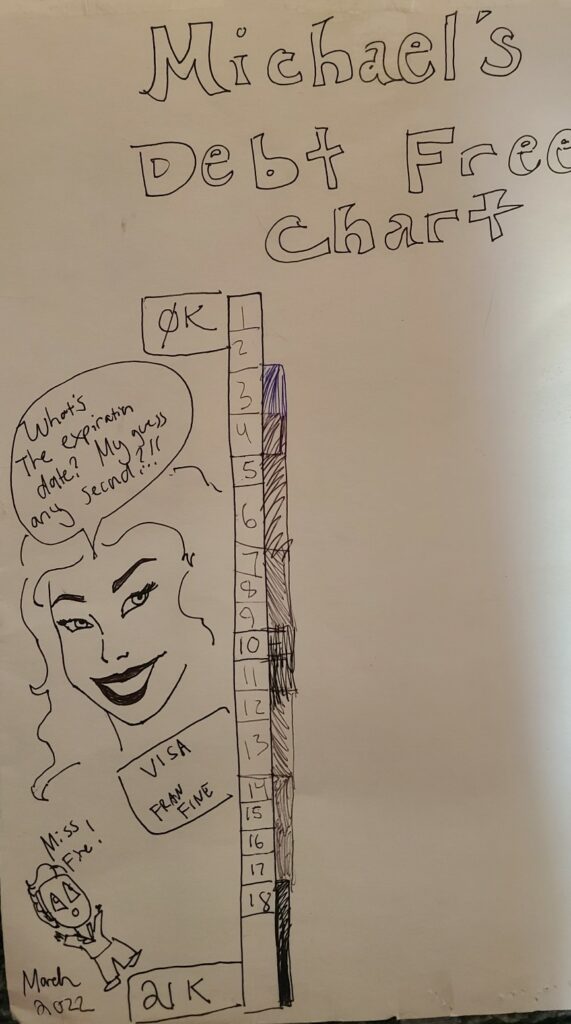
In the current economic landscape, a high household income is often equated with financial security. However, for Brian and Michael, a 34-year-old couple living in central Connecticut, a combined gross annual income of $167,544 has not yet translated into the "adulting" milestones they seek: homeownership and permanent debt freedom. Despite their professional success in the public and behavioral health sectors, the couple finds themselves at a critical financial juncture, burdened by approximately $28,259 in consumer debt and a lack of liquid savings.
Michael, a project coordinator for a state behavioral health agency and a survivor of a brain injury, balances his primary role with a secondary job as a disability leadership coordinator. Brian serves as a quality assurance manager for a state-run hospital, a role that provides significant long-term benefits, including a pension and lifetime healthcare. Together for a decade, the couple represents a growing demographic of mid-career professionals who, despite robust earnings, feel "behind" their peers due to lifestyle costs, unexpected life events, and the complexities of the modern housing market.

The couple’s financial profile is a study in contrasts. While they possess over $91,000 in total assets—primarily locked in retirement accounts—their monthly expenses have ballooned to over $8,000. With zero-percent interest windows on their credit card debt set to expire in November 2023, the urgency to restructure their finances has reached a fever pitch.
Chronology: From Stability to a "Scramble" for Housing
The couple’s current financial anxiety is rooted in a turbulent 12-month period that upended their long-standing stability. For eight years, Brian and Michael resided in a modest, 600-square-foot studio apartment with a monthly rent of $945. This low-overhead lifestyle allowed them to manage their finances with relative ease, even as Brian successfully paid off $58,000 in student loans.

However, the period between late 2022 and mid-2023 introduced a series of "cascading crises":
- Housing Displacement: The couple was forced to leave their long-term home, thrusting them into a volatile rental market. After a 3.5-month "scramble" to find a new residence, they moved into a luxury two-bedroom apartment in a refurbished industrial mill. While the space is more "age-appropriate" and provides a dedicated home office, the rent jumped from $945 to $2,000—a 111% increase.
- Veterinary Emergencies: During the transition, the couple faced the loss of their longtime cat, Rex, and the subsequent medical challenges of two new kittens. The resulting veterinary bills and specialized prescription food costs contributed significantly to their current debt load.
- The Debt Accumulation: The combination of moving costs, furnishing a larger apartment, and car repairs for two aging 2007 vehicles (a Mercedes and a Subaru) led to the accumulation of over $28,000 in credit card debt.
As they approach their 10-year anniversary in November 2023, the couple describes a sense of "shame" regarding their financial state, feeling that their lack of land and homeownership is a "source of disappointment" to their families and a barrier to their future legacy.

Supporting Data: A Detailed Breakdown of the Ledger
To understand the couple’s path forward, a granular analysis of their cash flow and liabilities is required.
Income and Cash Flow
The household generates a net monthly income of approximately $9,121 (after taxes, insurance, and initial retirement contributions).

- Brian’s Net: $4,688 (per month equivalent)
- Michael’s Net (Both Jobs): $3,539 (per month equivalent)
- Total Annual Net: $109,455.42
The Debt "Cliff"
The most pressing data point is the interest rate schedule on their $28,259 debt:
- Brian’s SCU Visa: $16,057 (0% interest expires November 2023; jumps to 17.99%)
- Michael’s Navy Federal Visa: $9,700 (10.99% interest)
- Brian’s Navy Federal Visa: $2,503 (0.99% interest expires November 2023; jumps to 17.74%)
Expense Analysis
The couple’s monthly expenses total $8,035. While this includes $2,000 in aggressive debt payments, it also reveals significant "leaks":
- Pet Care: $517/month (high due to prescription needs).
- Dining and Discretionary: Over $1,000/month across eating out, gifts, home goods, and personal care.
- Transportation: $1,064/month (high due to recent repairs on high-mileage vehicles).
With assets totaling $91,250, the majority is illiquid (401k, 403b, Pension Fund). Their liquid emergency fund stands at only $9,000—barely enough to cover one month of their current high-burn expenses.
Official Recommendations: The "Financial Detox" Strategy
Liz Frugalwoods, a prominent personal finance consultant and author, provided an analysis of the couple’s situation, arguing that Brian and Michael are in "better shape" than they perceive, provided they enact immediate structural changes. Her recommendations focus on three pillars: tracking, aggressive debt elimination, and priority realignment.

Phase 1: The Spending Detox
Frugalwoods suggests an immediate "spending detox" to capitalize on the months remaining before Brian’s credit card interest rates skyrocket. By categorizing all spending into "Fixed," "Reduceable," and "Discretionary," the analysis identified that the couple could feasibly reduce their monthly spending from $8,035 to $6,665 without compromising their core needs.
By eliminating discretionary categories—such as eating out ($200), gifts ($260), and home goods ($200)—the couple could redirect an additional $1,370 per month toward their debt. This would bring their total monthly debt-payoff capacity to $4,456, allowing them to be entirely debt-free in approximately 6.5 months.

Phase 2: Building the "Buffer"
Once the consumer debt is eliminated, the recommendation shifts to stabilizing their "personal safety net." An emergency fund of $9,000 is insufficient for a household with a $2,000 mortgage/rent. The goal is to reach a 3-to-6-month cash reserve of approximately $25,000 to $30,000 before considering a down payment on a home.
Phase 3: Optimizing the "Triple Crown" of Retirement
Brian’s position as a state employee grants him access to a rare combination of retirement vehicles: a 403b, a 457b, and a pension. Frugalwoods highlights the 457b plan as a "wildcard" advantage, as it allows for penalty-free withdrawals after leaving an employer, regardless of age—a key tool for early retirement or career transitions. The recommendation is to max out these tax-advantaged accounts once the debt is cleared, rather than pursuing further education.

Implications: The "Adulting" Milestone and the Master’s Degree Dilemma
The case of Brian and Michael reflects a broader societal debate regarding the value of advanced degrees versus financial liquidity. Brian expressed a desire to pursue a master’s degree to achieve "academic success" and overcome past educational struggles. However, from a journalistic and financial advisory perspective, the implications of this move are risky.
The Educational Detour
Financial experts often warn against "education for education’s sake" when a household is in debt. Unless a master’s degree offers a "guaranteed, iron-clad correlation" to a significant salary increase, the cost—both in tuition and lost opportunity for investment—could delay the couple’s dream of homeownership by several more years. In Brian’s case, his current state role already offers a trajectory toward a $4,150 monthly pension by 2054.

The Real Estate Reality
The couple’s desire to "buy low" in the housing market is a sentiment shared by many Millennials, yet the data suggests they are not yet "market-ready." In the current Connecticut market, characterized by high interest rates and low inventory, entering with significant consumer debt and a small down payment could lead to a "house poor" scenario. The implication is clear: the couple must first master their "spreadsheet problems" in their current luxury rental before they can safely transition to owning "a piece of the earth."
Psychological Impact of Financial Shame
Perhaps the most significant implication is the psychological toll of "lifestyle creep." Despite earning a top-tier household income, the couple’s feelings of "shame" and "being behind" highlight the gap between earning power and financial management. Their story serves as a cautionary tale for high-earning professionals: without a rigorous tracking system, income often rises to meet—and then exceed—expenses, creating a cycle of "feast and famine" that prevents long-term wealth accumulation.

In conclusion, Brian and Michael possess all the raw materials for a robust financial future: high income, excellent benefits, and a shared vision. Their success now depends on their ability to endure a short-term "austere" period to eliminate debt, thereby unlocking the "next level of adulting" they so fervently desire. As Liz Frugalwoods notes, "Money makes life easier, but it doesn’t solve life for you." For this Connecticut couple, the next six months will determine whether their goals remain "dreams forever deferred" or become their new reality.