The Culinary Cure: Exploring the Powerful Link Between Diet and Hair Growth
FOR IMMEDIATE RELEASE
New research is shedding light on an intriguing connection between everyday foods and the battle against hair loss. Far from merely a cosmetic concern, androgenetic alopecia, commonly known as male or female pattern hair loss, affects millions globally, prompting a relentless search for effective solutions. While pharmaceuticals and supplements have long dominated the conversation, emerging scientific evidence suggests that humble kitchen staples like hot peppers, soy foods, and pumpkin seeds may hold significant promise in promoting hair regrowth, pointing towards a powerful, yet often overlooked, dietary intervention.
Androgenetic alopecia stands as one of the most prevalent chronic issues encountered by dermatologists. Characterized by a progressive thinning and loss of hair, primarily across the central scalp, it impacts individuals’ self-esteem and quality of life. For men, it manifests as male pattern baldness, often presenting as a receding hairline and thinning crown, while in women, it’s termed female pattern hair loss, typically appearing as a widening part and diffuse thinning. This widespread condition has spurred extensive research into its causes and potential treatments, ranging from pharmacological interventions to various lifestyle modifications. The critical question now being asked by both patients and practitioners is: what role might diet truly play in the treatment of hair loss, moving beyond anecdotal claims to evidence-based understanding?
Unraveling the Connection: Diet’s Role in Combating Hair Loss
The quest for effective hair loss treatments has traditionally focused on topical applications and oral medications designed to either stimulate hair follicles or block the hormones implicated in hair thinning. However, a burgeoning field of research is increasingly highlighting the profound impact of nutrition and the gut microbiome on systemic health, including the health of our hair. This paradigm shift suggests that solutions might not always come in a bottle, but rather from the foods we consume daily.
Recent studies have begun to unravel complex physiological pathways linking dietary components to hair follicle health and growth cycles. This evolving understanding points to specific compounds found in common plant-based foods that possess properties capable of influencing hormonal balance, reducing inflammation, improving circulation, and nourishing the scalp environment. The implications are profound, offering accessible, potentially side-effect-free avenues for individuals seeking to manage or reverse hair loss.
The core of this exciting development lies in identifying specific foods – notably hot peppers, soy, and pumpkin seeds – that have shown promising results in clinical settings. These findings encourage a reevaluation of our daily diets, suggesting that strategic food choices could be a powerful, complementary tool in the comprehensive management of androgenetic alopecia. Moreover, the surprising revelations about the gut microbiome’s influence underscore the intricate web of bodily systems that contribute to overall health, including the vitality of our hair.
The Unseen Influence: A Chronology of Discovery
The journey to understanding diet’s role in hair health is marked by a series of intriguing discoveries, starting from the most unexpected corners of medical research to rigorous clinical trials.
Early Clues: The Microbiome’s Unexpected Link
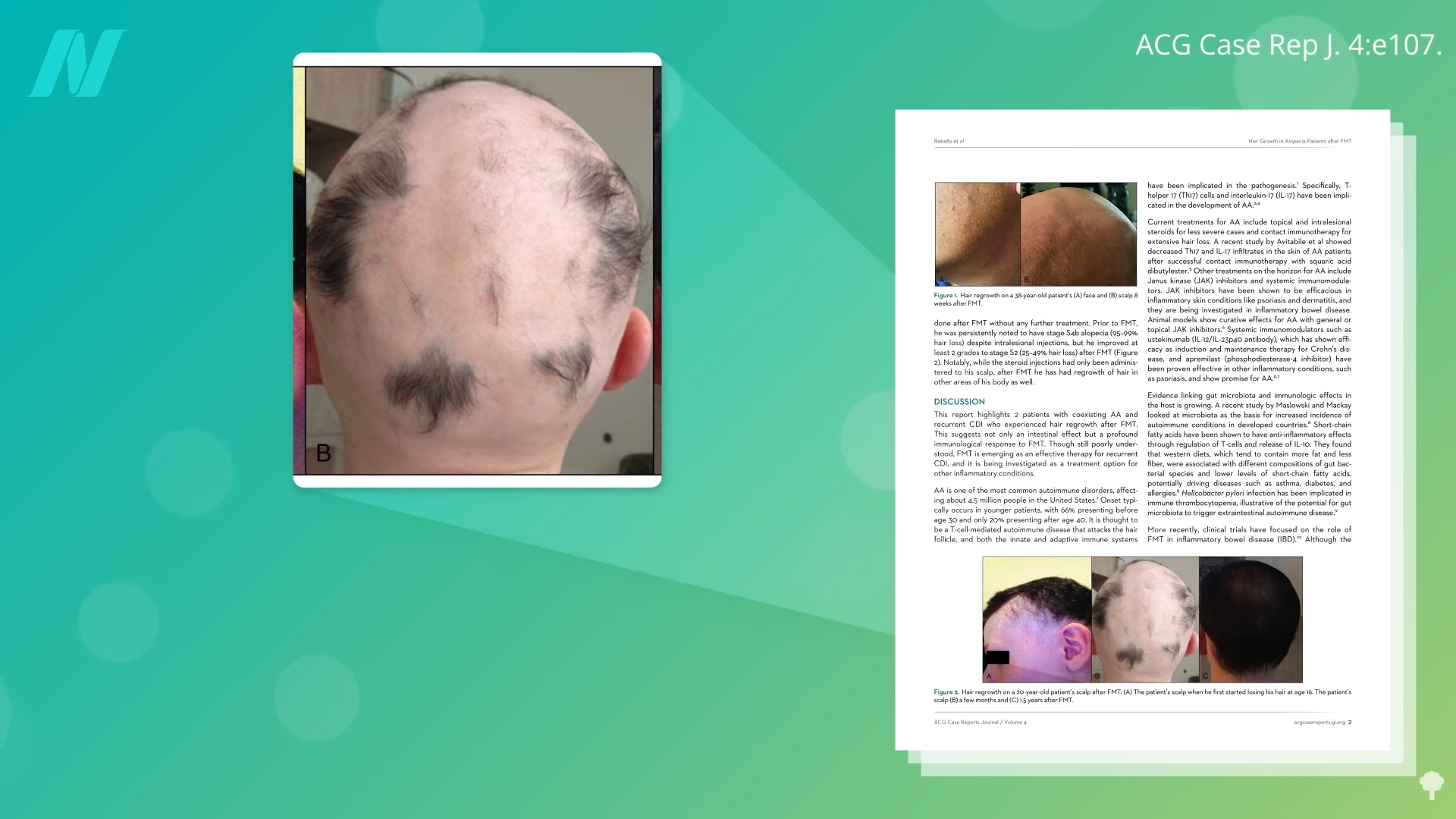
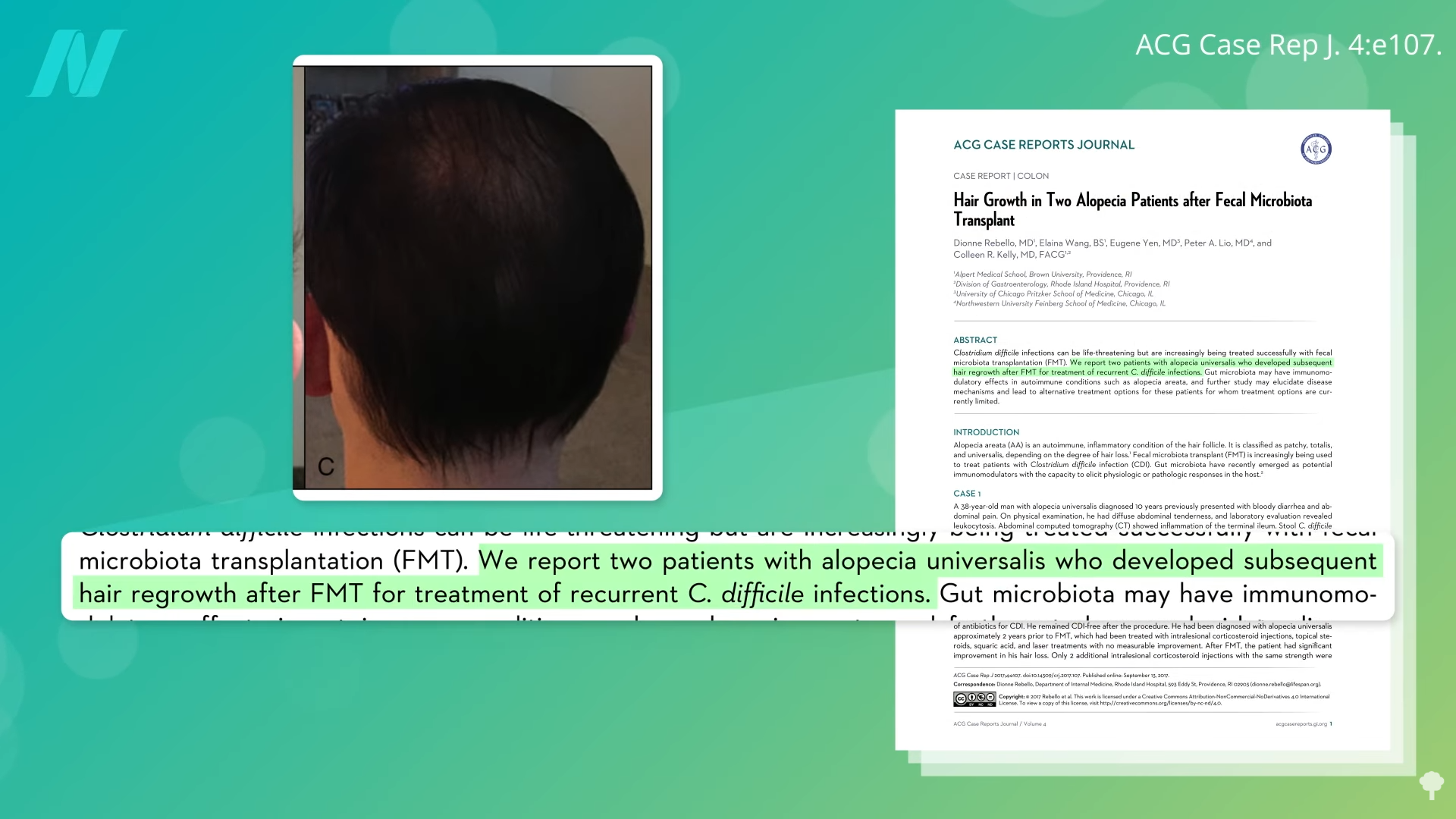
Perhaps one of the most astonishing breakthroughs in recent years comes from human experiments involving fecal transplants. While primarily explored for treating severe gut conditions like Clostridium difficile infections, these procedures have offered a profound clue to the sheer power and influence of our microbiome. In remarkable reports, patients undergoing fecal microbiota transplantation (FMT) for unrelated conditions unexpectedly experienced improvements in hair loss. One particularly striking case involved a male patient who was completely bald. A few months after receiving a "fecal slurry made from freshly passed stools" from a donor, administered into his colon, he began to regrow hair. The improvements were not subtle; within a little over a year, his hair had completely regrown, transforming his appearance dramatically.
This extraordinary observation underscores the critical role our gut bacteria play in regulating various physiological processes throughout the body, extending far beyond digestion. The gut-skin axis, a concept increasingly recognized in dermatology, posits a bidirectional communication between the gut and the skin, influencing conditions from acne to eczema. The fecal transplant case suggests a similar, perhaps even more direct, gut-hair axis. While the moral of this story is certainly not to embrace unconventional "brown smoothies," it powerfully advocates for nourishing and maintaining a healthy, diverse gut microbiome. A balanced gut flora can produce beneficial compounds, modulate immune responses, and influence nutrient absorption, all of which could indirectly or directly support hair follicle health and mitigate hair loss. This groundbreaking insight opens new frontiers for research into probiotics, prebiotics, and dietary fibers as potential allies in hair restoration.
Lifestyle and Dietary Patterns: Population-Level Insights
Beyond the fascinating individual case studies, broader population-level research has consistently pointed to correlations between overall lifestyle, dietary habits, and the prevalence of male pattern baldness. These large-scale observational studies provide crucial epidemiological data, suggesting patterns that warrant further investigation through controlled clinical trials.
For instance, several population studies have identified strong associations between male pattern baldness and detrimental lifestyle factors such as poor sleeping habits and the frequent consumption of meat and highly processed junk food. These findings align with general health recommendations, where inadequate sleep and a diet rich in saturated fats, sugars, and inflammatory compounds are known to negatively impact various bodily systems, potentially including hair growth cycles. The mechanisms here could involve increased oxidative stress, chronic inflammation, or hormonal imbalances, all of which are implicated in the pathogenesis of androgenetic alopecia.
Conversely, protective associations were consistently found for the regular consumption of raw vegetables and fresh herbs, as well as frequently drinking soymilk. These plant-based foods are rich in vitamins, minerals, antioxidants, and phytochemicals—compounds known for their anti-inflammatory and cell-protective properties. Specifically, drinking soy beverages on a weekly basis was associated with a remarkable 62% lower odds of experiencing moderate to severe hair loss. This significant correlation raises the compelling possibility that specific protective compounds present in plants, such as isoflavones in soy, might actively counteract the processes leading to hair thinning. This population data, while not proving causation, provides a strong rationale for exploring specific plant-based foods in controlled clinical trials.
Pinpointing the Potent: Supporting Data from Clinical Trials
The journey from observational correlations to concrete recommendations requires rigorous scientific validation. This involves moving beyond broad associations to identifying specific compounds and testing their efficacy in well-designed clinical trials.
Navigating the Evidence Landscape: Scrutinizing Research Claims
In the realm of complementary and alternative medicine, there’s a pervasive tendency for treatments to "boast the ability to ‘cure’ hair loss ‘safely’ with ‘less side effects’ than conventional medicine." However, a critical review of the literature reveals a significant need to "look beyond the overarching claims and marketing to critically review the literature." Many studies touted as evidence often suffer from methodological flaws that render their findings unreliable.
A common issue is the reliance on animal models, particularly shaved rodents. While animal studies can offer initial insights, findings from "shaved mice smeared with bee venom" often have little direct relevance to human hair loss conditions and are not translatable to human efficacy or safety. The physiology of hair growth, follicular structure, and hormonal regulation can differ significantly between species. Furthermore, even when clinical studies are conducted on actual people, a major deficiency is the absence of a placebo control group. Without a placebo, it becomes impossible to ascertain whether any observed improvements are due to the intervention itself or merely the placebo effect, natural remission, or other confounding factors. This highlights the indispensable need for randomized, double-blind, placebo-controlled trials—the gold standard in medical research—to establish true efficacy.
Capsaicin and Soy Isoflavones: A Spicy Solution?
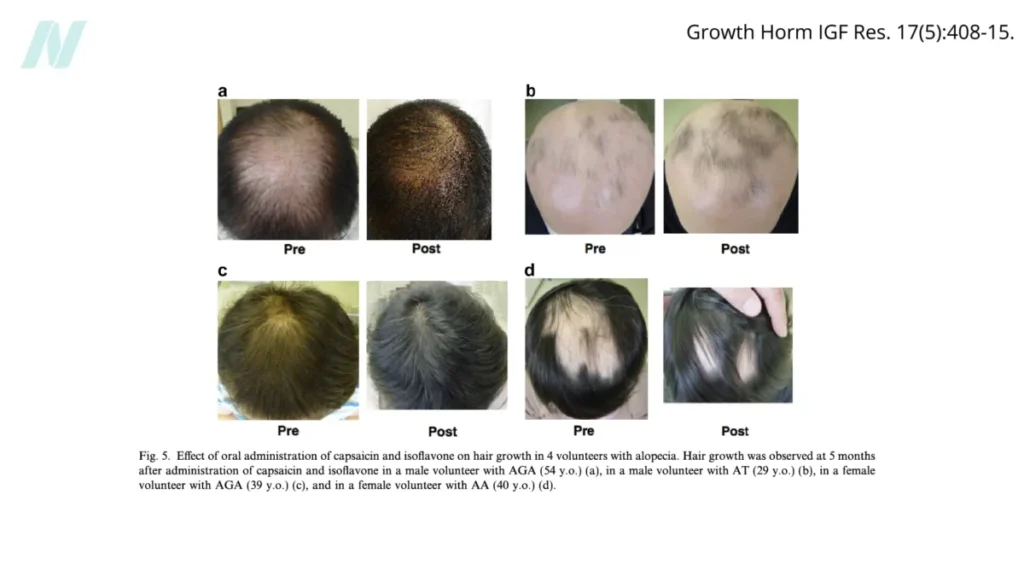
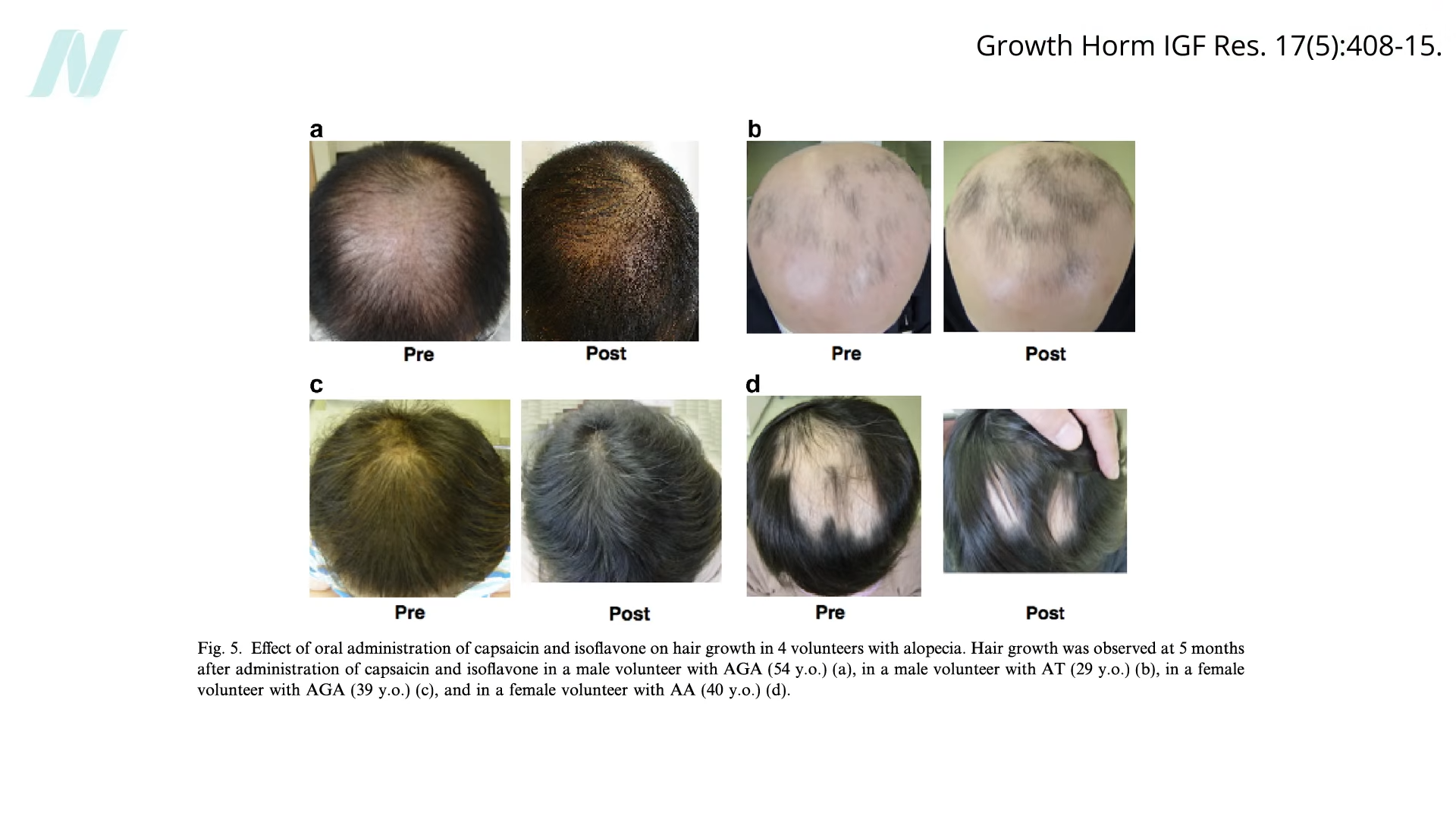
Despite the prevalence of flawed research, some rigorous studies have emerged, providing compelling evidence for dietary interventions. One such randomized, double-blind, placebo-controlled study investigated the combined effects of compounds found in hot peppers and soy on hair growth. This trial demonstrated a significantly higher promotion of hair growth in participants receiving the active compounds compared to the placebo group. The before-and-after photographs of both men and women participating in the study vividly illustrate these improvements, showing noticeable increases in hair density and coverage.
The specific dosages used in this impactful study were 6 milligrams of capsaicin per day and 75 milligrams of isoflavones. Translating these scientific quantities into practical, real-food equivalents makes these findings highly actionable for the average person. Obtaining 6 milligrams of capsaicin is surprisingly easy—it’s equivalent to consuming just a quarter of a fresh jalapeño pepper daily. For the isoflavones, 75 milligrams can be achieved by eating approximately three-quarters of a cup of tempeh or straight soybeans. While soy nuts (dry-roasted soybeans) offer an even more concentrated source of isoflavones, a cautionary note is often raised regarding high-fat, high-protein foods prepared at high temperatures. Such processing can lead to the formation of advanced glycation end-products (AGEs), which are linked to oxidative stress and inflammation, potentially undermining the overall health benefits. Therefore, opting for minimally processed soy foods like tempeh or edamame is generally recommended over routinely consuming roasted or toasted nuts, seeds, or soy products.
The potential mechanisms behind capsaicin and soy’s effects are multifaceted. Capsaicin, the active compound in chili peppers, is known to stimulate blood flow and has been shown to activate hair follicle cells in vitro, potentially by increasing the production of insulin-like growth factor-1 (IGF-1), which plays a role in hair growth. Soy isoflavones, on the other hand, are phytoestrogens that can exert weak estrogenic or anti-androgenic effects. By potentially modulating androgen receptor activity or inhibiting 5-alpha-reductase (the enzyme that converts testosterone to the more potent dihydrotestosterone, DHT, a key culprit in androgenetic alopecia), isoflavones could help reduce the hormonal assault on susceptible hair follicles.
The Power of the Pepita: Pumpkin Seed Oil’s Proven Efficacy
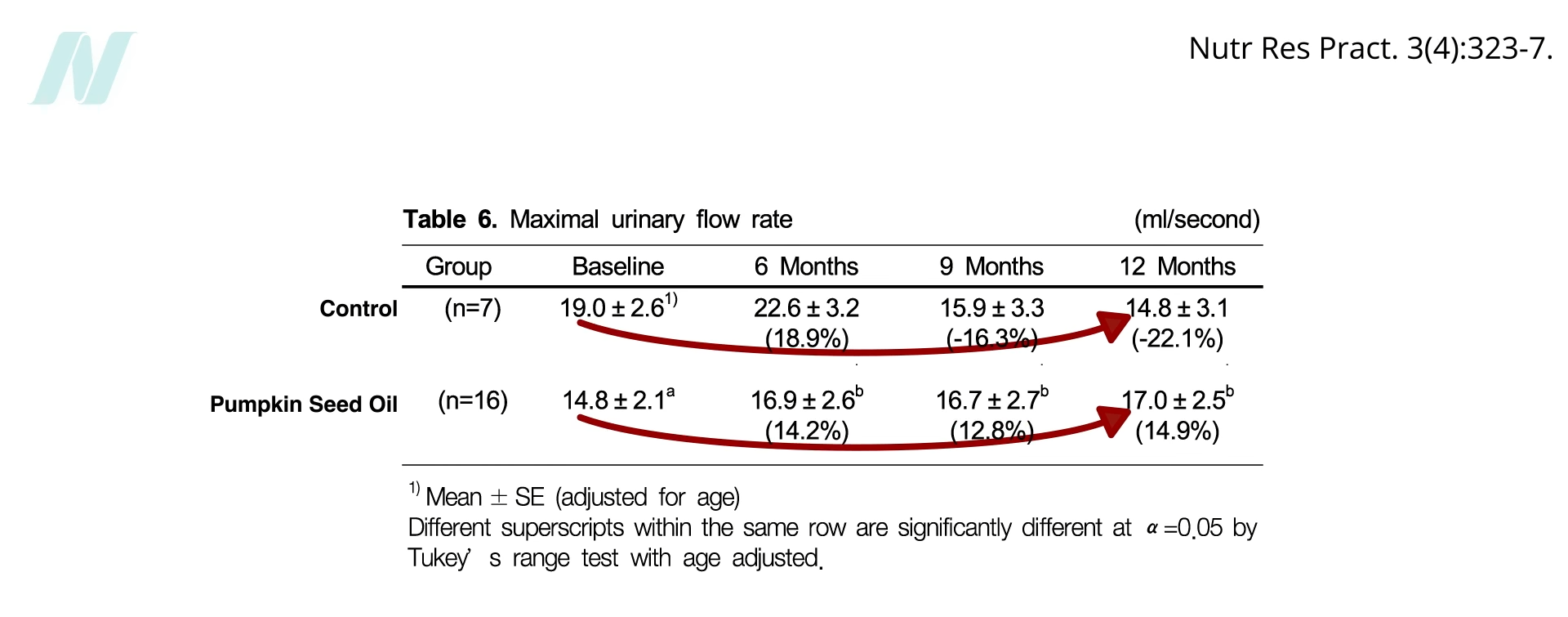
Another significant breakthrough comes from a randomized, double-blind, placebo-controlled trial focusing on pumpkin seed oil. The idea for this intervention originated from earlier research on benign prostatic hyperplasia (BPH), or enlarged prostate glands. In 2009, a South Korean study found that men with BPH who were randomized to receive just 320 milligrams of pumpkin seed oil daily (an incredibly small amount, equivalent to about a sixteenth of a teaspoon or just a few drops) experienced improved urinary flow rates. While the control group’s urinary flow continued to decline, those taking the pumpkin seed oil — an amount equivalent to eating only two single pumpkin seeds a day — saw a significant improvement.
This observed effect in BPH suggested an anti-androgen action, as DHT is also implicated in prostate enlargement. Given that DHT is a primary driver of androgenetic alopecia, researchers hypothesized that pumpkin seed oil might similarly help with hair loss. Early topical applications in mice showed promise, but the real test lay in human trials with oral consumption.
In a pivotal study, 76 men diagnosed with male pattern baldness were given either 400 milligrams of pumpkin seed oil daily, encapsulated to maintain blinding, or placebo capsules over several months. This dosage, roughly equivalent to eating two to two and a half pumpkin seeds a day, was tested against various objective and subjective measures of scalp hair growth. After 24 weeks of treatment, the results were compelling: the pumpkin seed oil group reported higher self-rated improvement and satisfaction scores, and objectively, they demonstrated a remarkable 40% increase in hair counts, significantly outperforming the placebo group, which only saw a 10% increase. The before-and-after photographs from this study provided clear visual evidence of improved hair coverage.
Further validation came from investigators blinded to group assignment, who rated the placebo groups as generally worsening over time, while the pumpkin seed oil group showed significant improvement. Specifically, 95% of participants in the pumpkin seed oil group were rated as either unchanged or improved, whereas over 90% in the placebo control group were classified as unchanged or worsened. Given such a pronounced effect, a natural concern might arise regarding potential sexual side effects, particularly if the mechanism involves anti-androgenic activity. However, researchers meticulously used an index of erectile dysfunction both before and after the study and found no evidence of adverse effects, reassuring patients about its safety profile.
Pumpkin seeds, often discarded, are a "rich repertoire" of nutrition, containing a wealth of zinc, magnesium, iron, antioxidants, and phytosterols. These phytosterols are believed to be the primary active compounds responsible for the anti-androgenic effects, potentially by inhibiting the conversion of testosterone to DHT or by blocking DHT’s binding to receptors in hair follicles. The study firmly established that incorporating even a minimal amount of pumpkin seed oil into the daily diet can yield significant, measurable improvements in male pattern baldness without undesirable side effects.
Beyond the Plate: Official Responses and Broader Health Perspectives
The accumulating evidence for dietary interventions in hair loss is prompting a re-evaluation of current clinical approaches and aligning with broader nutritional guidelines that emphasize whole, plant-based foods for overall health.
While specific "official responses" from major medical bodies regarding these particular food interventions for hair loss are still evolving, the scientific community is increasingly acknowledging the profound impact of diet on dermatological conditions. The findings on hot peppers, soy, and pumpkin seeds resonate deeply with principles advocated by leading nutrition experts, such as Dr. Greger’s Daily Dozen Checklist, which encourages the daily consumption of a variety of nuts and seeds, including pumpkin seeds, as well as legumes like soy. A handful of pumpkin seeds, for instance, would easily fulfill the Daily Dozen recommendation for nuts and seeds.
This integration of dietary strategies into the management of hair loss is also consistent with a holistic approach to patient care. As highlighted in the "Doctor’s Note" section, this discussion on food for hair growth complements previous explorations into "Do Hair Growth Supplements Work?" and "The Benefits and Risks of Hair Loss Drugs." By positioning diet as a foundational or complementary approach, it acknowledges that while some individuals may benefit from pharmaceutical interventions, a significant number can find effective, natural, and side-effect-friendly support through their food choices. This perspective also empowers individuals to take a more active role in their health management.
It is crucial to note that while these studies are promising, more extensive and diverse research is always beneficial. Individual responses to dietary changes can vary based on genetic predisposition, the severity of hair loss, and other underlying health conditions. Therefore, while incorporating these foods can be a beneficial strategy, it is often best viewed as part of a comprehensive approach that might also involve consulting healthcare professionals for personalized advice and diagnosis. The ultimate goal is to offer patients a wider spectrum of evidence-based options, moving beyond a one-size-fits-all approach to hair loss treatment.
Implications for Hair Health and Beyond
The findings on hot peppers, soy, and pumpkin seeds, coupled with the intriguing role of the gut microbiome, carry significant implications for both the management of hair loss and our broader understanding of health.
A Paradigm Shift in Hair Loss Management
These studies represent a potential paradigm shift in how hair loss is perceived and treated. For too long, the narrative has been dominated by costly, sometimes side-effect-laden pharmaceutical drugs or often unproven, expensive supplements. The discovery that common, affordable, and nutrient-rich foods can significantly promote hair growth offers a refreshing and accessible alternative. This shift emphasizes prevention and natural intervention, potentially reducing reliance on pharmacological solutions for many individuals. It highlights the power of integrating simple, dietary changes into daily routines as a first-line or adjunctive therapy, empowering individuals with a more natural and sustainable path to better hair health. This also opens the door for dermatologists and general practitioners to include specific dietary recommendations as part of their treatment protocols, thereby broadening the scope of care for hair loss patients.
The Gut-Hair Axis: A New Frontier
The profound implications of the microbiome findings, particularly the fecal transplant case, cannot be overstated. They point towards a complex and intricate "gut-hair axis" that warrants intensive future research. This axis suggests that the health and diversity of our gut microbes might directly influence the health and growth cycles of our hair follicles, possibly through systemic inflammation, nutrient synthesis, hormone regulation, or even direct signaling pathways. Understanding the specific microbial profiles associated with healthy hair versus hair loss could lead to novel probiotic or prebiotic interventions, offering a fundamentally new approach to hair restoration that targets the body’s internal ecosystem. This represents a significant expansion of our understanding of systemic health, where gut balance is not just crucial for digestion and immunity, but also for external manifestations like skin and hair vitality.
Integrating Dietary Strategies into Daily Life
For individuals grappling with hair loss, these findings provide actionable and practical takeaways. Incorporating foods rich in capsaicin (like jalapeños or other chili peppers), isoflavones (such as tempeh, edamame, or organic soybeans), and pumpkin seeds or their oil into a regular diet offers a simple, natural strategy. The recommended doses are easily achievable through whole food consumption, underscoring the benefits of a balanced and varied plant-forward diet. It’s crucial to prioritize whole foods over isolated supplements when possible, as the synergistic effects of various nutrients and compounds within natural foods often provide greater benefits than single isolated ingredients.
Beyond these specific foods, the overarching message from population studies reinforces the importance of a healthy lifestyle: prioritizing quality sleep, reducing the intake of processed foods and excessive meat, and increasing the consumption of raw vegetables and fresh herbs. These general dietary and lifestyle recommendations are not only beneficial for hair health but contribute significantly to overall well-being, reducing the risk of numerous chronic diseases.
Ultimately, the science is increasingly clear: what we put into our bodies has a profound impact on every aspect of our health, including the vitality of our hair. While more research will undoubtedly refine our understanding, the current evidence strongly supports a proactive, food-first approach to combating hair loss, offering hope and tangible strategies to those seeking natural pathways to thicker, healthier hair. As always, for personalized advice and to rule out other medical conditions, consulting with a healthcare professional or a registered dietitian is recommended before making significant dietary changes.