The Soul of Spain: A Comprehensive Five-Day Guide to Mastering Madrid

Home to approximately 3.5 million residents, Madrid stands not only as the political and financial capital of Spain but as its cultural heartbeat. While coastal cities like Barcelona often capture the international spotlight, Madrid offers a sprawling, sophisticated, and deeply authentic experience that rewards those who take the time to peel back its layers. From its golden-hued architecture to a nightlife that refuses to sleep until the sun crests the horizon, Madrid is a city of superlatives—and for the 10 million annual visitors who pass through its gates, it is a destination that demands a return.
Main Facts: The Character of the Capital
Madrid is a city of endurance and rhythm. Life here operates on a "delayed" clock; the workday is long, dinner is a late-night affair, and the social scene thrives in the quiet hours of the early morning. Embracing this pace is the key to unlocking the city’s true personality.
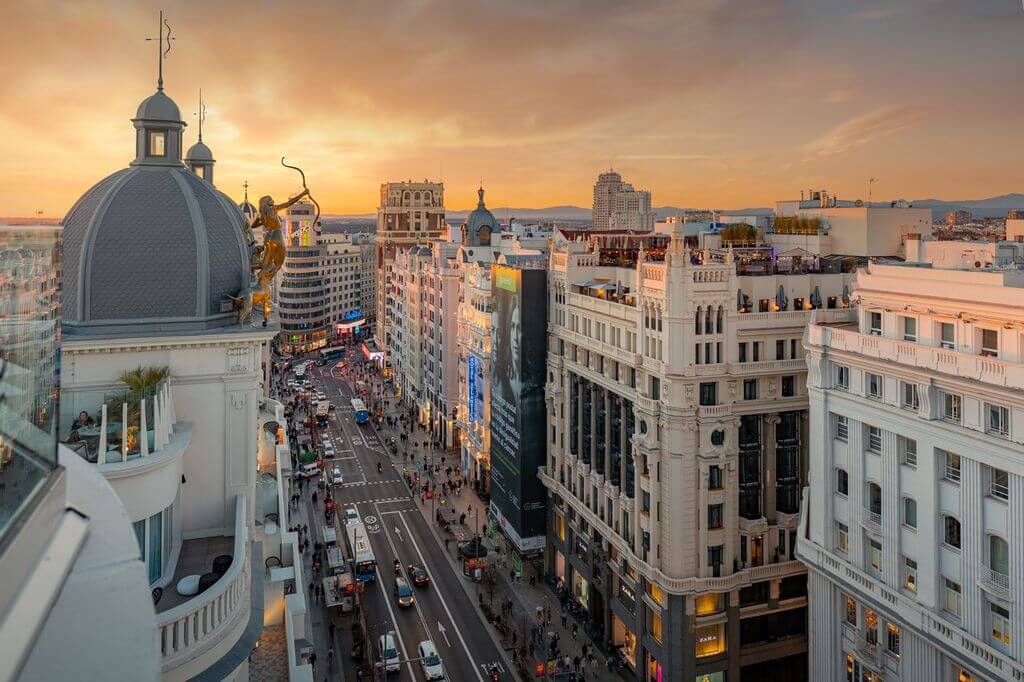
The city is a masterclass in urban planning, blending medieval history with grand, wide-reaching boulevards and world-class green spaces. Its status as a premier European destination is cemented by its "Golden Triangle of Art," its culinary innovation, and its unique ability to remain both a historic seat of power and a modern, inclusive metropolis.
Chronology: A Five-Day Immersion Strategy
Day 1: The Art Walk and Architectural Elegance
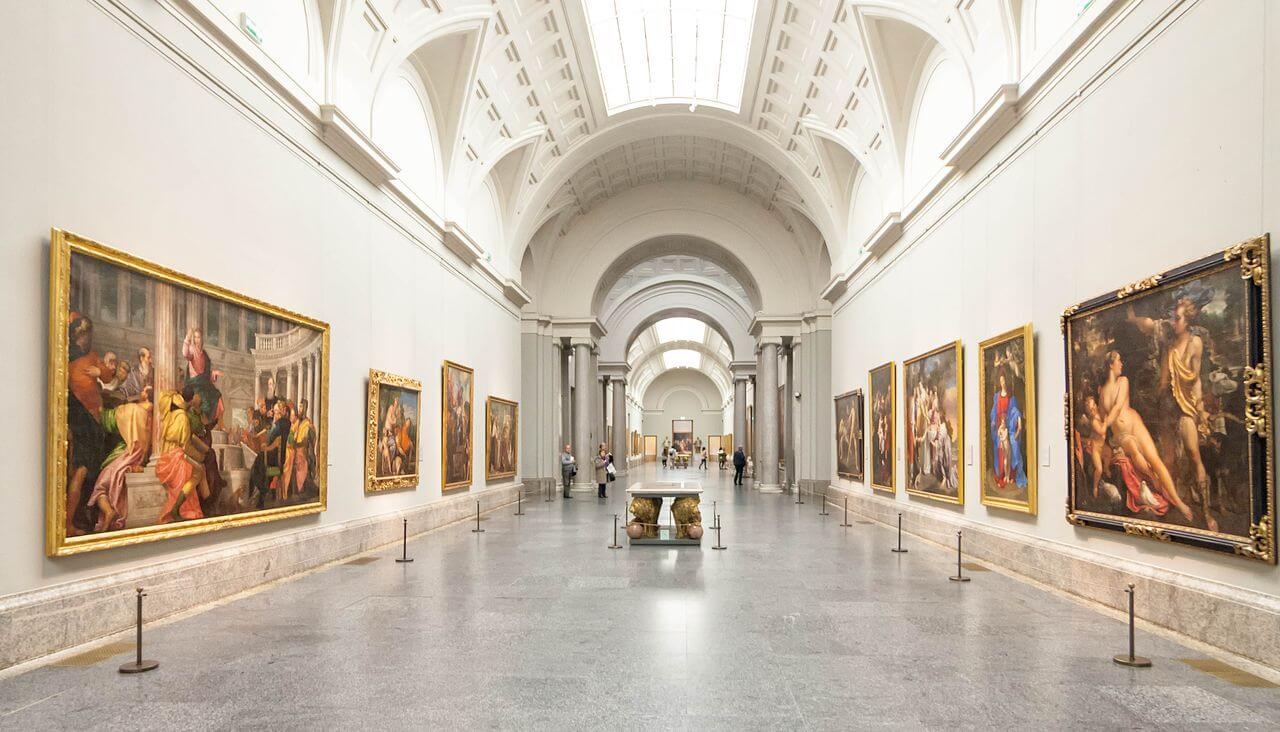
Begin your journey in the UNESCO-recognized Paseo del Prado, an area boasting over 40 monuments. Your first stop is the Prado Museum, a titan of the art world. Housing masterpieces by Velázquez, Goya, and El Greco, the museum requires several hours to fully appreciate.
A short walk leads you to the Thyssen-Bornemisza Museum, providing a bridge between classicism and contemporary pop art. Conclude your art circuit at the Reina Sofía, home to Picasso’s Guernica. For a change of pace, visit the "House Museums," specifically the Sorolla Museum. Reopening in 2026, this sun-drenched sanctuary offers an intimate look into the life of the "painter of light."
Day 2: Habsburg History and Royal Grandeur
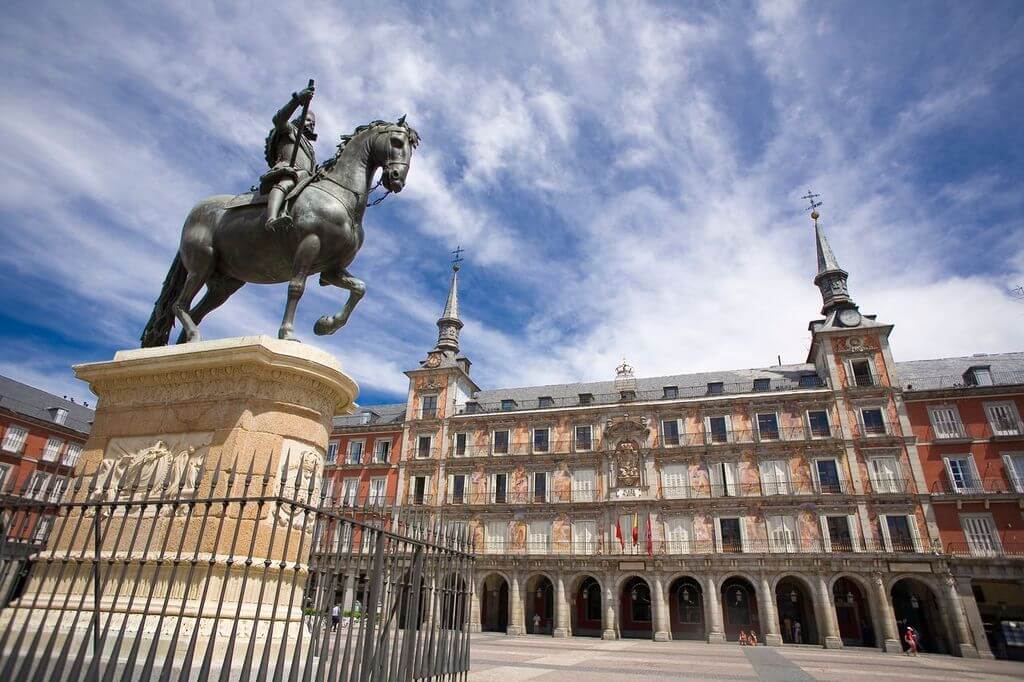
Explore "Habsburg Madrid," the medieval heart of the city. Start at Puerta del Sol, the physical center of Spain, marked by the iconic Kilometer Zero plaque and the Bear and the Strawberry Tree statue. Navigate toward the Plaza Mayor, a former stage for bullfights and royal proclamations, now serving as a hub for local social life.
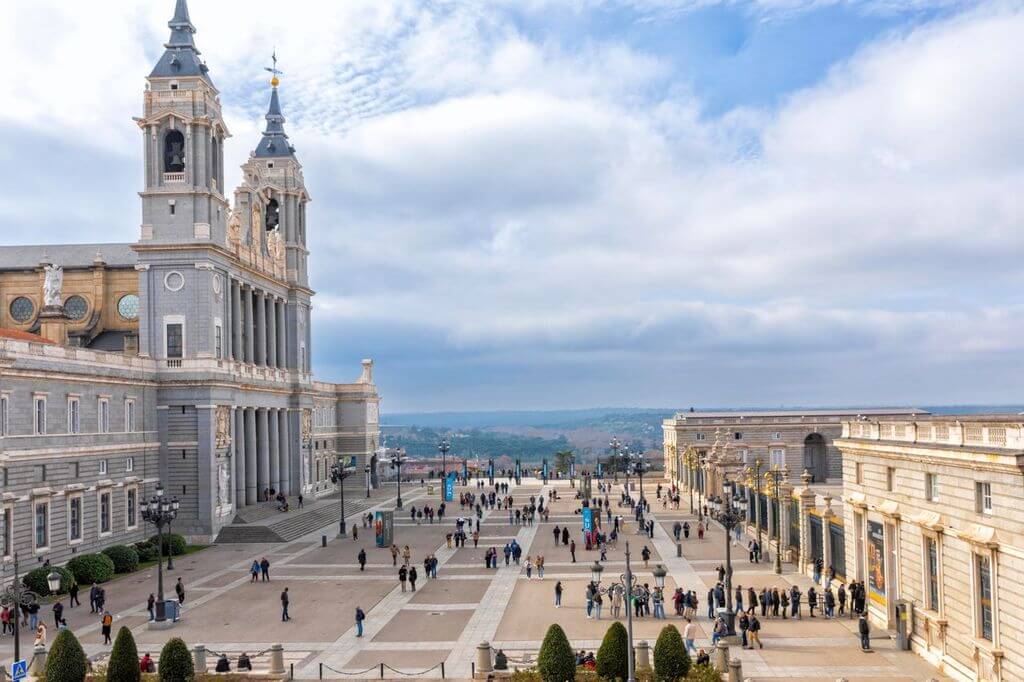
In the afternoon, tour the Royal Palace of Madrid. With over 3,400 rooms, this Baroque masterpiece is a testament to Spanish imperial power. Finish the day at the Almudena Cathedral, where the Neo-Romanesque crypt provides a cool, architectural contrast to the bustling palace district.
Day 3: The Culinary Frontier
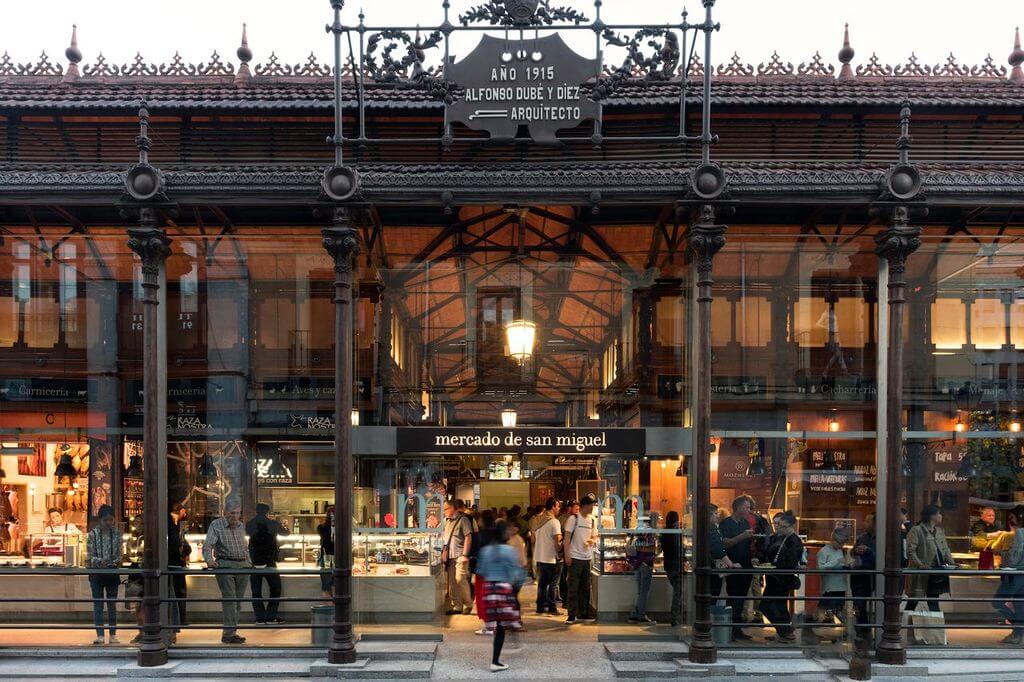
Madrid is a sensory experience defined by its food. Skip the standard tourist menus and head to Mercado de San Miguel for gourmet tapas. For a deeper, more regional immersion, explore the Mercado de San Antón in Chueca.
For dinner, follow the footsteps of Ernest Hemingway to Sobrino de Botín, the world’s oldest continuously operating restaurant. As evening falls, ascend to the Gran Vía rooftops—such as the RIU’s 360º bar—to witness the city transition from dusk to electric night. For those seeking plant-based options, the neighborhoods of Malasaña have transformed the city into one of Europe’s leading hubs for vegan gastronomy.
Day 4: UNESCO World Heritage Beyond the Gates
The "Landscape of Light" (Paisaje de la Luz) is the city’s UNESCO crown jewel, but the surrounding region offers even more historical depth.
- San Lorenzo de El Escorial: A 16th-century imperial monastery that serves as a tomb for Spanish monarchs. Its austere granite architecture is a hauntingly beautiful contrast to the city center.
- Aranjuez: Known for its Royal Palace and lush gardens, this site offers a regal, riverside retreat that rivals the opulence of Versailles.
- Alcalá de Henares: The birthplace of Miguel de Cervantes, this university city provides a perfectly preserved window into the Spanish Golden Age.
Day 5: Hidden Treasures and Local Rhythms
Conclude your trip by visiting the Monastery of Las Descalzas Reales, a cloistered palace once home to aristocratic women who donated their vast art collections to the church. Follow this with the Royal Monastery of La Encarnación, where history and religion intersect in ornate chapels and mysterious relics.
Spend your final afternoon in the Casa de Campo. Once a royal hunting ground, it is now a 17-square-kilometer public oasis. Enjoy a final sunset dinner overlooking the lake, with the Royal Palace silhouetted against the horizon—a fitting end to a deep dive into the Spanish capital.
Supporting Data: Economic and Logistical Insight
Madrid’s appeal lies in its accessibility. Unlike many European capitals that suffer from "over-tourism" fatigue, Madrid’s infrastructure is designed for capacity.
- Public Transit: The city features one of the most efficient metro systems in the world, making all five days of this itinerary easily navigable for under €10 a day.
- Gastronomic Density: With over 3,000 restaurants, the cost of high-quality dining is significantly lower than in Paris or London. A menú del día (lunch menu) remains one of the best economic values in European travel.
- Museum Accessibility: Many major museums offer "free hours" in the evenings, a deliberate policy to ensure local and international populations have access to national heritage.
Official Perspectives: The Tourism Outlook
Local tourism boards emphasize that Madrid’s growth is anchored in sustainability. The 2021 UNESCO designation of the "Landscape of Light" was not merely an aesthetic accolade; it was a mandate for the city to preserve its green corridors while managing the flow of 10 million annual visitors.
Cultural preservationists note that the city is currently undergoing a "renovation renaissance," with many historic sites—including the Sorolla Museum—undergoing major structural upgrades to ensure they remain viable for the next century of visitors.
Implications: Why Madrid Matters
The modern traveler is increasingly looking for "depth over breadth." Madrid provides exactly that. The implications of choosing Madrid as a primary destination are clear: you are choosing to participate in a culture that values the process of living—the three-hour lunch, the late-night conversation, and the slow appreciation of art—over the "checklist" style of tourism that has overtaken other major hubs.
By stepping off the beaten path into the monasteries of the Habsburg era or the local markets of Malasaña, travelers do more than just visit a city; they integrate into the daily rhythm of a capital that has mastered the art of being both grand and intimate. Madrid is not just a destination; it is a lesson in how to live well.
Plan your trip effectively by utilizing resources such as Skyscanner for flights and Booking.com for local guesthouses. For those traveling on a shoestring, the "Budget Guide to Europe" remains an essential companion, providing deeper insights into navigating the city’s transit, hidden eateries, and off-the-beaten-path experiences.