The Ultimate Guide to Batch-Prep Chipotle-Style Black Beans: Nutrition, Strategy, and Culinary Efficiency
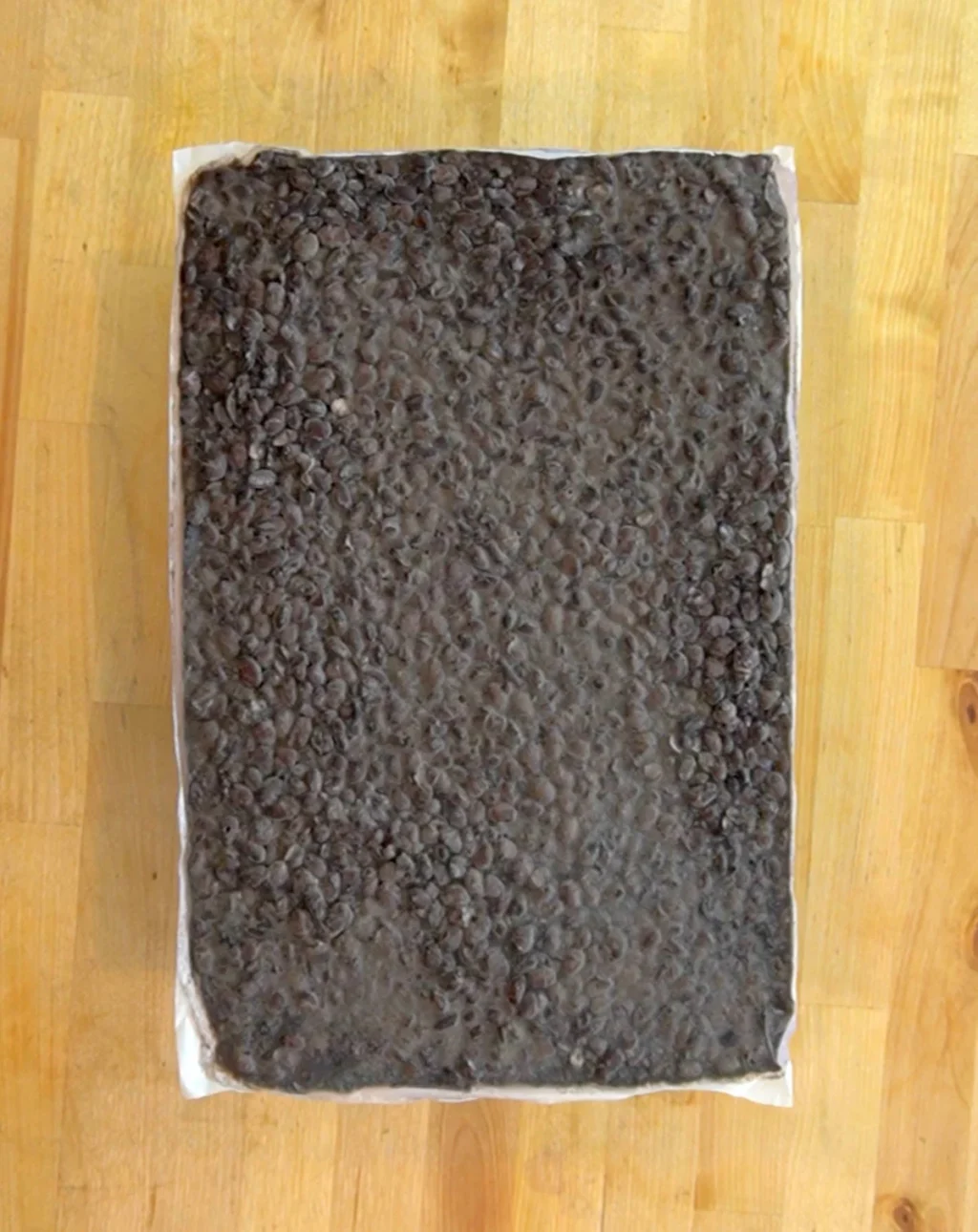
In the fast-paced world of modern nutrition, the ability to maintain a consistent diet often hinges on the success of one’s weekly meal prep. Among the most versatile, cost-effective, and nutrient-dense staples in the plant-based pantry is the black bean. By mastering a "Chipotle-style" black bean recipe, home cooks can transform their freezer into a personal "Snack City," ensuring that healthy, high-protein, and high-fiber meals—specifically burrito bowls—are never more than a few minutes away.
This comprehensive guide explores the preparation, nutritional profile, and strategic advantages of batch-cooking these legumes, providing a professional roadmap for those looking to optimize their kitchen workflow.
The Strategic Importance of Batch-Prepped Legumes
The philosophy of batch cooking is rooted in the intersection of economy and health. When we choose to cook in bulk, we are not merely saving time; we are actively reducing the "friction" that leads to unhealthy, impulsive dietary choices. Black beans, specifically when seasoned with the smoky, deep notes characteristic of Chipotle-style preparation, serve as the perfect anchor for a variety of meals.
Nutritional Profile at a Glance
For the health-conscious individual, transparency in macronutrient data is essential. This recipe is engineered to provide a balanced profile that supports muscle maintenance and sustained energy levels:
- Serving Size: 1/10th of the batch
- Calories: 180 kcal
- Carbohydrates: 30g
- Protein: 10g
- Fat: 2.2g
- Dietary Fiber: 7.3g
With a significant fiber content of over 7 grams per serving, this meal component excels in promoting satiety and digestive health. Furthermore, the 10g of protein provides a solid foundation for those following vegetarian or vegan protocols, making it a viable alternative to animal-based protein sources.
Chronology of Preparation: From Dry Bean to Freezer-Ready
Successful meal preparation requires a structured timeline. The following breakdown illustrates the professional approach to transforming raw ingredients into a shelf-stable, ready-to-eat culinary component.
Phase 1: The Soaking Process (0:00 – 8:00)
The secret to the perfect texture of a black bean lies in the initial soak. While canned beans are a convenient shortcut, dried beans offer a superior bite and a significant reduction in sodium content. By soaking your beans for eight hours—ideally overnight—you ensure that the beans hydrate evenly, reducing the subsequent cook time and ensuring consistent tenderness.
Phase 2: Active Preparation (8:00 – 8:15)
Once the beans have soaked, the active preparation time is minimal. This 15-minute window involves rinsing, sorting, and introducing the aromatic base. To achieve the signature Chipotle flavor profile, one must focus on the interplay of aromatics: minced garlic, onions, and the essential chipotle peppers in adobo sauce. These ingredients provide the foundational smoke and heat that distinguish a standard bean dish from a high-quality, flavorful protein base.
Phase 3: The Slow Simmer (8:15 – 9:45)
Cooking is an exercise in patience. Allowing the beans to simmer for 90 minutes ensures that the aromatics penetrate the interior of the bean, rather than simply coating the surface. During this phase, the starches within the beans undergo a transformation, resulting in a creamy, rich texture that holds up exceptionally well under the stresses of freezing and reheating.
Supporting Data: Why This Recipe Succeeds
The efficacy of this recipe lies in its "freezer-friendly" nature. Many legumes lose their integrity when subjected to extreme temperature fluctuations; however, black beans are remarkably resilient.
The Chemistry of the Freezer
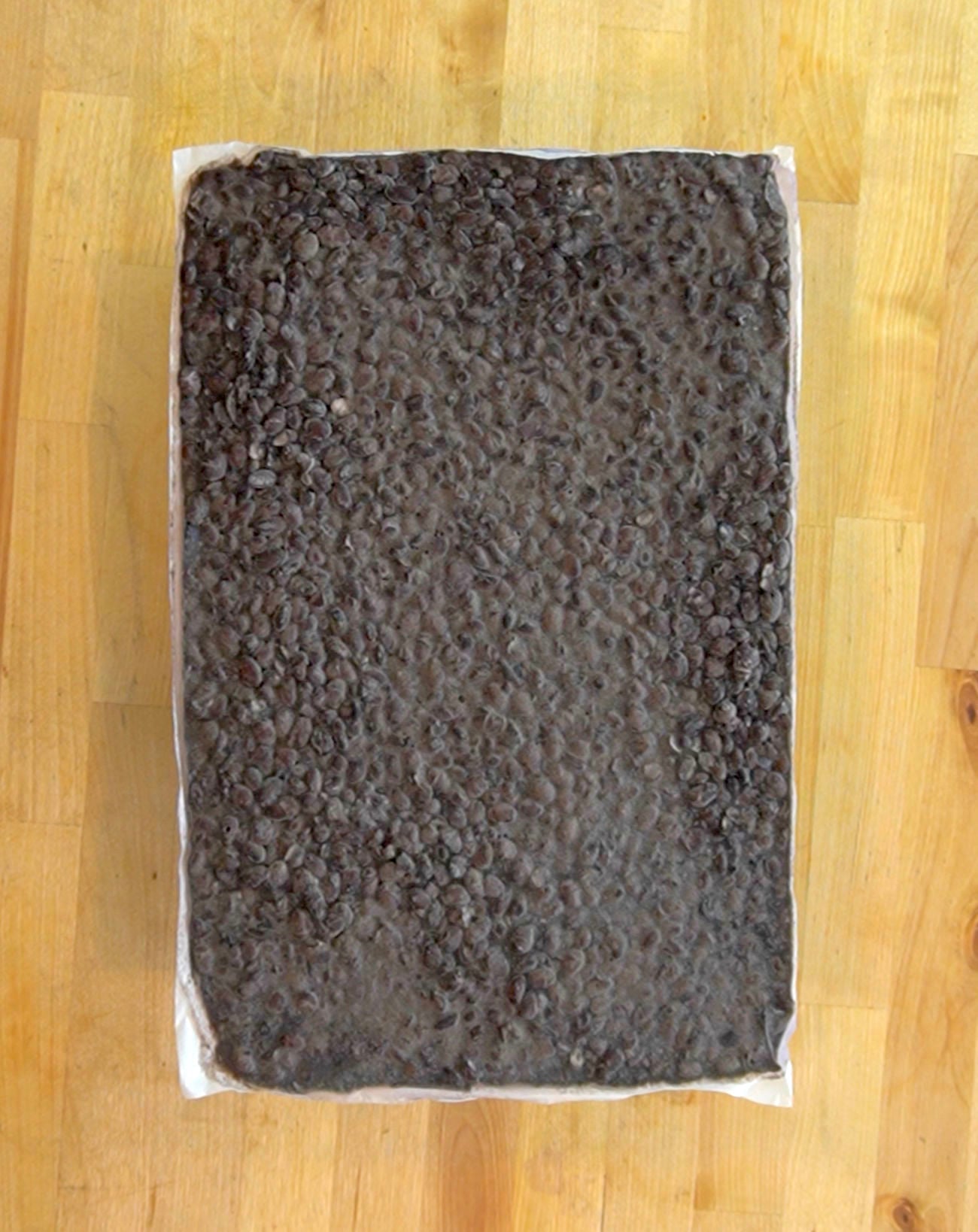
When frozen in appropriate portions, these beans maintain their nutritional density and structural integrity for weeks. The high fiber and protein content act as natural buffers against the formation of large ice crystals that can ruin the texture of softer vegetables. For the meal-prep professional, this means that a batch cooked on a Sunday can provide the backbone for lunch or dinner well into the following month.
Cost-Efficiency Metrics
From a financial perspective, purchasing dried black beans in bulk and seasoning them at home costs a fraction of the price of store-bought, pre-seasoned alternatives. By eliminating the middleman, the consumer saves on both the retail markup and the excess sodium and preservatives often found in commercial canned goods.
Official Recommendations and Best Practices
To ensure the highest quality outcome, we recommend adhering to the following guidelines:
- Uniformity: When portioning for the freezer, use a digital scale. Precision ensures that every "Snack City" container provides the exact 180 calories promised, making tracking your macros effortless.
- Cooling Protocols: Never place steaming hot containers directly into the freezer. This raises the ambient temperature of your freezer, potentially endangering other stored goods. Allow the beans to reach room temperature before sealing and freezing.
- Labeling: Always note the date of preparation. While these beans are freezer-stable for an extended period, the best flavor is typically experienced within the first 60 days.
Implications for Your Culinary Workflow
Adopting a batch-prep mentality for staples like Chipotle-style black beans fundamentally changes the relationship one has with the kitchen. Instead of viewing cooking as a daily chore, it becomes a logistical task performed once or twice a week.
The "Burrito Bowl" Strategy
Once you have a stockpile of these beans, your nightly meal assembly becomes an exercise in assembly rather than cooking. A typical burrito bowl can be constructed by combining:
- The Protein: 1 serving of Chipotle Black Beans.
- The Base: Pre-cooked brown rice or quinoa.
- The Freshness: Cilantro, lime juice, and fresh pico de gallo.
- The Fats: A dollop of Greek yogurt (a high-protein sour cream substitute) or avocado.
By having the most time-consuming element—the beans—already prepared, the time from "freezer to table" is reduced to less than five minutes.
A Sustainable Lifestyle Choice
Beyond the personal benefits, this approach is inherently more sustainable. It reduces food waste by allowing you to cook exactly what you need, and it minimizes packaging waste associated with single-serving convenience meals. Choosing to prep your own beans is an act of empowerment—an assertion of control over your caloric intake, your budget, and your environmental footprint.
Conclusion
The Chipotle-style black bean is more than just a recipe; it is a fundamental tool for the modern meal-prepper. By investing less than two hours of active time, you secure a reliable, nutrient-dense, and highly satisfying protein source that can anchor your diet for weeks. Whether your goal is weight management, muscle gain, or simply reclaiming your time during the work week, this recipe provides the structure necessary for long-term success.
As you integrate this into your routine, remember that the beauty of batch prep is its flexibility. Feel free to adjust the spice levels, introduce new aromatics, or blend the beans for a dip. The foundation—180 calories, 10g of protein, and a deep, smoky flavor—remains your reliable constant in an unpredictable world.
Disclaimer: Nutritional values are estimates based on standard preparations. Variations in ingredient brands or specific cooking methods may result in slight fluctuations in the final caloric and macronutrient count.