Cultivating Resilience: Expert-Recommended Native Shrubs for the Pacific Northwest
As the gardening community in the Pacific Northwest increasingly turns its attention toward sustainability, the conversation has shifted from purely aesthetic choices to ecological responsibility. Our region, defined by its temperate, rain-kissed winters and characteristically dry summers, offers a unique set of challenges and opportunities for horticulturalists. By choosing native plant species, gardeners are doing more than just filling beds—they are actively participating in the restoration of local biodiversity.
Research consistently demonstrates that replacing non-native, high-maintenance landscape plants with native alternatives creates a ripple effect of ecological benefits. From supporting the life cycles of native pollinators—such as the blue orchard bee and various swallowtail butterflies—to providing essential forage and nesting sites for migratory birds, these plants transform standard backyards into thriving micro-ecosystems.
In this guide, we explore four versatile, high-performing native shrubs that serve as superior alternatives to common, often invasive, landscape staples.
The Ecological Imperative: Why Natives Matter
For decades, the Pacific Northwest landscape has been dominated by a handful of ornamental favorites—English laurel, boxwood, and forsythia among them. While these plants have been standard in nursery inventories for years, many have proven problematic. Some, like the English laurel, have become aggressive escapees into local forests, while others, like the thirsty boxwood, require significant inputs of water and chemical care to remain vibrant in our climate.
Transitioning to native flora is not merely a trend; it is a vital strategy for long-term climate resilience. Native plants have evolved alongside local fauna and soil microbes for millennia. They require less irrigation, are naturally adapted to the specific acidity and composition of regional soils, and, most importantly, provide the complex chemical and structural resources that local wildlife requires to thrive.
Chronology of the Shift Toward Native Landscapes
The movement toward native-centric gardening in the Pacific Northwest has unfolded in three distinct phases over the last quarter-century:
- The Awareness Phase (Late 1990s–2005): Local botanists and environmental groups began highlighting the threats posed by invasive ornamental plants. This period saw the first widespread warnings regarding the impact of species like Prunus laurocerasus on the integrity of the Cascade foothills and urban greenbelts.
- The Education Phase (2006–2018): Horticulture professionals and public gardens, such as the Miller Garden in Seattle, began to demonstrate that native plants could achieve the same "curb appeal" as traditional exotics. During this time, nurseries began trials on cultivars like ‘Burgundy Jewel’ vine maple, proving that natives could satisfy the desire for seasonal color and structural design.
- The Integration Phase (2019–Present): Today, we are in a period where native plant usage is considered a standard best practice. With the increasing frequency of summer droughts, the focus has shifted toward "water-wise" native landscaping that balances aesthetic rigor with environmental stewardship.
Expert Picks: Replacing the Common with the Conscious
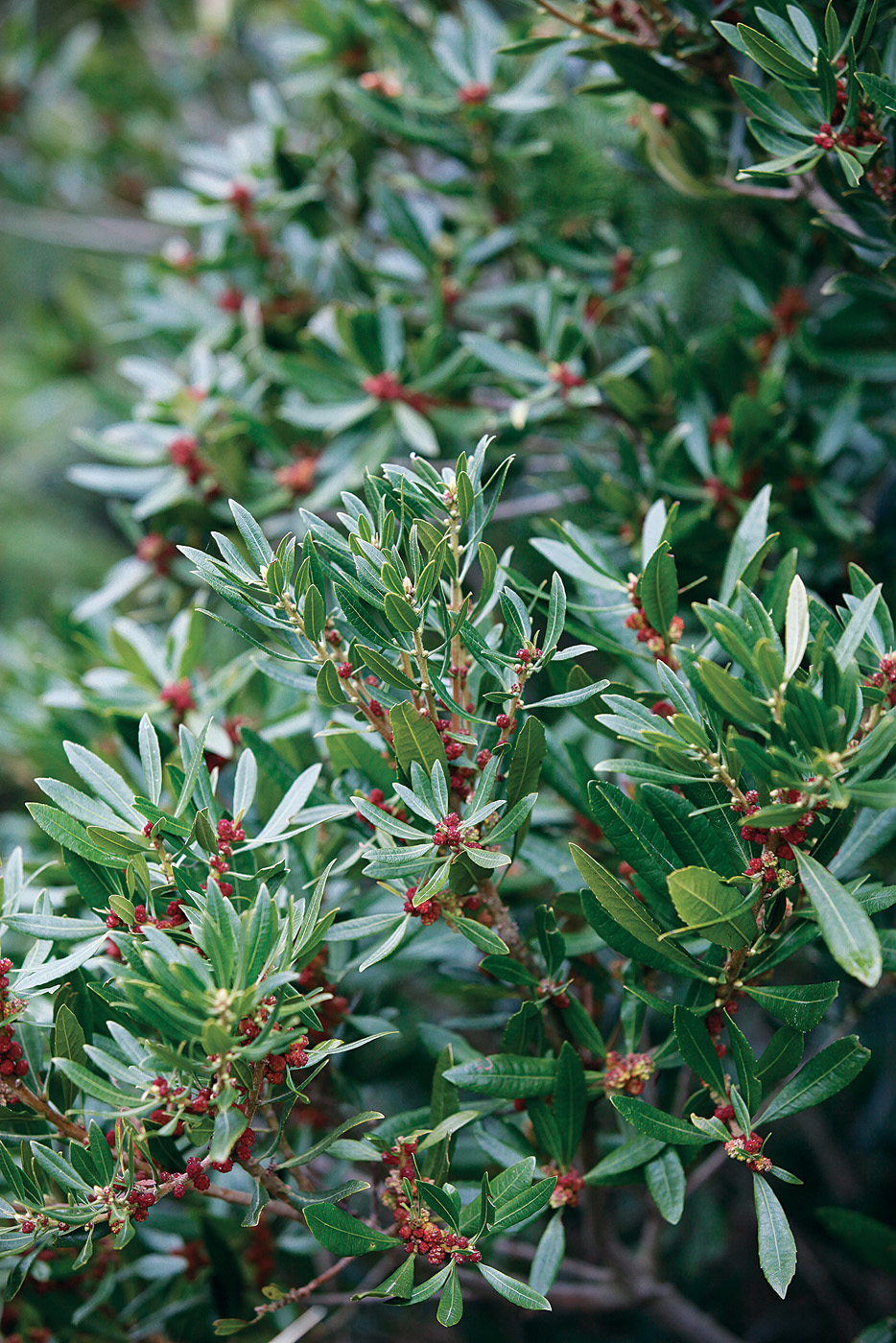
1. Pacific Wax Myrtle (Myrica californica)
The Problem with English Laurel: Often chosen for its evergreen screen capabilities, the English laurel is notoriously invasive. It outcompetes native understory plants and provides little to no nutritional value for local bird populations.
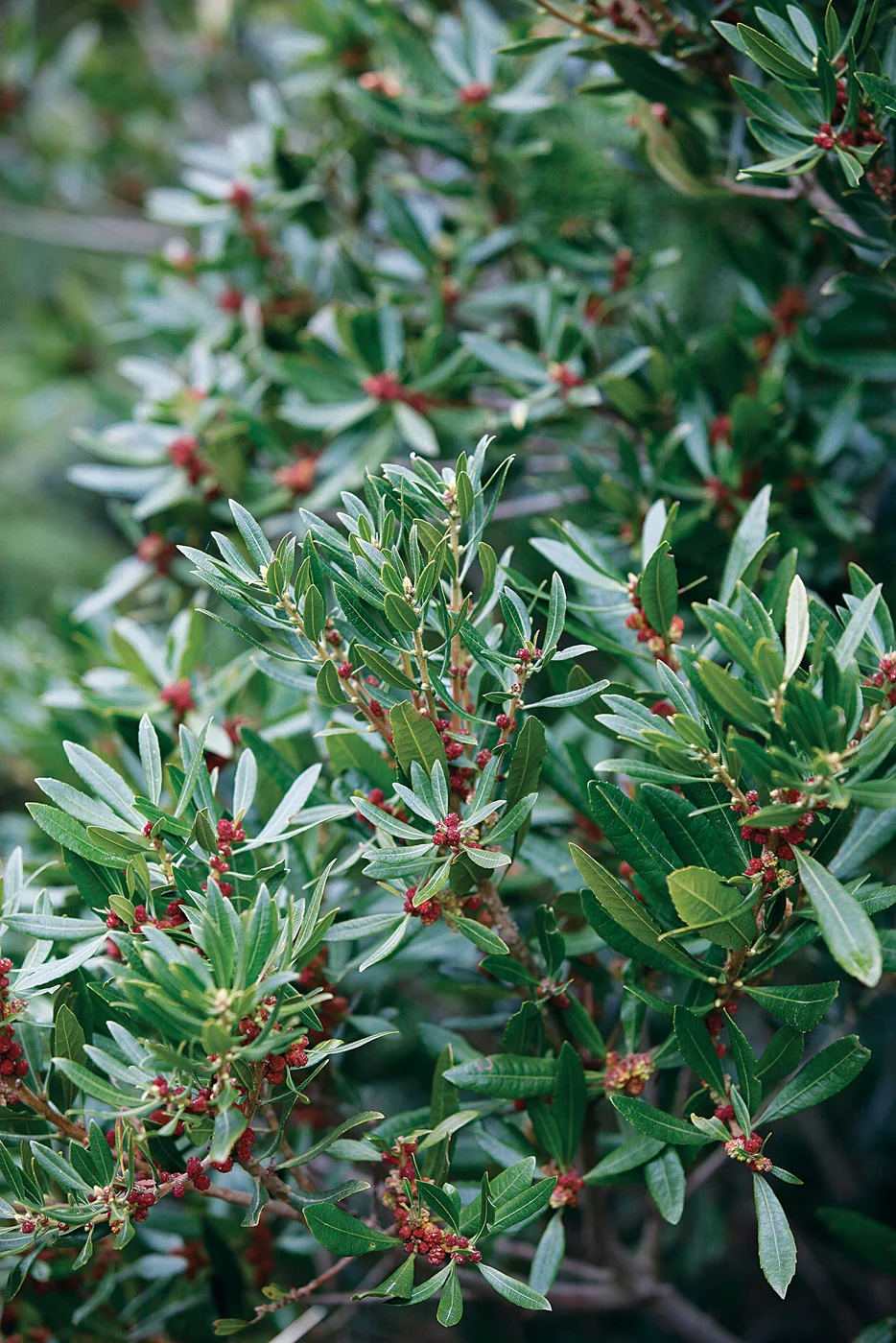
The Native Solution: The Pacific wax myrtle is a powerhouse of the coastal and interior PNW landscape. It is exceptionally adaptable, growing with vigor in its youth to provide quick privacy, then settling into a steady, manageable rate of growth.
- Design Utility: For gardeners seeking a formal aesthetic, the wax myrtle responds beautifully to shearing, allowing for the creation of dense, architectural hedges.
- Soil Adaptability: While it thrives in sandy, well-draining soils, it is surprisingly tolerant of the heavy clay soils often found in suburban developments.
- Ecological Impact: Its berries provide a crucial winter food source for birds, and its dense foliage offers year-round protection for small wildlife.
2. Red-Flowering Currant (Ribes sanguineum)
The Problem with Forsythia: While the bright yellow blooms of forsythia are a classic sign of spring, they are ephemeral, visually aggressive, and offer very little in the way of biodiversity support. Once the flowers fade, the plant’s habit often becomes leggy and unkempt.
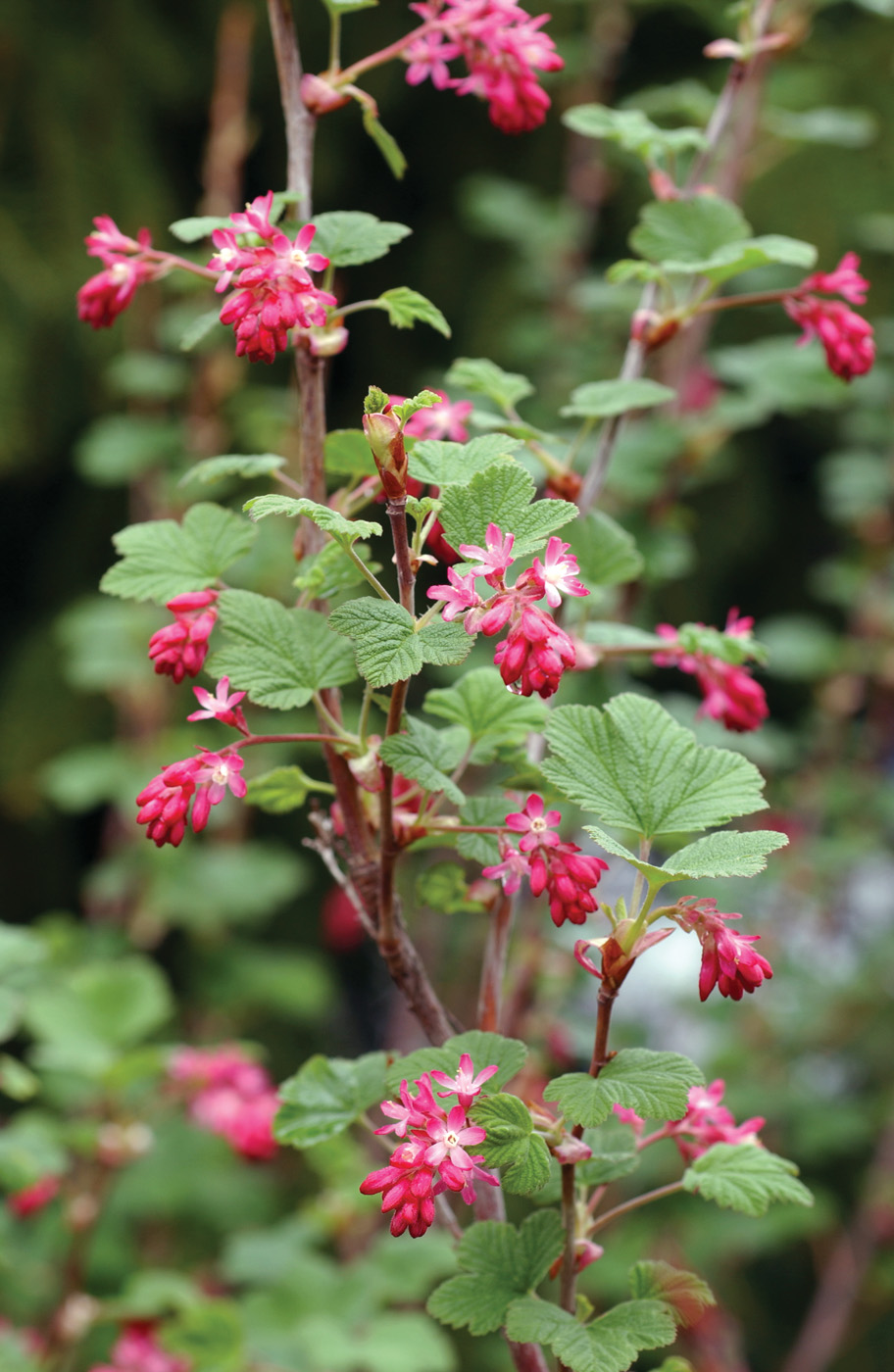
The Native Solution: The red-flowering currant is, by contrast, a structural delight. Its pendulous, raceme-like clusters of flowers in deep cherry, soft pink, or white offer a sophisticated color palette that feels far more natural than the neon yellow of forsythia.
- Maintenance: It requires minimal intervention. Unlike the rangy, chaotic growth of forsythia, the red-flowering currant maintains an elegant, upright form that respects its neighbors in a mixed border.
- Drought Tolerance: This shrub is a champion of the PNW summer. Once established, it requires little to no supplemental watering, making it an ideal candidate for dry, sunny slopes or sheltered, open-shade areas.
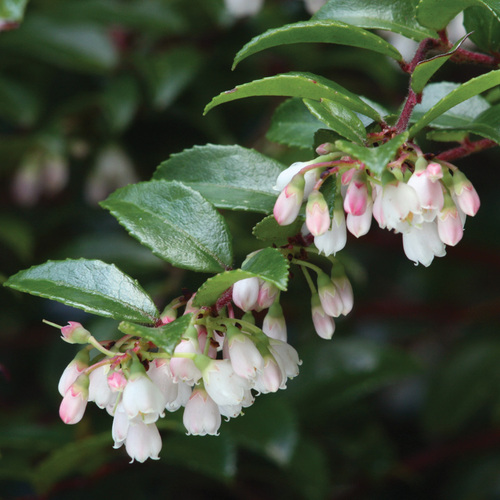
3. Evergreen Huckleberry (Vaccinium ovatum)
The Problem with Boxwood: The ubiquitous boxwood is a "thirsty" plant that struggles in the face of changing climate patterns. Furthermore, it is highly susceptible to boxwood blight and scale insects, often requiring chemical intervention to maintain its appearance.
The Native Solution: The evergreen huckleberry is arguably the most versatile substitute for the traditional boxwood. It boasts small, lustrous, dark green leaves that maintain their vibrancy year-round.
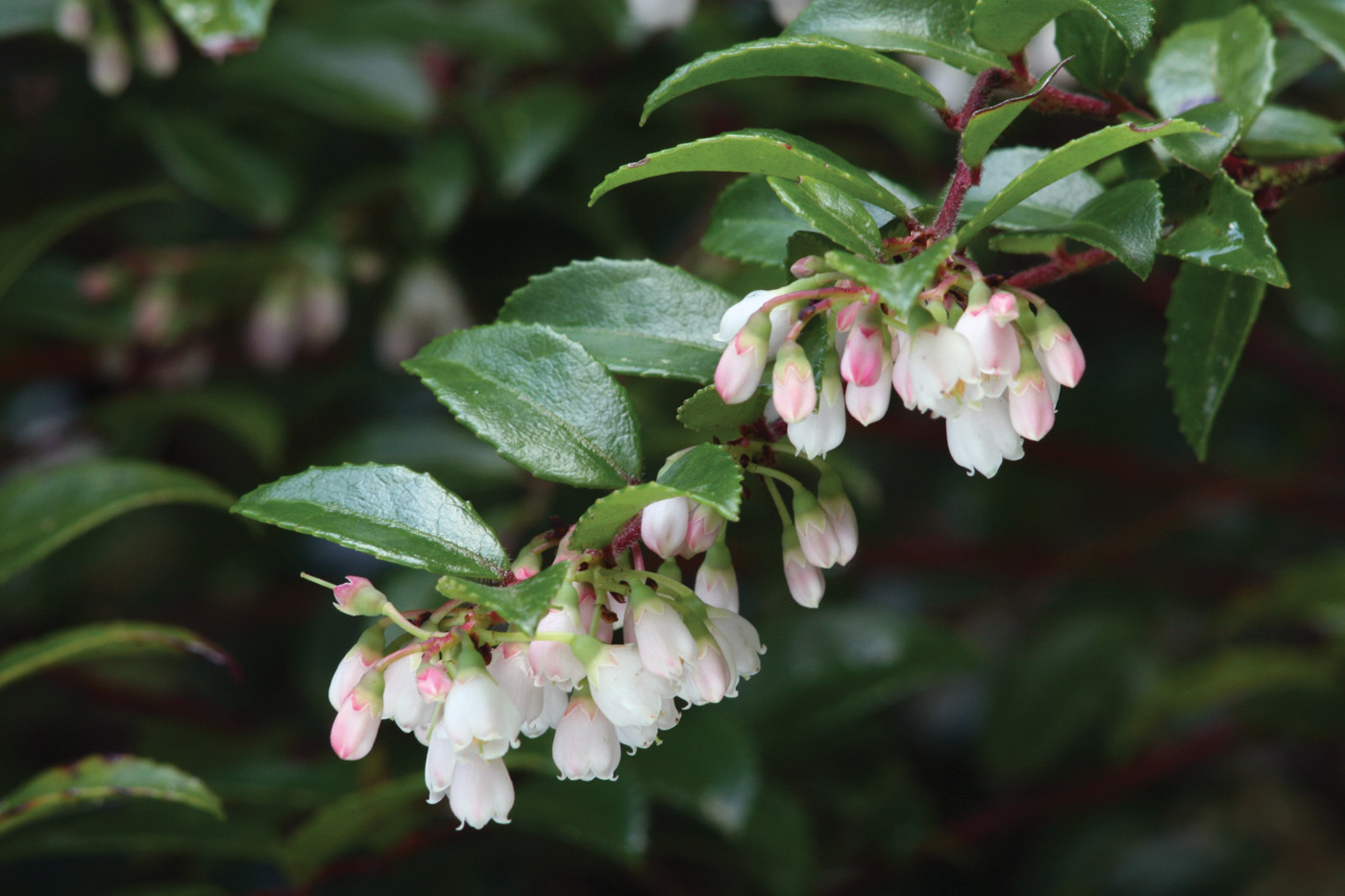
- Seasonal Interest: The plant’s new growth emerges in shades of bronze and red, providing a dynamic visual contrast. In winter, if grown in sun, the foliage matures to a deep, rich burgundy.
- Functionality: It can be sheared into tight, formal hedges or left to grow into a more natural, informal thicket.
- Foraging: As a bonus, the late-summer berries are not only a treat for local birds but are also delicious for human consumption, bridging the gap between ornamental and edible landscapes.
4. ‘Burgundy Jewel’ Vine Maple (Acer circinatum)
The Problem with Generic Japanese Maples: While beautiful, the Pacific Northwest is saturated with generic red-leaf Japanese maple seedlings of inconsistent quality. Many of these are overplanted, leading to a "monoculture" effect in suburban design.
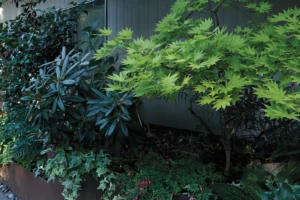
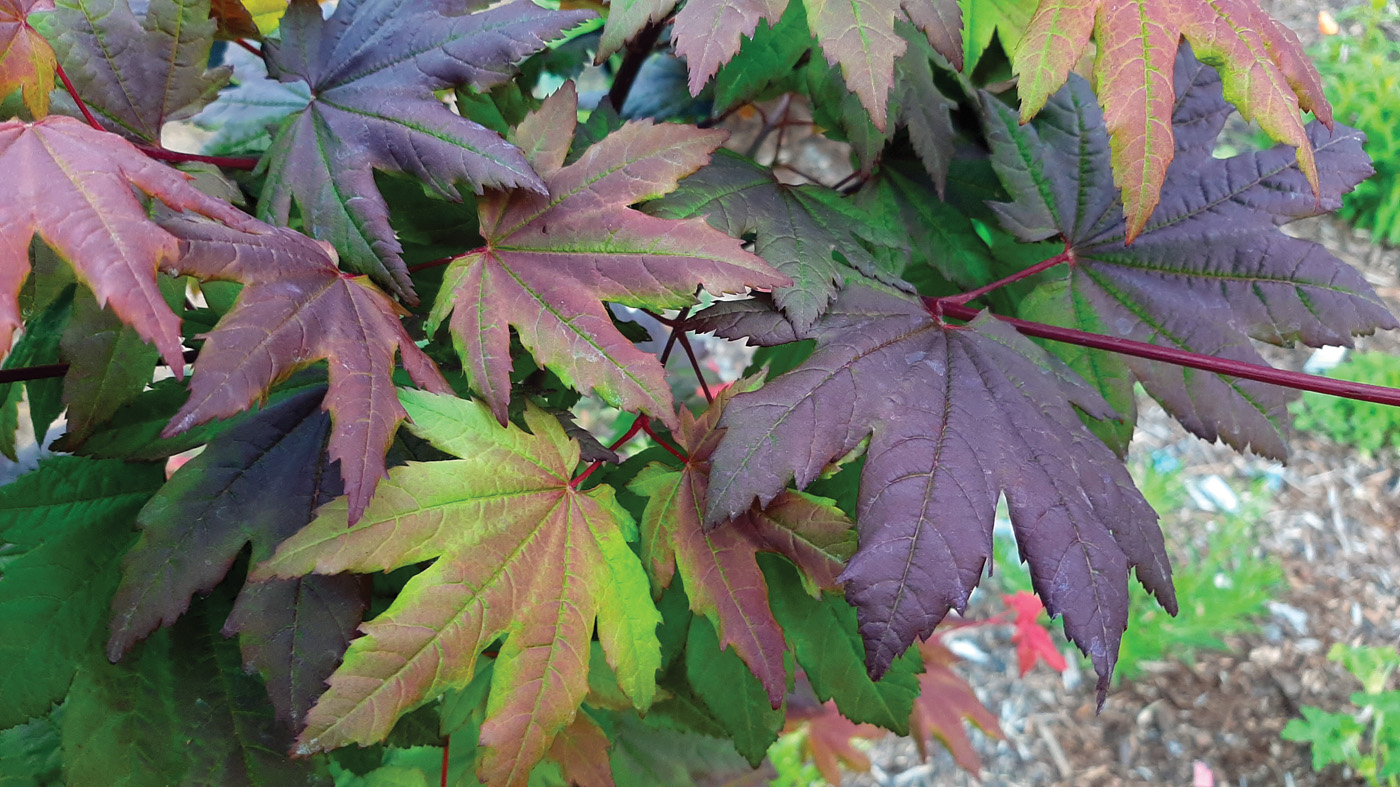
The Native Solution: The ‘Burgundy Jewel’ is a stunning cultivar of our native vine maple. It elevates the species, offering a complex color transformation throughout the growing season.
- Color Profile: Leaves emerge with a distinct purple blush, deepening to a rich, dark burgundy by early summer. Mid-summer growth spurts introduce vibrant orange-red tones, creating a multi-layered color effect on a single branch.
- Sun Tolerance: Unlike many maples that scorch in the heat, this selection thrives in full sun, which is essential for maximizing its color intensity.
Supporting Data and Ecological Implications
The transition to these native species is supported by data regarding wildlife abundance. According to the Xerces Society and various university extension programs, landscapes that incorporate at least 70% native biomass see a threefold increase in pollinator species richness compared to landscapes dominated by non-native ornamentals.
Furthermore, the structural complexity of these native shrubs—specifically the wax myrtle and huckleberry—creates "vertical stratification." This allows different species of birds to nest at different heights, reducing competition and increasing the total carrying capacity of a residential plot.
Expert Perspective: Richie Steffen
Richie Steffen, Executive Director of the Miller Garden in Seattle, emphasizes that gardening is a partnership with the land. "The goal," Steffen notes, "is to move away from the ‘static’ garden—a garden that looks the same and requires the same inputs every year—toward a ‘living’ garden that changes with the seasons and supports the local web of life."
Steffen’s work with the ‘Burgundy Jewel’ vine maple serves as a blueprint for how gardeners can marry high-end design with native heritage. By selecting cultivars that are bred from native stock, gardeners can enjoy the unique traits they crave—like vibrant color—without sacrificing the ecological integrity of their region.
Practical Implementation: Tips for Success
To ensure your transition to native shrubs is successful, keep these professional tips in mind:
- Site Preparation: Native shrubs, while resilient, benefit from proper soil preparation. Incorporate organic compost at the time of planting, but avoid heavy synthetic fertilizers, which can encourage weak, "pushed" growth.
- Irrigation Management: Even drought-tolerant natives need consistent water during their first two years. Use deep-soak irrigation methods to encourage roots to grow downward, which helps the plant survive future heatwaves.
- Strategic Pruning: For shrubs like the evergreen huckleberry or Pacific wax myrtle, use sharp, bypass pruners or, for larger projects, consider high-reach tools to maintain a clean aesthetic without damaging the plant’s health.
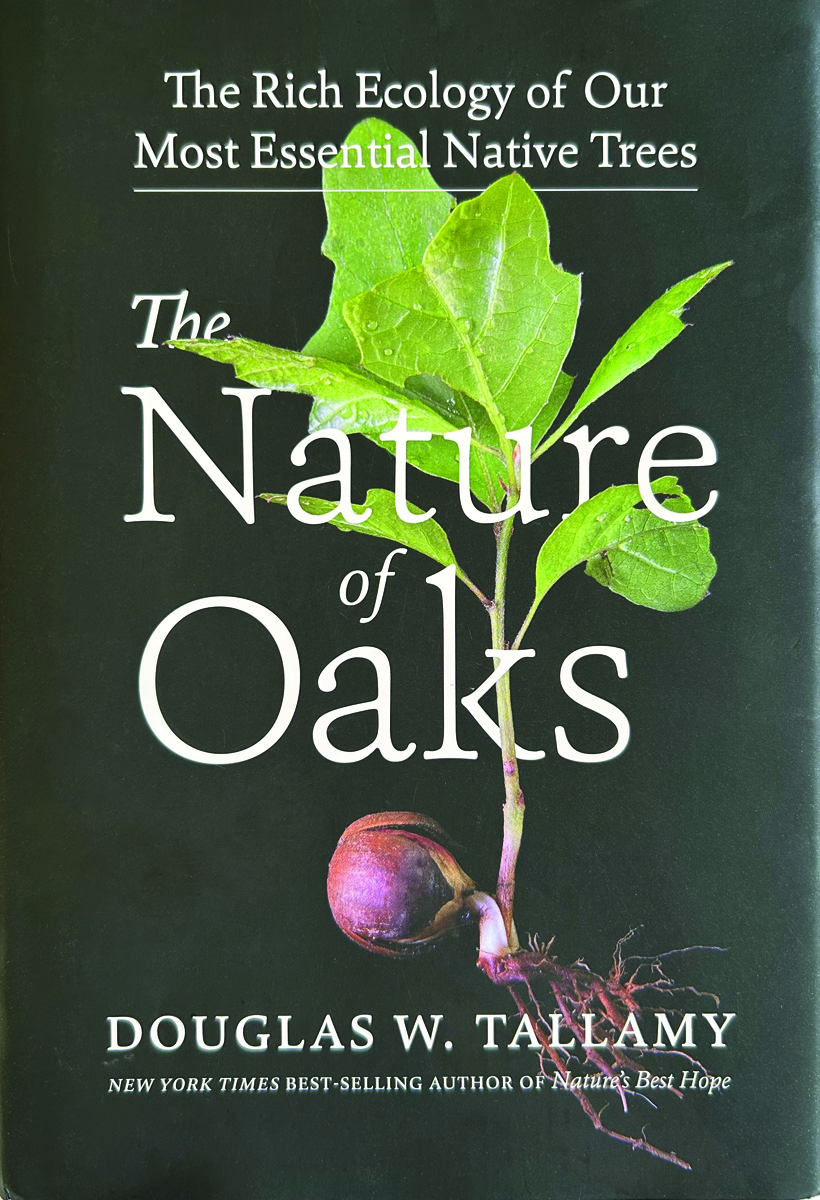
- Continuous Learning: For those interested in the deep ecology of their garden, literature such as Doug Tallamy’s The Nature of Oaks provides essential context on how individual trees and shrubs act as the foundation for the entire food web.
As we look toward the future of Pacific Northwest gardening, the choice is clear. By swapping invasive or high-maintenance exotics for these native powerhouses, we can build a landscape that is not only beautiful but enduring—a sanctuary for both the gardener and the wildlife that calls this region home.