Eradicating H. pylori: The Dietary Connection to Stomach Cancer Prevention
Stomach cancer remains a formidable global health challenge, consistently ranking among the leading causes of cancer-related deaths worldwide. While genetic predispositions and environmental factors play significant roles, an increasingly clear picture emerges: the insidious interplay between a common bacterial infection, Helicobacter pylori (H. pylori), and specific dietary patterns is a primary driver of this devastating disease. This article delves into the scientific discoveries that unravel this complex relationship, highlighting how certain foods can either accelerate or remarkably mitigate the risk of stomach cancer, offering a beacon of hope for natural prevention and complementary treatment strategies.
Main Facts: Unpacking the H. pylori and Diet Link
At the heart of stomach cancer prevention lies the understanding of H. pylori, a spiral-shaped bacterium that colonizes the stomach lining, causing chronic inflammation (gastritis), ulcers, and significantly increasing the risk of gastric adenocarcinoma. The World Health Organization (WHO) and the International Agency for Research on Cancer (IARC) have classified H. pylori as a Group 1 carcinogen, underscoring its pivotal role in cancer development. However, the narrative is not solely about bacterial infection; it is profoundly shaped by our dietary choices.
Research has unequivocally demonstrated that certain foods, particularly processed meats and traditionally prepared salted and pickled items, introduce DNA-mutating chemicals and powerful carcinogens into our digestive system. These compounds can independently contribute to stomach cancer risk, but their danger is exponentially amplified when the stomach is already compromised by H. pylori-induced inflammation. This synergistic interaction creates a highly fertile ground for cancerous transformation.
Conversely, scientific inquiry has revealed the remarkable potential of specific plant-based foods to combat H. pylori and reduce cancer risk. Cruciferous vegetables, notably broccoli sprouts, are rich in sulforaphane, a compound with potent antimicrobial properties capable of eradicating H. pylori in a significant proportion of patients. Similarly, allium vegetables like garlic, long revered for their medicinal qualities, have shown promise in long-term stomach cancer prevention, even offering protection against cancer mortality. These findings underscore a powerful message: diet is not merely a contributing factor but a dynamic modulator in the battle against stomach cancer, offering both peril and profound protective potential.
Chronology: A Timeline of Discovery and Understanding
The journey to understanding the intricate relationship between diet, H. pylori, and stomach cancer has spanned decades, marked by pivotal scientific breakthroughs and evolving perspectives.
Early Suspicions: Dietary Carcinogens Emerge (1960s onwards)
The initial threads connecting diet to stomach cancer began to emerge in the mid-20th century through epidemiological observations. Researchers noted unusually high rates of stomach cancer in populations consuming large quantities of salted and pickled foods, particularly in East Asia. This led to investigations into the chemical composition of such foods.
A significant discovery was the identification of a novel DNA-mutating chemical, CMBA (2-chloro-4-methylthiobutanoic acid), formed during the salting and pickling of fish. This chemical is a product of a complex reaction involving salt, nitrite preservatives (often used in curing), and methionine, an amino acid found in high concentrations in animal proteins. Simultaneously, scientists identified N-nitroso compounds—a powerful class of carcinogens—that form when nitrites interact with other protein components. These compounds, also found in high concentrations in cigarette smoke, provided a plausible biochemical explanation for the observed links between processed meats (such as bacon, ham, hot dogs, lunch meat, and sausage) and increased stomach cancer risk. Disturbingly, subsequent research suggested this risk might extend even to fresh, unprocessed, unsalted meats due to other mechanisms, though the nitrite-derived carcinogens remain a major concern for processed varieties.
Around the same time, observational studies on Japanese migrants, particularly those relocating to Hawaii in the 1960s, began to hint at protective dietary factors. These studies suggested that the consumption of allium family vegetables—such as garlic and onions—might offer protection against stomach cancer, diverging from the higher rates seen in their homeland. While these were early correlational findings, they laid the groundwork for future, more rigorous investigations into the protective role of specific plant compounds.
H. pylori Identified and Its Role Clarified (1980s onwards)
The landscape of stomach disease radically shifted with the groundbreaking work of Barry Marshall and Robin Warren in the early 1980s, who successfully isolated and cultured H. pylori. Their discovery revolutionized the understanding of peptic ulcers and chronic gastritis, proving their infectious origin rather than being solely stress-related. This achievement earned them the Nobel Prize in Physiology or Medicine in 2005.
Following its identification, H. pylori‘s role in stomach cancer became increasingly apparent. Chronic inflammation caused by the bacterium was recognized as a precursor to precancerous lesions and, eventually, gastric cancer. By the 1990s, H. pylori was officially recognized as a human carcinogen. However, it became clear that H. pylori alone did not explain all cases of stomach cancer, nor did every infected individual develop cancer. This led to the hypothesis of a synergistic interaction, where the bacterial infection creates a vulnerable gastric environment that is then exploited by dietary carcinogens.
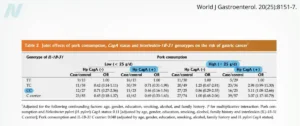
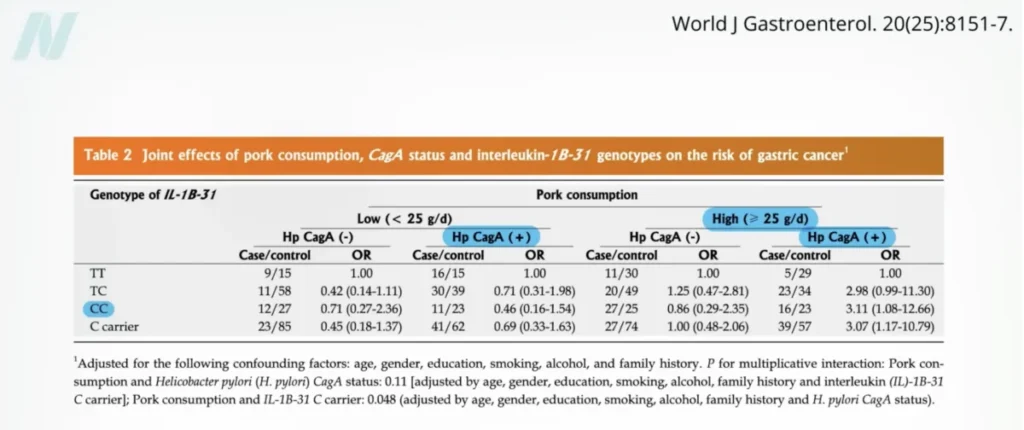
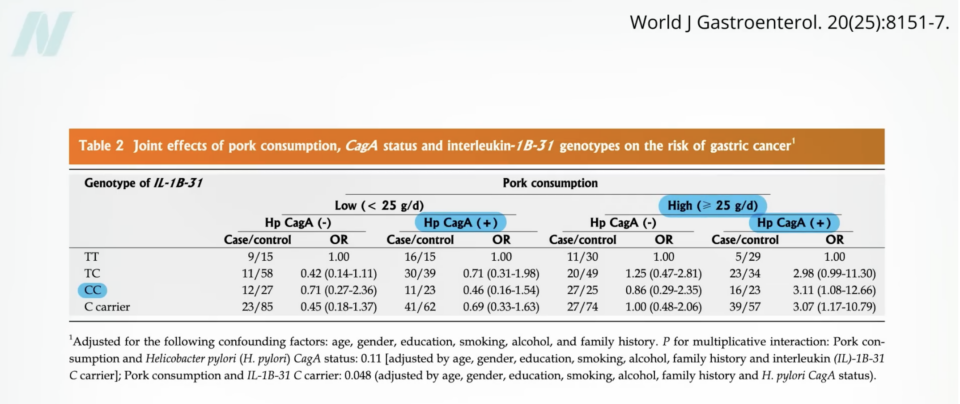
A striking example of this synergy emerged from research in China. Scientists discovered that individuals with a genetic predisposition and infected with a particularly pathogenic strain of H. pylori (specifically, one expressing the CagA cytotoxin, known to induce stronger inflammation) did not exhibit an increased risk of stomach cancer unless they consumed approximately an ounce or more of pork per day. This seminal finding vividly illustrated how diet could, in essence, "trump" both genetic vulnerability and the presence of a potent cancer-causing infection, acting as the critical trigger for disease progression.
The Rise of Natural Interventions: Broccoli Sprouts and Garlic (Early 2000s to Present)
As the understanding of H. pylori‘s role and the challenges of conventional antibiotic treatment grew, attention turned to natural compounds with antimicrobial and anti-cancer properties.
The early 2000s saw a surge of interest in sulforaphane, a potent compound found abundantly in cruciferous vegetables, particularly broccoli sprouts. While its detoxifying and anti-cancer abilities were increasingly being recognized, its antimicrobial activity had been noted decades prior. Anecdotal reports began to circulate about individuals suffering from H. pylori-induced peptic ulcer disease experiencing dramatic relief after consuming three-day-old broccoli sprouts. These reports spurred researchers at Johns Hopkins University and other institutions to rigorously test these claims.
Initial laboratory studies confirmed that extracts from broccoli sprouts could effectively kill even antibiotic-resistant strains of H. pylori in a petri dish. This promising in vitro evidence paved the way for human trials. Early studies showed that some patients given as little as a third of a cup of broccoli sprouts daily for a week were able to eradicate their H. pylori infection. A subsequent randomized controlled trial comparing broccoli sprouts with alfalfa sprouts solidified these findings, demonstrating that participants consuming the equivalent of two to three servings of broccoli a day in sprout form significantly reduced markers of both H. pylori colonization and stomach lining inflammation.
Concurrently, the historical observations regarding garlic and onions gained new scientific traction. Louis Pasteur himself had described the antibacterial effects of garlic and onion juices in the 19th century. Modern petri dish studies confirmed garlic’s efficacy in suppressing H. pylori growth at concentrations achievable in the stomach with a single clove, even against some antibiotic-resistant strains. This robust laboratory evidence prompted large-scale human trials to investigate garlic’s potential in stomach cancer prevention.
A landmark randomized, double-blind, controlled trial involving thousands of high-risk individuals from 13 villages in China was launched to definitively assess the impact of antibiotics, garlic supplements, and antioxidant supplements on stomach cancer incidence. The results, published over a span of two decades, provided crucial insights into the long-term benefits of these interventions.
Supporting Data: The Science Behind the Claims
The evidence linking diet, H. pylori, and stomach cancer is robust, drawing from epidemiological studies, laboratory experiments, and rigorous clinical trials.
Carcinogenic Compounds in Processed Foods
The formation of CMBA (2-chloro-4-methylthiobutanoic acid) from the salting and pickling of fish represents a direct pathway to DNA damage. The reaction involves salt, nitrite preservatives (common in cured and processed foods), and methionine, an amino acid concentrated in animal proteins. CMBA is a novel compound whose genotoxic properties have been demonstrated, meaning it can directly interact with and mutate DNA, laying the groundwork for cancerous transformation. This mechanism is particularly concerning in regions where salted and pickled fish are dietary staples.
Even more widespread are N-nitroso compounds (NOCs). These powerful carcinogens are formed when nitrites (either added as preservatives or naturally occurring and reduced by bacteria) react with amines and amides from proteins, especially under acidic conditions like those found in the stomach. NOCs are notorious for their ability to alkylate DNA, leading to mutations that can initiate and promote cancer. The presence of these compounds explains the strong epidemiological links between consumption of processed meats (like bacon, ham, hot dogs, and luncheon meats, which often contain nitrites) and increased stomach cancer risk. The fact that N-nitroso compounds are also found in high concentrations in cigarette smoke further highlights their potent carcinogenic nature and raises concerns about cumulative exposure from both diet and other environmental sources. The H. pylori-infected stomach, with its altered pH and chronic inflammatory state, may be particularly susceptible to the damaging effects of these dietary carcinogens.
The H. pylori-Diet Synergy: Empirical Evidence
The concept of synergy, where two factors combine to produce an effect greater than the sum of their individual effects, is critical in understanding stomach cancer development. The Chinese study mentioned earlier provides compelling empirical evidence for this. Researchers investigating a cohort of individuals with varying genetic susceptibilities (specifically, polymorphisms in the IL-1β gene, which influences inflammatory response) and different H. pylori strains (categorized by the presence or absence of the CagA virulence factor) found a remarkable interaction with diet.
They observed that even individuals who were genetically vulnerable (e.g., carrying the IL-1β -31 T/T genotype) and infected with a particularly pathogenic CagA-positive H. pylori strain did not show a significantly elevated risk of stomach cancer unless their daily pork consumption exceeded approximately one ounce. This finding is profound because it suggests that while H. pylori and genetic factors create a predisposition, a specific dietary component can act as a critical co-factor, tipping the balance towards carcinogenesis. An average pork chop, for reference, weighs about six ounces, making even a seemingly small daily intake potentially impactful. This research underscores that chronic inflammation from H. pylori can make the gastric mucosa more vulnerable to dietary carcinogens, accelerating the development of precancerous lesions and ultimately cancer.
Broccoli Sprouts: A Natural Weapon Against H. pylori
The scientific journey of broccoli sprouts as an anti-H. pylori agent began with observations and quickly moved to rigorous testing. The key bioactive compound is sulforaphane, an isothiocyanate produced when the precursor glucoraphanin (abundant in broccoli and its sprouts) is hydrolyzed by the enzyme myrosinase upon chewing or crushing the plant material.
Beyond its well-known roles in detoxification and anti-cancer activity (by upregulating phase II detoxifying enzymes and inducing apoptosis in cancer cells), sulforaphane exhibits potent antimicrobial properties. In vitro studies at Johns Hopkins University demonstrated that sulforaphane-rich broccoli sprout extracts could effectively inhibit the growth of H. pylori, including strains resistant to common antibiotics. This laboratory success led to human clinical trials.
One study involved patients consuming a third of a cup of three-day-old broccoli sprouts daily for a week. The results showed that a significant proportion of these individuals (though the exact number varied, with some studies reporting eradication in some patients) were able to clear their H. pylori infection. A more comprehensive randomized controlled trial compared broccoli sprouts to alfalfa sprouts (used as a control, as they contain negligible sulforaphane). Participants consuming broccoli sprouts equivalent to two to three servings of mature broccoli daily experienced a statistically significant reduction in markers of H. pylori colonization (e.g., urea breath test values) and a decrease in stomach lining inflammation.
While the eradication rate for broccoli sprouts in the majority of patients was reported at approximately 56%, it is crucial to acknowledge that this is lower than the ~90% eradication rate achieved with standard triple-drug antibiotic therapy. However, for individuals who do not meet the criteria for drug treatment, or those seeking natural alternatives to mitigate side effects or combat antibiotic resistance, cruciferous vegetables offer a safe and promising approach. A meta-analysis of 22 population studies further reinforced the broader benefit, finding that higher consumption of cruciferous vegetables was associated with a significantly lower risk of stomach cancer overall.
Garlic and Allium Vegetables: Beyond Observational Links
The protective potential of allium family vegetables, including garlic and onions, against stomach cancer has been a subject of scientific inquiry for decades. Observational studies, dating back to the 1960s with Japanese migrants, consistently suggested a inverse relationship between allium intake and stomach cancer risk. Over time, dozens of such studies have been published globally, and meta-analyses generally conclude that higher consumption of allium vegetables is indeed associated with a significantly lower stomach cancer risk.
However, the scientific community always approaches observational data with caution. Concerns about publication bias (where studies failing to show an effect might not be published) and the fundamental limitation that correlation does not prove causation are valid. For instance, it was hypothesized that perhaps individuals with chronic H. pylori inflammation leading to precancerous changes might naturally gravitate towards bland diets to avoid discomfort, thus consuming less garlic and onions, rather than the low consumption directly causing cancer. To definitively establish cause and effect, randomized controlled trials are essential.
The antimicrobial properties of garlic, first noted by Louis Pasteur, are attributed primarily to allicin and other organosulfur compounds. In vitro studies have shown that garlic extracts can effectively suppress H. pylori growth at concentrations easily achievable in the stomach after consuming even a single clove. Importantly, some antibiotic-resistant H. pylori strains have also been shown to be susceptible to garlic’s antibacterial effects.
This strong preclinical evidence led to the ambitious Chinese randomized, double-blind, controlled trial involving thousands of participants at high risk for stomach cancer. Initially, the trial showed that a few weeks of antibiotic treatment led to a significant decrease in subsequent precancerous stomach growths after 7 years and a significant decrease in stomach cancer incidence after 15 years. For garlic, the initial results were less definitive: no significant benefit was observed at 7 years, and only a non-statistically significant reduction in stomach cancer was noted after 15 years.
However, the power of long-term follow-up became apparent with the 22-year update published in 2019, 15 years after the intervention period ended. This extended follow-up revealed a crucial finding: those who had taken the garlic supplements did indeed have a significantly lower risk of subsequently dying from cancer. Interestingly, this protective effect of garlic appeared to manifest primarily among nondrinkers, suggesting a potential interaction with alcohol consumption that warrants further investigation. This long-term data provides compelling evidence for garlic’s role in stomach cancer prevention, albeit with a delayed effect.
Official Responses and Medical Perspectives
The scientific findings regarding H. pylori, diet, and stomach cancer have significantly influenced medical practice and public health recommendations, though the integration of dietary interventions into standard care is an evolving process.
Standard Medical Treatment for H. pylori
The current "official response" to diagnosed H. pylori infection, particularly when associated with ulcers, gastritis, or as a preventive measure in high-risk individuals for stomach cancer, is a triple antibiotic cocktail. This regimen typically involves a proton pump inhibitor (PPI) along with two different antibiotics (e.g., amoxicillin and clarithromycin, or metronidazole). This multi-drug approach aims to achieve maximal eradication rates, which typically hover around 90%.
Despite its effectiveness, this standard therapy is not without challenges. Patient compliance can be difficult to maintain due to the quantity of drugs taken and the often-unpleasant adverse side effects, which can include nausea, diarrhea, abdominal pain, and altered taste. Furthermore, the rising global prevalence of antibiotic resistance, particularly to clarithromycin, poses a significant threat to the long-term efficacy of these regimens. This has spurred research into alternative and complementary strategies.
Dietary Recommendations and Public Health Guidance
While specific dietary recommendations for H. pylori eradication are not yet part of mainstream medical guidelines, the broader implications of these findings align with established public health advice for cancer prevention. Major health organizations, including the WHO, American Cancer Society, and World Cancer Research Fund, consistently advocate for limiting processed meat consumption and increasing the intake of fruits, vegetables, and whole grains. The strong evidence linking nitrites, N-nitroso compounds, and processed meats to stomach cancer risk directly supports these recommendations.
The recognition of H. pylori as a Group 1 carcinogen by IARC underscores the urgency of prevention. Public health initiatives often focus on screening and eradication programs for H. pylori in high-prevalence areas. The emerging data on broccoli sprouts and garlic suggests that dietary strategies could serve as valuable complementary tools for prevention, particularly for individuals in high-risk populations, those with asymptomatic H. pylori infection who may not qualify for immediate drug treatment, or those seeking natural methods to reduce their bacterial load and inflammation.
The Role of Research and Evidence-Based Nutrition
The journey from anecdotal observations to randomized controlled trials highlights the medical community’s commitment to evidence-based practice. While natural compounds like sulforaphane and allicin show promise, their role is increasingly viewed as an adjunct to, rather than a replacement for, conventional medical treatment, especially in acute or severe cases. The challenge lies in translating these research findings into practical, clinically relevant dietary guidelines that can be widely adopted and effectively implemented. The nuanced results of trials, such as garlic’s delayed efficacy and interaction with alcohol, emphasize the complexity of dietary interventions and the need for continued, meticulous research.
Implications: Shaping Future Health and Dietary Choices
The growing body of evidence connecting diet, H. pylori, and stomach cancer carries profound implications for public health, individual dietary choices, and the future of preventive medicine.
Empowering Patients and Preventive Health
One of the most significant implications is the empowerment of individuals to take a proactive role in their own health. Understanding that dietary choices can profoundly influence the risk of stomach cancer, even in the presence of a potent bacterial carcinogen like H. pylori, provides a tangible pathway for prevention. The Chinese study demonstrating how a relatively small daily intake of pork could activate cancer risk in genetically vulnerable, H. pylori-infected individuals is a powerful testament to diet’s influence. This knowledge can motivate individuals to make more informed decisions about meat consumption, especially processed varieties, and to prioritize plant-based foods.
Refined Dietary Guidelines
These findings strengthen the call for refined dietary guidelines that specifically address stomach cancer prevention. Public health campaigns could emphasize the dual benefit of reducing exposure to dietary carcinogens (like those in processed meats) and increasing the intake of protective compounds found in cruciferous and allium vegetables. This could lead to more targeted advice for populations at higher risk of H. pylori infection or stomach cancer due to genetic predisposition or environmental factors. Integrating specific recommendations for broccoli sprouts or garlic, perhaps as part of broader "anti-cancer" diets, could become a more prominent feature of nutritional advice.
Complementary Strategies in H. pylori Management
For individuals with H. pylori infection, dietary interventions offer a valuable complementary strategy. While standard antibiotic therapy remains the most effective for eradication, diet can play a crucial role in supporting treatment and preventing recurrence or disease progression. For those facing antibiotic resistance, who experience severe side effects from medication, or who prefer natural approaches, the regular consumption of sulforaphane-rich broccoli sprouts and allicin-rich garlic could help reduce bacterial load, mitigate inflammation, and lower overall cancer risk. This opens avenues for personalized medicine, where dietary recommendations are tailored to an individual’s H. pylori status, genetic profile, and lifestyle.
Future Research Directions
The ongoing discoveries also highlight areas for future research. Further studies are needed to determine optimal dosages and forms of sulforaphane and allicin for H. pylori eradication and cancer prevention. Investigating the specific mechanisms by which these compounds interact with H. pylori and human cells, as well as their long-term effects in diverse populations, will be crucial. Research into other food components that might offer similar protective benefits, and a deeper understanding of the complex interactions between the gut microbiome, H. pylori, and diet, will continue to refine our knowledge and develop more effective prevention and treatment strategies for stomach cancer.
In conclusion, the journey from identifying dietary carcinogens to understanding the synergistic role of H. pylori and discovering the protective power of specific vegetables represents a triumph of scientific inquiry. It offers a clear directive: while medical advancements are vital, the fork on our plate holds significant power in shaping our susceptibility to stomach cancer, empowering us to cultivate health through informed dietary choices.