From Lawn to Landscape: A Journey of Horticultural Renewal in North Carolina
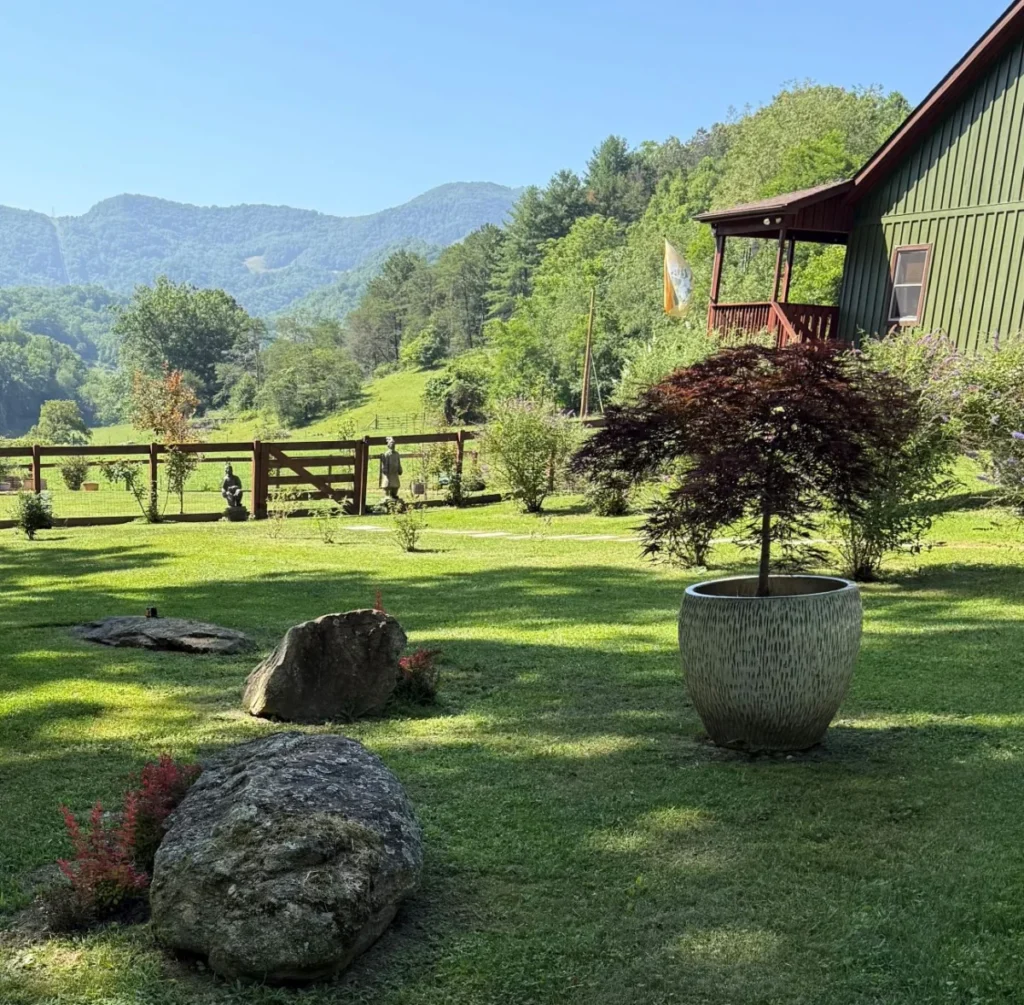
When Janice relocated to her new home in Clyde, North Carolina, she wasn’t just moving house; she was embarking on a blank-slate horticultural adventure. In the span of just three years, a property defined by little more than a sprawling green lawn and vacant grassy expanses has been meticulously transformed into a vibrant, fragrant, and deeply personal sanctuary.
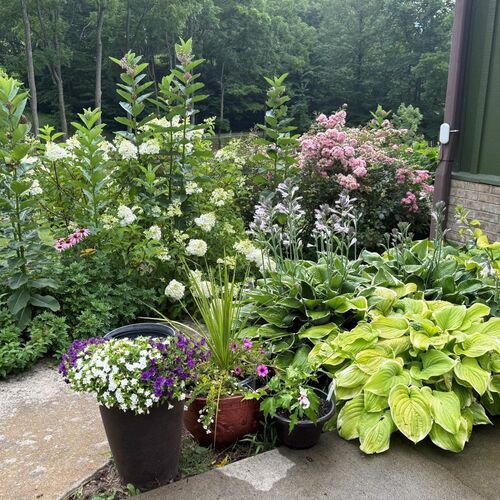
For any gardener, moving from one hardiness zone to another is akin to learning a new language. Janice’s transition from the warmth of Zone 8 to the slightly more temperate, yet distinct, climate of Zone 7 serves as a masterclass in adaptation, patience, and the joy of starting over.
The Geography of Growth: Navigating Zone Changes
The core of Janice’s project began with a fundamental reassessment of her gardening methodology. Gardening in Zone 8 had provided a specific set of rhythms and plant selections, but moving to the mountains of North Carolina introduced new variables.
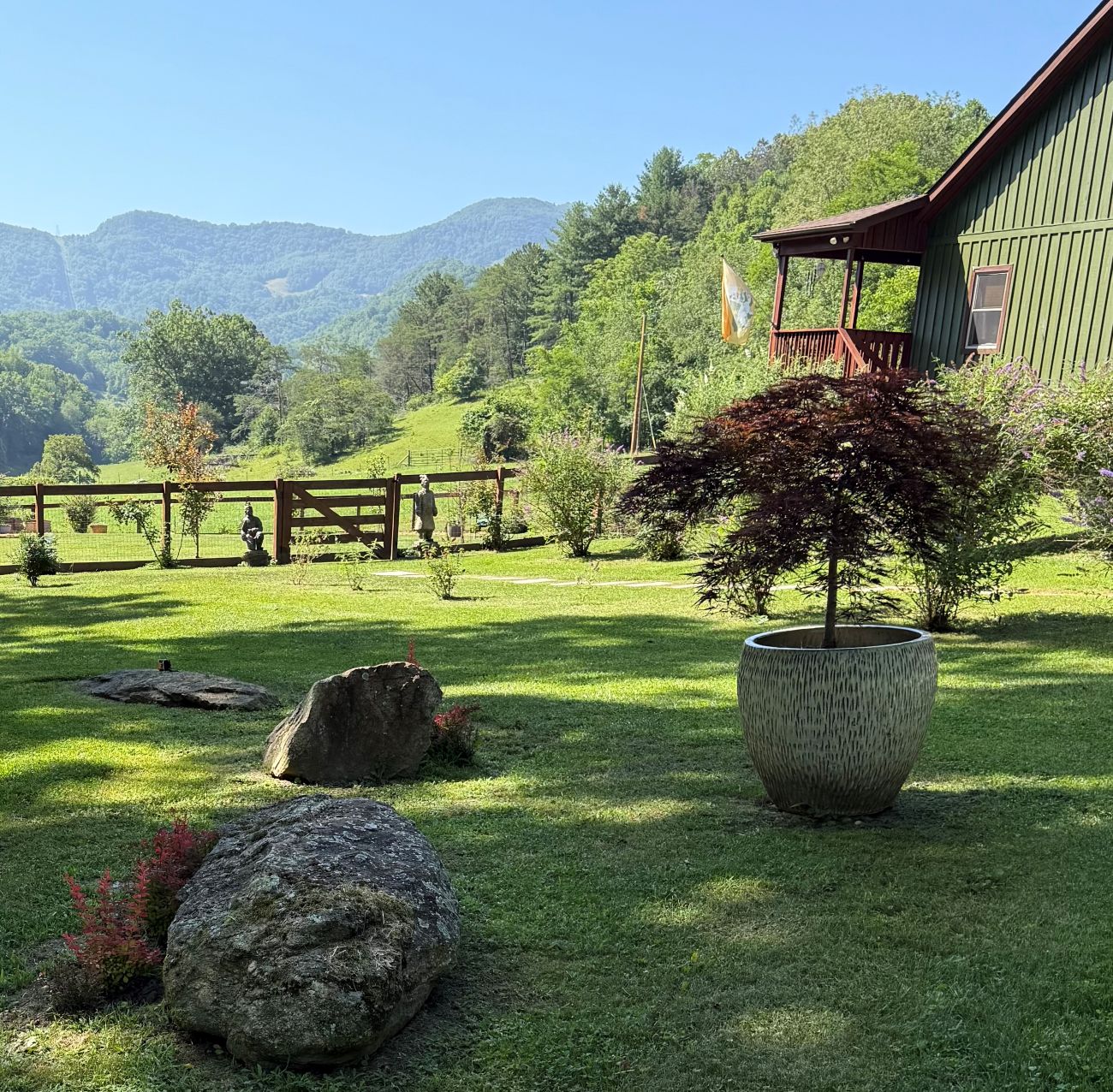
"We have been living here in Zone 7 for almost three years," Janice explains. "Before moving here, we were in Zone 8, so it is very different. I have had to adjust my thinking about timing and what will do well here."
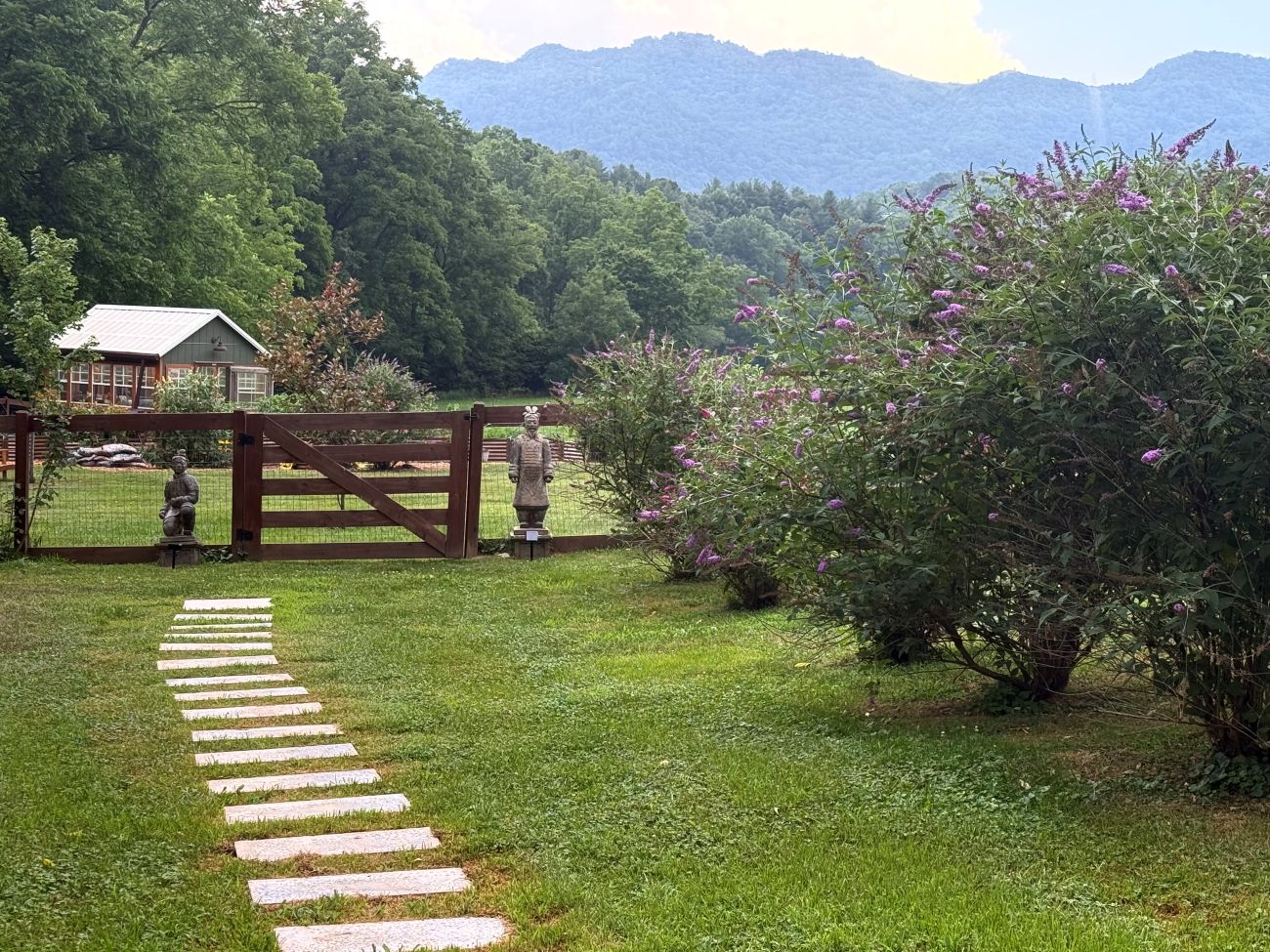
While some might find the shift daunting, Janice views it as a liberating challenge. She notes that Zone 7 offers a more "forgiving" environment than her previous location, allowing for a broader palette of perennials and shrubs. This change in climate has necessitated a shift in her long-term strategy, moving away from what she knew worked elsewhere to discovering what truly thrives in her current microclimate.
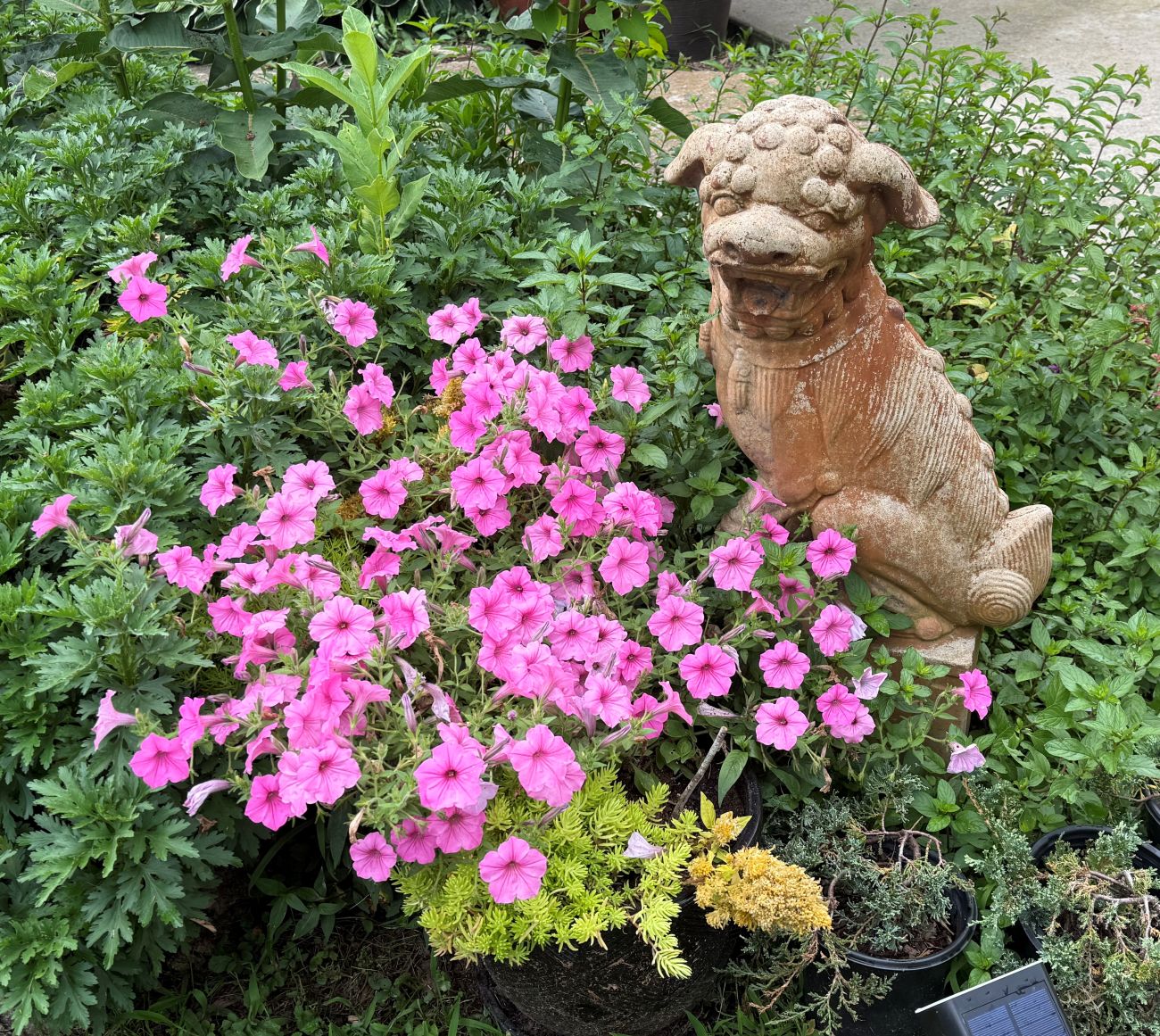
Chronology of a Transformation
The transformation of the Clyde property did not happen overnight; it followed a logical, season-by-season progression.
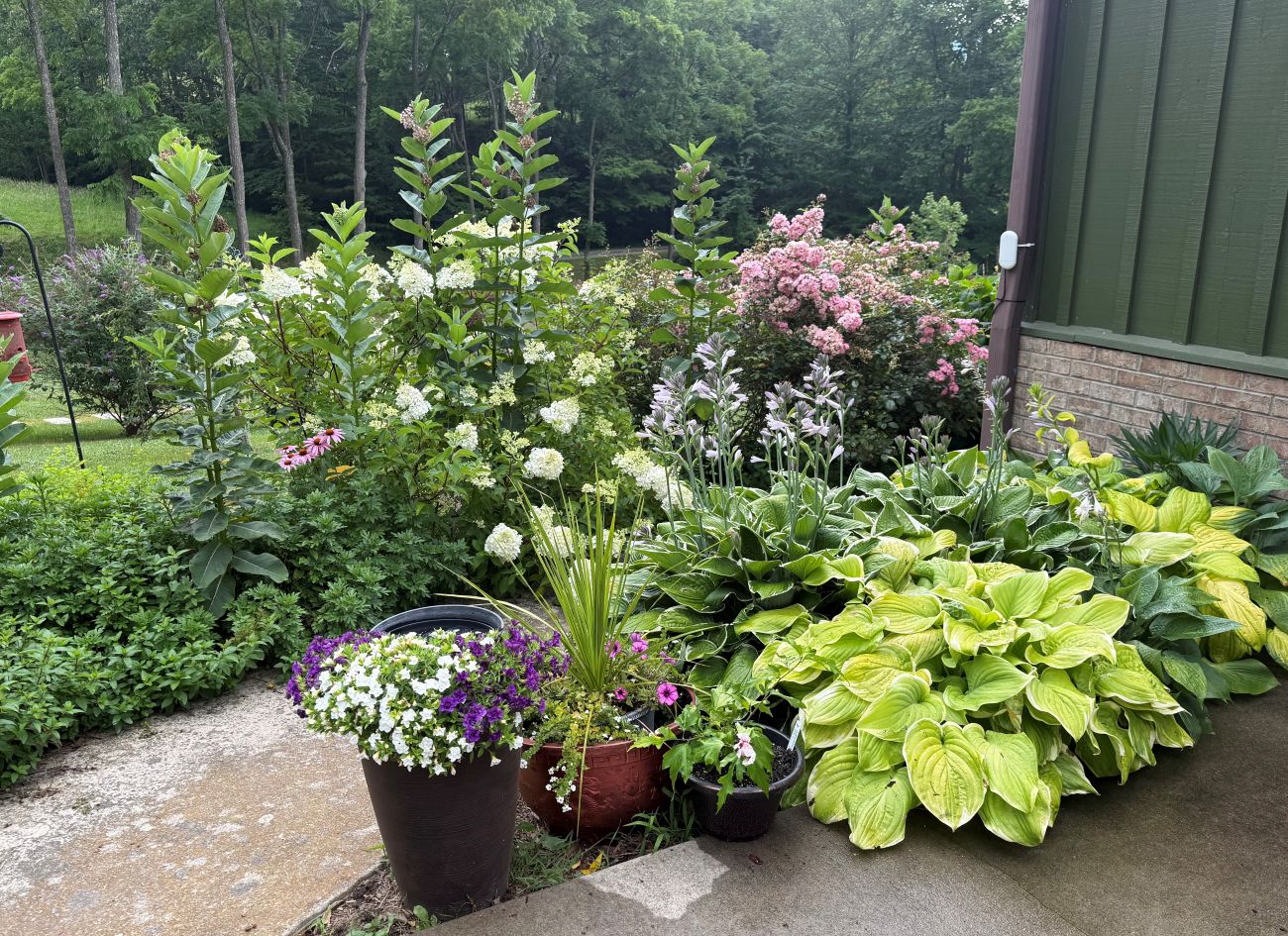
- Year One: The Foundation. Upon arrival, the property lacked structure. The primary objective was to break up the "green desert" of the lawn. Janice began by identifying the property’s natural assets—specifically, the large, pre-existing boulders—and using them as focal points for new garden beds.
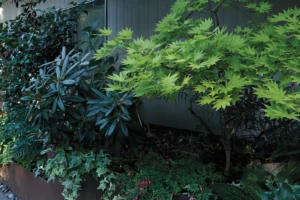
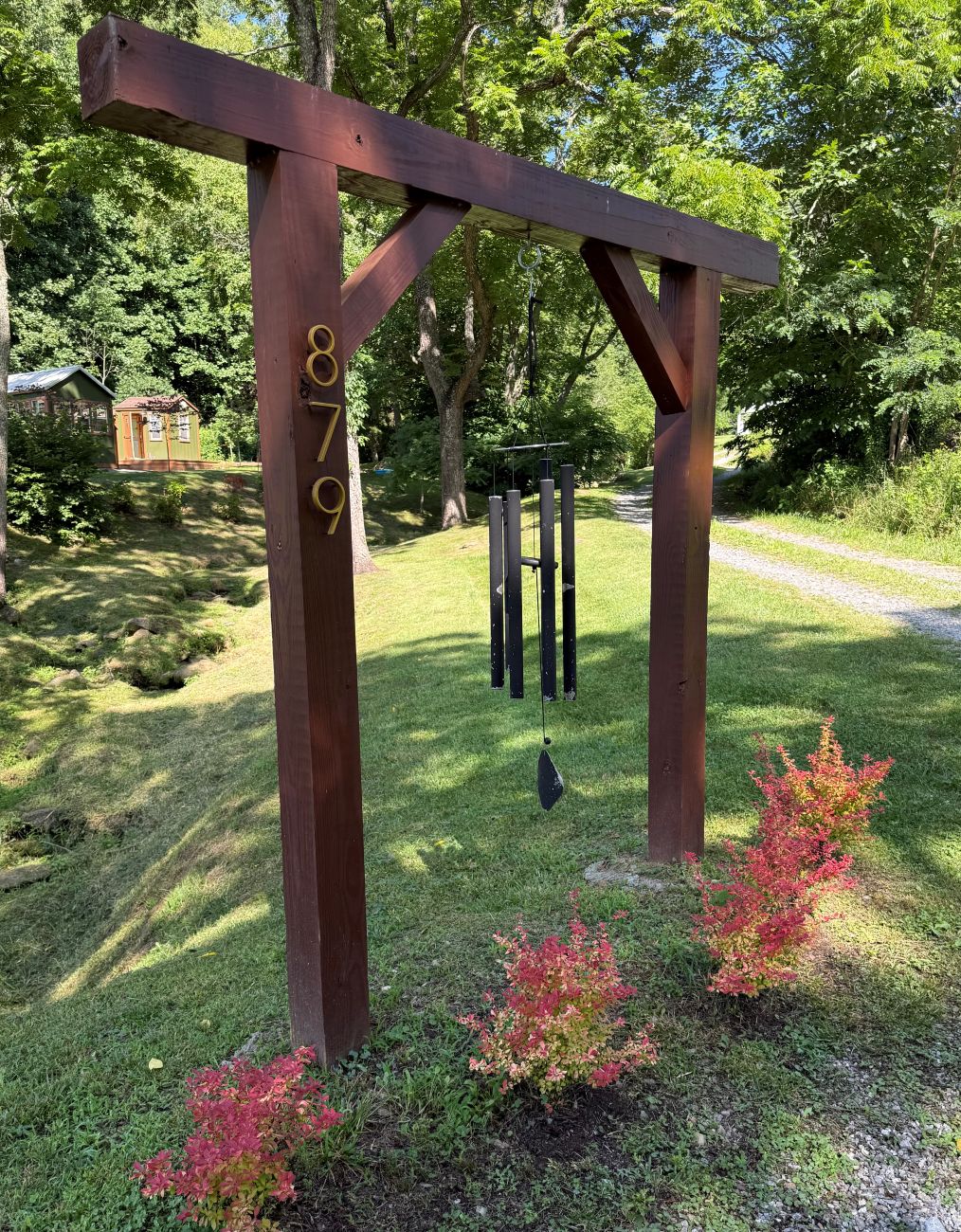
- Year Two: The Structural Shift. With the beds established, focus shifted to permanent plantings. The installation of the Sunjoy Neo® Japanese barberry at the entrance provided the necessary color contrast to the lawn. During this phase, she also began integrating larger, established containers—including her prized Japanese maple—to provide immediate height and texture.
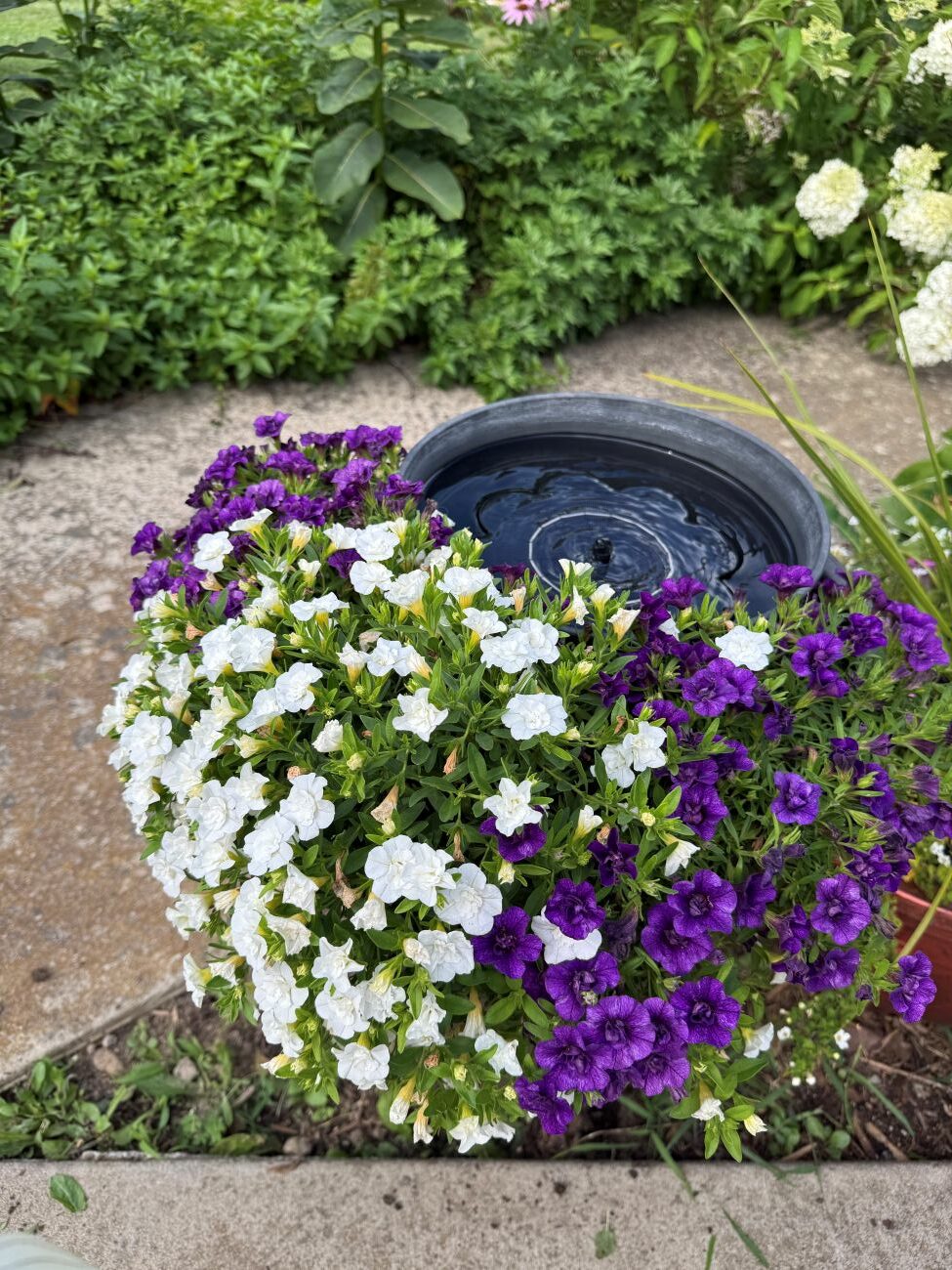
- Year Three: The Sensory Refinement. The most recent season has been dedicated to "fine-tuning." This involved the introduction of scented varieties, such as her roses and butterfly bushes, and the integration of water features. It is only now, in the third year, that the garden has begun to exhale its full potential, rewarding the gardener with the scents and textures she had envisioned from the start.
Supporting Data: A Palette of Plants
The success of Janice’s garden lies in her careful selection of plants that serve both aesthetic and ecological functions. Her landscape serves as a testament to the versatility of specific cultivars:
- Shrubbery and Structure: The Sunjoy Neo® Japanese barberry (Berberis thunbergii) provides a striking red foliage that anchors the front entrance. Complementing this is the Acer palmatum var. dissectum, which softens the harshness of the native boulders.
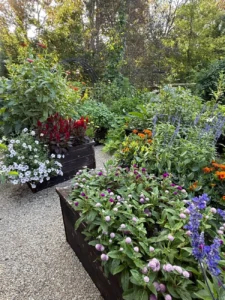
- Fragrance and Pollinators: A significant portion of the garden is dedicated to Buddleja (Butterfly Bush), specifically the ‘Black Knight’ and ‘Miss Molly’ varieties. These serve a dual purpose: they create a sensory pathway for humans while acting as a critical magnet for local pollinators.
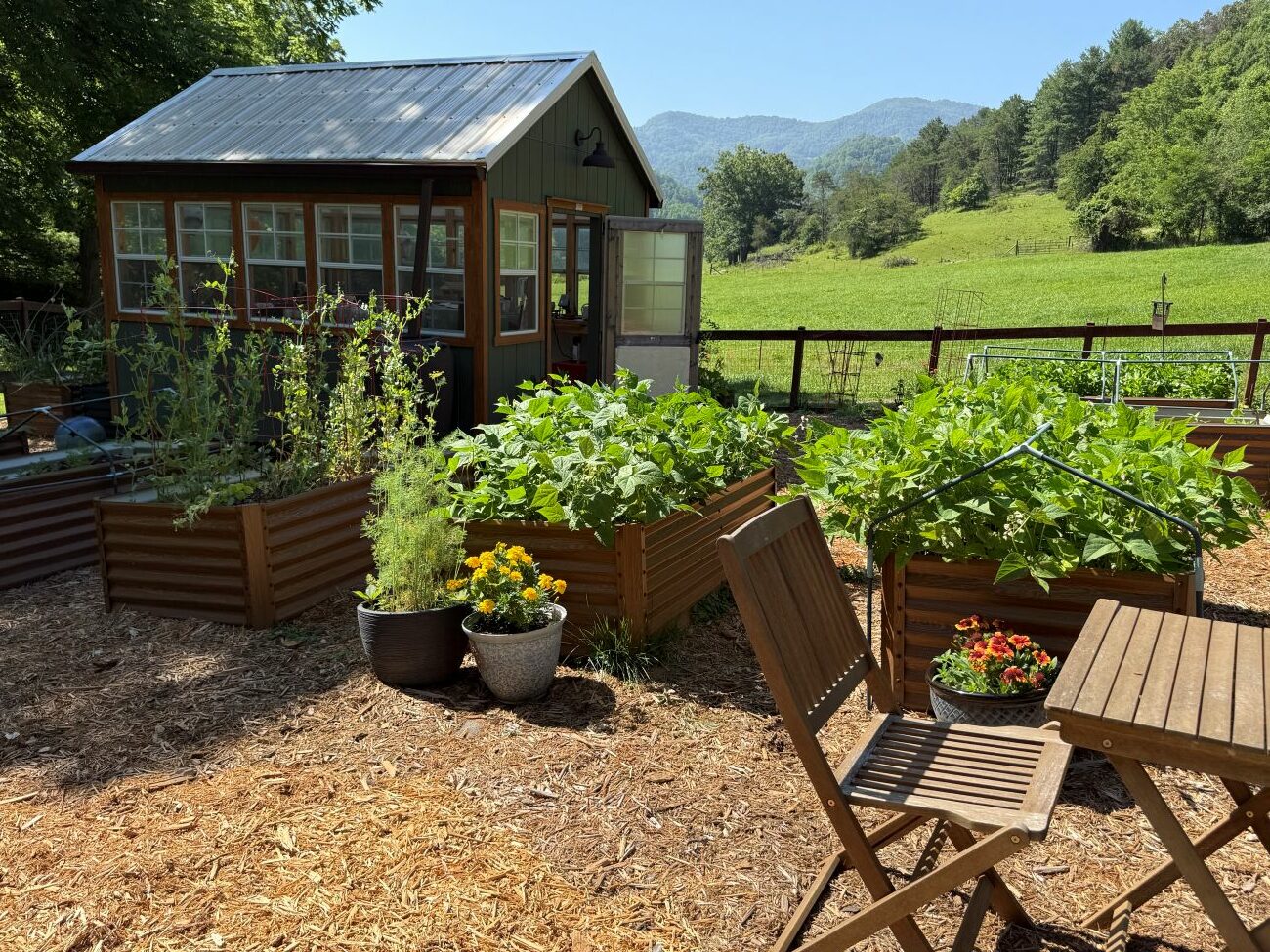
- Vegetable Success: Perhaps the most significant "win" in this new location is the vegetable garden. Janice reports that the climate in Zone 7 has proven superior to her previous residence for staples like tomatoes, squash, cucumbers, and beans. The addition of a small greenhouse has extended her growing season, further cementing her commitment to home-grown produce.
Perspectives on the Gardening Process
When asked about the "trials and tribulations" of her work, Janice is refreshingly honest about the reality of gardening. "I have started over with my rose gardens and the trials and tribulations of that," she admits. "However, this year, I am seeing and enjoying the many scents of my new roses."
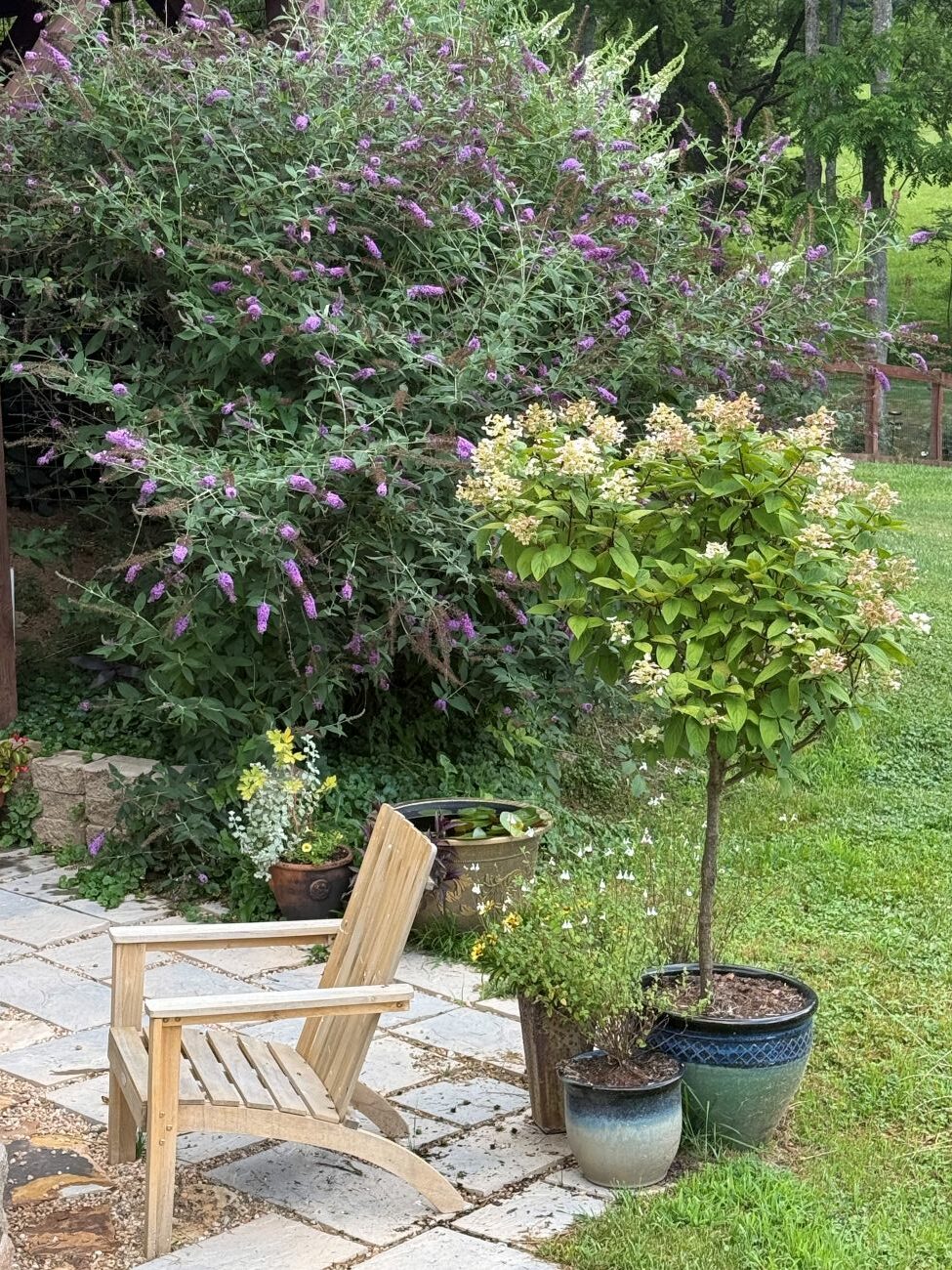
Her philosophy is one of integration rather than imposition. She highlights the appearance of common milkweed (Asclepias syriaca) in her first spring as a "pleasant surprise." Rather than viewing it as a weed to be eradicated, she embraced it, noting how it drew butterflies and added to the overall biodiversity of the space. This willingness to let the garden "speak" to her is perhaps the most vital component of her success.
Implications for Homeowners
Janice’s experience in Clyde offers several key takeaways for those looking to transform their own outdoor spaces:
- Work with Existing Features: Instead of removing the large boulders on her property, Janice highlighted them. Identifying natural site features can save time, money, and effort while providing instant character.
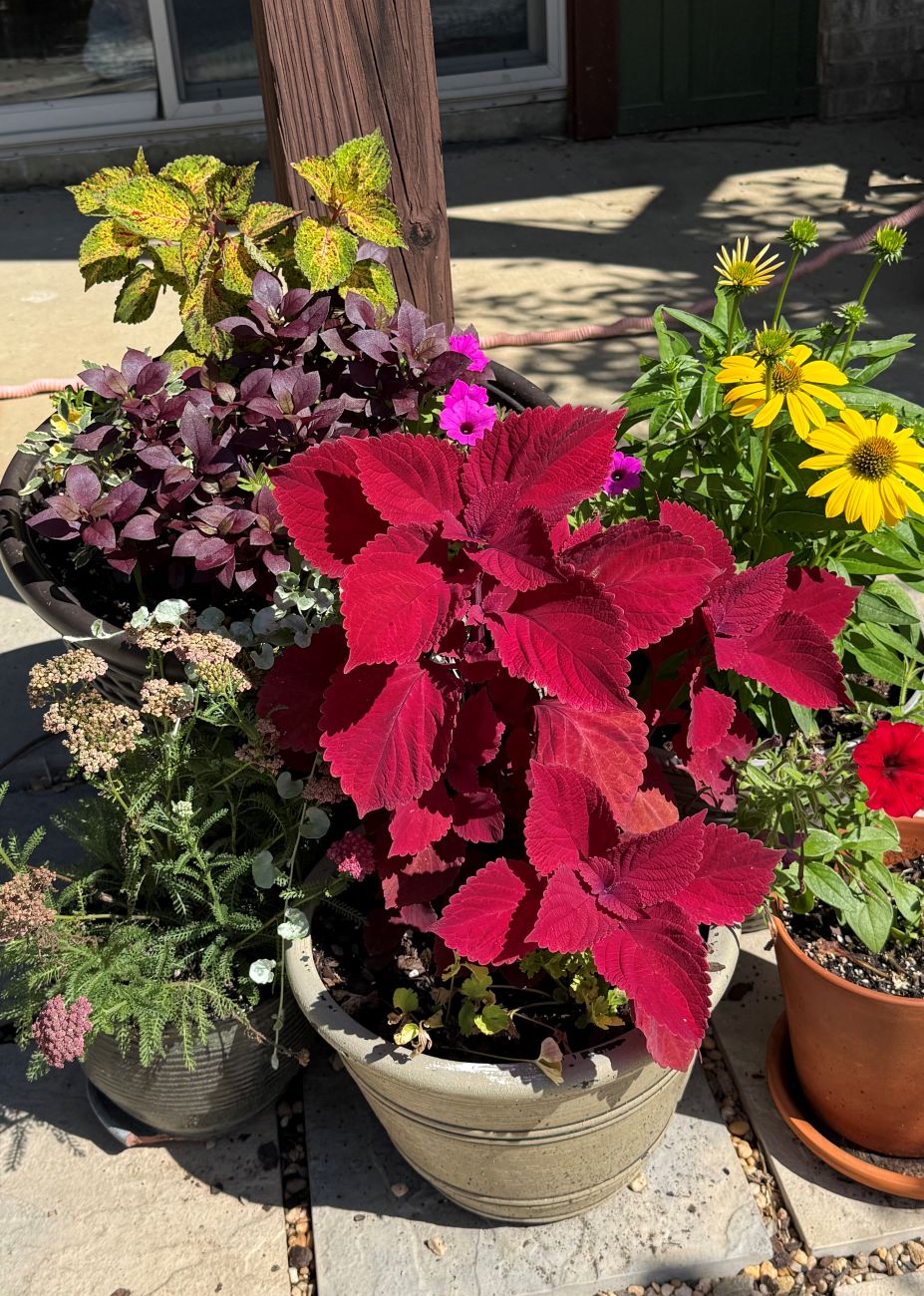
- Container Gardening as a Bridge: By using large, movable containers, Janice was able to maintain a sense of continuity with her previous garden while testing how specific plants would handle the new environment.
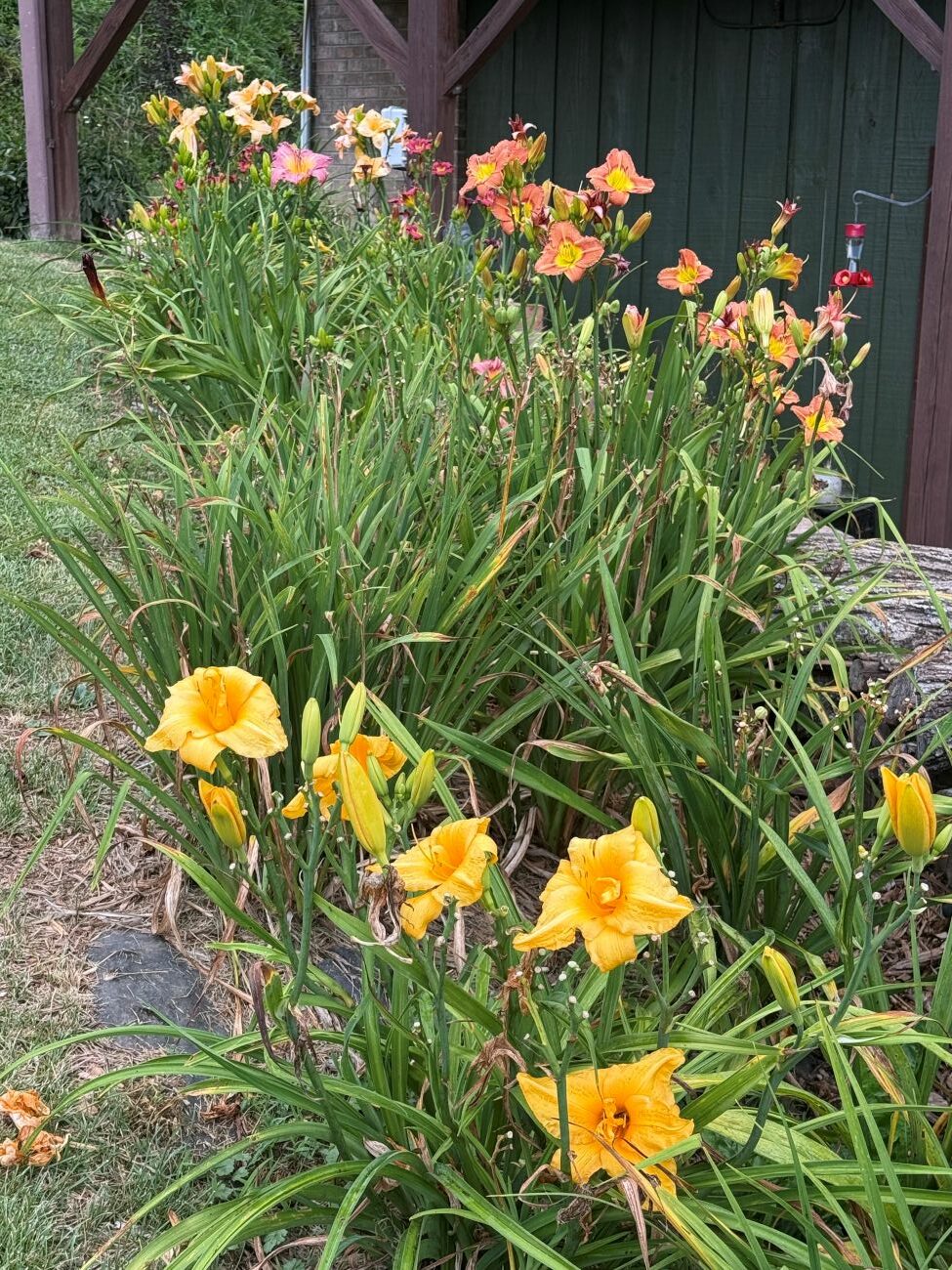
- Prioritize Sensory Experience: A garden is not just for looking at. By intentionally selecting plants for their fragrance—like the butterfly bushes and reblooming daylilies—the garden becomes an immersive experience.
- The "Slow Garden" Approach: Even with a dedicated gardener, it takes three years to begin seeing the true personality of a space. Success should be measured in seasons, not weeks.
Essential Tools for the Modern Gardener
As the complexity of her garden has grown, so too has the need for high-quality maintenance tools. For gardeners looking to replicate the level of care seen in Janice’s space, the following equipment is often cited as indispensable:
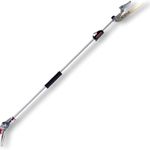
- Precision Pruning: The ARS Telescoping Long Reach Pruner is essential for maintaining the health of shrubs and trees without constant ladder use. Its lightweight, balanced design allows for the extended periods of work required in a large, maturing garden.
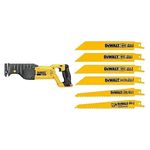
- Versatile Cutting: The DeWalt Variable-Speed Cordless Reciprocating Saw has become a staple for tasks ranging from pruning large limbs to cutting fallen branches. Its cordless nature allows for mobility across the entire property.
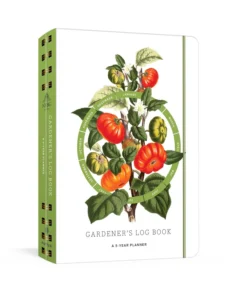
- Documentation: A tool often overlooked is the gardener’s log. Using a resource like the NYBG Gardener’s Log Book allows for the tracking of bloom times, harvest cycles, and soil amendments. This data is critical for any gardener who, like Janice, is adjusting to a new zone and needs to record "what works and when."
Final Reflections
Janice’s journey from a bare lawn to a curated, fragrant landscape is a powerful reminder that a garden is a living, breathing entity that evolves alongside its creator. It requires a dialogue between the person and the place.
"What a beautiful example of how a new garden can become your own—one plant, pathway, container, and season at a time," observers note. As Janice continues to tend to her roses, nurture her vegetable patch, and watch the butterflies navigate her pathways, she remains an inspiration to those who might look at their own empty patches of grass and see only the work ahead, rather than the potential for growth.
Whether you are a seasoned horticulturalist or a novice with a single container, the lesson from Clyde is clear: embrace the local climate, listen to the land, and do not be afraid to start fresh. The results, as evidenced by this North Carolina sanctuary, are well worth the effort.