The Renaissance of the Breakfast Table: Mastering the Art of Paleo Pancakes
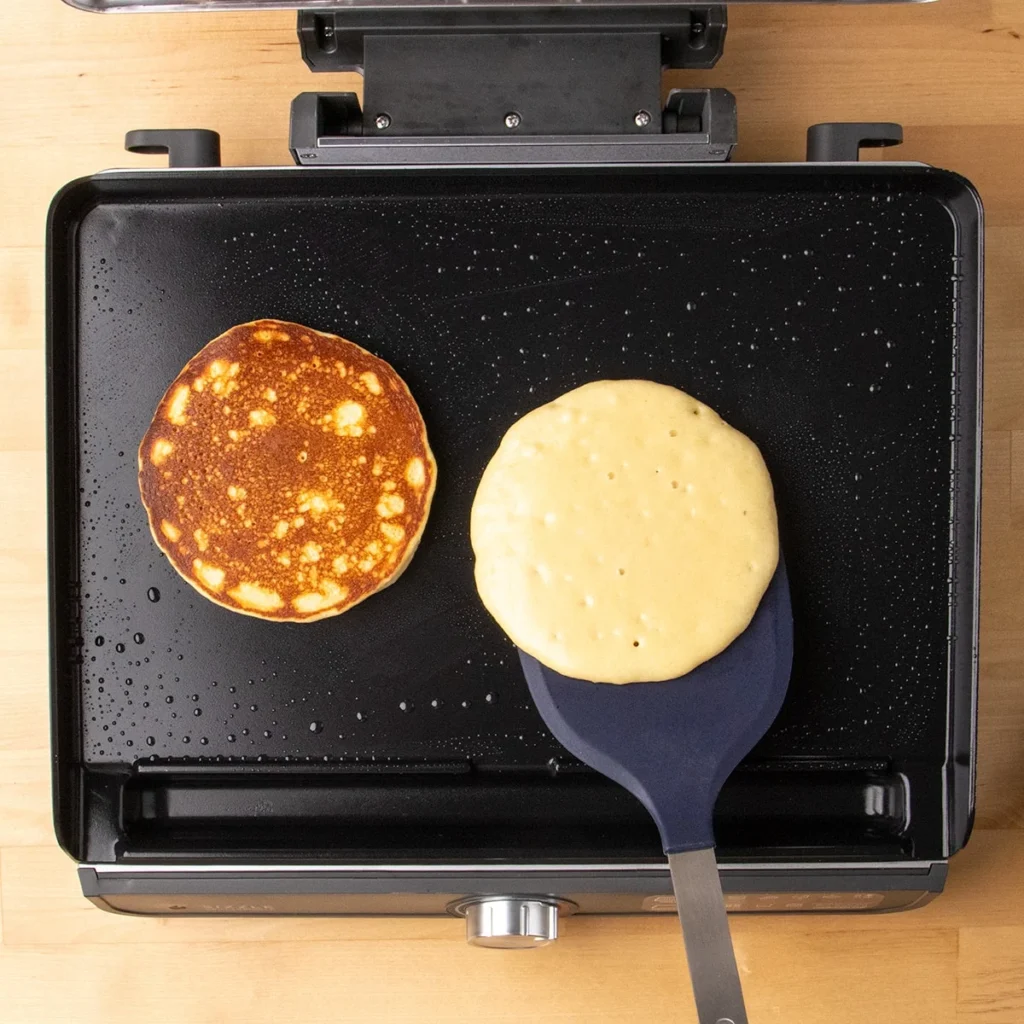
In the evolving landscape of modern nutrition, the quest for a breakfast that balances health-conscious constraints with the comforting, nostalgic experience of a traditional stack of pancakes has long been a culinary challenge. For those adhering to a Paleo lifestyle—or anyone managing gluten sensitivities—the "Paleo pancake" has often been a compromised affair, frequently resulting in dense, almond-heavy discs that lack the structural integrity of conventional flour-based cakes.
However, a shift has occurred in the home kitchen. By utilizing a precise synergy of almond flour and tapioca starch, culinary enthusiasts are now producing pancakes that are not merely "good for a diet" but are, by objective culinary standards, indistinguishable from their grain-based counterparts. This article explores the technical precision, the nutritional implications, and the methodology behind these high-protein, gluten-free staples.
Main Facts: The Anatomy of a Better Pancake
The fundamental shift in the "Paleo pancake" movement lies in the chemistry of the dry ingredients. Traditional pancakes rely on gluten—a protein found in wheat—to provide the elastic structure necessary to trap carbon dioxide bubbles released by leavening agents. Without wheat, Paleo bakers are forced to mimic this structure.
The success of this specific recipe rests on three pillars:

- Finely Ground Almond Flour: Unlike almond meal, which contains coarse skins and creates a gritty texture, finely ground almond flour provides a delicate, nutty base that mimics the mouthfeel of cake flour.
- Tapioca Starch: This is the "glue" of the recipe. Derived from the cassava root, tapioca starch provides the elasticity and chewiness that almond flour lacks on its own, allowing for a pourable, cohesive batter.
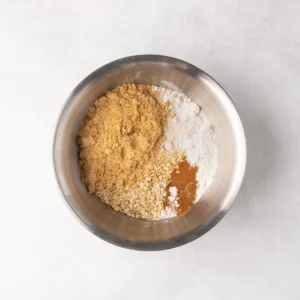
- Controlled Leavening: By creating a custom Paleo baking powder—a mixture of baking soda, cream of tartar, and arrowroot—bakers ensure the elimination of cornstarch and other non-compliant additives, resulting in a lift that creates a light, airy crumb.
Chronology: The Evolution of the Recipe
The history of gluten-free baking is marked by a transition from "imitation" to "innovation."
- Phase 1 (The Early Years): Early Paleo pancake attempts often relied heavily on banana-egg mixtures. While nutrient-dense, these were essentially omelets masquerading as pancakes, lacking the browning and texture of wheat.
- Phase 2 (The Flour Revolution): The introduction of almond flour as a primary ingredient allowed for a more "bready" texture, though early adopters struggled with the high fat content of the nuts, which often led to burnt, raw-centered pancakes.
- Phase 3 (Precision and Balance): Current methodology, as reflected in high-performance recipes, emphasizes the inclusion of starches (like tapioca) and the importance of resting the batter. This period represents the maturation of the genre, where techniques from professional pastry arts—such as weighing ingredients by gram—are applied to home-style breakfast cooking.
Supporting Data: Nutritional Efficiency
The primary driver for the adoption of these pancakes is their nutritional profile. Unlike traditional pancakes, which are largely composed of refined carbohydrates that lead to rapid glucose spikes and subsequent mid-morning energy crashes, these Paleo pancakes are rich in macronutrients that promote satiety.
| Nutrient | Typical Grain Pancake | Paleo Almond Pancake |
|---|---|---|
| Protein | ~4g | ~7g |
| Fiber | ~1g | ~2g |
| Glycemic Impact | High | Low/Moderate |
| Satiety Factor | Low | High |
The protein content, derived from the almond base and eggs, provides a sustainable energy source. Furthermore, the fat content—composed primarily of monounsaturated fats from almonds—slows the absorption of sugars, ensuring that the meal provides energy for the duration of the morning.
Expert Perspectives: The Science of the Griddle
Industry experts emphasize that the primary failure point for home cooks is temperature control. Because almond flour contains a significantly higher fat content than wheat flour, it has a much lower smoke point.

"The most common mistake is impatience," says culinary consultant and recipe developer Nicole Hunn. "Because of the fat density, if the griddle is set above 350°F, the exterior will blacken before the center has had a chance to set."
Experts recommend the following "Golden Rules" for the perfect stack:
- The Rest Period: The batter must sit for at least 10 minutes. This is not optional; it allows the starches to hydrate and the almond flour to absorb moisture. Without this, the batter remains too thin, resulting in "crepe-like" consistency rather than a fluffy pancake.
- Weight vs. Volume: Measuring flour in cups is notoriously inaccurate. A packed cup of almond flour can be 20% heavier than a lightly scooped one. Using a digital scale is the only way to ensure the ratio of starch to fat remains consistent.
- The Sieve: Even high-quality almond flour can clump. Passing the flour through a fine-mesh sieve prior to mixing is a professional-grade step that ensures an even, light texture in the final product.
Implications: The Future of Breakfast
The normalization of the Paleo pancake indicates a broader trend in consumer behavior: the rejection of "diet food" in favor of "nutrient-dense food." Consumers are no longer willing to sacrifice texture and flavor for health benefits.
Economic and Lifestyle Shifts
For families managing Celiac disease or non-celiac gluten sensitivity, the ability to replicate a "classic" breakfast without resorting to expensive, highly-processed gluten-free flour blends is an economic win. These recipes utilize whole-food ingredients that can be purchased in bulk, making the Paleo lifestyle more accessible to a wider demographic.

The Sustainability of the Diet
The move toward using almond and root-based starches also reflects a growing interest in regenerative agriculture. As demand for these ingredients rises, the supply chain for almond and cassava production continues to innovate, offering more sustainable options for home cooks.
Storage and Convenience
The implication for the busy professional is perhaps the most significant. The "make-ahead" nature of these pancakes—which can be frozen in individual stacks and reheated in a toaster oven in under two minutes—challenges the notion that a healthy breakfast requires an hour of prep time. By treating breakfast as a batch-cooking activity, proponents of this method have successfully integrated high-protein, low-inflammatory eating into the frantic pace of the modern work week.
Conclusion: A Culinary Triumph
The Paleo pancake has transcended its origins as a restrictive dietary substitute. Through the application of scientific principles—understanding the role of starch in structural integrity, the necessity of resting batter, and the precision of weight-based measurement—the home cook can now produce a breakfast item that is fundamentally superior in nutritional value to its traditional predecessor.
Whether one is strictly following a Paleo protocol or simply seeking to reduce grain intake, these pancakes offer a blueprint for how modern nutrition can be both delicious and deeply satisfying. As culinary techniques continue to evolve, the gap between "healthy" and "indulgent" will likely continue to close, making the breakfast table a place where health goals and flavor cravings finally coexist in harmony.

By mastering the simple, yet vital, techniques of sifting, resting, and temperature control, the modern cook proves that one does not need to abandon the joy of a weekend pancake breakfast to maintain a vibrant and healthy lifestyle. The future of breakfast is here, and it is almond-based, protein-rich, and undeniably delicious.