Cultivating Resilience: How One Gardener Transformed a Suburban Oklahoma Plot into a Thriving Ecosystem
In the sprawling, often challenging climate of the American Southern Plains, gardening is rarely a passive hobby; it is a tactical exercise in environmental management. Today, we turn our attention to the suburbs of Oklahoma City, where one gardener, Janelle, has successfully defied the region’s notorious summer heat. By moving away from traditional monoculture vegetable patches and embracing a holistic, biodiverse approach, she has created a suburban sanctuary that balances aesthetic appeal with ecological necessity.
The Evolution of a Suburban Ecosystem
Janelle’s journey began with a singular focus: the vegetable garden. Like many suburban homeowners, she initially viewed her outdoor space as a place for productivity—a simple, linear quest for home-grown produce. However, she soon encountered the limitations of an isolated food garden.
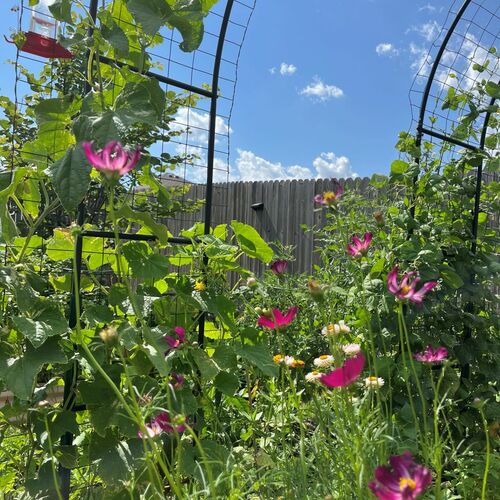
"I started by growing only vegetables," Janelle explains, "but quickly realized a garden needs to function as an entire ecosystem to thrive."
This epiphany marked a shift in her horticultural philosophy. Instead of separating the "edible" from the "ornamental," she began integrating annual flowers and native perennials directly into her vegetable beds. This structural change did more than just improve the visual appeal of her yard; it fundamentally altered the biological activity of the space. By introducing native flora, she invited a host of pollinators and beneficial insects that naturally managed pests, reduced the need for external inputs, and created a self-sustaining cycle of growth.
Chronology of a Heat-Resilient Landscape
The development of Janelle’s garden was not an overnight success but a seasonal progression of trial, error, and adaptation.
- Phase 1: The Vegetable-Only Experiment: Initial efforts were defined by standard vegetable gardening, which struggled under the intense Oklahoma sun and frequent dry spells. High evaporation rates and plant stress led to inconsistent yields.
- Phase 2: The Integration Period: Recognizing the need for shade and insect diversity, Janelle began interplanting native perennials. This phase focused on creating "living mulch" and companion planting, which helped retain soil moisture and provided a continuous nectar source for local wildlife.
- Phase 3: The Heat-Tolerance Refinement: With the ecosystem established, the final phase involved selecting high-performance cultivars specifically bred for drought and heat resistance. Today, the garden serves as a model for "post-wild" landscaping, where human-curated plants coexist with wild, rugged species.
Supporting Data: The Anatomy of an Oklahoma Garden
The success of the garden relies on a carefully curated plant list designed to withstand the volatile Oklahoma climate. To thrive in a region where mid-summer temperatures often soar into the triple digits, plants must possess deep root systems or succulent properties.
The Floral Foundation
Janelle relies on a mix of annuals and perennials to ensure the garden remains vibrant from June through September:
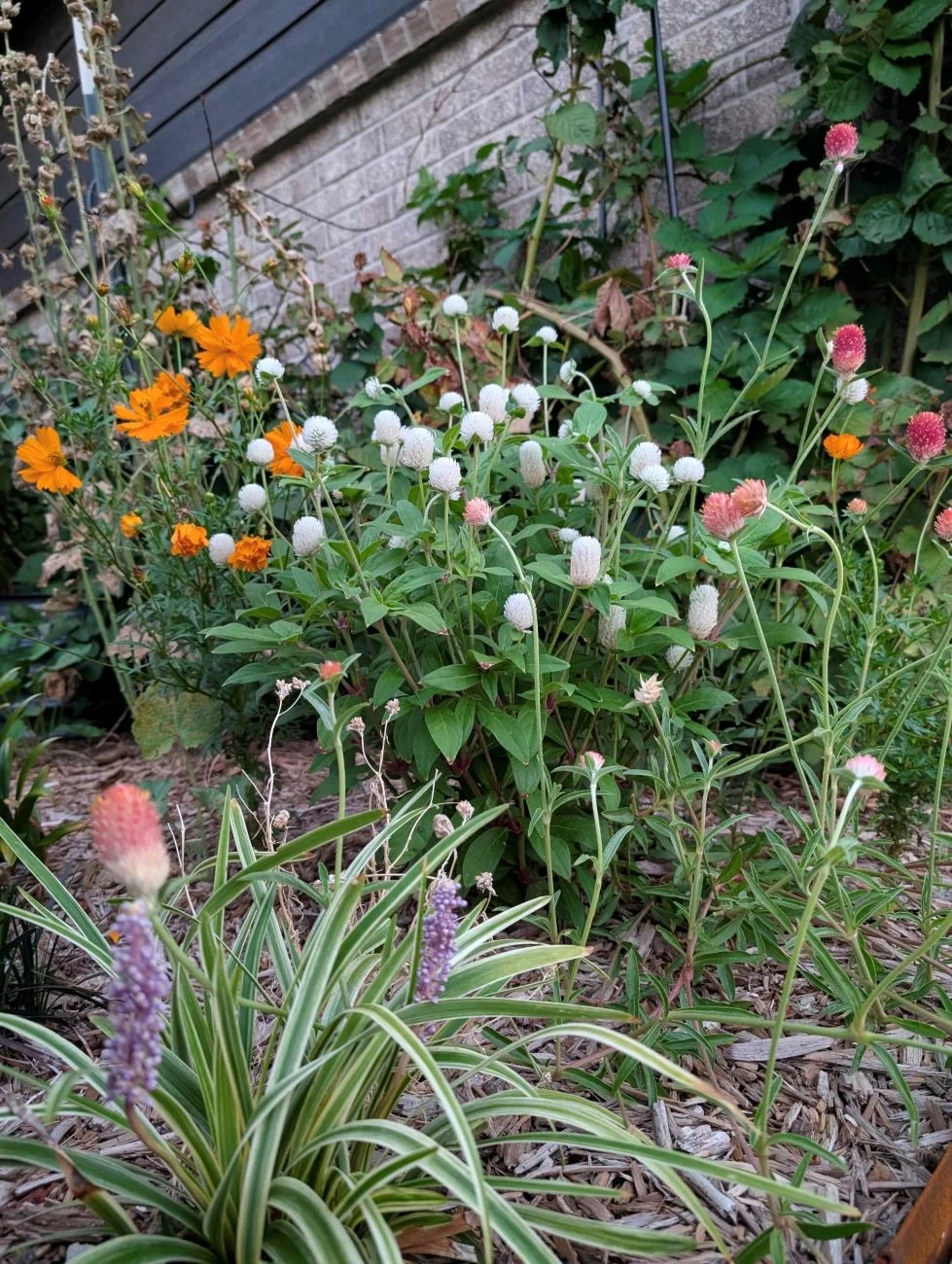
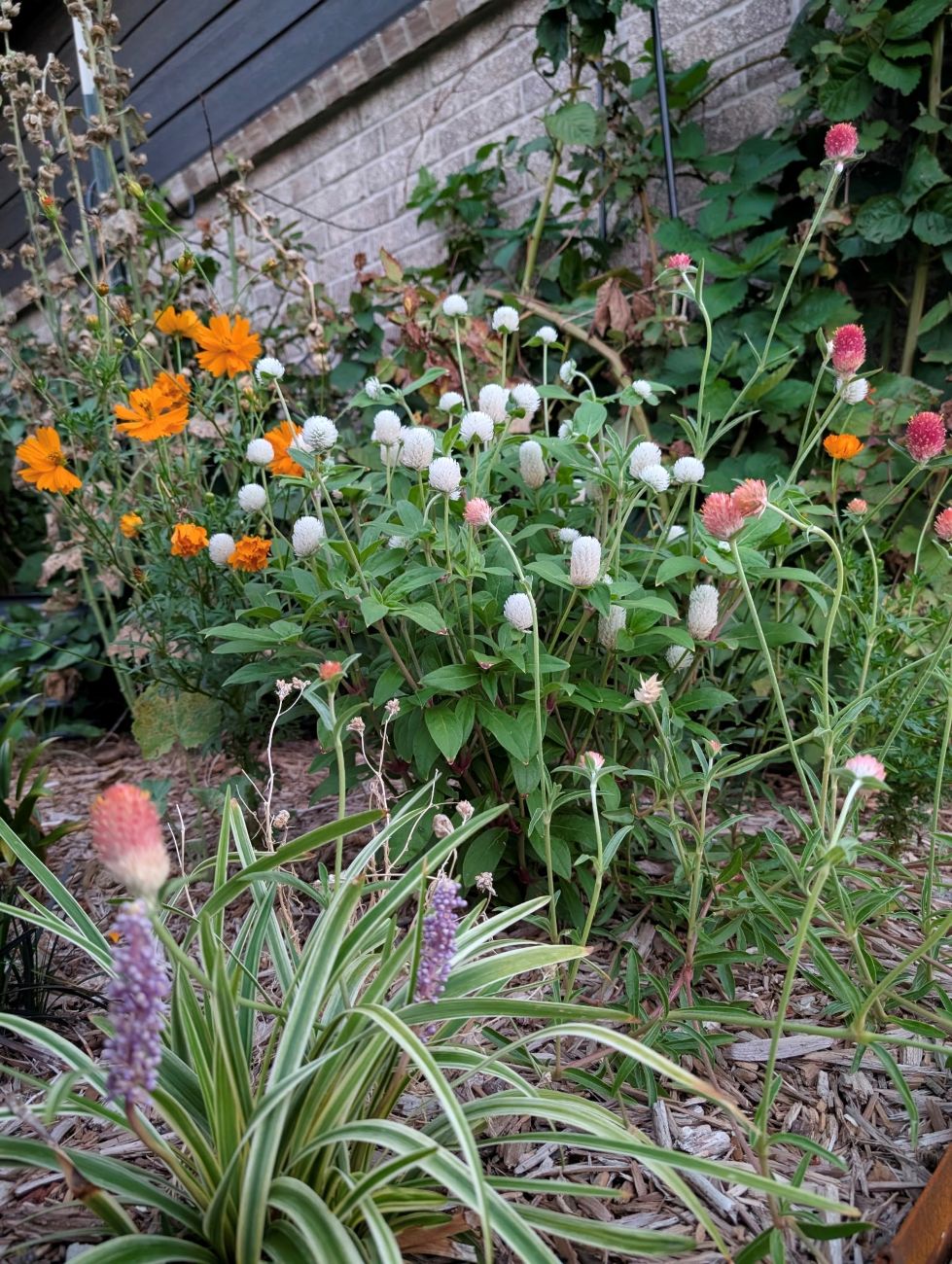
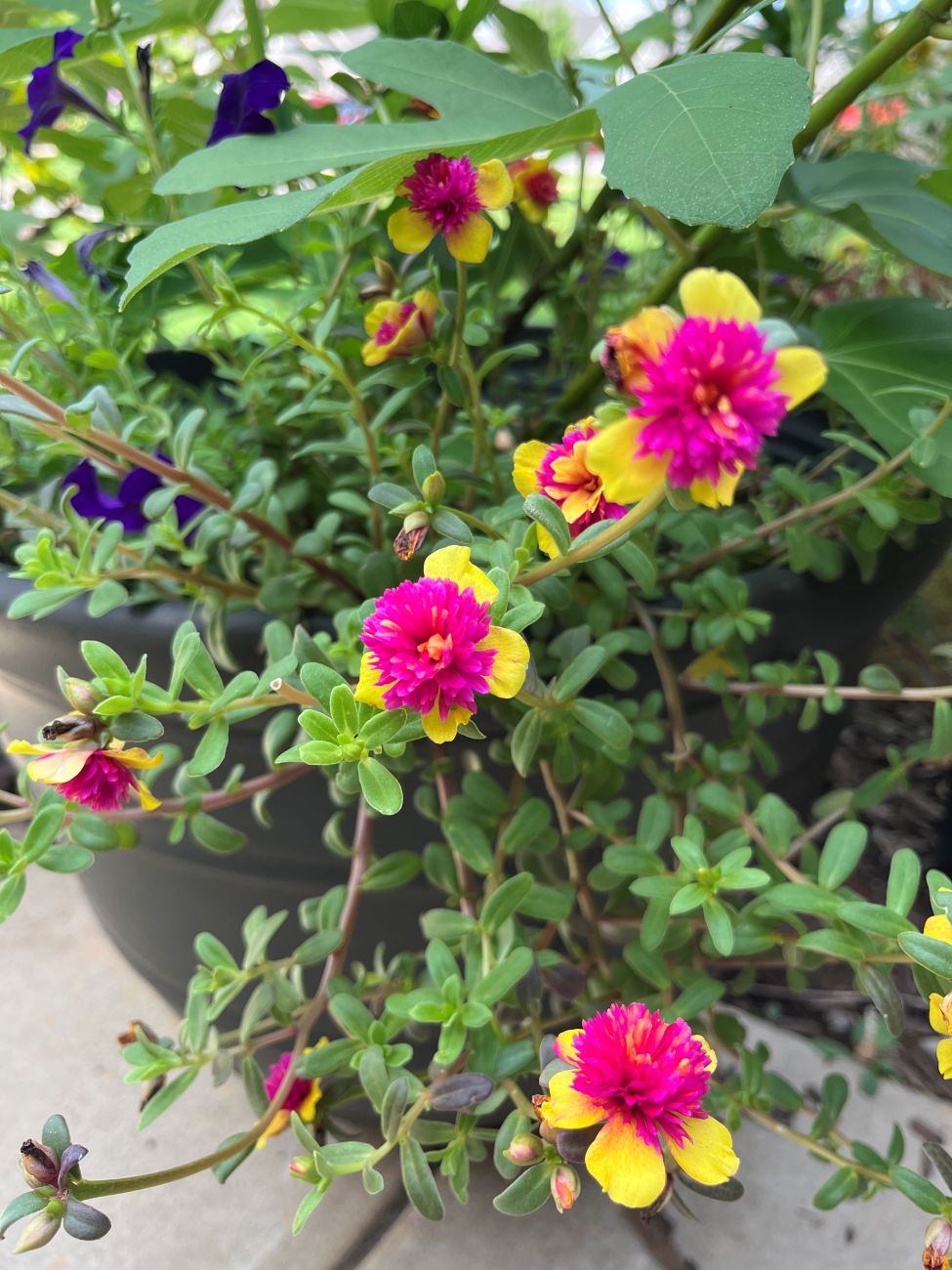
- Annuals for Seasonal Pop: Zinnias (Zinnia elegans), Portulaca (Portulaca grandiflora), Globe amaranth (Gomphrena globosa), and Cosmos (Cosmos bipinnatus) provide the high-energy color palette that keeps the garden looking fresh.
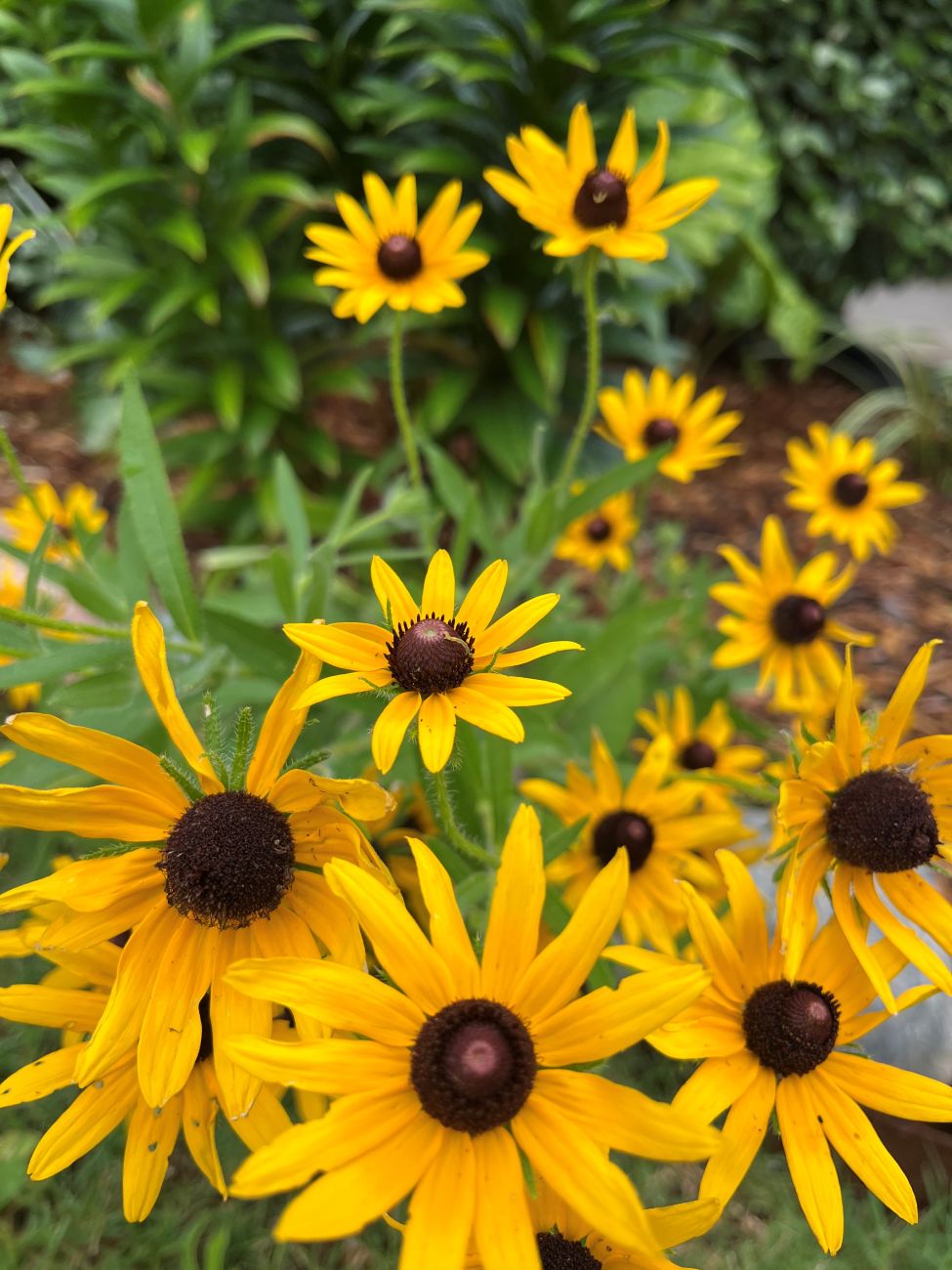
- Perennials for Structural Integrity: Black-eyed Susans (Rudbeckia hirta) serve as the workhorses of the garden, offering both brilliant yellow blooms and vital nectar for pollinators.
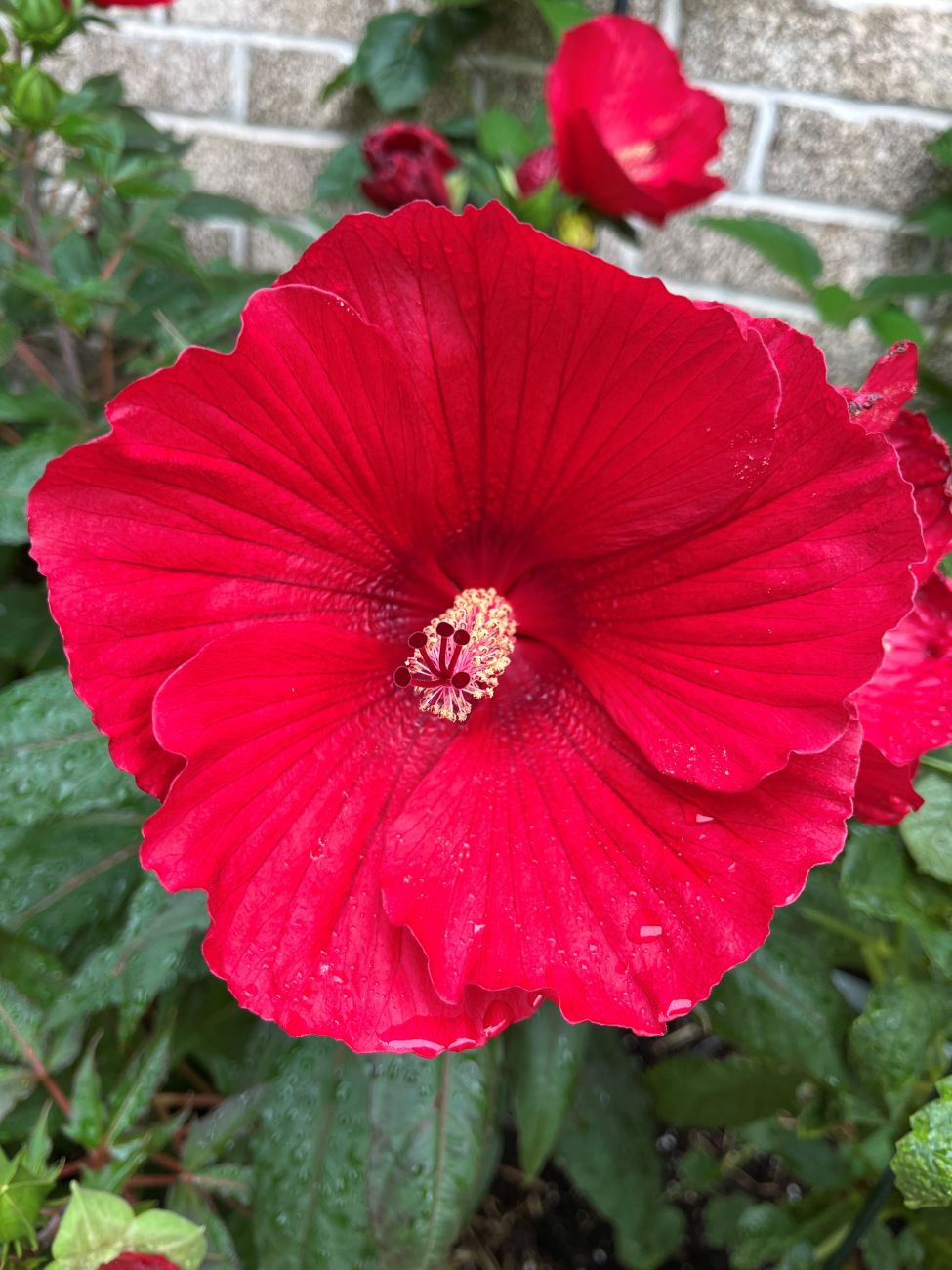
- Visual Interest & Texture: Pink muhly grass (Muhlenbergia capillaris) adds soft, ornamental movement, while the hardy hibiscus (Hibiscus moscheutos) provides a dramatic, "dinner plate-sized" focal point. Russian sage (Salvia yangii) offers reliable, drought-tolerant blue hues that anchor the planting beds.
Maximizing Vertical Space
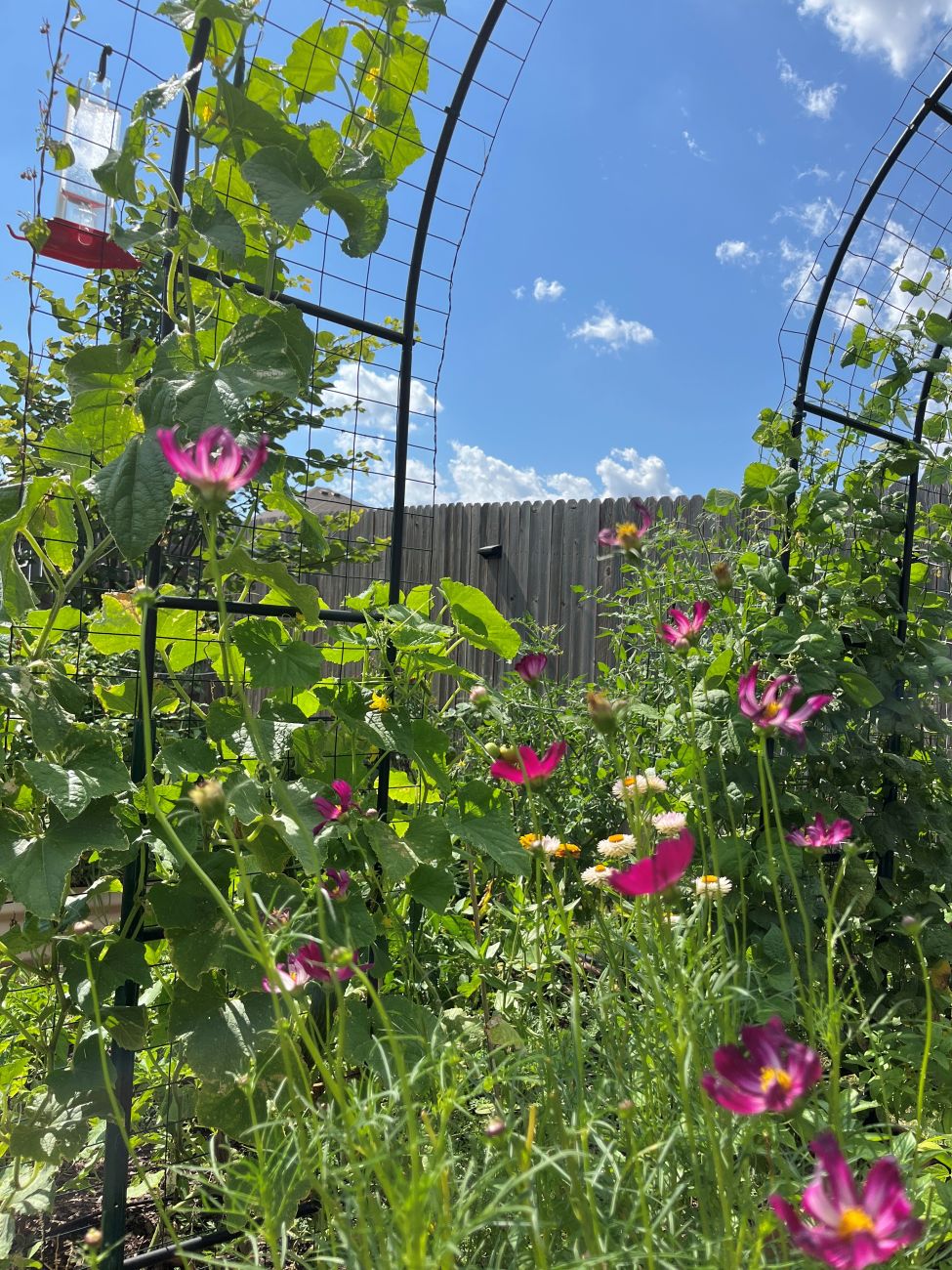
One of the most effective strategies employed in the garden is the use of double garden arches. By training climbing cucumbers (Cucumis sativus) to grow vertically, Janelle effectively doubles her available growing surface area. This technique also improves airflow, which is critical in preventing fungal diseases during the humid peak of the Oklahoma summer.
Implications for Suburban Gardeners
Janelle’s garden serves as a compelling case study for suburban homeowners looking to make their plots more resilient. The implications of her success are three-fold:
1. Water Conservation and Soil Health
By utilizing drought-tolerant native plants, the garden requires significantly less supplemental irrigation than a traditional lawn or ornamental flowerbed. The inclusion of diverse root structures helps break up compacted suburban clay soil, improving water infiltration and reducing runoff.
2. The Pollinator Connection
The garden functions as a critical pit stop for local pollinators. In an era of habitat fragmentation, residential gardens like Janelle’s act as "biological corridors." By providing a variety of nectar sources—from the simple flowers of dill to the complex blooms of the hardy hibiscus—she ensures that beneficial insects are present to pollinate her vegetable crops, resulting in higher yields with less human intervention.
3. A New Definition of "Beauty"
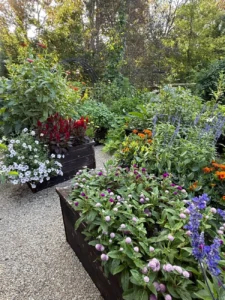
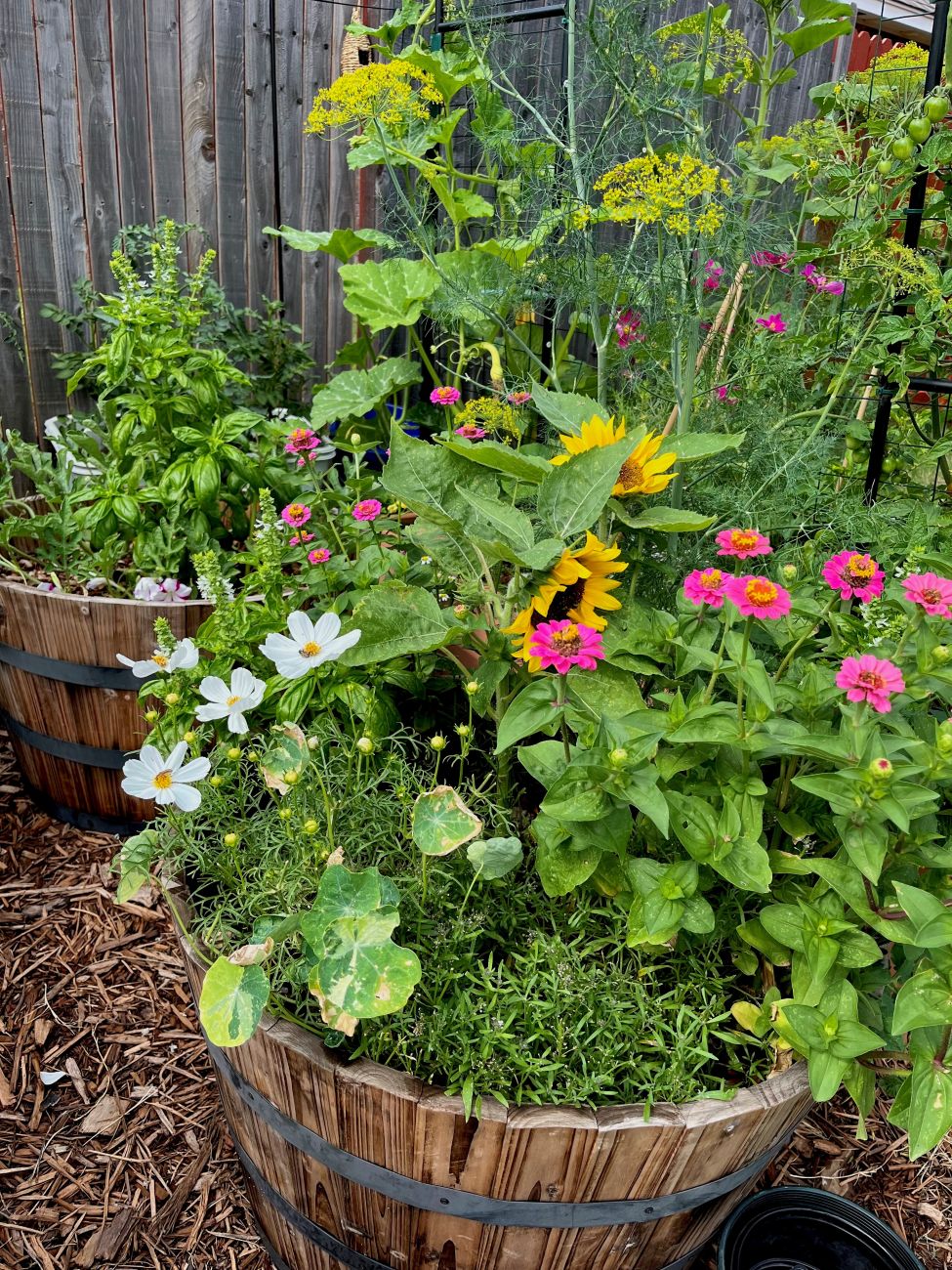
Perhaps the most significant implication is the shift in aesthetic expectations. Janelle’s garden proves that "functional" and "beautiful" are not mutually exclusive. Barrel planters overflowing with a chaotic, vibrant mix of sunflowers, zinnias, and dill challenge the sterile, manicured aesthetic typical of many suburban developments, suggesting that a "wilder" look is both more practical and more rewarding.
Professional Perspectives on Resilient Landscapes
The transition toward landscapes that incorporate both wild and cultivated plants is a growing trend in horticultural science. Experts often refer to this as the "Post-Wild" movement—a design philosophy that prioritizes resilience and biological function over aesthetic perfection.
In literature such as Planting in a Post-Wild World, authors Thomas Rainer and Claudia West argue that our cities and suburbs have become ecological deserts. By shifting the focus to "plant communities"—groupings of plants that naturally support one another—gardeners can create landscapes that effectively manage their own water and nutrient cycles. Janelle’s garden is a real-world manifestation of these principles, demonstrating that even a modest suburban plot can contribute to a larger, more resilient environment.
Closing Thoughts: How to Get Involved
Janelle’s garden is not just a personal victory; it is an invitation. For those inspired by her success, there are numerous ways to contribute to this growing movement. Whether you are a novice gardener just planting your first seeds or an experienced horticulturist looking to introduce more native species, the process of observing, adapting, and experimenting remains the same.
If you have a garden project that you are particularly proud of, or if you have learned valuable lessons from your own horticultural experiments, the community is eager to hear from you. The Fine Gardening "Garden Photo of the Day" program is one such platform where gardeners across the country share their successes, failures, and favorite plant combinations.
Ultimately, gardening in a changing climate requires us to be more observant of the natural world. By working with the heat rather than against it, and by viewing our gardens as ecosystems rather than just collections of plants, we can create spaces that are not only beautiful but also vital components of our local environments. As Janelle has shown, the most rewarding gardens are those that grow, adapt, and evolve alongside the gardener.
Fine Gardening receives a commission for items purchased through links on this site, including Amazon Associates and other affiliate advertising programs.
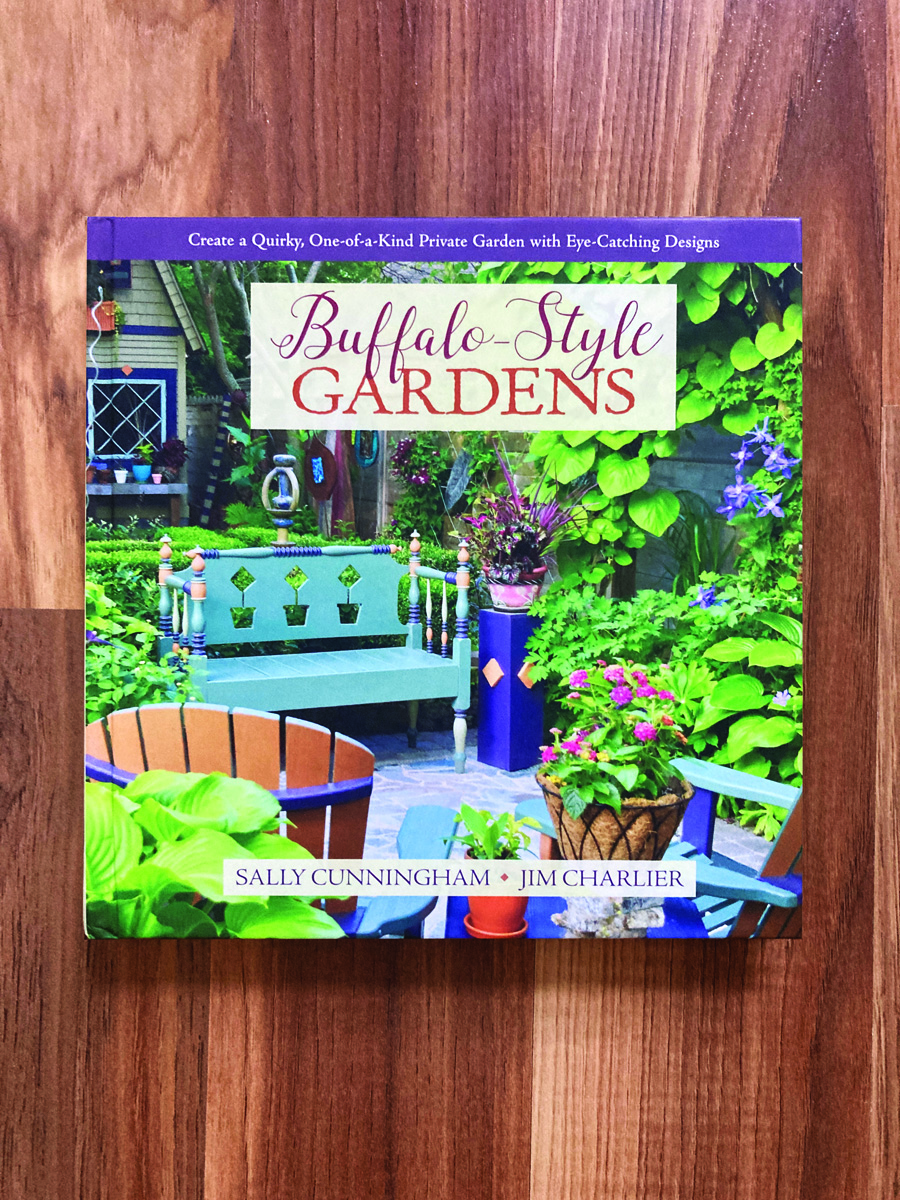
For those looking to replicate Janelle’s success, consider investing in high-quality tools like the ARS Telescoping Long Reach Pruner, or study design principles from books like "Buffalo-Style Gardens" and "Planting in a Post-Wild World" to better understand how to design your own resilient landscape.