Cultivating Community: How a Philadelphia School Garden Transformed a Forgotten Reservoir into a Pollinator Haven
In the heart of Northwest Philadelphia’s West Mount Airy neighborhood, the grounds of Houston Elementary School have undergone a radical transformation. What was once a long-abandoned municipal reservoir has evolved into a vibrant, living laboratory that serves as a bridge between the school, its students, and the local community. Through the tireless efforts of local gardener and neighbor Patrick, the school’s perimeter has been reclaimed from urban neglect and repurposed into a thriving ecological sanctuary that prioritizes native flora and biodiversity.
The Foundation: From Reservoir to Resilience
The history of the Houston Elementary School site is as deep as the soil that now sustains its gardens. Before the school was constructed, the land served as a reservoir for the burgeoning residential community of West Mount Airy—a neighborhood defined by its dense collection of 100-plus-year-old row houses and strong civic pride.
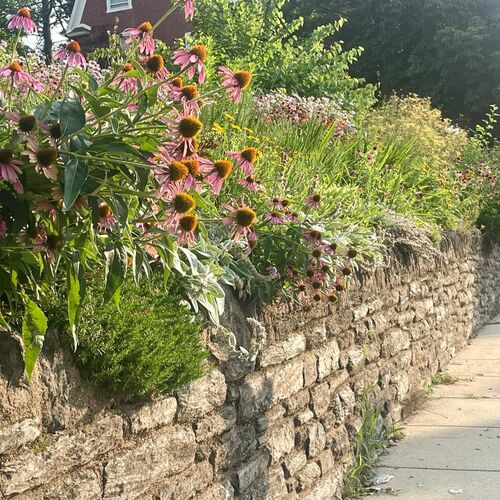
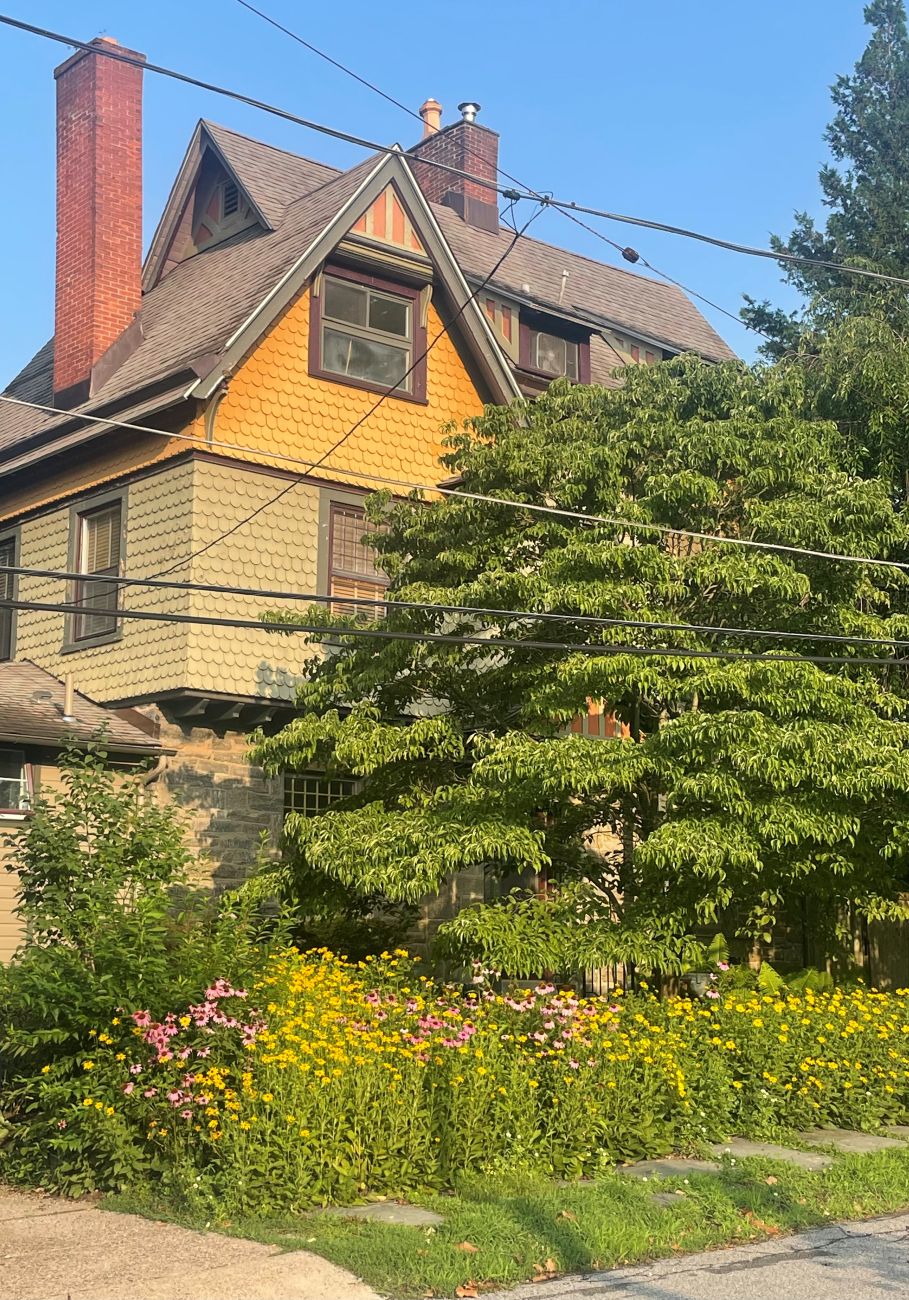
When the reservoir was decommissioned, the site sat underutilized for years. However, the decision to construct a K–8 school on the footprint provided a rare opportunity for urban renewal. Patrick, a neighbor whose own late-Victorian home from the 1880s sits directly across from the school, saw the potential to turn the barren, functional landscape into a space that could educate, sustain, and inspire.
Over the last several years, the garden has grown from a modest collection of donated plants into a structured, well-curated landscape. The project was fueled by community contributions and targeted grants aimed specifically at establishing native plant species. The primary goal was clear: to provide a critical habitat for bees, butterflies, birds, and other essential insects that are often squeezed out of urban environments.
Chronology of a Green Transformation
The evolution of the Houston Elementary site did not happen overnight. It was a project defined by patience and incremental success.
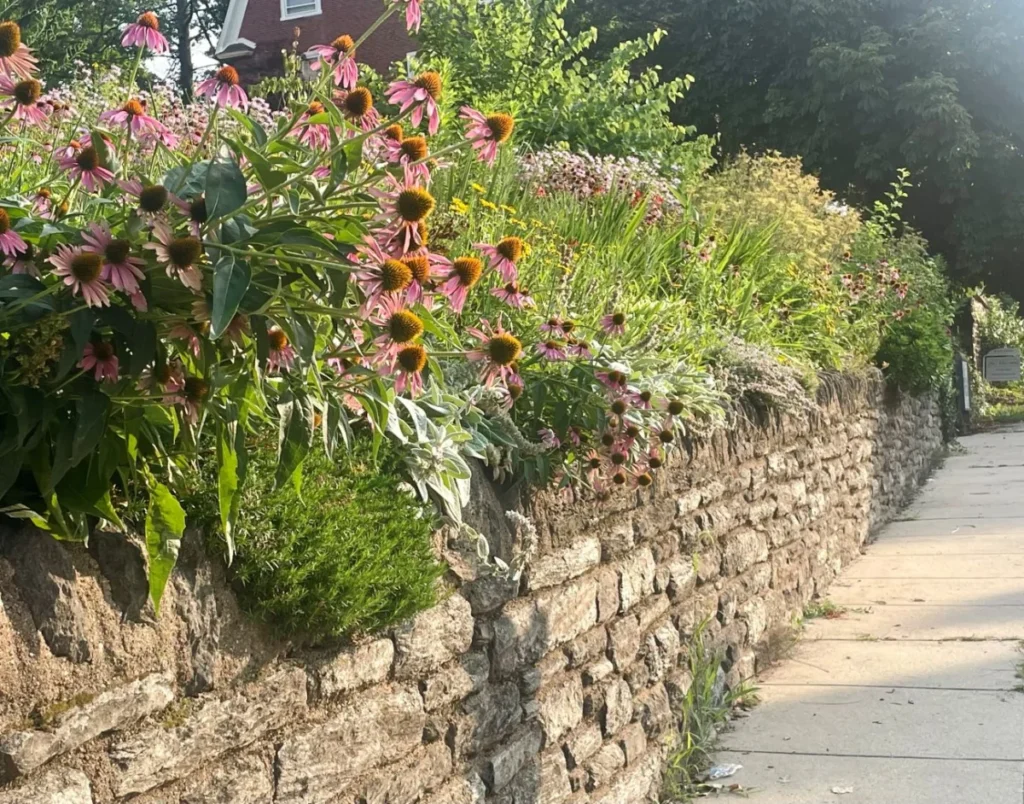
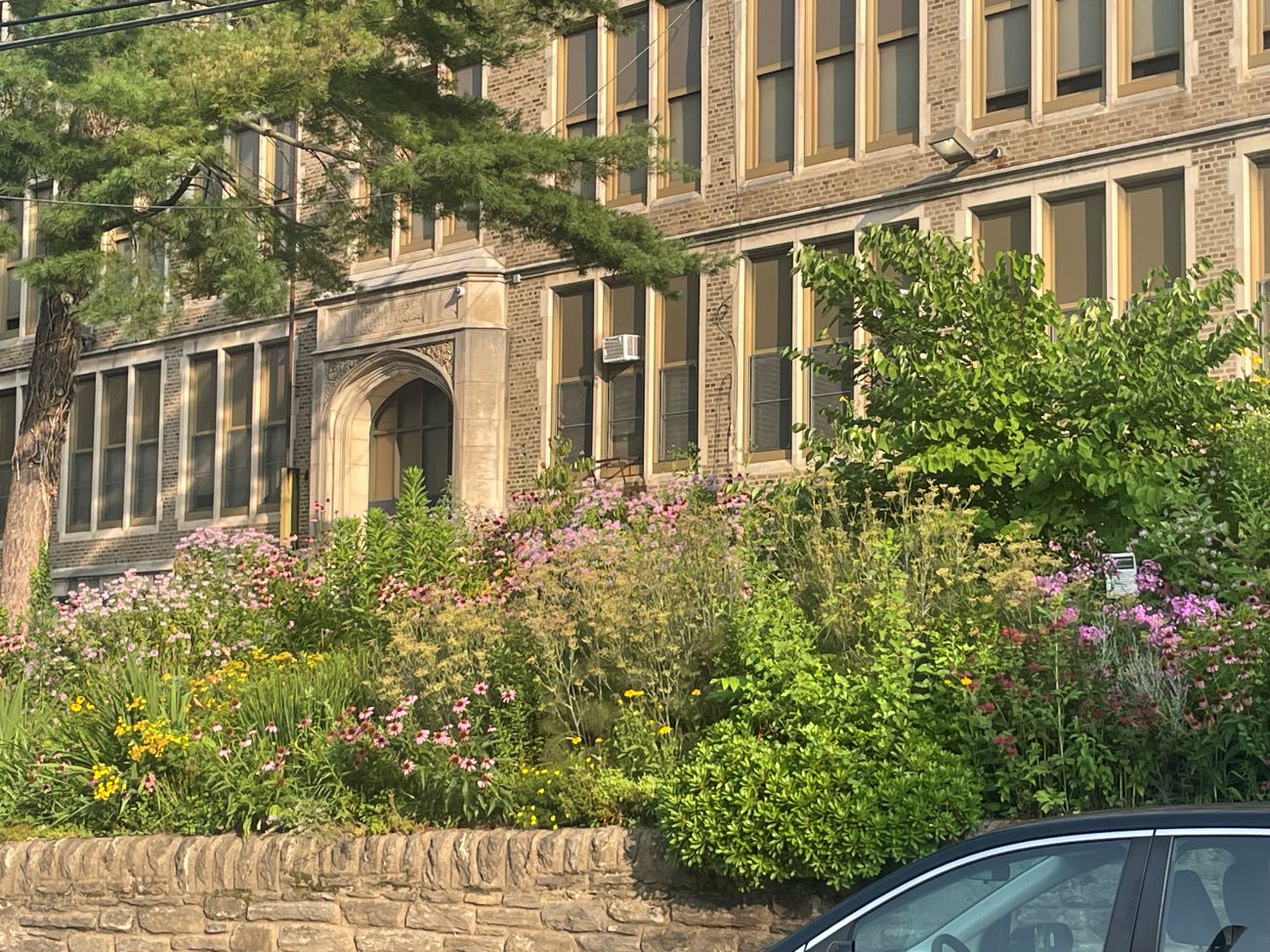
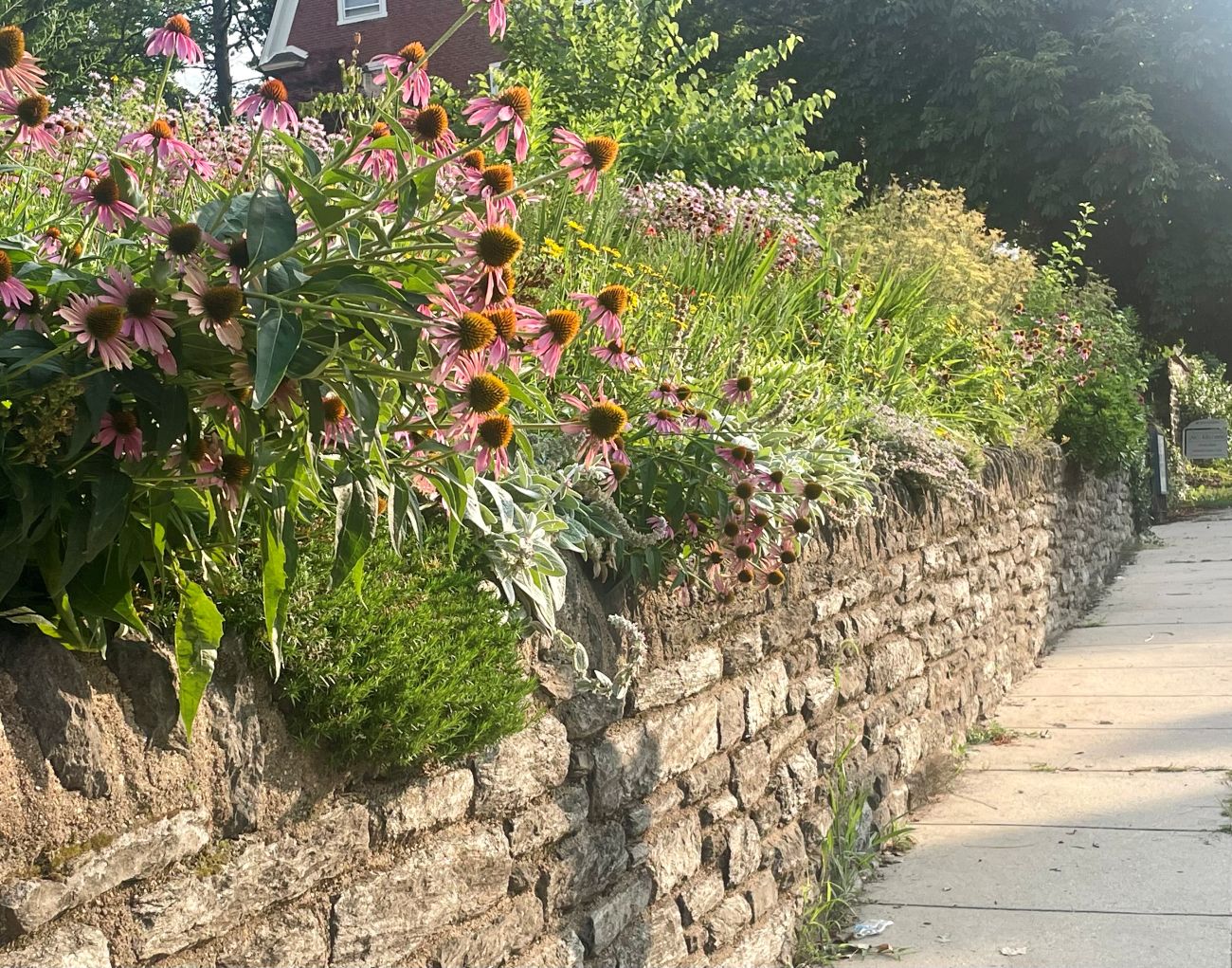
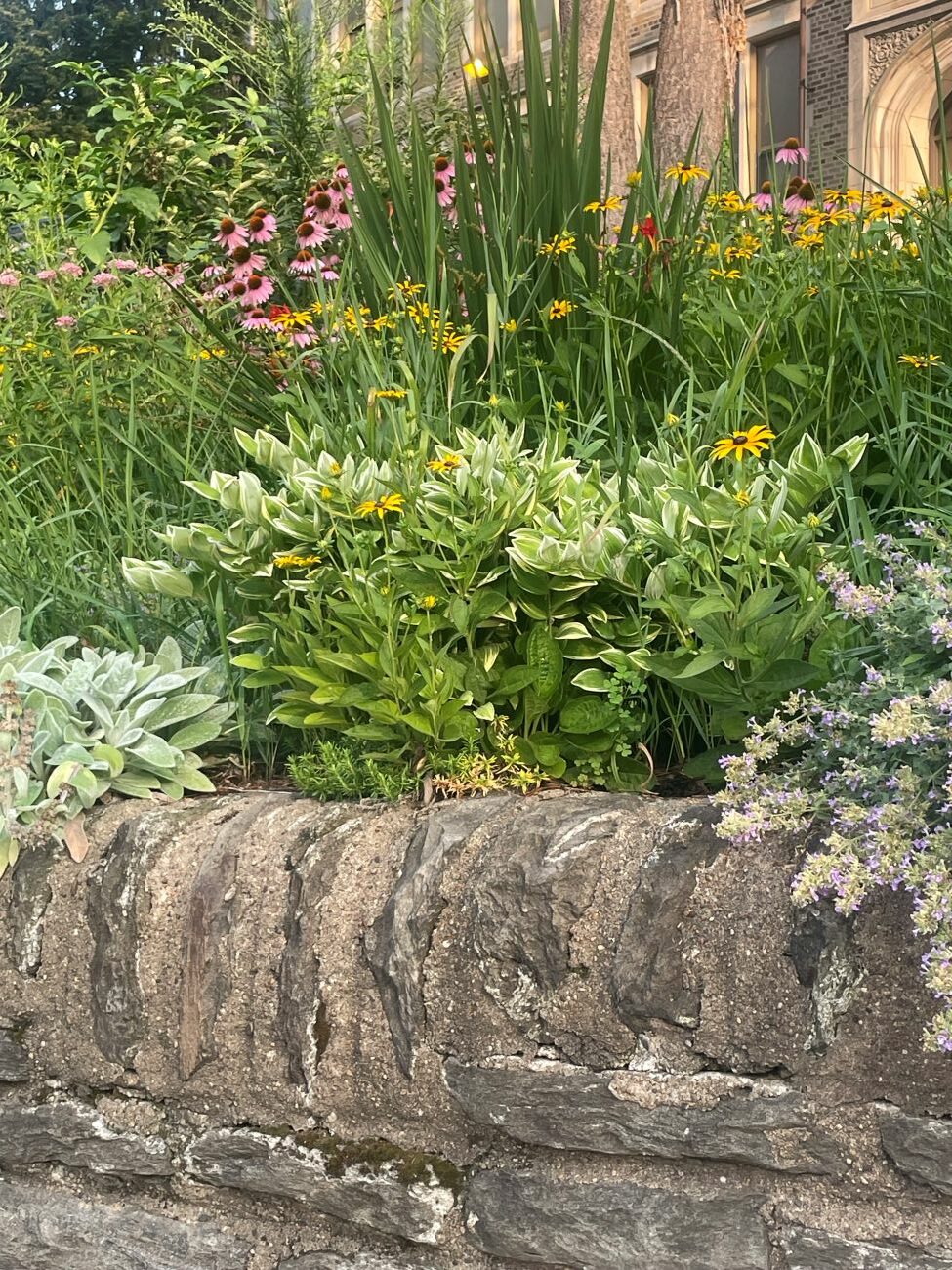
- Initial Site Assessment: Recognizing that the school’s edge was a high-traffic zone for students and commuters, the initial phase focused on structural integrity. A four-foot-high wall constructed of local Wissahickon schist was utilized to define the border, creating a naturalistic, earthy aesthetic that honors the geological history of the Philadelphia region.
- Establishment of Perennial Borders: Once the structural boundaries were set, the focus shifted to the selection of perennials. The criteria were rigorous: the plants needed to be hardy enough for the Mid-Atlantic growing season, drought-tolerant, and capable of providing seasonal interest to keep the space visually appealing for students and staff year-round.
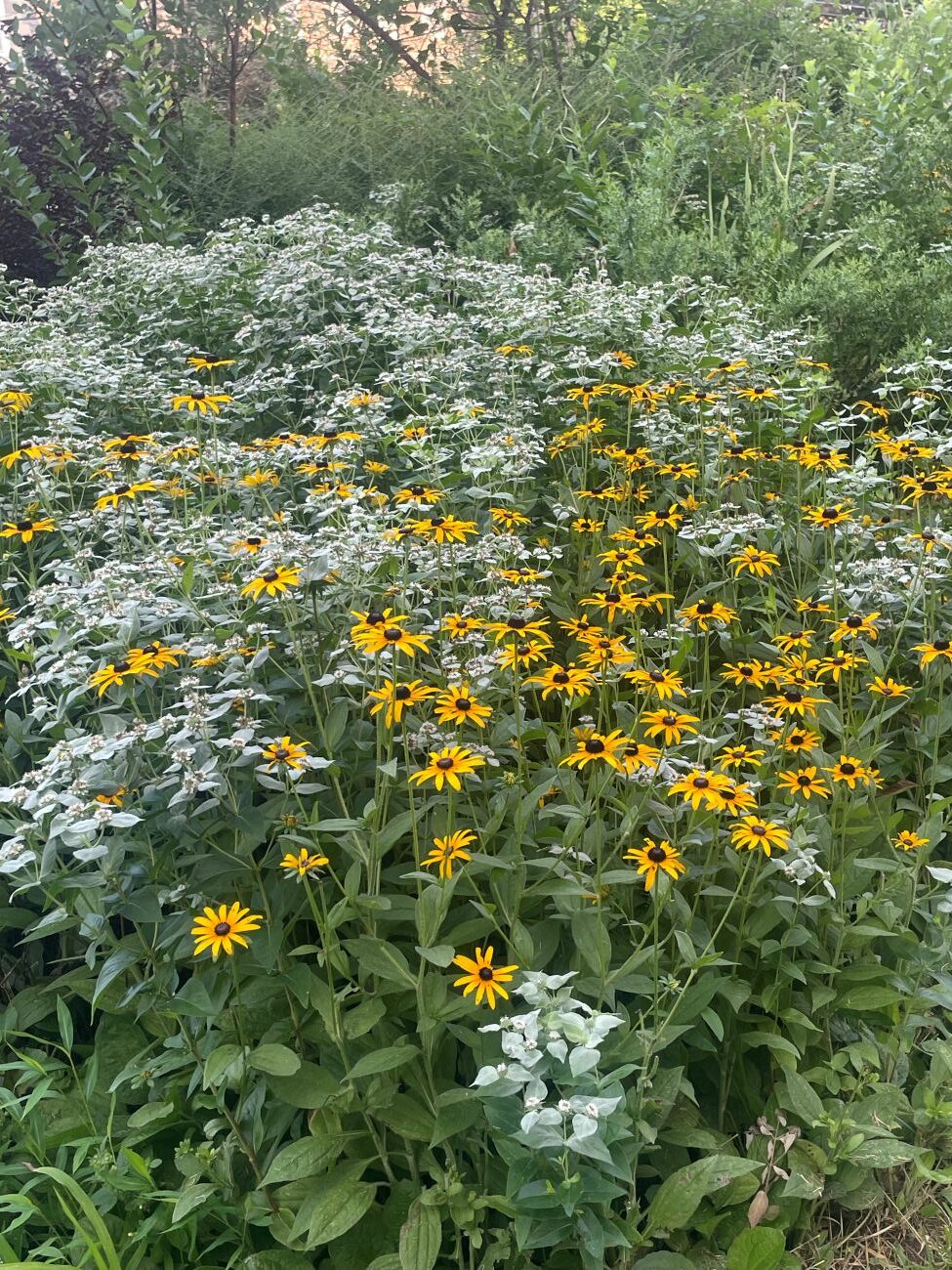
- The Pollinator Integration: By introducing native species like Rudbeckia hirta (Black-eyed Susan) and Agastache foeniculum (Blue Giant Hyssop), the project successfully created a "nectar corridor." These plants were strategically placed to ensure that pollinators had a constant food source from early summer through the first frost.
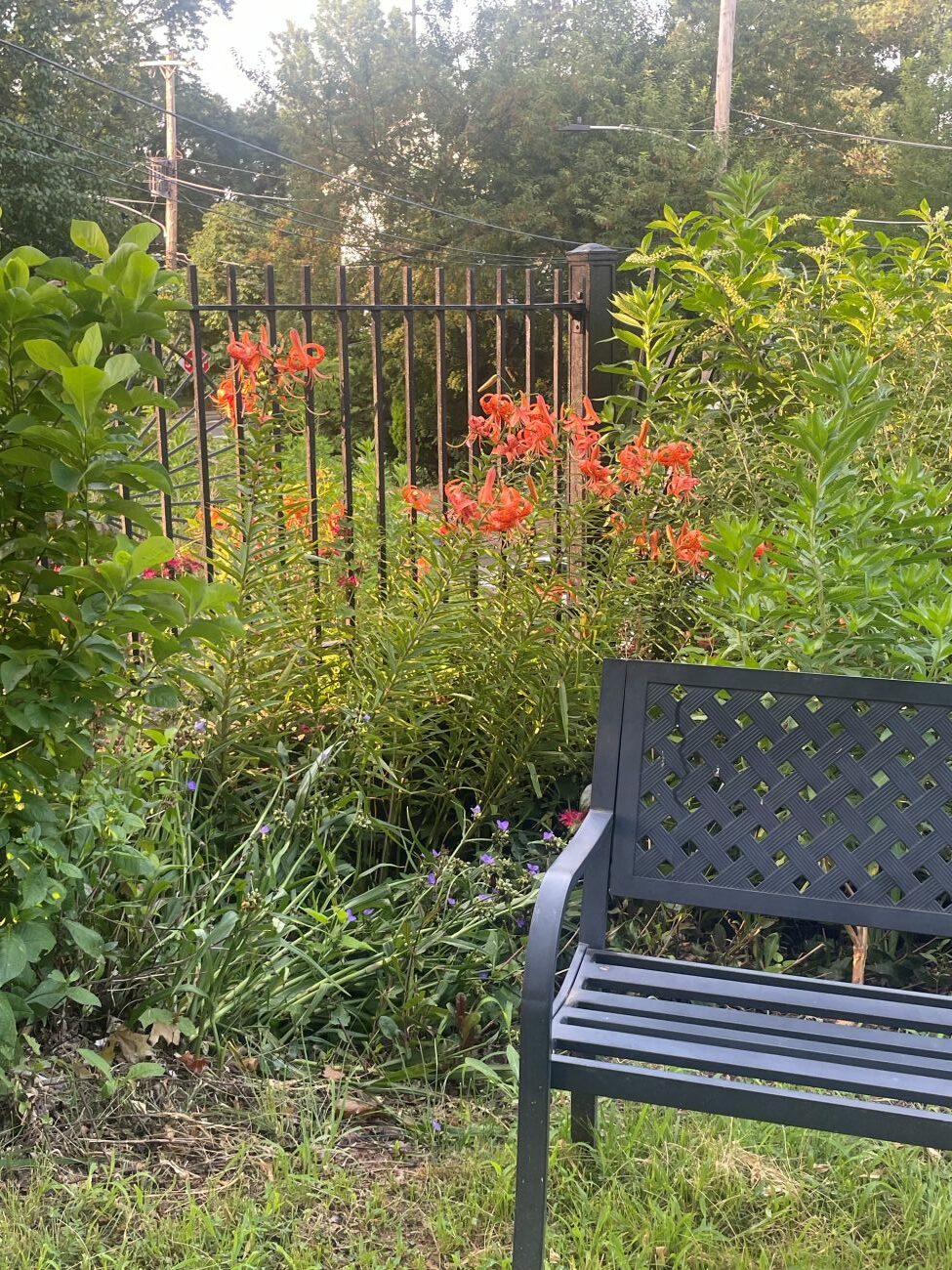
- Community Integration: The most recent phase of the project involved the creation of seating areas. By integrating fixed tables and benches near the garden beds, the space was effectively converted into an outdoor classroom and a serene lunchtime retreat for students, fostering a direct, daily connection between children and nature.
Ecological Impact: Why Native Matters
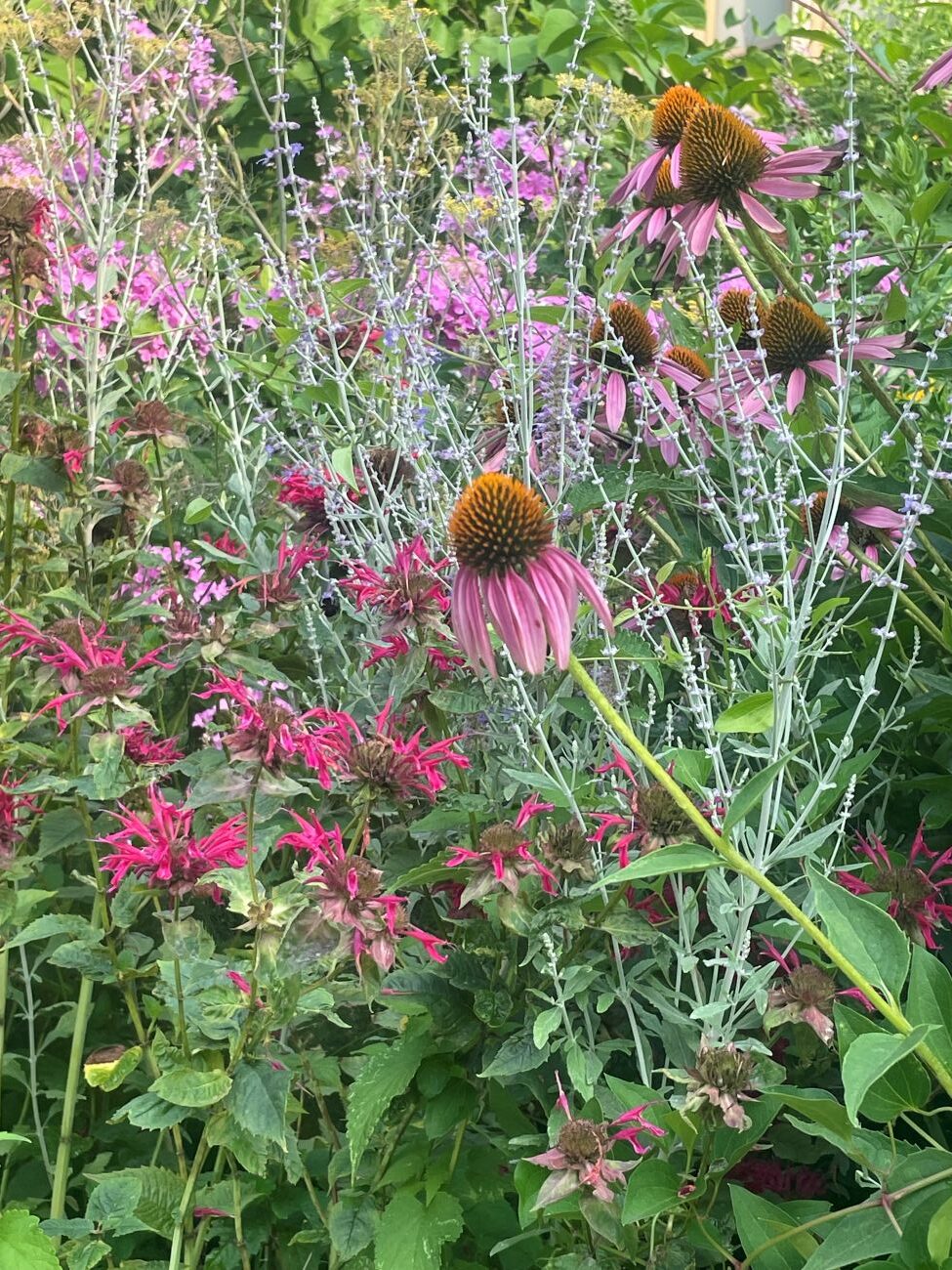
The success of the Houston Elementary garden serves as a model for urban biodiversity. The selection of plants like the Purple Coneflower (Echinacea purpurea), Mountain Mint (Pycnanthemum muticum), and Bee Balm (Monarda) is intentional.
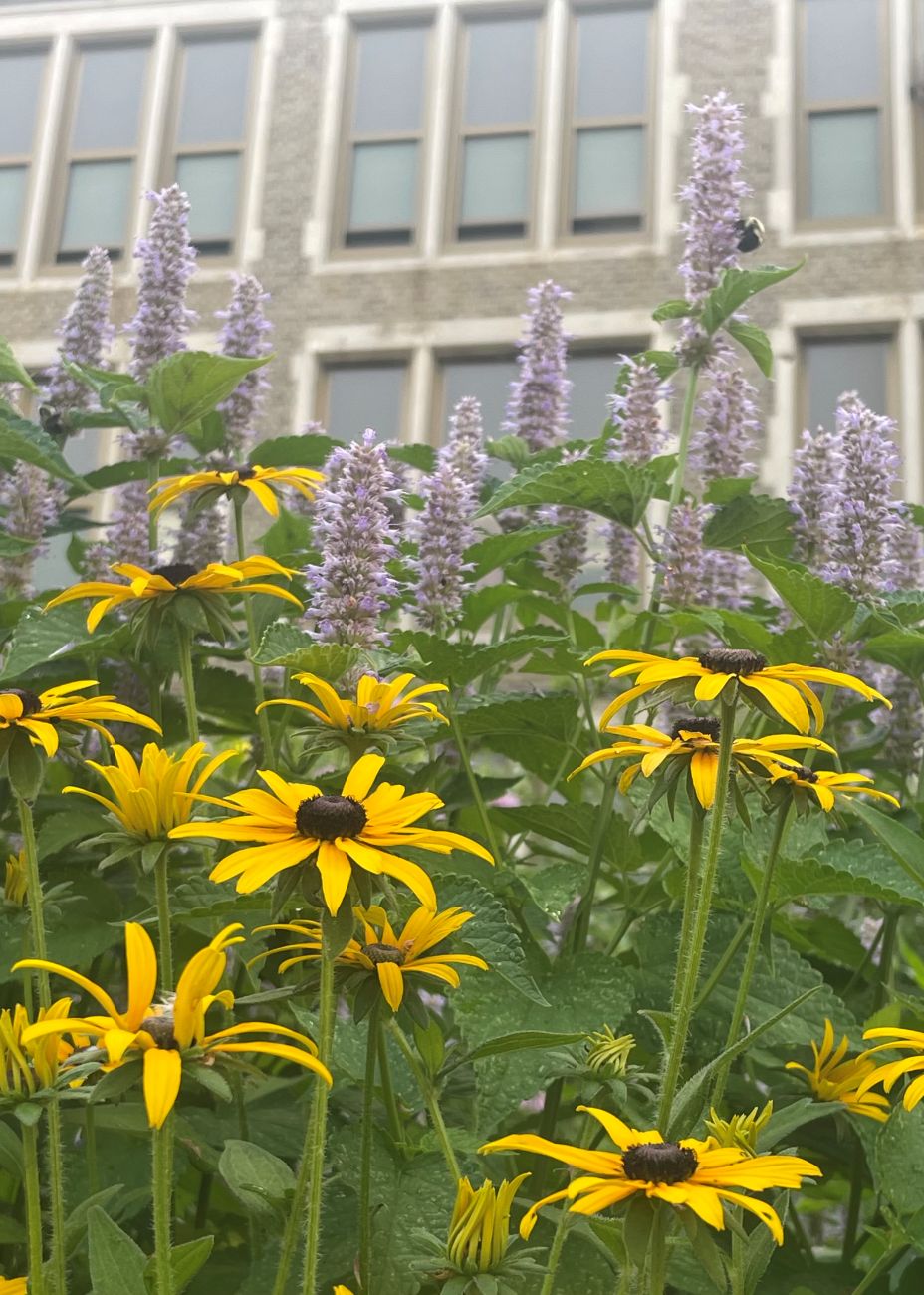
These plants are not merely aesthetic; they are functional components of a complex ecological web. Native plants provide the specific chemical compounds and nectar profiles that local pollinator species have evolved to rely upon. In contrast to non-native ornamental plants, which often function as "green deserts," the Houston Elementary beds are alive with activity. During the summer months, these gardens are audible with the hum of insect life, serving as an active demonstration of what happens when urban land management is prioritized for ecological health rather than just low-maintenance aesthetics.
The garden’s layout also demonstrates the principles of succession planting. By mixing various heights and textures—such as the billowy beds of Lamb’s Ear (Stachys byzantina) and Creeping Phlox (Phlox subulata) with the structural height of Russian Sage (Salvia yangii)—the gardeners have created a landscape that is both resilient to the heat of a Philadelphia summer and capable of surviving the unpredictable swings of the local climate.
A Personal Stake: The Neighbor’s Role
For Patrick, the stewardship of this garden is a labor of love that is inextricably linked to his daily life. Living directly across from the campus in a house built in the 1880s, his proximity to the school allows him to treat the gardens with the same level of care one would apply to a private estate.
"It is a privilege to spend my spare moments weeding, planting, and labeling," Patrick notes. This level of personal investment is the "secret sauce" behind the garden’s longevity. While many community gardens fail due to lack of long-term maintenance or volunteer burnout, this project benefits from the consistent, daily observation of someone who is deeply rooted in the neighborhood. This hands-on management allows for the rapid identification of invasive species, the immediate care of struggling plants, and the ongoing education of students who walk past the garden every day on their way to class.
The Implications for Urban Education and Community Design
The implications of the Houston Elementary project extend far beyond the schoolyard fence. As urban heat islands become a more significant threat to public health in cities like Philadelphia, the cooling effects of such garden spaces are becoming increasingly important. The garden acts as a natural air filtration system, reduces stormwater runoff from the site, and helps mitigate the "concrete jungle" effect that characterizes much of the local urban environment.
Furthermore, the project serves as an invaluable educational tool. For students in K–8, the garden is a living textbook. They witness the life cycle of the Monarch butterfly, the frantic activity of bumblebees, and the structural beauty of the Wissahickon schist walls. It teaches the next generation of West Mount Airy residents the value of civic engagement and the importance of preserving the natural world within an urban context.
The design also addresses the social fabric of the neighborhood. By creating a beautiful, welcoming space along the sidewalk, the garden invites interaction between neighbors. It softens the hard edges of the school’s architecture, creating a warm, inviting environment that signals to the community that this is a space of learning, care, and growth.
Future Hopes and Sustainability
Looking forward, the goal for the Houston Elementary garden is to maintain its current biodiversity while adapting to the shifting climate conditions of the Mid-Atlantic region. The use of drought-tolerant plants and the encouragement of naturally established mosses and lichens on the stone walls are evidence of a sustainable design philosophy.
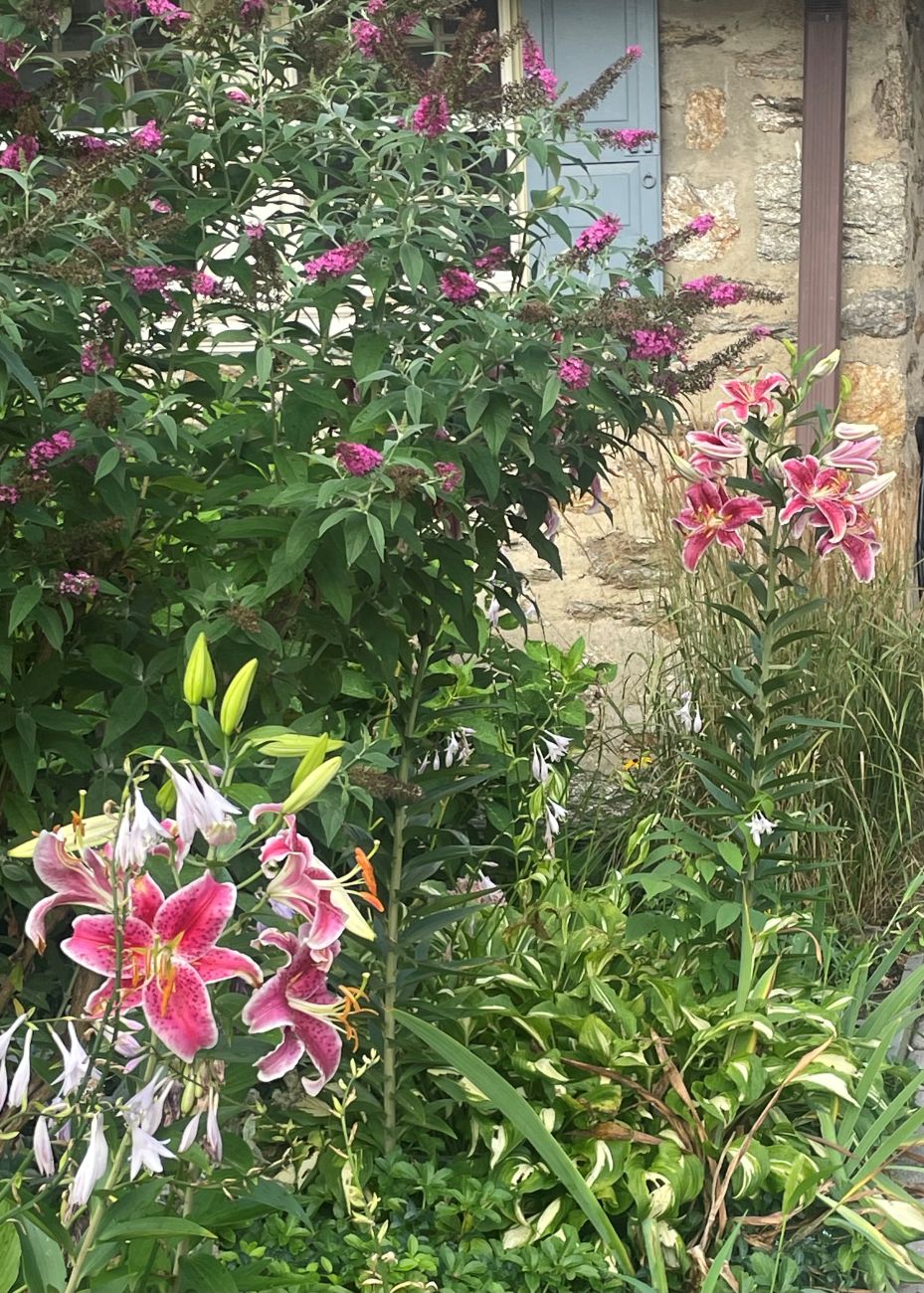
Patrick hopes that this project will serve as a template for other schools in the Philadelphia district. With modest grants and the support of dedicated volunteers, any school can convert unused lawn or concrete into a pollinator-friendly oasis. The "Miss Molly" butterfly bush and the various cultivars of Rudbeckia that frame the entrance are more than just plants—they are symbols of a neighborhood that has chosen to invest in its future, both ecological and social.
Final Reflections
The transformation of the old reservoir site into a thriving, plant-filled landscape is a testament to what is possible when individual passion meets community support. The gardens at Houston Elementary School do not just look beautiful; they function as a vital component of the neighborhood’s identity.
As we look at the photos of the lush beds, the nectar-heavy blossoms, and the children navigating the schist-bordered paths, it is clear that this is a success story that needs to be replicated. By choosing to plant for the future, the community at Houston Elementary has ensured that their school is not just a building, but a sanctuary—a place where life, in all its buzzy, blooming, and vibrant forms, can thrive.
How to Get Involved in the Garden Photo Community
The Fine Gardening community thrives on the contributions of gardeners like Patrick. If you have a garden that tells a story, a specific collection of plants that you have meticulously curated, or a public space you’ve helped revitalize, we want to hear from you.
Sharing your garden is a powerful way to inspire others and provide a blueprint for ecological change. We are currently accepting submissions for our "Garden Photo of the Day" series. To participate, please visit our official submission portal and share your journey with us. Whether you are a master gardener with decades of experience or a novice just beginning to turn the soil, your successes, failures, and lessons learned are invaluable to our community.
For those looking to enhance their own garden maintenance, we recommend exploring high-quality tools that reduce fatigue and increase precision. Proper maintenance, as demonstrated by the Houston Elementary project, is the key to a long-lasting, thriving landscape. Our recommended gear, including the Lee Valley Mini Garden Shear Set for detailed pruning, the VegTrug Classic Cold Frame for extending your growing season, and the versatile Ho-Mi Digger for efficient soil preparation, can help you achieve the same professional results in your own backyard.
Join the movement today by signing up for our newsletter and becoming part of a nationwide network of gardeners committed to beauty, biodiversity, and community growth.