The Reality of Summer Nutrition: Why "Real-Life" Lunches Are Replacing the Instagram Ideal
In the high-pressure world of modern parenting, the "lunchbox aesthetic" has become a pervasive, often overwhelming standard. Social media feeds are frequently saturated with meticulously curated, bento-style masterpieces featuring stars carved from watermelon, cucumber ribbons, and impossibly complex nutritional arrangements. However, for most families, these displays bear little resemblance to the chaotic reality of mid-day feeding during the summer months.
At the Yummytoddlerfood (YTF) Community, a shift is occurring: parents are trading perfection for pragmatism. By documenting a "Week of Real-Life Toddler Lunches," the platform is championing a return to sustainable, stress-free nutrition that prioritizes fed children over photogenic plates.
The Main Facts: Defining "Real-Life" Feeding
The core philosophy behind the YTF movement is simple: remove the friction from the act of feeding children. As summer vacation sets in and school-year routines dissolve, parents often find themselves struggling to maintain a balance between convenience and nutrition.
The "Real-Life" approach is characterized by several key pillars:
- Low Barrier to Entry: Meals that require minimal preparation time, often utilizing pantry staples or "assembled" components rather than complex recipes.
- Sensory Inclusion: Respecting a toddler’s evolving palate by offering familiar, safe foods alongside potential new exposures.
- Mental Health Preservation: Recognizing that the energy a parent saves by simplifying lunch is energy that can be reinvested into play, rest, or managing other domestic responsibilities.
By stripping away the pressure to create artisanal meals, caregivers are finding that their children are actually more willing to engage with their food. The goal is not just to provide calories, but to foster a positive, low-stress relationship with eating.
A Chronology of the Modern Lunch Struggle
The evolution of the "lunchbox crisis" can be traced alongside the rise of parenting social media.
- Pre-2015: School lunches were largely utilitarian—sandwiches, chips, and a piece of fruit. The "lunchbox culture" was relatively insular, confined to the physical school cafeteria.
- 2016–2020: The rise of "bento-mania" on platforms like Pinterest and Instagram created a new performance art. Parenting influencers began showcasing intricate food art, creating a societal expectation that a "good parent" is one who spends thirty minutes sculpting fruit into shapes.
- 2021–Present: The post-pandemic landscape brought a renewed focus on burnout. Parents began pushing back against the "unrealistic" standards of digital perfection, leading to a rise in "real-life" blogging and community-driven support networks.
The current movement, exemplified by the YTF Community, represents the latest phase: a deliberate, intentional pivot back toward simplicity.
Supporting Data: Why Simplification Works
Nutritionists and child development experts have long argued that the pressure on parents to provide "perfect" meals is counterproductive. According to the principles of the "Division of Responsibility" in feeding, the parent is responsible for what, when, and where food is served, while the child is responsible for whether and how much they eat.
Data consistently suggests that:
- Reduced Anxiety Leads to Increased Intake: When parents are less stressed about the "performance" of the meal, they are less likely to hover or pressure children to eat. This drop in pressure often correlates with a higher likelihood of the child trying new foods.
- Consistency Over Intensity: A child’s long-term nutritional health is determined by their overall diet over the course of weeks and months, not by a single, perfectly balanced lunch.
- Efficiency Drives Sustainability: By utilizing "snack-style" lunches—combining a protein, a fruit/veggie, and a carb—parents are more likely to maintain healthy habits during the summer, rather than burning out and resorting to ultra-processed convenience foods exclusively.
The Economic and Practical Implications
The push for simpler lunches also carries significant financial and logistical weight. The "Instagram ideal" often relies on expensive, specialized ingredients and specialized equipment (cookie cutters, silicone dividers, high-end thermal containers).
By contrast, the "real-life" methodology emphasizes:
- Pantry Staples: Utilizing shelf-stable items like crackers, nut butters, and canned beans, which reduces food waste and grocery bills.
- Bulk Prep: Focusing on assembly rather than cooking, which allows for faster clean-up.
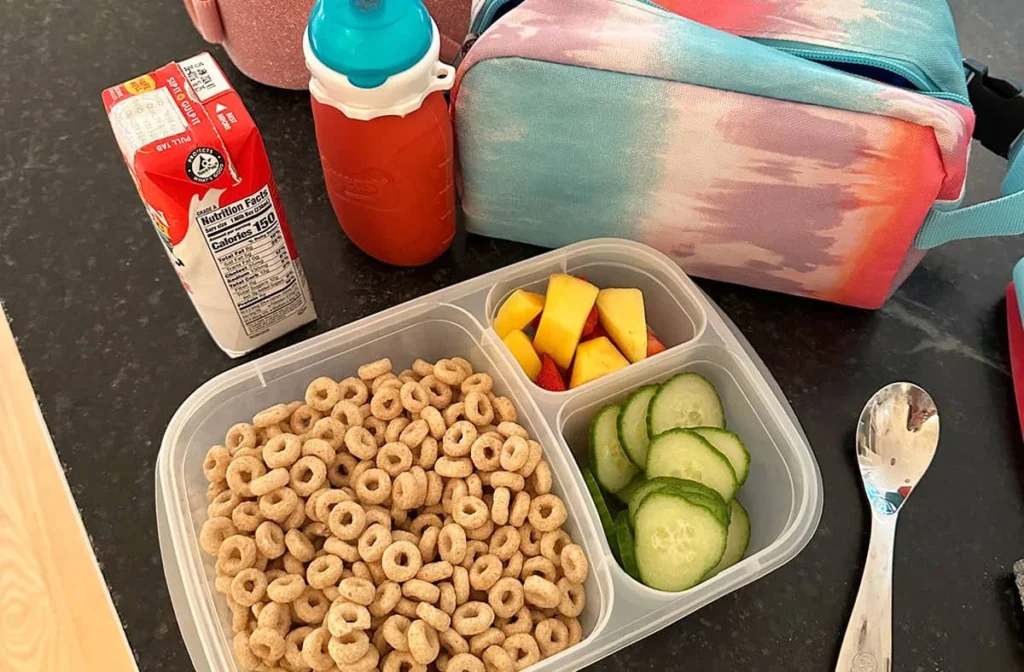
- Community Support: Platforms that allow parents to share their actual, messy, non-photogenic results provide a psychological "safety net." When a parent sees that a bowl of cereal or a simple cheese plate is considered a "successful" lunch, the shame associated with less-than-perfect parenting begins to dissipate.
Official Stance and The Subscription Model
As the demand for authentic parenting advice grows, the YTF Community has moved toward a membership-based model to ensure the sustainability of its content. While the majority of their educational material remains free to the public, paid subscriptions provide access to deeper, more personalized resources.
The subscription model includes:
- Paywalled Essays: Deep dives into the psychology of feeding, strategies for handling picky eating, and personal stories that normalize the struggles of modern parenthood.
- Customizable Meal Plans: Tools that allow parents to generate weekly plans based on their family’s specific dietary needs and time constraints.
- Peer-to-Peer Interaction: A community space where parents can swap ideas, commiserate over "food strikes," and share their own "real-life" lunch successes.
This structural shift reflects a broader trend in the creator economy: users are willing to pay for communities that offer tangible solutions to their daily challenges, rather than just passively consuming content that makes them feel inadequate.
Conclusion: Redefining Success in the Kitchen
The transition from the "curated lunch" to the "real-life lunch" is more than just a trend; it is a necessary corrective for a generation of parents overwhelmed by digital comparison. By focusing on the essential task—providing nourishing, accessible food for their children—parents are reclaiming their time and their peace of mind.
Whether it is a simple cereal bowl, a handful of berries, or a basic sandwich, the best lunch is the one that actually gets eaten. As we move deeper into the summer season, the YTF Community serves as a vital reminder: in the complex landscape of raising children, the simplest approach is often the most profound.
For those looking to move away from the pressure of perfectionism, the first step is often as simple as looking at what is already in the pantry and trusting that it is enough. Through community support, shared knowledge, and a commitment to authenticity, parents are finding that they don’t need to be professional food stylists to raise healthy, happy children.