The Art of the Perfect Paleo Pancake: A Culinary Evolution in Gluten-Free Baking
In the landscape of modern dietary adjustments, few items are as fiercely contested as the breakfast pancake. For those adhering to a Paleo lifestyle—which emphasizes whole, unprocessed foods and eliminates grains, legumes, and refined sugars—the traditional stack of wheat-based flapjacks has long been off-limits. However, a recent shift in home-baking techniques, centered on the strategic use of almond flour and tapioca starch, has produced a "game-changing" recipe that promises the texture, lift, and flavor profile of classic diner-style pancakes without compromising dietary integrity.
Main Facts: The Paleo Pancake Revolution
The hallmark of the modern Paleo pancake is its departure from the dense, grainy consistency that once plagued early iterations of grain-free baking. Developed by experts in the gluten-free and Paleo community, this specific approach utilizes a high-protein almond flour base fortified with tapioca starch.
The inclusion of tapioca starch is the "secret weapon" in this culinary equation. While almond flour provides the necessary fat and protein structure, it lacks the elasticity required to mimic the fluffiness of wheat flour. Tapioca, a starch derived from the cassava root, acts as a binding agent that provides the necessary stretch and structural integrity. This combination results in a batter that is pourable, forgiving, and—most importantly—reminiscent of "real" pancakes.

Chronology: From Concept to Kitchen Staple
The evolution of this recipe mirrors the broader maturation of the Paleo movement.
- Early Stages (Pre-2015): The initial attempts at Paleo pancakes were often heavy, overly dense, and suffered from a distinct "almond" aftertaste. Many recipes relied solely on coconut flour, which is notoriously absorbent and difficult to master, often resulting in dry, crumbly pancakes.
- The Transition Period (2015–2020): Bakers began experimenting with structural blends. The pairing of nut-based flours with various starches (arrowroot, tapioca, potato) became the standard. This period also saw the standardization of "Paleo baking powder," which bypassed the cornstarch found in commercial brands.
- Current Standards (2020–Present): Today, the emphasis has shifted toward precision. The use of digital scales for weighing ingredients—rather than relying on volumetric cups—has become the gold standard for home cooks. This era emphasizes proper resting times for the batter to allow the flours to fully hydrate, ensuring the signature "golden-brown" exterior and tender crumb.
Supporting Data: The Science of the Ingredients
For those seeking to understand why this specific formula succeeds, the chemistry is revealing. A standard serving of these pancakes offers approximately 7 grams of protein and 15 grams of healthy fats, largely derived from the almonds.
The Role of Essential Components
- Almond Flour (Finely Ground): This is the primary structural component. Its high fat content provides moisture, but it must be finely ground. Using "almond meal"—which includes the skin—results in a gritty texture and an uneven rise.
- Tapioca Starch: Essential for the "chew" factor. It prevents the pancake from becoming a fragile, crumbly disk, giving it the structural integrity to survive the flip.
- Eggs: These serve as the emulsifier. Without the proteins in the eggs, the pancake would lack the "lift" during the heating process.
- Resting Period: The 10-minute rest after mixing is not merely a suggestion; it is a chemical necessity. During this time, the almond flour particles absorb the liquids (coconut milk and eggs), preventing a runny batter that would otherwise result in a thin, flat pancake.
Expert Insights: Troubleshooting the Process
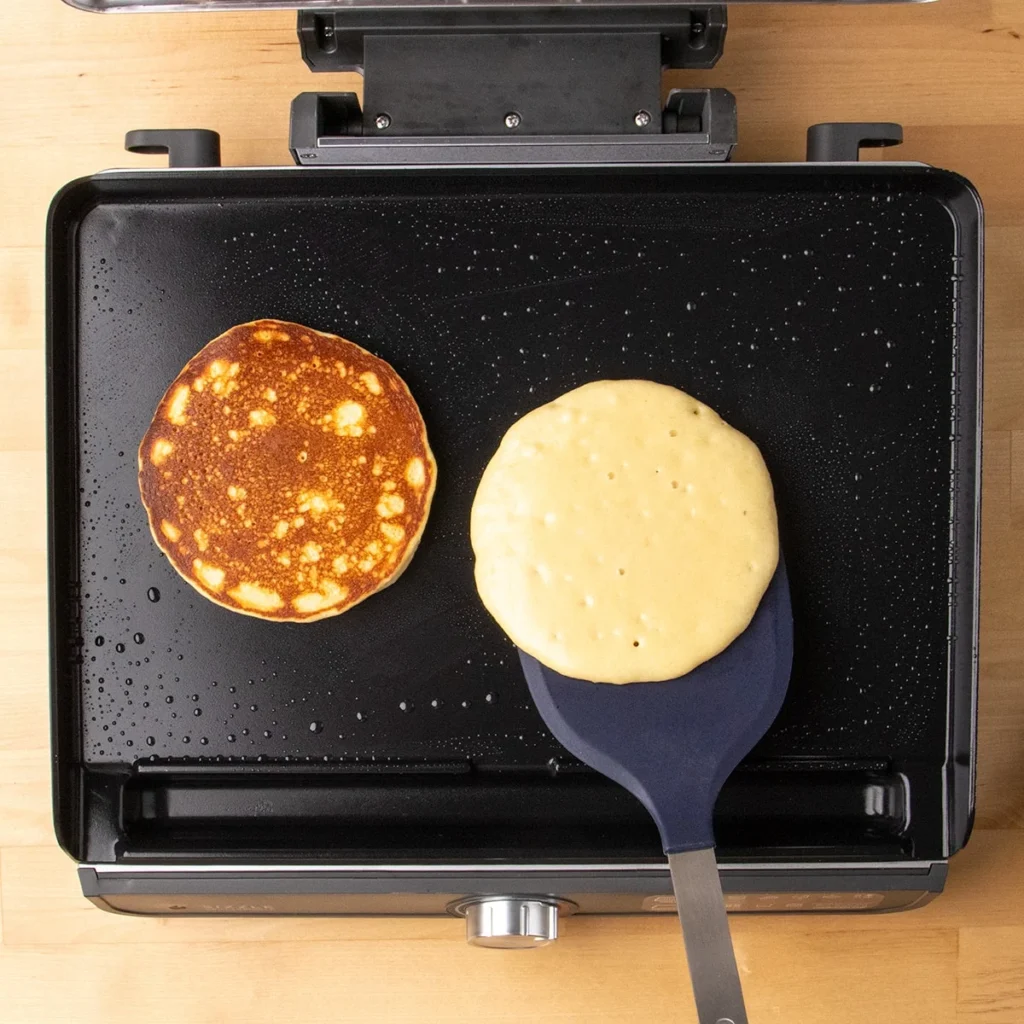
Culinary experts emphasize that the primary cause of failure in Paleo pancake production is heat management. Because almond flour contains significantly more fat and natural sugars than wheat flour, it has a lower "smoke point" and caramelizes (or burns) much faster.

"When working with nut-based flours, patience is your best tool," says one kitchen consultant. "You are not looking for the high-heat sizzle associated with traditional flour pancakes. You are looking for a steady, medium-low heat that allows the center to set before the edges burn."
Professional Recommendations for Success:
- Use a Scale: Flour density varies wildly based on humidity and how it is packed. 100 grams of flour is always 100 grams, regardless of how much you shake the measuring cup.
- Sift the Flour: Even "fine" almond flour can develop clumps. Sifting ensures a uniform distribution of the leavening agents, preventing bitter "pockets" of baking powder.
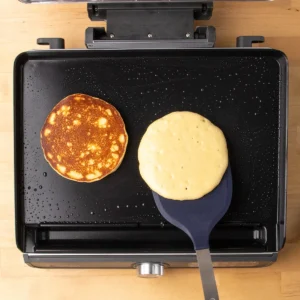
- Monitor the Surface: An electric griddle set to 325°F is the preferred tool. This provides a consistent, regulated heat that is impossible to achieve with a standard stovetop burner, which often fluctuates in temperature.
Implications: The Future of Inclusive Baking
The success of these pancakes has significant implications for home cooks with specific dietary requirements. Beyond the Paleo community, this recipe serves as a template for those managing Celiac disease or gluten sensitivities. By demonstrating that one does not need traditional wheat to achieve a high-quality breakfast experience, the recipe breaks down the stigma that "dietary-restricted" food is inherently inferior in taste or texture.
Furthermore, the "make-ahead" potential—whereby the dry mix can be stored in the freezer to prevent the natural oils in the almond flour from going rancid—positions this as a viable alternative to the convenient, processed boxed mixes found in supermarket aisles.

Addressing Common Concerns
- Nut Allergies: The primary drawback of this recipe is its reliance on almonds. For those with nut allergies, the current recommendation is to look toward sunflower seed flour, though users should be cautioned that this can react with the baking soda, sometimes causing the pancakes to take on a harmless but aesthetically unexpected green hue.
- Egg-Free Alternatives: The rise of "chia eggs" and starch-based replacers has opened doors for those with egg allergies, though these substitutions typically require a slight increase in baking powder to maintain the necessary lift.
Final Thoughts: A Return to Basics
Ultimately, the goal of this Paleo pancake recipe is to return the breakfast table to a place of inclusivity. By focusing on the structural properties of nut flours and starches, home cooks can produce a meal that satisfies the palate while adhering to strict health protocols.
Whether one is a dedicated follower of the Paleo diet or simply looking to increase their protein intake, the transition from wheat-based to grain-free is no longer a compromise. It is, quite simply, an elevation of the morning meal. With precise measurement, proper temperature control, and a bit of patience, the perfect stack is no longer an elusive goal, but a standard kitchen reality.
As we look toward the future of home cooking, the emphasis on whole, nutrient-dense ingredients—paired with the techniques once reserved for professional pastry chefs—will likely continue to define how we approach the most important meal of the day. For now, the humble Paleo pancake stands as a testament to the fact that when it comes to culinary innovation, the best ingredients are often the simplest ones.