The Ultimate Guide to Chipotle-Style Fajita Vegetables: Mastering the Art of Batch Prep
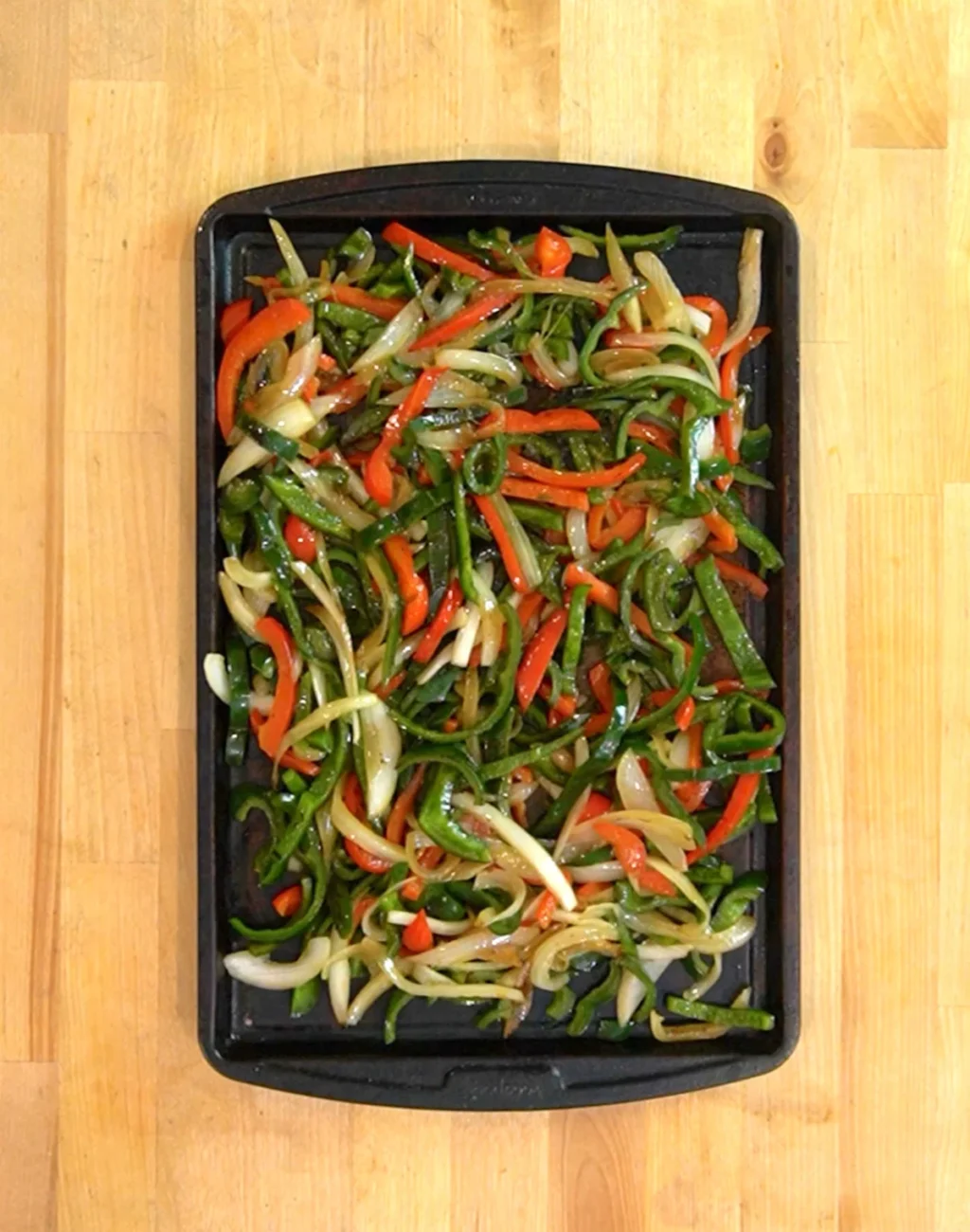
In the fast-paced world of modern nutrition, the ability to maintain a healthy diet often hinges on one crucial factor: preparation. For many, the iconic flavors of a Chipotle-style burrito bowl—specifically the charred, savory, and perfectly tender fajita vegetables—represent the gold standard of quick, wholesome dining. While these vibrant peppers and onions are a staple of the fast-casual experience, they are rarely replicated with the same success at home.
By mastering the art of batch-prepping these vegetables, you can transform your freezer into a personal "Snack City," ensuring that you always have a nutrient-dense, flavorful base for your meals ready at a moment’s notice. This guide explores the professional techniques, nutritional implications, and logistical benefits of bringing this restaurant-quality side dish into your own kitchen.
Main Facts: The Anatomy of the Perfect Fajita Vegetable
The allure of Chipotle-style fajita vegetables lies in their texture and flavor profile. They are not merely "sautéed"; they are cooked to a point of caramelization that highlights the natural sweetness of bell peppers and red onions.
At just 59 calories per serving, this dish is an nutritional powerhouse, providing a low-calorie, high-fiber addition to any meal. With a macronutrient breakdown of approximately 6.5g of carbohydrates, 1g of protein, and 3.2g of fat, these vegetables serve as the ideal vessel for flavor without compromising your caloric goals. Because they are inherently gluten-free, vegan, and vegetarian, they provide an inclusive solution for meal planners with varying dietary requirements.
Chronology: From Prep to Plate in 20 Minutes
Efficiency is the cornerstone of successful meal prep. The entire process, from chopping board to freezer-ready storage, is designed to be completed in under 20 minutes.
Phase 1: Preparation (5 Minutes)
The quality of your final dish begins with the uniformity of your cuts. For the best results, slice your bell peppers (a mix of red, green, and yellow offers the best aesthetic and flavor variety) into long, thin strips. Consistency is key here; if the strips are uniform in width, they will cook at an even rate, preventing some pieces from turning to mush while others remain raw. Red onions should be sliced similarly, following the curve of the onion to create elegant, slightly thicker strips that hold up well under high heat.
Phase 2: The Sauté (15 Minutes)
Cooking in batches is recommended to ensure proper browning rather than steaming. Use a large, heavy-bottomed skillet or a commercial-grade flattop grill if available. Heat your oil—avocado or grapeseed oil are preferred for their high smoke points—until it shimmers. Add the peppers and onions, spreading them in a single layer.
The secret to the "Chipotle style" is resistance: resist the urge to stir constantly. Allow the vegetables to develop a deep, dark char on one side before flipping. This Maillard reaction is what creates the savory, complex flavor profile that distinguishes these vegetables from standard stir-fry mixes.
Supporting Data: Nutritional Efficiency
When building a meal prep strategy, understanding the numbers is as important as understanding the cooking techniques. As noted in the nutritional profile, this recipe yields 10 servings, making it a highly scalable option for the professional or the busy student.
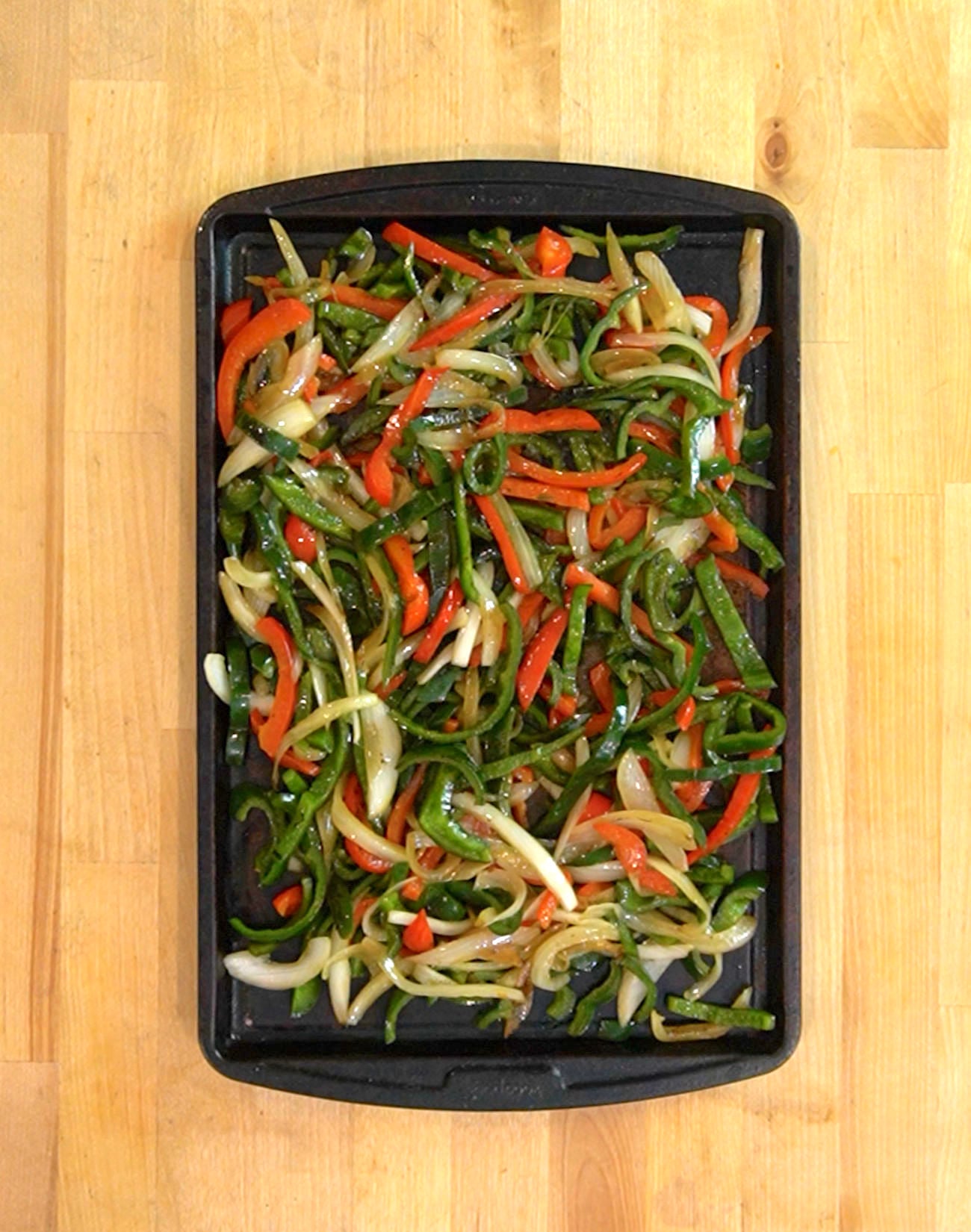
Macronutrient Breakdown (Per Serving)
- Calories: 59 kcal
- Total Carbohydrates: 6.5g
- Dietary Fiber: 1.9g
- Protein: 1g
- Total Fat: 3.2g
Because these vegetables are high in fiber and low in glycemic impact, they are excellent for stabilizing blood sugar levels when paired with a complex carbohydrate like brown rice or quinoa. Furthermore, the fat content—derived from the cooking oil—is essential for the absorption of fat-soluble vitamins (such as A and E) found in the peppers.
Official Recommendations: Storage and Sustainability
The true value of this recipe is its "freezer-friendliness." Many home cooks fear that freezing vegetables will destroy their structural integrity. However, by following specific storage protocols, you can maintain quality for up to three months.
Proper Storage Techniques
- Cooling: Allow the vegetables to reach room temperature before packaging. Placing hot food directly into storage containers creates condensation, which leads to ice crystals and freezer burn.
- Portioning: Use individual freezer-safe bags or containers. By portioning out the vegetables into 10 distinct servings, you eliminate the need to thaw the entire batch when you only need a single meal’s worth.
- Vacuum Sealing: For those committed to long-term meal prep, a vacuum sealer is an invaluable investment. Removing excess air significantly extends the shelf life and preserves the vibrant color of the peppers.
- Reheating: When ready to eat, there is no need to thaw the vegetables beforehand. They can be added directly to a hot skillet or microwave-safe bowl. Reheating directly from frozen ensures they retain a slightly crisp texture rather than turning into a watery mess.
Implications: The Future of Meal Prep
The shift toward home-based meal preparation is more than a trend; it is a response to the rising costs and nutritional inconsistencies of dining out. By mastering the Chipotle-style fajita vegetable, you are reclaiming autonomy over your nutrition.
The "Snack City" Concept
The term "Snack City"—a concept popularized by proponents of high-volume, low-calorie meal prep—refers to a freezer stocked with pre-cooked, ready-to-assemble ingredients. When your base (vegetables), protein (grilled chicken or tofu), and starch (rice or beans) are already cooked and frozen, the "decision fatigue" that often leads to ordering takeout is eliminated.
Economic and Health Impacts
From an economic standpoint, purchasing seasonal bell peppers and onions in bulk significantly lowers the cost per meal compared to restaurant alternatives. Furthermore, by controlling the quality of the cooking oil and the amount of sodium added during the seasoning phase, you gain control over two of the most common pitfalls of commercial food preparation.
Conclusion: A Foundation for Consistency
Cooking is a skill that compounds over time. While the fajita vegetable may seem like a simple side dish, it represents the foundational building block of a sustainable lifestyle. By dedicating 20 minutes once a week to this process, you are effectively buying back hours of time in the future. You are also ensuring that, regardless of how busy your work week becomes, a high-quality, vegetable-forward meal is always within reach.
As you integrate this recipe into your rotation, consider experimenting with variations—perhaps adding a dash of smoked paprika for extra depth, or a squeeze of lime juice post-cooking to brighten the flavors. The goal is to create a rhythm that works for your palate and your schedule, turning the act of "meal prep" from a chore into a rewarding ritual of self-care.
In an era where convenience is often synonymous with poor health, the ability to curate your own "Snack City" is a profound advantage. Start with these fajita vegetables, and you will find that the barrier to healthy eating is not time, but simply a plan.