A Story Told in Petals: How One Mill Creek Garden Became a Community Landmark
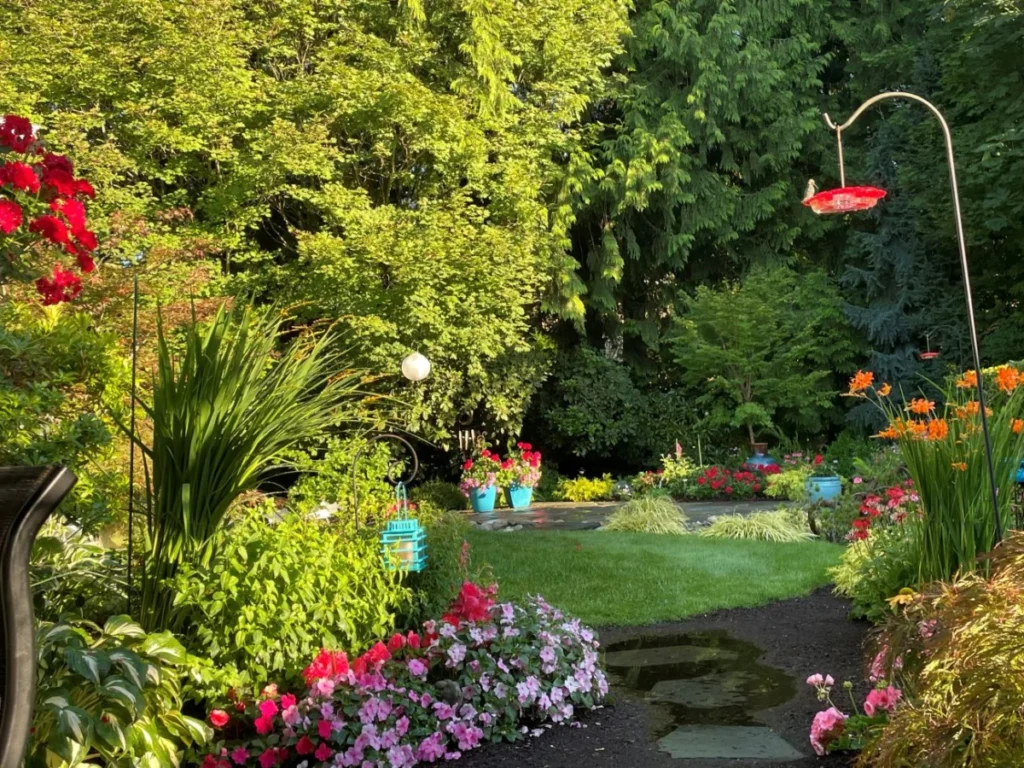
In the quiet, verdant suburbs of Mill Creek, Washington, a quiet revolution in landscape design is taking root—not through massive infrastructure, but through the deliberate, patient cultivation of personal space. Lila Johnson, a local gardener whose landscape recently served as a cornerstone of a regional garden tour, has turned her private sanctuary into a public narrative. The event, held on July 25, was more than a mere showcase of horticulture; it was a fundraiser for the "Giving Through Gardening" grants program, an initiative designed to foster civic engagement through the art of cultivation.
The Evolution of a Landscape: A Chronology of Growth
The beauty visitors witnessed this summer was not an overnight achievement. It is the result of over a decade of meticulous planning and trial-and-error. Since 2011, Johnson has meticulously documented the transformation of her property, providing a rare "time-lapse" view of how a residential yard can evolve into a complex, self-sustaining ecosystem.
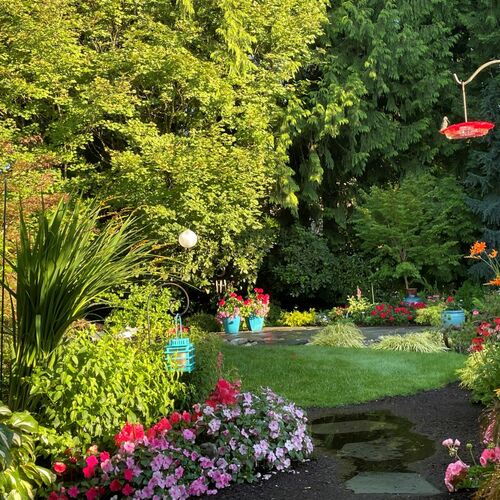
The journey began with modest clearing and soil preparation, moving through phases of trial planting. By 2015, the structural bones of the garden—the Japanese maples and foundational shrubs—were established. The period between 2018 and 2022 marked a shift toward fine-tuning, where Johnson introduced thematic "rooms," including the woodland shade garden and the pollinator-heavy butterfly border. Today, the garden serves as a living archive of North Pacific horticulture, blending hardy native species with carefully curated ornamentals.
Interactive Horticulture: The QR Code Revolution
What set Johnson’s garden apart during the recent community tour was her innovative use of technology. Recognizing that visitors often walk through gardens without understanding the depth of labor and history behind the foliage, Johnson implemented a series of interactive storyboards.
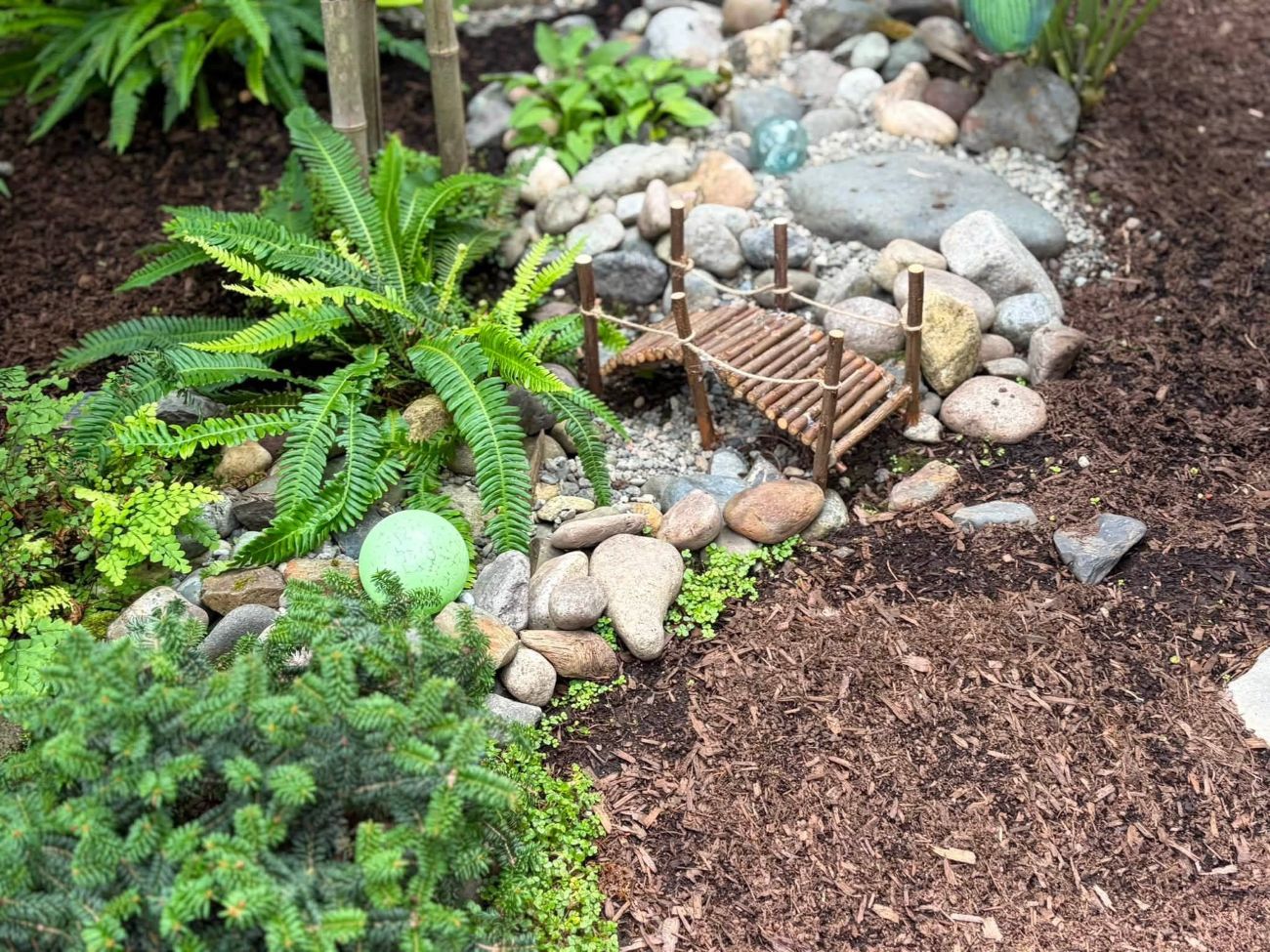
Equipped with QR codes, these stations allowed visitors to scan their phones and instantly access a digital gallery of the garden’s past. These "before-and-after" visuals provided a visceral connection to the land. By scanning a code near the dry streambed, for instance, a visitor could see what the area looked like in 2012—a patch of barren earth—versus the thriving miniature Japanese garden it has become today. This synthesis of analog gardening and digital storytelling transformed a passive walking tour into an immersive educational experience.
The Anatomy of the Garden: A Curated Plant Palette
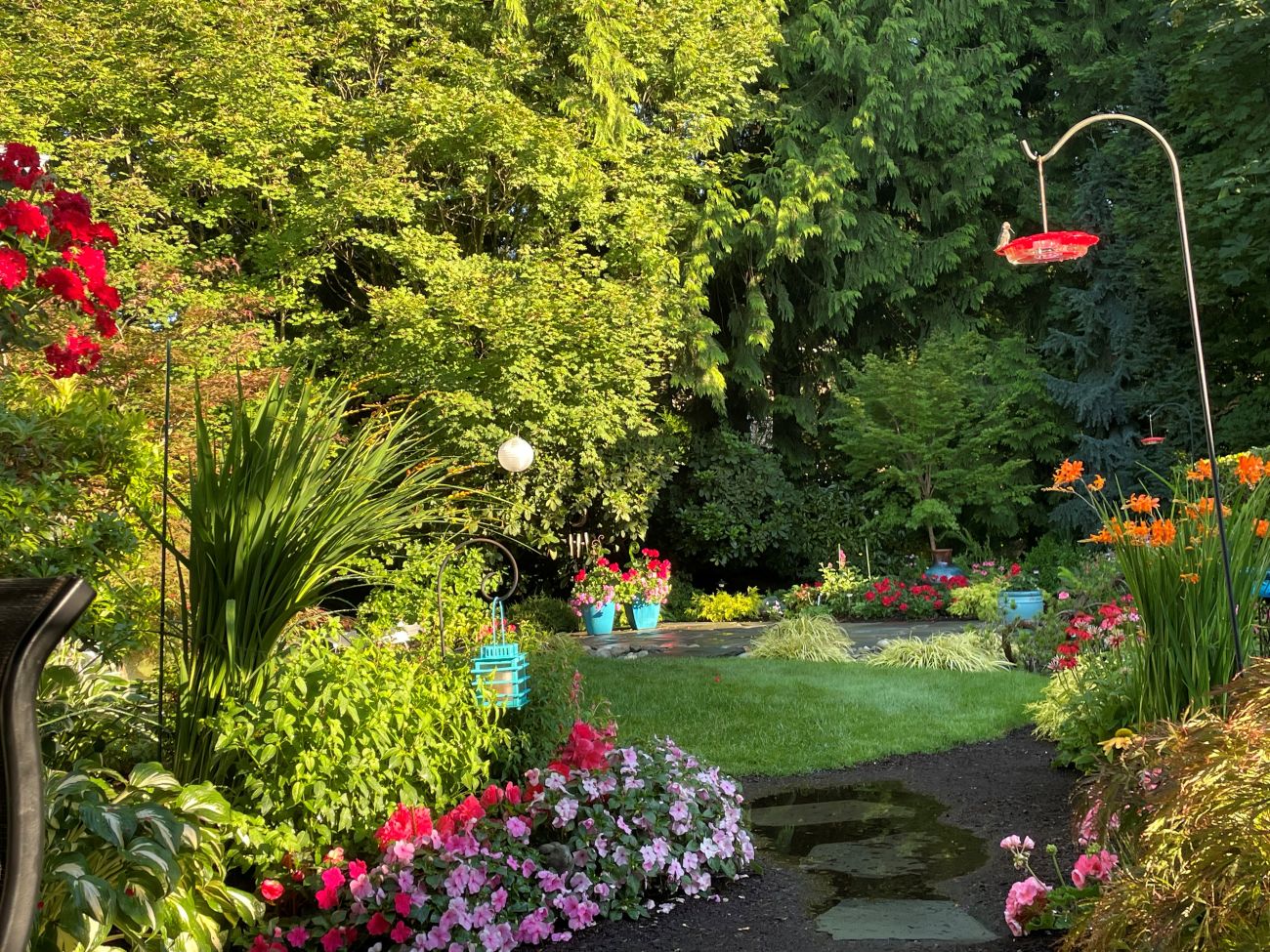
Johnson’s garden is a study in texture, scale, and color theory. Her design philosophy emphasizes layering, ensuring that the eye is constantly drawn to new focal points.
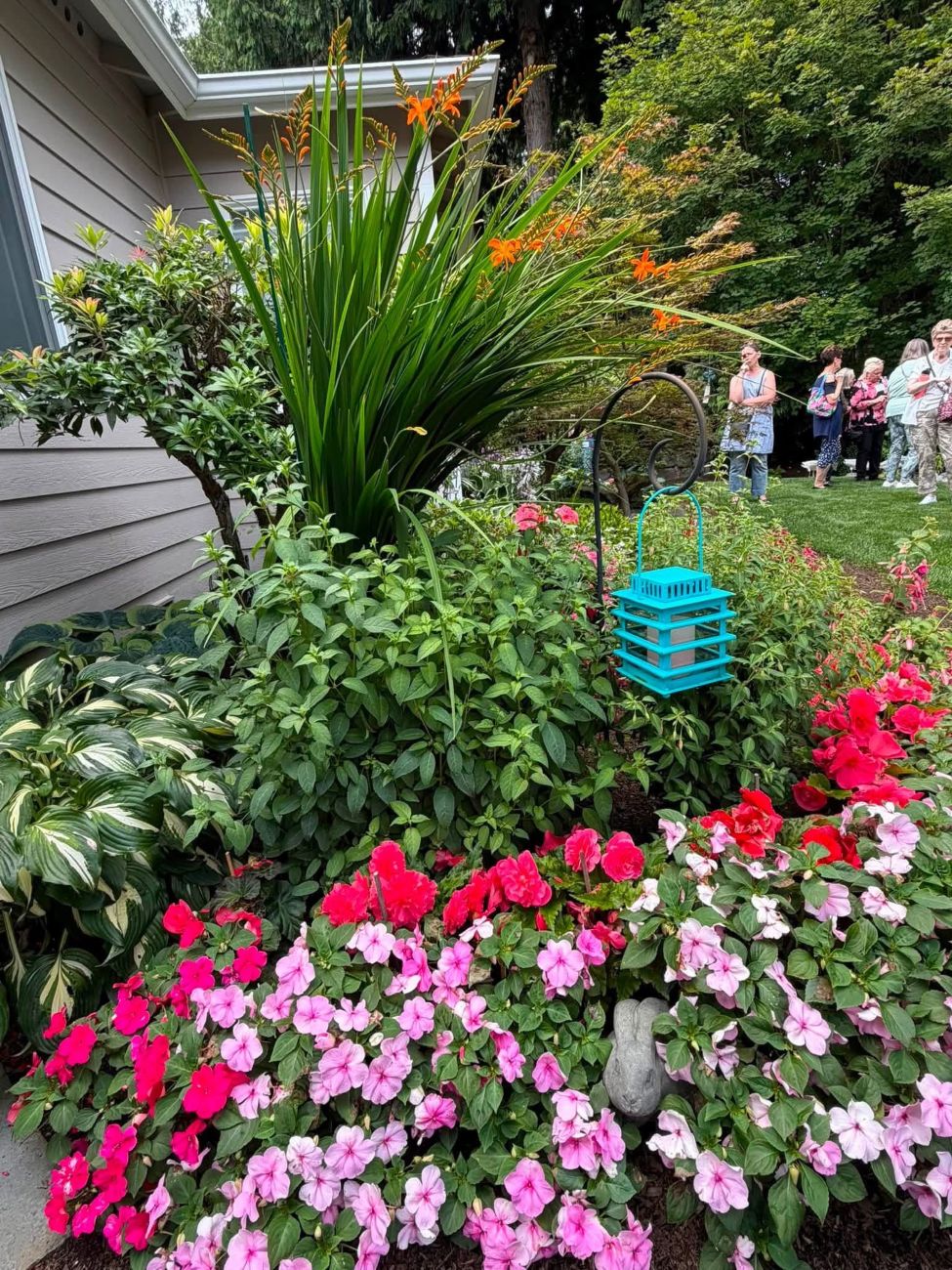
The Mini-Japanese Garden
This corner of the property serves as a testament to precision. Utilizing a dry streambed as a central spine, Johnson employed a sophisticated plant palette:
- Structural elements: A primitive wooden bridge and "Piccolo" balsam fir (Abies balsamea ‘Piccolo’), which provides a stunted, architectural quality.
- Ground cover: A lush carpet of baby’s tears (Soleirolia soleirolii) provides the soft, verdant base, contrasted by the sharp fronds of deer fern (Struthiopteris spicant).
The Woodland Whimsy Area
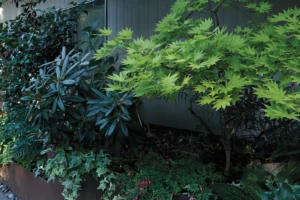
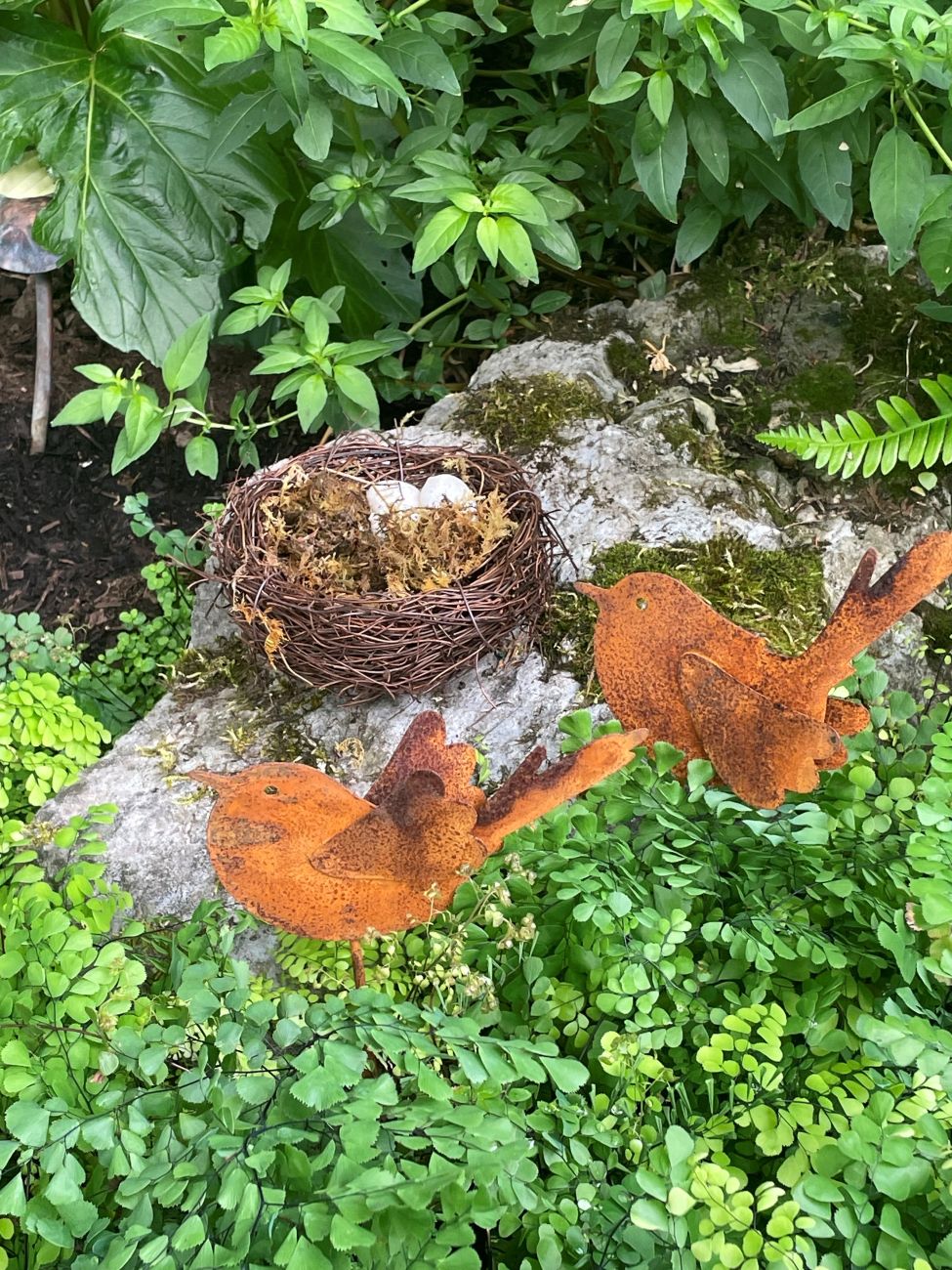
In the shaded reaches of the lot, Johnson leans into a more playful aesthetic. Here, the garden features "rusty metal birds" perched amidst a nest of natural debris, blurring the line between art installation and wild nature. The plant selection here is distinctly shade-tolerant, featuring Himalayan maidenhair fern (Adiantum venustum) and hardy fuchsias that thrive in the damp, filtered light of the Pacific Northwest.
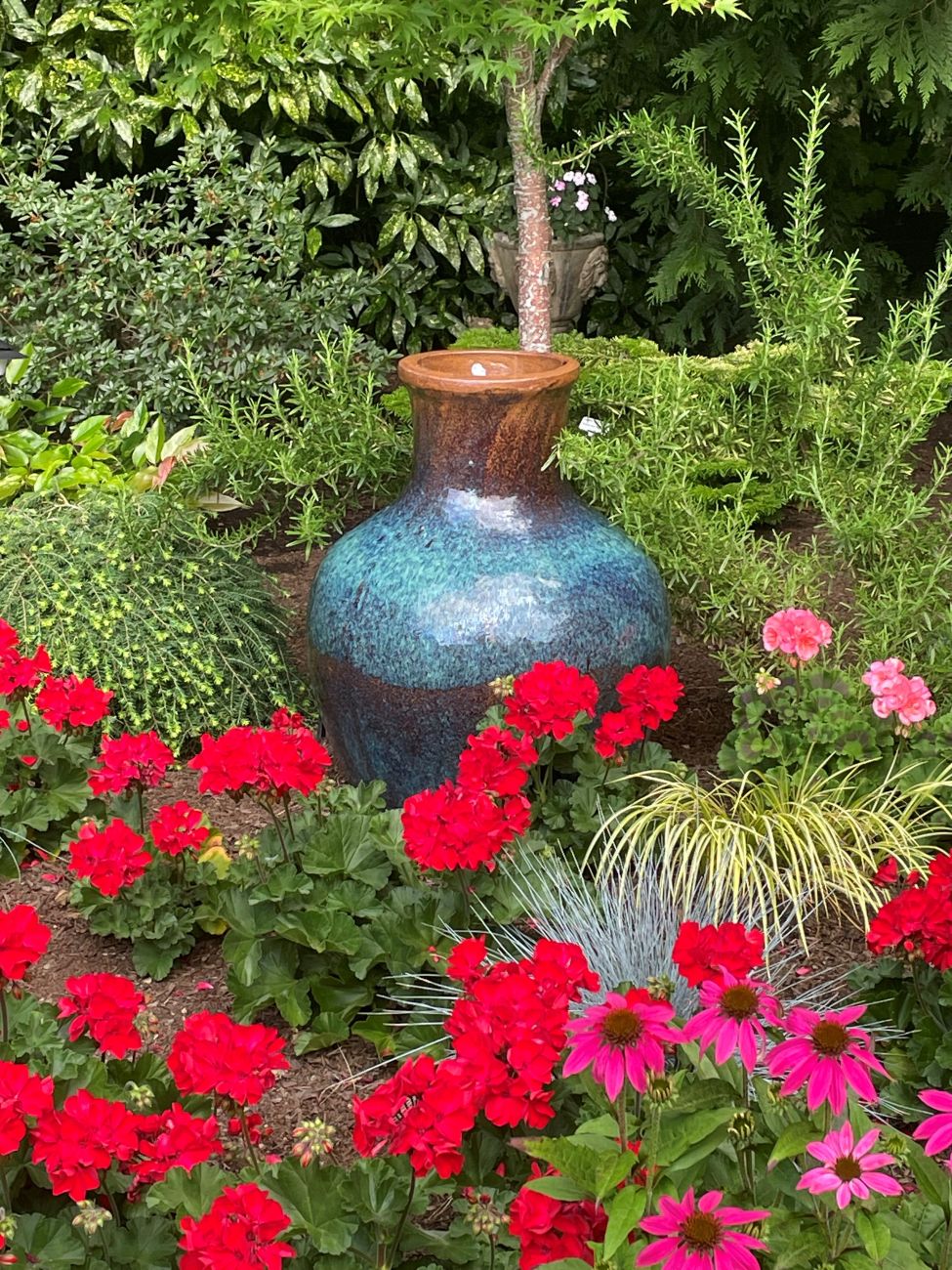
The Pollinator Border
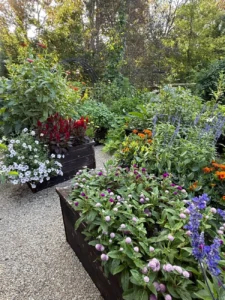
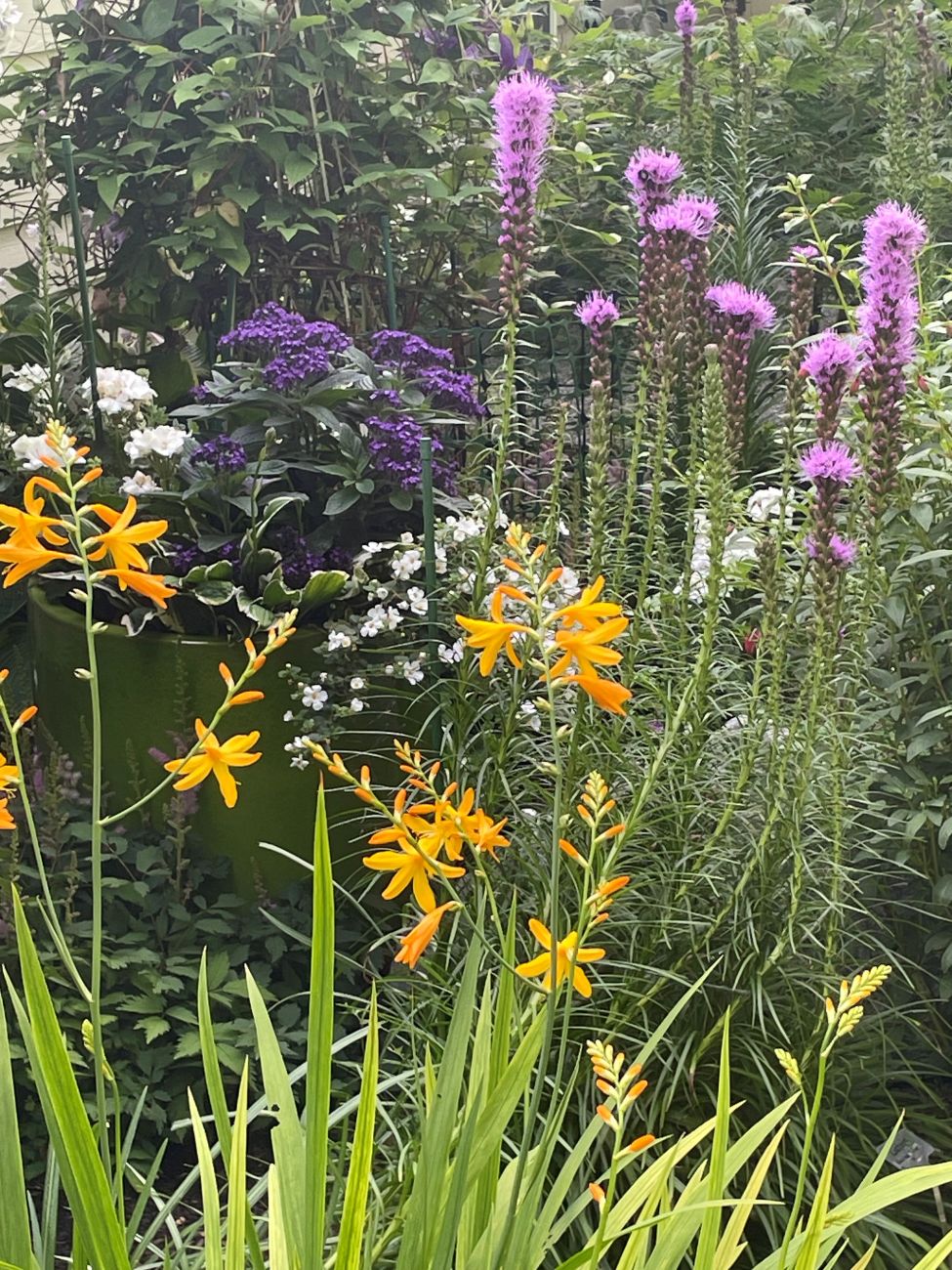
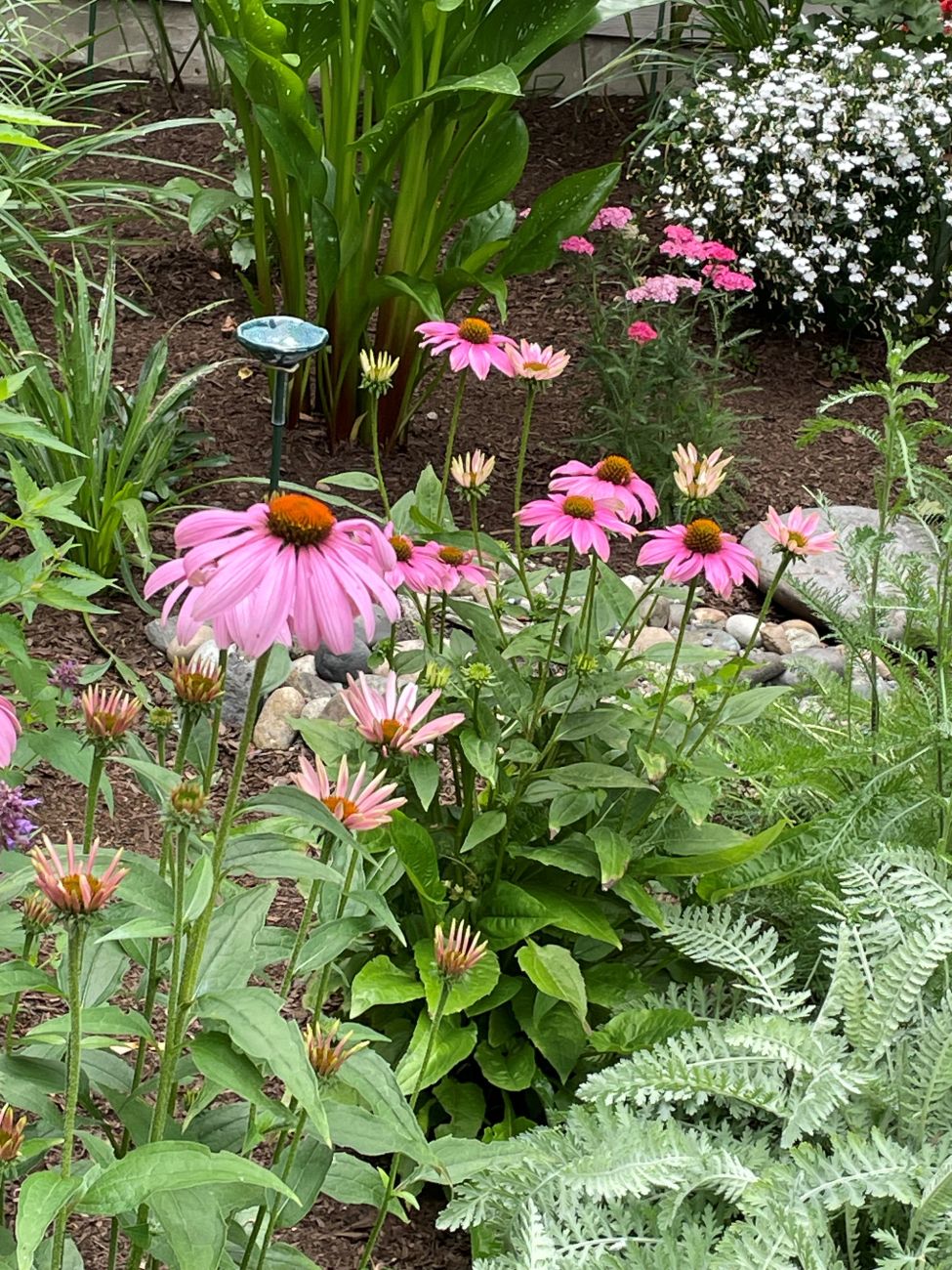
Recognizing the necessity of biodiversity, the butterfly garden is a riot of color and nectar. The inclusion of purple coneflowers (Echinacea purpurea), yarrow (Achillea millefolium), and white euphorbia creates a high-traffic zone for local insects. By pairing these with architectural plants like calla lilies and dusty miller, Johnson ensures the bed remains visually striking even when the pollinators aren’t present.
Official Perspectives: The Impact of "Giving Through Gardening"
The garden tour was not merely a social event; it was a strategic fundraising effort. The "Giving Through Gardening" program, supported by the local garden club, provides essential micro-grants to community projects, such as school gardens, elderly care facility green spaces, and public park improvements.
"We survived—and thrived—through our community garden tour," Johnson noted following the event. The success of the day was measured in more than just the funds raised; it was measured in the engagement of the visitors. The "long day on our feet" was, according to Johnson, punctuated by "thoughtful questions and rave reviews." This feedback loop—between the gardener, the visitor, and the grant recipient—is the lifeblood of the organization. By opening her gates, Johnson provided the necessary capital to ensure that the joy of gardening extends far beyond her own property line.
Implications: The Future of Community Engagement
Johnson’s experiment with interactive storyboards carries significant implications for the future of private garden tours. As urban density increases, the role of the private garden as a community asset becomes more critical.
1. Education through Documentation
By documenting the growth of her garden, Johnson provides a blueprint for other aspiring gardeners. Her work suggests that the most successful gardens are not those that are purchased fully formed from a nursery, but those that grow in tandem with the gardener’s own knowledge and experience.
2. Digital Integration in Nature
The use of QR codes to bridge the gap between history and reality suggests a new standard for home and garden tours. This approach caters to a younger, tech-savvy demographic that may have previously found traditional garden tours inaccessible or overly static.
3. The "Storytelling" Mandate
This year’s theme, "Where Every Garden Tells a Story," highlights a shift in horticultural culture. It is no longer enough for a garden to be "pretty"; it must be meaningful. Whether it is a story of environmental reclamation, personal healing, or simple creative expression, the narrative component is what creates lasting emotional resonance with the public.
Call to Action: The Garden Photo of the Day
Lila Johnson’s experience serves as a powerful call to action for the broader gardening community. The editors of this publication maintain a commitment to highlighting the diversity of private landscapes through the "Garden Photo of the Day" (GPOD) initiative.
For those inspired by the transformation in Mill Creek, the invitation is open. Whether you have spent a decade cultivating a sprawling estate or a single season perfecting a balcony planter, your story matters. Sharing these experiences—the successes, the failures, the funny anecdotes, and the favorite plant combinations—is what builds the collective intelligence of the gardening world.
To participate, interested gardeners are encouraged to submit their work via the official submission portal. By sharing these photos and the accompanying narratives, gardeners can continue to inspire, educate, and bring people together, just as Lila Johnson did on that bright July day in Washington.
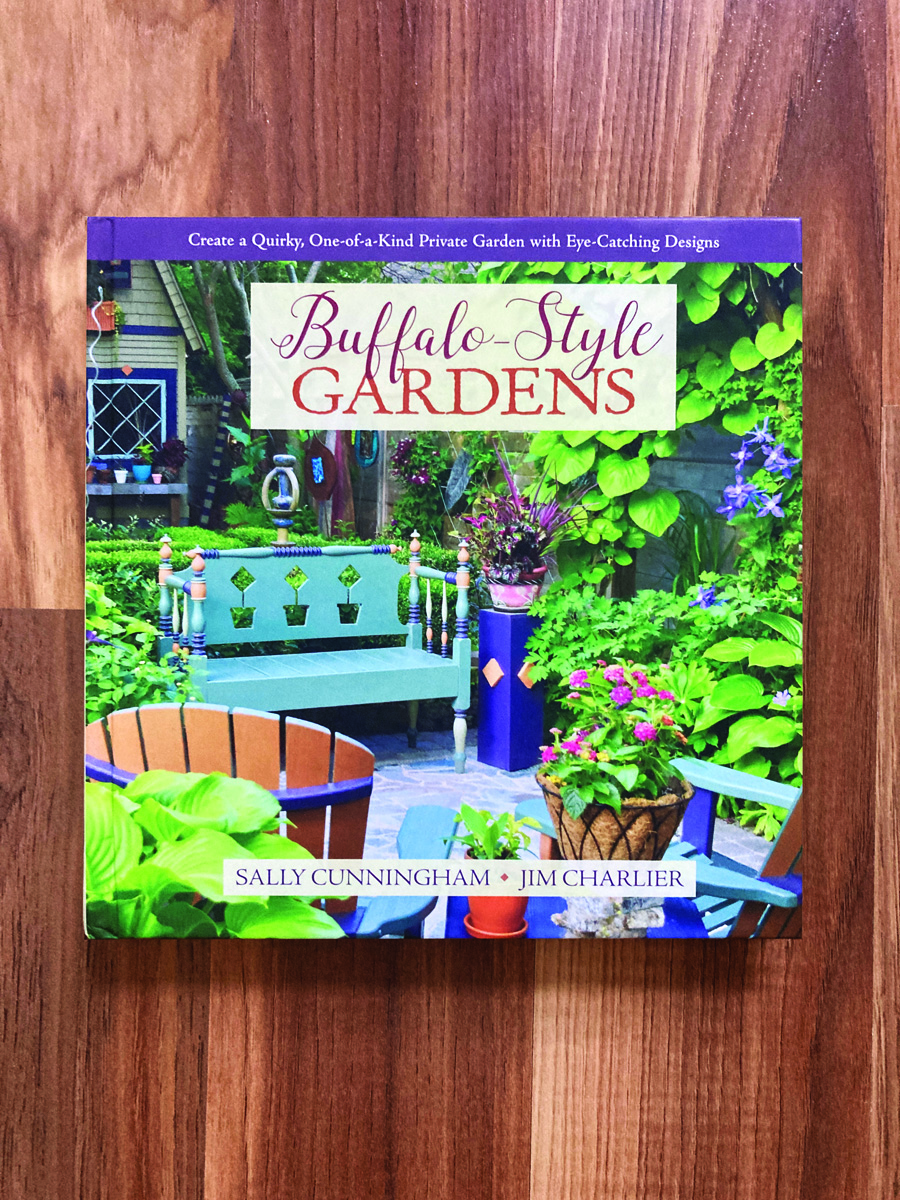
Fine Gardening encourages all readers to explore further resources on design and maintenance. Whether you are seeking inspiration from the eclectic "Buffalo-Style" garden movement or searching for the right tools to manage your own landscape, such as the precision-engineered ARS Telescoping Long Reach Pruner, the right equipment and knowledge are the keys to a thriving outdoor space.