The Ultimate Meal Prep Staple: Mastering Chipotle-Style Black Beans for Your Freezer
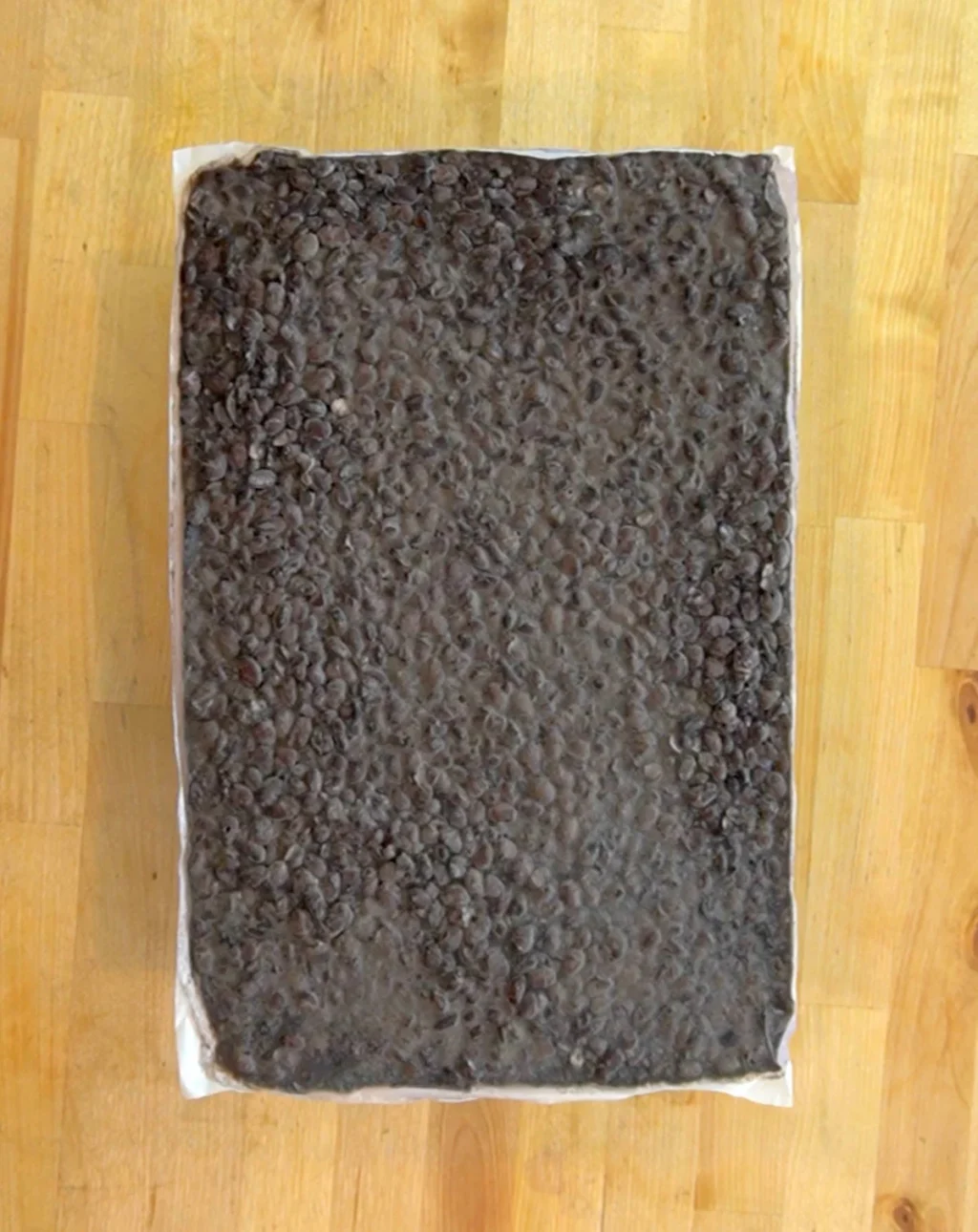
In the modern culinary landscape, the intersection of health, convenience, and flavor is often found in the humble black bean. As meal prepping continues to evolve from a niche fitness trend into a mainstream strategy for busy households, the search for the perfect, shelf-stable, and freezer-friendly component has led many home cooks to the "Chipotle-style" black bean. This guide explores the preparation, nutritional implications, and logistical benefits of mastering this versatile staple, designed to streamline your weekly meal planning.
Main Facts: The Foundation of the Perfect Bean
The recipe for Chipotle-style black beans is characterized by its simplicity and depth of flavor. By utilizing dried beans—which require an eight-hour soak—home cooks can achieve a superior texture compared to canned alternatives.
Core Nutritional Profile (Per Serving, Yielding 10):
- Calories: 180 kcal
- Carbohydrates: 30g
- Protein: 10g
- Fat: 2.2g
- Fiber: 7.3g
This nutritional profile positions these beans as a high-fiber, plant-based protein powerhouse. With 10 grams of protein per serving and a significant fiber content, they provide long-lasting satiety, making them an ideal component for burrito bowls, salads, or side dishes. The recipe is intentionally designed to be freezer-friendly, allowing users to move their culinary output into "Snack City"—the freezer—ensuring that a quick, nutritious meal is always within reach.
Chronology: From Dried Bean to Freezer-Ready Meal
Achieving the perfect texture and flavor infusion requires a systematic approach. The process is broken down into four distinct phases:
1. Preparation and Soaking (0–8 Hours)
The process begins with the soaking phase. By soaking dried black beans for eight hours, you rehydrate the legume, ensuring even cooking and improved digestibility. While many opt for quick-canned varieties, the traditional soaking method allows the bean to retain its structural integrity during the long cooking process.
2. The Infusion Phase (1 Hour, 30 Minutes)
Once soaked, the beans move to the stove. This stage is where the "Chipotle-style" flavor profile is built. By simmering the beans with aromatic bases, the flavor penetrates the outer skin of the bean. During this 90-minute window, it is critical to maintain a consistent, low-level simmer to ensure the beans become tender without breaking down into a paste.
3. Cooling and Portioning (15 Minutes)
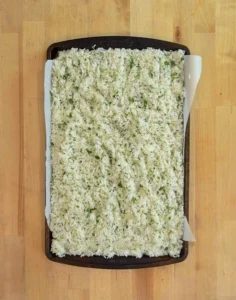
Rapid cooling is the secret to successful meal prep. Once the beans are cooked, they should be spread across a flat surface (such as a baking tray) to reach room temperature quickly. This prevents the beans from continuing to cook in their own residual heat, which could result in a mushy consistency upon reheating.
4. Storage and Freezing (Indefinite)
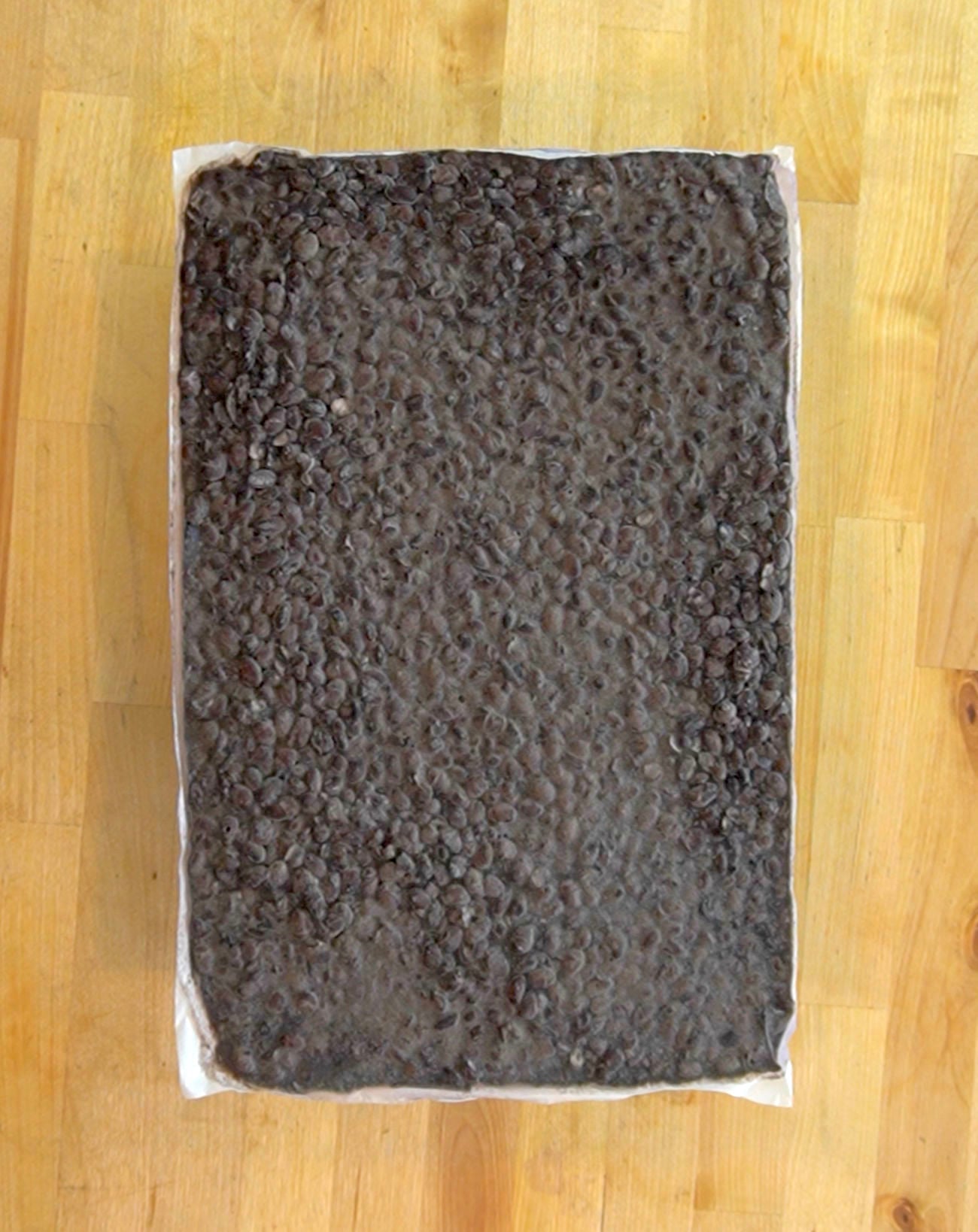
Once cooled, the beans are portioned into airtight containers. By removing excess air, you prevent freezer burn, keeping the beans fresh for several weeks. When ready to eat, the beans can be thawed in the refrigerator overnight or reheated directly from frozen, depending on the intensity of the heat source.
Supporting Data: The Science of Fiber and Protein
The nutritional data provided for this recipe underscores why beans remain a staple in both vegetarian and omnivorous diets. The 7.3 grams of fiber per serving is a key metric, as it accounts for a significant portion of the daily recommended intake for adults. Fiber-rich diets are linked to improved cardiovascular health and stable blood sugar levels.
Furthermore, the protein-to-calorie ratio is highly favorable. At 180 calories, receiving 10 grams of protein—paired with a minimal 2.2 grams of fat—makes this a "clean" fuel source. For those tracking macronutrients (30g Carbohydrates, 10g Protein, 2.2g Fat), these beans serve as an excellent "macro-flexible" component, allowing the user to adjust their total daily intake by pairing the beans with varying amounts of rice, avocado, or lean proteins.
Official Perspectives: Why Batch Cooking Matters
Nutritionists and meal-prep experts consistently cite "friction" as the primary reason individuals abandon healthy eating goals. Friction refers to the effort required to make a healthy choice versus an unhealthy one. By having "Chipotle-style" black beans pre-portioned in the freezer, the friction of preparing a healthy lunch is reduced to almost zero.
The "batch prep" philosophy is not merely about saving time; it is about cognitive load reduction. When the component—in this case, the bean—is already cooked and seasoned, the mental effort required to assemble a burrito bowl at 12:00 PM on a Tuesday is negligible. This approach to "Snack City" meal prep empowers the individual to maintain consistency throughout the work week, which is the single greatest predictor of long-term health success.
Implications: The Versatility of the Staple
The implications of mastering this recipe extend far beyond the standard burrito bowl. Because the flavor profile is balanced, these beans can serve as the base for various culinary applications:
- Tex-Mex Breakfasts: Incorporate the beans into a breakfast scramble with eggs or tofu.
- Soup Bases: Blend a portion of the batch with vegetable stock for a quick, high-protein black bean soup.
- Salad Toppers: Use them as a cold, fiber-rich addition to leafy green salads.
- Refried Alternatives: Mash the cooked beans with a splash of lime juice and cumin to create a healthier version of refried beans.
By controlling the cooking process, the home cook also gains total control over sodium levels and ingredient quality—factors that are often compromised in pre-packaged or restaurant-bought alternatives.
Conclusion: A Strategy for Sustainable Eating
The journey from a bag of dry beans to a freezer full of ready-to-eat, nutrient-dense portions is a testament to the power of intentional preparation. This Chipotle-style black bean recipe is more than a list of instructions; it is a tactical tool for the modern kitchen.
As we look toward the future of nutrition, the ability to prepare bulk, whole-food ingredients at home will remain a cornerstone of sustainable eating. Whether you are a student, a busy professional, or a parent, the time invested in the soaking, simmering, and portioning of these beans pays dividends in both health and convenience. By embracing the rhythm of batch prep, you transform your kitchen from a space of daily chores into a hub of efficient, delicious, and consistent nourishment.
The next time you find yourself staring into the freezer looking for a quick meal, remember that the most complex-tasting dishes are often the ones that were the most simply prepared. With 10 servings of perfectly seasoned black beans waiting in your freezer, you are already one step ahead of the curve.