Strategic Structural Renovation: A Case Study in Frugal Home Improvement and Fiscal Discipline
Main Facts: The Deconstruction of a 1990s Architectural Barrier
In a significant milestone for a long-term residential renovation project, a primary load-bearing wall has been successfully removed from a 1991-built home, signaling a shift toward modern open-concept living. The project, documented by the homeowners—known for their disciplined approach to personal finance—represents a complex intersection of structural engineering, licensed trade work, and sweat equity.
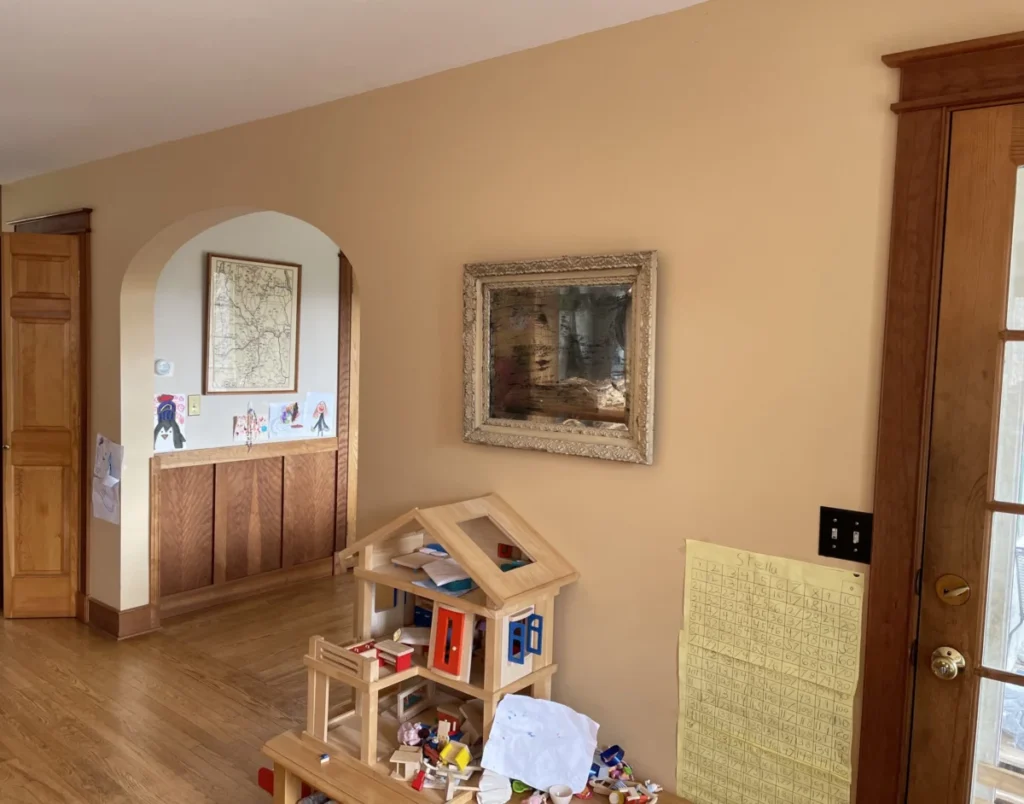
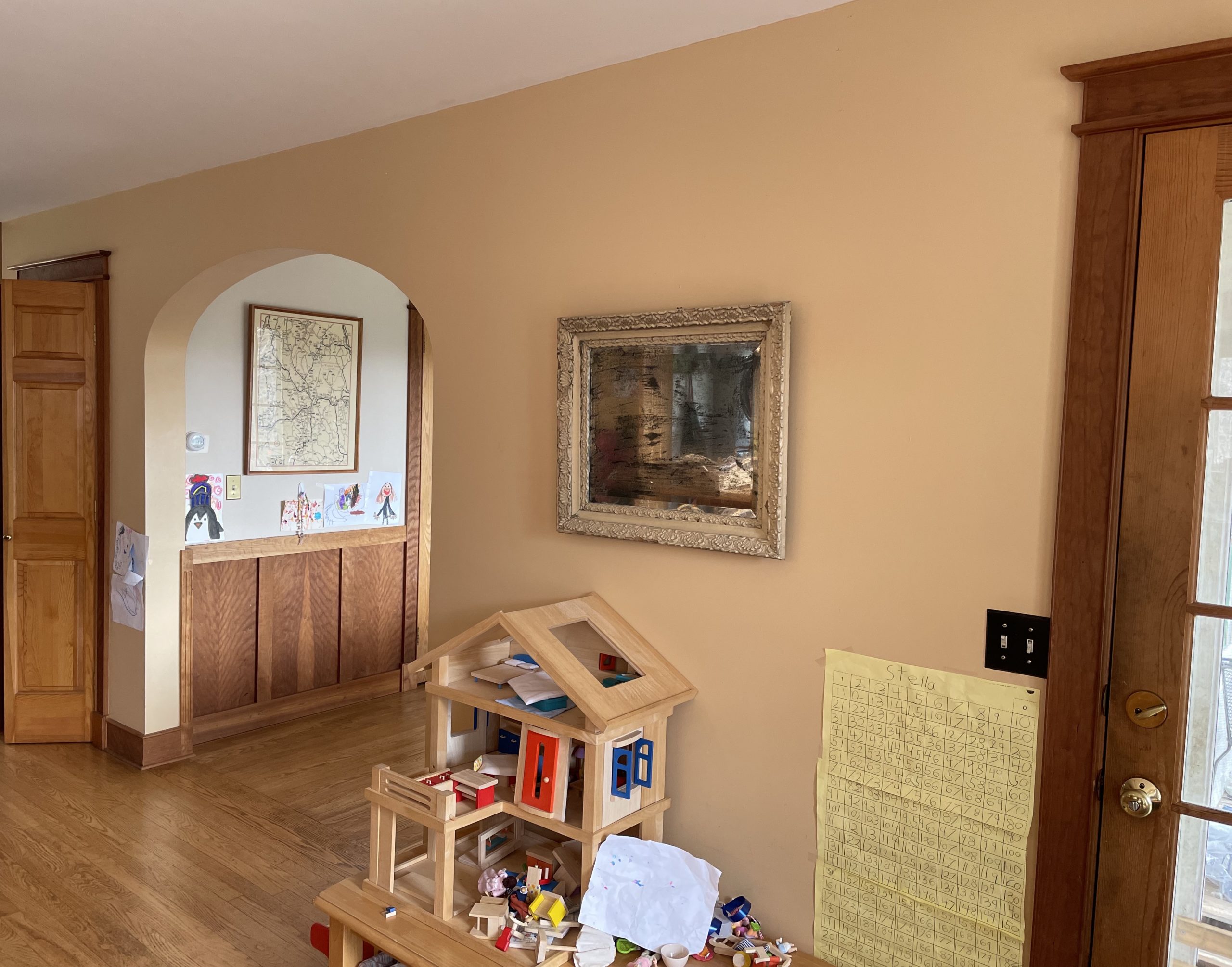
The wall in question served as a major architectural and functional bottleneck, awkwardly bisecting the kitchen and dining areas from the main living room. Beyond its aesthetic shortcomings, which included a low-clearance arched doorway, the wall was a critical utility hub. Upon inspection, it was discovered that the builders had utilized this specific partition to house three vital systems:
- The Main Plumbing Stack: A vertical drainage line serving the upper floors.
- The Primary Electrical Box: The central distribution point for the home’s power.
- Structural Load-Bearing Support: A configuration designed to hold the weight of the second story.
The removal of this "menace wall" was not merely a cosmetic choice but a strategic overhaul requiring meticulous planning. By choosing to remove the most technically challenging wall in the house, the homeowners faced a multifaceted renovation involving architectural calculations, specialized plumbing re-routing, and advanced carpentry.
Chronology: From Demolition to Structural Integration
The renovation unfolded over several months, peaking in June with the final structural integration. The process followed a deliberate sequence designed to maintain the home’s integrity while minimizing costs through a "hybrid DIY" model.
Phase I: Preparation and Demolition
The project began with the non-technical "grunt work." The homeowners performed the initial demolition, removing drywall and disassembling decorative elements like chair rails. This phase allowed for a clear assessment of the internal utilities and the structural demands of the second floor.

Phase II: Utility Re-routing
Recognizing the limits of DIY capability, the homeowners engaged licensed professionals for the technical phases.
- Plumbing: A licensed plumber was contracted to re-route the main plumbing stack. This required a complex "zig-zag" configuration through the ceiling joists and down a corner of the pantry.
- Electrical: An electrician was hired to move the main electrical box and re-route the wiring. This phase also included the installation of a new recessed light over the dining area, addressing a long-standing deficiency in the home’s original lighting plan.
Phase III: Structural Engineering and Support
The most critical stage involved replacing the load-bearing wall with a recessed support beam.
- Calculations: An architect was consulted to perform precise beam calculations to ensure the house remained structurally sound.
- Temporary Support: A temporary support wall was constructed to hold the weight of the second floor during the transition.
- The "Ladder" System: To lift the heavy structural beam into place, a "ladder" mechanism was built. This allowed the beam to be raised incrementally and safely.
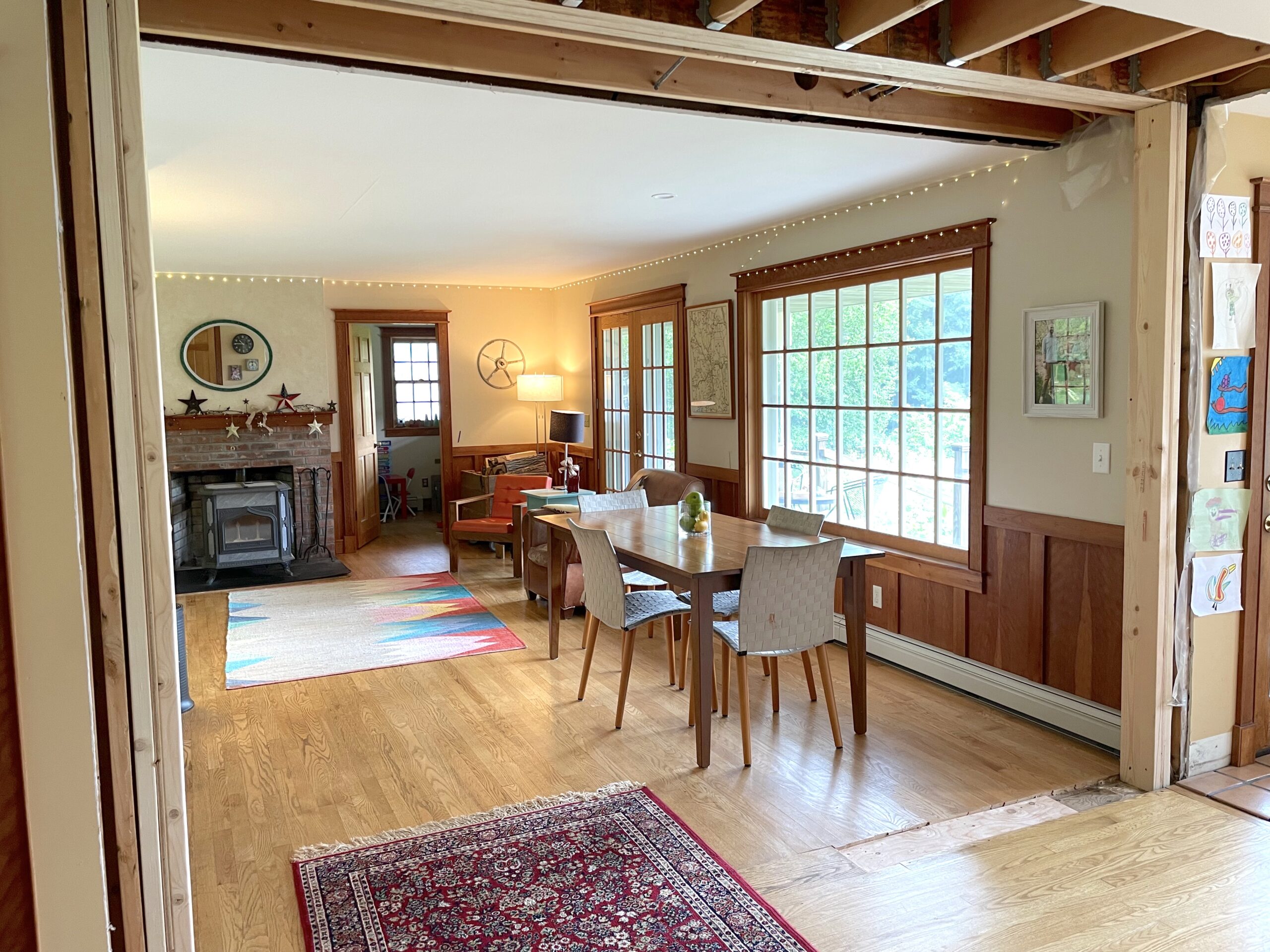
- Recessing the Beam: The beam was successfully recessed into the ceiling, creating a seamless, flush look that completely opened the floor plan.
Phase IV: Finishing and Future Planning
As of late June, the structural work is complete. The final stages—drywalling, flooring, and painting—have been intentionally paused. The homeowners are currently evaluating the need for additional kitchen wiring while the ceiling remains open, a move designed to prevent the future expense and mess of re-opening finished surfaces.
Supporting Data: An Analysis of June Expenditures
The financial data for June reflects a total expenditure of $5,044.63. This figure encompasses both the high-cost renovation materials and the standard living expenses of a four-person household.
Renovation-Specific Costs
The "Wall Removal 2023" project accounted for a significant portion of the monthly budget:
- Lumber and Drywall: $703.53 (Includes the support beam and temporary wall materials).
- Home Improvement Tools & Supplies: $600.61 (Investments in specialized equipment like a bottle jack and structural fasteners).
- Electrician Services: $494.98 (Professional labor for re-routing and new lighting).
Operational and Household Expenses
Despite the heavy investment in the home, the data reveals a commitment to low-cost operational strategies:
- Groceries: $1,147.44 (Reflecting a bulk-buying strategy, including a 50lb bag of organic oats).
- Utilities (Electric): $36.42 (Low due to a previously installed solar array).
- Cell Phone Service: $28.24 (For two lines, achieved via a Mobile Virtual Network Operator).
- Health Insurance Premium: $41.74 (Reflecting a high-deductible or subsidized plan structure).
Miscellaneous and Lifestyle Spending
The budget also accounts for seasonal and maintenance costs:
- Beach Season Pass: $150.00 (A strategic "low-cost-per-hour" summer entertainment investment).
- Subaru Annual Inspection: $59.50.
- Personal Maintenance: $59.95 for new leggings and $85.06 for new hiking boots, both replacing items that had reached the end of their functional lifespan.
Official Context: The Philosophy of Technical Expertise
In the realm of high-stakes home renovation, the homeowners adhere to a strict "Safe vs. Technical" protocol. This philosophy serves as a model for responsible DIY, emphasizing that cost savings should never compromise safety or legal compliance.
The Role of the Architect:
Professional architectural calculations were deemed non-negotiable. While the carpentry (the "how") was handled in-house, the engineering (the "what size and material") was outsourced to ensure the structural load was properly distributed. This mitigates the risk of catastrophic structural failure or future issues with home resale inspections.
The Necessity of Licensed Trades:
The homeowners explicitly noted that the complexity of the plumbing stack and the electrical box exceeded the capabilities of a standard DIYer. By hiring licensed professionals for these tasks, they ensured that the work met local building codes and was performed with the precision required for "intense" utility re-routing.

Self-Taught Carpentry:
Conversely, the structural carpentry—building the temporary wall and the lifting mechanism—was a "self-taught" endeavor. This demonstrates a middle ground in renovation: acquiring advanced manual skills through study and practice while remaining within the bounds of physical safety.
Implications: Long-Term Value and Financial Sustainability
The successful removal of the wall carries several long-term implications for both the property and the owners’ financial health.
Real Estate and Flow
The primary impact is the "dramatic improvement" in the home’s flow and openness. In the modern real estate market, open-concept floor plans are highly coveted. By removing a dated 1990s partition, the homeowners have likely increased the market value of the property far beyond the $1,300+ spent this month on materials and labor.
The "Slow Renovation" Advantage
By spreading the renovation over several years, the homeowners avoid the need for high-interest construction loans. This "pay-as-you-go" model ensures that every improvement is funded by cash flow, preserving the household’s net worth. The decision to delay final drywalling to coordinate with future kitchen upgrades further illustrates a "measure twice, spend once" mentality.
Financial Optimization Systems
The June report highlights a broader ecosystem of financial efficiency that supports such large projects:
- High-Yield Savings: Utilizing accounts like American Express Personal Savings to ensure that idle cash earns interest (currently cited at 4%).
- Cash-Back Strategies: Using rewards credit cards (e.g., Fidelity Rewards Visa) to claw back a percentage of every renovation dollar spent. In June alone, this resulted in $88.90 in "found money."
- Operational Frugality: The use of MVNOs for cell service and solar energy for electricity keeps fixed monthly costs at a minimum, freeing up capital for capital improvements.
Conclusion
The June renovation project is a testament to the power of intentional spending and strategic DIY. By identifying which tasks required professional expertise and which could be conquered through grunt work and self-education, the homeowners transformed a major structural flaw into a modern asset. This case study reinforces the idea that significant home improvements are attainable without compromising financial independence, provided they are approached with patience, technical respect, and a rigorous eye on the bottom line.