Mastering the Hydrangea: A Masterclass in Horticulture with Richie Steffen
Few plants in the temperate garden capture the imagination—or challenge the expertise—of home gardeners quite like the hydrangea. With their dramatic, oversized blooms and complex care requirements, these shrubs are simultaneously a symbol of summer elegance and a frequent source of frustration. On September 18, 2026, at 10:00 a.m. EDT, enthusiasts will have the rare opportunity to demystify the genus during a live webinar: "Favorite Hydrangeas and Best Care Tips," featuring Richie Steffen, Executive Director of the Elisabeth C. Miller Botanical Garden in Seattle.
Main Facts: The Complexity of the Hydrangea Genus
The genus Hydrangea is remarkably diverse, encompassing everything from the iconic, massive mopheads (Hydrangea macrophylla) that grace coastal cottages to the architectural, sun-loving panicles (Hydrangea paniculata). Despite their popularity, their care is often misunderstood. Many gardeners struggle with erratic blooming, which often stems from improper pruning techniques, or they fail to achieve the desired flower color, which is chemically dependent on soil pH.
Richie Steffen, a veteran horticulturist, intends to move beyond the basics, offering a deep dive into the botanical nuances of the genus. The webinar will cover:
- Taxonomic Variety: Moving beyond common varieties to explore lacecaps, oakleafs, and lesser-known species that provide year-round interest.
- Pruning Mastery: Deciphering the "when and how" for different species to ensure consistent flowering.
- Environmental Optimization: Best practices for siting, watering, and soil management.
- The Seasonal Palette: Selecting cultivars that offer not just spectacular summer blooms, but also exceptional autumn foliage and structural beauty.
Chronology: A Career Built on Botanical Expertise
To understand why Richie Steffen is uniquely qualified to lead this masterclass, one must look at his trajectory in the horticultural world. Steffen’s career has been defined by a deep, hands-on relationship with plants. His tenure has included:

- Early Foundations: His work at Sky Nursery and the Rhododendron Species Botanical Garden provided him with a rigorous technical background in woody ornamentals.
- Educational Outreach: As an instructor at Edmonds Community College, Steffen developed the ability to translate complex botanical science into actionable advice for students and home gardeners.
- Current Leadership: As the Executive Director of the Miller Garden in Seattle, he manages one of the most significant plant collections in the Pacific Northwest, where he continues to trial and observe hydrangeas in real-world conditions.
- Public Advocacy: Through his roles as a lecturer, writer, and photographer for Great Plant Picks, he has become a leading voice in identifying cultivars that are not only beautiful but also resilient and well-adapted to regional climates.
Supporting Data: Why Hydrangeas Require Specialized Care
The persistent struggle gardeners face with hydrangeas is largely a matter of plant biology. For example, Hydrangea macrophylla sets its flower buds on "old wood" (growth from the previous season). Pruning these shrubs at the wrong time of year—typically in late winter or early spring—removes the buds entirely, resulting in a plant that produces lush foliage but zero flowers. Conversely, Hydrangea paniculata blooms on "new wood," allowing for more aggressive pruning without sacrificing the season’s display.
Furthermore, the "blue versus pink" phenomenon in mopheads is a direct result of aluminum availability in the soil, which is mediated by soil pH. While this is a well-known fact, the practical application—managing the soil chemistry without harming the plant’s health—is where many gardeners falter. Steffen’s presentation will provide the scientific framework necessary to manage these variables effectively, moving the attendee from guesswork to informed cultivation.
Official Perspectives: The Value of Expert Instruction
In an era where gardening information is often diluted by social media trends and unverified advice, the importance of expert-led, science-based instruction cannot be overstated. By hosting this webinar, Fine Gardening aims to provide a curated, authoritative resource for gardeners looking to level up their skills.
"If you thought you knew everything there was to know about hydrangeas, this class might surprise you," notes the Fine Gardening editorial team. The webinar is designed not just for beginners, but for the seasoned enthusiast who has reached a plateau in their garden’s performance. By providing access to a practitioner like Steffen, the program bridges the gap between botanical theory and home garden practice.

Implications for the Modern Gardener
The implications of attending such a session extend far beyond simply having a better-looking shrub. For the modern gardener, the goal is often "sustainability and success." By learning the correct techniques for siting and watering, gardeners can reduce their water usage and reliance on chemical fertilizers.
Furthermore, the focus on "four-season interest"—selecting cultivars with high-quality foliage and late-season color—encourages gardeners to view their landscapes as dynamic ecosystems rather than static displays. This shift in perspective is crucial as climate patterns fluctuate; choosing the right plant for the right place is the most effective way to ensure a garden that thrives with minimal intervention.
Enhancing Your Garden Infrastructure
While knowledge is the primary tool of the gardener, the right equipment plays a supporting role. To complement the upcoming webinar, Fine Gardening has highlighted several products that align with the philosophy of organized, high-quality gardening:
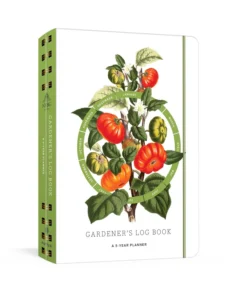
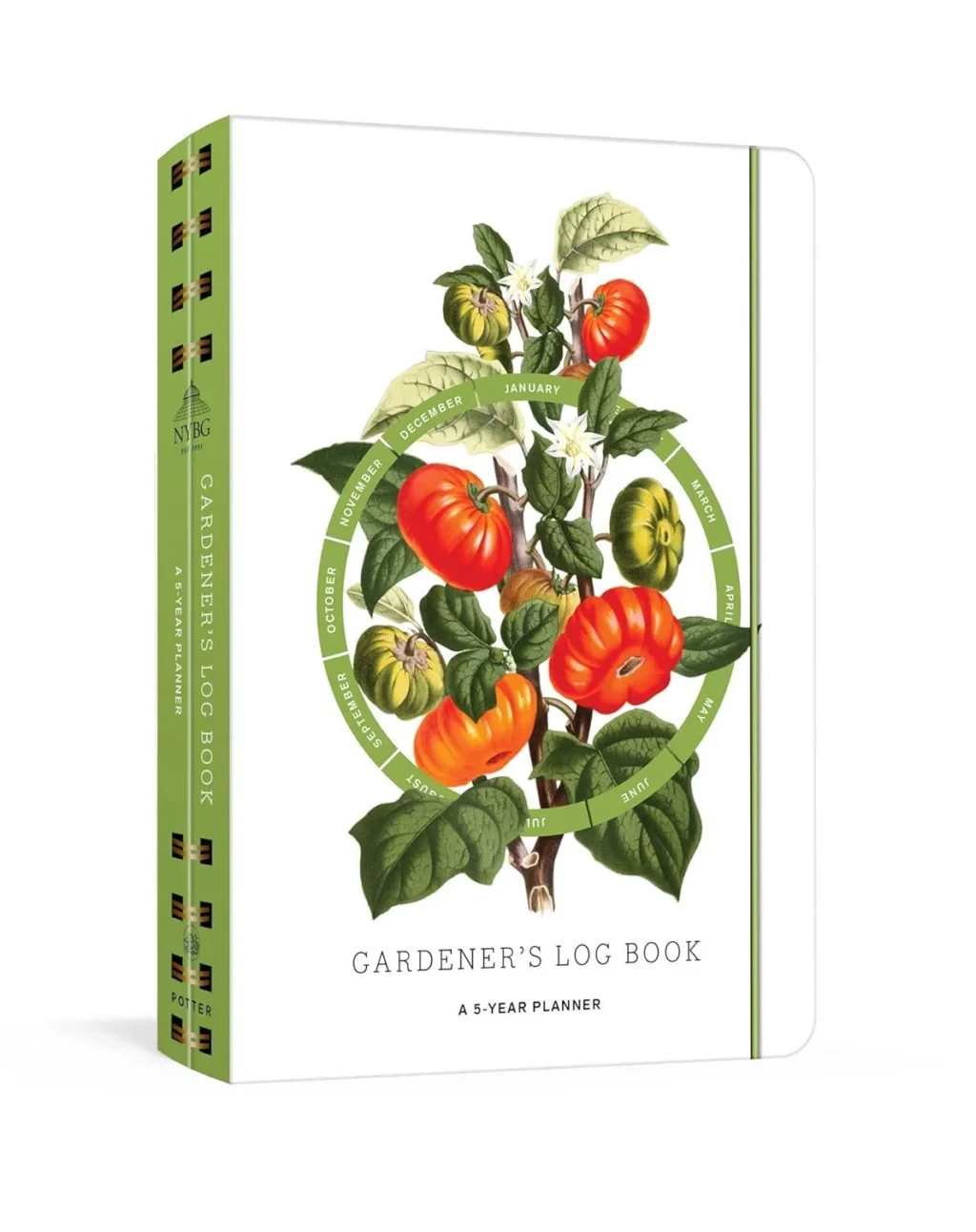
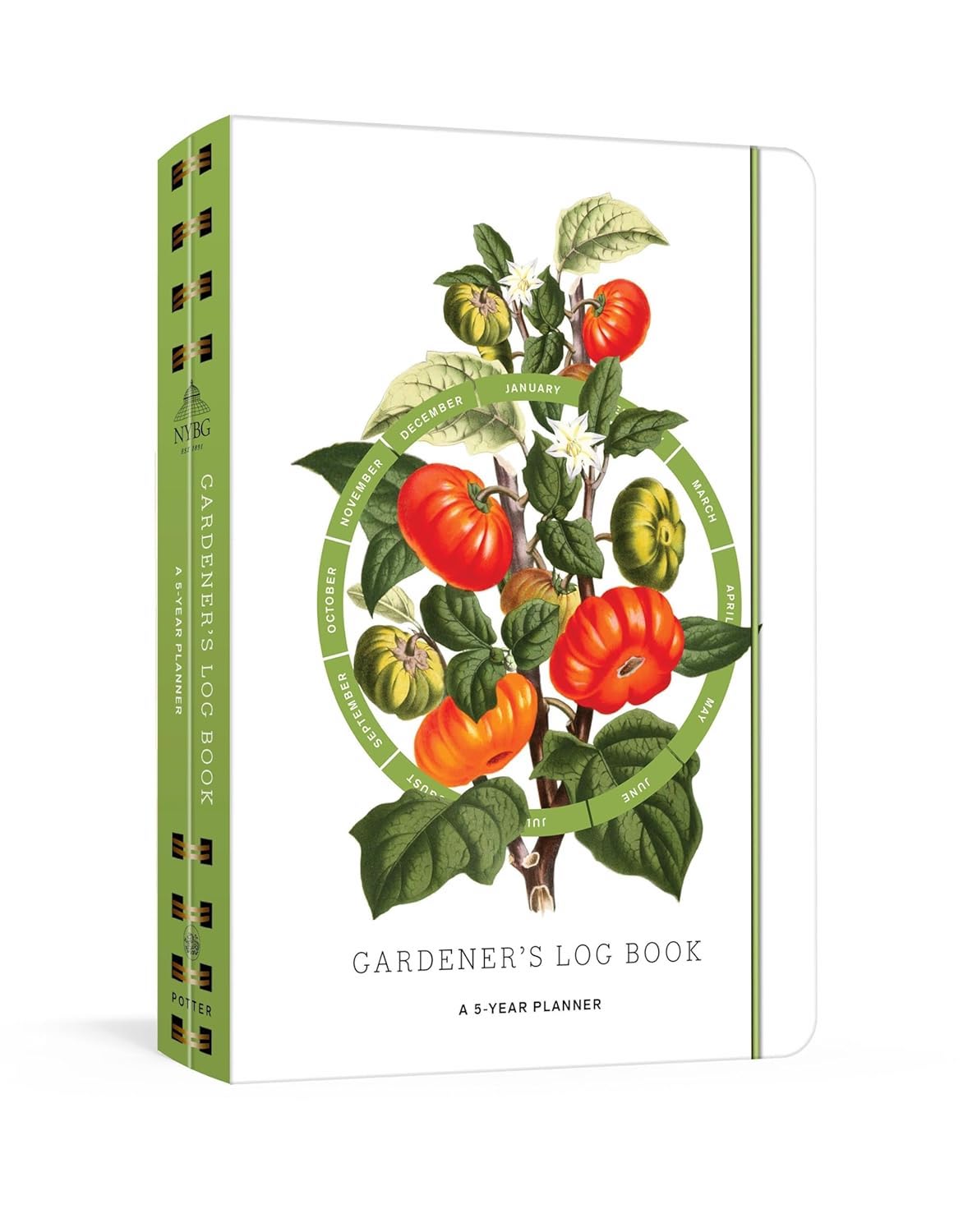
1. The Organized Gardener: NYBG Log Book
As Steffen emphasizes throughout his work, observation is key. A five-year log book, such as the one from the New York Botanical Garden, is an essential tool for tracking successes and failures. With its weatherproof cover and specialized grids for planting and bloom times, it allows gardeners to document soil amendments and pruning dates, providing a "paper trail" that makes future garden decisions much more accurate.
2. Functional Aesthetics: Veradek Corten Steel Planters
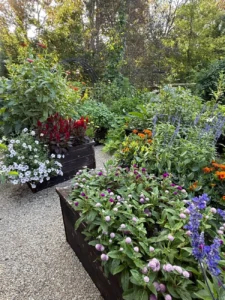
Hydrangeas, particularly some of the more compact or specialty varieties, can perform exceptionally well in containers. The Veradek Corten Steel Cube Planter offers a modern, durable solution for those looking to incorporate hydrangeas into patios or smaller urban spaces. Its ability to withstand extreme temperature fluctuations makes it a robust choice for protecting sensitive root systems.
3. Creating a Garden Sanctuary: SERWALL Dining Sets
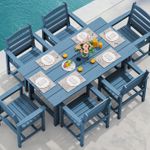
Gardening is ultimately about the experience of the space. As shrubs like hydrangeas reach maturity, they often provide the perfect backdrop for outdoor living. High-quality, low-maintenance outdoor furniture, such as the SERWALL 7-Piece Patio Dining Set, allows homeowners to fully inhabit their garden, turning a simple planting area into an outdoor room for relaxation and entertainment.
How to Attend
The "Favorite Hydrangeas and Best Care Tips" webinar is scheduled for September 18, 2026, at 10:00 a.m. EDT. Registration is open via the Fine Gardening portal. Participants are encouraged to register early to secure their spot, as the live format will allow for a unique interactive experience where attendees can gain insights directly from one of the Pacific Northwest’s most respected horticulturalists.
Whether you are struggling with a recalcitrant mophead that refuses to bloom or simply looking to expand your collection with unique, under-the-radar species, this webinar promises to be a definitive guide. By combining the botanical expertise of Richie Steffen with a commitment to long-term garden health, this session offers the perfect opportunity to turn your hydrangea frustrations into a thriving, colorful reality.
Register today to transform your approach to one of the garden’s most rewarding, yet complex, perennials.