The Micromort: Revolutionizing Our Understanding of Risk and Life’s Unseen Dangers
By Michael Greger M.D. FACLM
August 13, 2026
Last updated: August 13, 2026 – 3 min read
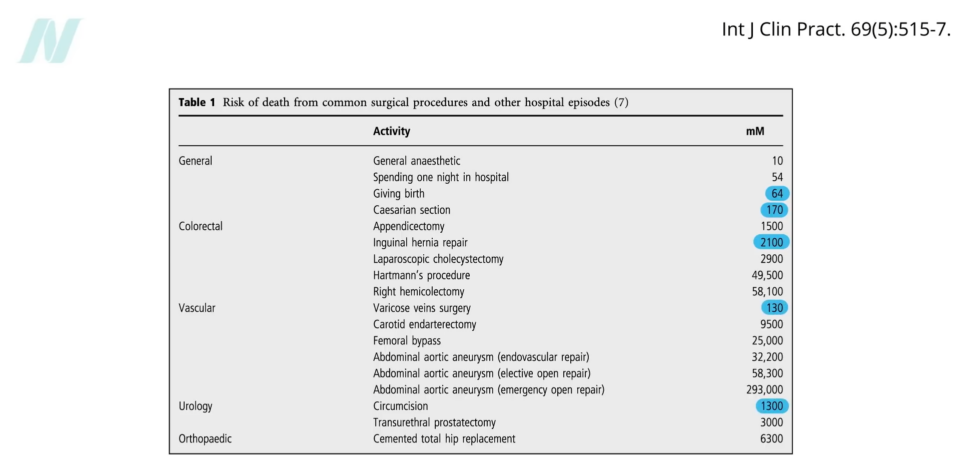
(Image: A graphic illustrating various activities and medical procedures with their corresponding micromort values, symbolizing the quantification of risk.)
In an era saturated with information, where data often overwhelms rather than clarifies, a novel unit of measurement is emerging as a powerful tool for discerning the true magnitude of life’s inherent risks. This innovation, known as the micromort, offers a standardized and intuitive way to compare the probability of death across an astonishing array of activities, from routine surgical procedures to extreme sports and even the simple act of daily living. Developed to bridge the persistent gap in public risk perception, the micromorts system translates complex statistical probabilities into a universally digestible metric: a one-in-a-million chance of dying. As medical professionals and public health advocates strive for greater transparency and informed decision-making, the micromort stands poised to transform how we confront, assess, and communicate the myriad dangers that shape our existence.
Main Facts: Demystifying Danger with a Unified Scale
The human mind often struggles with abstract numbers, especially when dealing with infinitesimally small probabilities. A "0.0005% chance of death" or a "1-in-200,000 risk" can feel remote, intangible, or, conversely, disproportionately terrifying. This cognitive hurdle frequently leads to significant misunderstandings, particularly in high-stakes environments like healthcare. The micromort (mM) directly addresses this challenge by providing a common currency for risk, grounding disparate dangers in a single, relatable framework.
The Genesis of the Micromort: Quantifying the Unseen
The concept of the micromort arose from a critical need to improve risk communication, especially between medical practitioners and their patients. When confronted with the inherent risks of surgery—often around half a percent or 5,000 micromorts—patients might dismissively remark, "I could die just as easily crossing the road." This common misconception starkly illustrates the profound disconnect in understanding magnitudes of risk. While crossing the road carries a certain degree of danger, its immediate probability of death pales in comparison to the complexities of a major operation. Even simply undergoing general anesthesia, for instance, carries approximately a 1-in-100,000 chance of not waking up – equivalent to 10 micromorts. To put this into perspective, this is roughly the same risk as an expert skydive. Yet, even such analogies can remain difficult to fully grasp, much like trying to visualize a rug measuring 0.0017 miles by 0.00227 miles. The brain craves more digestible, comparative units, and this is precisely where the micromort, with its elegant simplicity, steps in. It acts as a universal translator, allowing individuals to truly compare "apples to apples" when assessing the peril associated with vastly different life experiences.
Quantifying the Everyday and the Extraordinary
At its core, a micromort is a single unit representing a one-in-a-million probability of death. This incredibly small chance is akin to flipping a coin and getting tails 20 times consecutively, or slightly less than the odds of achieving a royal flush in poker. But its true power lies not in its individual definition, but in its comparative utility. Consider the seemingly innocuous act of driving: traveling 100 miles in a car generally equates to one micromort. This seemingly minor benchmark then serves as a powerful reference point. Scuba diving, for example, registers around five micromorts per dive, meaning each descent into the ocean’s depths carries a risk equivalent to driving 500 miles. Suddenly, the abstract concept of risk becomes tangible, allowing for direct, intuitive comparisons between a weekend road trip and an underwater adventure. This standardized metric extends across the spectrum of human activity, from mundane tasks to the most daring feats, providing an unprecedented clarity in risk assessment.
Chronology: A History of Risk Perception and Communication
Humanity’s relationship with risk is as old as civilization itself. From ancient divinations to medieval superstitions, and later to the advent of insurance tables in the Enlightenment, societies have always sought ways to understand and mitigate threats to life. Historically, risk communication was often anecdotal, steeped in folklore, or based on incomplete observations. The Black Death, for instance, instilled a profound, albeit unquantified, fear of contagion. The Industrial Revolution introduced new, large-scale occupational hazards, prompting early attempts at statistical analysis to understand workplace fatalities.

The 20th century saw the rise of actuarial science and epidemiology, leading to more rigorous, statistically-driven assessments of risk. Yet, even with sophisticated data, communicating these probabilities to the general public remained a significant challenge. Percentages, ratios, and complex statistical models, while accurate, often failed to resonate with individuals making personal decisions. The perceived risk of, say, flying in an airplane versus driving a car, often diverged wildly from the actual statistical probabilities, largely due to cognitive biases and media sensationalism.
The formalization of the micromort concept, gaining traction in the early 21st century, represents a significant evolution in this long history. It acknowledges that effective risk communication requires more than just presenting numbers; it demands a translation into a format that is intuitive, comparable, and personally meaningful. By providing a common "currency of death," the micromort allows for a more rational and less emotionally charged discourse around danger, moving beyond vague anxieties to concrete, actionable understanding. The publication of this article in August 2026 highlights the ongoing push within the scientific and medical communities to embed such clear communication tools into everyday practice, signifying a mature approach to public health and personal autonomy in risk management.
Supporting Data: Illuminating the Hidden Dangers
The true power of the micromort becomes evident when it is applied to a diverse range of scenarios, revealing startling comparative insights that challenge conventional perceptions of safety and danger.
Medical Procedures Under the Micromort Lens
The surgical suite, despite its sterile environment and advanced technology, is not without peril. While hundreds of millions of operations are performed globally each year, the typical risk of death hovers around 0.5 percent – a staggering 5,000 micromorts. This is a profound number that patients often fail to fully grasp. Consider the fundamental human experience of childbirth: it carries a risk equivalent to driving from New York to Los Angeles and back again, a journey of thousands of miles. Yet, undergoing a Caesarean section more than doubles this risk, underscoring the significant, though often necessary, increase in danger associated with surgical intervention during delivery.
Even seemingly minor procedures can carry surprising micromort values. A simple hernia repair, for instance, entails a risk of death comparable to skydiving 200 times. This comparison forces a re-evaluation of what constitutes "minor" surgery. While many interventions are life-saving or medically essential, the micromort framework also highlights situations where elective procedures might warrant careful reconsideration. The video, "Micromorts: How Risky Is It to Go Under Anesthesia?", specifically points out that deaths from varicose vein surgery or circumcision could potentially be avoided, emphasizing the gravity of choosing non-essential medical interventions when the risk, however small, is quantifiable.
Beyond surgery, cancer treatments, while vital, present some of the most profound risks. Receiving chemotherapy and radiation for head and neck cancer, for example, carries a cumulative risk that dwarfs many extreme activities. The micromort scale reveals this treatment regimen to be riskier than rock climbing for 500 years, driving 5 million miles, or skydiving 5,000 times. While these treatments are often a last resort against a deadly disease, understanding their statistical peril allows for a more comprehensive discussion about quality of life, palliative care, and the sheer bravery of those undergoing such intense therapies.
Everyday Life and Leisure Activities
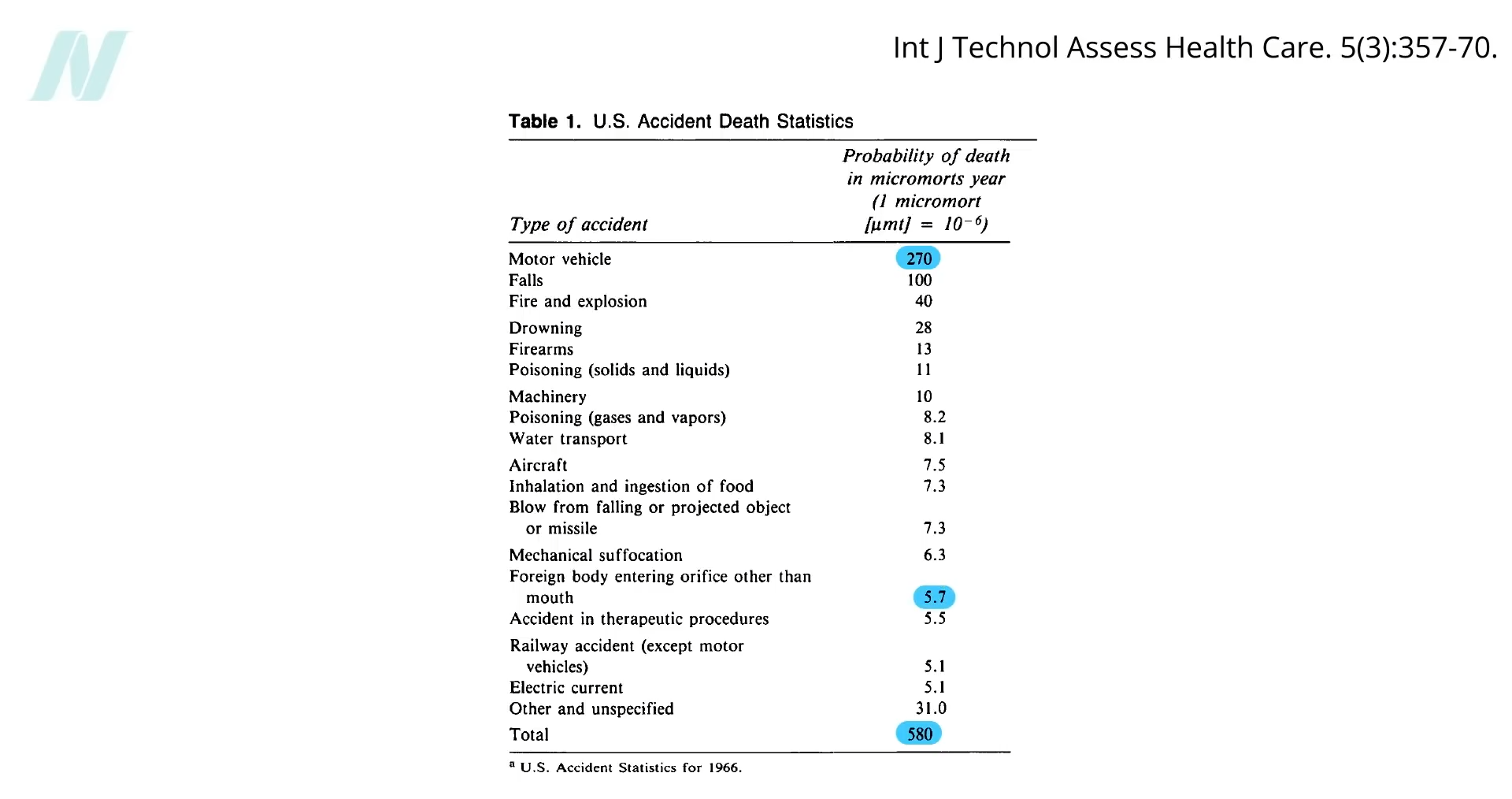
The micromort unit also sheds light on the omnipresent, yet often ignored, risks of daily life. On average, Americans face approximately a one-in-a-million chance of dying by accident every single day of their lives. Roughly half of this daily micromort is attributable to dying in a car crash, highlighting the pervasive danger of road travel. Yet, countless other hazards contribute to this baseline risk.
Leisure activities, too, reveal unexpected risk profiles. Many might assume rock climbing to be among the most dangerous recreational pursuits, yet horseback riding is surprisingly about four times deadlier. This counter-intuitive finding demonstrates how perceived danger can diverge from statistical reality, often influenced by media portrayal or personal experience. For those seeking true extremes, Mount Everest ascents are revealed to be about 30 times riskier than the historically perilous profession of coal mining or the adrenaline-fueled sport of base jumping, firmly placing it in the upper echelons of human-induced peril.
When it comes to transportation, the micromort offers further clarity. While trains and planes are remarkably equivalent in terms of risk over the same distance, the personal choice of transport drastically alters the risk profile. Riding a motorcycle is approximately 50 times deadlier than traveling in a car. Even cycling to a destination, often lauded for its health benefits, is about 10 times as deadly as driving in the near term, a sobering statistic for urban commuters. These comparisons don’t necessarily advocate against certain activities, but rather equip individuals with the data to make conscious choices.
Surprising and Niche Risks
The micromort’s granularity can also uncover truly unexpected, even morbid, statistics. Americans, for instance, have approximately a 1-in-200,000 chance each year of dying from a foreign body entering an orifice other than the mouth. This translates to roughly five micromorts annually from a cause most people would never even consider, underscoring the vast and unpredictable tapestry of human vulnerability.
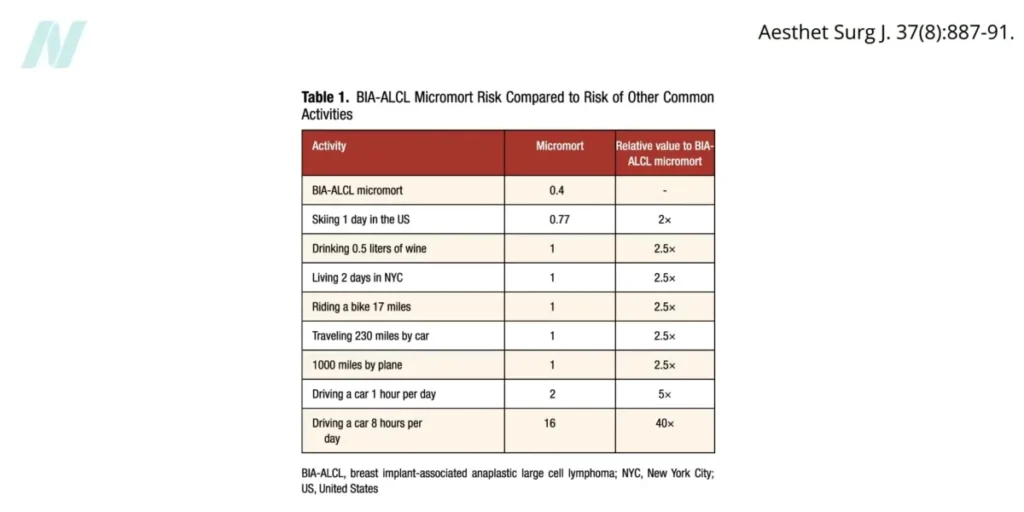
Perhaps one of the most reassuring applications of the micromort involves addressing specific anxieties around rare medical complications. Certain types of breast implants, for example, have been linked to a rare form of cancer known as breast implant-associated lymphoma. For the millions of women with implants, this can be a terrifying prospect. However, when viewed through the micromort lens, the risk of dying from this specific cancer is less than a single day of skiing. While the emotional impact of a cancer diagnosis is profound, this comparison provides crucial context, allowing individuals to weigh this specific, quantified risk against other common, accepted activities, potentially alleviating disproportionate fear. Some might even argue that a quick death on the slopes is preferable to the prolonged suffering and financial burden of cancer, but the micromort at least offers a rational basis for comparison.
Official Responses: Bridging the Communication Gap in Healthcare
The medical community is increasingly recognizing the imperative for clearer, more effective patient communication, and the micromort offers a promising avenue for this. Traditional methods often leave patients feeling overwhelmed, uninformed, or misinformed about their true risks. The adoption of micromorts could revolutionize patient consultations, allowing doctors to present complex probabilities in a way that is easily understood and comparable to experiences patients already recognize.
For instance, instead of stating a 0.5% surgical mortality rate, a surgeon could explain that the procedure carries a risk of 5,000 micromorts, equivalent to driving 500,000 miles or undergoing 500 expert skydives. Such vivid comparisons enable patients to make more informed decisions about elective surgeries, understanding the trade-offs involved. However, integrating micromorts into clinical practice also presents challenges. Physicians must be trained to use this metric effectively, ensuring it empowers rather than frightens patients. The goal is to facilitate shared decision-making, where patients and providers collaboratively weigh the benefits of treatment against quantifiable risks.
The "Doctor’s Note" appended to the original article carries significant weight, highlighting a crucial, often uncomfortable truth: medical interventions themselves are a leading cause of death. The reference to videos like "Why Prevention Is Worth a Ton of Cure" and "How Doctors Responded to Being Named a Leading Killer" underscores an ongoing, critical self-reflection within the medical profession. This candid acknowledgement suggests a growing commitment to transparency and patient safety. By embracing tools like the micromort, the medical field can demonstrate a proactive approach to risk communication, fostering greater trust and empowering individuals to take a more active role in managing their own health and understanding the risks, both inherent and iatrogenic, that they might face. This move towards greater clarity is not just about numbers; it’s about ethical responsibility and patient autonomy.
Implications: Empowering Informed Decisions
The widespread adoption of the micromort concept carries profound implications for individuals, healthcare systems, and public policy, fostering a new era of risk literacy.
For Patients: Empowerment Through Understanding
For the individual, the micromort offers an unparalleled level of empowerment. No longer will patients be left to grapple with abstract percentages or vague assurances. Instead, they can engage in more meaningful dialogues with their healthcare providers, armed with a clear, comparative understanding of potential dangers. This shift facilitates genuine shared decision-making, allowing individuals to align medical choices with their personal values and risk tolerance. Whether it’s weighing the benefits of an elective surgery against its quantified risk or understanding the true, statistical likelihood of a rare side effect, micromorts can alleviate anxiety by contextualizing fears within a broader, more rational framework. For instance, knowing that the risk of breast implant-associated lymphoma is statistically less than a day of skiing can significantly reduce undue panic surrounding a rare but frightening diagnosis, allowing patients to focus on appropriate action rather than disproportionate fear.
For Policy Makers and Public Health: Standardized Risk Assessment
At a societal level, the micromort can serve as a powerful tool for policy makers and public health officials. It provides a standardized metric for evaluating the effectiveness of public safety campaigns, assessing environmental hazards, and allocating resources based on quantifiable risk reduction. Imagine public health messages that don’t just warn of dangers but quantify them in terms of micromorts, allowing citizens to make more informed choices about everything from vaccination to lifestyle habits. This common language of risk can lead to more coherent public health strategies and foster a more rational public discourse around health and safety regulations. It allows for evidence-based prioritization, ensuring that efforts are directed towards mitigating the most significant, yet perhaps underappreciated, risks.
The Broader Philosophical Impact: Life, Death, and Choice
Beyond the practical applications, the micromort invites a deeper philosophical reflection on life, death, and human choice. In a world where absolute safety is an illusion, understanding the precise odds of various outcomes can fundamentally alter our perception of everyday existence. It highlights the inherent trade-offs in almost every decision, from commuting to work to pursuing hobbies. This quantification can be liberating for some, allowing them to embrace calculated risks with greater peace of mind, knowing they’ve made an informed choice. For others, it might reveal previously unrecognized dangers, prompting adjustments in behavior. Ultimately, the micromort encourages a more analytical and less emotional approach to risk, fostering a greater sense of agency in navigating the complex tapestry of life’s perils and pleasures. It underscores the continuous balance between living life to the fullest and exercising prudence, all grounded in a clearer understanding of the probabilities involved.
Conclusion: The Future of Risk Literacy
The micromort is more than just a statistical curiosity; it is a revolutionary step forward in risk communication. By translating the abstract into the tangible, it empowers individuals to make more informed decisions about their health, their safety, and their lives. As our world becomes increasingly complex, with new technologies and unforeseen challenges constantly emerging, the ability to clearly understand and compare risks will become ever more vital. The wider adoption of the micromort, coupled with comprehensive public education, promises to usher in an era of enhanced risk literacy, transforming the way we perceive danger and enabling us to navigate the uncertainties of existence with greater clarity, confidence, and control. This simple unit has the potential to profoundly reshape our relationship with risk, fostering a society that is not fearless, but fear-informed.