The Art of Efficiency: Mastering the Sheet Pan Teriyaki Chicken Meal Prep
In the modern landscape of high-performance living, the intersection of nutrition, time management, and culinary satisfaction has become a focal point for busy professionals and fitness enthusiasts alike. The "Sheet Pan Teriyaki Chicken and Vegetables" recipe represents more than just a quick dinner; it is a masterclass in meal prep architecture. By leveraging the versatility of the sheet pan, this dish provides a blueprint for consistent, high-protein eating that eliminates the daily stress of decision fatigue.
Main Facts: The Anatomy of a Perfect Meal Prep
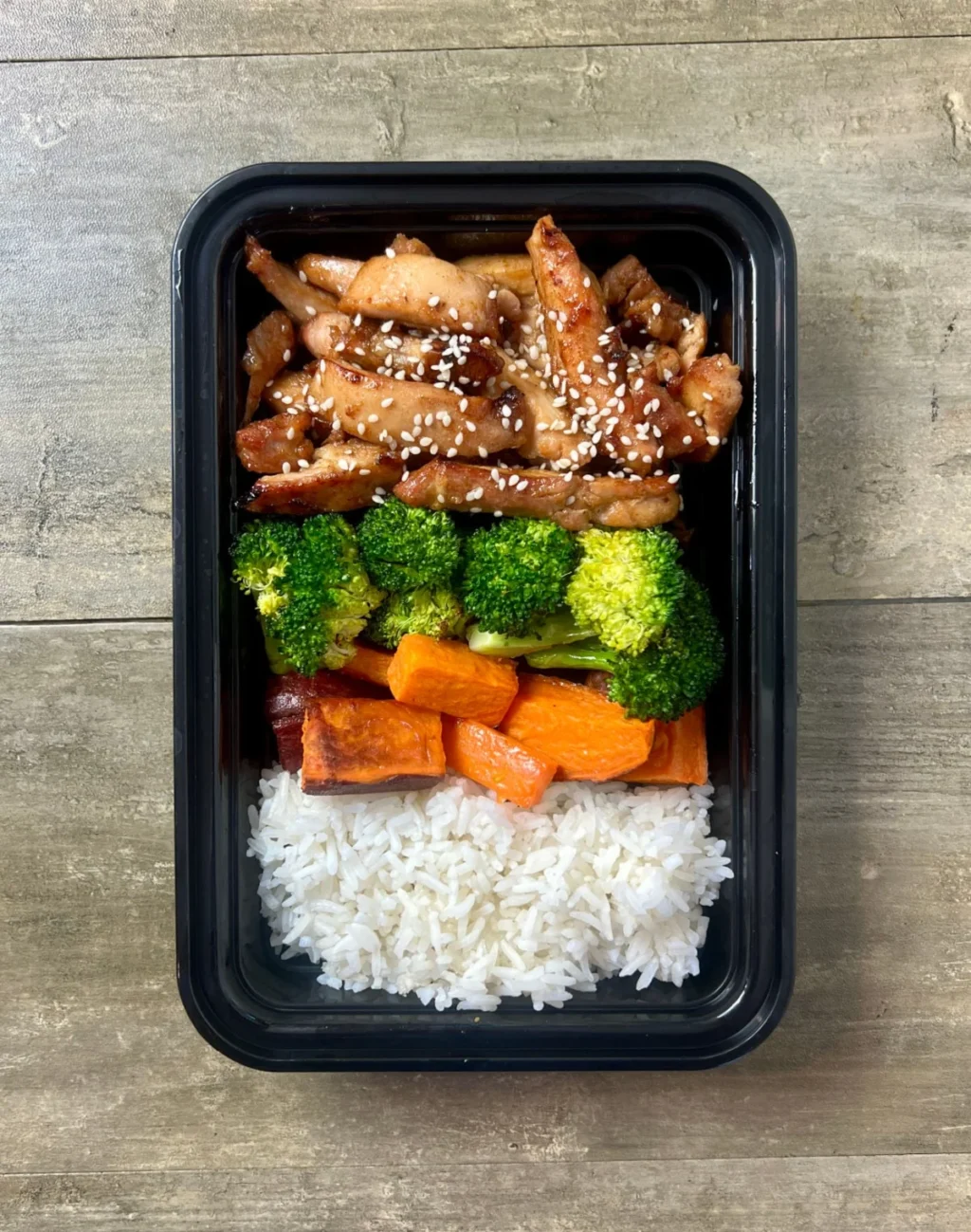
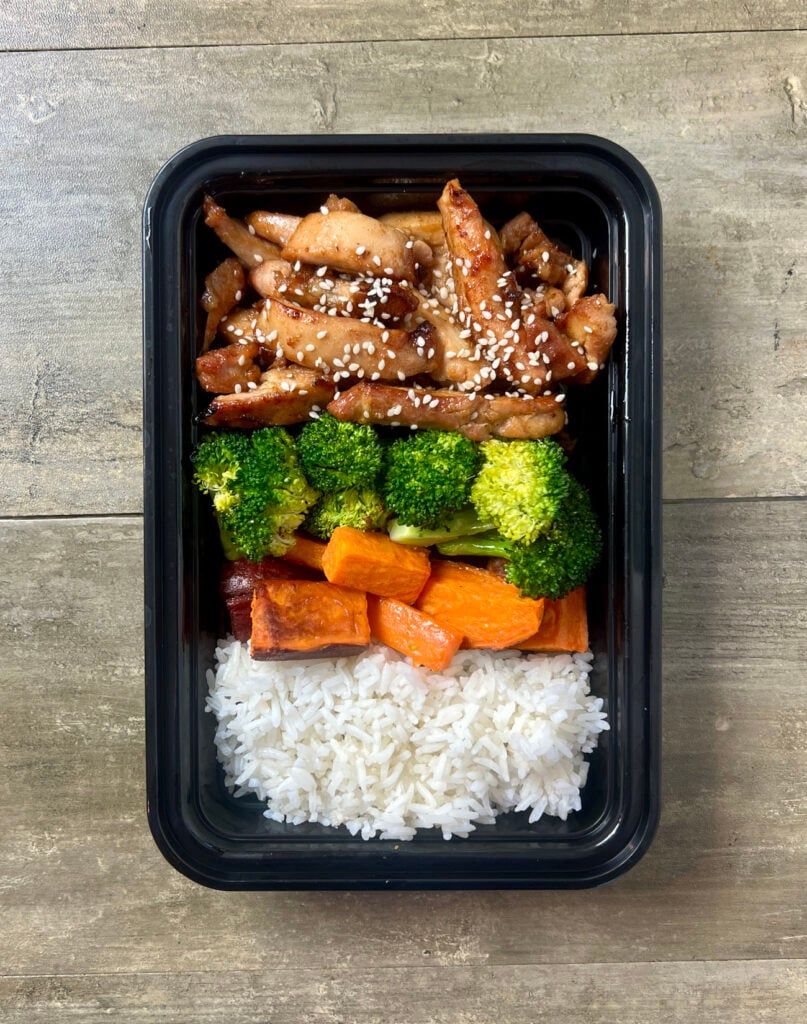
The Sheet Pan Teriyaki Chicken is designed for the individual who demands quality without sacrificing their schedule. At its core, the recipe is a balanced combination of oven-baked and broiled chicken thighs, nutrient-dense roasted sweet potatoes, crisp broccoli, and a foundation of steamed rice.
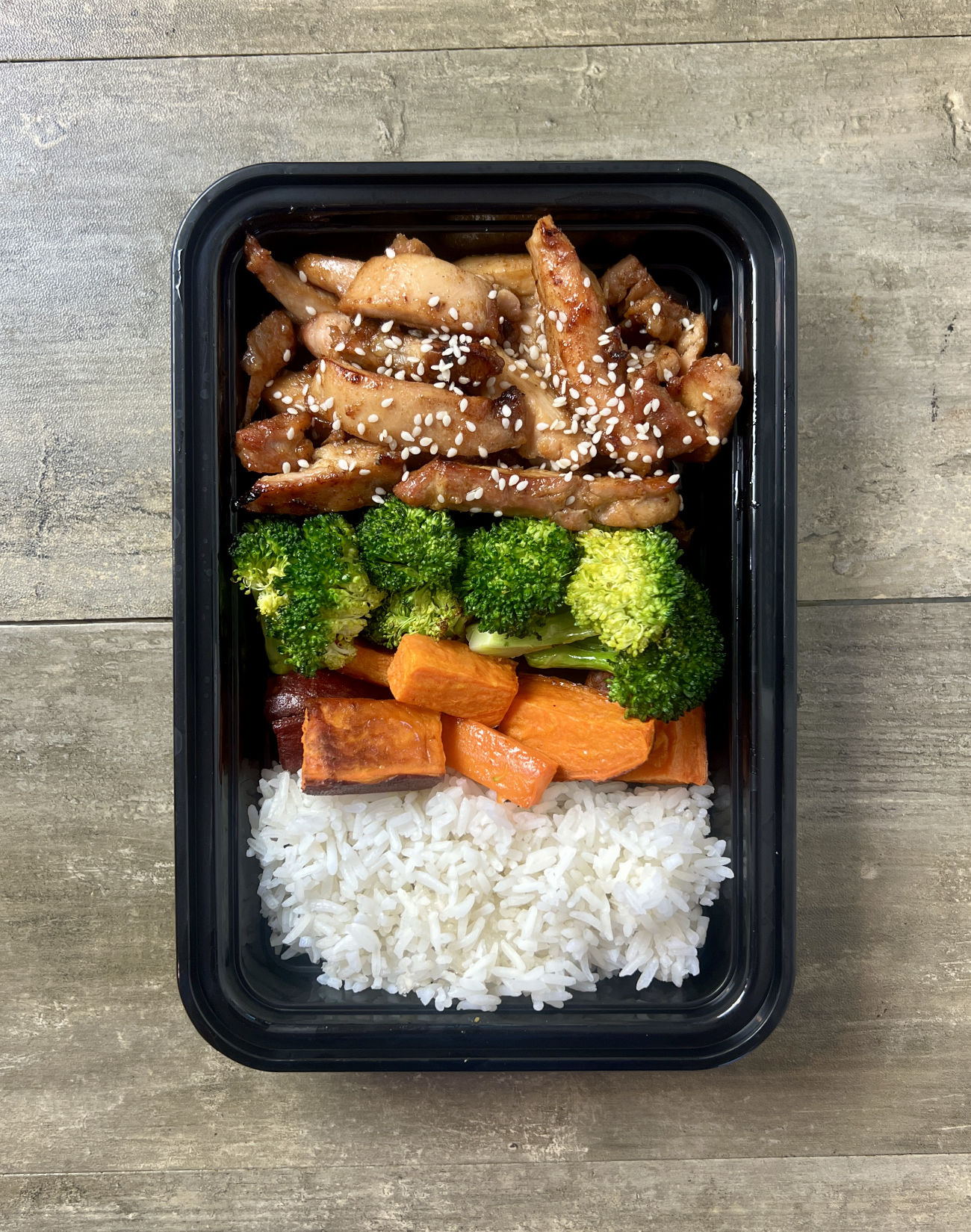
Designed to yield five distinct servings, the dish is engineered to be prepared in a single, efficient session. Each serving clocks in at approximately 550 calories, meticulously balanced to support muscle recovery and sustained energy levels. The macronutrient profile is particularly impressive: 62g of carbohydrates for glycogen replenishment, 44g of high-quality protein for muscle repair, and a modest 14g of healthy fats. By utilizing the sheet pan method, the cook ensures that the flavors of the teriyaki glaze caramelize deeply under the broiler, creating a professional-grade finish that holds up exceptionally well throughout a five-day work week.
Chronology: The Execution of the Meal Prep Workflow
The secret to this recipe’s success lies in its disciplined workflow. To achieve a total preparation time of one hour—including 20 minutes of active prep and 40 minutes of hands-off cook time—the process must be executed with precision.
Phase 1: The Foundation (Rice and Prep)
The process begins with the rice. Whether utilizing a dedicated rice cooker or a stovetop method, this is the first task to initiate, as it provides the neutral canvas upon which the savory teriyaki elements will rest. While the rice cooks, the chicken thighs are trimmed and patted dry. Simultaneously, the sweet potatoes are cubed to a uniform size to ensure even cooking, and the broccoli is cut into florets.
Phase 2: The Marinade and Roast
The teriyaki sauce serves as the binding agent for the entire dish. By coating the chicken and vegetables before they hit the heat, the sugars in the glaze begin to interact with the proteins and starches. The oven is preheated to a temperature conducive to roasting—typically around 400°F (200°C). The vegetables are arranged on the sheet pan, followed by the chicken, and the entire tray is introduced to the heat.

Phase 3: The Broil and Finish
The final ten minutes of the cook time are critical. By switching the oven to the "broil" setting, the cook forces a Maillard reaction on the surface of the chicken. This creates that characteristic dark, sticky, and slightly charred teriyaki finish that separates a mediocre meal prep from a culinary triumph. Once the chicken reaches a safe internal temperature and the vegetables are tender-crisp, the assembly phase begins.
Supporting Data: Why This Nutritional Profile Works
Nutritionists and performance coaches often emphasize the importance of "macronutrient density." The data behind this specific recipe aligns perfectly with the needs of the active individual.

- Protein Efficiency: With 44g of protein per serving, the dish is an excellent post-workout meal. Chicken thighs provide a slightly higher fat content than breasts, which helps maintain moisture during the reheating process—a common failure point in standard meal prep.
- Complex Carbohydrates: Sweet potatoes are a superior source of fiber and vitamin A compared to simple refined starches. The 62g of carbohydrates provided here ensures that the consumer avoids the "mid-afternoon slump" often associated with lower-quality lunches.
- Fiber Content: With nearly 5g of fiber per serving, this meal promotes satiety and gut health, ensuring that the consumer feels full long after the meal is finished.
The consistency of this caloric intake allows individuals to track their nutrition with high accuracy, removing the guesswork that often leads to over-eating or accidental nutritional deficits.
Official Responses and Culinary Best Practices
Culinary experts and meal prep advocates have consistently championed the "sheet pan" philosophy for its reduction in cleanup time and its ability to concentrate flavors through dry heat. Unlike boiled or steamed chicken, which can lose structural integrity after three days in the refrigerator, the roasted method keeps the meat robust and flavorful.

The "Meal Prep Manual" philosophy, which birthed this recipe, focuses on the concept of "reheat-ability." The inclusion of a robust teriyaki glaze acts as a preservative for the texture of the chicken. When sealed in airtight containers, the moisture from the sauce prevents the chicken from drying out during the microwave or oven-reheating process. This, combined with the structural density of the roasted sweet potatoes, makes for a meal that tastes almost as fresh on Friday as it did on Monday.
Implications: The Psychological Benefit of Structured Eating
The implications of adopting a "Sheet Pan Teriyaki" workflow extend far beyond the kitchen. The psychological relief of having five pre-portioned, nutritionally balanced meals ready in the refrigerator cannot be overstated.

The Reduction of Cognitive Load
Decision fatigue is a silent productivity killer. By removing the need to choose lunch during a busy workday, the individual preserves cognitive energy for professional tasks. The "Sheet Pan Teriyaki" serves as an automated decision—it is healthy, it is pre-portioned, and it is ready to consume.
Financial and Environmental Impact
From a financial perspective, batch-cooking chicken thighs and seasonal vegetables is significantly more cost-effective than purchasing prepared lunches or utilizing delivery services. Furthermore, by portioning the meals into reusable containers, the cook significantly reduces their dependence on single-use plastics associated with takeout, aligning their dietary habits with sustainable lifestyle choices.

Long-term Dietary Adherence
Perhaps the most significant implication is the sustainability of the diet. Many individuals fail to maintain healthy eating habits because they perceive "healthy" food as bland or overly difficult to prepare. By incorporating a flavor-forward, high-reward profile like Teriyaki, the "Sheet Pan" method bridges the gap between hedonistic enjoyment and biological necessity. It turns the chore of meal prep into a rewarding, systematic ritual.
Conclusion: Elevating the Daily Routine
The Sheet Pan Teriyaki Chicken is more than a recipe; it is a tool for professional and personal optimization. Through the careful selection of ingredients—protein-rich thighs, fiber-dense sweet potatoes, and essential micronutrients from broccoli—it creates a meal that satisfies the palate while fueling the body. By dedicating one hour of the weekend to this process, the user effectively "outsources" their weekday nutritional requirements, ensuring that their performance, health, and budget remain on track. In an era of infinite distractions, the simplicity of the sheet pan stands as a beacon of efficiency, proving that when it comes to nutrition, the best approach is often the most organized one.