The Evolution of Convenience: How Tempo Meals is Redefining the “TV Dinner” Experience

For years, the phrase "prepared meal delivery" conjured images of the late-night television diet plans of the 1990s—cardboard-textured proteins, rubbery vegetables, and a distinct lack of culinary soul. For the modern consumer, whose life is increasingly dictated by the frantic pace of professional obligations and wellness goals, these legacy options were insufficient. Enter Tempo Meals, a spin-off brand from the established meal kit giant Home Chef. After testing dozens of meal kits in the industry, the emergence of Tempo represents a significant departure from the frozen, uninspired fare of the past, offering a sophisticated, tech-forward approach to high-protein, "heat-and-eat" nutrition.
Main Facts: The Intersection of Nutrition and Technology
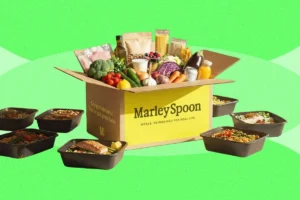
Tempo Meals operates on a premise that bridges the gap between the DIY nature of traditional meal kits and the total convenience of restaurant-prepared food. Unlike the frozen meals found in the aisles of a supermarket, Tempo meals have never been frozen. This distinction is made possible by sophisticated packaging technology that maintains the integrity of the food from the commissary kitchen to the consumer’s doorstep.
By utilizing high-quality ingredients—such as sous-vide chicken and beef barbacoa—the service manages to retain moisture and tenderness that is often lost in industrial food processing. The green beans, for instance, arrive with a characteristic snap and vibrant color, challenging the common misconception that pre-cooked meals must be mushy or over-processed.
The service is strategically positioned for the health-conscious consumer. Many of the meal plans are developed in consultation with dietitians, specifically catering to those on high-protein or GLP-1 (glucagon-like peptide-1) dietary protocols. This focus addresses a critical concern in modern dieting: the prevention of muscle mass loss during calorie-restricted regimens or the natural physiological shifts that occur in midlife.
A Chronology of the Meal Kit Transformation
The journey toward the current iteration of Tempo Meals began with the broader evolution of the Home Chef brand. Initially, Home Chef established its dominance by providing pre-portioned ingredients that required the consumer to perform the actual cooking. However, market research revealed a growing "convenience fatigue." Consumers loved the quality of Home Chef but were often too exhausted to spend 45 minutes at the stove after a long workday.
- Phase 1: The Meal Kit Era: Home Chef and its competitors revolutionized home dining by teaching home cooks the basics of mise-en-place, but the time barrier remained.
- Phase 2: The Shift to Preparedness: Recognizing that many customers were opting for takeout over meal kits, the company invested in commissary infrastructure. The goal was to provide "chef-crafted" meals that required only reheating.
- Phase 3: The Tech-Forward Pivot: The integration of advanced packaging allowed Tempo to bypass the freezer. This phase prioritized freshness, utilizing shelf-life extension technology that avoids the heavy use of preservatives.
- Phase 4: The Wellness Integration: Most recently, Tempo shifted its focus toward the "functional nutrition" market, specifically targeting the surge in interest surrounding protein-rich diets and the medical community’s focus on metabolic health.
Supporting Data: Costs, Savings, and Nutritional Strategy
In an inflationary environment, the economics of meal delivery are a primary concern for households. Tempo Meals generally retails between $11 and $13 per serving. While this sits at a premium compared to traditional grocery shopping, it competes favorably with the average cost of a restaurant delivery order or a casual dining experience.
The Anatomy of a Discount
To lower the barrier to entry, Tempo utilizes a tiered discount strategy:
- Introductory Offers: New users frequently have access to promotional codes offering 30% to 60% off the first box, with cascading discounts throughout the initial month.
- Lifetime Incentives: The company currently offers "lifetime free breakfast" items to new subscribers as an enticement to build long-term brand loyalty.
- The "Heroes" Program: Perhaps the most significant economic differentiator is the Heroes Discount. By verifying status through the ID.Me system, military personnel, first responders, teachers, and healthcare workers gain access to a 50% discount on initial orders and a permanent 10% discount for the life of their subscription.
Nutritional Benchmarks
The meal design is predicated on high protein content. For individuals using GLP-1 medications—which can sometimes lead to unintended muscle wasting—the dietetic consultation behind these meals ensures that protein intake remains high enough to preserve lean body mass. When reheated—particularly in an air fryer, which restores a degree of texture—these meals achieve a nutritional profile and sensory experience that, while not identical to a freshly prepared restaurant meal, is significantly closer than previous generations of pre-packaged food.
Official Responses and Strategic Vision
When asked about the future of the brand, representatives for Tempo emphasize that the "heat-and-eat" category is no longer a secondary market. It is becoming the primary choice for working professionals.
"We aren’t just selling calories; we are selling time," says a company spokesperson. "The challenge has always been the trade-off between health and time. By moving away from frozen logistics, we are able to provide a product that doesn’t feel like a compromise. Our collaboration with dietitians is the backbone of this strategy. We want our users to feel as good after the meal as they do during it."
The company’s focus on the "Heroes" demographic also highlights a strategic commitment to essential workers who lack the time for traditional meal prep. By removing the friction of cooking while maintaining high protein standards, Tempo is positioning itself as a utility for the busy professional rather than a luxury item.
Implications for the Future of Home Dining
The success of Tempo Meals carries several implications for the broader food industry.
The Decline of the "Frozen" Stigma
For decades, the "TV dinner" was the bottom rung of the culinary ladder. Tempo’s success proves that consumers are willing to pay for high-quality, pre-cooked food if the freshness is preserved. This forces traditional retailers to rethink their frozen sections and pushes competitors to invest in better packaging technology.
The Rise of Functional Nutrition
The alignment of meal delivery with GLP-1 medications and midlife health represents a shift in the industry toward medicalized food. We are moving toward a future where meal delivery services may be prescribed or recommended by physicians as a way to ensure patients meet specific macronutrient requirements without the cognitive load of tracking their own nutrition.
The "Air Fryer" Effect
The ubiquity of the air fryer in modern kitchens has changed how we consume convenience food. Tempo meals are specifically designed to respond well to this technology, proving that product development is now inextricably linked to the kitchen appliances the consumer already owns.
Sustainability and Waste
One of the hidden benefits of this model is the reduction in food waste. Because Tempo portions are precise and the packaging is optimized, there is zero waste in the kitchen. Unlike buying ingredients for a recipe that might go bad, the Tempo model ensures that every calorie purchased is a calorie consumed.
Conclusion: A New Standard for Convenience
While purists will always argue that home-cooked meals from scratch are superior, the reality of the modern workforce necessitates a compromise. Tempo Meals has successfully navigated this compromise by leaning into professional culinary standards, rigorous nutritional planning, and advanced logistical technology.
For those skeptical of the "meal kit" experience or wary of the frozen dinners of the past, Tempo serves as a compelling rebuttal. It offers a bridge between the convenience of delivery and the health benefits of home cooking. With robust discount programs for the general public and a permanent, deeply discounted path for the nation’s essential workers, Tempo is poised to capture a significant share of the market, turning the "TV dinner" into a tool for sustainable, healthy living. Whether you are a busy professional, a healthcare worker on the front lines, or someone simply looking to simplify your nutritional intake, the evolution of the prepared meal has officially arrived at your doorstep.