From Spit to Sheet Pan: How Culinary Developers are Reengineering Global Street Food for the Budget-Conscious Home Kitchen
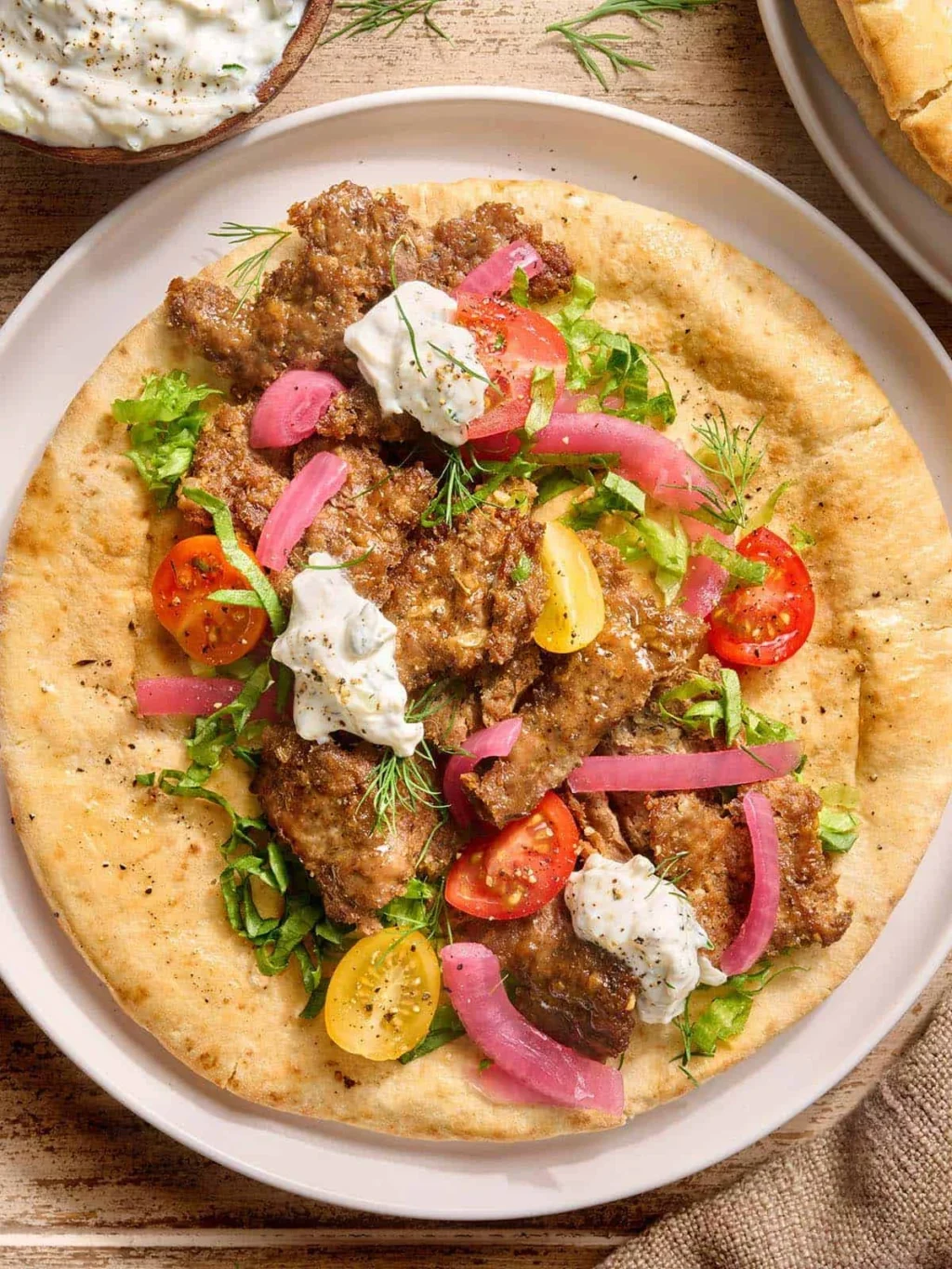
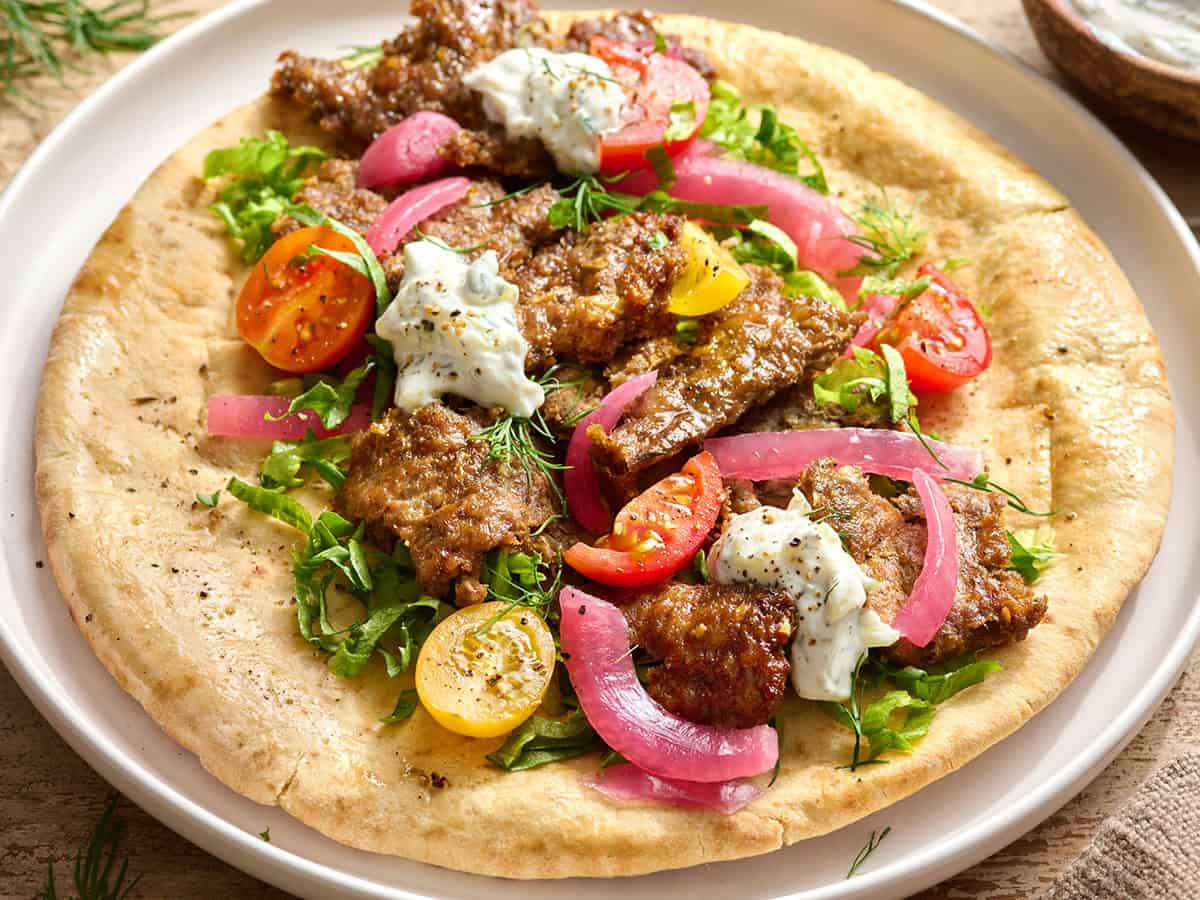
NASHVILLE, TN — As restaurant prices continue to climb, home cooks and culinary developers are turning to innovative techniques to replicate high-flavor, complex restaurant dishes at home. The latest culinary innovation to capture the public’s attention is the "Sheet Pan Doner Kebab"—a home-friendly adaptation of the classic Turkish-German street food that bypasses the need for a vertical rotisserie spit.
Developed and refined in the Nashville Test Kitchen of the budget-focused culinary platform Budget Bytes, the recipe represents a growing intersection of food science, viral social media trends, and aggressive kitchen economics. By utilizing a unique rolling and folding technique, culinary developers have managed to replicate the thin, crispy, and deeply spiced characteristics of traditional spit-shaved meat using standard domestic ovens and affordable ingredients.
1. Main Facts: Deconstructing the Sheet Pan Doner Kebab
Traditional döner kebab—a culinary staple originating in the Ottoman Empire and popularized globally via West Berlin in the 1970s—relies on stacked seasoned meat slow-roasted on a vertical, rotating spit. As the outer layers cook, they are shaved off in paper-thin ribbons, offering a distinct contrast between juicy, seasoned meat and caramelized, crispy edges.
Replicating this texture at home has historically been a challenge for domestic cooks lacking specialized commercial equipment. The sheet pan method solves this structural obstacle through a multi-step preparation process:
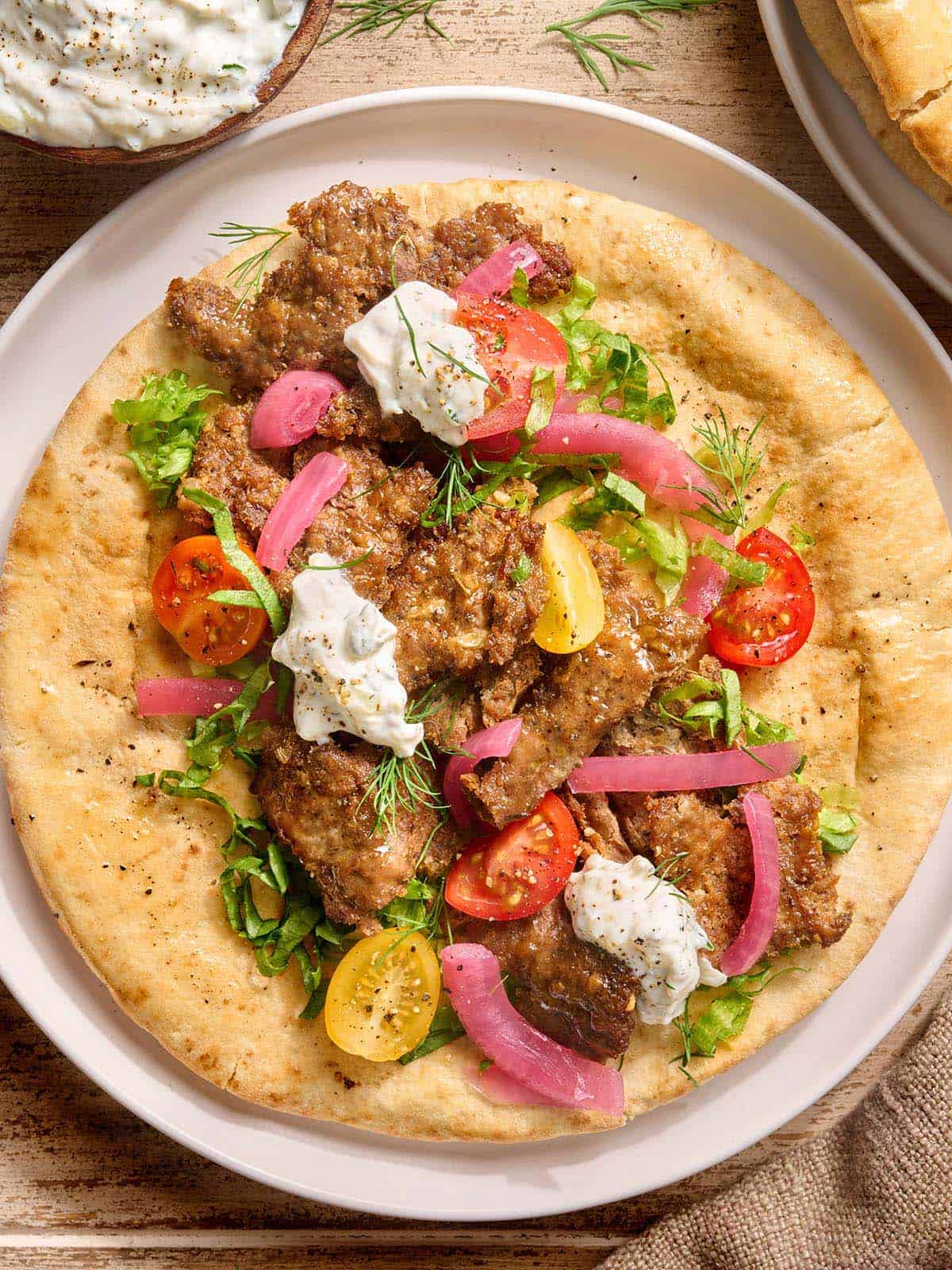
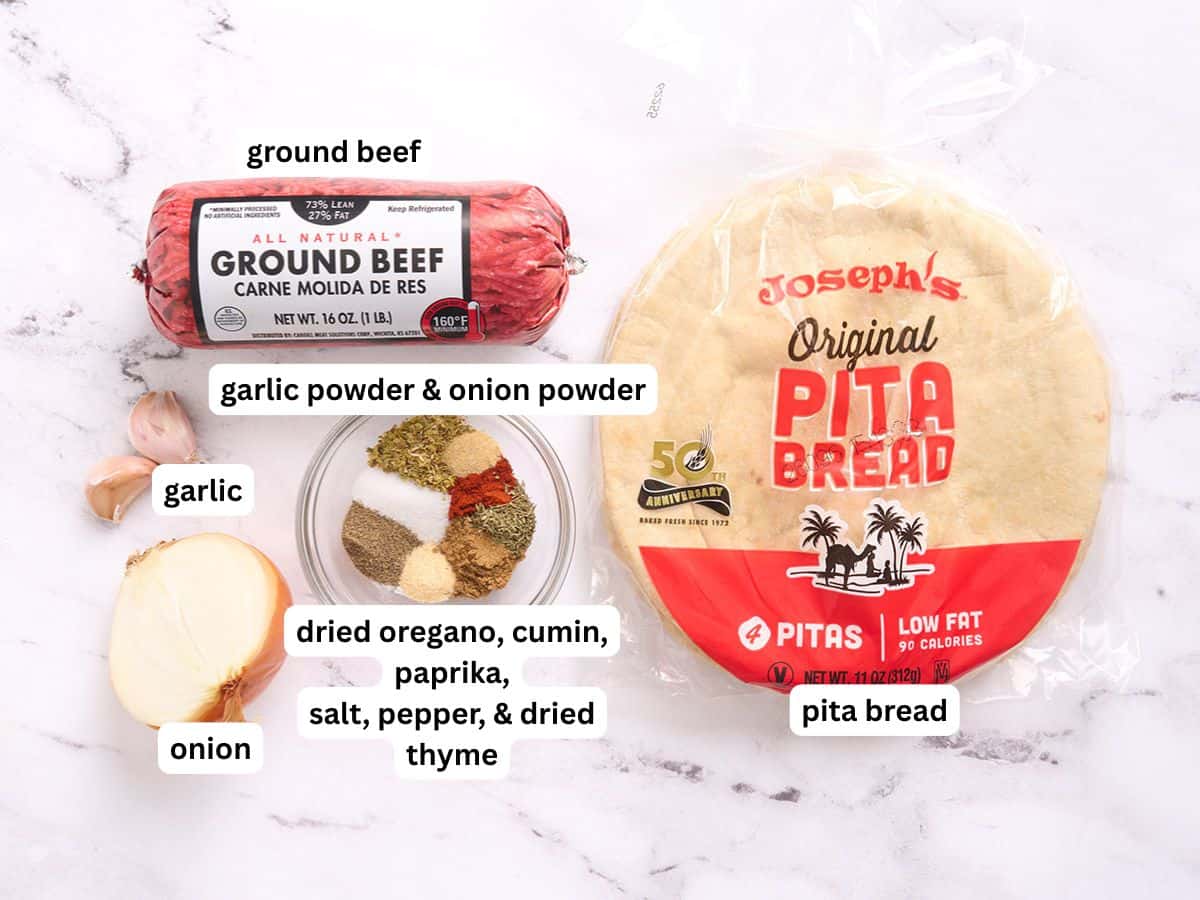
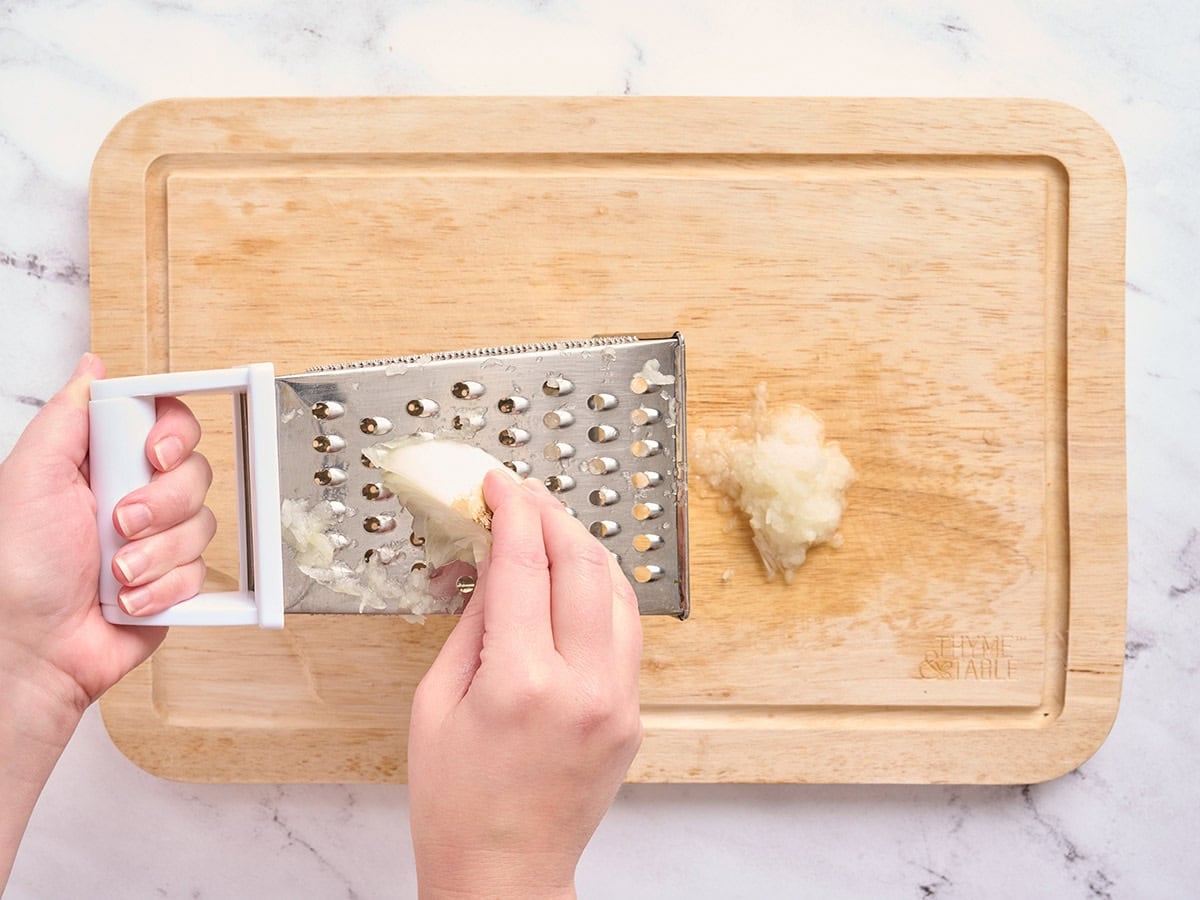
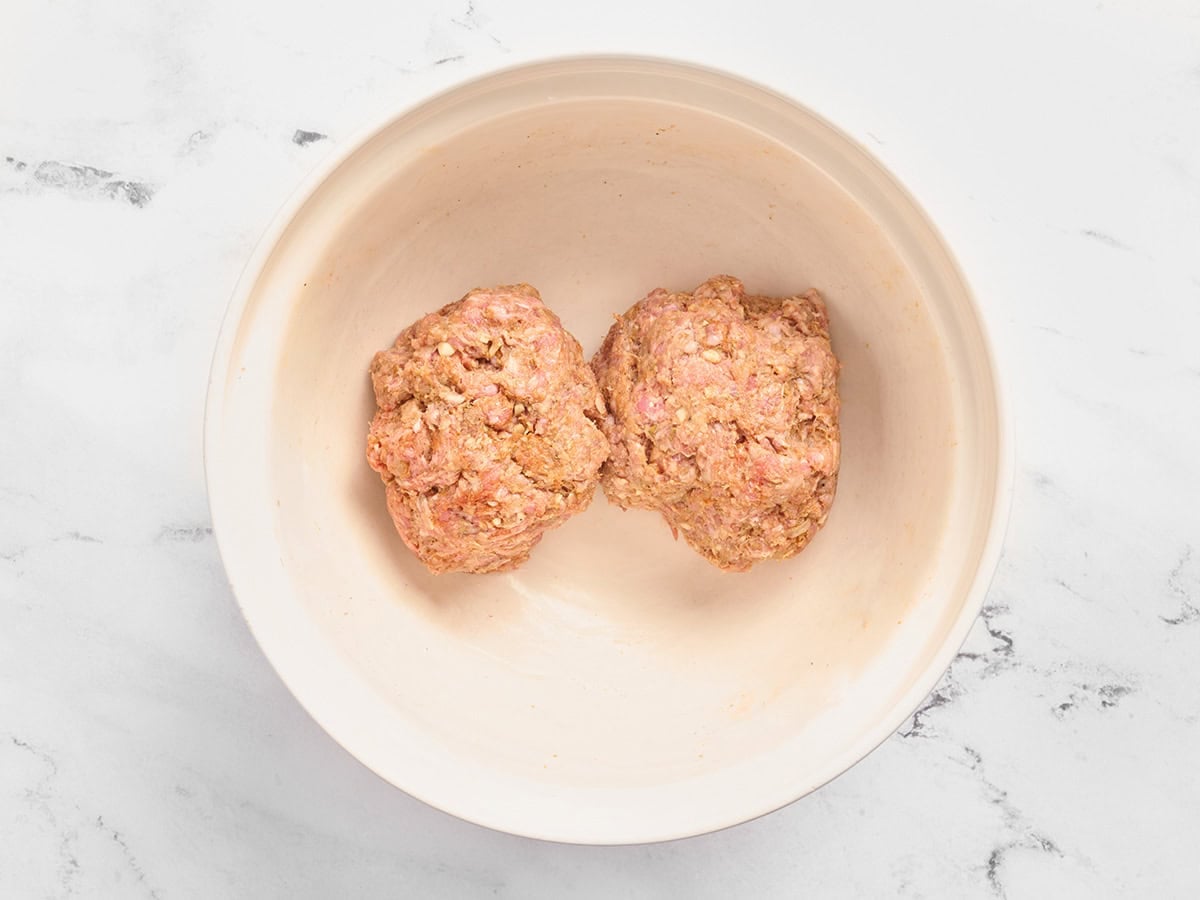
- The Emulsified Meat Mixture: Rather than loose ground meat, the recipe utilizes a finely blended mixture of ground beef, grated onion, minced garlic, and dried pantry spices. The grating of the onion is critical; it releases juices that bind with the meat’s proteins, creating a tacky, cohesive paste.
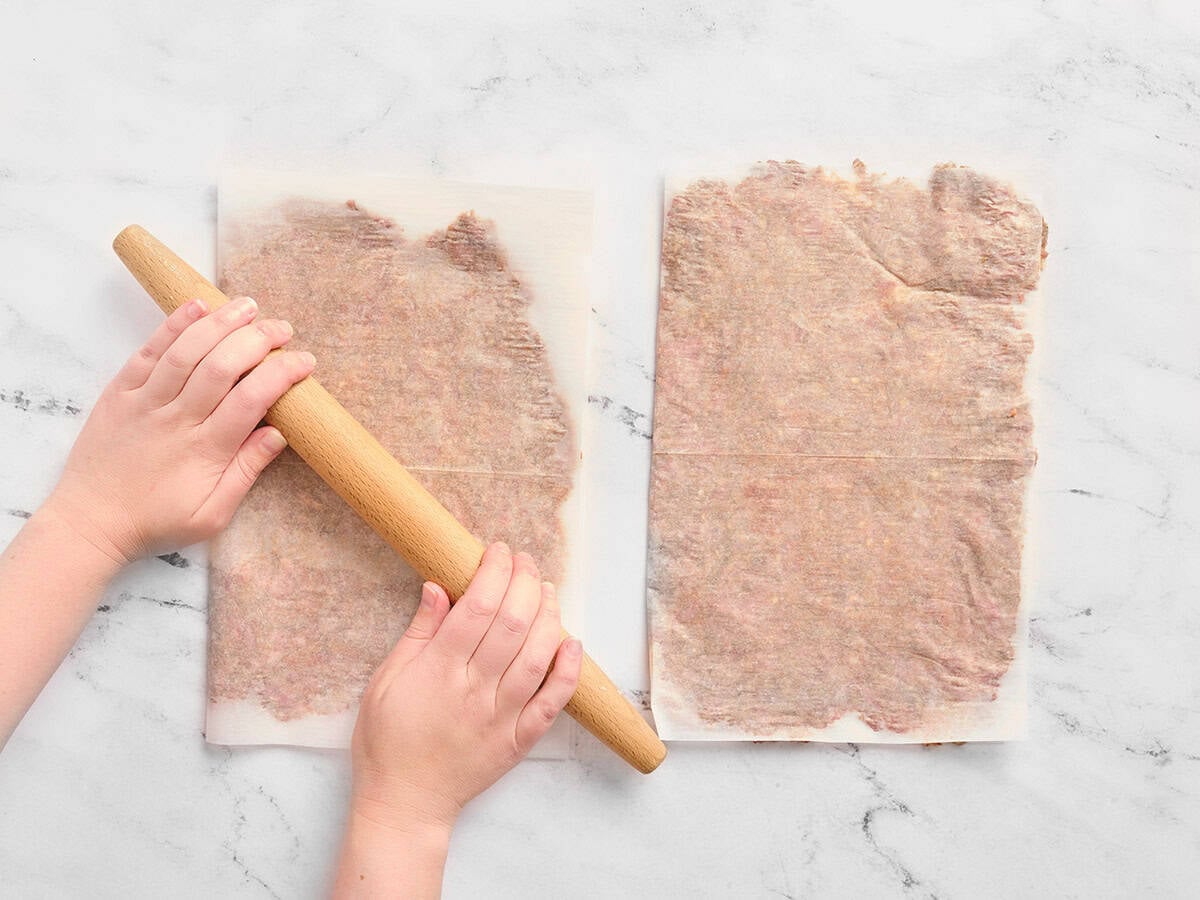
- The Parchment Rolling Method: The seasoned meat is divided into two equal portions, placed between sheets of parchment paper, and rolled out with a rolling pin into a micro-thin layer.
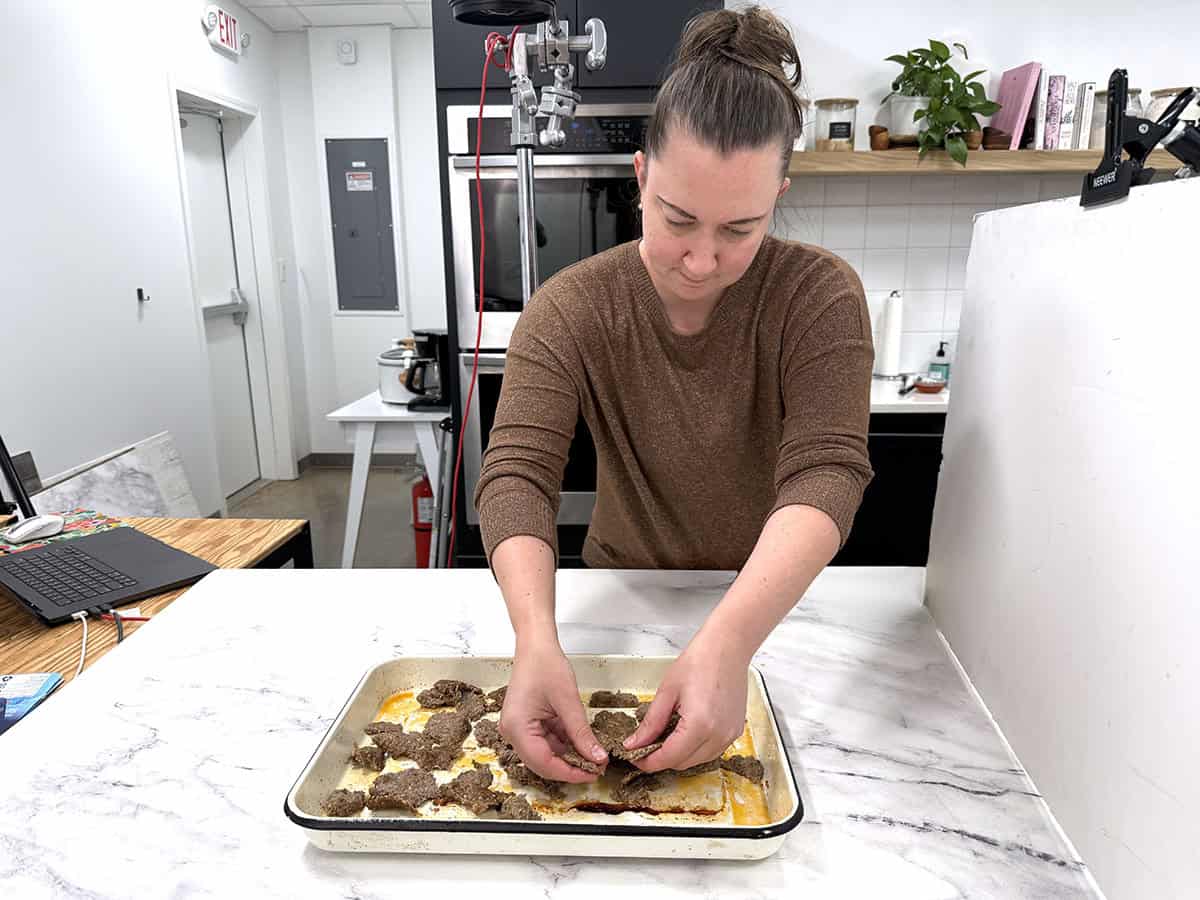
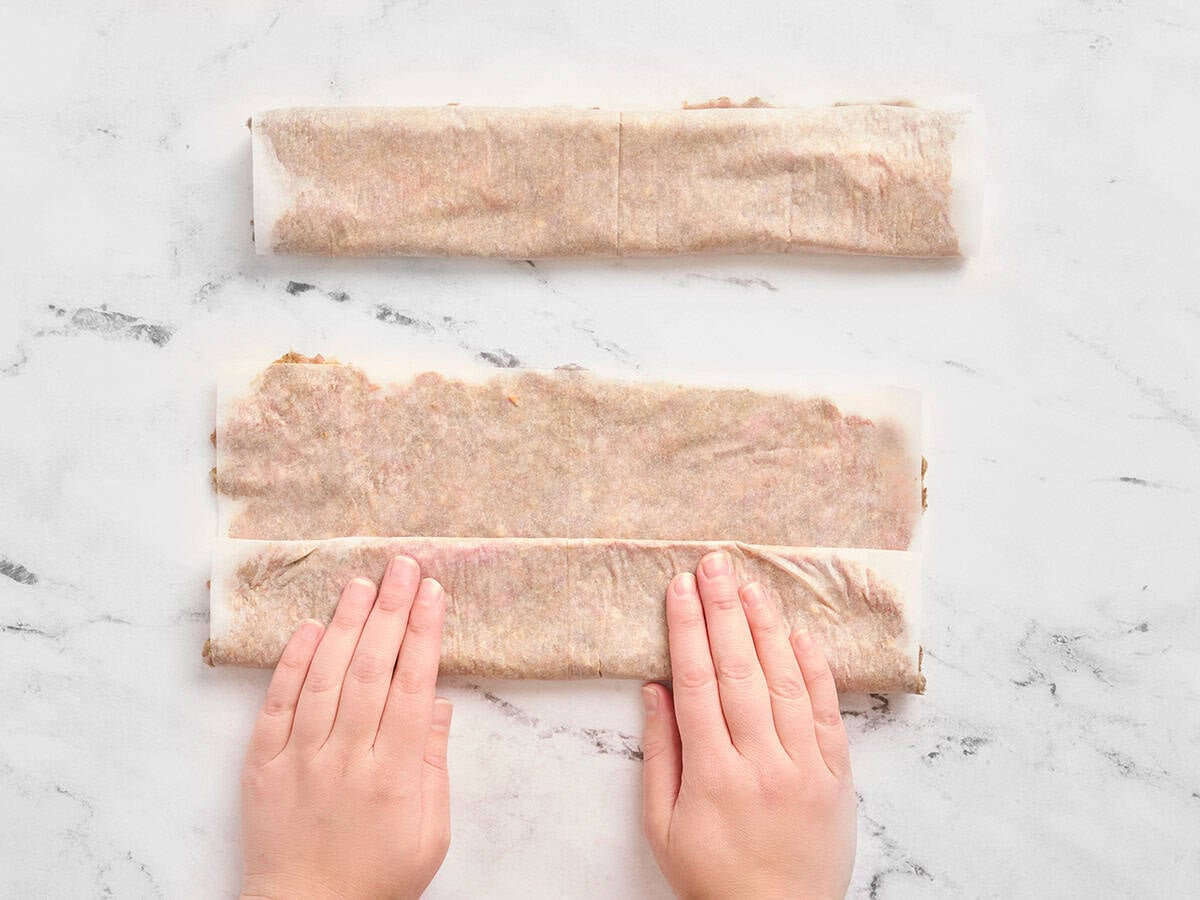
- The Steam-Bake and Broil Sequence: The parchment is folded into thirds to create a sealed packet and baked at 400°F (204°C) for 15 minutes. This process cooks the meat through while locking in moisture. Once baked, the meat is torn by hand into rustic, irregular strips and returned to the sheet pan under a high broiler for approximately three minutes, rapidly browning the edges to mimic the shaved texture of spit-roasted meat.
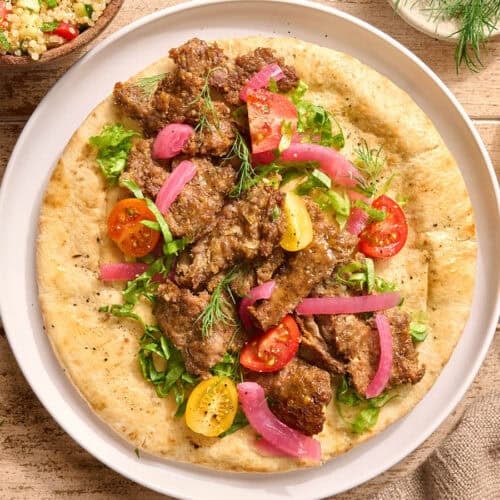
- The Cost-to-Value Ratio: The entire recipe, which yields four generous servings, costs approximately $11.05 to produce, translating to a unit cost of just $2.76 per serving. This includes the seasoned beef, a scratch-made cucumber-yogurt tzatziki sauce, and store-bought pita bread.
2. Chronology: The Evolution of a Viral Culinary Sensation
The journey of the sheet pan doner kebab from an overseas street food staple to an American domestic kitchen trend highlights the modern lifecycle of culinary ideas.
[19th Century] Ottoman Empire: Development of the vertical rotisserie (Döner Kebab).
       │
[1970s] West Berlin: Turkish immigrants adapt the dish into a portable flatbread sandwich.
       │
[Mid-2020s] TikTok & Instagram: Home cooks experiment with sheet-pan hacks to mimic rotisserie textures.
       │
[Late 2025] Nashville Test Kitchen: Developer Melissa Nolan optimizes the recipe for structural integrity and cost.
       │
[August 2026] Digital Release: The recipe goes viral on Instagram before its permanent publication.
Phase 1: Historical Roots and the Rotisserie Dilemma
For decades, home-cooked adaptations of doner kebabs or Greek gyros resulted in dry meatloaves or crumbly ground beef stir-fries that failed to capture the structural appeal of the original street food.
Phase 2: The Social Media Spark
In the mid-2020s, short-form video creators on TikTok and Instagram began experimenting with flattening seasoned ground meat between sheets of parchment paper to bake them thin. While early iterations often resulted in dry, brittle meat sheets, the concept of utilizing domestic sheet pans to mimic vertical rotisseries gained rapid traction online.
Phase 3: Test Kitchen Optimization
Recognizing the viral potential and the high demand for budget-friendly takeout alternatives, recipe developer Melissa Nolan of Budget Bytes brought the concept into the Nashville Test Kitchen. Over several rounds of testing, Nolan and her team optimized the fat-to-lean ratio of the meat, introduced the parchment-folding technique to prevent moisture loss, and developed a standardized, low-cost tzatziki sauce to accompany the dish.
Phase 4: Viral Success and Permanent Integration
After finalizing the formulation, Nolan shared the step-by-step process on the Budget Bytes Instagram page. The video quickly garnered significant engagement, prompting the platform to publish a comprehensive, permanent guide on their website, complete with detailed cost analyses and nutritional tracking.
3. Supporting Data: Financial and Nutritional Analysis
To validate the recipe’s viability as a budget-friendly meal prep option, Budget Bytes conducted a thorough economic and nutritional audit of the dish.
Cost Breakdown Analysis
The primary objective of the recipe development was to keep the cost per serving under $3.00, a threshold increasingly difficult to meet in the current inflationary food market. Below is the cost distribution for the core components of the dish:
| Ingredient Component | Role in Dish | Estimated Cost (Total) | Cost Per Serving (4 Servings) |
|---|---|---|---|
| Ground Beef (73/27, 1 lb) | Main Protein | $5.50 | $1.38 |
| Pantry Spices & Aromatics | Seasoning & Onion/Garlic | $1.20 | $0.30 |
| Store-Bought Pita (4 Pcs) | Carbohydrate Base | $1.80 | $0.45 |
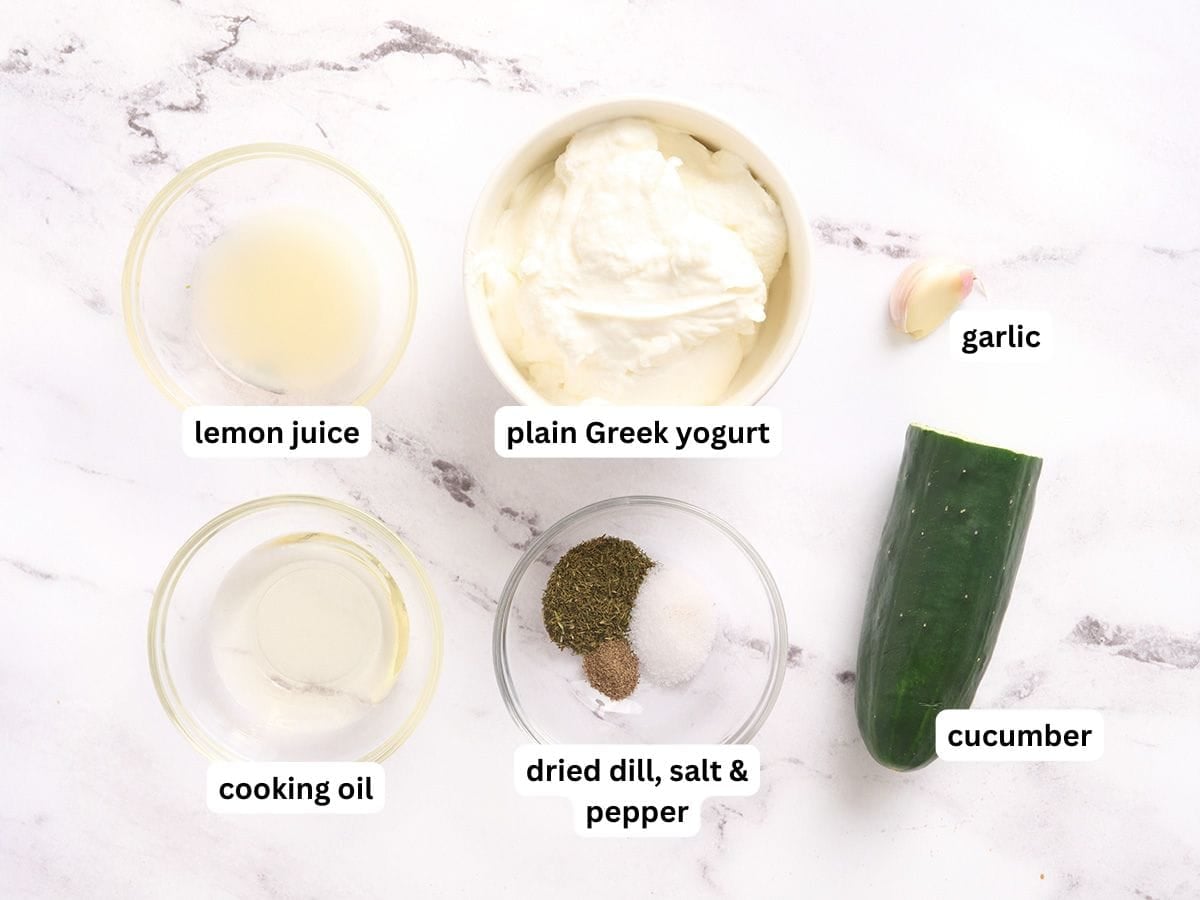
| Plain Greek Yogurt (1 Cup) | Tzatziki Base | $1.25 | $0.31 |
| Cucumber (1/2 Pc) & Lemon | Tzatziki Flavoring | $0.80 | $0.20 |
| Neutral Cooking Oil & Salt | Fat & Seasoning | $0.50 | $0.12 |
| TOTALS | Complete Meal | $11.05 | $2.76 |
Note: Optional toppings such as shredded lettuce, fresh dill, tomatoes, and pickled red onions are excluded from the baseline calculation, allowing home cooks to utilize existing refrigerator produce to minimize waste.
Nutritional Profile
A single serving—defined as one filled pita with a quarter-cup of homemade tzatziki sauce—presents a balanced macronutrient profile suitable for standard dietary requirements:
- Calories: 525 kcal (26% Daily Value)
- Carbohydrates: 38 g (13% DV)
- Protein: 31 g (62% DV)
- Fat: 27 g (42% DV)
- Sodium: 1270 mg (55% DV)
- Fiber: 2 g (8% DV)
The high protein content (31g) makes the dish highly satiating, while the fat content, derived primarily from the 73/27 ground beef and Greek yogurt, ensures flavor retention during reheating—a critical factor for meal prep suitability.
4. Official Responses: The Test Kitchen Perspective
The development of this recipe highlights the role of professional food developers in translating viral internet trends into reliable, repeatable kitchen science.
"By grating the onion, we release sulfur compounds and moisture that act as a natural tenderizer and binder. Rolling the meat micro-thin between parchment and folding it into a sealed packet allows the proteins to cross-link and steam-cook simultaneously. This ensures the meat remains juicy before it undergoes high-heat broiling to achieve those coveted crispy edges."
— Melissa Nolan, Culinary Developer
Melissa Nolan, an alumnus of Johnson & Wales University with professional experience at elite establishments such as Thomas Keller’s Per Se in New York City, emphasized the structural mechanics of the cooking process.
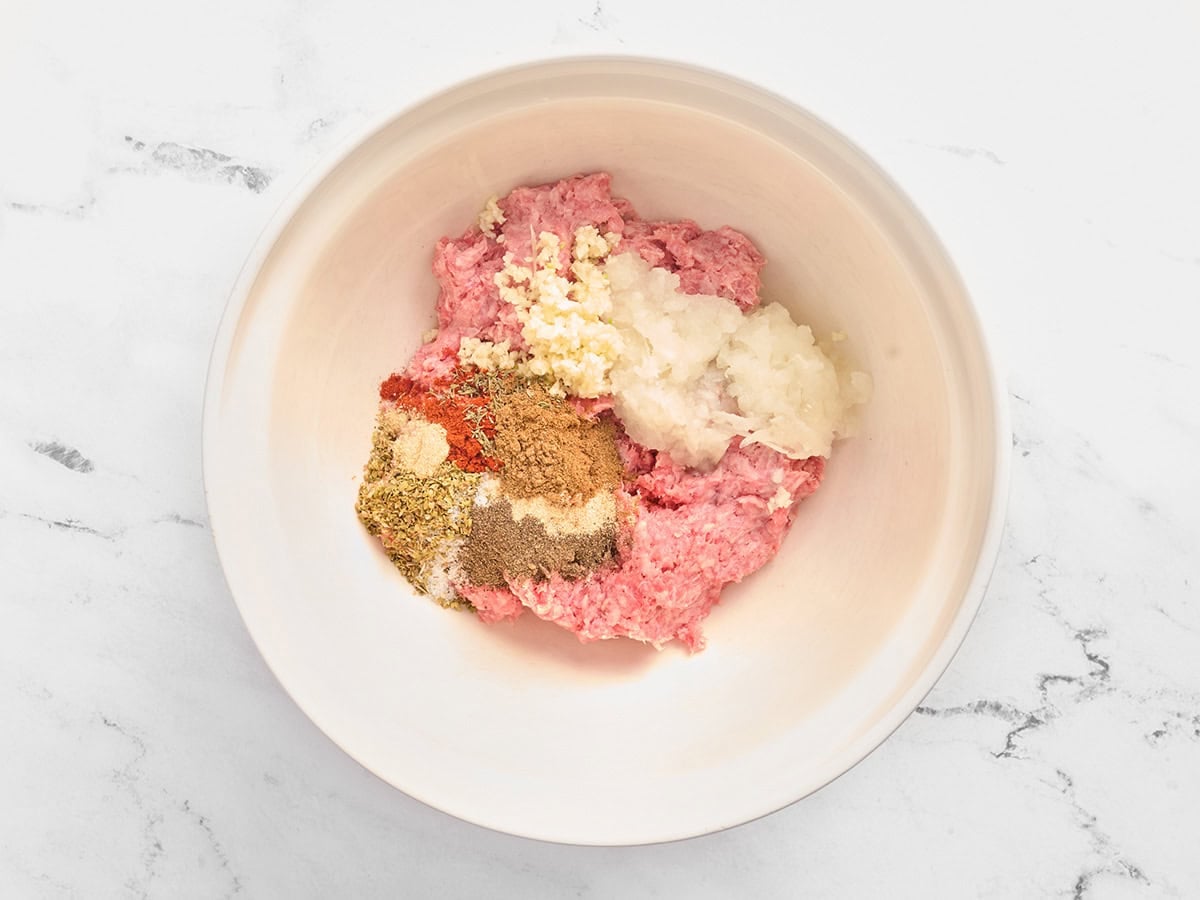
According to Nolan, the decision to use 73/27 ground beef rather than leaner grinds (such as 90/10 or 93/7) was both a financial and culinary choice. "Fattier grinds of beef are not only significantly cheaper per pound, but the higher lipid content is structurally necessary to keep such a thin sheet of meat from drying out during the baking and broiling phases," Nolan explained. "The fat renders out during the initial 15-minute bake, acting as a heat-transfer medium that helps fry the edges of the meat when it is torn and broiled."
Furthermore, the test kitchen addressed regional ingredient availability and pricing discrepancies by suggesting substitutions. For instance, while traditional tzatziki relies on extra virgin olive oil, the test kitchen successfully substituted cheaper, neutral cooking oils (such as canola or vegetable oil) without compromising the emulsion or the cooling properties of the yogurt-based sauce.
5. Implications: The Future of Home Cooking in an Inflationary Era
The success of the sheet pan doner kebab points to broader shifts in consumer behavior and domestic culinary practices.
1. Countering Restaurant Inflation
According to recent Consumer Price Index (CPI) data, the cost of food away from home (restaurant dining and takeout) has consistently outpaced the cost of food at home. This economic pressure has forced a demographic of consumers who frequently order takeout to seek "copycat" recipes. The sheet pan doner kebab directly targets this market, offering a fast-casual dining experience at a fraction of the cost of retail equivalents, which typically range from $12 to $18 per portion in metropolitan areas.
2. The Democratization of Global Flavors
Historically, preparing global street foods required specialized ingredients or equipment, limiting their adoption in average domestic kitchens. The adaptation of doner kebab seasonings—using common pantry spices like oregano, cumin, paprika, and garlic powder—combined with standard sheet pans, demonstrates how global cuisine is being demystified and democratized for the general public.
3. The Evolution of Meal Prep Culture
The traditional paradigm of meal prepping—often criticized for its monotony, such as repeated meals of baked chicken breast and broccoli—is evolving. Modern meal preppers demand variety, textural contrast, and restaurant-quality flavors. Because the components of the sheet pan doner kebab can be stored separately (keeping the crispy meat, cold tzatziki, and fresh vegetables isolated until assembly), it represents a significant upgrade in the quality of packed lunches.
As home cooks continue to navigate high living costs, the demand for recipes that merge chemical efficiency, financial economy, and culinary authenticity is expected to rise. The sheet pan doner kebab serves as a practical blueprint for how domestic kitchens can adapt, innovate, and thrive without sacrificing flavor.