The Unseen Emergency: Rescuing Your Garden After a Sudden Loss of Shade
In the world of horticulture, few events are as jarring as the sudden, violent loss of a mature canopy tree. One moment, a gardener is tending to a collection of shade-loving hostas, ferns, and heucheras in a temperate, filtered-light environment; the next, a storm—or disease—strikes, and the garden is suddenly exposed to the relentless, searing intensity of full, direct sun.
For many gardeners, this represents more than just an aesthetic shift; it is a full-scale botanical emergency. When shade-adapted plants are suddenly stripped of their protective cover, the biological stress is instantaneous. Without intervention, the result is almost always the same: rapid desiccation, scorched foliage, and eventual mortality.
Drawing on the expertise of professional horticulturists and the practical realities of garden recovery, this guide explores the immediate and long-term actions required to save a shade garden from the brink of total collapse.
The Chronology of a Crisis: From Storm to Scorching
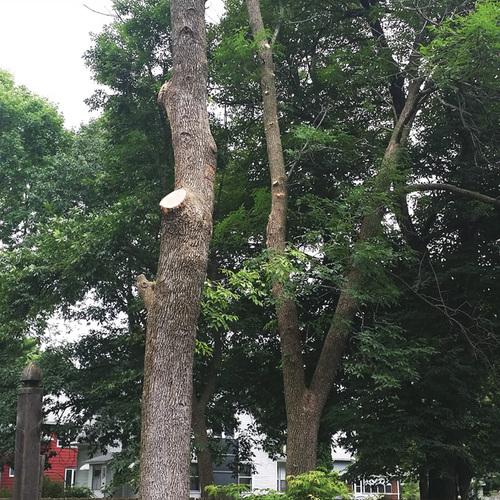
The loss of a shade tree is rarely a gradual process. It is frequently the result of a singular, catastrophic event—a lightning strike, a microburst, or a structural failure during a summer squall.
Phase 1: The Impact (0–12 Hours)
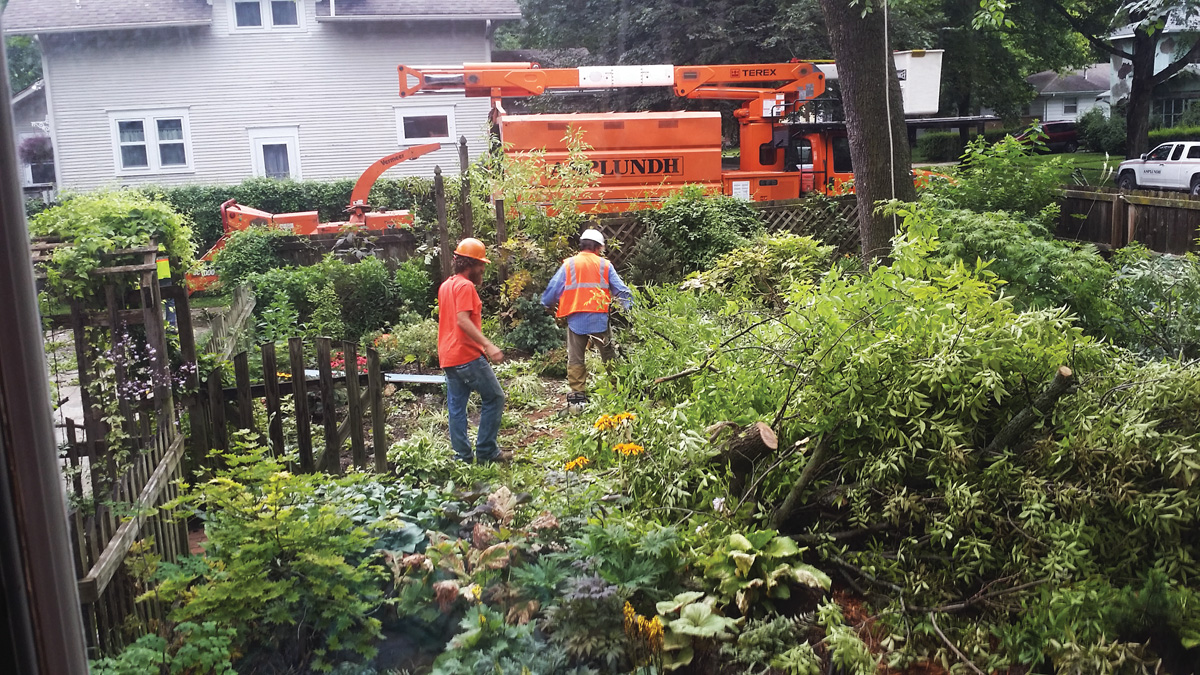
The immediate aftermath of a tree loss is often dominated by cleanup. Whether it is a utility company clearing power lines or an arborist removing a limb, the priority is safety. However, for the gardener, the clock begins ticking the moment the debris is cleared. As the canopy disappears, the underlying environment undergoes a fundamental shift. Humidity levels drop, air temperatures near the ground rise, and light intensity spikes from 200–500 foot-candles to over 10,000 foot-candles in direct sun.
Phase 2: The Physiological Shock (12–48 Hours)
During this window, plants enter a state of severe physiological stress. Shade-grown plants possess thin, tender leaves optimized for capturing low light. They lack the waxy, thick cuticles of sun-hardened varieties. In direct sun, the rate of transpiration—the process by which plants lose water through their leaves—exceeds their root system’s ability to draw moisture from the soil. The result is "sunscald," where leaf tissues literally cook from the inside out.
Phase 3: The Recovery Window (Days 3–14)
This is the critical "triage" period. Any plant that has not been protected or relocated by the end of this phase will likely exhibit permanent damage, including crispy, necrotic leaf margins and stunted growth.
Strategic Triage: Assessing Your Botanical Assets
When faced with a sudden exposure, the gardener must act with the precision of an emergency medical technician. The first step is to categorize your plants into three distinct tiers:
- The Resilient: Plants that possess some tolerance for intermittent sun and can remain in situ, provided they are heavily mulched and watered.
- The Transplantable: Plants that are currently in a dormant phase or possess robust enough root systems to handle immediate relocation to a new, naturally shaded spot.
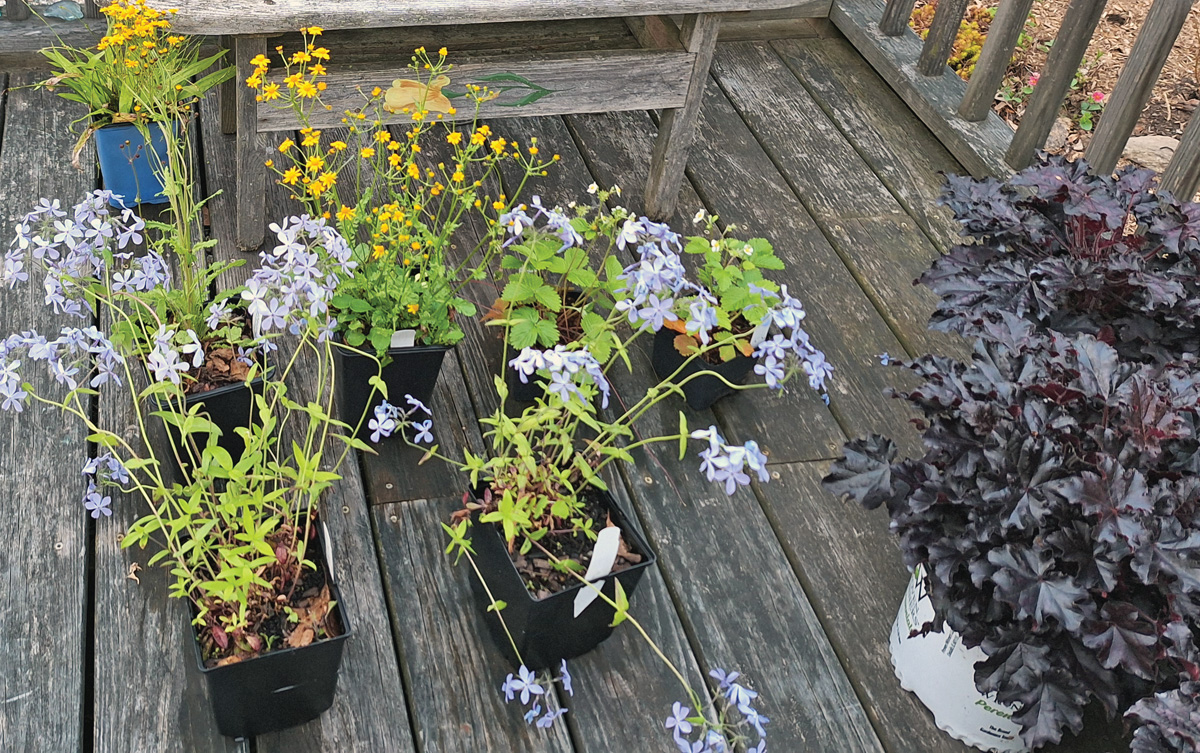
- The Fragile: High-demand shade specialists (e.g., delicate woodland ephemerals or certain rare ferns) that will not survive even a few days of sun. These must be potted up and moved to a temporary, man-made "shade sanctuary" immediately.
Why Transplanting Requires Caution
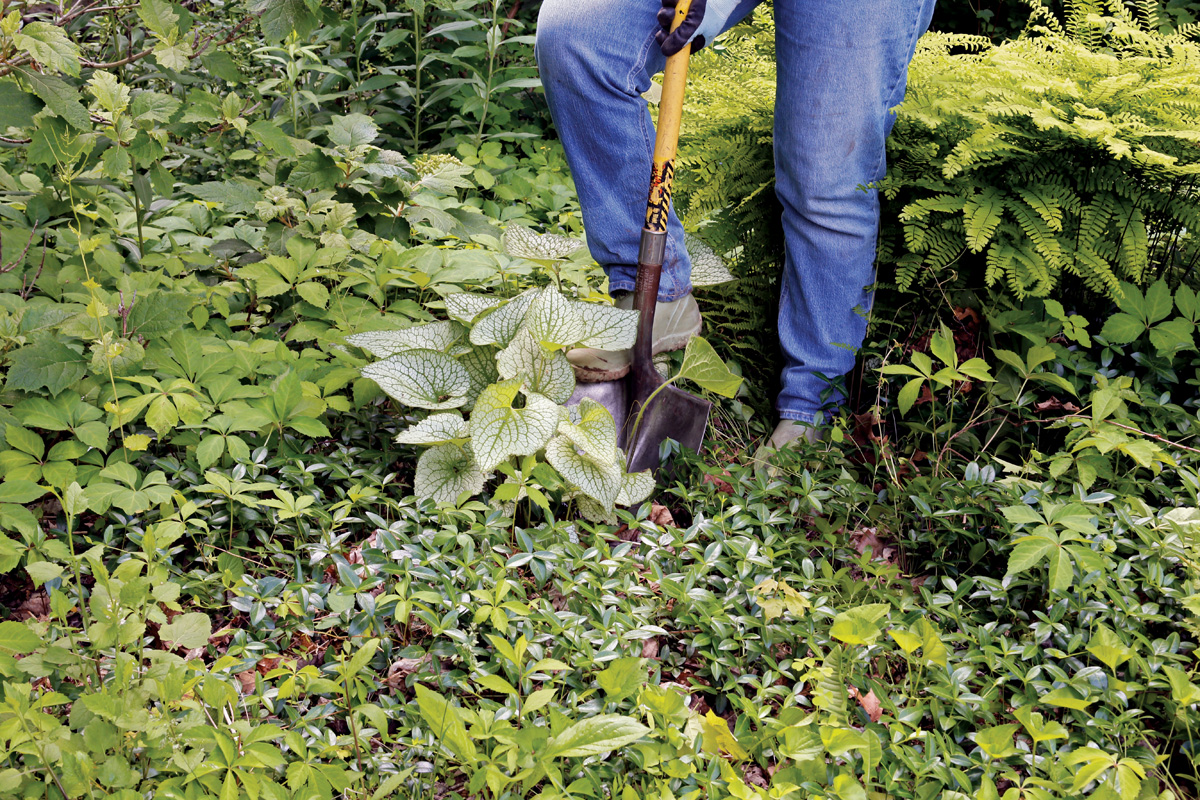
While the instinct is to move everything at once, professional horticulturists warn against "transplant shock on top of sun shock." If a plant is already wilting, digging it up can be the final blow. If you choose to transplant, do so early in the morning or late in the evening. Keep the root ball intact, ensure the new hole is pre-hydrated, and provide consistent, deep irrigation for the first two weeks. Crucially, do not fertilize at this stage; plants in shock need to prioritize root development, not leafy growth.
Engineering Your Own Shade: The Science of Protection
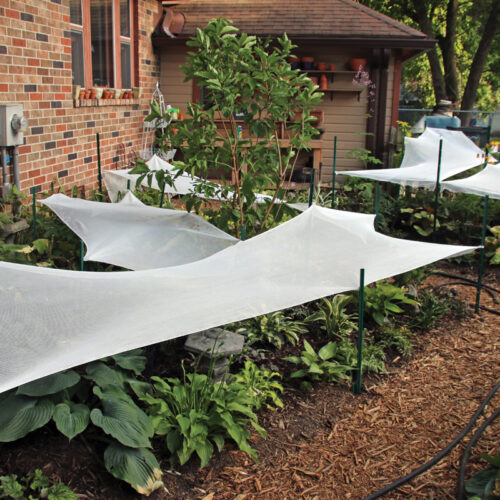
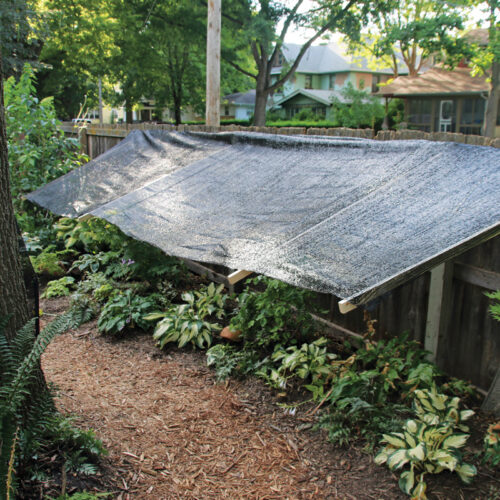
If you cannot move your plants, you must bring the shade to them. This is where artificial shade solutions become the gardener’s most effective tool.
Understanding Shade Cloth Percentages
Shade cloth is not a "one size fits all" solution. These fabrics are measured by their density, which dictates how much light they filter.
- 60% Shade Cloth: Best for plants that appreciate bright, indirect light but can handle a bit of heat.
- 80% Shade Cloth: Essential for delicate species or regions with extreme heat.
- Implementation: Build a simple frame using PVC piping, wooden stakes, or even metal rebar. Drape the cloth loosely to ensure airflow. A "tent" or "ceiling" configuration is superior to draping the fabric directly onto the plants, as direct contact can trap heat and promote fungal disease.
Supporting Data: Why "Wait and See" Is a Death Sentence
Many gardeners operate under the misconception that a plant will "harden off" to the new light conditions. While some species can adapt, this process is an evolutionary one that takes months, if not years. In the context of a sudden loss of shade, the biological demand for photosynthesis is so high that the plant will exhaust its stored carbohydrate reserves before it can produce the necessary protective cuticles.
Studies in botanical garden management indicate that once a plant begins to show significant browning on more than 30% of its leaf surface, its recovery rate drops by nearly 60%. The goal of the gardener is to prevent this threshold from being reached. If you see curling leaves or "bleached" spots, you are already behind the curve.
Expert Insights: The Professional Perspective
Ed Lyon, a seasoned horticulturist with decades of experience at the helm of major public gardens, emphasizes that the biggest mistake is complacency. "Established plants will fare better than recent transplants, but don’t be lulled into thinking you have weeks to fix the issue," Lyon notes. "Once plants start scorching and desiccating, no amount of watering will fix what is happening, and it will be difficult, if not impossible, to reverse the damage."
Public garden staff are trained to look at the "big picture" of the landscape. When a major tree is lost, they don’t just look at the individual plant; they look at the soil moisture, the micro-climate, and the long-term design implications.
Long-term Implications: Redesigning for the Future
The loss of a tree is an ending, but it is also an opportunity. Once the immediate crisis is managed, the gardener must look at the landscape with fresh eyes.
Re-evaluating Plant Selection
Is it time to pivot from a pure shade garden to a "part-sun" or "woodland-edge" aesthetic? Many gardeners find that after the initial heartbreak, they discover a new love for sun-tolerant perennials that offer more vibrant blooms than their shade-loving predecessors.
Soil Management
The loss of a tree changes the soil dynamics. Without the continuous "litter fall" of leaves, the soil may lose organic matter faster. Furthermore, the ground will dry out significantly quicker. Implementing a deep, consistent layer of organic mulch (such as wood chips or composted leaves) is essential to replicate the cool, moist floor of a forest, even in the absence of a canopy.
Essential Tools for the Transition
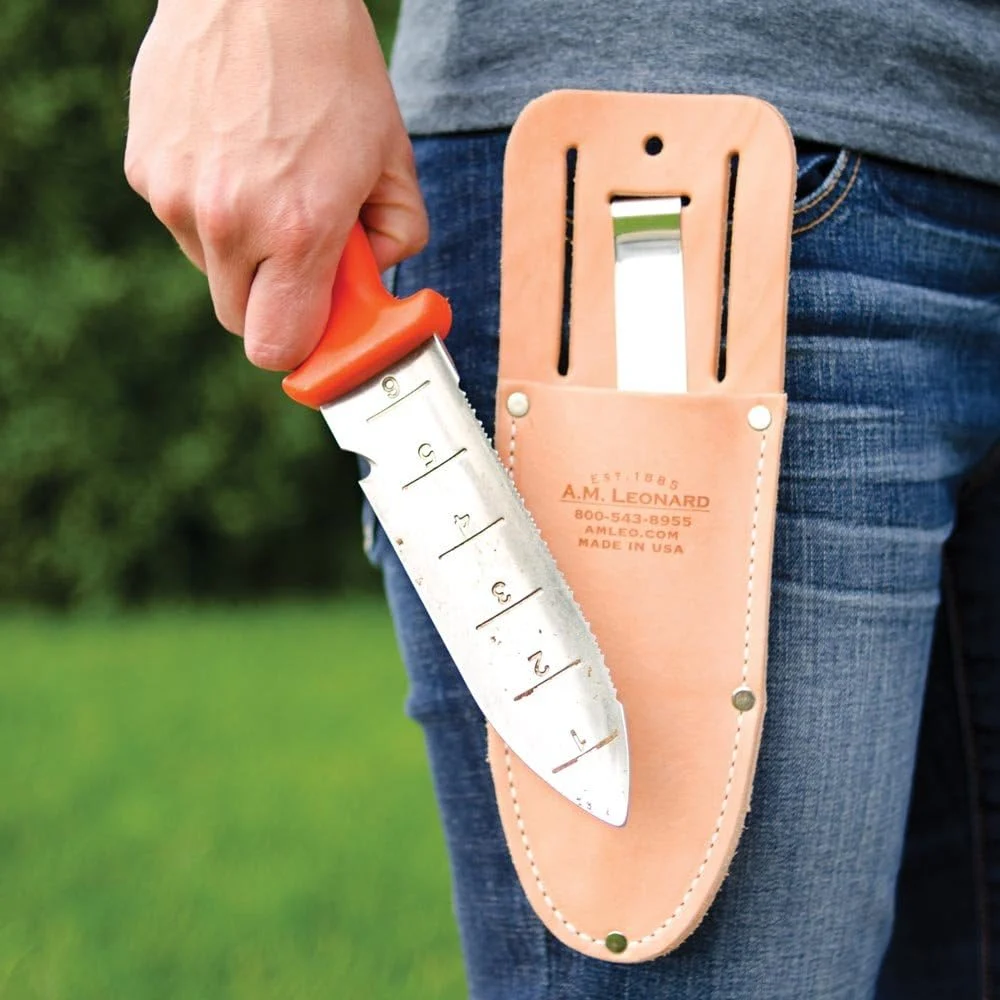
As you work through your garden recovery, having the right equipment is paramount. A high-quality soil knife, such as the A.M. Leonard Deluxe Soil Knife, is indispensable. Its serrated edge allows for the precise cutting of root-bound plants during transplanting, while the depth markings ensure that your relocated specimens are planted at the exact depth they require to survive their move.
Checklist for Success:
- Daily Observation: Check every plant twice daily for signs of wilting.
- Watering Regimen: Move from a "as needed" approach to a rigorous, twice-daily soak during the first week.
- No Pruning: Resist the urge to cut back the scorched leaves immediately. While unsightly, these leaves are still performing minimal photosynthesis, which the plant desperately needs to repair its roots. Wait until the plant shows signs of new, healthy growth before trimming away the dead tissue.
- Document the Change: Take photos. Understanding how your garden responds to light shifts will make you a more resilient gardener in the long run.
Conclusion: Resilience in the Face of Nature
Gardening is a practice of managing variables, and the loss of shade is perhaps the most significant variable change a gardener can face. By acting swiftly, prioritizing the health of the root system over the appearance of the foliage, and utilizing artificial shading when necessary, you can mitigate the disaster.
The garden that emerges on the other side of the recovery process may look different, but it will be a testament to your adaptability. Remember: plants are survivors. With your help, they can navigate the sudden harshness of the sun and find their way back to health, eventually creating a new, vibrant landscape that honors both the history of the garden and the reality of its future.