A Silent Crisis: Unpacking the Complex Web of Foodborne Disease Risks in Afghanistan
In the shadows of geopolitical instability and environmental volatility, Afghanistan is grappling with a pervasive, often overlooked public health emergency: a food safety crisis that threatens the well-being of millions. A comprehensive new review published in the journal Food Safety and Health has cast a stark light on the country’s significant burden of microbiological and chemical food safety hazards. Conducted by researchers from Helmand University and the Afghanistan National Agricultural Sciences and Technology University, the study synthesizes two and a half decades of epidemiological data to reveal a system buckling under the pressure of inadequate infrastructure, weak regulation, and profound food insecurity.
The Magnitude of the Challenge: A Systemic Overview
The research, which spans data collected from 2000 to 2025, highlights that the "true" burden of foodborne illness in Afghanistan remains a statistical shadow. Due to a combination of limited laboratory diagnostic capacity, fragmented disease surveillance, and the inherent underreporting common in conflict-affected regions, the actual number of cases is likely significantly higher than official records suggest.
The review identifies a perfect storm of contributing factors: water, sanitation, and hygiene (WASH) infrastructure that is among the least developed in South Asia, a lack of cohesive legislative oversight, and the reliance on informal food markets that operate largely outside the scope of sanitary inspection. As the nation faces the dual threats of climate change and economic instability, the researchers warn that without a radical shift in food safety governance, the cycle of malnutrition and disease will continue to disproportionately affect the most vulnerable, particularly children under the age of five and internally displaced persons.
Chronology of Crisis: Two Decades of Data (2000–2025)
Understanding the trajectory of food safety in Afghanistan requires a look at how these hazards have evolved over the last 25 years.
- 2000–2010: The Emergence of Identified Threats: The early 2000s saw the beginning of efforts to modernize health records. A landmark event during this period occurred in 2008, when an outbreak of hepatic veno-occlusive disease—linked to wheat flour contaminated with pyrrolizidine alkaloids—resulted in 67 confirmed cases, highlighting the lethal potential of chemical contamination in the food supply chain.
- 2010–2020: Persistent Microbiological Hazards: Throughout the second decade, data consistently pointed to the prevalence of enteric pathogens. As urbanization increased, the lack of centralized sewage and water treatment systems led to frequent localized outbreaks of waterborne and foodborne diseases.
- 2020–2025: Climate and Infrastructure Strain: The most recent five-year period has been marked by extreme weather events, including prolonged droughts and shifting rainfall patterns. These environmental stressors have degraded groundwater quality, directly impacting the safety of irrigation and drinking water. Recent WHO data from 2024 offers a chilling snapshot of the current state: 173,482 documented diarrheal cases and 88 associated deaths, a figure that serves as a proxy for the broader, uncounted burden of foodborne illness.
Microbiological Hazards and the WASH Deficit
At the heart of the microbiological crisis is the country’s deficient WASH infrastructure. The study notes that as of 2022, only 33.54 percent of Afghanistan’s population had access to combined WASH facilities, leaving two-thirds of the populace at risk of exposure to fecal-oral pathogens.
The spectrum of microbiological hazards identified by the researchers is extensive:
- Bacterial Pathogens: Escherichia coli, Salmonella, Shigella, Campylobacter, and Vibrio cholerae remain endemic, thriving in environments where water sources are frequently cross-contaminated.
- Viral and Parasitic Threats: Rotavirus and a range of intestinal parasites continue to plague rural and urban communities alike, contributing to high rates of childhood stunting and chronic malnutrition.
- Zoonotic Diseases: The intimate contact between human populations and livestock creates a high risk for brucellosis and Q fever. The consumption of unpasteurized dairy products, a staple in many Afghan households, serves as a primary vector for these zoonotic infections.
The Hidden Danger: Chemical Contaminants and Climate Change
While microbiological risks dominate the headlines, the review emphasizes that chemical hazards pose a silent, long-term threat. Heavy metals, pesticide residues, and mycotoxins have infiltrated the food chain, often exacerbated by a lack of monitoring at the farm-gate level.
Climate change acts as a force multiplier for these risks. Rising temperatures accelerate the growth of mold and the production of mycotoxins in stored grains. Simultaneously, drought conditions lead to the concentration of pollutants in dwindling water supplies, which are then used for agriculture. The researchers underscore that unless food safety is integrated into national climate adaptation strategies, the country will likely see an increase in food-related toxicity events.
Institutional Weakness: A Regulatory Vacuum
The study paints a concerning picture of Afghanistan’s regulatory framework. Key challenges identified include:
- Institutional Overlap: Multiple government bodies often claim jurisdiction over food safety, leading to confusion, inefficiency, and "turf wars" that stall enforcement.
- Lack of Legislation: There is no comprehensive, unified national food safety law that governs the entire "farm-to-fork" spectrum.
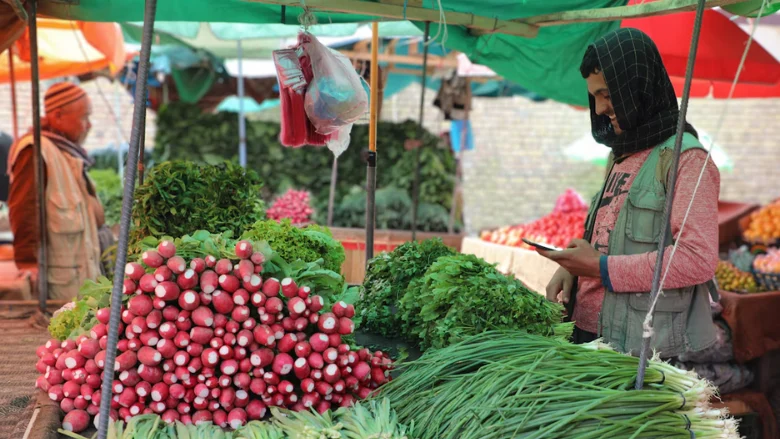
- Informal Markets: A vast majority of the population relies on traditional, informal markets. These hubs are characterized by poor temperature control, a total lack of veterinary inspection, and primitive hygiene practices, making them high-risk zones for cross-contamination.
Implications for Public Health and Economic Stability
The implications of these findings are profound. Foodborne disease is not merely a medical issue; it is a developmental barrier. When children suffer from recurrent foodborne illness, their ability to absorb nutrients is severely compromised, leading to lifelong health consequences and reduced economic productivity.
For internally displaced populations living in camps with minimal resources, the lack of food safety is a matter of immediate survival. The study suggests that the economic burden—measured in lost productivity, healthcare costs, and trade restrictions—is staggering, yet it remains unquantified due to the lack of dedicated research funding and institutional interest.
A Path Forward: The "One Health" Imperative
The researchers propose a transformative approach to mitigate these risks, rooted in the "One Health" framework—a strategy that recognizes the interconnectedness of human, animal, and environmental health.
Strategic Recommendations:
- Surveillance Infrastructure: The immediate establishment of a robust, national foodborne disease surveillance system, coupled with the upgrading of regional laboratory diagnostic capabilities, is essential.
- Legislative Reform: The government must prioritize the drafting and implementation of a unified national food safety law that mandates transparency and sets clear standards for both domestic production and imports.
- Infrastructure Investment: Expanding access to clean water and sanitation is non-negotiable. Without a baseline of hygiene, traditional food safety education will have limited impact.
- Multisectoral Cooperation: Food safety must move out of the silo of the Ministry of Public Health and into a cross-ministerial initiative involving agriculture, water resources, and urban planning.
- Regional Integration: Given the porous nature of food trade in the region, Afghanistan must seek greater cooperation with neighboring nations to harmonize standards and share epidemiological data.
Conclusion
The review from Helmand University and Afghanistan National Agricultural Sciences and Technology University is a clarion call to action. It serves as a reminder that food safety is a fundamental human right and a pillar of national security. As Afghanistan navigates an uncertain future, the integration of food safety into broader health and climate policies is no longer a luxury; it is a prerequisite for a healthier, more resilient nation. By bridging the gap between scientific research and policy implementation, there is an opportunity to transform the food system from a source of hazard into a foundation for growth and stability.