Securing the Global Plate: Insights from the 2024 Global Food Safety Symposium
In an era defined by hyper-connectivity, the vulnerabilities of our food systems have never been more apparent. From the shifting geographic reach of pathogens driven by climate change to the complexities of international supply chains and the rapid integration of artificial intelligence, food safety professionals are navigating an unprecedented landscape of risk. As the mantra goes, “if it is not safe, it is not food.”
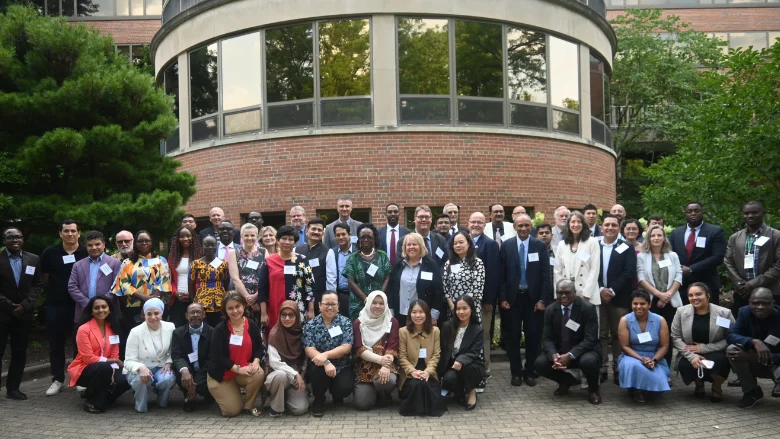
To address these escalating challenges, more than 70 food safety leaders from 24 countries convened at Michigan State University (MSU) from July 21–24, 2024, for the Global Food Safety Symposium. The gathering served as a critical forum to redefine what it means to build resilient food safety systems in a world where a single contamination event can trigger a global crisis.
The Shifting Landscape: From Reactive to Preventive
For decades, the standard measure of success in food safety was the speed of an organization’s response to an outbreak. However, the paradigm is shifting. The consensus among the MSU attendees was clear: leading systems are moving away from reactive firefighting toward a culture of proactive, risk-based prevention.
This transition is increasingly urgent. In 2026, the United States is contending with a significant food safety crisis: a massive, multi-state outbreak of cyclosporiasis linked to contaminated shredded iceberg lettuce. With case counts exceeding 10,000, the Cyclospora parasite has exposed critical gaps in supply chain visibility and rapid detection. This ongoing crisis serves as a stark reminder that modern food safety requires more than just inspections; it requires actionable intelligence.
The symposium underscored that the goal is not merely to collect more data, but to convert existing data into wisdom. Through advancements in whole genome sequencing (WGS), predictive analytics, and digital traceability, the tools to identify emerging hazards before they reach the consumer’s plate are already available. The challenge now lies in the integration of these technologies into a cohesive, global surveillance network.
Chronology of a Global Challenge
The evolution of modern food safety risks can be viewed through several distinct, accelerating phases:
- The Era of Traditional Inspections (Pre-2000s): Focus was primarily on localized, periodic facility inspections and endpoint testing.
- The Regulatory Modernization Phase (2000s–2015): Shift toward preventive controls and the establishment of international frameworks like the Food Safety Modernization Act (FSMA) in the U.S.
- The Interconnected Crisis Era (2015–Present): Defined by global supply chain volatility, the emergence of novel pathogens linked to climate-driven ecological shifts, and the rise of food fraud.
- The Digital & Strategic Era (2024 and Beyond): The current focus is on AI-driven risk prediction, global knowledge hubs, and the professionalization of the food safety workforce.
Supporting Data and the "Human" Factor
While technological innovation dominated much of the conversation at the symposium, a recurring theme was that infrastructure is only as effective as the people operating it. Laboratory upgrades and regulatory overhauls are essential, but the sustainability of these systems rests on the capabilities of the workforce.
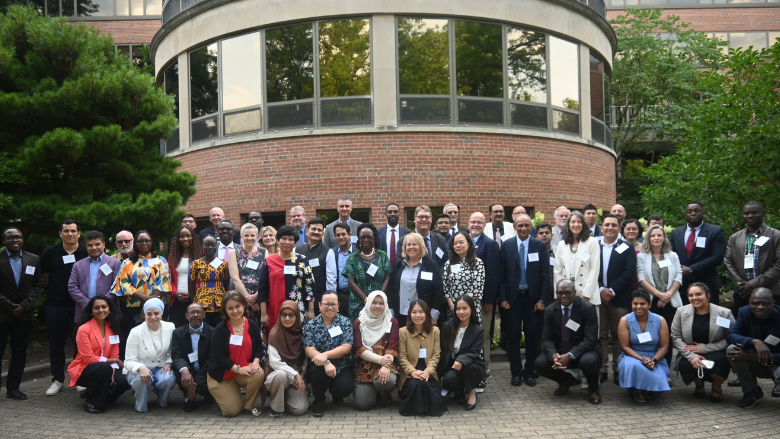
Today’s food safety professional is a hybrid expert. They must bridge the gap between complex scientific evidence and policy implementation. They are expected to communicate risk to the public, navigate geopolitical barriers, and manage interdisciplinary teams covering agriculture, trade, and environmental health.
The symposium highlighted that the most effective capacity-building efforts are those that foster long-term relationships. Case studies shared by participants—such as the 15-year-old food safety curriculum in Costa Rica and the adapted management practices in Gujarat, India—demonstrated that knowledge exchange is not about "copy-pasting" protocols. Instead, it is about adapting global best practices to fit local socioeconomic and environmental realities. As Dr. Hemant G. Koshia noted, the success of these programs is measured not by how many workshops were held, but by how the participants’ local systems changed after they returned home.
Innovation: Strengthening Judgment, Not Replacing It
The introduction of Artificial Intelligence (AI) and blockchain into the food industry has sparked both excitement and skepticism. At the MSU Symposium, there was a palpable consensus: technology must be treated as a tool for human judgment, not a substitute for it.
Digital tools, such as remote sensors and real-time traceability platforms, offer significant potential to enhance regulatory efficiency and supply chain transparency. However, the symposium attendees cautioned against "techno-solutionism." The efficacy of any AI model is strictly bound by the quality of the data fed into it and the governance structure overseeing it. The most successful organizations of the future will be those that integrate innovation into existing management systems, ensuring that technology remains a servant to, rather than a master of, risk-based decision-making.
Trust: The Foundation of Food Safety
Perhaps the most philosophical, yet essential, discussion point was the concept of trust. In an age where misinformation spreads as rapidly as pathogens, the credibility of food safety institutions is under constant assault.
Consumers cannot personally inspect the laboratory analyses or the risk assessment models that ensure their food is safe. Their trust is predicated on the transparency and consistency of those in charge. Symposium participants identified "communicating uncertainty" as a critical skill. During a food safety crisis, institutions must be able to articulate what is known, what is not yet understood, and what actions are being taken to mitigate risk. Without this transparent communication, even the most technologically advanced system will fail to maintain public confidence.
Implications for the Future: A Global Knowledge Hub
The concluding recommendation of the 2024 Global Food Safety Symposium was perhaps its most ambitious. Recognizing that no country can solve these problems in isolation, the participants proposed the establishment of a "Global Food Safety Knowledge Hub."
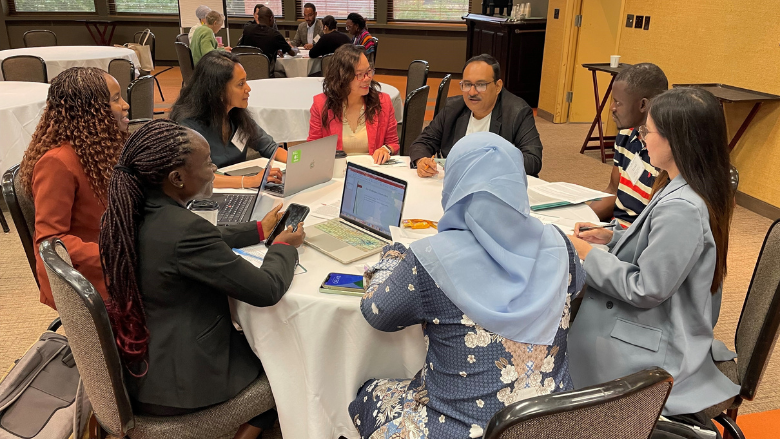
This hub is designed to be more than a repository of documents. It aims to function as a dynamic ecosystem for:
- Shared Resources: Standardizing training tools and curriculum templates.
- Networking: Providing a global roster of experts available for inter-country consultation.
- Funding Coordination: Streamlining investment into high-impact, regional capacity-building projects.
- Policy Alignment: Fostering international cooperation to harmonize regulatory standards, making it harder for pathogens to exploit gaps between borders.
An international steering committee is currently being formed to oversee the development of this platform. The intent is clear: to move away from fragmented, ad-hoc responses to global food safety issues and toward a unified, persistent, and collaborative global infrastructure.
Conclusion: A Collective Responsibility
The 2024 Global Food Safety Symposium at Michigan State University did not attempt to provide a "one-size-fits-all" blueprint, because one does not exist. Instead, it provided a vision for a resilient, interconnected future. The challenges of the coming decade—climate change, geopolitical instability, and the rapid evolution of food technology—will continue to test the limits of our current systems.
However, the dedication of the 70+ leaders from 24 countries serves as a powerful testament to the resilience of the profession. By emphasizing human-centric capacity building, the intelligent use of technology, and the uncompromising pursuit of trust, the global food safety community is positioning itself to not only react to crises but to prevent them.
As the industry looks toward 2025 and beyond, the message from the symposium is a call to action for every stakeholder in the food supply chain: food safety is not merely a technical objective—it is a strategic, economic, and moral imperative that requires constant, global collaboration. The work of securing the world’s food supply is a collective responsibility, and the creation of the Global Food Safety Knowledge Hub marks the beginning of a new, more integrated era of international cooperation.