Madrid Unveiled: A Five-Day Deep Dive into the Soul of the Spanish Capital

Home to approximately 3.5 million residents, Madrid stands as the undisputed heart of Spain. It is a city of grand contrasts: where 17th-century wine caves coexist with sleek, modern rooftop bars, and where the pace of life is dictated not by the clock, but by the sun. As the country’s largest city and a perennial favorite for over 10 million annual visitors, Madrid offers a sophisticated blend of imperial history, world-class artistic heritage, and a culinary scene that defines the modern Mediterranean lifestyle.
For the uninitiated, navigating a metropolis of this magnitude can be daunting. Yet, once you embrace the local rhythm—the late-starting days, the slow-cooked meals, and the vibrant nocturnal energy—Madrid reveals itself as one of Europe’s most authentic and rewarding urban experiences.
The Essence of Madrid: Facts and Cultural Context
Madrid’s identity is forged in its "Habsburg" legacy and its evolution into a cosmopolitan hub. Unlike its coastal counterparts, Madrid occupies the geographic center of the Iberian Peninsula, serving as the seat of the Spanish monarchy and the government.
The city operates on a unique temporal scale. Locals are notorious "night owls," with the work-life balance skewed toward the evening. Lunch typically occurs between 2:00 PM and 4:00 PM, while dinner rarely begins before 9:00 PM. This is not merely a preference; it is a cultural pillar that sustains the city’s legendary nightlife, which often stretches until dawn. For the traveler, this shift in pace is the gateway to "true" Madrid.
A Five-Day Itinerary: The Chronology of Discovery
Day 1: Immersion in the UNESCO "Art Walk"
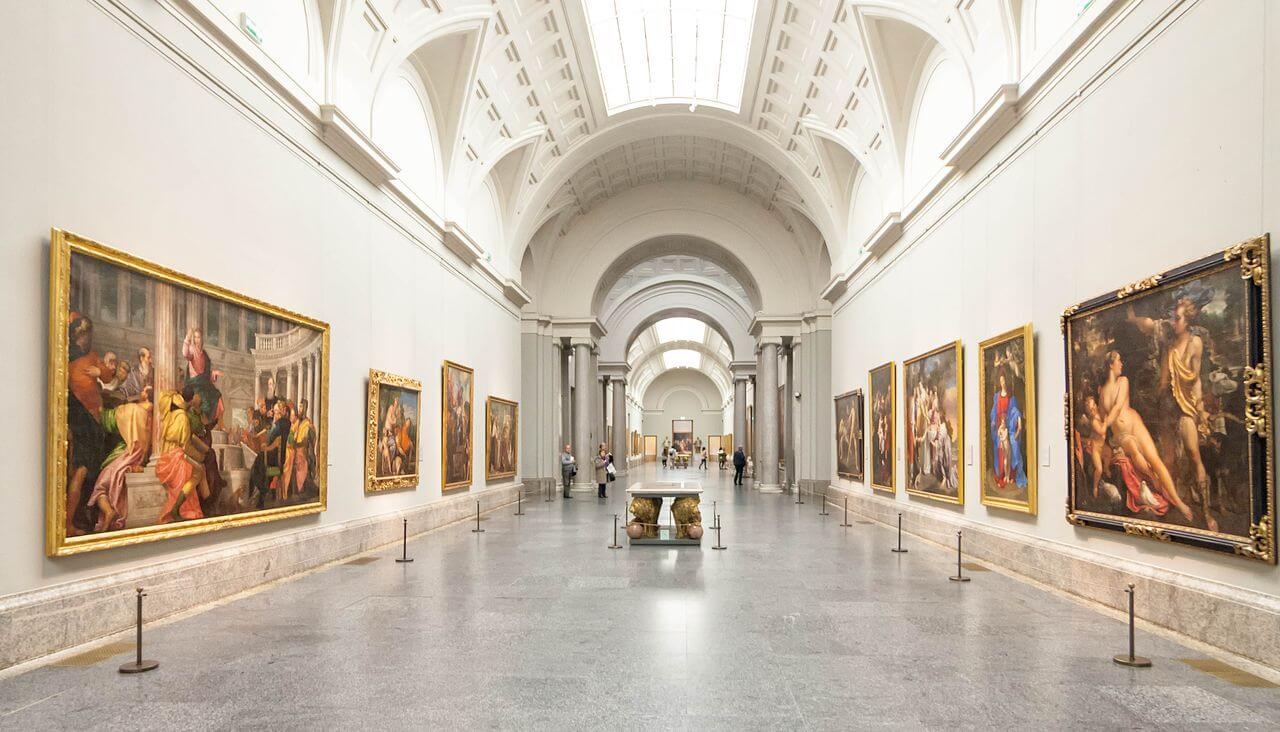
Madrid’s commitment to art is best exemplified by the "Paisaje de la Luz" (Landscape of Light), a UNESCO World Heritage site since 2021. This area houses over 40 monuments and historic buildings.
- The Prado Museum: The epicenter of Spanish art. Spend at least four hours here to appreciate masterpieces by El Greco, Velázquez, and Goya.
- The Thyssen-Bornemisza: A bridge between the classical and the contemporary, offering a private collection that spans the Renaissance to Pop Art.
- Reina Sofía: Home to Picasso’s Guernica, this museum is the standard-bearer for modern art.
- Culinary Note: Conclude the day at Arzábal near the Reina Sofía for high-end croquetas, or step back in time at Bodega de los Secretos, where you can dine within restored 17th-century wine tunnels.
Day 2: The Grandeur of the Historic Center
Explore "Habsburg Madrid," the medieval and Renaissance district that serves as the city’s historic foundation.
- Puerta del Sol: Visit "Kilometer Zero," the official origin point for Spain’s radial road network, and the iconic "Bear and the Strawberry Tree" statue.
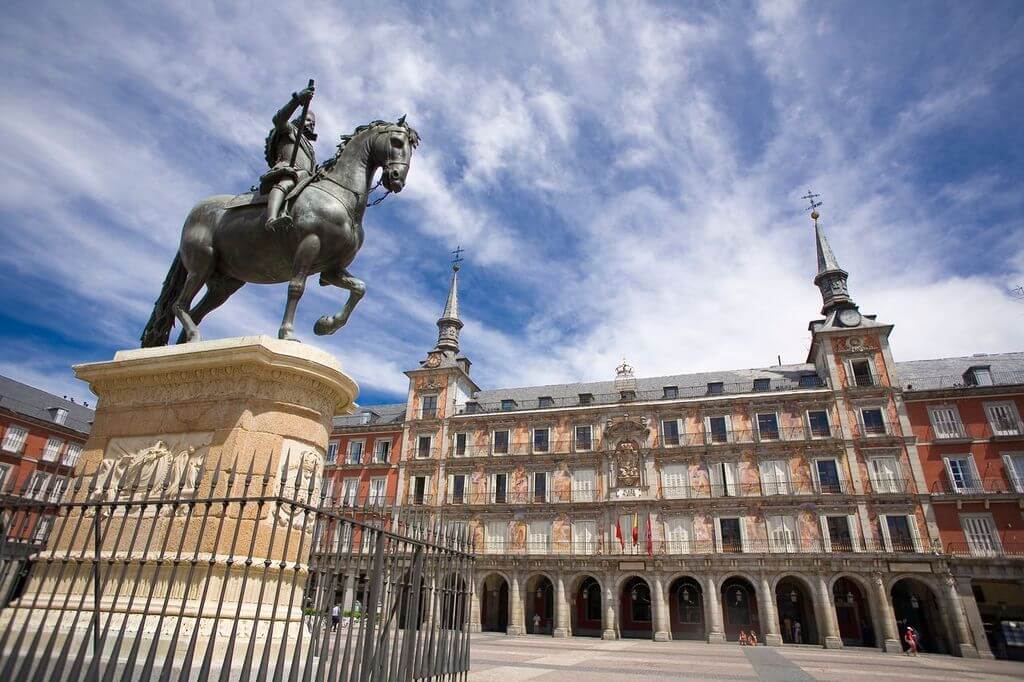
- Plaza Mayor: Once the site of inquisitions and bullfights, this grand porticoed square is now the quintessential spot for people-watching.
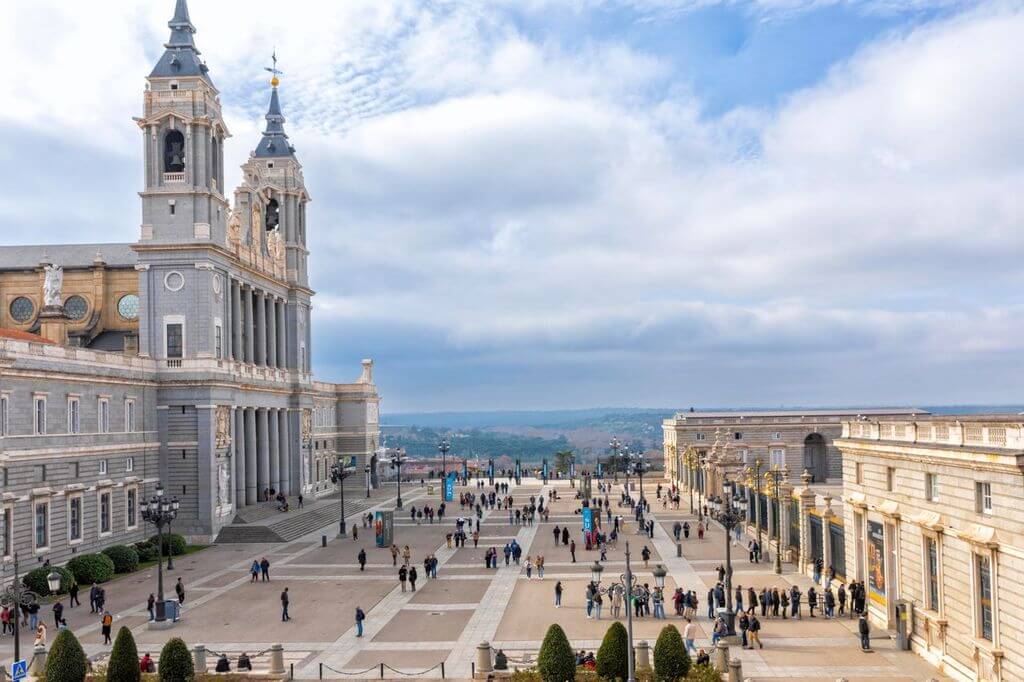
- The Royal Palace: As the largest palace in Western Europe, its 3,400 rooms offer a glimpse into the opulence of the Spanish monarchy. Though no longer a royal residence, it functions as a museum of state power.
Day 3: A Culinary Odyssey
Madrid is arguably the culinary capital of Europe. Beyond fine dining, the city thrives on "tapas crawling."
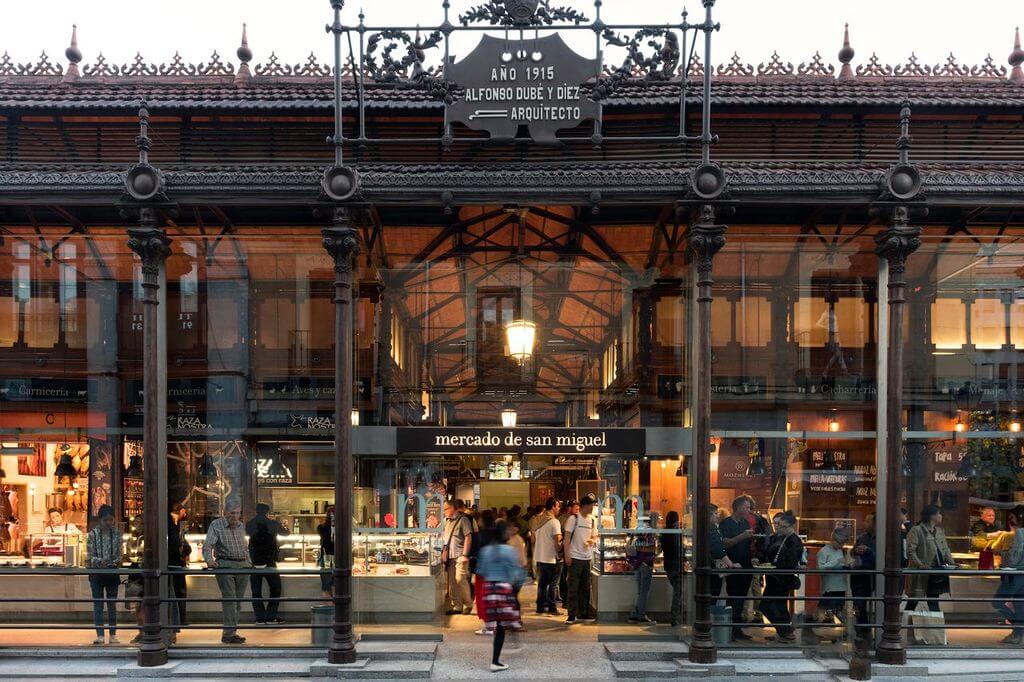
- Gastronomic Markets: Start at Mercado de San Miguel for gourmet bites. For a local favorite, head to Mercado de San Antón in the Chueca district.
- Historic Traditions: Dine at Sobrino de Botín, recognized by the Guinness World Records as the world’s oldest restaurant—a favorite haunt of Ernest Hemingway.
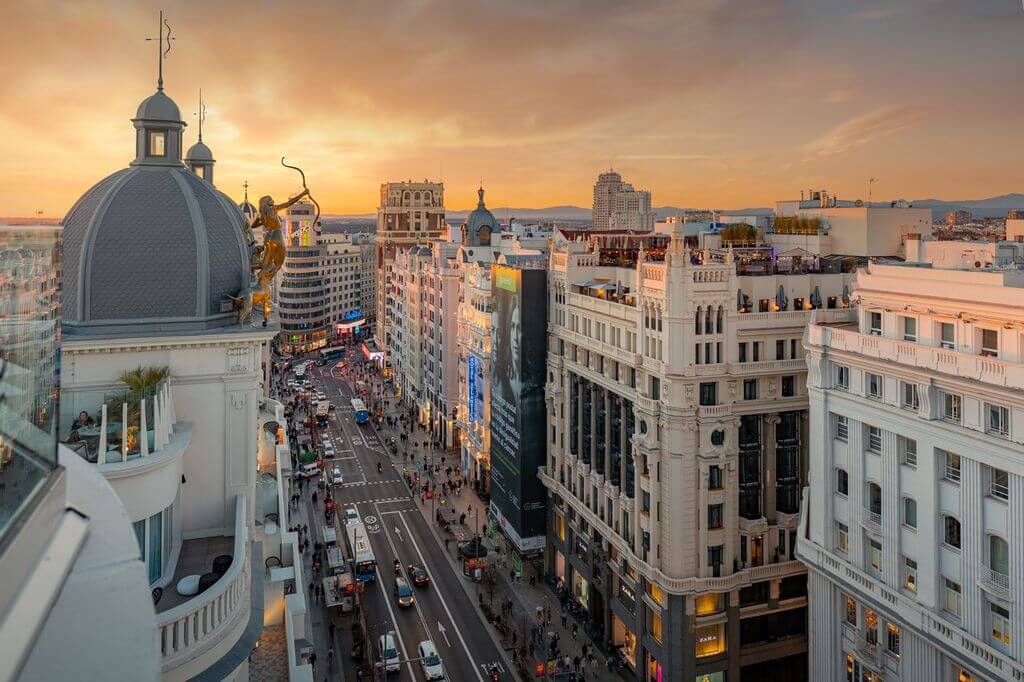
- Rooftop Culture: As the sun dips, ascend to the RIU 360º Sky Bar on Gran Vía for unparalleled panoramic views of the skyline.
Day 4: UNESCO Wonders and Royal Day Trips
Madrid serves as the perfect springboard for regional heritage.
- El Escorial: An hour outside the city, this massive 16th-century complex served as the residence and tomb of Spanish monarchs. Its austere granite architecture is a stark contrast to the city’s ornate centers.
- Aranjuez: Known for its royal gardens and palace, this site provides a lush, Versailles-like experience that served as the spring home to the Royal family.
- Alcalá de Henares: The birthplace of Miguel de Cervantes, this university town offers a perfectly preserved window into the Spanish Golden Age.
Day 5: The Path Less Traveled
Conclude your trip by exploring the city’s "hidden" monasteries and expansive green spaces.
- Monastery of Las Descalzas Reales: Founded in 1559, this convent is a treasure trove of art donated by aristocratic women who sought refuge within its walls.
- Casa de Campo: End your journey in this 17-square-kilometer park. It is the lungs of the city and offers the best vistas of the Royal Palace and Almudena Cathedral as they light up at night.
Supporting Data: Why Madrid Leads the Pack
Statistical data underscores Madrid’s popularity:
- Tourism Volume: Over 10 million visitors annually.
- Cultural Density: Home to the "Golden Triangle of Art," one of the highest concentrations of masterpieces in the world.
- Accessibility: Madrid Barajas Airport serves as the primary gateway for transatlantic flights, consistently ranking as one of the most connected hubs in Europe.
- Economic Impact: Tourism contributes significantly to Madrid’s GDP, funding the ongoing preservation of its 17th-century architecture and the recent renovation of its "House Museums," including the upcoming 2026 reopening of the Sorolla Museum.
Official Perspectives and Implications
The city’s official tourism board, EsMadrid, emphasizes that the "Paisaje de la Luz" designation was a strategic move to preserve the synergy between nature and urban architecture. Local authorities have increasingly promoted "slow tourism," encouraging visitors to step away from the major landmarks to support local businesses in neighborhoods like Malasaña and La Latina.
The implication for the traveler is clear: while the main sights are essential, the "real" Madrid is found in the gaps between the monuments. The city is currently evolving its culinary landscape to include a robust vegan and vegetarian movement, reflecting a broader European trend toward sustainable and diverse dining.
Planning Your Visit: Essential Logistics
- Flights: Utilize search engines like Skyscanner to aggregate global pricing, as the volume of international carriers to Madrid is vast.
- Accommodation: Hostels remain a high-quality, budget-friendly option, while platforms like Booking.com provide the most competitive rates for mid-range guesthouses.
- Travel Insurance: Given the city’s density and the nature of international travel, comprehensive insurance is highly recommended to cover potential cancellations or medical needs.
- Pro-Tip: The city’s public transportation is world-class. Invest in a multi-day metro pass to navigate the sprawling districts efficiently.
Conclusion
Madrid is a city that demands your attention but rewards your patience. It is a place where every corner holds a piece of history, and every meal is an invitation to slow down and savor the moment. Whether you are navigating the halls of the Prado or sipping a drink at a rooftop bar overlooking the Plaza Mayor, the city’s energy is infectious. By following this itinerary, you ensure a trip that balances the prestige of the old world with the vibrant, beating heart of modern Spain.
For those looking to optimize their budget while maintaining an authentic experience, the key lies in the balance: spend on the experiences—the museums, the food, and the history—and save on the logistics by leveraging the city’s excellent public infrastructure. Madrid is not just a destination; it is an enduring experience that stays with you long after the final tapas plate has been cleared.