Beyond the Gloom: Transforming Challenging Shade Gardens into Vibrant Ecosystems
For many homeowners, a shady backyard is perceived as a horticultural dead end. When traditional turfgrass yellows and thins under the dense canopy of mature trees or against the north-facing walls of a home, the typical reaction is frustration. However, seasoned horticulturists view these "problematic" microclimates not as limitations, but as unique invitations to cultivate a more sophisticated, nature-inspired landscape.
The secret to a successful shade garden lies in understanding that for every low-light corner in the natural world, there is a specialized plant community that has evolved to thrive there. By selecting flora with innate coping mechanisms for dry soil, root competition, or deep shade, gardeners can turn their most challenging areas into lush, multi-season sanctuaries.
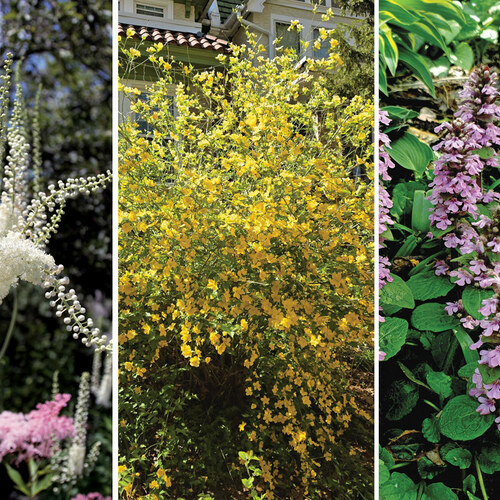
The Philosophy of Resilient Gardening
Understanding Microclimates and Plant Adaptation
Nature is the ultimate designer. In a woodland setting, plants do not compete with the sun; they negotiate with it. Species that inhabit the forest floor have developed physiological adaptations—such as waxy cuticles to conserve water, specialized root systems to navigate around tree anchors, and the ability to lower metabolic rates during stress—that allow them to flourish in conditions that would cause standard garden ornamentals to fail.
When you adopt this "problem-solver" mindset, you stop fighting the shade and start leaning into the specific, localized conditions of your yard. Whether you are dealing with the dry, competitive root zones of maples or the boggy, poorly drained clay near a gutter downspout, there is a botanical candidate waiting to fill the void.
Stalwarts of Dry Shade and Root Competition
One of the most daunting environments for any gardener is the "dry shade" zone, often located beneath mature trees where the soil is compacted, moisture is stolen by thirsty tree roots, and sunlight is minimal.
Golden Ragwort (Packera aurea)
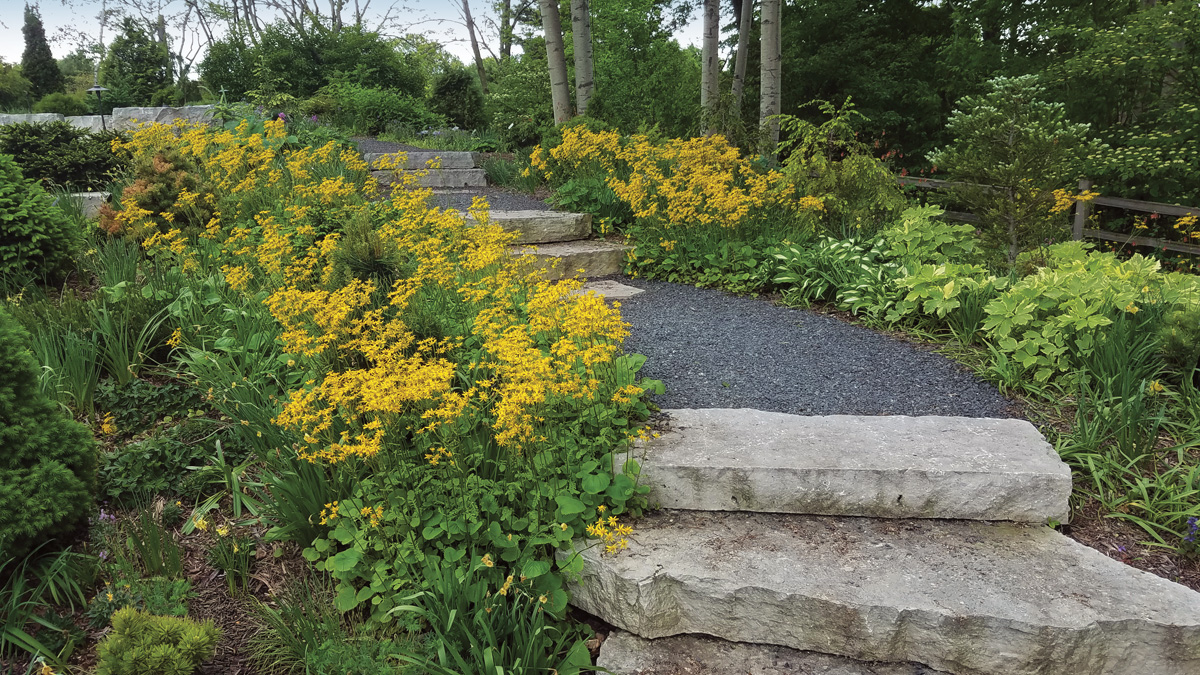
If you are looking for a plant that can go to war with tree roots and win, Packera aurea is your champion. Native to Eastern North America, this perennial is remarkably adaptable. In a test planting along a road verge—a notoriously difficult environment defined by droughty, compacted soil and heavy foot traffic—golden ragwort thrived, spreading via rhizomes to create a dense, weed-suppressing carpet.
Its glossy, dark green foliage provides year-round interest, while its vibrant, daisy-like yellow flowers in early spring offer a critical early-season nectar source. Furthermore, it serves as a primary larval food source for the northern metalmark butterfly, adding an essential layer of ecological utility to your garden.
Warley’s Epimedium (Epimedium × warleyense)
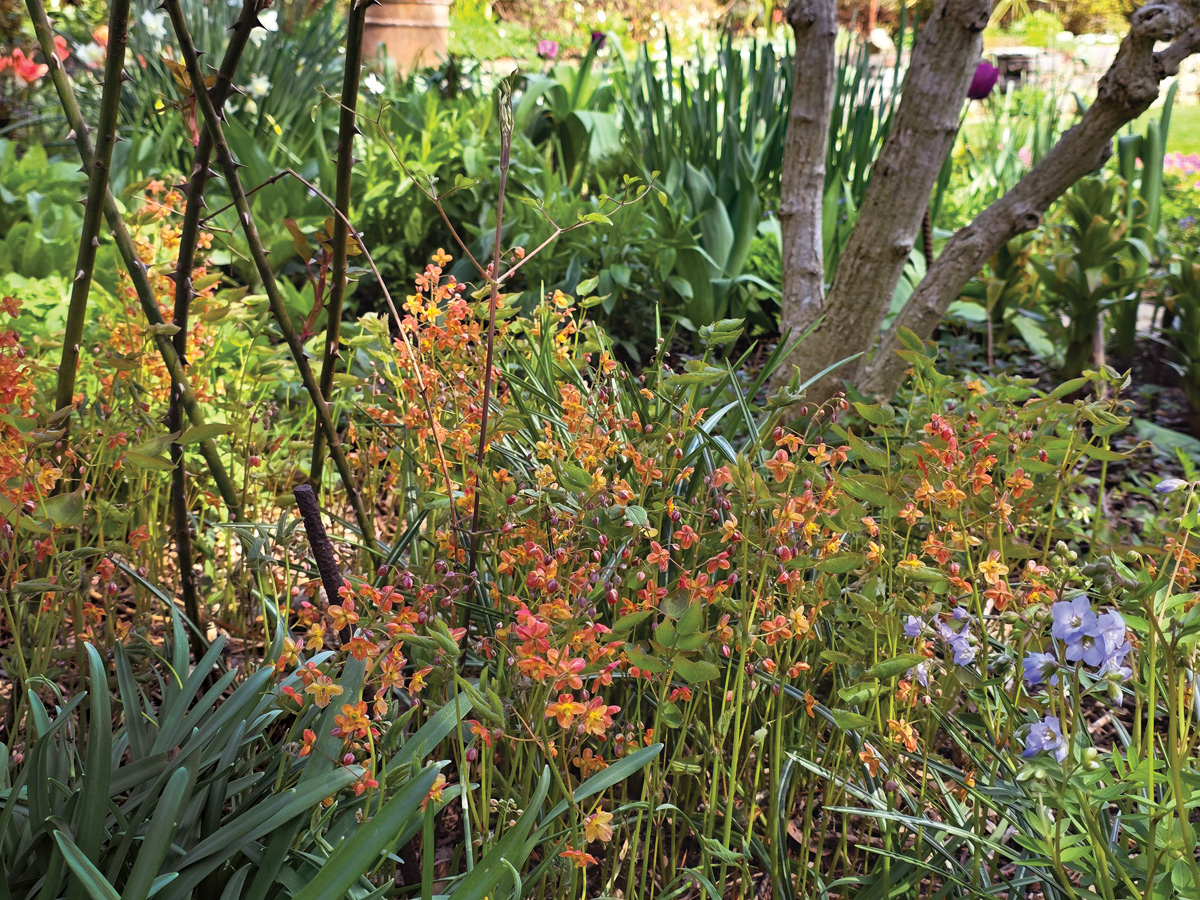
While some plants wither under the pressure of root competition, Warley’s epimedium treats it as a non-issue. A hybrid of garden origin, this plant is stronger than its delicate, floating flowers suggest. It features a stunning combination of burnished orange-red sepals and spurred yellow petals.
The brilliance of Epimedium × warleyense lies in its evolutionary history. Its ancestors hailed from rocky, nutrient-poor environments, gifting it with a thick, waxy cuticle that prevents transpiration and a wiry, persistent root system that can effectively coexist with the heavy roots of larger trees. It is deer-resistant, rabbit-resistant, and requires very little maintenance once established.
Woodland Treasures: Adaptable Elegance
For those crafting a woodland garden, the goal is to find plants that offer beauty without becoming invasive. You want species that play well with others.
Meehan’s Mint (Meehania cordata)
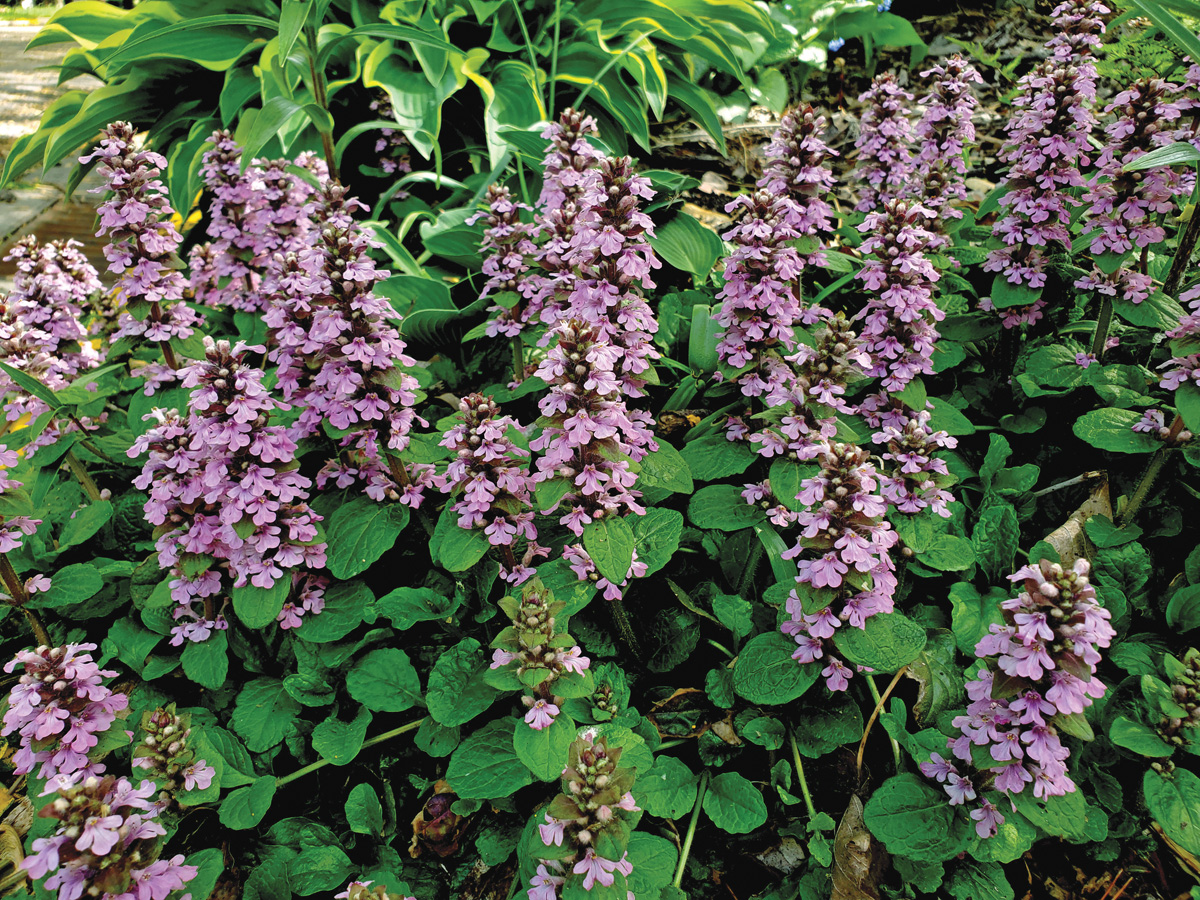
Often, gardeners fear ground covers that might take over the entire yard. Meehan’s mint, however, is the polite guest of the garden world. It expands slowly through a mat of stoloniferous roots, making it easy to divide and share with friends. Its rose-pink to violet-purple spring flowers are a delight, and its semi-glossy foliage remains attractive well into the winter months. It has proven its durability in "hellstrips" and sidewalk edges, proving that elegance and toughness are not mutually exclusive.
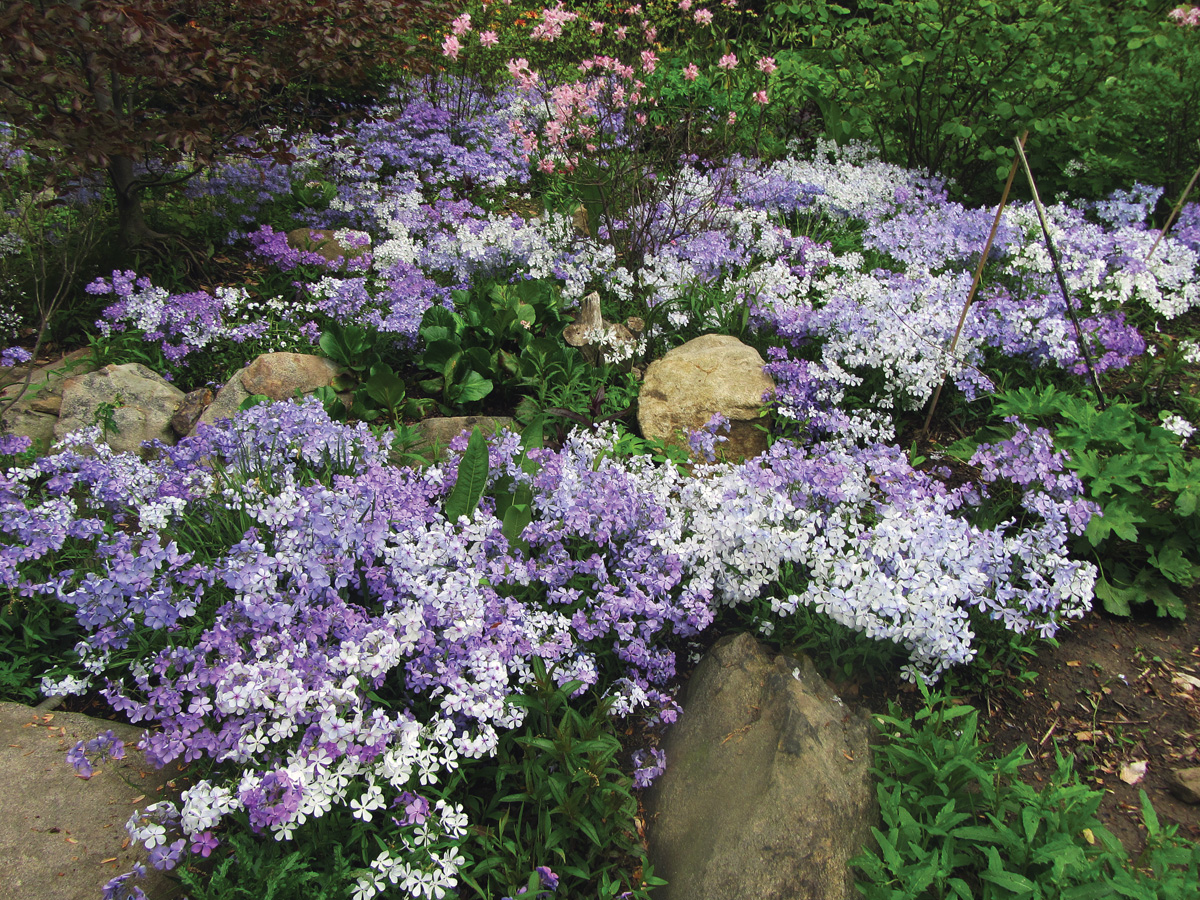
Woodland Phlox (Phlox divaricata)
Though it is often labeled as an ephemeral—meaning its foliage fades after the spring flowering—woodland phlox is a powerhouse of the transition zone between sun and shade. It is a critical nectar source for bees, moths, and hummingbirds. Cultivars like ‘Blue Moon’ offer a deep, rich color that holds up well in shade, and when planted in masses, they create a stunning, airy carpet that welcomes other late-season perennials to emerge through their dormant mounds.
Addressing the Challenge of Wet Shade
While dry shade is a common complaint, wet, heavy soil under drain spouts or in low-lying areas presents an entirely different set of obstacles.
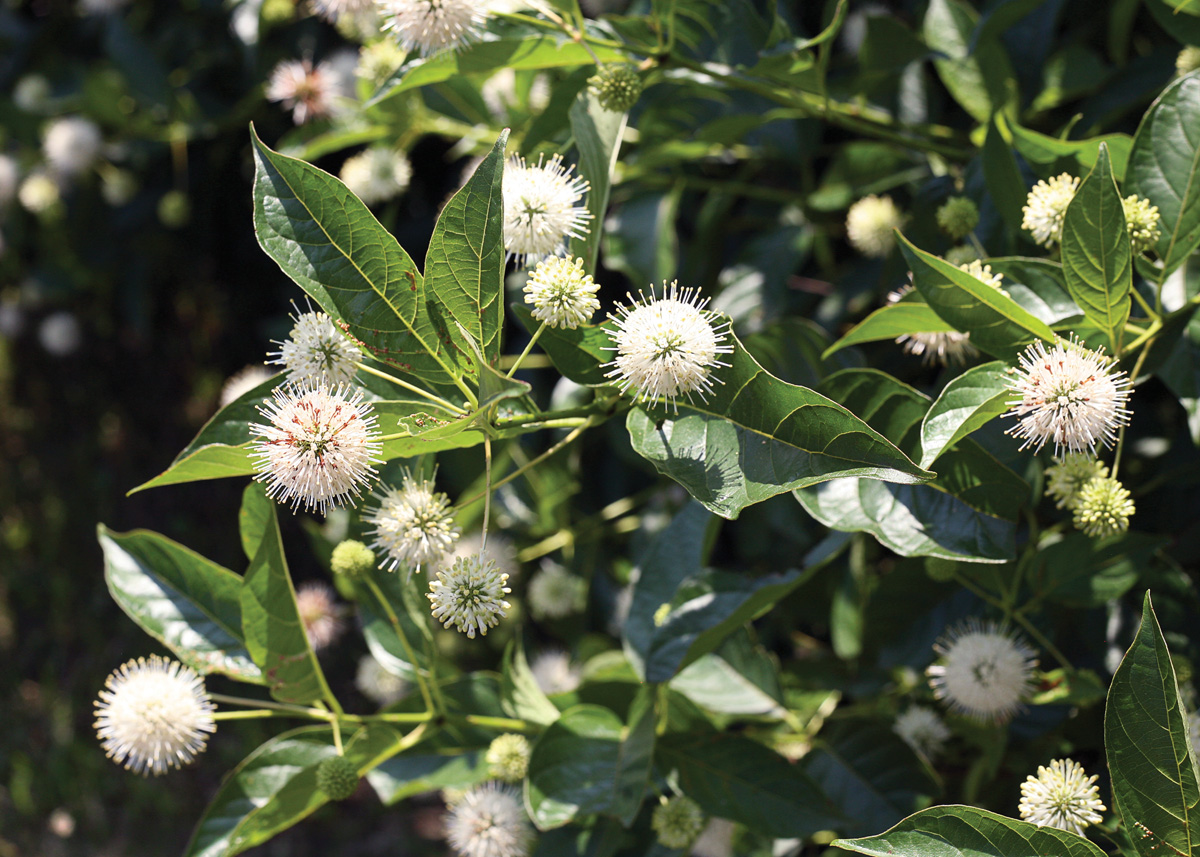
Sugar Shack® Buttonbush (Cephalanthus occidentalis)
For gardeners who love "botanical oddities," the Sugar Shack® buttonbush is a must-have. A compact cultivar of our native wetland species, it produces unique, pincushion-like white flowers that are magnets for pollinators.
Its ability to handle "wet feet" makes it an essential choice for rain gardens or bioswales. Beyond the summer blooms, the plant offers rosy-red fruit that persists into the winter and stunning burgundy fall foliage. If the plant becomes leggy or overgrown, it can be coppiced—cut back to the ground—to rejuvenate its growth, making it a low-maintenance, high-impact choice for damp corners.
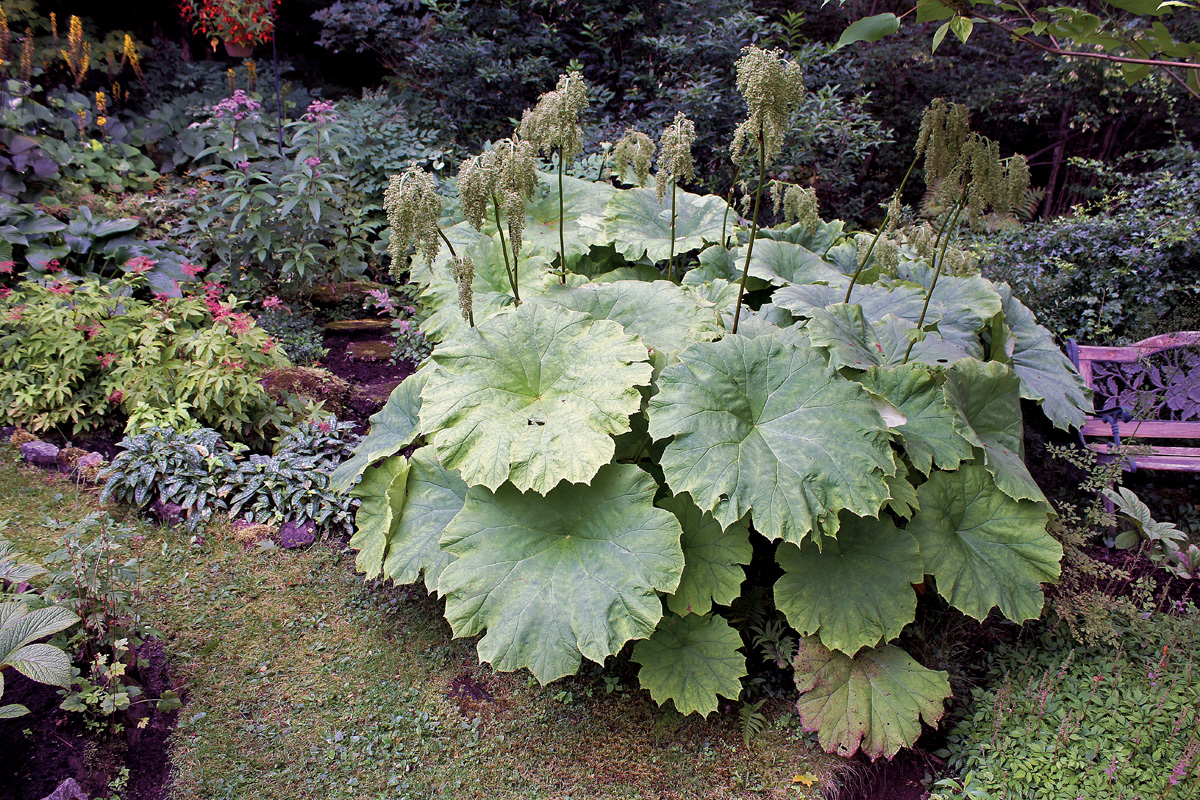
Astilboides (Astilboides tabularis)
If you have a wet, heavy clay spot that seems impossible to plant, look no further than Astilboides tabularis. Originating from Northern China, this plant is defined by its massive, umbrella-like leaves that can reach several feet in height. Its towering white plumes of flowers seem to float above the foliage, creating a dramatic, tropical aesthetic in the middle of a temperate shade garden. It pairs exceptionally well with ferns, providing a structural contrast that elevates the entire landscape design.
Nutrient-Poor Soil: The "Lean and Mean" Approach
Many gardeners assume they must amend their soil with excessive compost to achieve success. However, some of the most beautiful plants actually prefer "lean" soil.
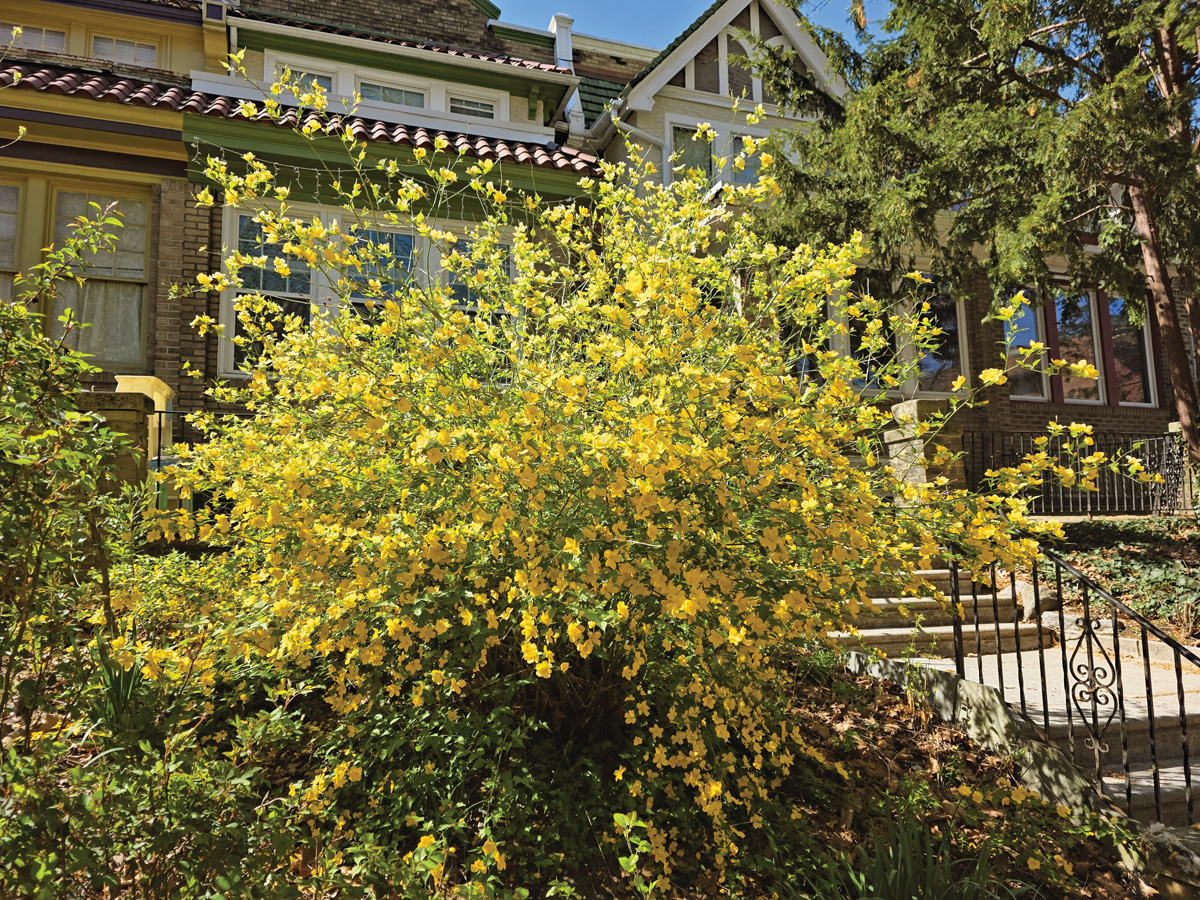
Japanese Kerria (Kerria japonica)
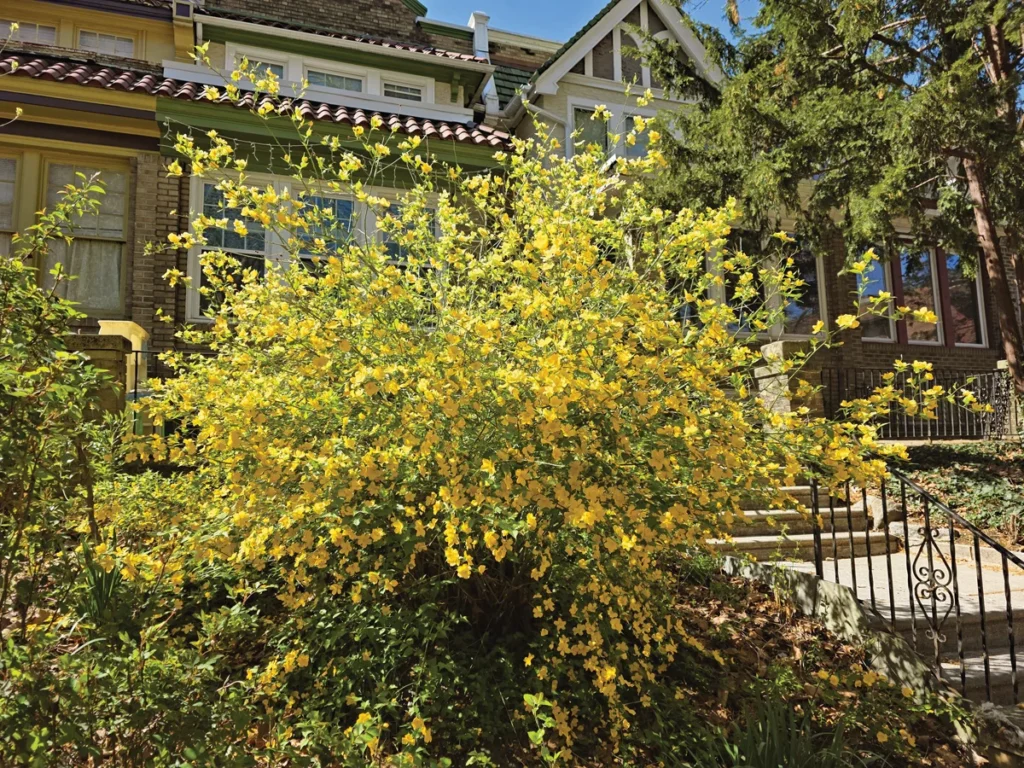
Japanese kerria is a four-season shrub that thrives in the very soils that starve other plants. It is a staple in urban gardening for its ability to perform in the shallow, nutrient-poor soil found in row-house plots. Its arching green stems provide winter interest even after the golden, buttercup-like spring flowers have faded. While variegated cultivars like ‘Picta’ exist, they are generally less robust than the species, making the straight Kerria japonica or the ‘Golden Guinea’ cultivar the superior choice for high-durability, low-maintenance landscapes.
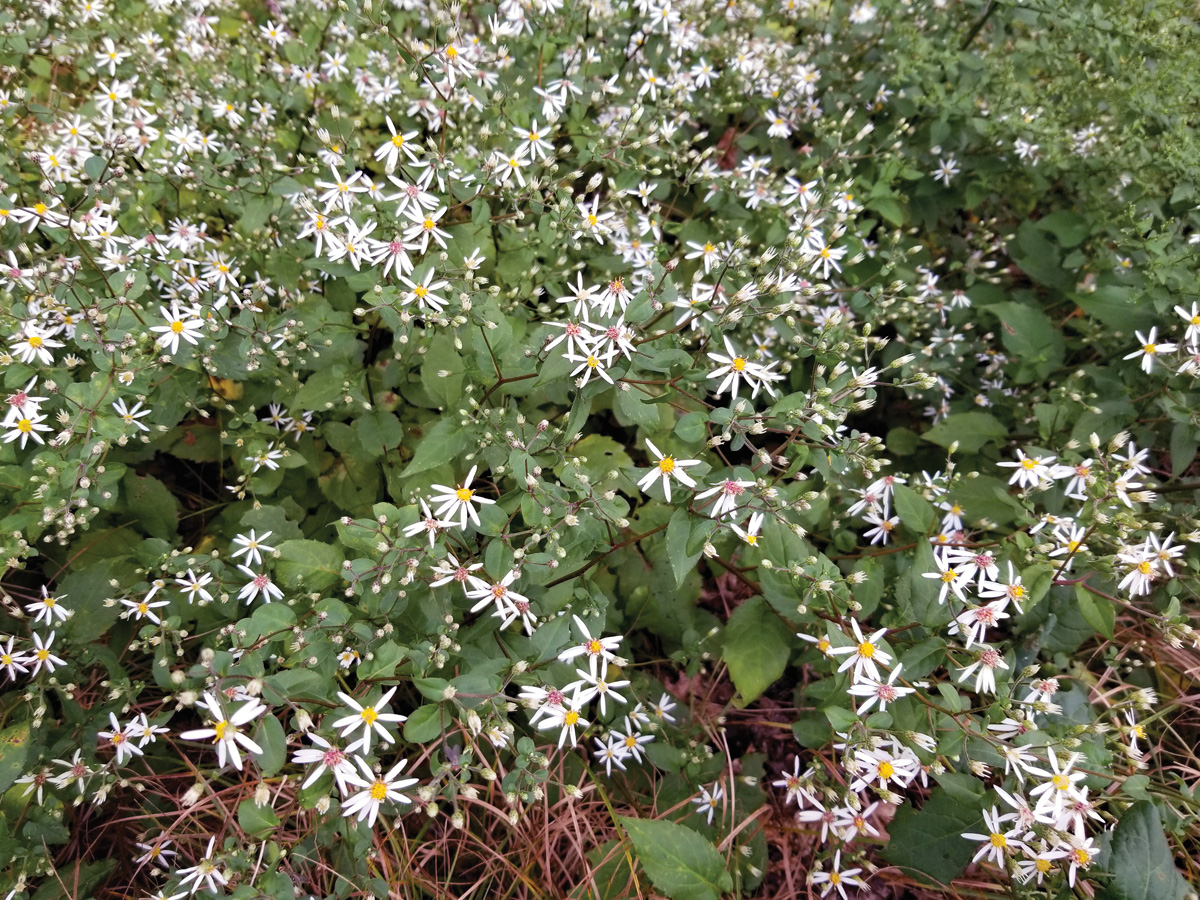
White Wood Aster (Eurybia divaricata)
Asters are frequently associated with sun-drenched meadows, but the white wood aster is a woodland specialist. It is the perfect answer for the gardener who wants fall color without the need for supplemental fertilization. It thrives in shallow, rocky soil and creates a gentle, glowing effect in the shade as the season turns to autumn. It is exceptionally drought-tolerant once established and provides a vital late-season food source for butterflies.
Deep Shade Solutions: Quiet Drama
In the darkest corners of the garden, color choices become tactical. White flowers are not just an aesthetic choice; they are a functional one, reflecting what little light is available to create a sense of depth and luminosity.
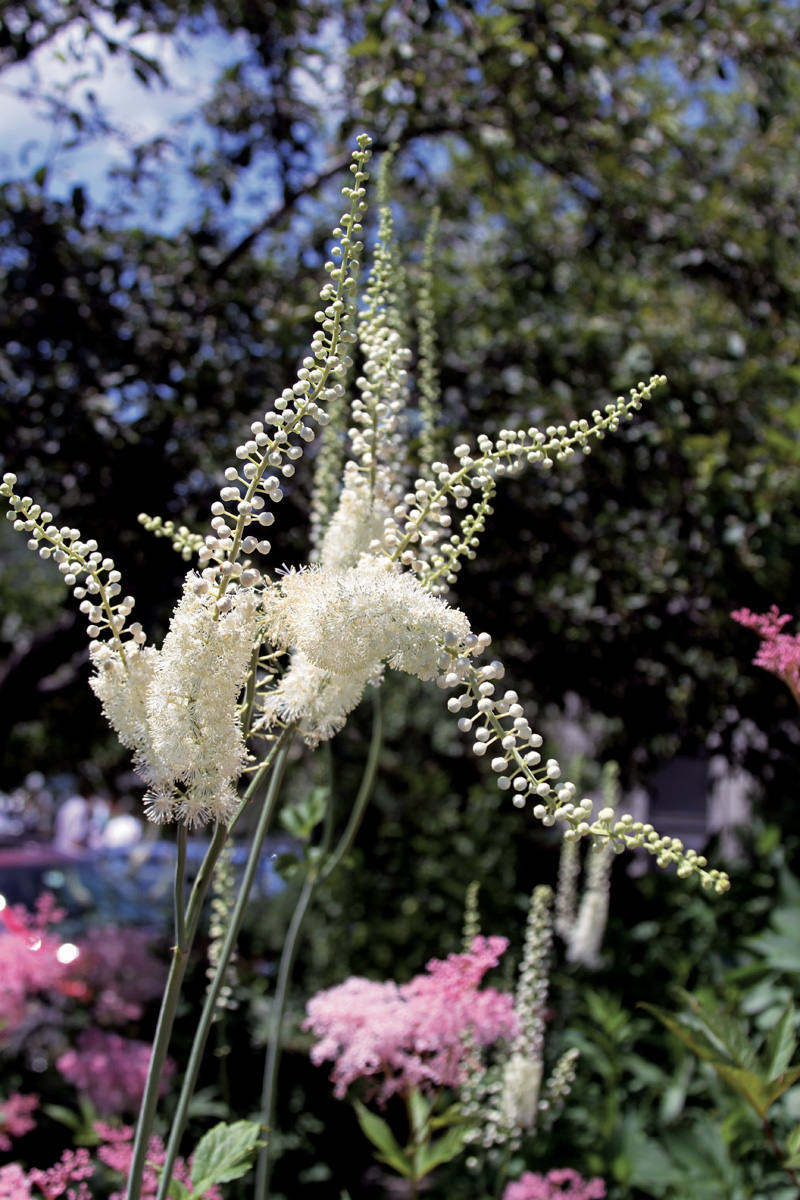
Black Cohosh (Actaea racemosa)
Black cohosh brings a sense of serene, quiet drama to the deep shade. Its white, candle-like racemes appear to float at eye level, brightening dark areas of the garden. It is a sturdy, long-lived native, though it requires consistently moist, organic-rich soil to thrive. It is important to note that its fruit is toxic, so it is best placed at the back of a border or in areas away from foot traffic.
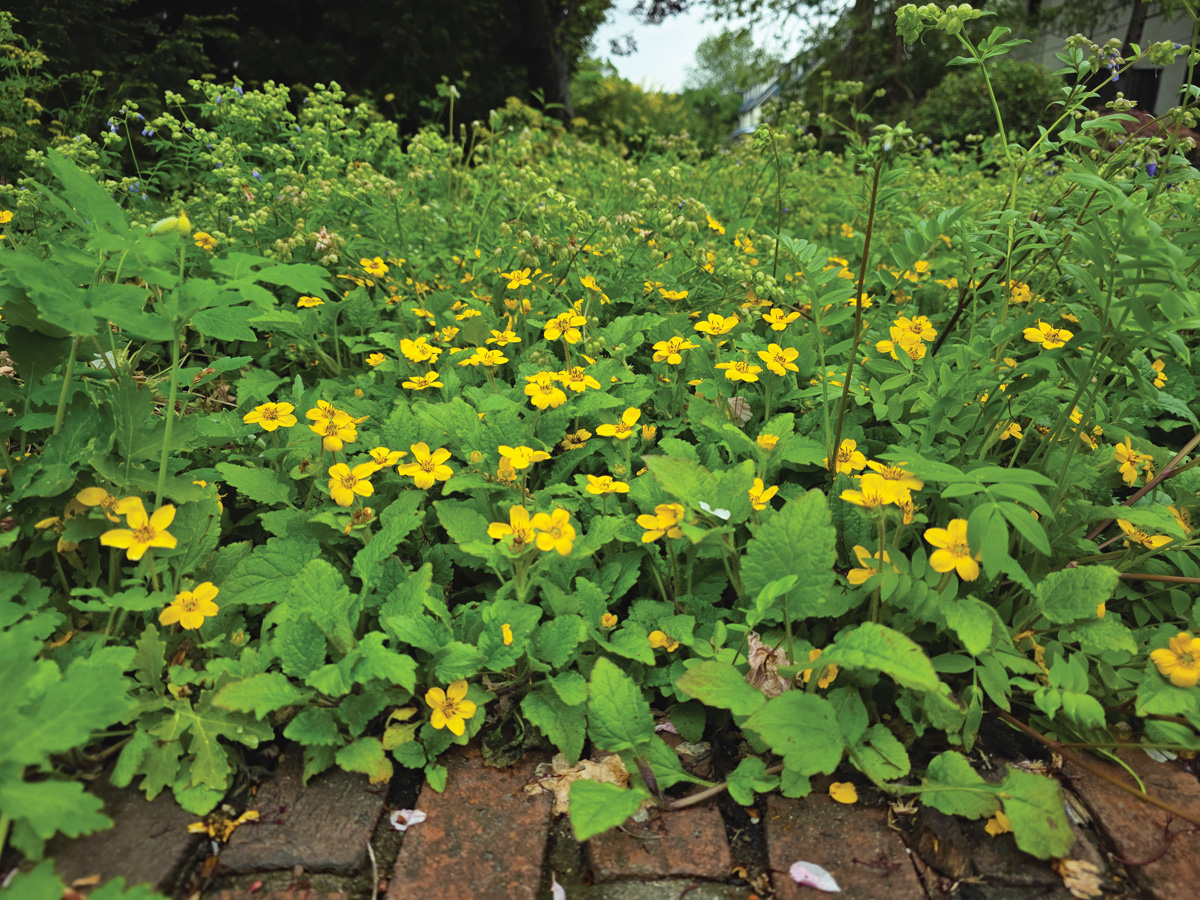
Goldenstar (Chrysogonum virginianum)
For a low-growing, deer-resistant ground cover, goldenstar is unmatched. It is a cheerful, jaunty plant that blooms heavily in the spring and, with adequate moisture and cool temperatures, can offer intermittent reblooms through the autumn. It forms a neat mat that suppresses weeds but remains easy to control through simple rhizome division.
Implications for Future Gardening
The transition toward utilizing these specialized plants represents a broader shift in landscape architecture. As we face increasingly erratic climate patterns and a greater need for sustainable, low-input gardening, the "problem-solving" plant palette becomes our most valuable asset.
By prioritizing native species—or well-behaved, non-invasive hybrids—gardeners are doing more than just filling a dark corner; they are building a bridge for local pollinators, managing water runoff more effectively, and creating resilient ecosystems that can withstand the stressors of the modern environment.
The next time you look at a shady, difficult spot in your yard, do not see a limitation. See a canvas. With the right selection of stalwart species, even the most neglected corners of the landscape can become the most enchanting parts of your home.
Quick-Reference Plant Data Table
| Plant Name | Light Conditions | Soil Preference | Hardiness Zones |
|---|---|---|---|
| Golden Ragwort | Full Sun to Shade | Average to Wet | 3–8 |
| Warley’s Epimedium | Partial to Full Shade | Dry to Average | 4–8 |
| Meehan’s Mint | Partial to Full Shade | Moist to Dry | 4–8 |
| Woodland Phlox | Partial to Full Shade | Well-drained | 3–8 |
| Sugar Shack® Buttonbush | Sun to Partial Shade | Moist to Wet | 4–10 |
| Astilboides | Partial to Full Shade | Average to Moist | 5–7 |
| Japanese Kerria | Partial to Full Shade | Average to Moist | 4–9 |
| White Wood Aster | Partial to Full Shade | Average to Dry | 3–8 |
| Black Cohosh | Partial to Full Shade | Average to Moist | 3–8 |
| Goldenstar | Partial to Full Shade | Average to Moist | 5–9 |
For more information on designing resilient landscapes, readers are encouraged to consult "Planting in a Post-Wild World" by Thomas Rainer and Claudia West, a foundational text for those interested in creating sustainable plant communities.