From Dump to Oasis: A Decade of Ecological Restoration in a Philadelphia Micro-Garden
In the heart of Philadelphia, Pennsylvania, a 0.11-acre urban plot stands as a testament to the transformative power of patience, native planting, and the relentless pursuit of ecological balance. For the past ten years, a gardener named Nancy has meticulously curated this space, turning a once-neglected area into a flourishing, pollinator-friendly sanctuary. By navigating the complex micro-climates of Zone 7b—specifically a challenging shift from morning shade to intense, searing afternoon sun—Nancy has crafted a "meadow-ish" landscape that bridges the gap between human aesthetic pleasure and wildlife necessity.
The Evolution of an Urban Sanctuary: Main Facts
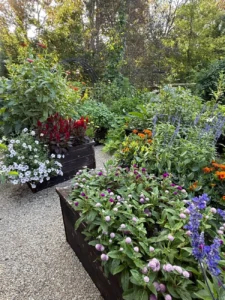
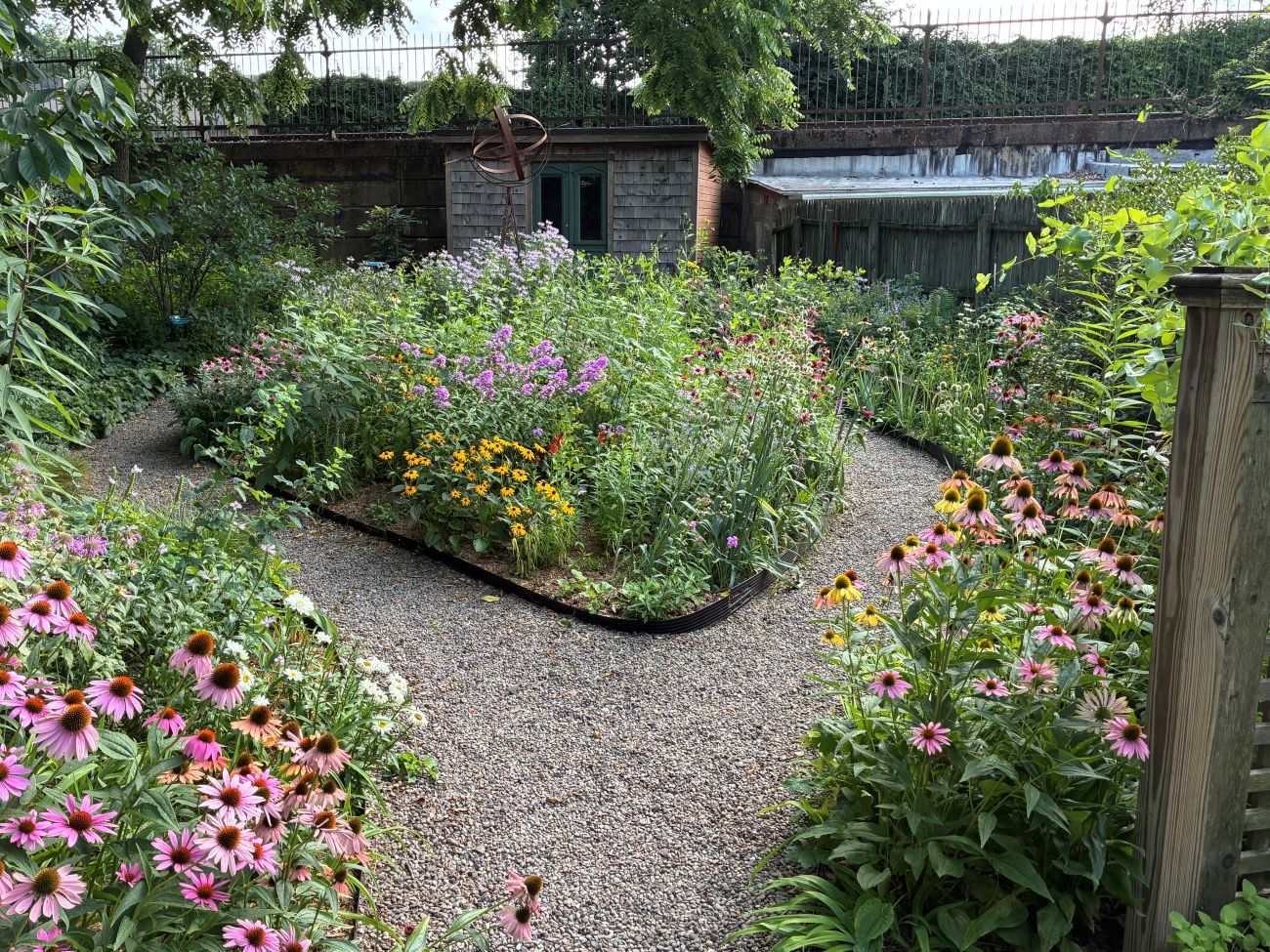
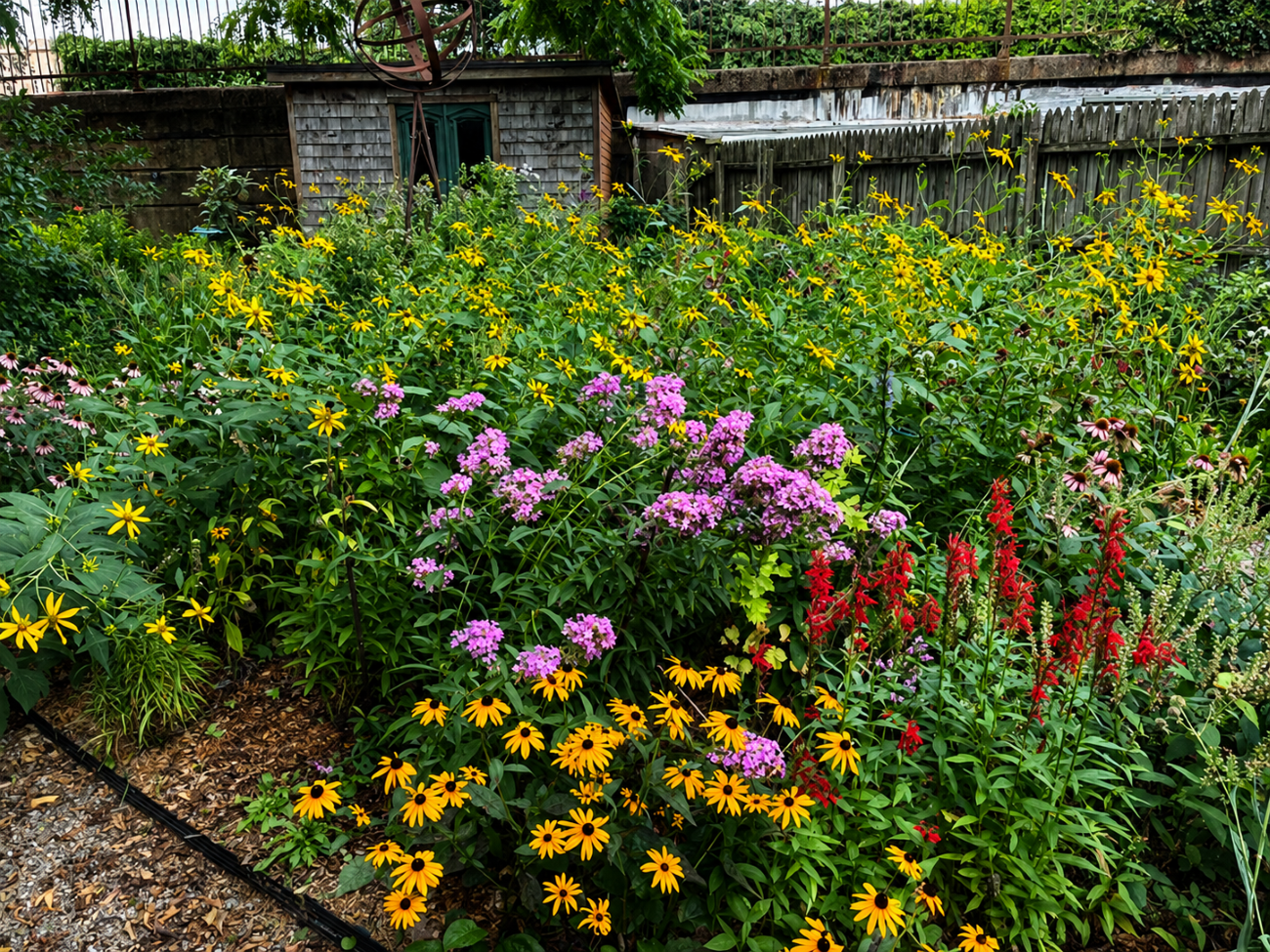
The garden is defined by its lack of traditional lawn, a design choice that prioritizes biodiversity over manicured turf. Instead, the property features specialized perennial beds that serve as a living laboratory for native flora. The central feature, an oval-shaped "meadow-ish" bed, serves as the heart of the garden, hosting a vertical tapestry of species that have been selected through a decade of trial and error.
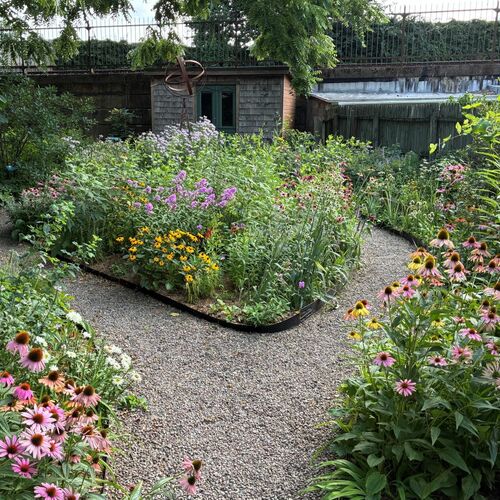
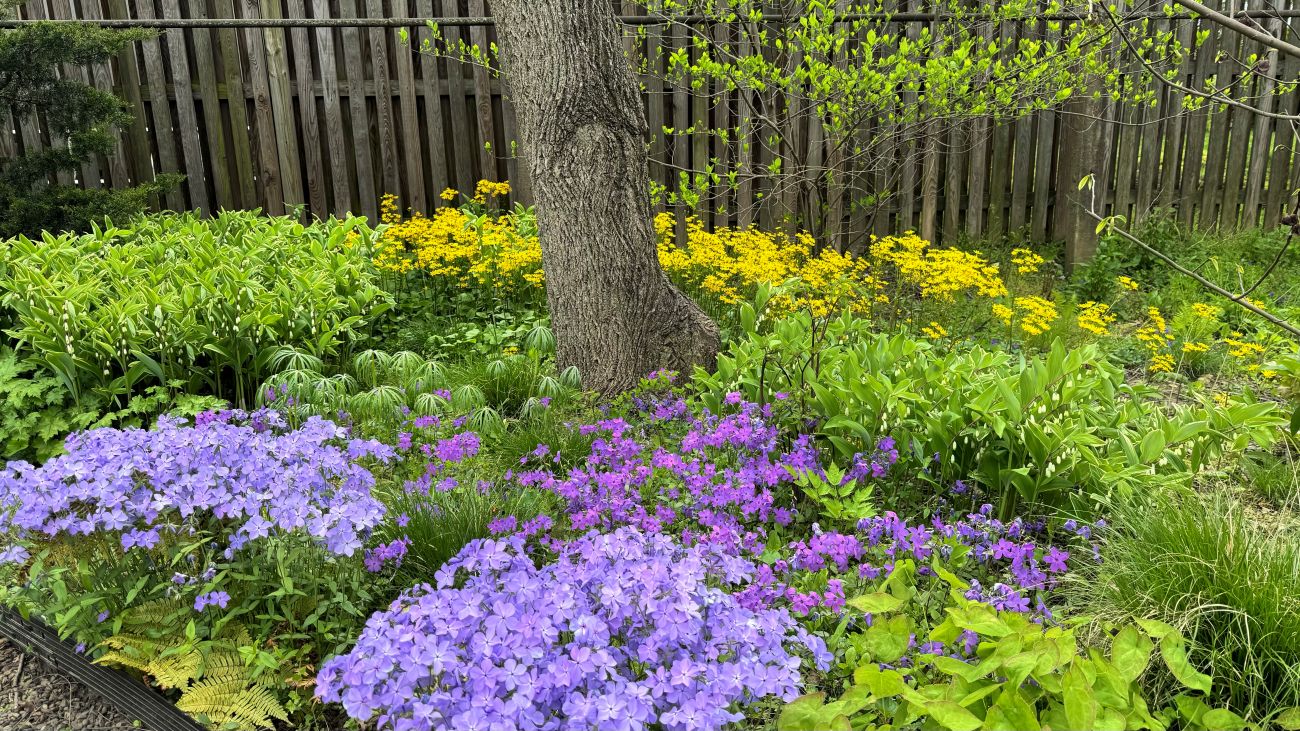
This garden is not merely a collection of plants; it is a seasonal performance. In the spring, the garden offers a tranquil, cool-toned palette of woodland phlox, Solomon’s seal, and golden ragwort. As the year progresses into the heat of August, the garden shifts dramatically, erupting into a vibrant, high-energy display of height and color, characterized by towering coneflowers, bee balm, and other sun-loving natives.
A Chronological Journey: Ten Years of Growth
The Early Years: Clearing the Ground
The history of this plot is rooted in restoration. Before its current iteration, the back area of the property was effectively a dumping ground, devoid of structure or ecological value. The initial phase of the garden’s development involved clearing debris and establishing a foundation that could handle the site’s extreme light fluctuations.
The Trial-and-Error Period
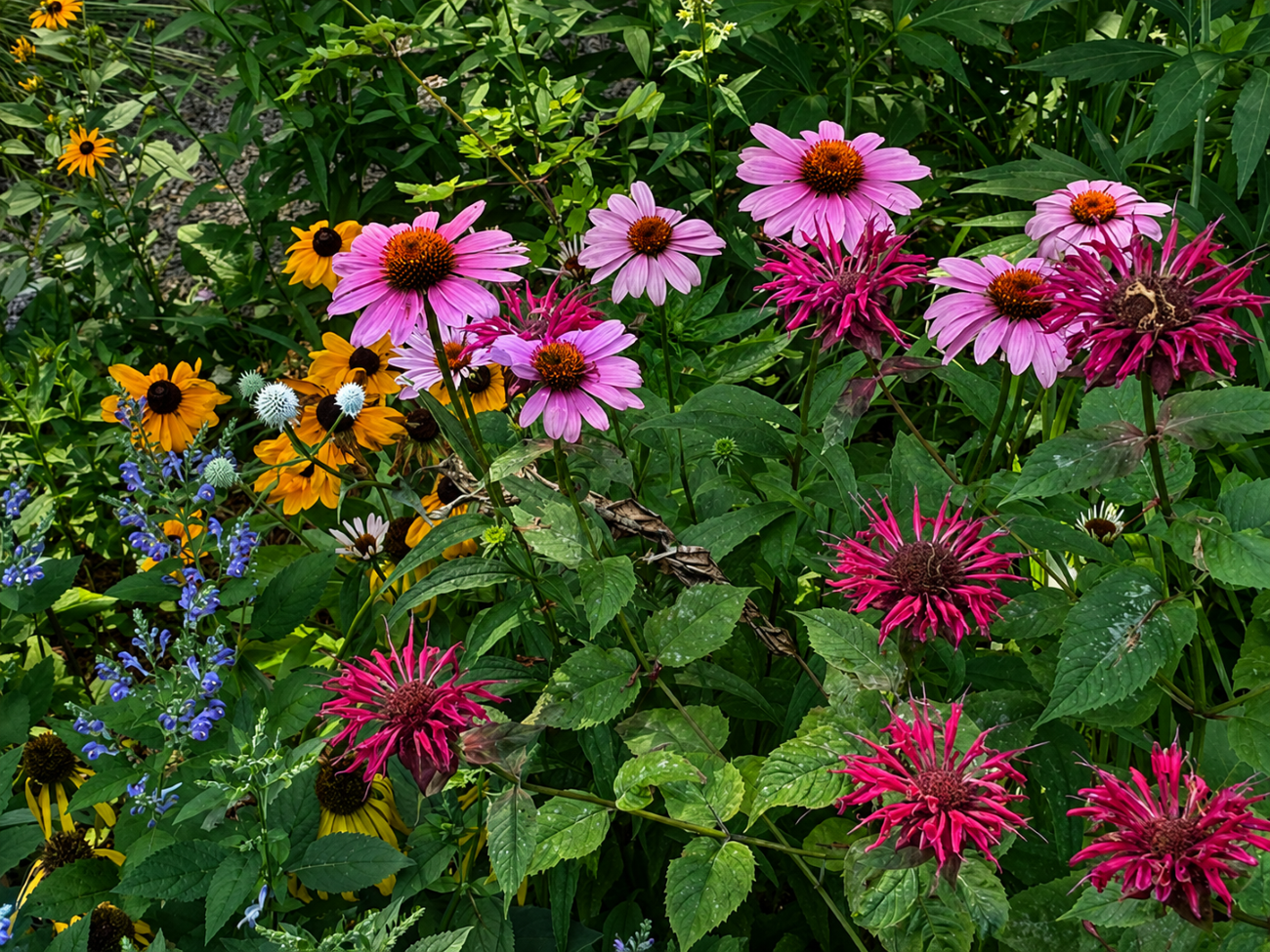
Midway through the decade, the primary challenge became the "meadow-ish" bed’s lighting conditions. Finding species that could survive both the soft, filtered light of the morning and the harsh, unfiltered exposure of the afternoon sun required consistent experimentation. Many species were tested and removed, while others—such as coneflowers (Echinacea), bee balm (Monarda), and rudbeckias—proved their hardiness and became the permanent backbone of the design.
Maturity and Refinement
Today, the garden is in a state of mature stability. Nancy has transitioned from heavy intervention to a more hands-off, naturalistic management style. Pruning and maintenance are now performed with an eye toward supporting pollinator life cycles, with strategic cuts in May and minimal staking required by late summer.
Botanical Composition: Supporting Data
The success of the garden lies in the careful selection of native perennials that serve as both aesthetic pillars and ecological resources. The plant palette is diverse, focusing on species that provide nectar and pollen throughout the growing season.
The Spring Palette
- Woodland Phlox (Phlox divaricata): Providing delicate, fragrant blooms early in the season.
- Solomon’s Seal (Polygonatum biflorum): Offering structural elegance and shade-loving foliage.
- Golden Ragwort (Packera aurea): Serving as a resilient ground cover that anchors the spring display.
The "Meadow-ish" Summer Peak
- Coneflowers (Echinacea purpurea): The quintessential summer perennial, with the ‘Magnus’ cultivar providing robust, reliable color.
- Bee Balm (Monarda ‘Raspberry Wine’): A pollinator magnet that brings intense color and attracts hummingbirds and bees.
- Black-eyed Susans (Rudbeckia hirta): Adding a bright, sunny texture that complements the taller perennials.
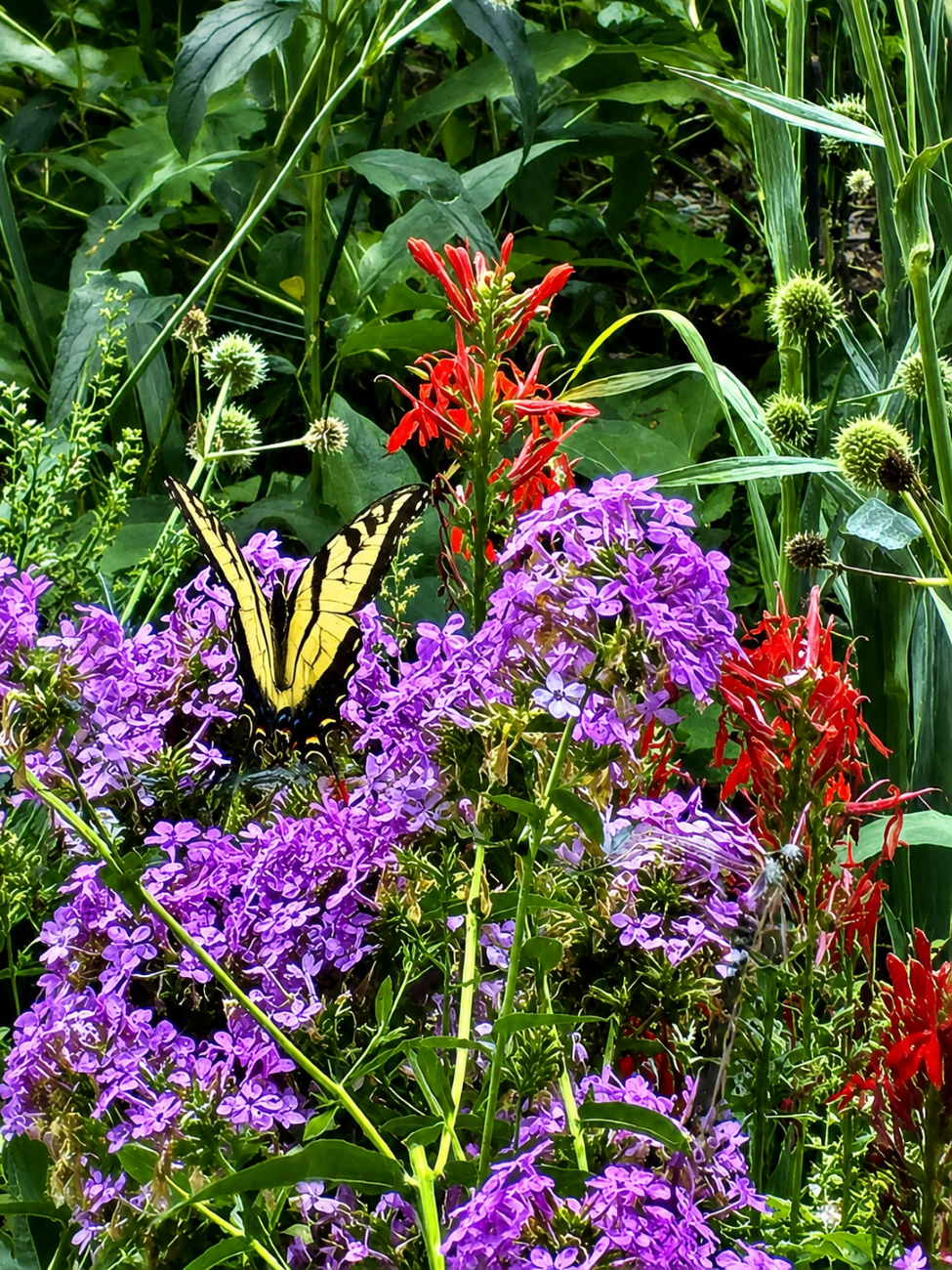
- ‘Jeana’ Garden Phlox (Phlox paniculata): Noted specifically for its ability to draw eastern tiger swallowtails, this cultivar has become a focal point for entomological activity.
The Tropical Contrast
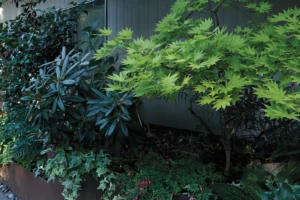
In the back section—once the site of refuse—the garden shifts to a container-heavy tropical aesthetic. Plants such as elephant ears, coleus, and caladiums provide a lush, leafy contrast to the native meadow. Notably, the spotted widow’s tears (Tinantia pringlei) serves as a popular "pass-along" plant within the local Philadelphia gardening community, showcasing the social nature of urban horticulture.
Ecological Implications: Beyond the Aesthetics
The design of the garden is driven by the urgent need to support local pollinator populations. By choosing native species, the garden provides essential habitat for native bees, butterflies, and other insects that struggle to find refuge in highly developed urban environments like Philadelphia.
The Role of Water
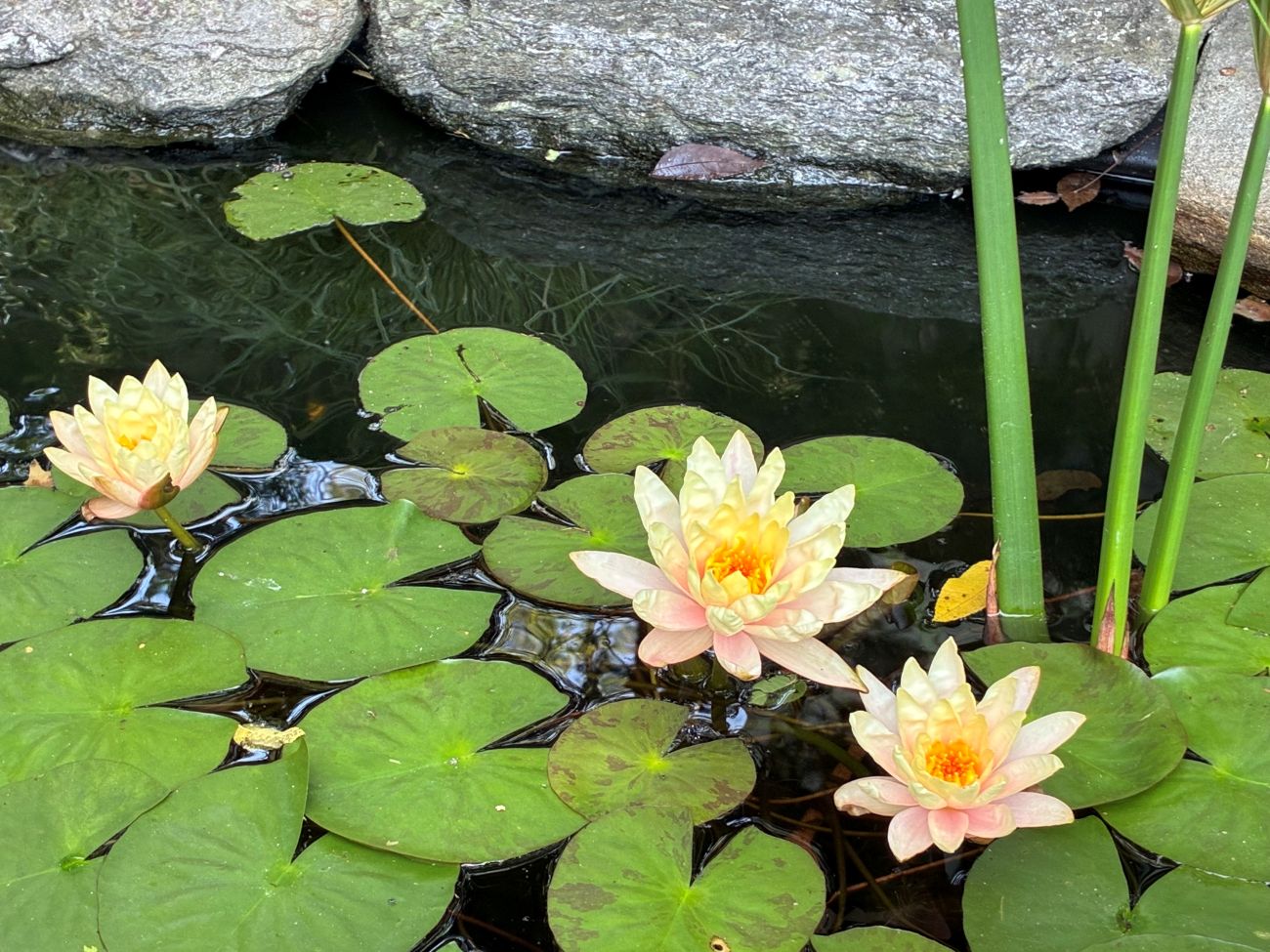
A critical component of this ecological success is the installation of a small pond. Featuring hardy water lilies (Nymphaea), the pond provides a vital hydration source for birds and local wildlife. The presence of water in a small, dense urban plot significantly increases the variety of visitors the garden receives, proving that even a tiny footprint can support a complex ecosystem.
Managing Urban Challenges
One of the most significant lessons from this garden is the management of tall plants in an urban environment. Nancy found that many taller native grasses tended to flop under wind or heavy rain. By switching to Korean feather reed grass (Calamagrostis brachytricha), she achieved the desired height and movement without the structural failure of previous attempts. This selection demonstrates the importance of matching plant species to the specific physical stressors of an urban lot.
Perspectives on Small-Space Gardening
The "meadow-ish" garden in Philadelphia serves as a model for homeowners with limited space. By removing the lawn, the owner has gained approximately 0.11 acres of usable, productive space. The use of a gravel path—which leads the eye through the garden and makes it appear larger than its physical boundaries—is a masterclass in spatial illusion.
The garden’s transformation from a "dumping ground" to a "tranquil oasis" offers several takeaways for the urban gardener:
- Embrace the Micro-Climate: Identify your specific light and moisture patterns before selecting plants.
- Native is Sustainable: Native plants require less supplemental water and chemical intervention once established.
- Layer for Success: Combine tall perennials with ground-level species to maximize vertical space.
- Community Matters: Engaging with local garden networks allows for the sharing of resilient, region-specific plants.
Future Hopes and Continued Learning
As the garden moves into its second decade, the focus shifts toward sustainability and long-term observation. The gardener’s willingness to experiment—and to share those results—highlights the collaborative spirit of the modern gardening movement. Whether it is documenting the seasonal cycle of the eastern tiger swallowtail or refining the pruning schedule for bee balm, the work continues to yield new insights.
For those inspired by this Philadelphia oasis, the path forward is clear: start small, prioritize native species, and look to the local environment as the primary teacher. Whether you are dealing with a shaded alleyway or a sun-drenched patch of former lawn, the potential to create a thriving, biodiverse environment is limited only by the willingness to experiment and the patience to let nature take its course.
As we look at the progression from spring woodland phlox to the late-summer dominance of cutleaf coneflowers, it is clear that Nancy has not just created a garden; she has created a living, breathing component of the Philadelphia landscape. Her work serves as a reminder that every small plot, when tended with intent, contributes to a larger, healthier, and more vibrant urban ecology.