The Ultimate Guide to Eggless Banana Muffins: A Masterclass in Allergy-Friendly Baking
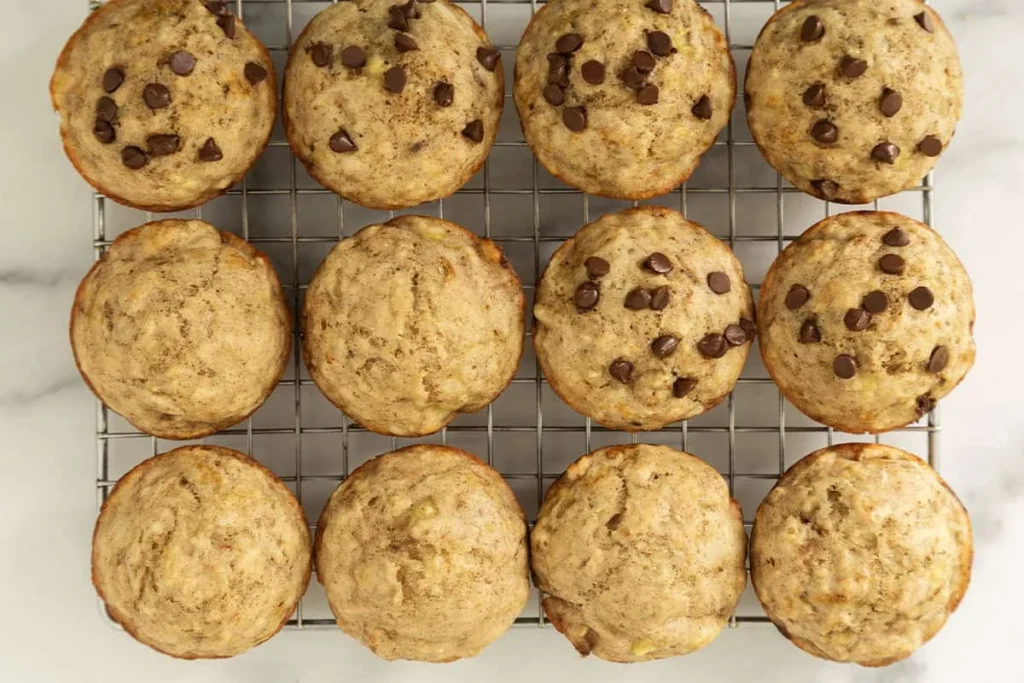
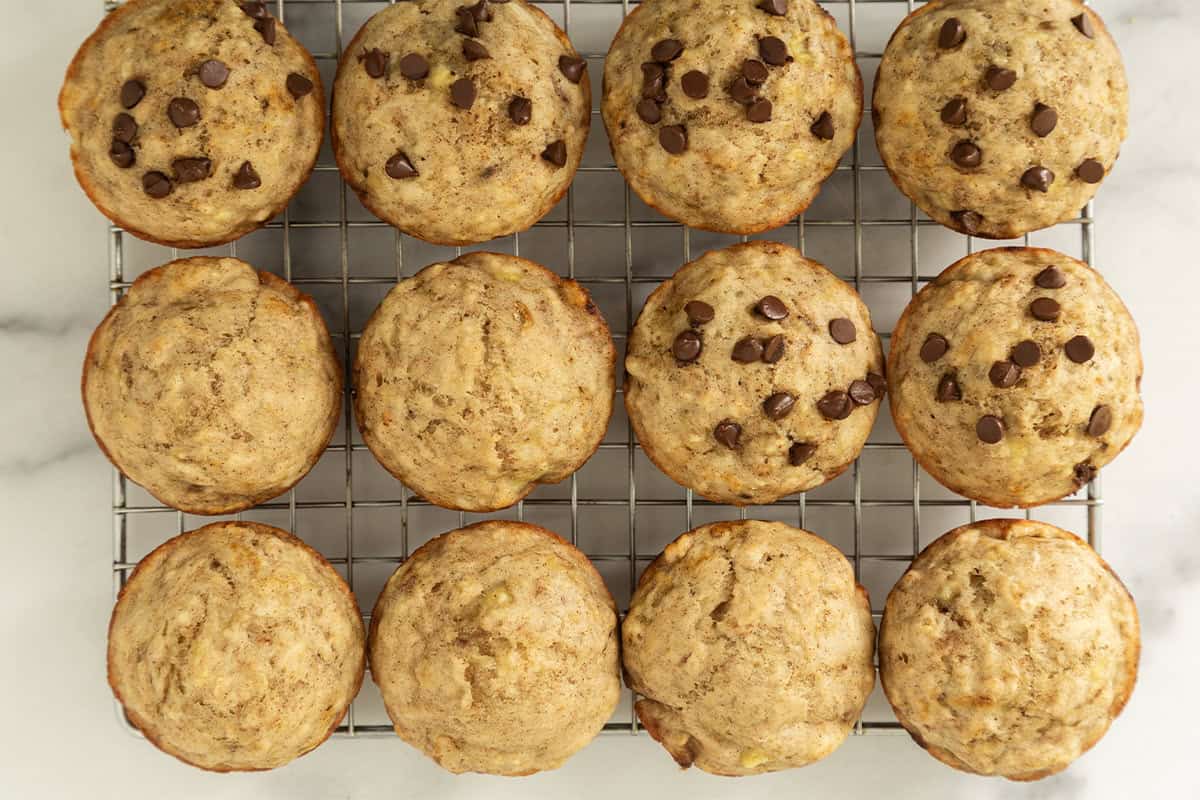
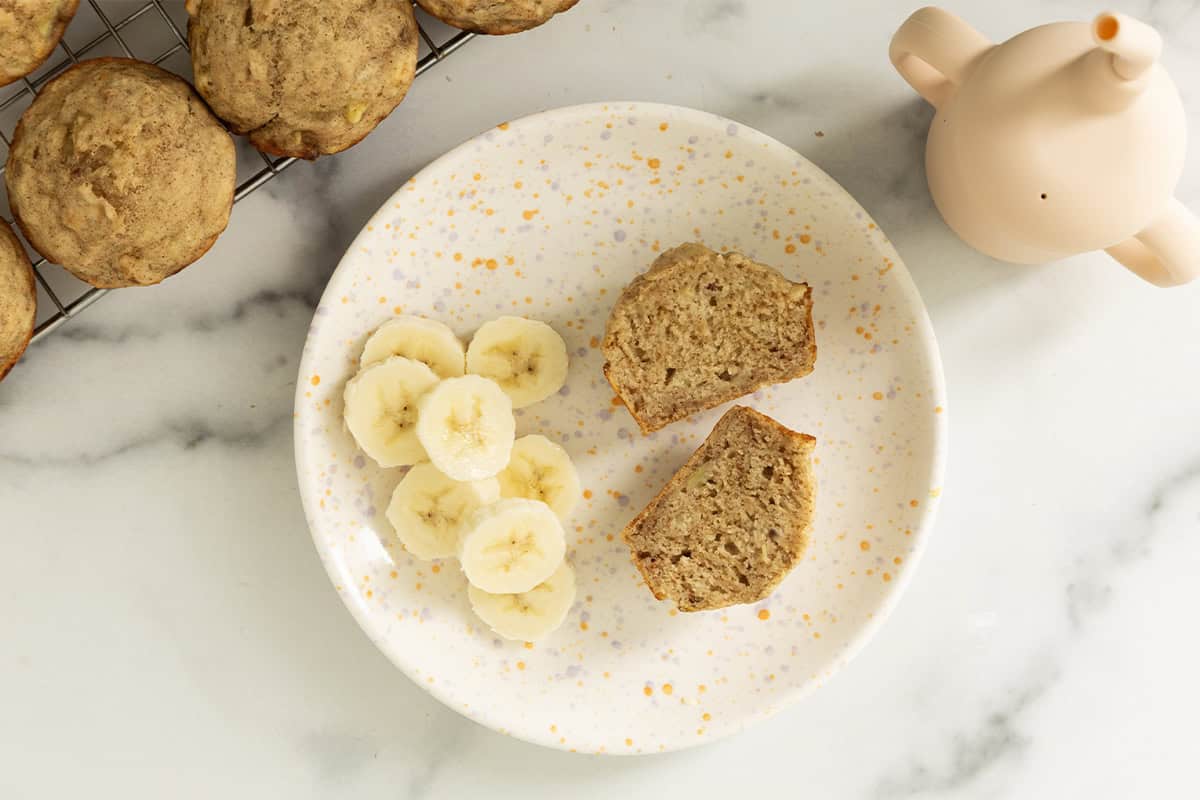
For families navigating the complexities of food allergies, or for the home cook who has reached into the refrigerator only to find an empty carton, the humble muffin can often feel out of reach. However, the rise of "smart baking"—a technique that prioritizes ingredient substitution without sacrificing texture or flavor—has brought the classic banana muffin back to the kitchen table. These eggless banana muffins are not merely a compromise; they are a culinary triumph of fluffiness and deep, caramelized fruit flavor.
This comprehensive guide explores the science behind egg-free baking, the evolution of the banana muffin, and why this specific recipe has become a staple for parents and home bakers alike.
Main Facts: The Science of Eggless Baking
At its core, the traditional muffin relies on eggs for structure, moisture, and lift. When an egg is removed, the baker must replace these functions. In this recipe, the secret lies in the interaction between the acidity of yogurt and the chemical leavening agents (baking powder and baking soda).
The Role of the Banana
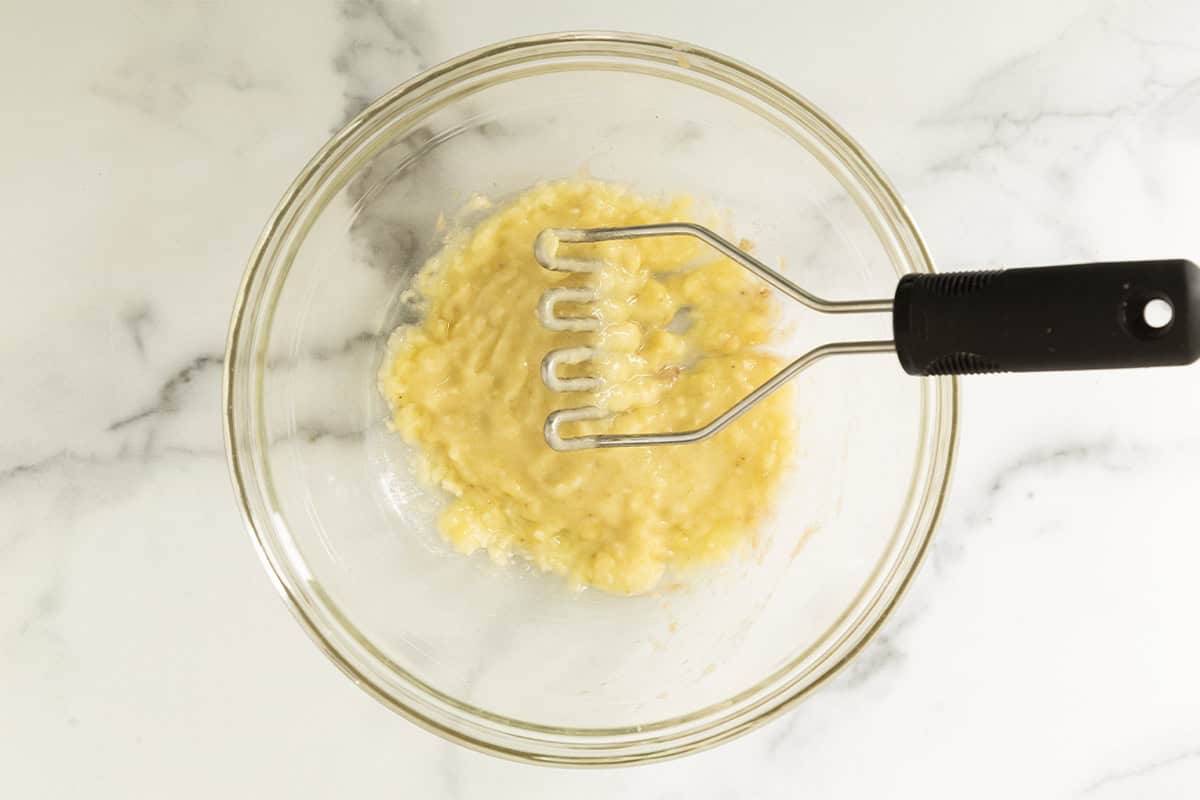
The banana is a functional powerhouse in this recipe. Beyond its sweet, tropical profile, the mashed fruit provides natural emulsification. As the banana breaks down, it creates a binding agent that holds the dry ingredients together, mimicking the protein structure usually provided by egg whites.
The Yogurt Factor
The addition of yogurt serves as the "moisture bridge." Because eggless batters can sometimes lean toward the dense side, the fat content and acidity in yogurt tenderize the gluten in the flour. This results in the "ultimate fluffiness" that characterizes a high-quality, professional-grade muffin.
Chronology: The Evolution of the Household Staple
The banana muffin has long been a fixture in the Western breakfast rotation. Its popularity surged in the mid-20th century as home kitchens embraced the "waste not, want not" philosophy—a direct response to the Great Depression and the subsequent rationing of the 1940s.
- The Early Era: Original recipes were heavy, dense cakes that required eggs for stabilization.
- The Allergy-Aware Transition: As childhood food allergies (particularly to eggs) became more medically documented, culinary experts began experimenting with fruit purees and dairy alternatives to replace binding agents.
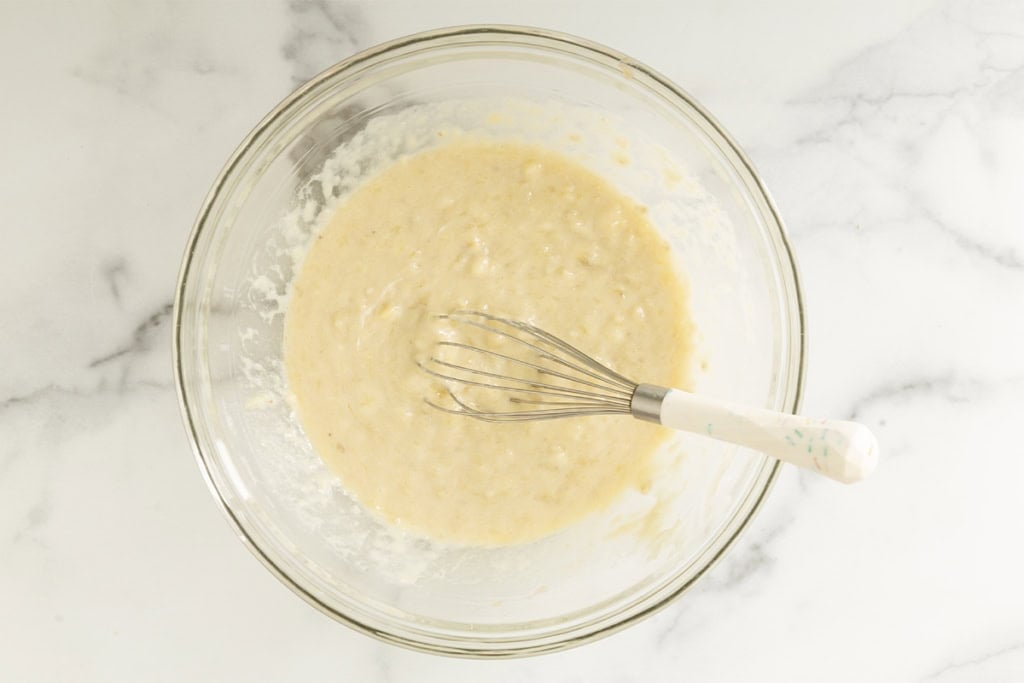
- The Modern "One-Bowl" Method: Today’s consumer demands efficiency. The current iteration of the eggless banana muffin focuses on the "one-bowl" method, minimizing cleanup while maximizing the infusion of flavors. This streamlined process allows parents to prepare a nutritious breakfast in under 30 minutes, a necessity in the modern, fast-paced household.
Supporting Data: Nutrition and Dietary Versatility
When comparing the nutritional profile of an eggless banana muffin to its traditional counterpart, the data is revealing.
- Caloric Density: At approximately 120 kcal per serving, these muffins are designed as a balanced component of a child’s meal.
- The Sugar Profile: Unlike many store-bought alternatives that rely on high-fructose corn syrup, this recipe derives its sweetness primarily from the fruit. By using over-ripe bananas (characterized by brown spots on the peel), the baker utilizes the natural conversion of starches into sugars, allowing for lower added-sugar content.
- Micronutrient Benefits: With a profile that includes essential potassium and small amounts of iron and calcium, these muffins provide a better energy source for developing children than processed cereal bars.
Official Perspectives: Why Professionals Recommend This Approach
In the culinary community, the move toward "clean labels"—ingredients you can find in your own pantry—is gaining momentum. Pediatric nutritionists often endorse this specific recipe for several reasons:
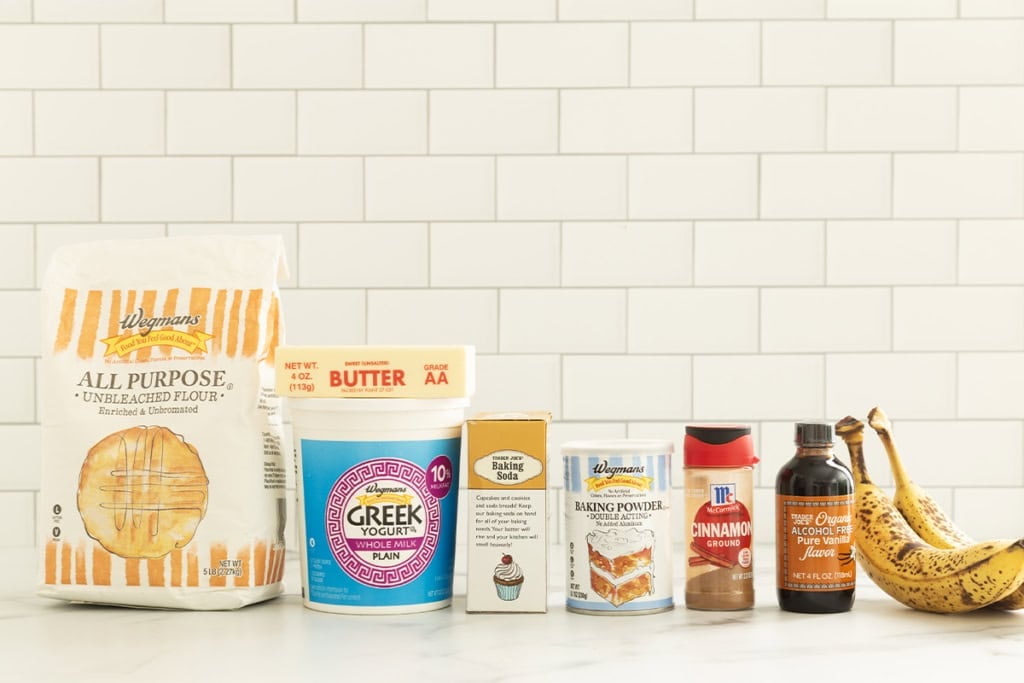
- Accessibility: There is no need for specialized egg-replacers like flax eggs or expensive commercial powders.
- Texture Retention: Many vegan or egg-free recipes suffer from "gummy" centers. By utilizing a specific ratio of butter (or a plant-based substitute) and yogurt, this recipe maintains a light crumb that appeals to toddlers and adults alike.
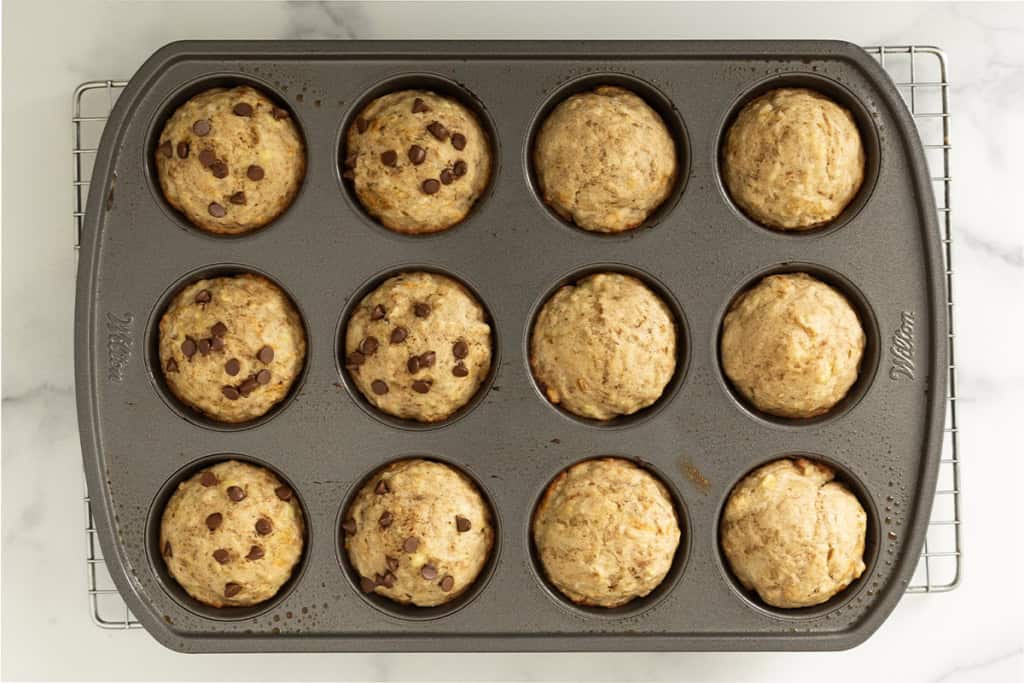
- Versatility: The recipe acts as a "base layer." Culinary experts suggest that the structure is robust enough to handle mix-ins like blueberries, walnuts, or chocolate chips without collapsing during the bake.
Implications for the Modern Kitchen
The shift toward recipes like the Eggless Banana Muffin has significant implications for family lifestyle and food security.
Financial Efficiency
Eggs have seen significant price volatility in global markets over the past few years. By mastering an eggless recipe, families are effectively "insulating" their breakfast routine from commodity price spikes. This recipe utilizes pantry staples—flour, sugar, baking soda, and bananas—making it one of the most budget-friendly options for high-volume, healthy snacking.
Culinary Confidence
For many parents, cooking for children with allergies can be a source of anxiety. Providing a recipe that is guaranteed to turn out "perfectly fluffy" builds confidence in the kitchen. It removes the trial-and-error phase, allowing parents to focus on the nutritional quality of their children’s meals.
Waste Reduction
The recipe serves a vital role in sustainable living: it is the perfect destination for over-ripe bananas. Instead of discarding fruit that has passed its peak for raw consumption, the baker transforms it into a nutrient-dense snack, contributing to the broader goal of reducing household food waste.
Tips for Success: Achieving the "Ultimate Fluffiness"
To ensure the best results, consider these professional-grade tips:
- The "Ripeness" Rule: Use bananas that are heavily spotted or even turning black. These provide the highest sugar content and the smoothest texture when mashed.
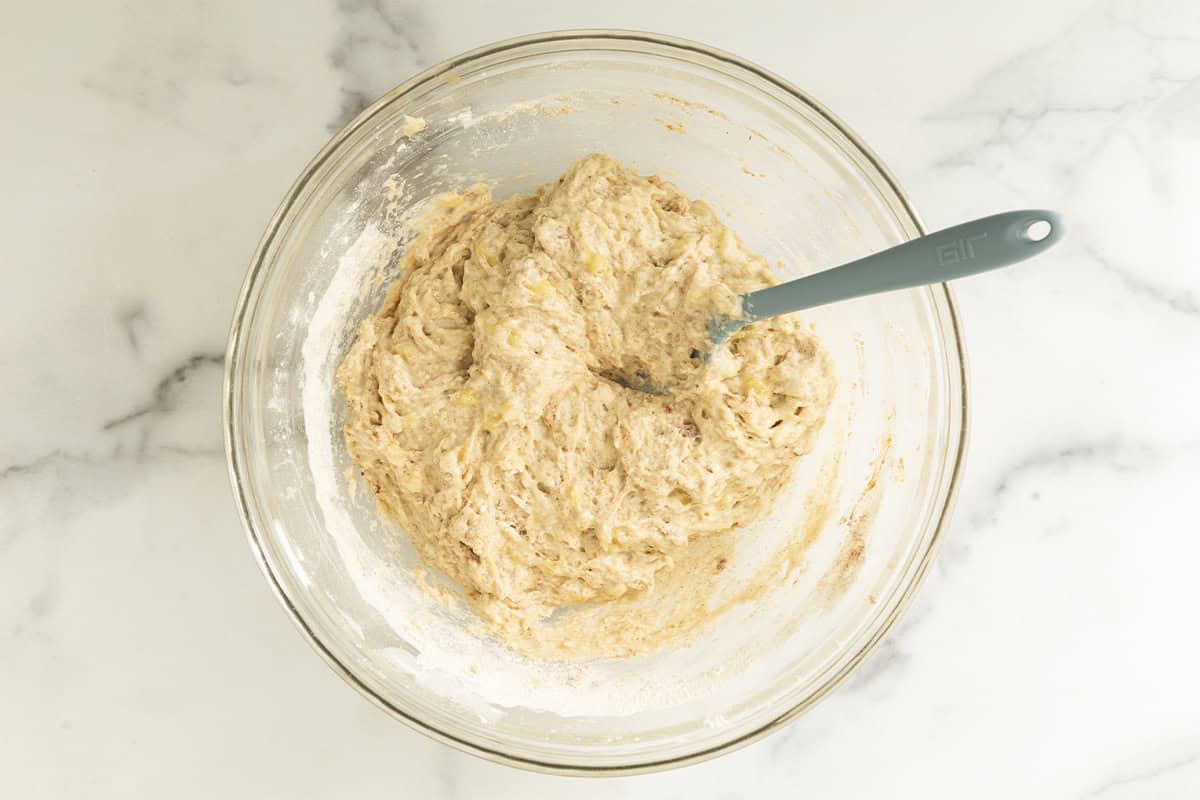
- Gentle Folding: When adding the dry ingredients to the wet, do not over-mix. Over-mixing develops the gluten too much, which leads to tough, rubbery muffins. Fold until just combined.
- The Temperature Check: Ensure your yogurt and butter are at room temperature. This creates a smoother emulsion, resulting in a more consistent rise in the oven.
- Storage Strategy: These muffins hold moisture well. To maintain their texture for up to 5 days, keep them in an airtight container. If you choose to freeze them, they remain viable for up to 6 months—a perfect "emergency" supply for busy mornings.
Conclusion
The eggless banana muffin stands as a testament to the fact that you do not need complex, processed ingredients to create a delicious, wholesome treat. Whether you are dealing with a severe egg allergy, or simply found yourself staring into a bare refrigerator, this recipe offers a reliable, healthy, and incredibly tasty solution.
By understanding the science of the ingredients and the versatility of the preparation, the home cook can turn a simple fruit into a culinary staple. It is more than just a recipe; it is a fundamental tool for any family looking to bridge the gap between nutritional health and the joy of a homemade treat.
Next time your bananas begin to turn brown on the counter, don’t think of it as food waste—think of it as the starting point for your next batch of perfect, egg-free muffins.