The Timeless Comfort of Pastina with Egg: A Culinary Staple for Generations
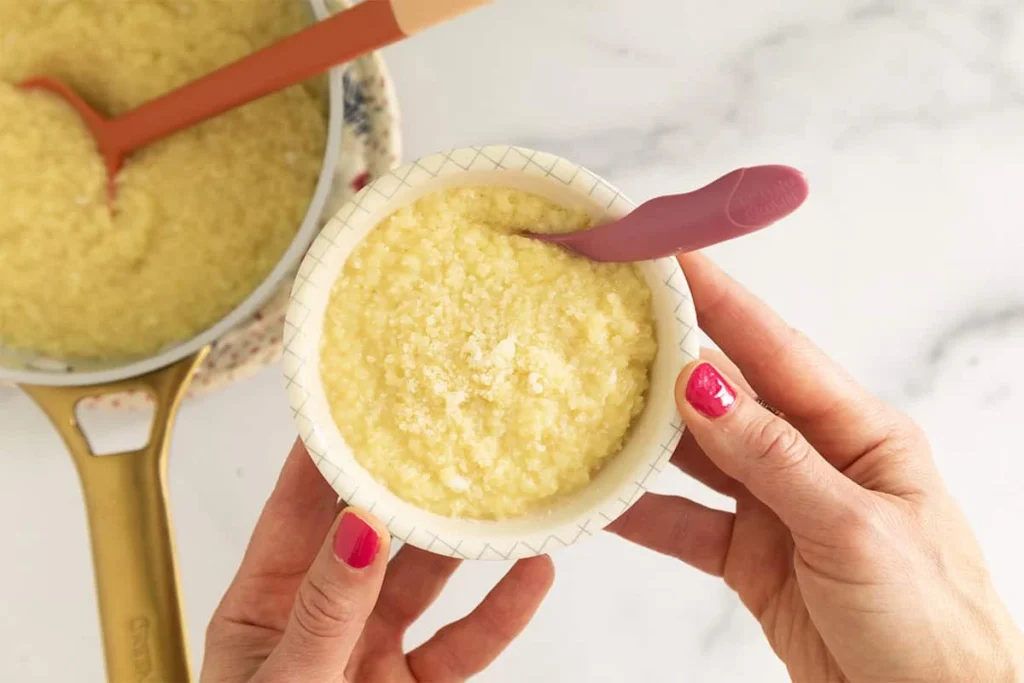
In the vast lexicon of Italian-American home cooking, few dishes occupy as sacred a space as "pastina." Often referred to as "Italian penicillin," this humble, star-shaped pasta dish—most commonly prepared with egg and Parmesan—serves as a bridge between generations. It is a meal that transcends age, providing essential nourishment for infants taking their first bites of solid food, a gentle digestive aid for those recovering from illness, and a nostalgic, warm bowl of comfort for weary adults.
The beauty of pastina with egg lies in its elegant simplicity. It is a ten-minute meal that requires little more than pantry staples, yet it delivers a depth of flavor that feels remarkably sophisticated. As families increasingly seek wholesome, quick-prep meals that cater to both the nutritional needs of toddlers and the refined palates of parents, this classic dish has experienced a resurgence in popularity.
The Anatomy of the Dish: Essential Facts
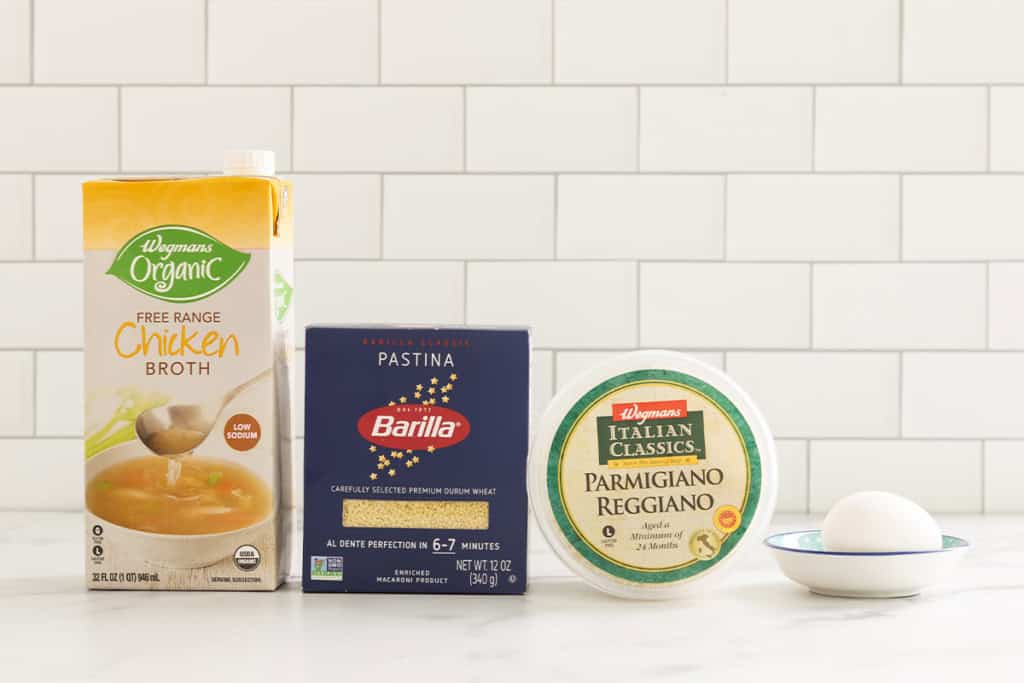
At its core, pastina is a catch-all term for tiny pasta shapes, such as stelline (little stars), acini di pepe, or orzo. When cooked in a savory broth, the pasta releases its starch, creating a creamy, velvety consistency that is naturally comforting.
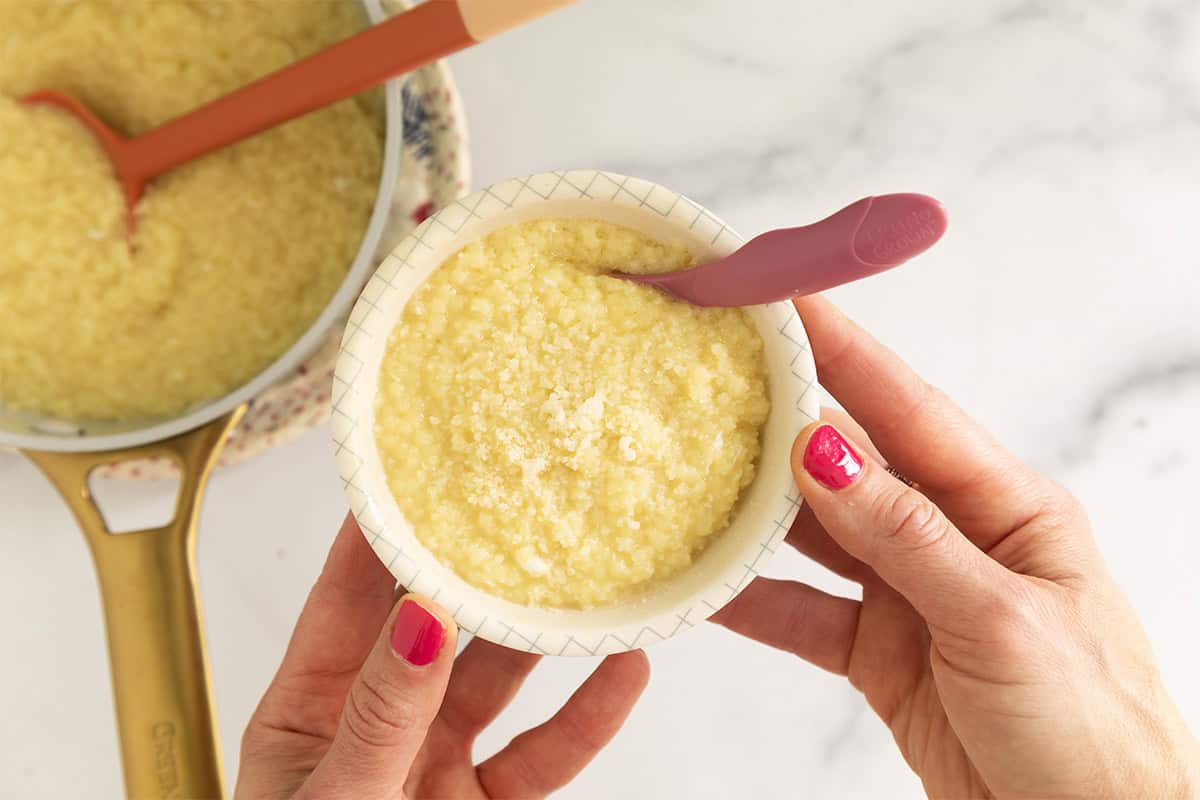
The inclusion of an egg is the transformative step. By tempering a beaten egg into the hot, cooked pasta just before serving, the cook creates a rich, custard-like texture without the need for heavy creams. When combined with the salty bite of freshly grated Parmesan cheese, the dish becomes a complete, protein-forward meal that feels far more indulgent than its modest calorie count suggests.
Nutritional Profile
Beyond its flavor, pastina with egg is a powerhouse of accessible nutrition. A standard one-cup serving contains approximately 219 calories, offering a balanced distribution of 34 grams of carbohydrates, 12 grams of protein, and only 4 grams of fat. It is particularly well-suited for recovery periods, as the broth provides hydration and electrolytes, while the egg provides high-quality protein, and the simple carbohydrates offer easily digestible energy.
Chronology of Preparation: A Ten-Minute Guide
The preparation of pastina is a masterclass in efficiency. Unlike larger pasta shapes that require boiling and draining, pastina is cooked using the absorption method, ensuring that no nutrients are lost in the cooking water.
1. The Broth Infusion
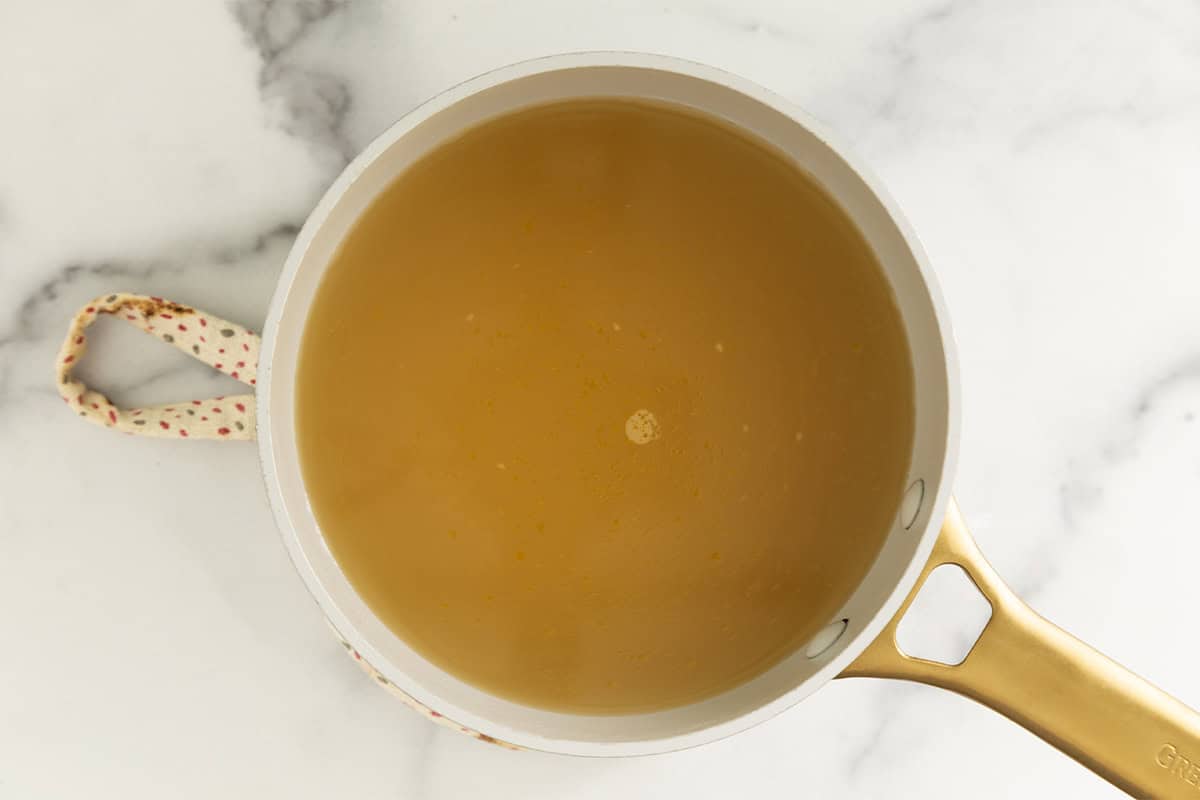
The process begins by bringing high-quality broth—chicken, vegetable, or bone broth—to a gentle simmer in a saucepan over medium heat. The choice of broth acts as the foundation of the dish’s flavor profile.
2. The Simmer
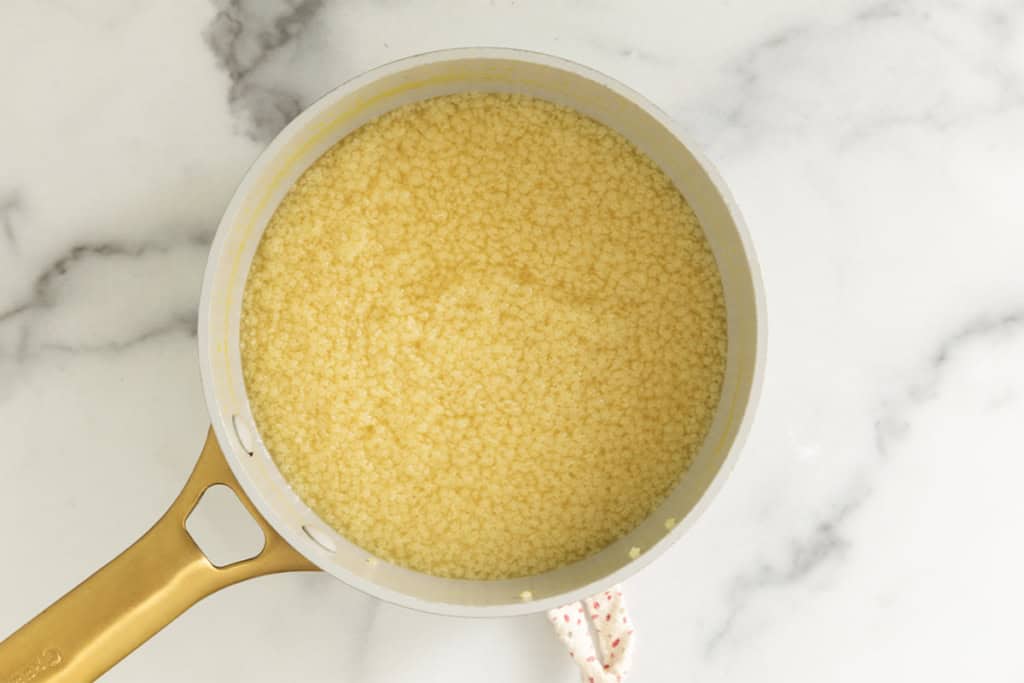
The tiny pasta shapes are introduced to the liquid. As they simmer, they expand and soften, absorbing the seasoned broth. This stage requires occasional stirring to prevent the starch from sticking to the bottom of the pot.
3. The Emulsion (The "Egg Finish")
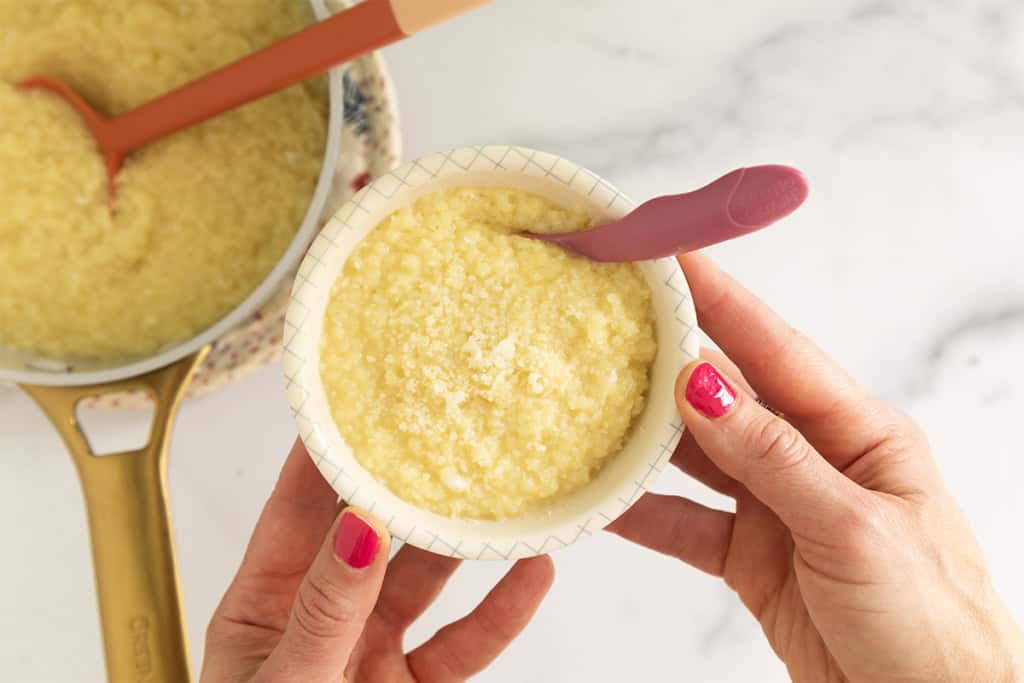
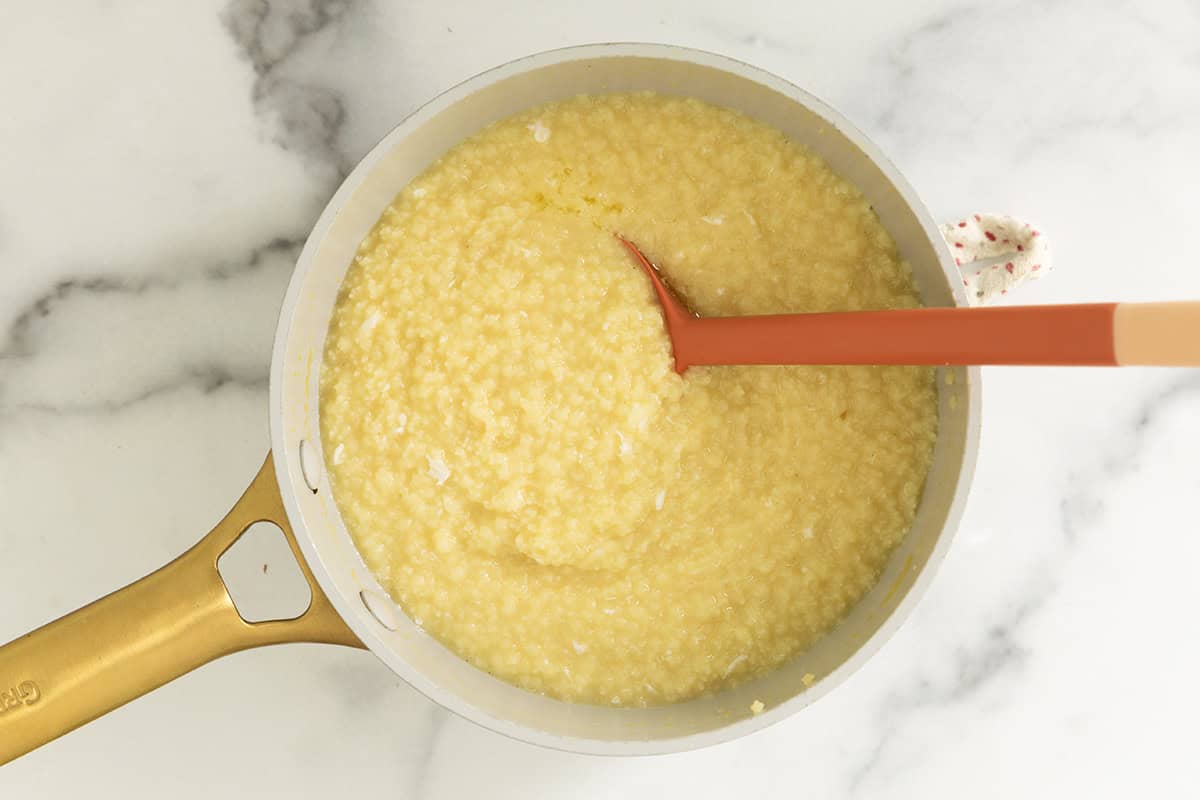
Once the liquid has been mostly absorbed and the pasta is tender, the heat is turned off. This is the most critical step. The cook quickly stirs in the beaten egg and Parmesan cheese. The residual heat of the pasta gently cooks the egg, transforming the remaining liquid into a silky, cohesive sauce.
4. The Final Seasoning
The dish is typically finished with a crack of freshly ground black pepper or an extra sprinkle of Parmesan. It is served immediately while the temperature is optimal for comfort.
Supporting Data and Kitchen Best Practices
For home cooks, achieving the perfect consistency can feel like an art form. However, experts suggest that success depends on three primary variables: heat management, liquid ratios, and timing.
- Liquid Ratios: Because pastina absorbs liquid rapidly, it is essential to monitor the pot closely. If the mixture appears too thick, a splash of warm broth can restore the desired consistency.
- Temperature Control: Adding the egg while the heat is still on high risks scrambling it. Removing the pan from the heat entirely ensures that the egg creates a creamy sauce rather than small, solid lumps.
- Ingredient Quality: Because the ingredient list is so short, the quality of the Parmesan and the depth of the broth are paramount. Using freshly grated cheese rather than pre-grated varieties significantly improves the texture and melting capability of the dish.
Substitutions and Dietary Adjustments
One of the most frequently asked questions regarding this dish is how to accommodate dietary restrictions.
- Dairy-Free: The Parmesan can be omitted entirely or replaced with a nutritional yeast blend to maintain a savory "umami" profile.
- Gluten-Free: There are many gluten-free tiny pasta alternatives now available in specialty markets, though the cooking time may vary slightly compared to traditional wheat-based pastina.
- Pasta Alternatives: If stars are unavailable, alphabet pasta or finely broken-up vermicelli provide an identical mouthfeel.
Perspectives on the "Pastina Phenomenon"
The cultural implication of pastina extends far beyond the kitchen. In many Italian-American households, the act of preparing a bowl of pastina for a sick child is a rite of passage. It is a silent language of care.
Pediatricians and nutritionists often endorse the dish for toddlers because it is incredibly easy to self-feed. Its "clumpy" but soft nature means it adheres well to a spoon, reducing the frustration often felt by young children learning to use utensils. Furthermore, because it lacks the sharp edges or tough textures of larger pasta, it serves as an excellent "transition food" for babies moving from purees to textured meals.
Implications for Modern Meal Planning
In an era where meal prep can feel overwhelming, pastina with egg offers a return to basics. It addresses the "what’s for dinner" dilemma with a solution that is cheaper, healthier, and faster than takeout.
Pairing Suggestions
While pastina is a meal in itself, it also functions as a sophisticated side dish. For a more robust dinner, it pairs beautifully with:
- Baked Chicken Meatballs: Adding protein-rich meatballs creates a balanced dinner that appeals to all ages.
- Marinated Chicken Tenders: The lean protein complements the soft, creamy texture of the pasta.
- Roasted Vegetables: A side of roasted broccoli or carrots adds color and fiber to the meal.
Storage and Reheating
Despite its delicate nature, pastina holds up well in the refrigerator for up to five days. When reheating, it is vital to add a small amount of liquid—water or broth—to loosen the starches that have tightened during refrigeration. This simple step ensures that the dish is just as creamy and comforting on day five as it was on day one.
Conclusion: The Endurance of Tradition
As culinary trends shift toward complex techniques and exotic ingredients, the persistence of pastina with egg is a testament to the power of simplicity. It remains a staple because it fulfills a fundamental human need: the desire for food that is not only nourishing but also inherently soothing.
Whether you are looking to simplify your toddler’s mealtime, seeking a gentle remedy for a seasonal cold, or simply craving a moment of quiet comfort at the end of a long day, pastina with egg stands ready. It is a reminder that the best meals are often those that require the least effort, yet provide the most profound sense of well-being. By mastering this simple, ten-minute technique, you are not just cooking a meal—you are participating in a long, cherished history of care and comfort that will continue to nourish generations to come.