The Evolution of Global Connectivity: A Deep Dive into Holafly’s New Subscription Plans
For the modern traveler, the "SIM card scramble" is a rite of passage—or, more accurately, a recurring nightmare. Landing in a new country, navigating unfamiliar kiosks, deciphering local data plans, and worrying about physical card loss have long been the hidden costs of global mobility. For years, the industry relied on fragmented solutions: temporary local SIMs or one-off eSIMs that required manual configuration at every border crossing.
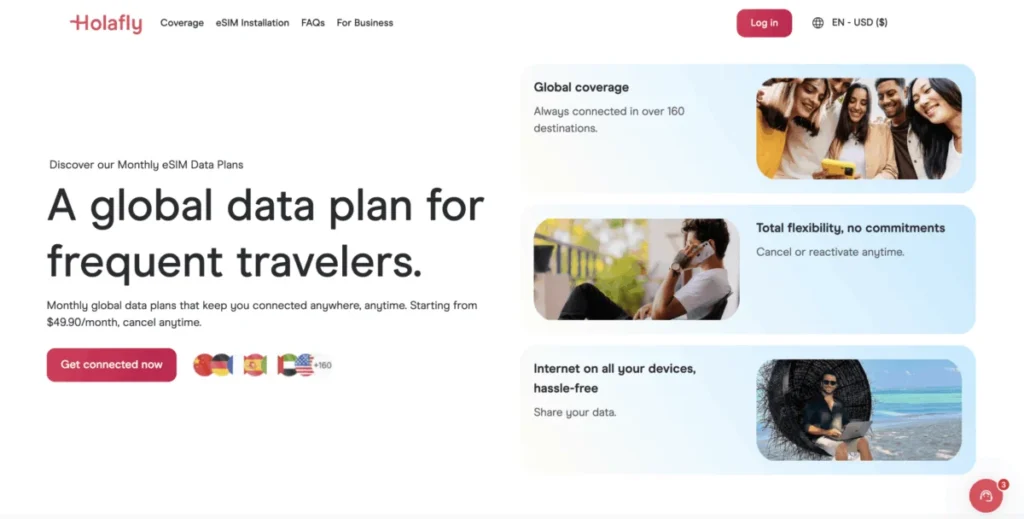
However, the landscape of international roaming is undergoing a radical shift. As digital nomadism matures from a niche lifestyle into a mainstream professional reality, the demand for "set-it-and-forget-it" connectivity has reached a boiling point. Enter Holafly, a major player in the eSIM sector, which has recently launched its "Holafly Plans"—a singular, subscription-based eSIM solution designed to cover over 160 destinations without the need for manual swapping.
Main Facts: What Are Holafly Plans?
At its core, Holafly Plans represents a departure from the transactional nature of traditional travel data. Rather than purchasing a digital SIM card for a specific country or a specific duration, users subscribe to a service that functions more like a domestic mobile carrier.
The mechanism is straightforward: once the eSIM is installed on a device—an embedded hardware feature in most modern smartphones—it remains active as the user traverses borders. The service automatically reconnects to local partner networks upon arrival in a new country. This eliminates the "hunt" for QR codes, the anxiety of losing a physical card, and the logistical gap that occurs when moving between regions.
The service is offered in two primary tiers:

- The Unlimited Plan: Designed for power users, this tier features uncapped data, unlimited hotspot capability for tethering laptops and tablets, and a local phone number (US, UK, or Canada) for receiving SMS messages.
- The Light Plan: Tailored for casual travelers, this tier provides 25GB of monthly data, maintains hotspot functionality, and covers the same vast array of 160+ destinations.
The Chronology of eSIM Innovation
The journey toward this seamless connectivity began with the physical limitations of legacy hardware. For decades, the GSM standard relied on the physical subscriber identity module (SIM). As smartphones became slimmer and more complex, manufacturers sought to reclaim internal space.
- The Rise of the eSIM: Roughly a decade ago, the industry began experimenting with the eSIM (Embedded SIM). This was a software-based chip built directly into the phone’s logic board, allowing users to switch carriers via digital profiles rather than physical card insertion.
- The "One-Off" Era: Early adopters used eSIMs like traditional cards—buying them for single trips. While this improved the user experience, it still required individual purchases for every destination.
- The Subscription Pivot: Recognizing that frequent travelers were spending significant time managing their digital identity, providers began testing "global roaming" profiles. Holafly’s latest iteration is the culmination of this trend, moving from a marketplace of individual products to a unified, ongoing subscription service that mirrors the convenience of a home-country mobile contract.
Supporting Data and Comparative Analysis
The economic argument for shifting to an integrated global subscription is compelling, particularly for those who travel for more than three months of the year. Traditional roaming options provided by major telecommunications carriers in the United States, for instance, are notoriously expensive. A standard "international travel pass" often costs $10 per day, which can escalate to $300 a month—an unsustainable figure for digital nomads.
Comparative Cost Matrix
| Feature | Holafly Plans (Unlimited) | US Major Carrier Roaming | Local/Single eSIMs |
|---|---|---|---|
| Monthly Cost | ~$55–$65 | $100–$300 | $60–$120 |
| Data Allowance | Truly Unlimited | Throttled/Capped | Varies (5GB–10GB) |
| Hassle Factor | Near Zero | High (Costly) | High (Logistical) |
| Hotspotting | Included | Often Restricted | Varies |
Note: Pricing for Holafly Plans varies by region and subscription length (monthly, quarterly, or annual).
The data suggests that for a digital nomad, the "Unlimited" plan at approximately $55 per month (when billed annually) offers a significant cost advantage over domestic carrier roaming. Furthermore, the inclusion of an "Always On" feature—which provides 1GB of backup data for life, even after canceling the subscription—adds a layer of security that legacy carriers rarely provide.
Official Perspectives and User Implications
According to industry analysts, the success of the Holafly model hinges on its 24/7 technical support. Unlike local carriers that may provide limited English-language support, Holafly has invested heavily in a support infrastructure capable of handling setup issues in real-time.
For the end-user, the implications are profound:
- Workflow Continuity: For remote workers, the transition between countries is now invisible. There is no longer a need to go offline to find a café with Wi-Fi to purchase a new eSIM when a plane lands.
- Hardware Efficiency: Because eSIMs are software-based, a single smartphone can house multiple plans. Users can keep their primary domestic number active alongside the Holafly global plan, allowing them to receive essential SMS (like two-factor authentication codes) while utilizing the global plan for data.
- The "Always On" Safety Net: The provision of 1GB of free data for life ensures that even if a user pauses their subscription, they remain reachable in emergency situations, a feature that addresses the "connectivity gap" that often leaves travelers vulnerable.
Strategic Limitations
Despite the advantages, potential users should be aware of the nuances. The service is not designed to replace local, long-term plans for residents. If a traveler is planning to move to a single country for an entire year, purchasing a local SIM card may still be more cost-effective. Additionally, while the "Unlimited" plan is robust, it is optimized for mobile usage; tethering multiple devices for heavy-duty enterprise workloads may still encounter standard network-level traffic management protocols.
Furthermore, there is currently no "in-place" upgrade path between the Light and Unlimited plans; users must cancel and resubscribe if they wish to transition tiers. This is a friction point that the company will likely address as the product matures.
Conclusion: Is the Subscription Model Right for You?
The transition to global subscription eSIMs marks a significant maturation point for the digital nomad economy. By removing the repetitive, high-friction tasks of SIM management, providers like Holafly are allowing travelers to focus on their destinations rather than their connectivity.
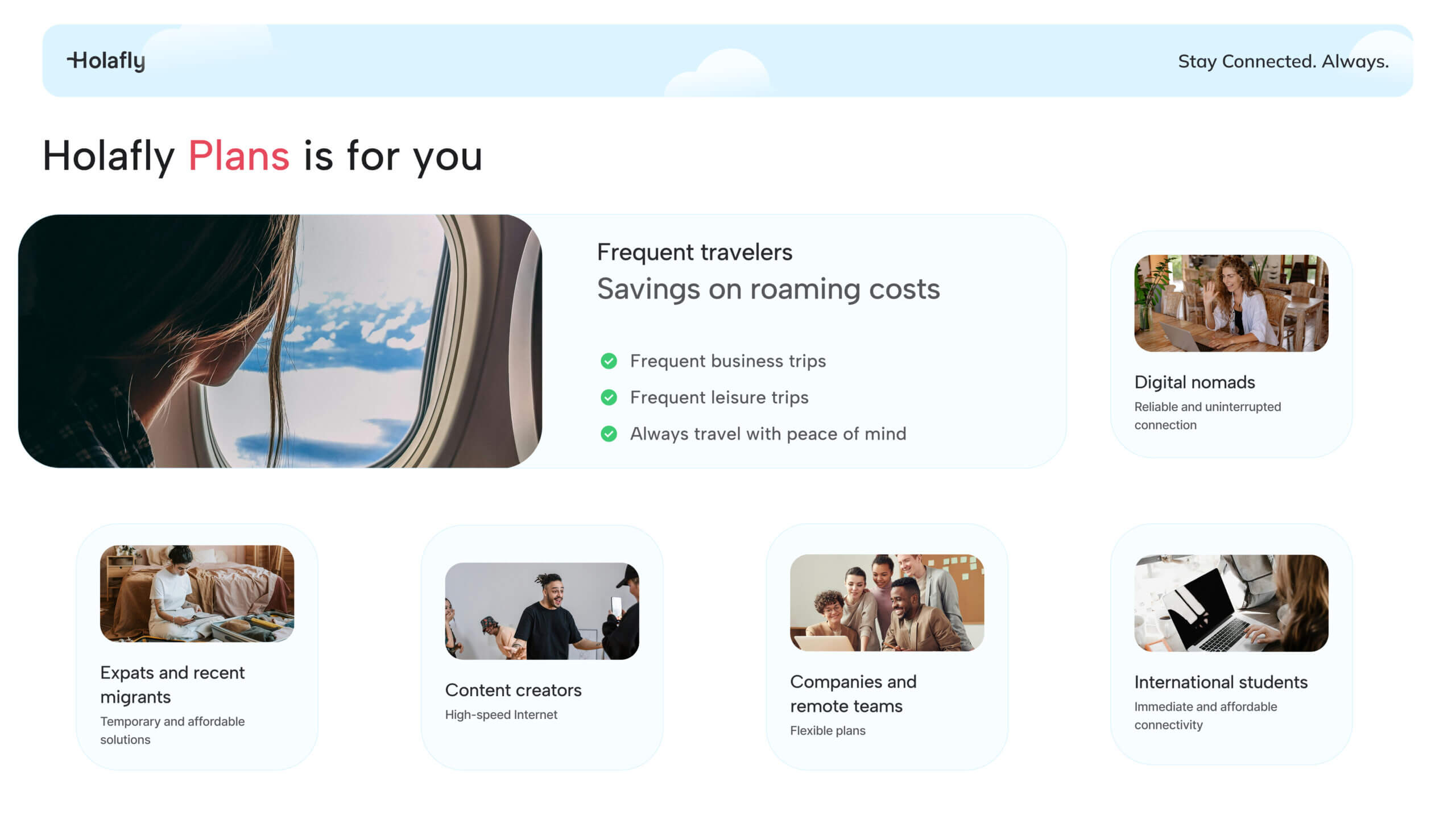
If your travel pattern consists of one or two short vacations per year, the classic, single-destination eSIM remains the most cost-effective and logical choice. However, for the frequent traveler, the long-term nomad, or the professional whose work requires consistent, high-speed connectivity across multiple jurisdictions, the subscription model is an efficiency game-changer.
As the world continues to decentralize the workplace, the tools we use to maintain that decentralization must become as fluid as our itineraries. With robust data, competitive pricing, and a simplified user experience, global eSIM subscriptions are likely to become the standard for the modern, mobile workforce.
For those interested in exploring these options, Holafly currently offers a 10% discount on their subscription plans and a 5% discount on standard eSIMs using the promo code NOMADICMATT at checkout. As with all travel services, it is recommended to verify device compatibility and regional coverage maps on their official website before finalizing your subscription.