Harnessing the Gut Microbiome: A Potential Breakthrough in Combating Campylobacter jejuni
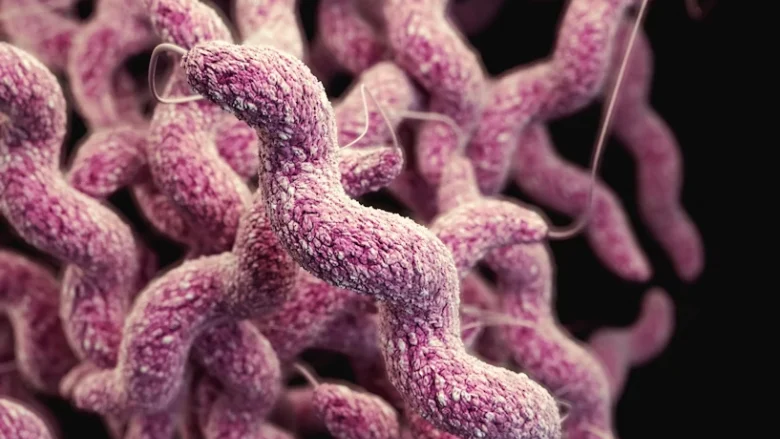
The fight against foodborne illness is entering a new, sophisticated era. As antibiotic resistance continues to threaten global public health, researchers are increasingly turning their gaze inward—specifically, toward the complex ecosystem of the human gut. A groundbreaking study conducted by researchers at Michigan State University (MSU) has identified a potent, naturally occurring metabolite that could serve as a powerful non-antibiotic weapon against Campylobacter jejuni, the leading cause of bacterial gastroenteritis in the United States.
Published in the journal Science Advances, the study reveals that indole—a molecule produced by beneficial gut bacteria when they metabolize the amino acid tryptophan—acts as a metabolic disruptor for C. jejuni. By interfering with the pathogen’s ability to generate energy, indole effectively halts its growth and colonization. This discovery not only sheds light on the protective mechanisms of a healthy microbiome but also provides a concrete roadmap for developing next-generation therapeutic interventions.
The Persistent Threat of Campylobacter
Campylobacter jejuni is a formidable adversary. It is the most common cause of bacterial foodborne illness in the U.S., frequently contracted through the consumption of undercooked poultry or contaminated water. Despite its prevalence, it remains one of the most enigmatic pathogens in the gastrointestinal tract.
"Campylobacter is the most common cause of bacterial foodborne illness in the U.S., but we still know much less about it than we do about other gut pathogens," explains Victor DiRita, Ph.D., the Rudolph Hugh Endowed Professor and Chair of MSU’s Department of Microbiology, Genetics, and Immunology, who led the research team.
Historically, the scientific community has struggled to understand the precise mechanisms that allow C. jejuni to thrive in the host gut, as healthy, conventional mice are typically resistant to infection. This resistance has made it difficult for researchers to study the pathogen’s lifecycle and identify potential vulnerabilities. The MSU team’s success lies in their ability to bridge this knowledge gap by understanding how intestinal inflammation and the depletion of protective microbiota open the door for infection.
Chronology of Discovery: From Inflammation to Intervention
The research journey began with a focus on the relationship between gut inflammation and bacterial colonization. Building on previous observations that intestinal inflammation facilitates C. jejuni growth, the researchers utilized a mouse model treated with dextran sodium sulfate (DSS). This short-term treatment successfully induced temporary intestinal inflammation, effectively neutralizing the natural resistance of the mice.
The Role of Dysbiosis
Once the researchers established the inflammatory model, they observed a significant change in the gut environment. By day three of the infection, DSS-treated mice harbored massive quantities of C. jejuni—between 10⁹ and 10¹⁰ colony-forming units (CFU) per gram of colon tissue—while the pathogen remained entirely absent in untreated, resistant mice.
Subsequent analysis of the gut microbiota provided the "smoking gun." The DSS treatment had decimated populations of obligate anaerobic bacteria responsible for producing short-chain fatty acids and, crucially, indole. Mass spectrometry confirmed that as these beneficial bacteria vanished, indole concentrations in the colon plummeted, while tryptophan—the precursor to indole—accumulated. This indicated that the gut’s natural ability to chemically convert tryptophan into a defensive metabolite had been compromised by the inflammation.
"We found a significant decrease in the bacteria that produce indole, so we wondered whether indole levels might be lower as well," noted Ritam Sinha, Ph.D., the study’s lead author and an academic research specialist at MSU. "When we analyzed indole in the mouse gut, we confirmed this hypothesis."
Disrupting the Pathogen’s Engine
With the link between indole depletion and C. jejuni susceptibility established, the team moved to test the efficacy of indole directly. They exposed C. jejuni to indole concentrations mirroring those found in a healthy human gut (0.25–1 mM). The results were striking: at 0.5 mM and 1 mM, the pathogen’s growth was severely stunted. At 1 mM, C. jejuni experienced a near-total loss of viability after 30 hours of exposure.
To understand how indole exerts this effect, the researchers utilized RNA sequencing. The data revealed that indole acted as a metabolic "wrench" in the machinery of the pathogen. It suppressed transcripts essential for aerobic and nitrate respiration, lactate utilization, and the acetate switch—a vital ATP-generating pathway. Consequently, the pathogen’s respiratory activity plummeted tenfold, intracellular ATP levels dropped threefold, and the bacterium’s internal pH shifted from a stable 7.2 to a more acidic, non-viable 6.0.
Supporting Data: Validating the Mechanism
The strength of the MSU study lies in its multi-layered validation. The researchers did not rely on a single experimental setup; they sought to prove the mechanism through both direct chemical application and biological probiotic supplementation.
The Probiotic Approach
To determine if microbial-derived indole could provide the same protection as supplemental indole, the team introduced Escherichia coli Nissle 1917 (EcN) to the mice. EcN is a well-known probiotic strain capable of producing indole from tryptophan.
The results were definitive: wild-type EcN reduced C. jejuni colonization by approximately 100-fold compared to an EcN mutant strain engineered to be incapable of producing indole. The mutant provided no significant protection, confirming that it was the metabolic byproduct—indole—that provided the colonization resistance, rather than other factors associated with the probiotic bacteria.
Metabolic Fitness Tests
The researchers also conducted experiments using C. jejuni mutants deficient in specific metabolic pathways, such as lactate uptake, nitrate respiration, and the acetate-generating ackA/pta pathway. These mutants exhibited significant fitness defects—showing 100-fold lower survival compared to wild-type bacteria—when forced to rely on these pathways in the presence of indole. This proved that indole targets the most critical energy-generating systems of the pathogen, leaving it with no viable backup mechanisms to sustain growth.
Official Responses and Scientific Perspective
The implications of these findings have been met with enthusiasm by the microbiology community. By identifying a molecule that is naturally produced by the human microbiome, the researchers have moved away from the "carpet bombing" approach of traditional antibiotics, which often harm beneficial gut flora, and toward a "precision defense" strategy.
Dr. DiRita emphasized that while the work is currently preclinical, it represents a foundational shift in how we approach foodborne pathogens. "We’re still doing a lot of basic research, but that is the foundation for any new therapeutic approaches that we or others might develop," he stated. "With increasing levels of antibiotic resistance in Campylobacter, this work is pointing us toward innovative, non-antibiotic ways of controlling infection."
The study addresses a critical irony: if indole is a natural component of the healthy gut, why does C. jejuni still successfully infect humans? This is the next frontier for the MSU team. The researchers suspect that in specific niches or under specific conditions, the pathogen may have developed ways to evade or neutralize indole, and unraveling this "cat-and-mouse" game will be essential for developing clinical applications.
Implications for Public Health and Future Medicine
The potential applications of this study are vast, ranging from the development of "synbiotics"—combinations of probiotics and their required substrates—to the creation of targeted metabolic supplements designed to bolster gut health during high-risk periods, such as travel or antibiotic treatment.
Shifting Away from Antibiotics
The agricultural sector, a primary source of Campylobacter exposure, could also benefit from these findings. By incorporating indole-producing probiotics into poultry feed or water, producers might be able to naturally reduce the carriage of C. jejuni in flocks, thereby lowering the risk of human infection at the source.
Personalized Nutrition and Microbiome Health
Furthermore, the study highlights the importance of tryptophan-rich diets and the presence of indole-producing bacteria in maintaining a resilient microbiome. As researchers continue to map the "metabolic landscape" of the gut, we may eventually see dietary guidelines that are specifically optimized to support the production of protective metabolites like indole.
The Road Ahead
While the MSU researchers have provided a compelling proof-of-concept, the transition from mouse models to human clinical trials will require extensive safety and efficacy testing. The team plans to continue investigating how C. jejuni overcomes indole-mediated resistance, which will likely involve further RNA sequencing and advanced imaging of the gut environment.
In summary, the MSU study is more than just a discovery about a specific pathogen; it is a masterclass in how modern science is learning to cooperate with the human microbiome. By understanding the chemical signals that keep us healthy, we are finding new, non-invasive ways to protect our bodies from the silent, microscopic threats that dwell in our food and water. The journey to a post-antibiotic era for food safety is long, but with the discovery of indole’s role in curbing C. jejuni, the path forward is becoming significantly clearer.