The Evolution of the Digital Nomad: How Coliving Spaces Are Solving the Remote Work Crisis
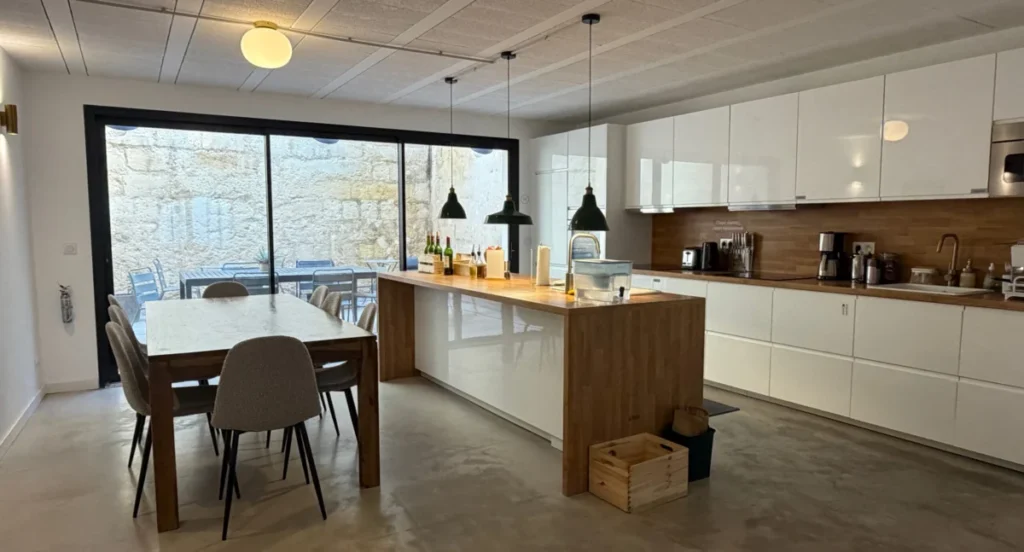
The dream of the digital nomad—working from a laptop while sipping espresso in a sun-drenched café—has long been romanticized. Yet, for those living this reality, the experience is often punctuated by the jarring friction of unreliable Wi-Fi, the isolation of hotel rooms, and the physical discomfort of hunching over makeshift desks in crowded hostels. As remote work transitions from a temporary pandemic-era necessity to a permanent fixture of the global labor market, a new infrastructure has emerged to support the nomadic professional: the professional coliving space.
At the forefront of this movement is Outsite, a global network that has redefined the intersection of productivity and travel. By blending the operational convenience of a coworking office with the communal warmth of a curated living space, platforms like Outsite are addressing the "loneliness epidemic" and the logistical nightmares that have historically plagued location-independent workers.
The Genesis of the Coliving Movement: A Shift in Remote Work Culture
The struggle to maintain a high-performance career while traversing the globe is well-documented. Historically, the digital nomad was forced to choose between the social, budget-friendly chaos of a backpacker hostel—where professional work is often impossible—and the sterile isolation of a hotel room.
Remote work requires a specific set of environmental triggers: silence, ergonomic furniture, enterprise-grade internet, and a community of like-minded individuals. When these elements are absent, productivity plummets and burnout spikes. Outsite, founded in 2015, emerged to solve this precise equation. Starting with a singular property in Santa Cruz, California, designed to facilitate a work-life balance for surfers and tech professionals, the company has scaled into a global network of over 50 properties, hosting a community of more than 5,000 members.
Chronology of a Nomad: A Case Study in Bordeaux
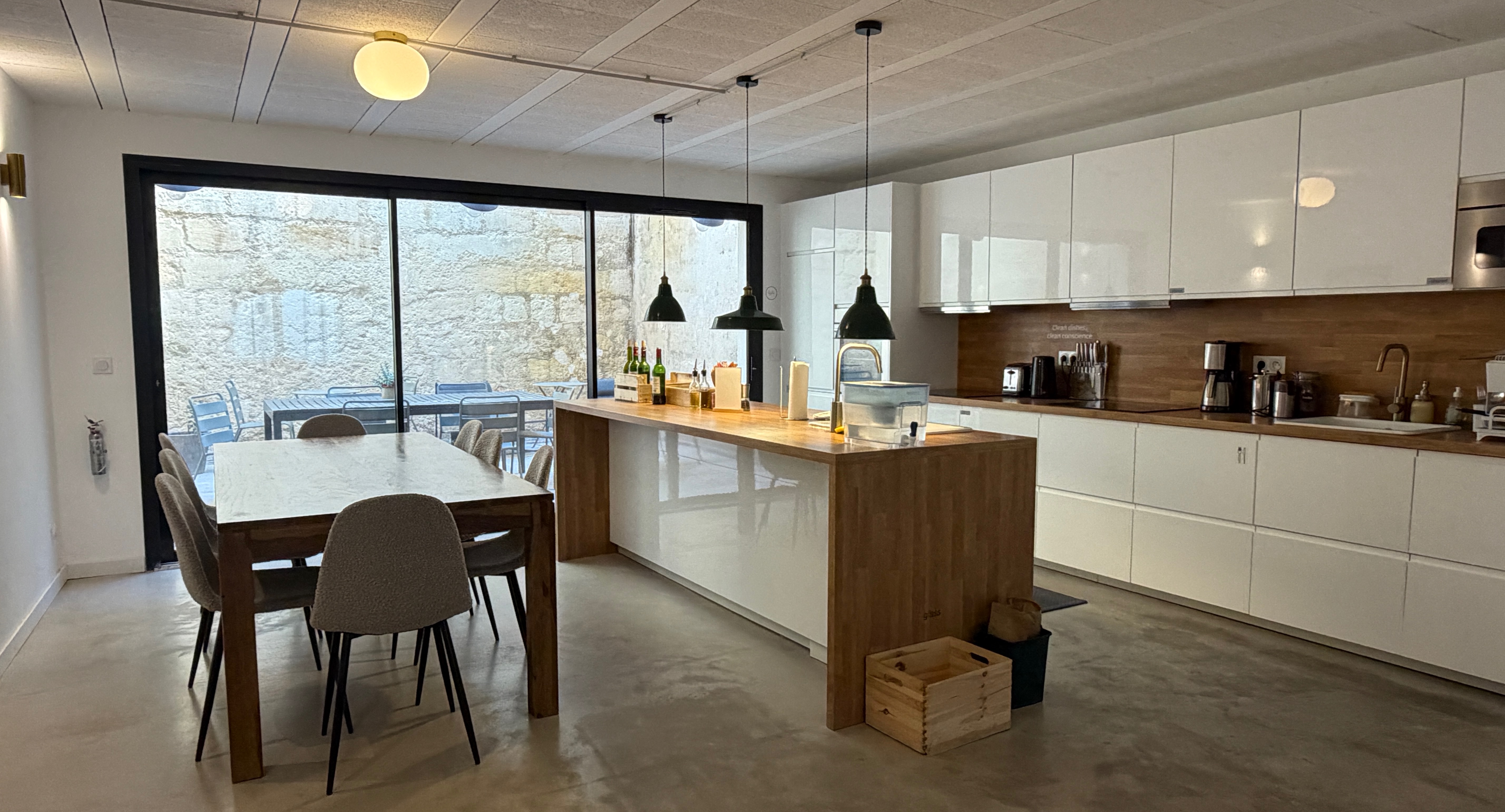
To understand the practical application of this model, one must look at the experience of a typical resident. During a recent visit to Outsite’s Bordeaux, France, location, the distinction between a standard vacation rental and a coliving hub became stark.
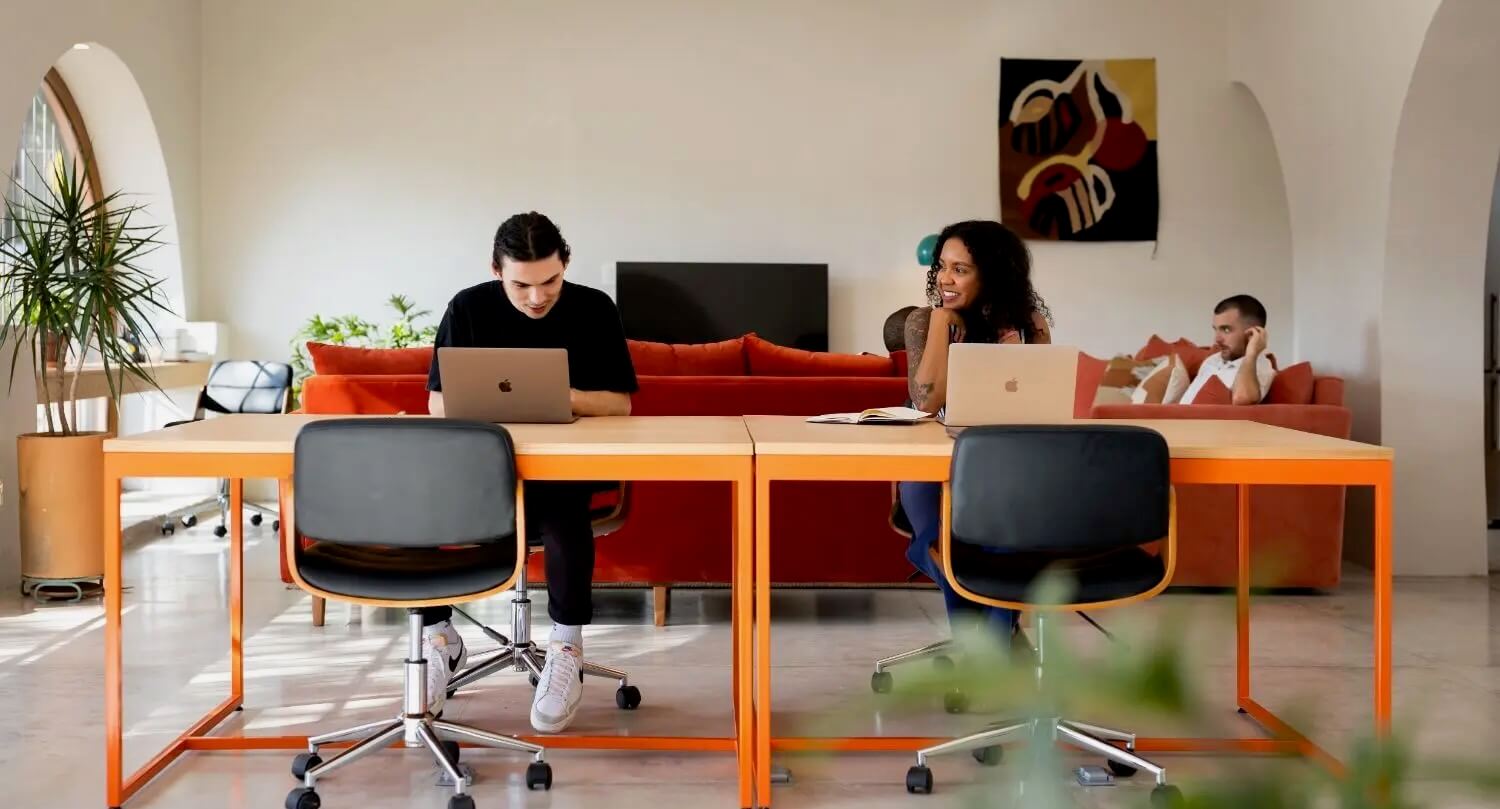
Day 1: Arrival and Integration. Unlike a standard Airbnb check-in, which is often transactional and solitary, an Outsite stay begins with digital integration. Upon booking, guests are added to a location-specific WhatsApp group. This provides an immediate bridge to a community that has already shared local recommendations, organized grocery runs, and set the itinerary for the week.
Day 3: The Workflow. The morning routine at an Outsite location is engineered for deep work. Within five minutes of waking, a guest can move from their private room to a dedicated, ergonomically designed workspace. Unlike the "caffeinated scramble" of finding a coffee shop with a free outlet, the infrastructure here is built for the enterprise. High-speed, fiber-optic internet and professional monitors allow for seamless video conferencing—a necessity for the modern remote employee.
Day 7: The Community Catalyst. The "Community Manager" role is arguably the platform’s greatest asset. In Bordeaux, this individual served not just as a concierge, but as a social architect. By organizing family-style dinners and weekend excursions, the manager removes the burden of social planning from the traveler, fostering genuine connections that go beyond the superficial interactions of a hostel bar.
Supporting Data: The Economics of the Nomad Life
A common critique of coliving spaces is the price point. Critics often argue that they are more expensive than traditional budget travel. However, a granular look at the financials reveals a different narrative.
When a digital nomad rents a standard apartment via platforms like Airbnb, they are often forced to supplement that cost with a monthly subscription to a third-party coworking space (such as WeWork or local hubs), which can cost anywhere from $200 to $500 per month. When you consolidate the cost of high-quality housing, a dedicated office, and the hidden costs of community-building activities, the Outsite model becomes significantly more efficient.
- Membership Tiers: Outsite offers a yearly membership for $199 or a lifetime option for $499.
- The ROI of Membership: Members receive up to 40% off extended stays and 50% off during flash sales. For the frequent traveler, these discounts effectively subsidize the membership fee within a single trip.
- Market Penetration: With over 5,000 active members, the platform has reached a critical mass, allowing for a more diverse professional demographic—ranging from software engineers and graphic designers to corporate consultants and creative writers.
Official Perspectives: The Philosophy of "Work-from-Anywhere"
The rise of platforms like Outsite reflects a broader shift in corporate and social psychology. In discussions with industry insiders, the consensus is that the "digital nomad" label is becoming a misnomer; these individuals are not just travelers, they are distributed professionals.
"The goal is to eliminate the ‘travel tax’ on your career," says an industry spokesperson. "You shouldn’t have to choose between experiencing the culture of Bordeaux and hitting your quarterly targets. Our locations are built to provide the domestic comfort of a home, the technical capacity of a corporate office, and the social infrastructure of a small village."
This philosophy acknowledges a painful reality: the rise of remote work has led to increased isolation. By providing a curated environment, Outsite attempts to mitigate the psychological toll of working remotely, ensuring that travelers are surrounded by people who understand the specific stresses of balancing a professional life across time zones.
Implications for the Future of Global Travel
The expansion of the coliving industry carries significant implications for the future of urban planning and travel:
- The Professionalization of Travel: We are moving away from the era of the "backpacker" as the primary face of long-term travel. The new traveler is a professional who brings their own economy with them, demanding higher standards of reliability and design.
- The Death of the Sterile Hotel: As more workers demand "lifestyle-integrated" travel, traditional hotels may struggle to compete unless they adopt "work-from-anywhere" infrastructure. The market is pivoting away from the lobby-bar-hotel model toward the living-room-office model.
- Local Economic Impact: Coliving spaces often breathe life into residential neighborhoods that were previously ignored by traditional tourism. By encouraging longer stays (often two weeks to three months), these platforms foster a deeper connection between the nomad and the local community, shifting the dynamic from "tourist" to "temporary resident."
Considerations and Trade-offs
Despite the benefits, potential users should be aware of the limitations. First, the barrier to entry is higher than that of a budget hostel. These spaces are targeted at professionals, not backpackers on a shoestring budget. Second, the "scarcity" factor is real; the most popular locations in hubs like Lisbon or Bali require booking months in advance. The spontaneity often associated with nomadic life is, in some ways, constrained by the popularity of these high-end spaces.
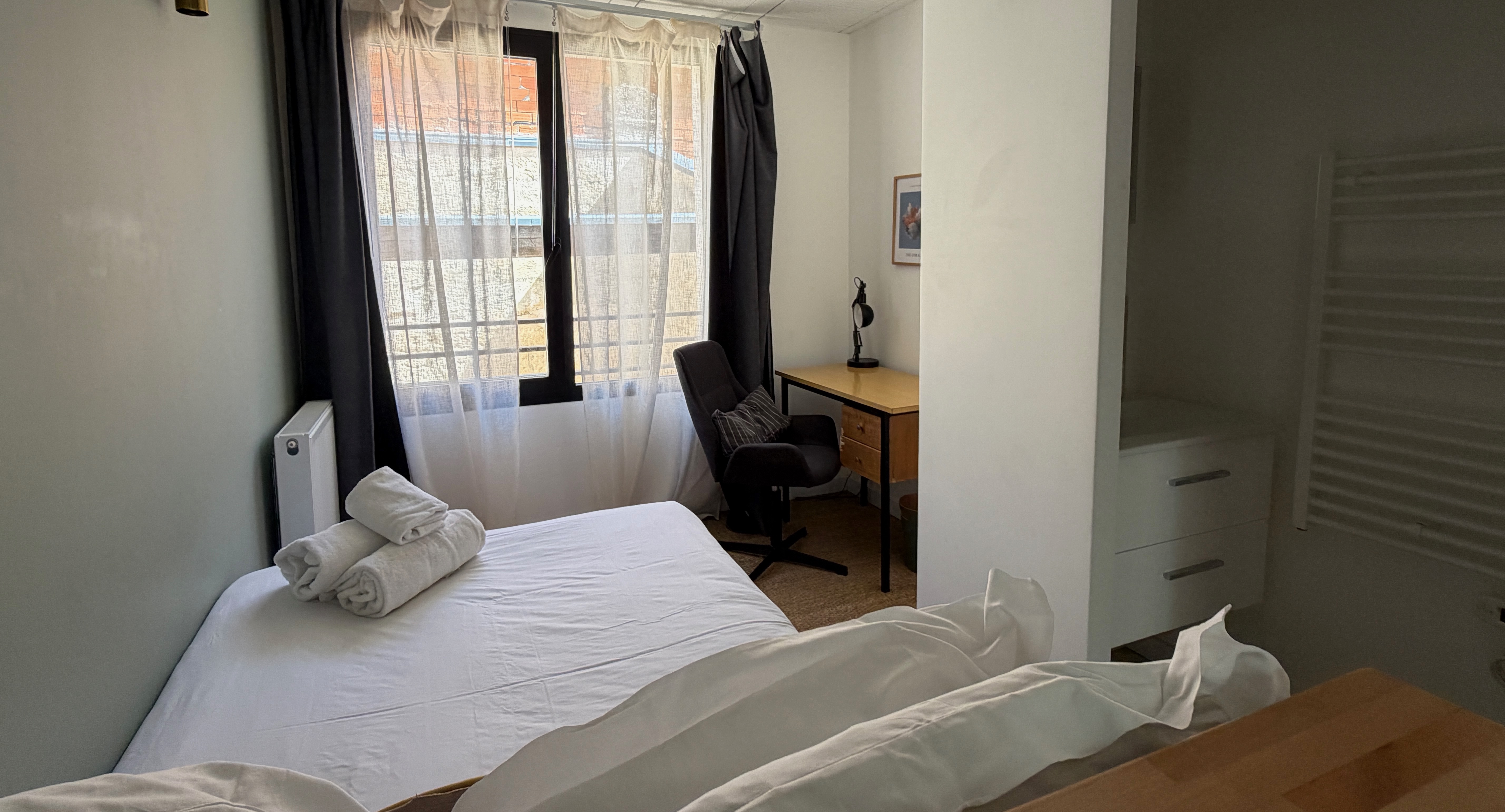
Furthermore, these environments are not for those who seek total solitude. The communal nature of the kitchens and living spaces is a core feature, not a bug. If you are a high-level introvert who requires zero interaction, the social architecture of an Outsite house may feel invasive.
Conclusion: Finding Your Tribe in a Globalized World
The evolution of remote work has necessitated a change in how we live and move. For the modern professional, the ability to work from anywhere is only as valuable as the quality of the environment in which they are placed.
By prioritizing the "three pillars"—ergonomic workspace, communal social structure, and high-end residential comfort—platforms like Outsite have effectively bridged the gap between the nomadic lifestyle and the career-driven professional. As we look toward the future, it is clear that the workplace is no longer a physical building; it is a global, distributed network. For those ready to trade the hostel common room for a curated, professional home, the digital nomad life has never been more attainable or more sustainable.
Whether you are a freelancer looking for a sense of belonging or a remote employee tired of the home-office blues, the coliving model offers a compelling alternative. It is, ultimately, an invitation to stop traveling in isolation and start building a career and a community in tandem, no matter where in the world you happen to be.