Cultivating Resilience: 4 Expert Plant Picks for the Southwest Garden
The American Southwest presents a unique set of challenges for the home gardener. Characterized by blistering summer heat, erratic rainfall, and soil conditions that range from rocky caliche to heavy clay, the region demands a specialized horticultural approach. As water scarcity becomes an increasingly critical concern across the arid states, the shift toward xeriscaping and the selection of climate-appropriate flora is no longer a niche hobby—it is a necessity.
Pam Penick, a renowned garden writer based in Austin, Texas, and author of Gardens of Texas and Lawn Gone!, has spent years navigating these environmental hurdles. Her philosophy centers on "resilient beauty"—gardens that thrive without excessive intervention or precious water resources. In this expert curation, Penick highlights four standout species that offer both aesthetic elegance and the robust durability required for the Southwestern landscape.
The Shift Toward Water-Wise Horticulture
For decades, traditional residential landscaping in the Southwest often mimicked temperate climates, relying on thirsty turfgrasses and non-native ornamentals. However, as municipalities tighten irrigation regulations and the reality of prolonged droughts takes hold, the gardening community is pivoting.
The plants selected by Penick serve as a blueprint for this transition. They are not merely "survivors"; they are high-performing specimens that provide structure, color, and essential habitat for local pollinators. By choosing plants that have evolved to withstand the region’s volatile cycles, gardeners can reduce their reliance on supplemental watering, lower maintenance costs, and create a vibrant, living ecosystem that respects the natural limitations of the desert and plains.
1. Arroyo Sweetwood (Myrospermum sousanum)
The Arroyo sweetwood is arguably the "hidden gem" of this collection. Despite its impressive performance profile, it remains underutilized in both residential and commercial landscapes.
Characteristics and Performance
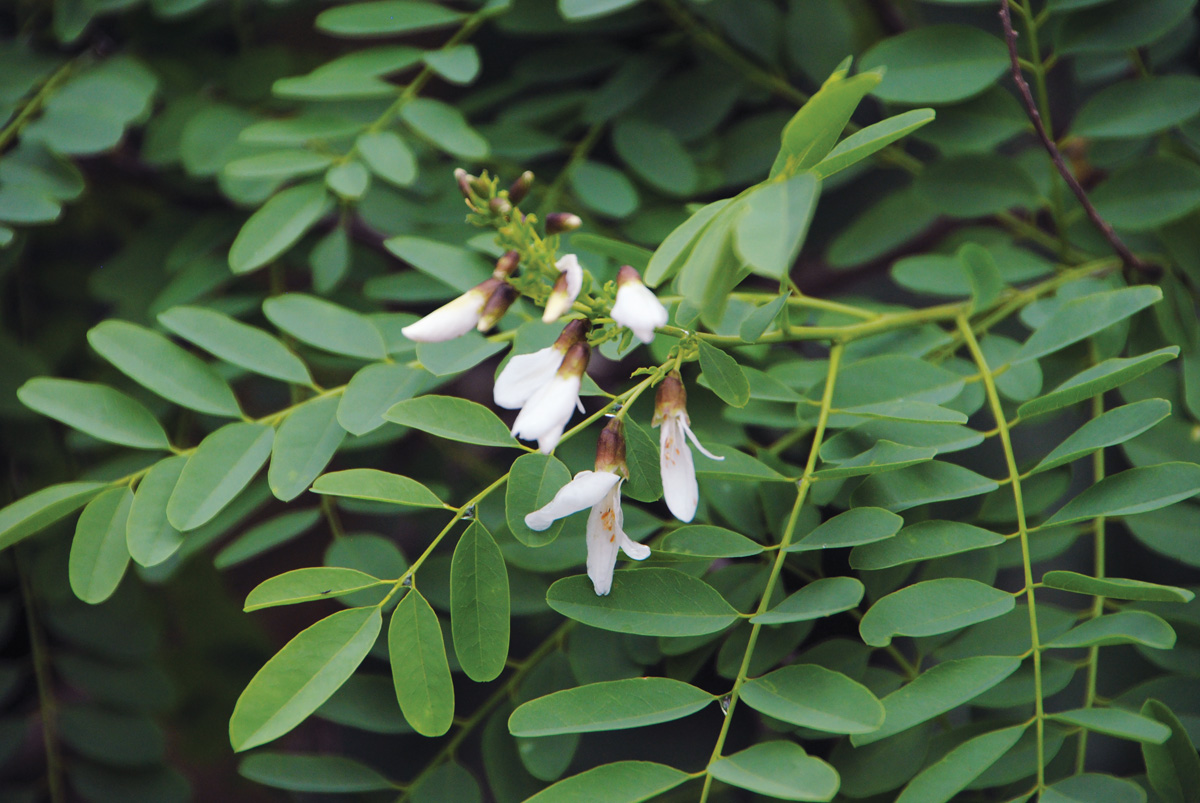
This deciduous, multi-trunked tree offers a sophisticated alternative to the common crape myrtle. Unlike the crape myrtle, which is frequently plagued by scale insects and fungal issues in the humid-to-arid transition zones of the Southwest, the Arroyo sweetwood is exceptionally resilient. It is a fast grower, making it ideal for gardeners looking to establish height and canopy quickly.
Sensory Appeal and Ecological Impact
In the spring, the tree erupts in loose clusters of small, white flowers. The fragrance is notably vanilla-like, serving as a magnet for human admirers and local pollinators alike. Once the flowering period concludes, the tree offers a secondary visual interest: apple-green seedpods that dangle like whimsical, deflated balloons from its arching branches. As the season progresses into autumn, the compound leaves transition to a brilliant yellow, providing a much-needed splash of color before the tree enters its winter dormancy. It is a perfect choice for those seeking a year-round, low-water specimen tree.
2. ‘Labuffarosa’ Rain Lily (Zephyranthes sp.)
In the Southwest, the arrival of rain is a cause for celebration. The ‘Labuffarosa’ rain lily, a bulbous perennial, is the botanical embodiment of that joy.
The Science of "Rain-Triggered" Blooms
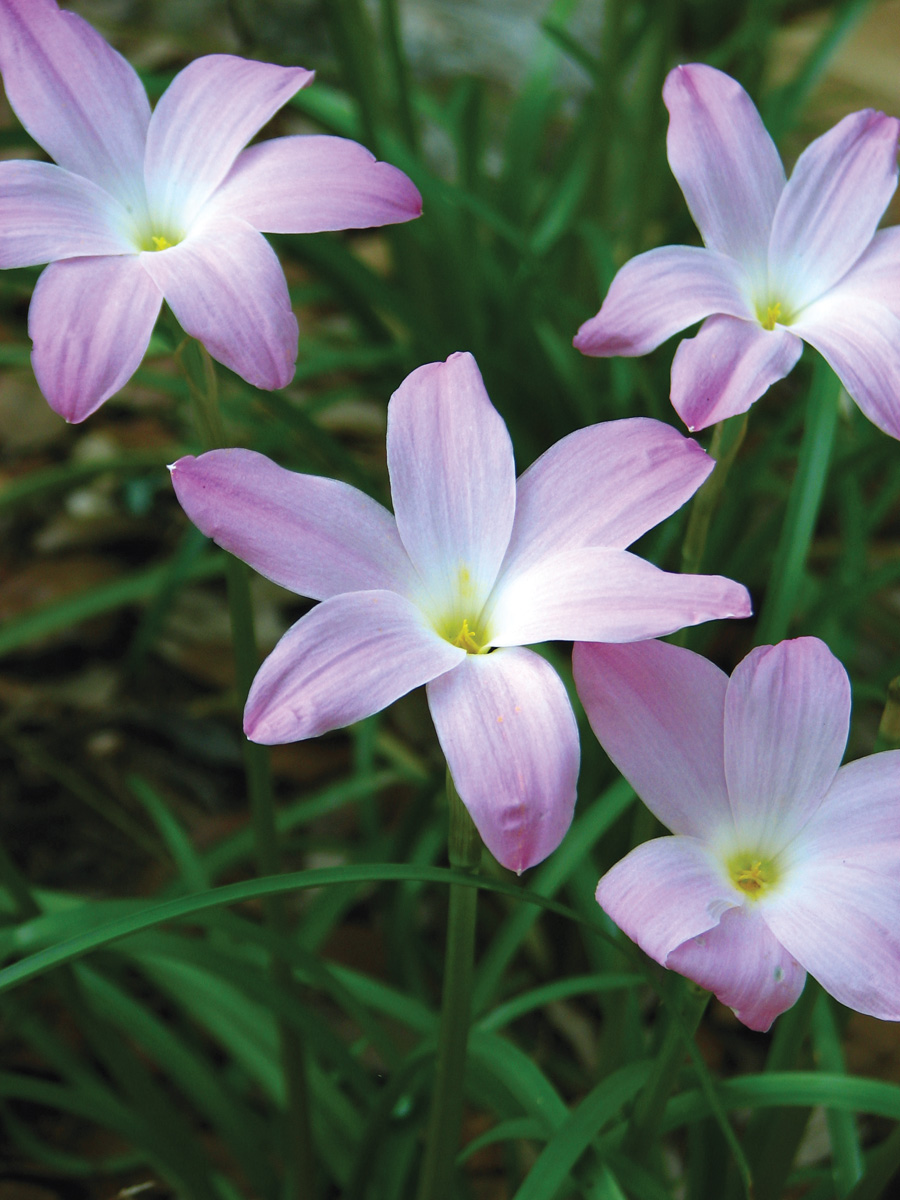
These plants possess a fascinating biological mechanism: they remain dormant, tucked safely beneath the soil, until a significant rainfall triggers a rapid bloom. When the moisture hits, they "leap" from the ground, covering the landscape in a carpet of pink and white, star-shaped flowers.
Strategic Planting
For optimal results, gardeners should plant these bulbs 2 to 3 inches deep. They are remarkably long-lived and require minimal care once established. Penick suggests pairing them with the fall-flowering oxblood lily (Rhodophiala bifida) to create a layered, multi-season display. Their strappy, green, grass-like foliage serves as a tidy ground cover even when the flowers are not in bloom, offering a texture reminiscent of Liriope but with far greater drought tolerance.
3. Darcy’s Mexican Sage (Salvia darcyi)
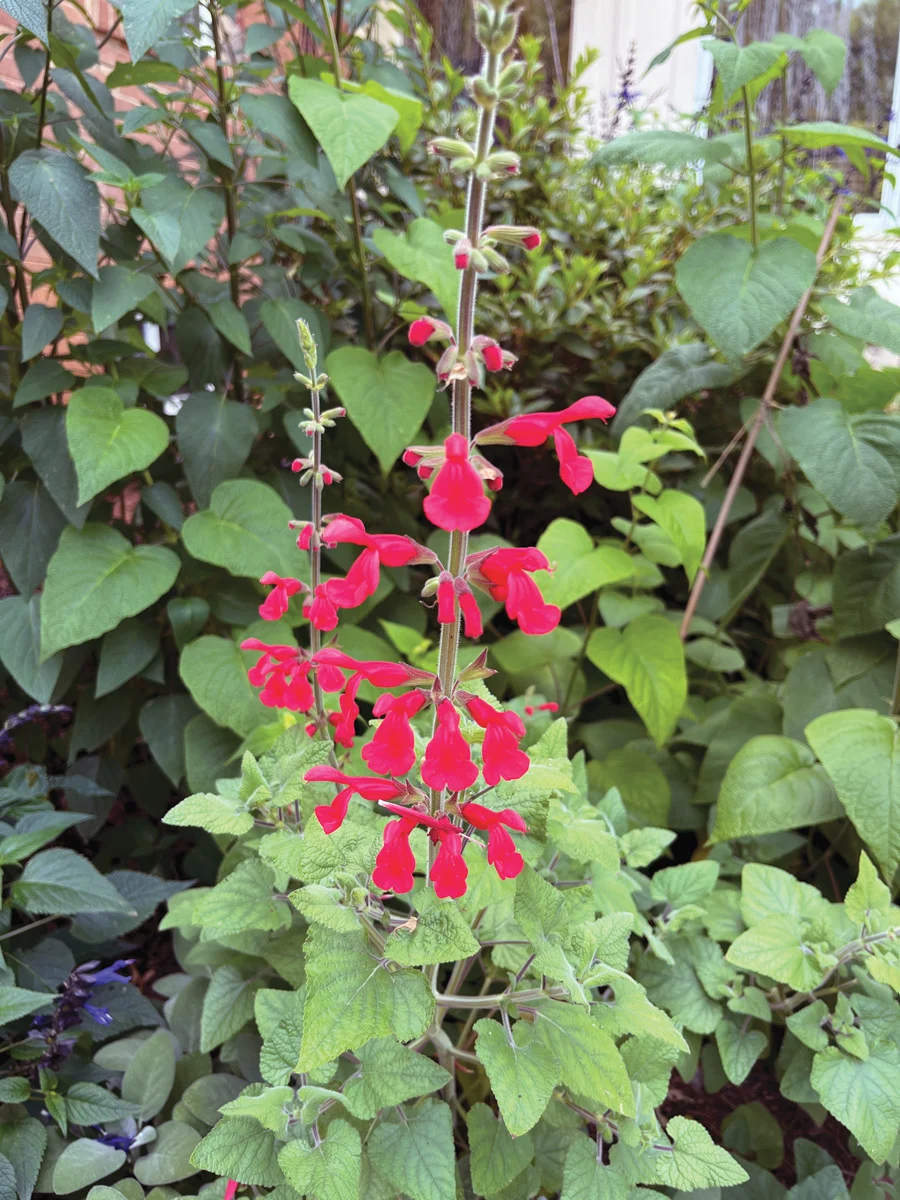
If the garden needs a "summer sizzler," Darcy’s Mexican sage is the definitive choice. This plant is a testament to the idea that intense heat can be met with intense color.
Evolution and Adaptation
Native to the high-altitude mountains of northern Mexico—at elevations up to 9,000 feet—this salvia is naturally acclimated to thin, rocky soils and temperature extremes. Despite its mountain origins, it has proven remarkably adaptable to the flatter, warmer plains of Texas and the wider Southwest.
Maintenance and Companion Planting
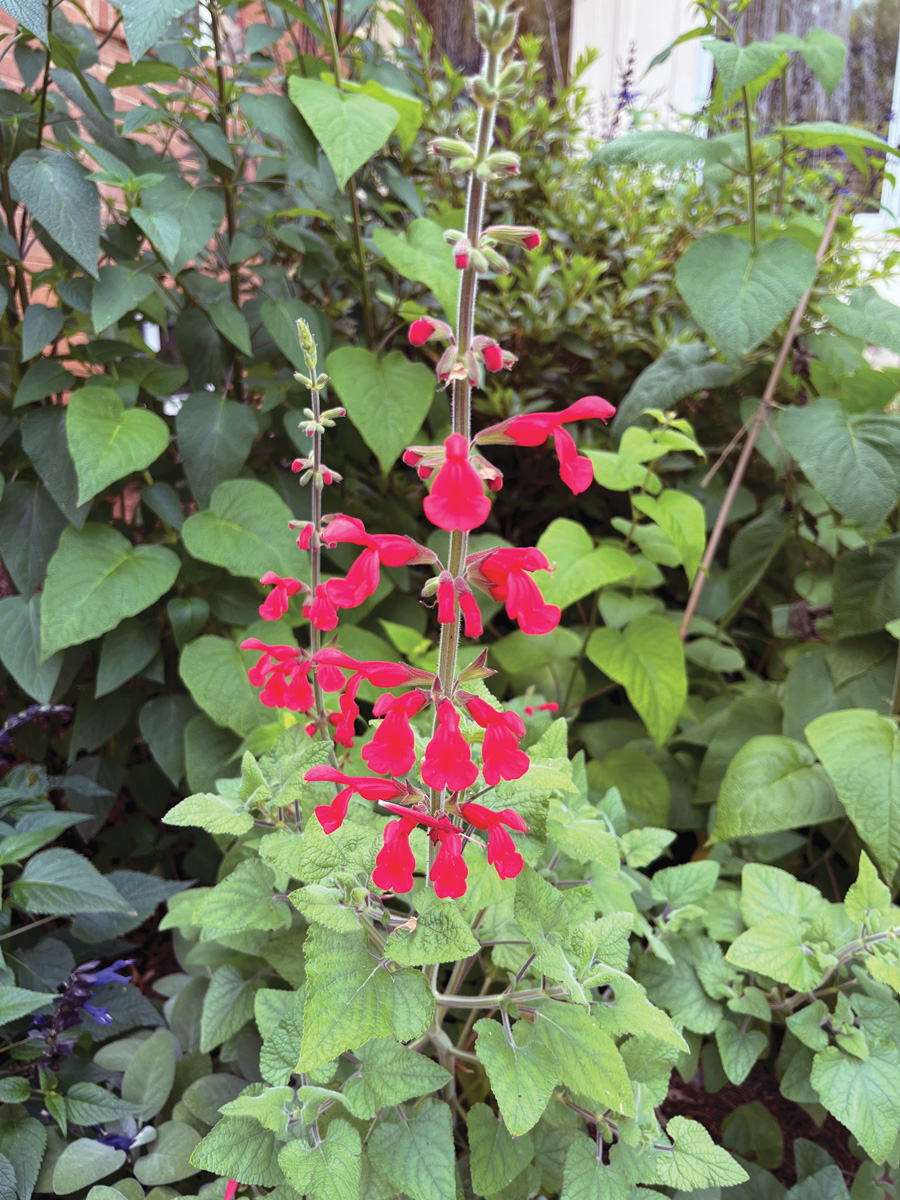
The plant produces striking, cardinal-red flower spikes that emerge in April and persist through the sweltering heat of August, often smoldering on until November. It is an essential nectar source for bumblebees and hummingbirds. While it is highly forgiving of neglect, an occasional deep soak will keep it looking lush. Gardeners should note that it dies back to the roots during the winter, necessitating a hard pruning in early spring to encourage vigorous new growth. For a striking autumn contrast, it pairs beautifully with bird pepper (Capsicum annuum), adding a spicy, structural depth to the garden bed.
4. Pyramid Bush (Melochia tomentosa)
The pyramid bush is the ultimate candidate for the "hot, sunny driveway bed"—a space often characterized by reflected heat and poor soil.
Durability in Extreme Conditions
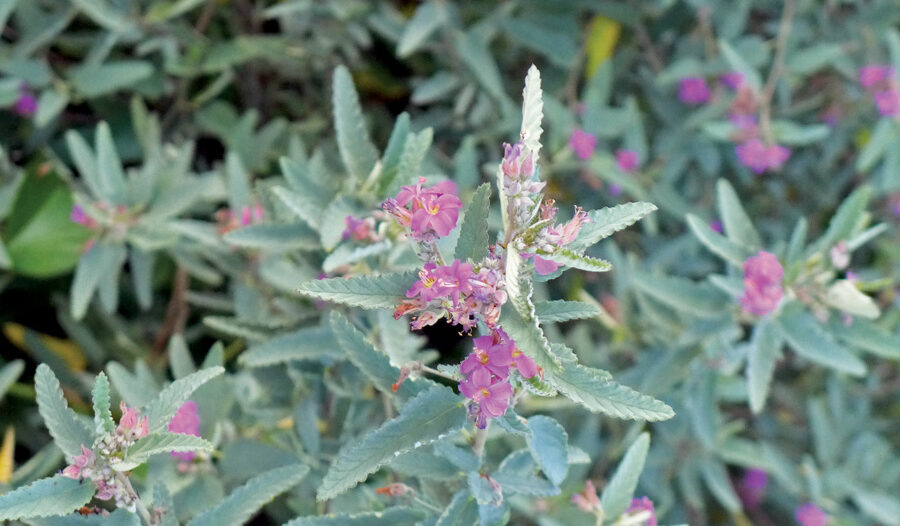
With its silvery-green foliage and persistent magenta flowers, the pyramid bush is an aesthetic powerhouse. It blooms throughout the summer, seemingly unaffected by drought or the intense solar radiation typical of the region. Its silver, fuzzed leaves provide a soft, velvet-like contrast to the coarser textures often found in xeriscapes.
Pollinator Utility
As a magnet for butterflies and native bees, the pyramid bush is an indispensable component of any pollinator-friendly garden plan. While it may lose its leaves in the northern reaches of its hardiness range during an unusually cold winter, it is quick to return in the spring. It is a highly adaptable, "plant-it-and-forget-it" shrub that brings consistent color to the most challenging corners of the garden.
Chronology: Implementing a Resilient Garden
Transitioning to a water-wise garden does not happen overnight. To successfully incorporate these four plants, follow this suggested timeline:
- Late Winter (February–March): Conduct soil testing and amend the drainage where necessary. This is the optimal time to prune established perennials like Salvia darcyi and prep the site for new shrubs like Melochia tomentosa.
- Early Spring (April): Begin planting the Arroyo sweetwood. As temperatures rise, monitor the soil moisture for the first few weeks to ensure deep root establishment.
- Late Spring/Early Summer: Keep an eye on the weather forecast. As the first major storm systems approach, ensure that your ‘Labuffarosa’ rain lilies are planted. Their bloom cycle is the most dependent on seasonal rainfall.
- Mid-Summer: Focus on deep, infrequent irrigation for the established beds. Observe which areas of the garden retain heat and adjust your plant placement accordingly.
- Fall: Observe the transition of the Arroyo sweetwood’s foliage and the final blooms of the Mexican sage. This is the time to document which plants performed best, allowing for informed purchasing decisions in the next cycle.
Supporting Data: Why Native and Adaptive Species Win
The data is clear: residential irrigation accounts for a staggering percentage of municipal water consumption in the Southwest. According to regional water management boards, homeowners who replace high-water-use landscapes with native or climate-adapted species—such as those listed above—can reduce their outdoor water usage by 50% to 70%.
Furthermore, these plants support biodiversity. A study by the Lady Bird Johnson Wildflower Center noted that gardens utilizing local native or near-native flora support nearly four times the number of pollinator species compared to traditional turf-heavy landscapes. By selecting plants like the pyramid bush or Darcy’s Mexican sage, gardeners are providing crucial "refueling stations" for migratory species.
Official Perspectives on Water Policy
Water authorities across Arizona, New Mexico, and Texas have begun implementing "Water-Wise" certification programs. These initiatives incentivize homeowners to remove non-functional grass and replace it with xeriscaped beds.
"We are moving away from the era of the ‘green carpet’ and toward the era of the ‘living landscape’," says a spokesperson for the Southwest Water Conservation Coalition. "The focus is on plants that work with the climate, not against it. Species like the Arroyo sweetwood provide the canopy and shade that mitigate the urban heat island effect, while drought-tolerant perennials like the rain lily provide color without draining our reservoirs."
Implications: The Future of the Southwestern Garden
The implications of these plant choices reach far beyond the individual backyard. As the climate continues to shift, our gardens serve as the first line of defense in urban cooling and habitat conservation.
By integrating these four expert picks—the structural beauty of the Arroyo sweetwood, the ephemeral delight of the rain lily, the energetic bloom of the Mexican sage, and the rugged endurance of the pyramid bush—gardeners are doing more than just beautifying their homes. They are participating in a larger movement toward regional sustainability.
Whether you are a seasoned horticulturalist or a novice just beginning to clear your first patch of turf, these plants offer a path toward a garden that is as resilient as it is beautiful. The era of the high-maintenance, water-hungry garden is fading; in its place, we are cultivating a future that is defined by intelligence, conservation, and a deep respect for the unique, arid beauty of the Southwest.
Recommended Tools for the Modern Gardener
To assist in your transition to a resilient landscape, experts often recommend high-quality, multi-functional tools. For example, the A.M. Leonard Deluxe Soil Knife & Leather Sheath Combo is highly favored by professionals. Its serrated edge and depth markings make it an essential tool for planting bulbs like the ‘Labuffarosa’ rain lily and performing the precise pruning required for species like the Mexican sage.