The Hair Loss Conundrum: Navigating the Benefits and Risks of FDA-Approved Treatments
By Michael Greger M.D. FACLM
August 6, 2026
Last updated: August 6, 2026
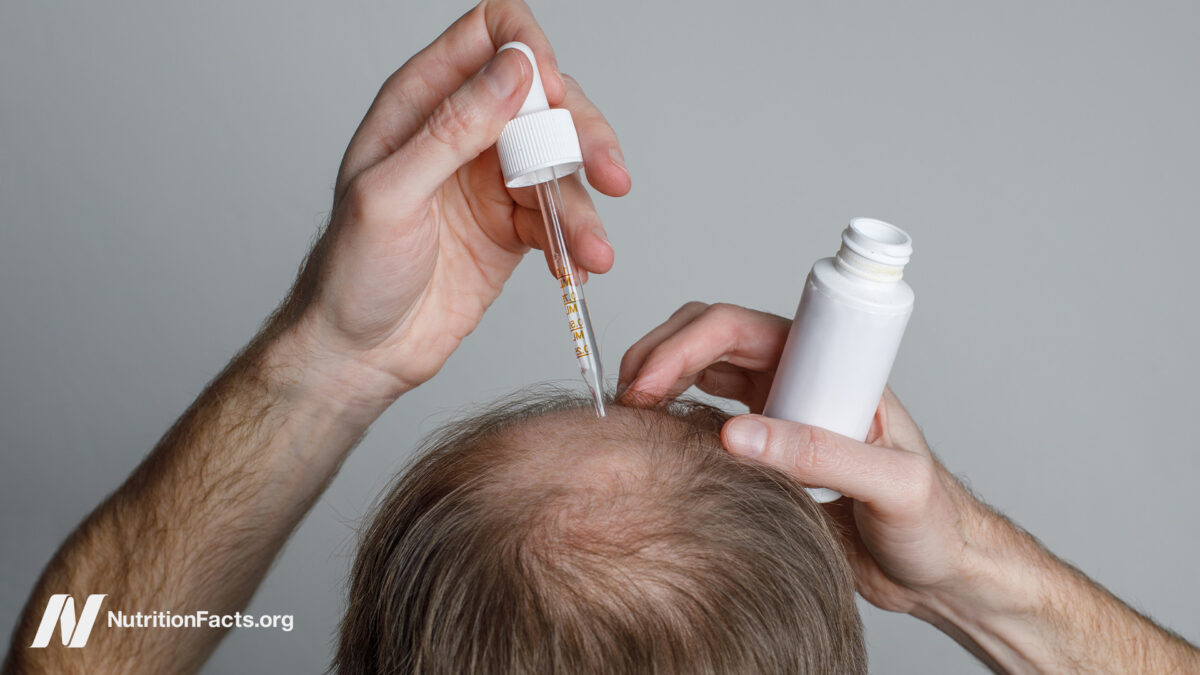
The quest for a fuller head of hair is a journey many undertake, often fraught with confusion and dashed hopes. In an age where the internet teems with a "multitude of remedies," discerning effective solutions from marketing hype is a significant challenge. For those grappling with hair loss, particularly male or female pattern baldness, the landscape of treatments can feel overwhelming. This article delves into the scientifically backed options, finasteride (marketed as Propecia) and minoxidil (marketed as Rogaine), examining their mechanisms, proven efficacy, and crucially, their often-underestimated risks.
Unveiling the Hair Loss Dilemma: Efficacy vs. Risk
Hair loss, medically known as alopecia, affects millions globally, impacting self-esteem and quality of life. The market is flooded with products promising miraculous regrowth, but only a select few have earned the rigorous approval of regulatory bodies like the U.S. Food and Drug Administration (FDA). These are finasteride and minoxidil. While these drugs offer a beacon of hope for many, their effectiveness comes with a spectrum of potential side effects that warrant careful consideration. The decision to pursue such treatments is a personal one, demanding a thorough understanding of the trade-offs involved.
The Landscape of Hair Loss Treatments: FDA-Approved vs. Unproven Remedies
Consumers often encounter a bewildering array of hair loss treatments online and in stores. From exotic herbal extracts to complex multi-step regimens, the allure of a quick fix is strong. However, as research consistently shows, "Any consumer looking on the Internet for a treatment for hair loss is exposed to a multitude of remedies," yet "we only have good evidence for efficacy for drugs approved by the U.S. Food and Drug Administration: finasteride (sold as Propecia) and minoxidil (sold as Rogaine)."
It is "considered a myth that all the patented hair-loss supplements on the market will increase hair growth." Beyond their lack of proven efficacy, these over-the-counter supplements often come with a hefty price tag, potentially costing "more than $1,000 a year." In stark contrast, the FDA-approved pharmaceutical options, despite their potential side effects, are often more affordable, with annual costs typically ranging "between $100 and $300 annually." This economic disparity further underscores the need for evidence-based decision-making.
Finasteride (Propecia): A Double-Edged Sword
Finasteride, an oral medication, stands as one of the primary FDA-approved treatments for male pattern baldness. Its mechanism of action targets a crucial hormonal pathway, but this intervention is not without significant repercussions for some users.
Understanding the Mechanism: Androgens and DHT
To grasp the full scope of finasteride’s impact, it’s essential to understand its biochemical underpinnings. Androgens, a class of male hormones, are the "principal drivers of hair growth in both men and women." Testosterone, the most prominent circulating androgen, plays a significant role. However, a more potent form, dihydrotestosterone (DHT), is often implicated in pattern baldness. Testosterone is converted into DHT by an enzyme known as 5-alpha reductase.
Finasteride works by specifically inhibiting this 5-alpha reductase enzyme, thereby reducing the conversion of testosterone to DHT. By lowering DHT levels, the drug aims to slow down or even reverse the miniaturization of hair follicles, which is characteristic of androgenetic alopecia. This targeted hormonal manipulation, while effective for hair retention and regrowth in many, is precisely why the drug carries a risk of significant hormonal side effects. The complexity of this hormonal interaction explains why women are generally advised against using finasteride, particularly if pregnant, due to the potential to feminize a male fetus.
The understanding of androgens’ role in hair growth emerged from a grim chapter in medical history. Studies conducted "half a century ago" revealed that the castration of men effectively "stopped their hair loss." This disturbing observation, which highlighted the profound link between male hormones and hair follicles, was made in the context of forced sterilizations under eugenics laws in the United States. These abhorrent practices, which saw "mentally handicapped people" castrated or forced into tubal ligations "against their will ‘to prohibit contribution to the genepool,’" were tragically "upheld by the U.S. Supreme Court." The United States was, in fact, "the first country to introduce eugenic laws," a fact that even prompted a proponent in the 1930s to "complained: ‘The Germans are beating us at our own game.’" While this historical context is deeply troubling, it undeniably contributed to the early scientific understanding of androgenic alopecia.
The Disturbing Reality of Persistent Side Effects
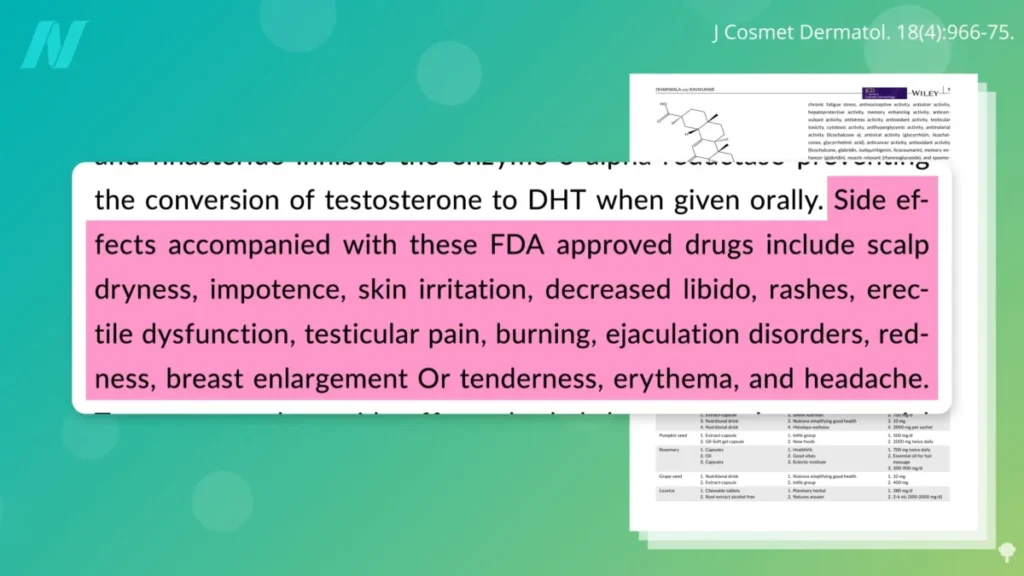
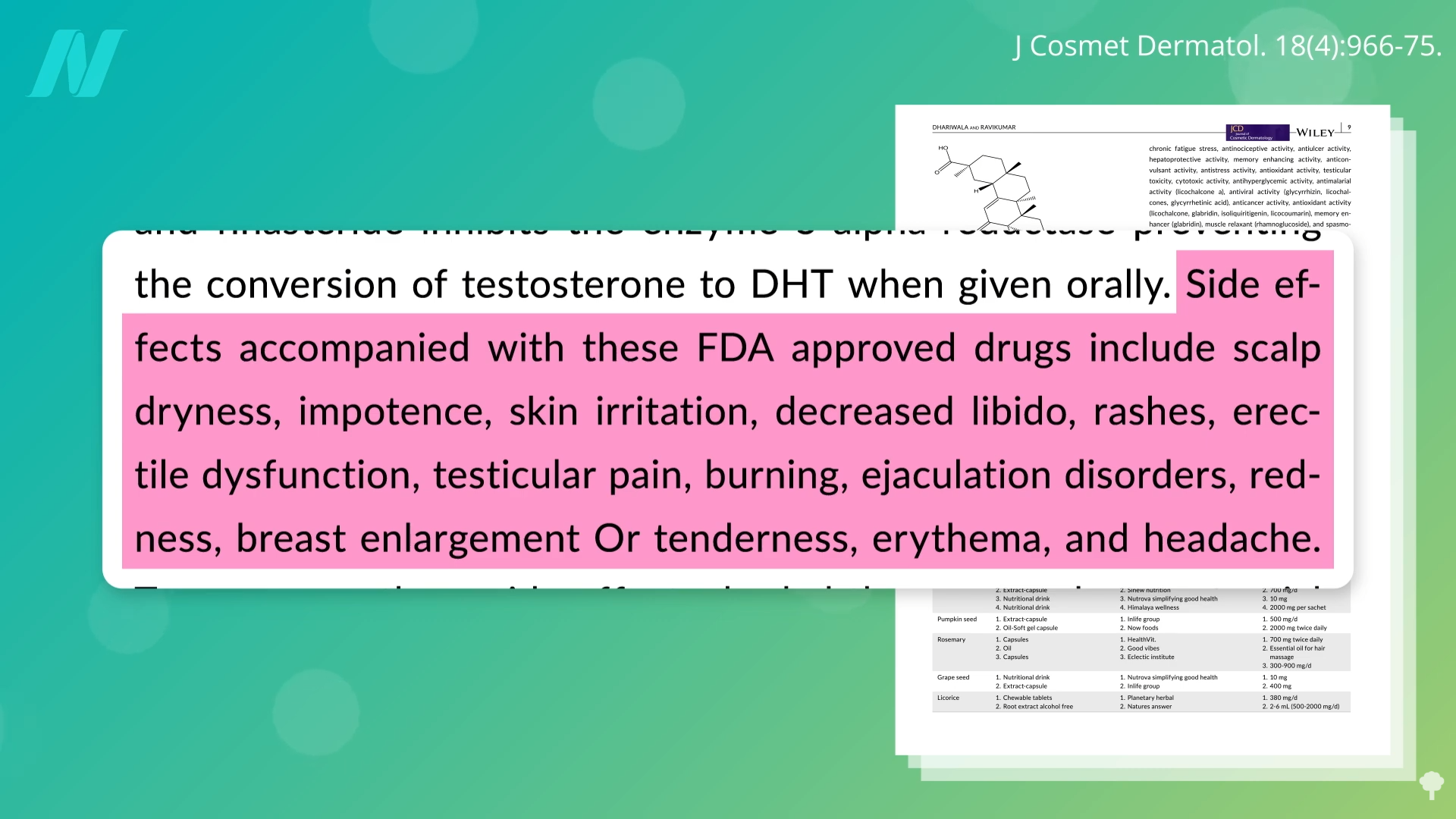
The hormonal intervention central to finasteride’s action comes with a documented array of side effects. While some are transient and resolve upon cessation of the drug, a particularly concerning aspect is the potential for persistent or even permanent adverse effects, collectively referred to by some as Post-Finasteride Syndrome (PFS).
Common side effects associated with finasteride include:
- Diminished libido: A significant reduction in sex drive.
- Erectile dysfunction (impotence): Difficulty achieving or maintaining an erection.
- Ejaculatory disorders: Issues such as decreased ejaculate volume or painful ejaculation.
- Testicular pain: Chronic discomfort or pain in the testicles.
- Breast enlargement (gynecomastia): Development of male breast tissue.
- Depression and anxiety: Mood disturbances have been reported.
- Cognitive impairment: Some users report "brain fog," memory issues, and difficulty concentrating.
What distinguishes finasteride’s side effect profile is the documented potential for these issues to linger "for years" even after discontinuing the medication. The drug companies have been required to disclose "a ‘difficulty in achieving an erection that continues after stopping the medication’" for over a decade. This persistent sexual dysfunction can be particularly distressing, with studies indicating that "up to 20% of study participants reported ‘persistent sexual dysfunction’ for six or more years after stopping the drug, suggesting the possibility that it may be permanent."
The underlying mechanisms for these persistent effects are still being investigated, but emerging research points towards neurological alterations. While "blood levels of hormones in users with persistent effects appear normal," analysis of the cerebrospinal fluid (CSF) surrounding the brain, obtained via spinal tap, "shows that neurosteroid levels do appear to end up being altered." This suggests that finasteride may induce "structural change[s] [in] the part of your brain responsible for sexual function." The profound implications of a cosmetic drug causing potentially irreversible changes to brain chemistry and sexual function have led experts to "recommended that prescribers of finasteride, as well as potential users, be aware of the potential serious long-term risks of a medication used for a cosmetic purpose." This ethical dilemma underscores the importance of informed consent and careful patient selection.
Minoxidil (Rogaine): A Topical Approach with Milder Concerns
In contrast to finasteride’s systemic hormonal action, minoxidil offers a topical solution for hair loss. Available as a foam or solution applied directly to the scalp, minoxidil works through a different pathway, generally associated with a milder side effect profile.
Minoxidil was initially developed as an oral medication for high blood pressure due to its vasodilatory properties. During clinical trials, an unexpected side effect was observed: increased hair growth. This led to its repurposing as a topical treatment for androgenetic alopecia. While the precise mechanism of action for hair growth is not fully understood, it is believed to work by:
- Increasing blood flow to hair follicles: As a vasodilator, minoxidil expands blood vessels, potentially delivering more oxygen, nutrients, and hormones to the follicles.
- Prolonging the anagen (growth) phase of hair: It is thought to stimulate dormant hair follicles and extend the active growth phase, leading to thicker, longer hair.
- Enlarging miniaturized follicles: It may help reverse the shrinking process of hair follicles characteristic of pattern baldness.
The side effects associated with topical minoxidil are predominantly localized to the scalp. The most common adverse reaction is "itching," along with irritation, dryness, and flaking of the scalp. In some cases, unwanted facial hair growth (hypertrichosis) can occur if the product inadvertently comes into contact with other areas of the skin. While systemic absorption is minimal, rare cases of more widespread effects like dizziness, rapid heartbeat (tachycardia), or fluid retention have been reported, particularly with higher concentrations or improper use. However, these are significantly less common and generally less severe than the systemic and potentially permanent side effects linked to finasteride.
The Unregulated Market: A Labyrinth of False Promises
Beyond the two FDA-approved drugs, the hair loss market is saturated with countless "patented hair-loss supplements" and unverified "remedies." These products, often marketed aggressively, frequently make bold claims of efficacy without robust scientific backing. It’s "considered a myth that all the patented hair-loss supplements on the market will increase hair growth."
Common ingredients found in these supplements include biotin, saw palmetto, various vitamins, minerals, and herbal extracts. While some of these components are essential for overall hair health, there is generally insufficient evidence from well-designed clinical trials to support their effectiveness in preventing or reversing pattern baldness. The allure of "natural" solutions can be powerful, but consumers must exercise extreme caution. Not only do these supplements lack proof of efficacy, but they can also be significantly more expensive than the proven pharmaceutical options, with "over-the-counter supplement regimens costing up to more than $1,000 a year." This financial burden, coupled with the emotional toll of unfulfilled promises, highlights the predatory nature of much of the unregulated market.
Regulatory Scrutiny and Patient Empowerment
The role of regulatory bodies like the FDA is to ensure that medications are both safe and effective before they reach the public. The approval process for finasteride and minoxidil involved extensive clinical trials, establishing their efficacy in treating hair loss. However, the post-market surveillance and ongoing research continue to refine our understanding of these drugs’ long-term impacts.
The evolution of warnings regarding finasteride’s side effects, particularly the potential for persistent sexual dysfunction, reflects this continuous learning process. Initially, the full extent of these long-term risks was not completely understood. As more data emerged from patient reports and subsequent studies, regulatory bodies mandated clearer and more prominent warnings on drug labels. This shift underscores the critical importance of transparent communication between prescribers and patients.
For individuals considering finasteride, understanding these risks is paramount. Given that hair loss, while distressing, is primarily a "cosmetic purpose" rather than a life-threatening condition, the decision to use a medication with "potential serious long-term risks" demands careful contemplation. Patients should engage in open and honest discussions with their healthcare providers, ensuring they receive comprehensive information about all potential benefits and risks, including the possibility of permanent adverse effects. This empowers patients to make informed decisions that align with their personal values and risk tolerance.
Charting a New Course: The Search for Safer Solutions
The current landscape of hair loss treatments presents a difficult choice: limited FDA-approved options with varying degrees of efficacy and concerning side effects, or a vast, unregulated market of unproven and often costly supplements. This predicament underscores a critical unmet need in medical science.
"To date, no new interventions are used routinely in treating male or female pattern baldness" beyond finasteride and minoxidil. Given the significant side effects associated with these existing drug options, "there is a need for alternative treatments." This pressing demand for safer, yet effective, solutions is driving ongoing research into novel therapeutic approaches. Scientists are exploring diverse avenues, including gene therapies, advanced topical formulations, and more targeted molecular interventions designed to minimize systemic side effects.
The Future: Beyond Pharmaceuticals?
The recognition of the limitations and risks of current pharmaceutical interventions naturally leads to the question of alternative strategies. Can lifestyle modifications or dietary changes play a role in combating hair loss? As Dr. Michael Greger poses, "So, what about food? Could what we eat help combat hair loss? That’s exactly what we’re going to explore next." This pivot towards nutritional science offers a hopeful direction, suggesting that a holistic approach, complementing or potentially even replacing conventional drug therapies, might hold the key to future, safer solutions for hair loss.
Until then, individuals facing hair loss must carefully weigh the proven, albeit sometimes risky, benefits of FDA-approved drugs against the unproven claims and financial burdens of unregulated supplements. The journey to a healthier head of hair is complex, but armed with accurate, evidence-based information, patients can make choices that prioritize both their appearance and their overall well-being.