The Living Bouquet: Inside the Masterful Garden of Marieke Nolsen
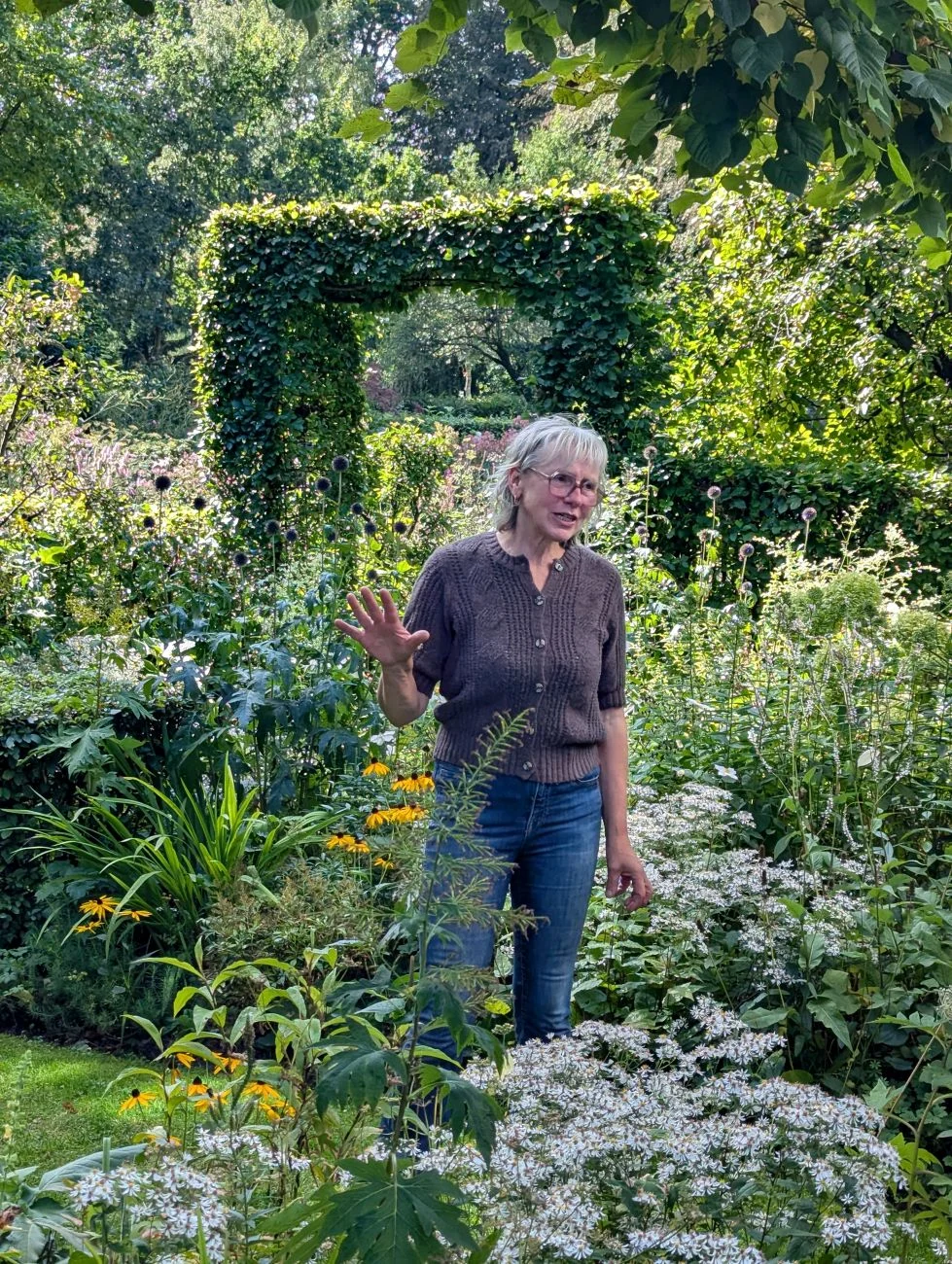
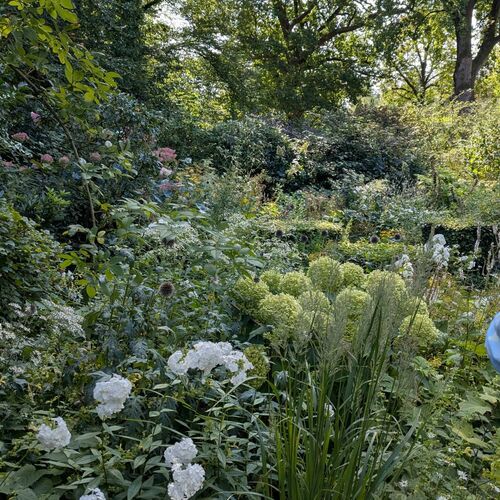
As the autumn season settles over the Netherlands, our ongoing exploration of the Stunning Gardens of the Netherlands tour brings us to a destination that redefines the intersection of horticulture and art: the private estate of floral designer, gardener, and lecturer Marieke Nolsen. Located in the picturesque town of Leusden, Nolsen’s property is more than a garden; it is a meticulously curated, 1,600-square-meter "living bouquet."
For those who have followed the evolution of European garden design, Nolsen’s work represents a shift away from static displays toward a more fluid, seasonal, and functional aesthetic. By blending the rigor of structural design with the wild, romantic sensibilities of a naturalistic cutting garden, Nolsen has created a space that serves as both a private sanctuary and a professional laboratory for her floral arrangements.
A Chronology of Transformation: From Conifers to Composition
The journey of this remarkable property began in 2002, when Nolsen and her family first acquired the land. At the time, the site was characterized by the hallmarks of late 20th-century Dutch suburban landscaping: a straightforward layout defined by vast lawns, rigid rows of conifers, sterile paving, and predictable hedging.
Nolsen, possessing a keen eye for both color and form, saw the potential for a more layered narrative. Over the course of more than two decades, she embarked on a systematic redesign of the 1,600-square-meter lot. The primary objective was to break the monotony of the original layout by introducing "garden rooms." By utilizing strong lines, intentional paths, and a thoughtful mix of beech and boxwood, she created a framework that allows the eye to travel through the landscape.
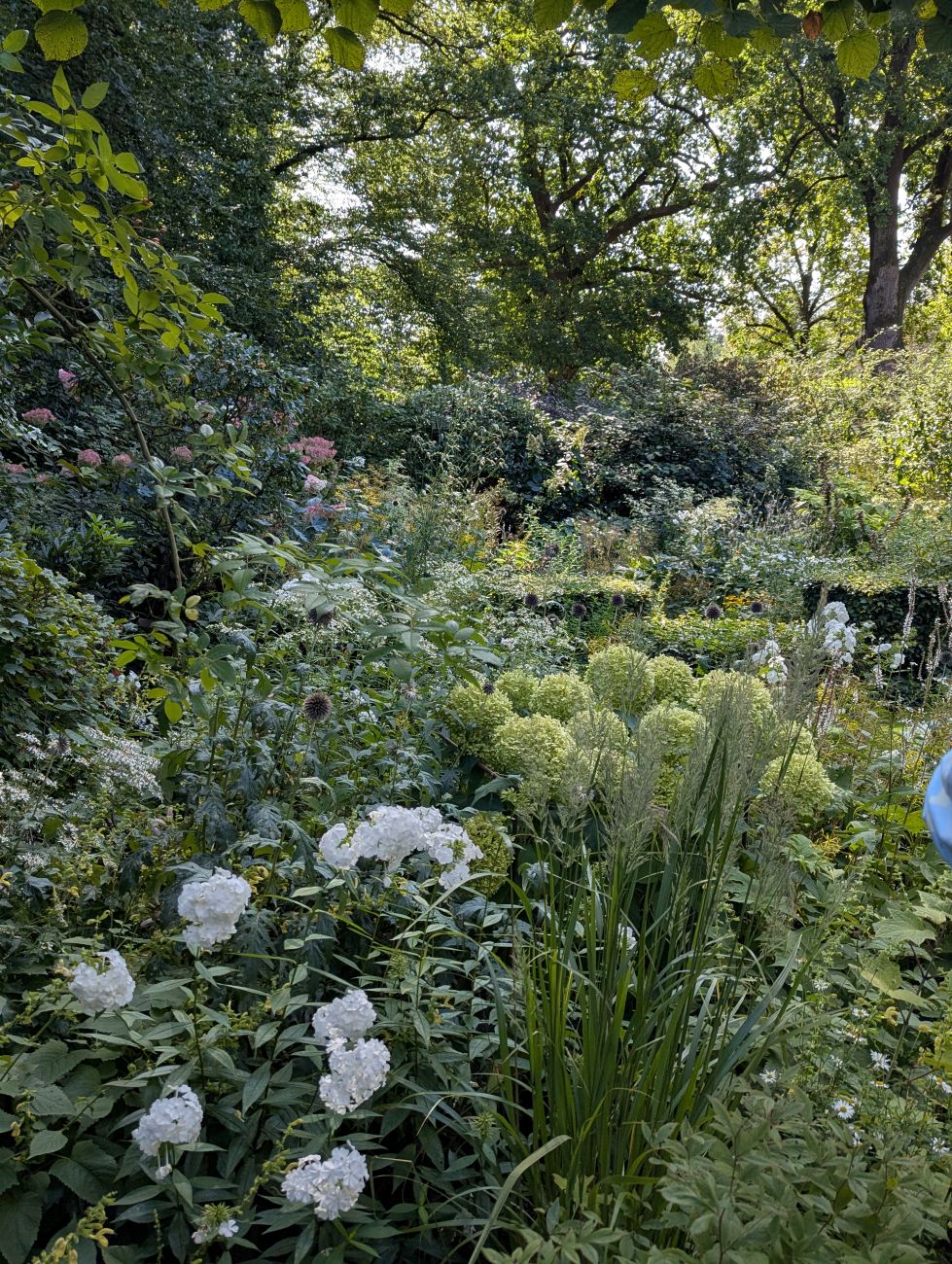
Within these architectural "bones," she filled the borders with a complex tapestry of perennials and shrubs. As her career in floral design flourished, so too did the garden. She began to treat the landscape as an extension of her studio, deliberately cultivating flowers, berries, and foliage specifically for use in her naturalistic floral arrangements. This overlap between garden maintenance and artistic production has defined the property’s current character: a space where no plant is merely decorative; every stem serves a purpose in the cycle of the seasons.
Structural Elegance: The Philosophy of "Weelderige, Transparante Borders"
Central to Nolsen’s horticultural philosophy is the Dutch concept of weelderige, transparante borders—which translates to "lush, airy plantings with a natural appearance." Unlike traditional, dense borders that prioritize a solid wall of color, Nolsen’s approach favors permeability.
In her borders, white blooms and intricate seedheads are encouraged to rise through layers of foliage. This creates a sense of depth and movement, as if the plants are breathing. Taller trees and shrubs are strategically placed to act as a backdrop, providing the soft, billowing shape that characterizes her signature style. This technique ensures that the garden remains visually interesting even as the seasons transition, as the structure of the plants remains long after the primary flowering period concludes.
The Role of Sightlines and Garden Rooms
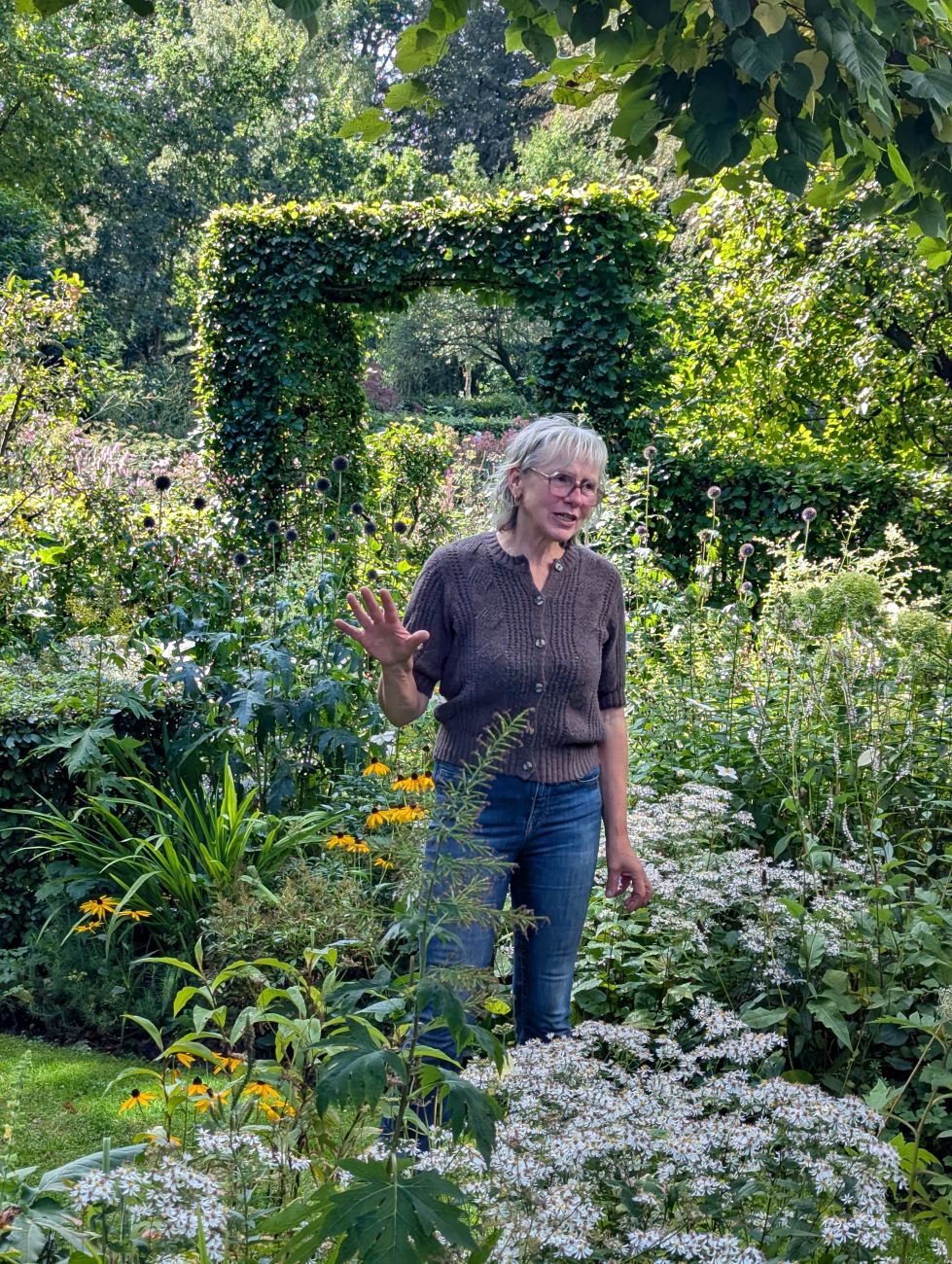
Nolsen’s design expertise is perhaps most evident in the way she manages the visitor’s experience. By creating straight sightlines from the main house, she grounds the garden in a sense of order. However, this order is quickly challenged by the intentional use of brick and grass paths that wind through the property, connecting disparate sections.
Openings, often framed by climbing vines or architectural shrubs, provide only partial views of what lies beyond. This "reveal" technique encourages exploration, making the 1,600-square-meter space feel significantly larger and more immersive than its footprint might suggest.
Plant Selection: A Palette for the Floral Designer
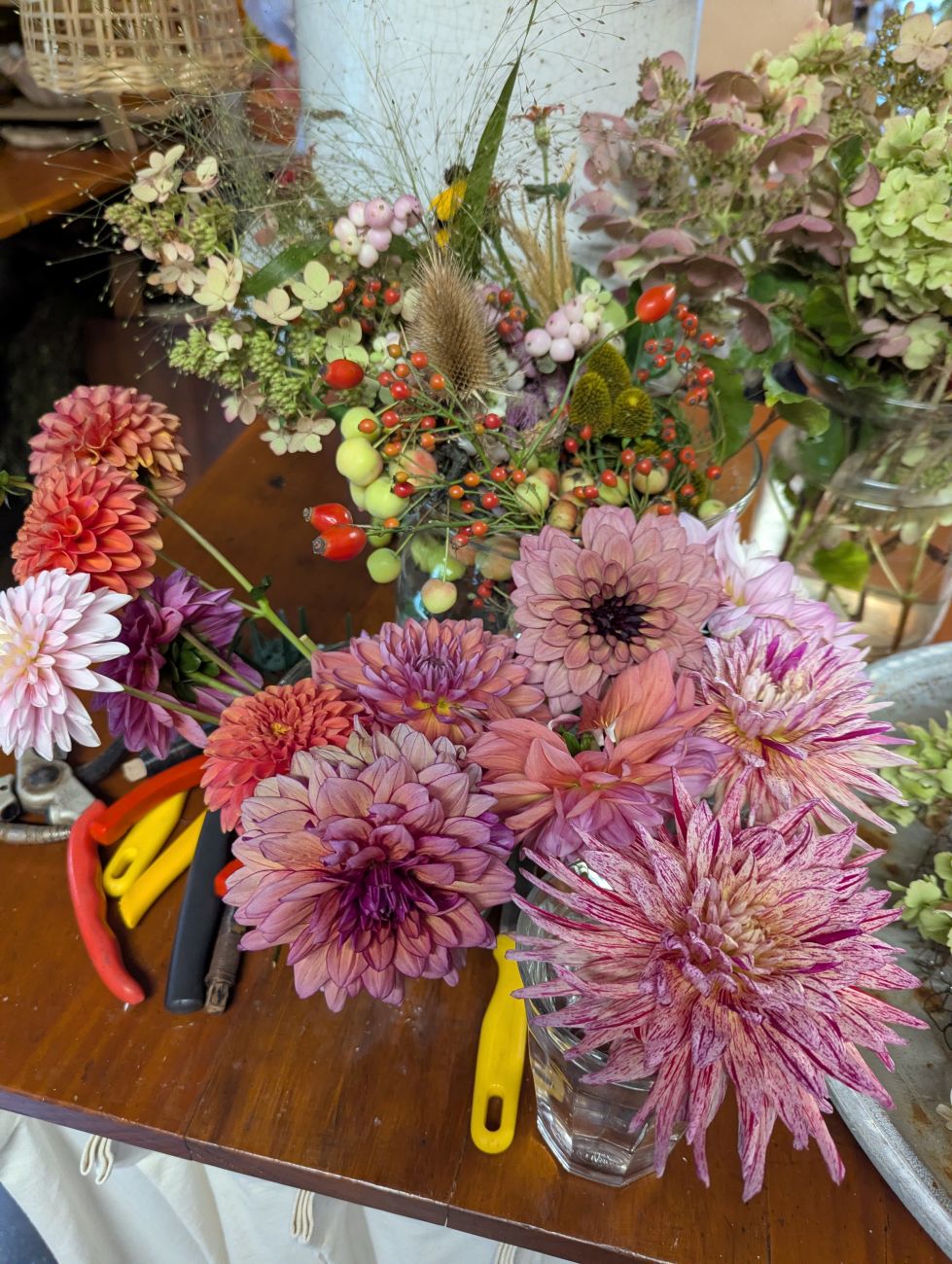
For Nolsen, the garden is a living pantry. When choosing plant species, she considers not just their garden performance—hardiness, color, and bloom time—but their utility in a vase.
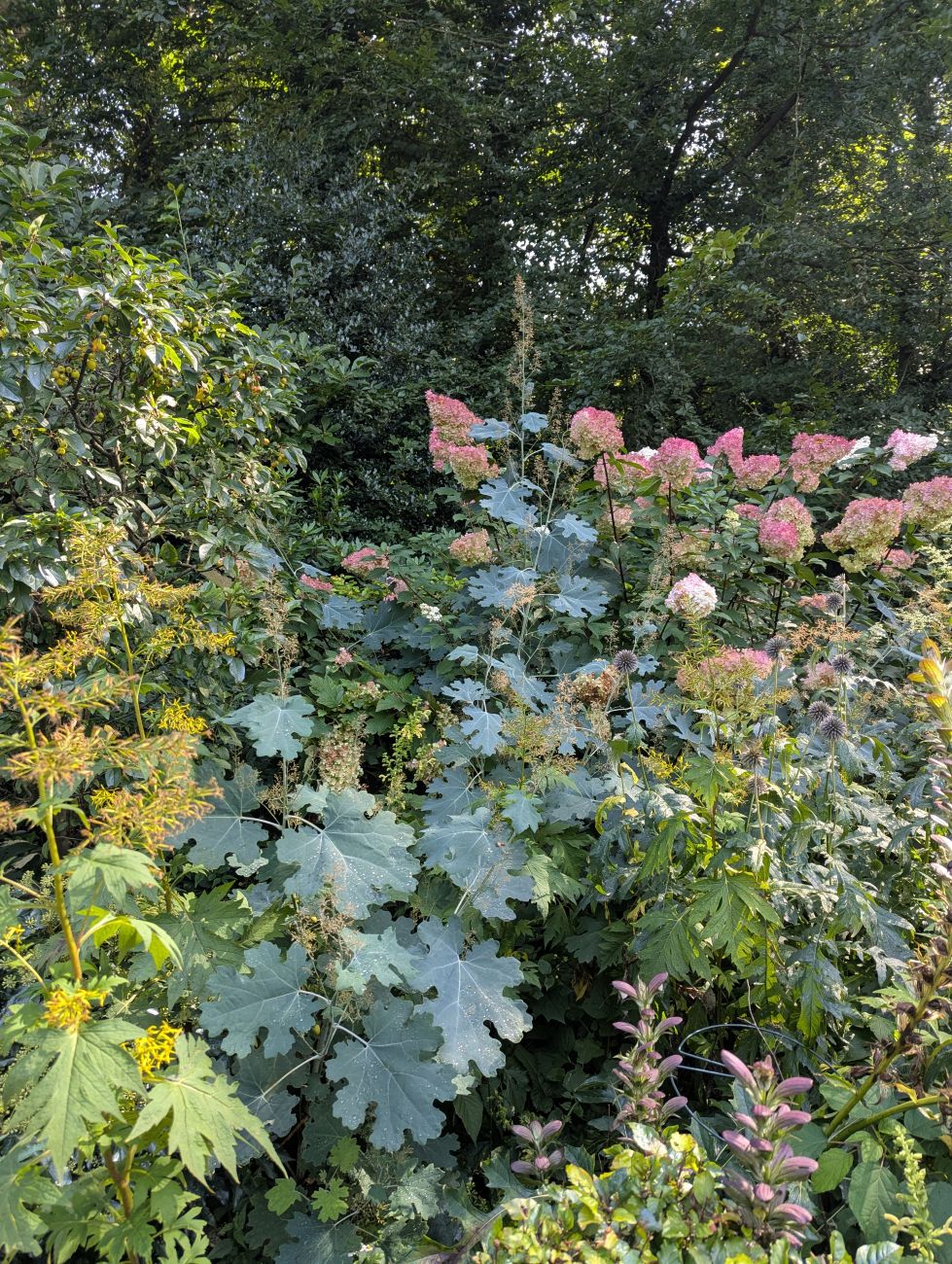
A standout example is the integration of hydrangeas, her personal favorite. These are not relegated to a corner but are woven into borders alongside Macleaya cordata (plume poppy) and various Echinops (globe thistle) cultivars. The interplay of the hydrangeas’ heavy, rounded heads against the vertical, architectural spikes of the thistle creates a dynamic contrast that works as well in a bouquet as it does in the ground.
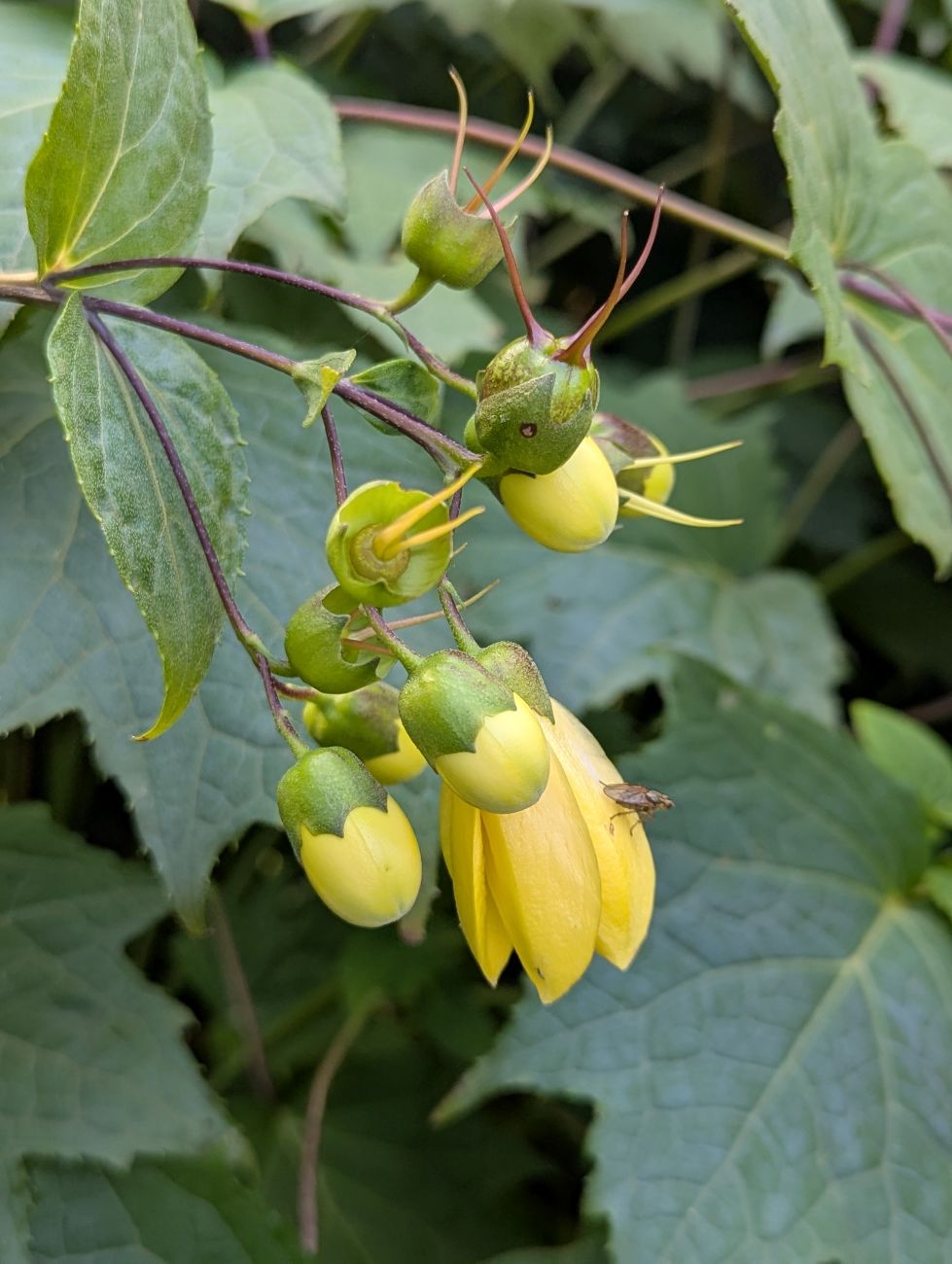
In the shadier corners of the property, she utilizes Kirengeshoma palmata (yellow wax bells). This plant provides a dual benefit: its broad, maple-like foliage offers a lush texture during the early summer, while its nodding, soft-yellow flowers bring light to darker spaces in the late summer and early autumn.
The Intersection of Utility and Artistry
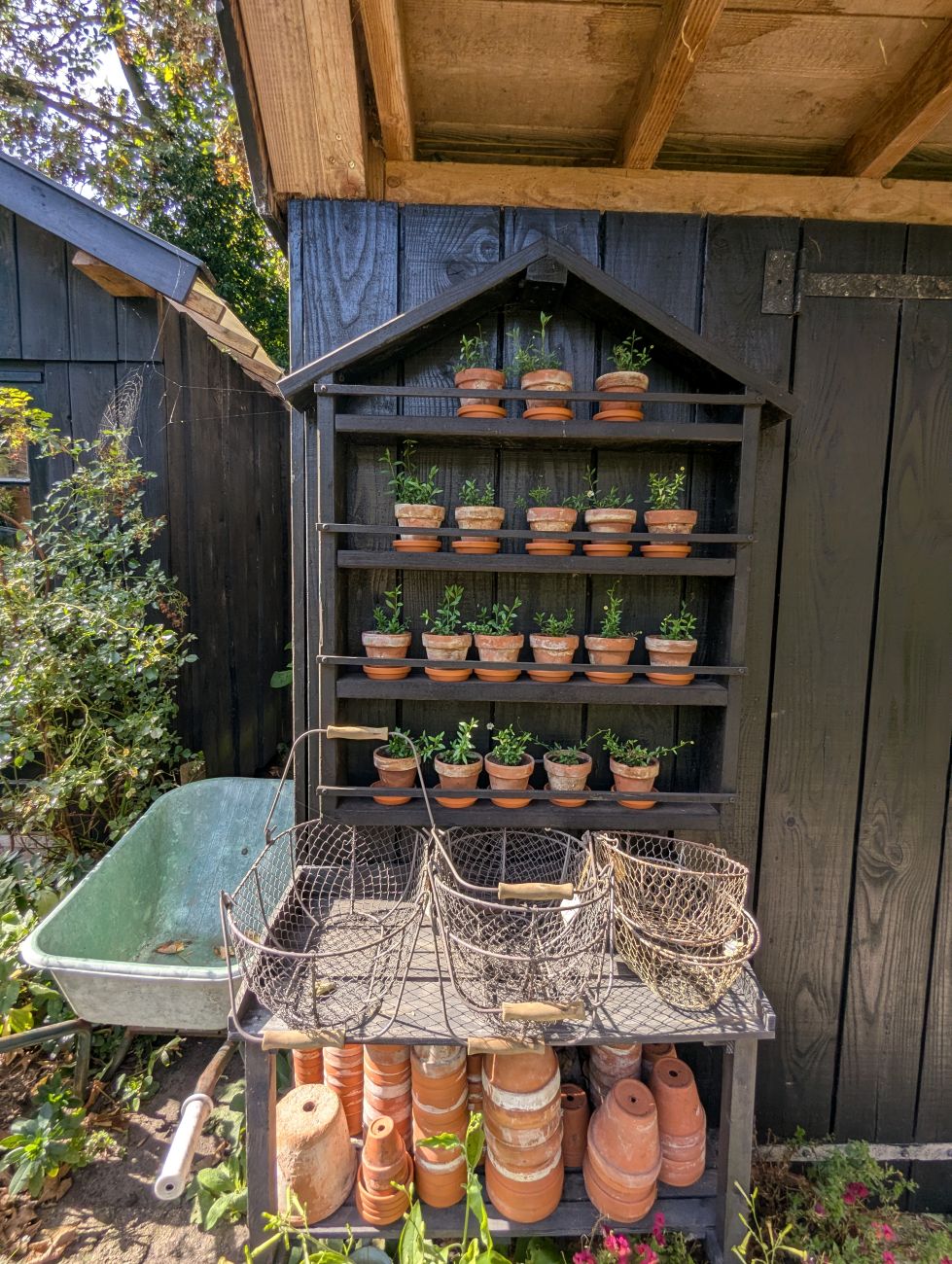
The garden is supported by a series of functional spaces that reflect the partnership between Marieke and her husband, Martin. The potting area, for instance, is a testament to the practical needs of a serious gardener. It is here that seedlings are nurtured and pots are stored through the winter. The garden house, built by Martin, serves as the heart of these operations, blending seamlessly into the aesthetic of the surrounding beds.
Natural Supports: An Aesthetic Necessity
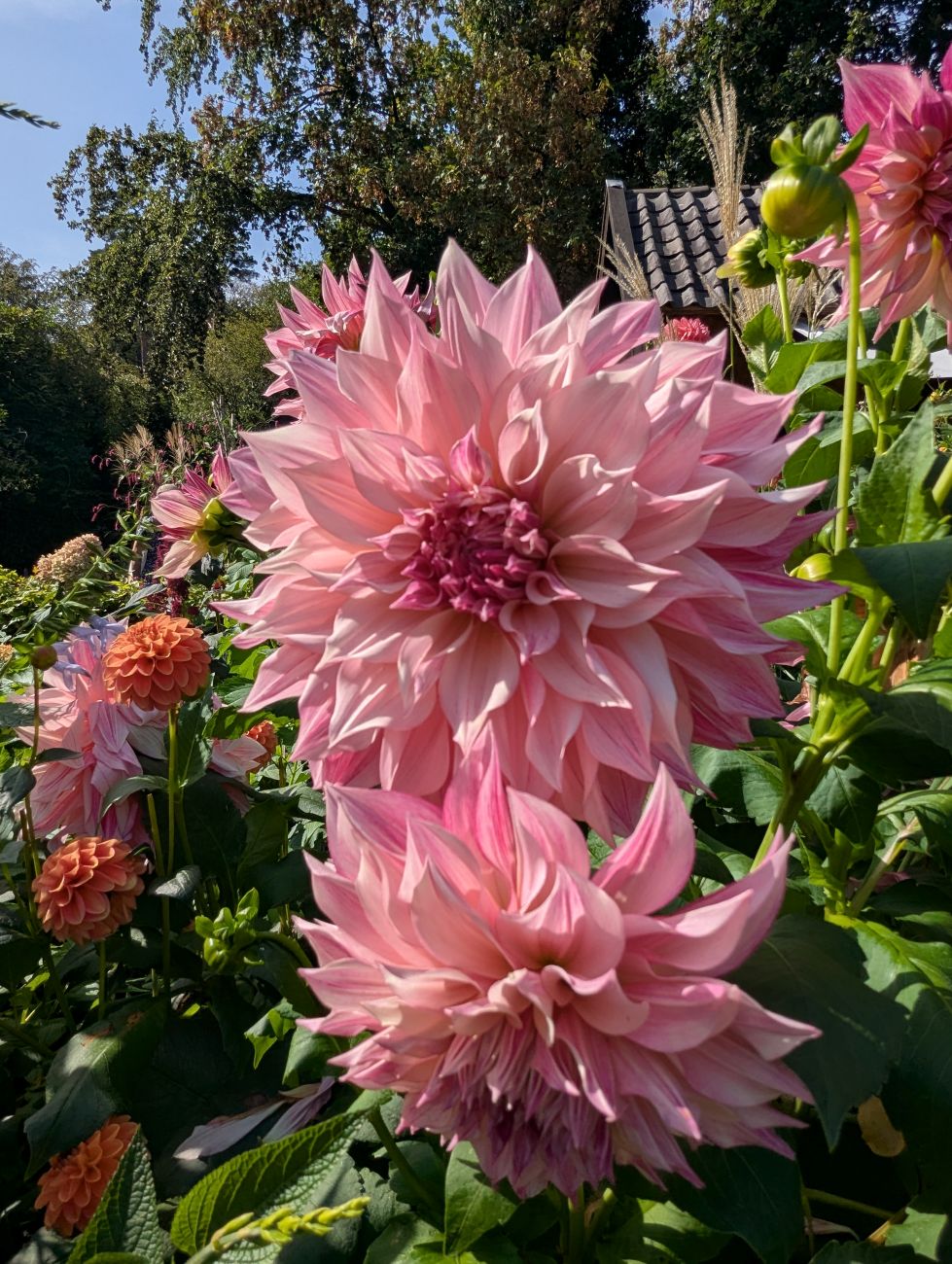
One of the most impressive aspects of the garden is the use of non-intrusive plant supports. Rather than relying on industrial metal stakes, Nolsen uses natural materials. Martin constructs supports from posts and hazel branches, while Marieke utilizes woven birch twigs to guide the growth of her plants. These supports provide the necessary stability for heavy bloomers like dahlias without detracting from the natural beauty of the planting.
Container Gardening as a Compositional Tool
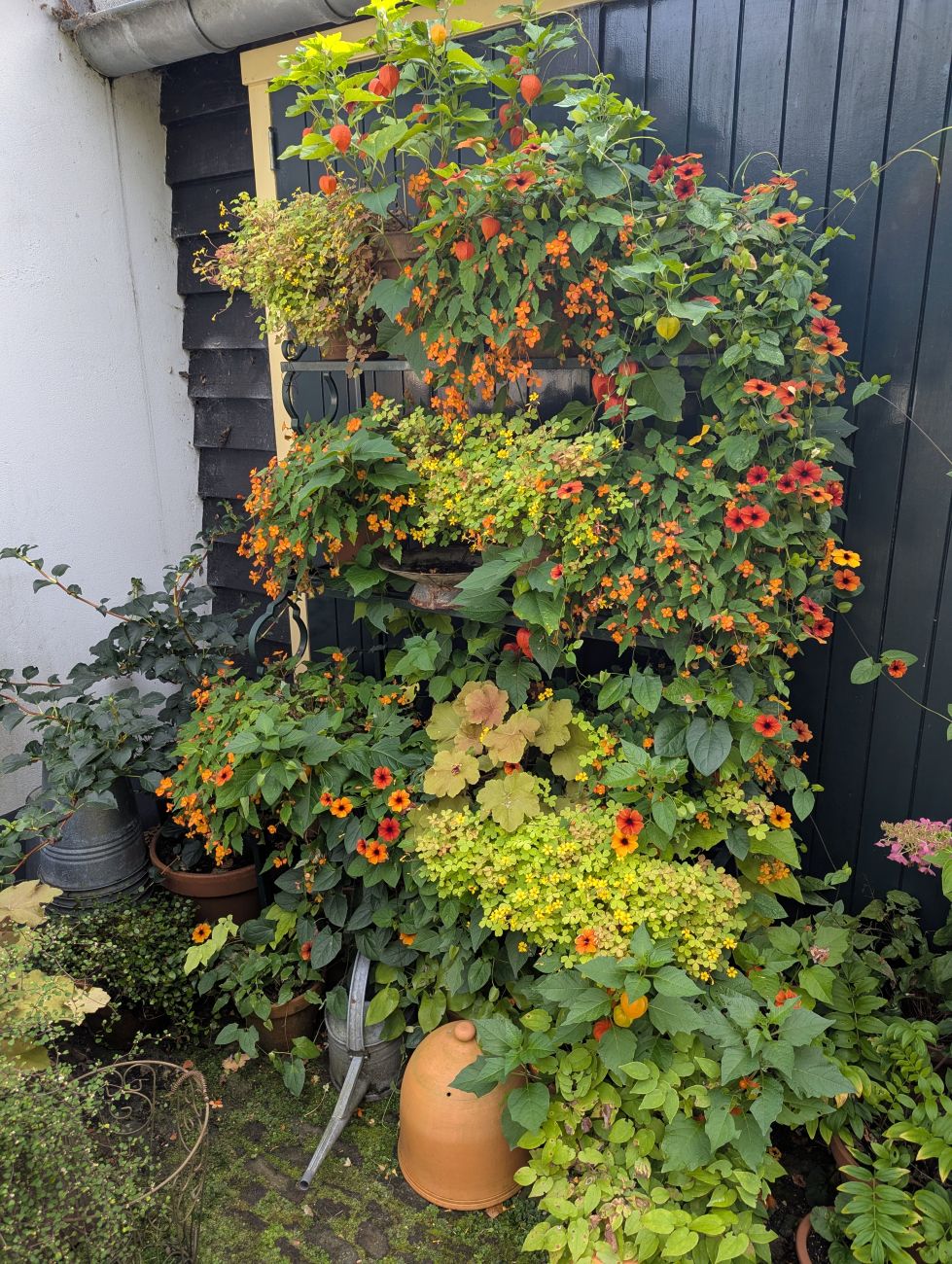
Nolsen’s approach to container gardening borrows heavily from her background in floral design. She treats a collection of pots not as a scattered assembly, but as a single, cohesive composition. By grouping terracotta and zinc vessels at varying heights and focusing on a palette of warm, autumnal tones—oranges, salmons, yellows, and deep reds—she creates a visual "still life" that feels deliberate and artistic. This design strategy allows her to experiment with plants that might not fit into the permanent borders, while maintaining the overall design integrity of the terrace or patio.
Implications for the Modern Gardener
What can the average gardener learn from Nolsen’s work in Leusden? Perhaps the most important takeaway is the shift in perspective regarding the "cutting garden." Traditionally, cutting gardens are viewed as utilitarian—rows of plants destined for the shears, often unsightly and separate from the "display" garden.
Nolsen proves that this does not have to be the case. By integrating cut flowers into the broader landscape, the garden becomes a living, breathing entity that provides aesthetic joy in the ground and artistic fulfillment indoors. Even Nolsen admits to a "cutting fear"—a hesitation to disturb the beauty of a blooming border—yet she encourages gardeners to embrace the cycle of harvesting. She notes that by selecting plants that offer interesting seedheads, unique foliage, and long-lasting berries, the gardener can ensure that the space remains productive and beautiful well into the late season.
Conclusion: A Living Legacy
As our tour of the Netherlands concludes, the lesson provided by Marieke Nolsen is clear: a garden is a dialogue between the gardener and the landscape. By focusing on structure, intentional layering, and the dual-purpose use of plants, she has turned her property into a masterclass in modern, sustainable, and highly personal gardening.
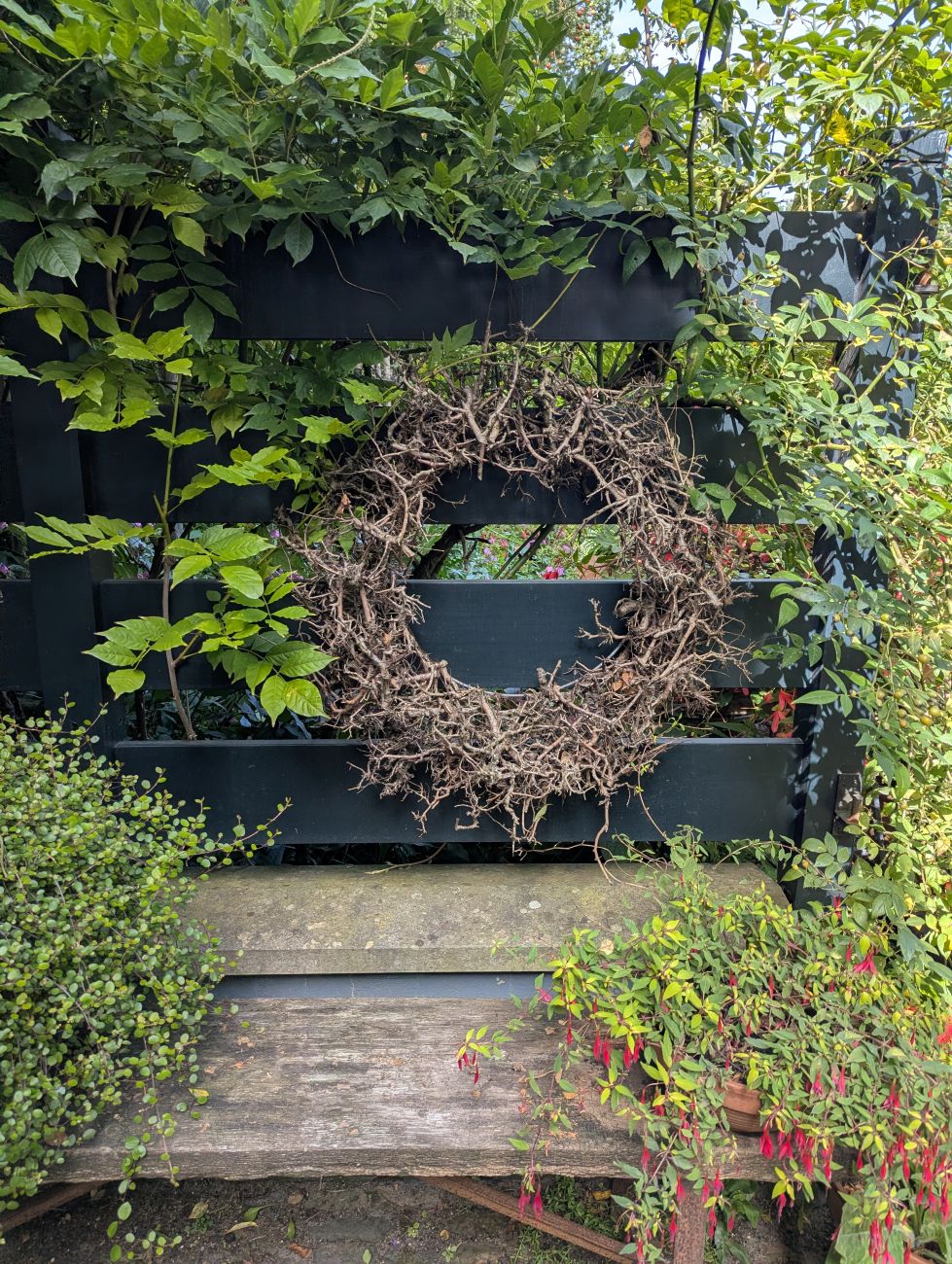
Whether through the structural use of beech hedges or the delicate weaving of birch twigs for support, Nolsen’s garden reminds us that the most beautiful spaces are those that honor the natural world while reflecting the creative spirit of the person who tends them.
Recommended Resources for the Aspiring Gardener
To help you achieve the level of balance and resilience found in Nolsen’s garden, we recommend the following resources:
- Attracting Beneficial Bugs to Your Garden (Revised Edition): A vital text for those looking to manage pests naturally. By understanding the ecosystem of beneficial insects, you can reduce your reliance on chemicals and foster a healthier, more balanced landscape.
- Planting in a Post-Wild World: Authors Thomas Rainer and Claudia West provide a blueprint for creating landscapes that mimic the resilience of nature. This is essential reading for any gardener interested in the "new nature" movement—a hybrid approach that values both wild beauty and intentional, sustainable design.
- Scotts Cordless Grass-Shear/Shrub-Trimmer Combo: For the precise, light-duty pruning tasks required to maintain clean lines and healthy, compact shrubs, this tool offers the agility and efficiency needed for detailed work.
Fine Gardening receives a commission for items purchased through links on this site, including Amazon Associates and other affiliate advertising programs. All recommended products are selected for their contribution to a healthier, more beautiful, and more functional garden.