Design for All: How Women are Redefining Innovation in Automotive, Tech, and Sport
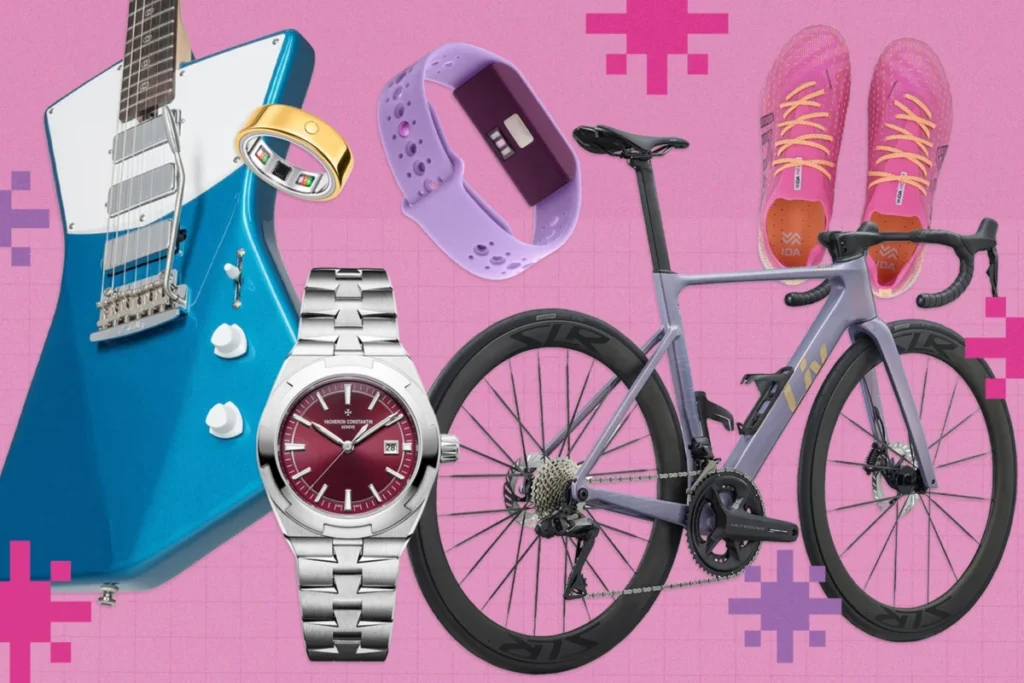
The landscape of modern design is undergoing a tectonic shift. For decades, the "standard" user—whether in automotive engineering, athletic apparel, or high-performance technology—was assumed to be male. Today, that paradigm is being systematically dismantled by a new generation of female innovators, engineers, and entrepreneurs who are proving that products designed with female-specific biometrics and perspectives in mind are not just "niche" offerings, but superior solutions for everyone. From the electric vehicle revolution to the precise mechanics of professional cycling and horology, this movement toward inclusive, data-driven design is reshaping the marketplace.

The Automotive Disruption: Slate and the Future of EV Design
At the forefront of this industrial shift is Tisha Johnson, head of design at the electric vehicle startup Slate. In an industry where women are historically relegated to interior trim or upholstery, Johnson is a rarity: a leader shaping the exterior architecture of a vehicle. Her work on the Slate electric pickup truck has challenged the "macho" aesthetic that has defined the American truck market for a century.

Challenging the "Beast" Aesthetic
The Slate pickup starts at under $25,000, positioning it as the most affordable EV truck in the United States. However, its success is not merely a result of its price point. Johnson consciously steered the design language away from the aggressive, angular "beast" aesthetic common in traditional trucks. Instead, the vehicle features approachable, rounded headlamps and balanced proportions.

"We didn’t want Slate to be a jerk, or look like a beast on the road," Johnson explains. By prioritizing a design that feels "approachable" yet strong, she has fostered a deeper emotional connection between the machine and the driver. The market response has been seismic: over 180,000 reservations have been placed, suggesting that consumers are increasingly seeking vehicles that reflect a more modern, less combative ethos.

A Chronology of Inclusive Engineering
The movement toward inclusive design did not happen overnight. It is the result of years of advocacy and technological maturation.

- 2005: Limor Fried (Ladyada) founds Adafruit in her MIT dorm room, laying the groundwork for a woman-owned powerhouse in open-source electronics.
- 2011: Fried becomes the first female engineer to grace the cover of WIRED, signaling a shift in the visibility of women in hardware hacking.
- 2015: Jen Rubio and Steph Korey launch Away, applying a design-first approach to the overlooked luggage industry.
- 2018–2020: The rise of biometric-driven gear—such as the Posedla Joyseat and IDA Sports boots—begins to gain mainstream traction as brands move away from "shrink it and pink it" manufacturing.
- 2023–2024: High-end legacy brands, such as Vacheron Constantin, pivot their strategy to embrace mid-sized mechanical watches, acknowledging the female market’s demand for serious horology.
Supporting Data: Why "Unisex" is No Longer Enough
The core argument for this shift is grounded in data. For years, women’s equipment was simply a scaled-down version of men’s gear. However, companies like Liv Cycling and IDA Sports have proven that biometric data—specifically regarding limb length, sit-bone width, and gait—leads to better performance.

Performance Metrics
- Liv Cycling: By using biometric data to design frames from the ground up, Liv ensures that every frame size possesses its own specific geometry. This prevents the "generic component" problem where stem lengths or handlebar widths are ill-fitted for the rider.
- IDA Sports: By analyzing the foot shape of professional female soccer players, IDA replaced the standard male-centric boot mold with a design featuring female-specific flex zones and a unique cleat stud pattern. This reduces injury risks and improves traction.
- Natural Cycles: With an FDA-cleared app that utilizes data from an NC° Band, the company offers 93 percent accuracy in fertility tracking. This demonstrates how wearable tech can be used to solve complex biological challenges through rigorous algorithmic development.
Official Responses and Industry Philosophy
Industry leaders are increasingly vocal about the necessity of this pivot. Marion Clignet, a six-time cycling world champion and cofounder of Jelenew, notes that elite performance is impossible without a fit shaped to female proportions. "You cannot simply scale down a professional racing jacket designed for a man," she argues. Jelenew’s windproof jackets utilize recycled nylon and mesh ventilation precisely mapped to where women generate the most heat.

Similarly, Bonnie Tu, chair of the company behind Giant bikes, founded Liv because she recognized that the cycling industry was failing half its potential customer base. Her philosophy—that "fit is a system"—has forced competitors to reconsider how they approach everything from crank length to saddle positioning.

Implications for the Future of Retail
The implications of this shift are profound, moving beyond niche sports and into the home.

The Democratization of Tech
Companies like Adafruit are lowering the barrier to entry for coding and hardware engineering. By producing educational kits that are as accessible to a child as they are to an adult, the company is fostering a new generation of engineers who view technology as an extension of their own creative agency.

Precision Meets Luxury
The shift in luxury horology is perhaps the most symbolic. When Vacheron Constantin releases a 34.5 mm Overseas model that retains the exact technical specifications of its 41 mm counterpart—including the quick-release bracelet and 40-hour power reserve—it signals that the industry no longer views "women’s watches" as jewelry pieces that happen to tell time. They are, for the first time, being treated as serious mechanical instruments for all collectors.

Smart Home and Wearable Integration
The rise of the "Smart Ring" and AI-driven home appliances, such as the Dreame Miracle Pro hairdryer, represents the final frontier: the integration of artificial intelligence into daily personal care. By monitoring heat 1,000 times per second and adjusting based on the magnetic attachment sensed, the device removes the guesswork from maintenance. It is a reflection of a broader trend: technology that anticipates the user’s needs rather than forcing the user to adapt to the technology.

Conclusion: The Lasting Connection
The common thread connecting a $25,000 EV truck, a 3D-printed bike saddle, and a high-tech windproof jacket is the rejection of the "one size fits all" mandate. Whether it is Tisha Johnson at Slate or Sandra Oh Lin at KiwiCo, the focus has shifted from manufacturing for the "average" to designing for the individual.

As we look toward the future, the market will likely continue to favor brands that prioritize these deep, data-backed connections. The "jerk" aesthetic of the past is being replaced by thoughtful, modular, and inclusive engineering. This is not merely a social trend; it is a business imperative. By designing for a more diverse range of human bodies and experiences, these companies are not just making better products—they are making better tools for a more efficient, equitable, and innovative world.

The success of these products suggests that the future of design is not just about what a product does, but how it makes the user feel, how well it fits their life, and how effectively it serves their specific needs. In every sector from automotive to horology, the message is clear: when you design for everyone, you build products that last.