Cultivating Life at the Edge of the World: The Extraordinary Hydroponics Program at Antarctica’s Davis Station
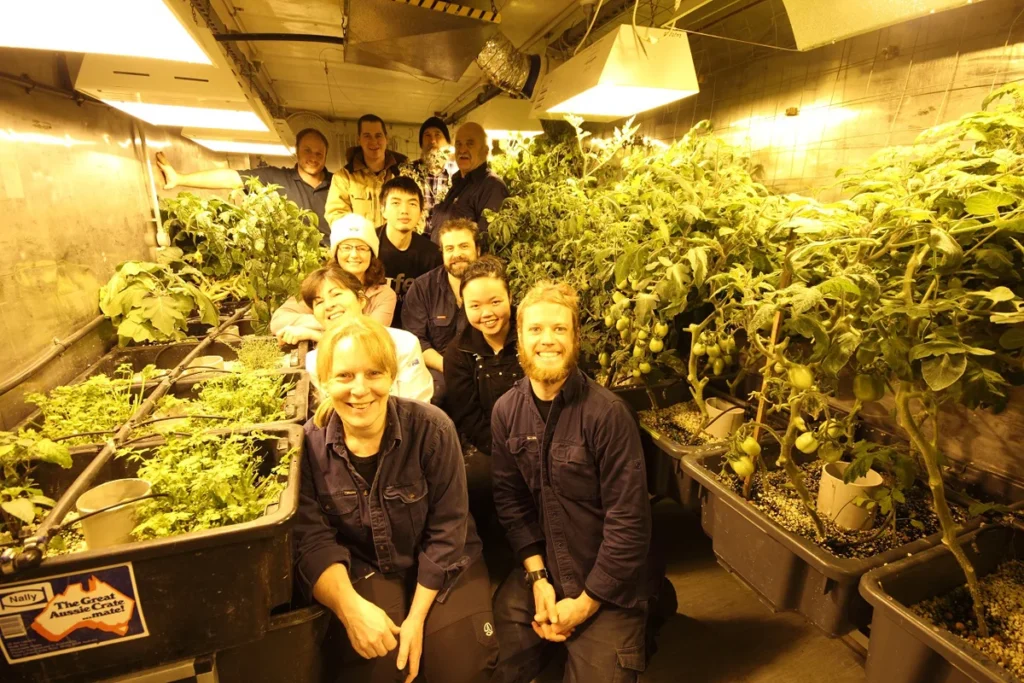
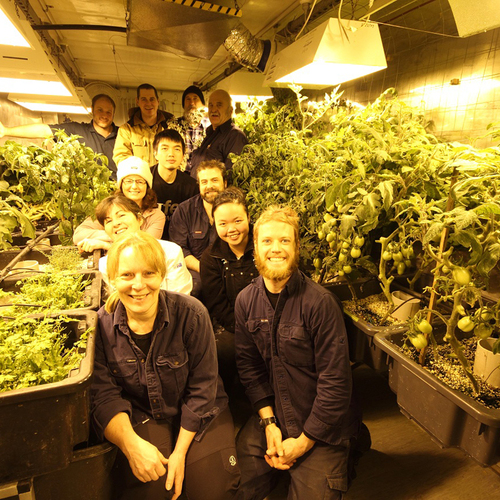
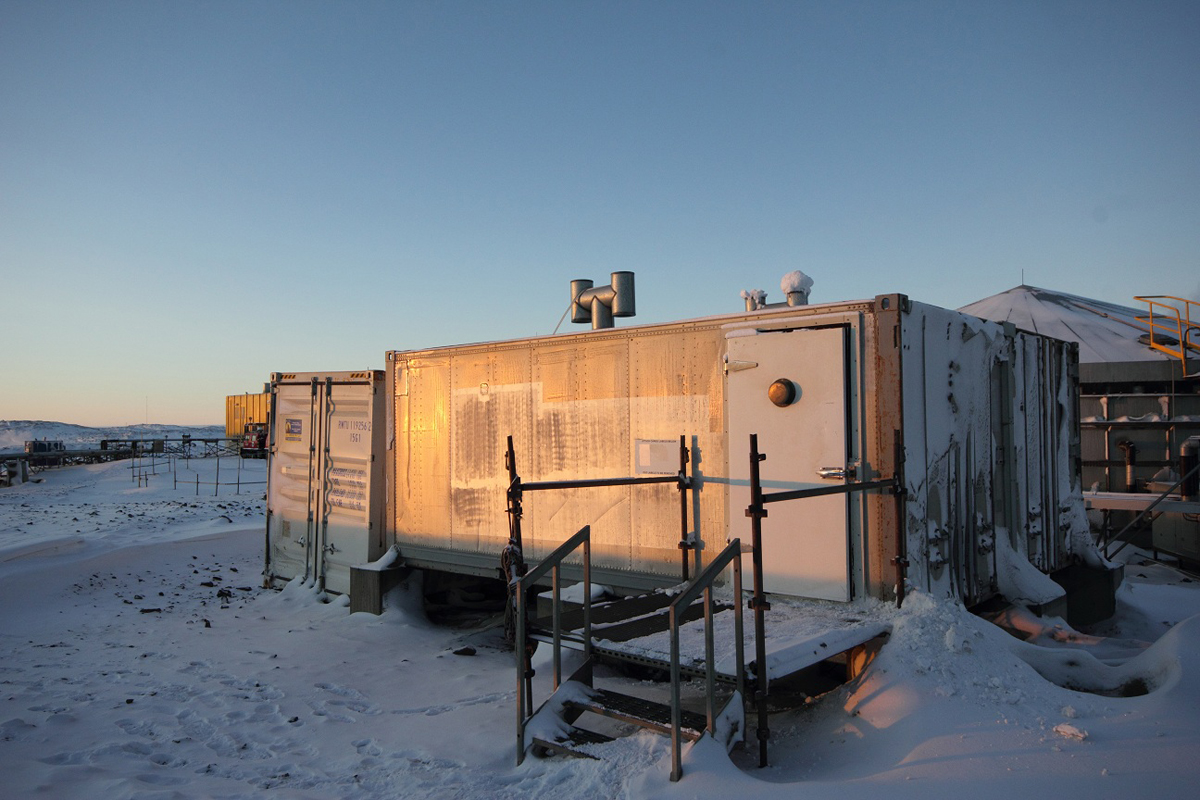
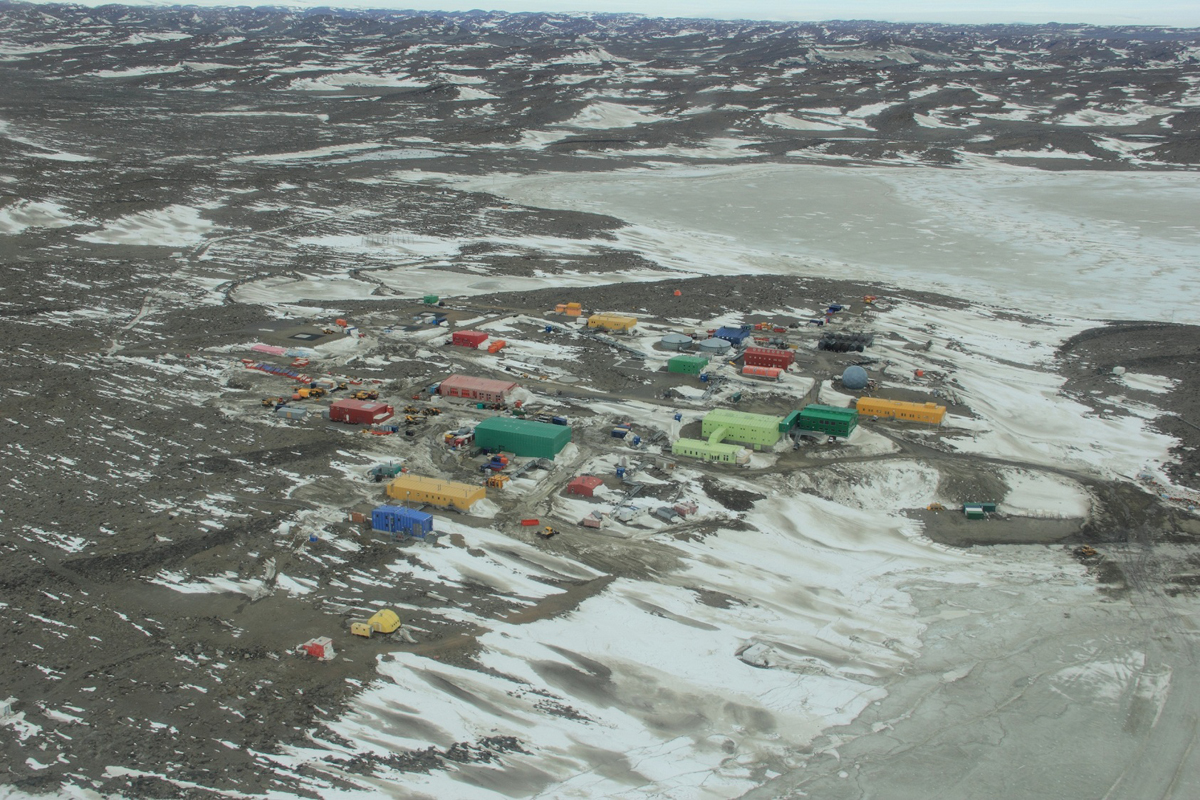
In the vast, white expanse of Antarctica, where the landscape is defined by lethal sub-zero temperatures and wind speeds that can turn a simple walk outside into a life-threatening ordeal, the concept of a "garden" feels almost surreal. Yet, thousands of miles from the nearest traditional nursery, a team of researchers and support staff at the Australian Antarctic Division’s (AAD) Davis Station have mastered the art of high-latitude agriculture. By transforming two unassuming shipping containers into a thriving, climate-controlled sanctuary, they have created one of the most remote and challenging gardens on the planet.
This is not merely a story of growing vegetables; it is a narrative of human ingenuity, psychological resilience, and the relentless desire to nurture life in an environment that is, by its very nature, hostile to it.
The Genesis of the Antarctic Garden
The project, which gained notoriety through community-driven archives like the Garden Photo of the Day (GPOD), offers a rare glimpse into the logistical hurdles of polar living. In 2012, Darryl Seidel—a plumber by trade—stepped into the role of hydroponics manager at Davis Station. For Seidel, whose previous horticultural experience was limited to modest vegetable patches in his home of Adelaide, Australia, the position represented a unique professional pivot.
"The role of the hydroponics manager is just one of many community jobs on station," Seidel noted in his original dispatch. "The challenge it poses is one of the main reasons I wanted to take it on."
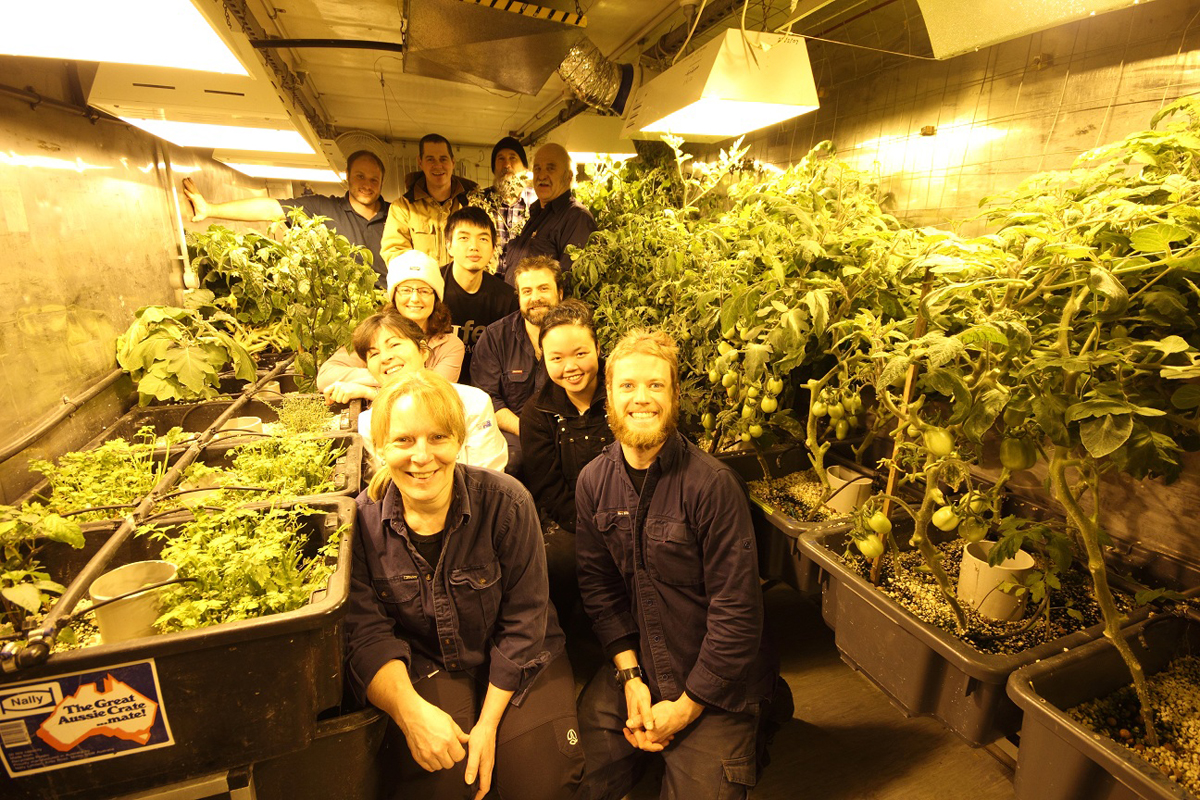
The necessity for such a facility is grounded in both nutrition and mental health. During the grueling winter months, when the station is isolated from the rest of the world, the availability of fresh produce is virtually non-existent. The hydroponics unit acts as a vital psychological anchor, providing a splash of vibrant green against a backdrop of monochromatic ice and rock.
Chronology of a Polar Harvest
The operation at Davis Station is a continuous, year-round commitment, divided by the natural rhythms of the Antarctic seasons.
- Summer Operations (December – March): During the brief Antarctic summer, the station population swells to over 100 people. The demand for fresh greens is at its peak, and the hydroponics team is in full swing, managing the light cycles and nutrient delivery systems required to keep pace with the influx of personnel.
- The Wintering Transition (April – November): As the continent descends into the long, dark winter, the population drops to a skeleton crew of 16 to 25 individuals. The wintering team—often numbering around 21—is responsible for the maintenance of the garden. In 2012, 14 of those 21 residents were part of the hydroponics crew, highlighting how central the garden is to the station’s social fabric.
- The Mid-June Crisis: The fragility of the system was put to the test in mid-June 2012, when a mechanical failure—a "door malfunction"—compromised the climate control of the shipping containers. For 12 agonizing hours, the temperature plummeted, exposing the tender crops to the harsh Antarctic chill. While many plants were lost to frost, the resilience of the team and the plants themselves allowed for a rapid recovery.
Technical Infrastructure and Logistics
The "Greenhouse," as it is affectionately known, is a marvel of modular engineering. By welding two standard shipping containers together and dividing the interior into three distinct zones, the crew created a controlled environment capable of maintaining a consistent 27°C (80°F) and 60% humidity.
Environmental Controls
Outside the facility, temperatures can reach a staggering -30°C (-22°F) with wind gusts of up to 115 mph (185 kmh). Protecting the delicate hydroponic systems from these extremes is a constant battle. The primary challenge is not just heating, but the precise regulation of water and nutrient levels. Because the environment is essentially sealed off from the outside, the threat of pests is significantly lower than in traditional soil-based gardening.
Strict Quarantine Protocols
Because Antarctica is a pristine ecosystem, the introduction of non-native species is strictly regulated by international treaties. Every season, the entire crop—including the growing medium and any residual plant matter—is removed and incinerated. This rigorous protocol ensures that no bacteria, fungi, or invasive seeds are inadvertently released into the Antarctic environment.
The Crop Diversity
The garden focuses exclusively on edible produce, prioritized by the station’s logistical requirements and the limited space available. The list of successful crops includes:
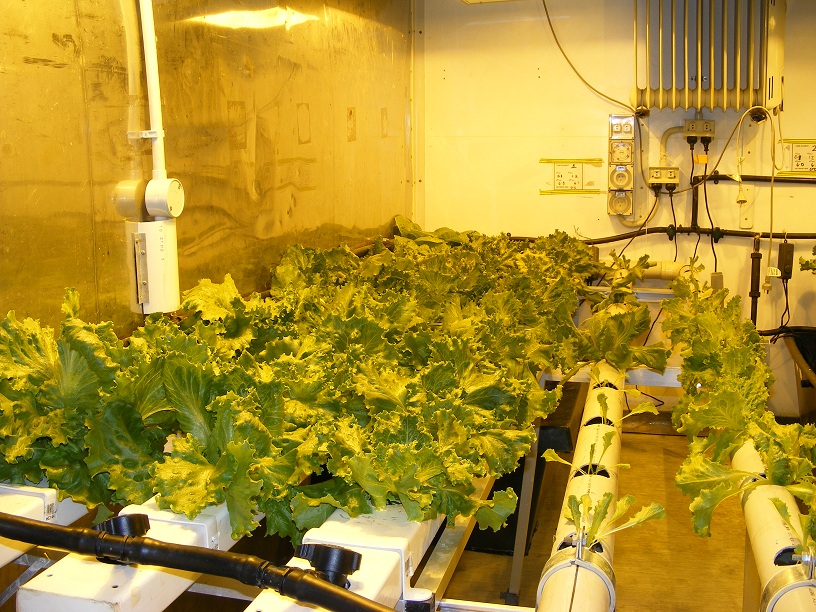
- Leafy Greens: Iceberg and Cos lettuce.
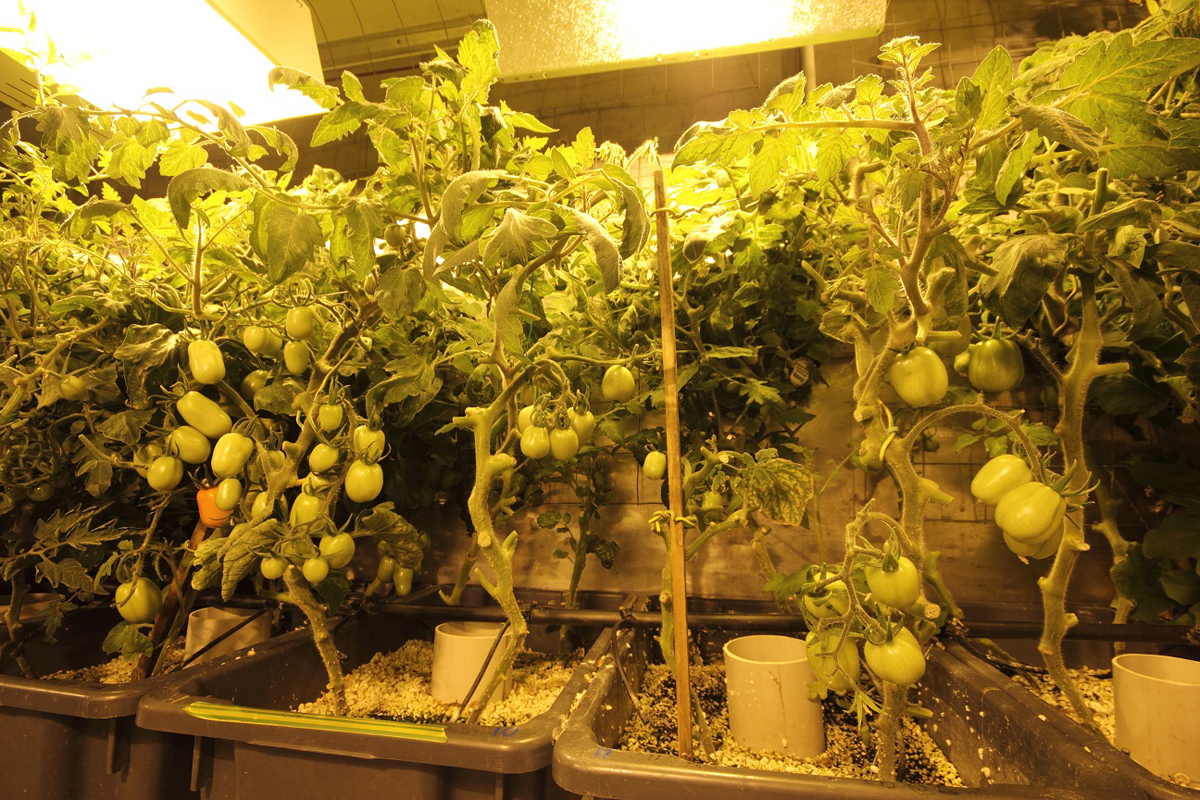
- Nightshades: Various tomato cultivars and capsicums (bell peppers).
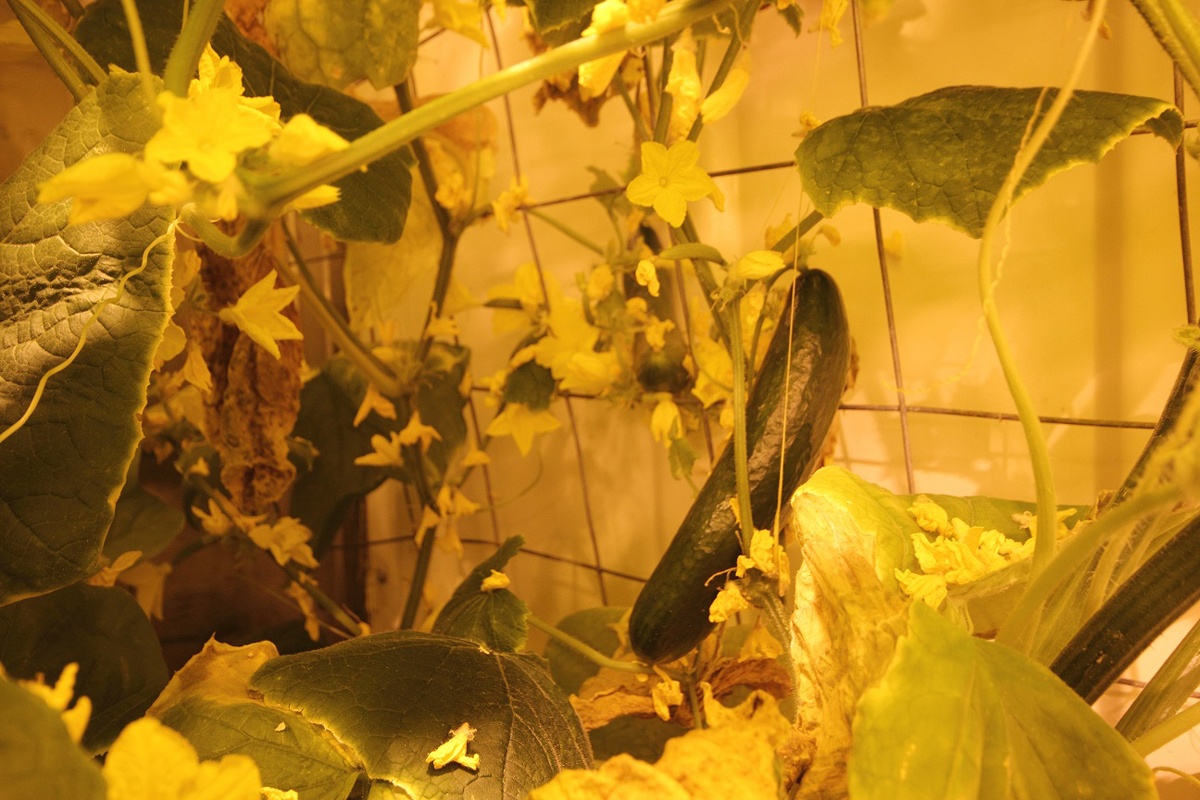
- Vine Vegetables: Lebanese cucumbers.
- Herbs: A rotating selection of fresh culinary herbs used to enhance the standard station ration menu.
In a single eight-month period during the 2012 season, the team successfully harvested over 60 kg (132 pounds) of fresh, nutrient-dense produce. While this is not enough to sustain the entire population of the station, the impact on morale is immeasurable.
Official Perspectives and Implications
The Australian Antarctic Division has long supported the hydroponics program, viewing it as a critical component of the "station culture." The ability to harvest a fresh tomato in the middle of a polar night is a potent symbol of human capability.
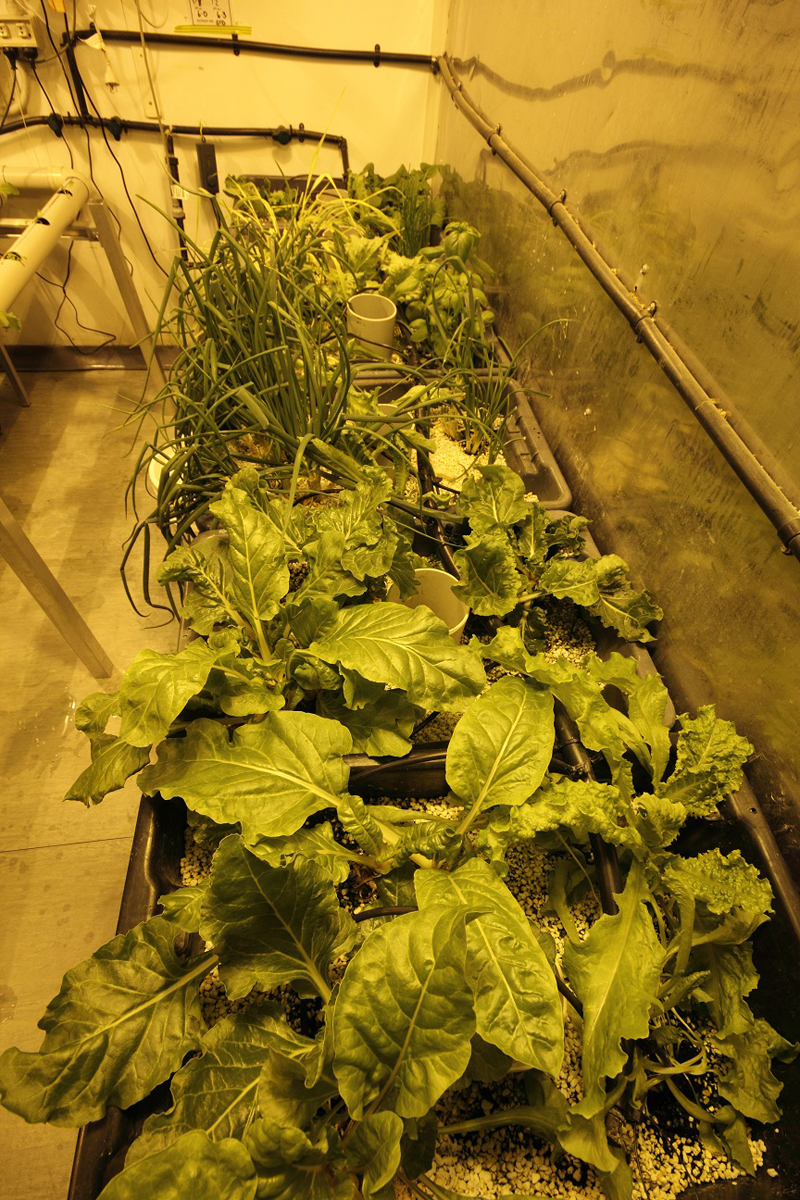
From a sociological perspective, the garden functions as a community hub. The "hydroponics crew" operates on a roster system, with two members assigned to twice-daily monitoring, while others handle the delicate tasks of seeding and propagation. This shared responsibility fosters a sense of purpose and camaraderie that is essential for surviving the isolation of a winter deployment.
The implications for future space exploration are significant. The techniques refined at Davis Station—using closed-loop hydroponic systems, resource recycling, and extreme-climate structural insulation—are direct precursors to the technology that will be required for long-term habitation on the Moon or Mars.
Conclusion: The Resilience of the Human Spirit
Looking back at the logs from Davis Station, it is easy to be impressed by the technology, but the true story lies in the people. The effort required to grow a single lettuce leaf in Antarctica is thousands of times greater than in a backyard in Adelaide, yet the satisfaction derived by the growers is arguably higher.
As the team at Davis Station demonstrated, gardening is not just about the harvest; it is about the act of nurturing. It is a defiant, hopeful gesture against a landscape that would otherwise remain barren. For those who choose to live and work at the bottom of the world, these small, climate-controlled containers are more than just a source of food—they are a link to the life they left behind and a reminder that, with enough ingenuity, life can bloom anywhere.
How to Start Your Own Journey
Whether you are gardening in the frozen tundra or a suburban backyard, the principles of planning, care, and documentation remain the same.
- Plan Your Space: Even if you don’t have a shipping container, vertical gardening and hydroponics can maximize small footprints.
- Monitor Your Environment: Just as the Davis crew monitors their water and temperature twice daily, keeping a consistent log is the best way to catch potential problems before they lead to crop loss.
- Use the Right Tools: High-quality equipment, such as ergonomic loppers and durable logbooks, can make the difference between a frustrating season and a bountiful one.
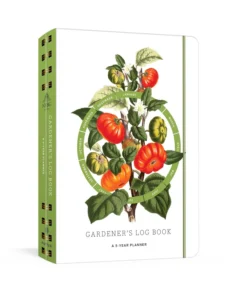
For those interested in documenting their own gardening successes, resources like the Gardener’s Log Book from the New York Botanical Garden are invaluable tools for tracking planting schedules, bloom times, and seasonal adjustments. Whether you are in Antarctica or your own backyard, your journey in the soil—or the water—is worth recording.