A Seasonal Farewell: Maximizing the Potential of a Small-Scale Cutting Garden
As the crisp autumn air begins to bite and the threat of the first hard frost looms, gardeners across the Northeast find themselves in a race against time. For New Jersey-based garden designer Ellen Goldfarb, the end of the growing season is not merely a time for cleanup; it is a moment of reflection and a final celebration of the harvest. After a week of exploring her expertise in fall container design, we turn our attention to the heart of her property: her productive and thriving cutting garden.
The Evolution of a Garden Space: From Shade to Sunshine
Every successful garden is the result of strategic planning, environmental observation, and, occasionally, a stroke of environmental luck. Goldfarb’s cutting garden, now in its third year, is a testament to the transformative power of light.
For years, the area designated for her cutting beds existed in a state of permanent, deep shade. However, the removal of a massive, aging tree on her neighbor’s eastern property line fundamentally altered the microclimate of her yard. While the loss of a large tree is often a somber event for the landscape, for Goldfarb, it opened a window of opportunity. The sudden influx of direct southern exposure provided the ideal conditions to convert a dormant patch of earth into a highly productive growing zone.
The infrastructure of this space is as practical as it is charming. Goldfarb utilizes two substantial raised beds, each standing 17 inches tall and measuring 4 feet wide. To ensure durability and a rustic aesthetic, the beds are constructed from reclaimed railroad ties—a classic choice for gardeners seeking structural integrity and height. The beds span 8 and 10 feet in length, providing ample square footage for intensive planting.
Beyond the dedicated cutting beds, Goldfarb has maximized her space with vertical elements. She incorporates a bean tunnel, which serves the dual purpose of creating a striking architectural feature while producing a steady supply of Phaseolus vulgaris. Additionally, the garden hosts a robust collection of 21 tomato plants (Solanum lycopersicum) and a thriving fig tree (Ficus carica), the latter of which is perfectly suited for the region’s hardiness zones 7 through 10.
Chronology of a Final Harvest
The transition from late summer to the first frost of autumn is a high-stakes period for any gardener. When weather forecasts began signaling a severe temperature drop, Goldfarb initiated a comprehensive harvest. This "final sweep" is a poignant ritual, marking the transition from active growth to winter dormancy.
The Floral Selection
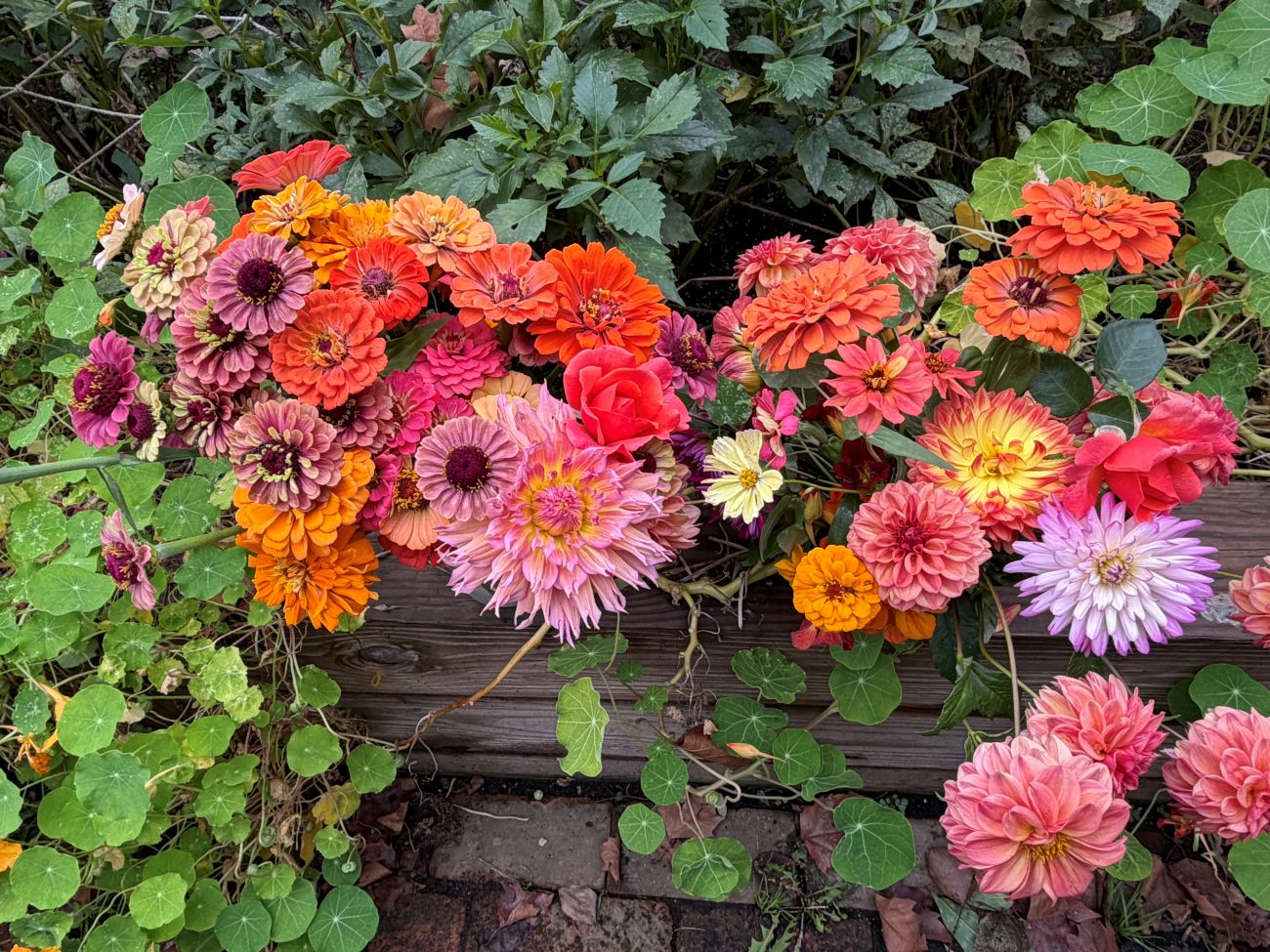
Goldfarb’s cutting garden is anchored by three primary powerhouses: dahlias, zinnias, and roses.
- Dahlias (Dahlia cvs.): These tender perennials, hardy to zones 8–11, are the stars of the late-season garden. Their intricate, structural blooms offer a kaleidoscope of colors that bridge the gap between summer and fall.
- Zinnias (Zinnia elegans): As reliable annuals, zinnias provided a constant source of vibrant color throughout the season, serving as the perfect filler for cut arrangements.
- Roses (Rosa cvs.): With a hardiness range spanning zones 4–9, these classic blooms provided the elegant structure and scent that define a traditional cutting garden.
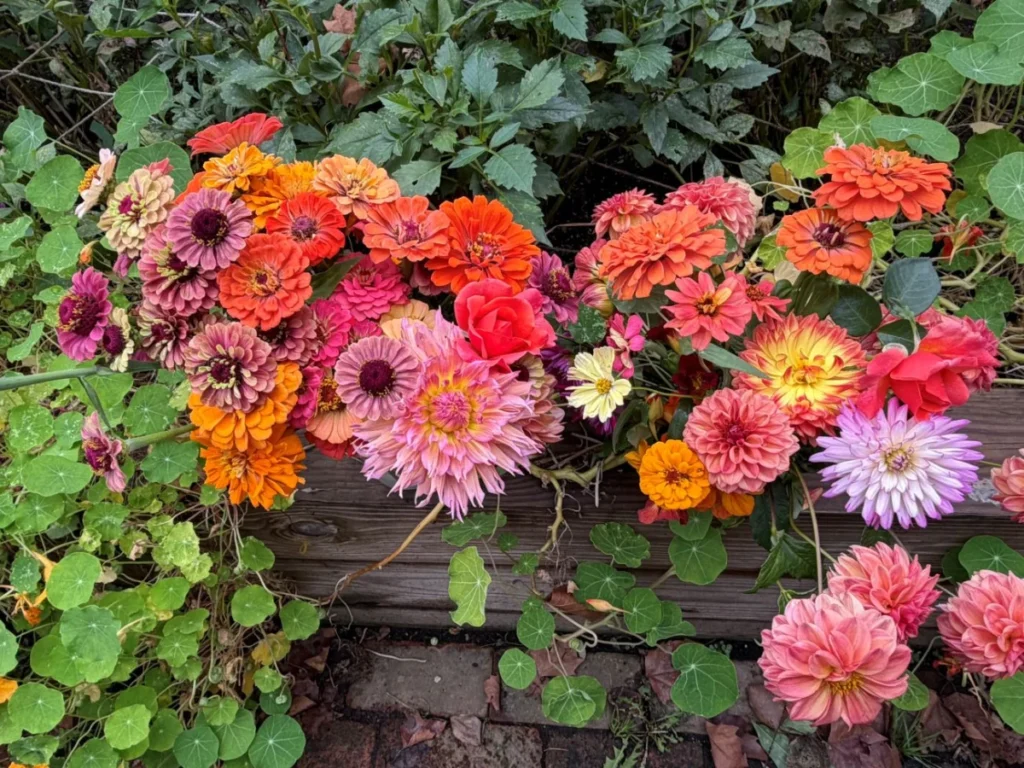
The urgency of the frost warning meant that every bloom—from the tightly furled buds to the fully open, majestic heads—was collected. In a matter of hours, the garden transitioned from a lush, living landscape to a curated collection of vases inside the home.
Supporting Data: Understanding the Floral Diversity
The success of a cutting garden lies in the careful selection of varieties that offer longevity in a vase. Goldfarb’s approach focuses on a blend of reliable annuals and high-impact perennials.
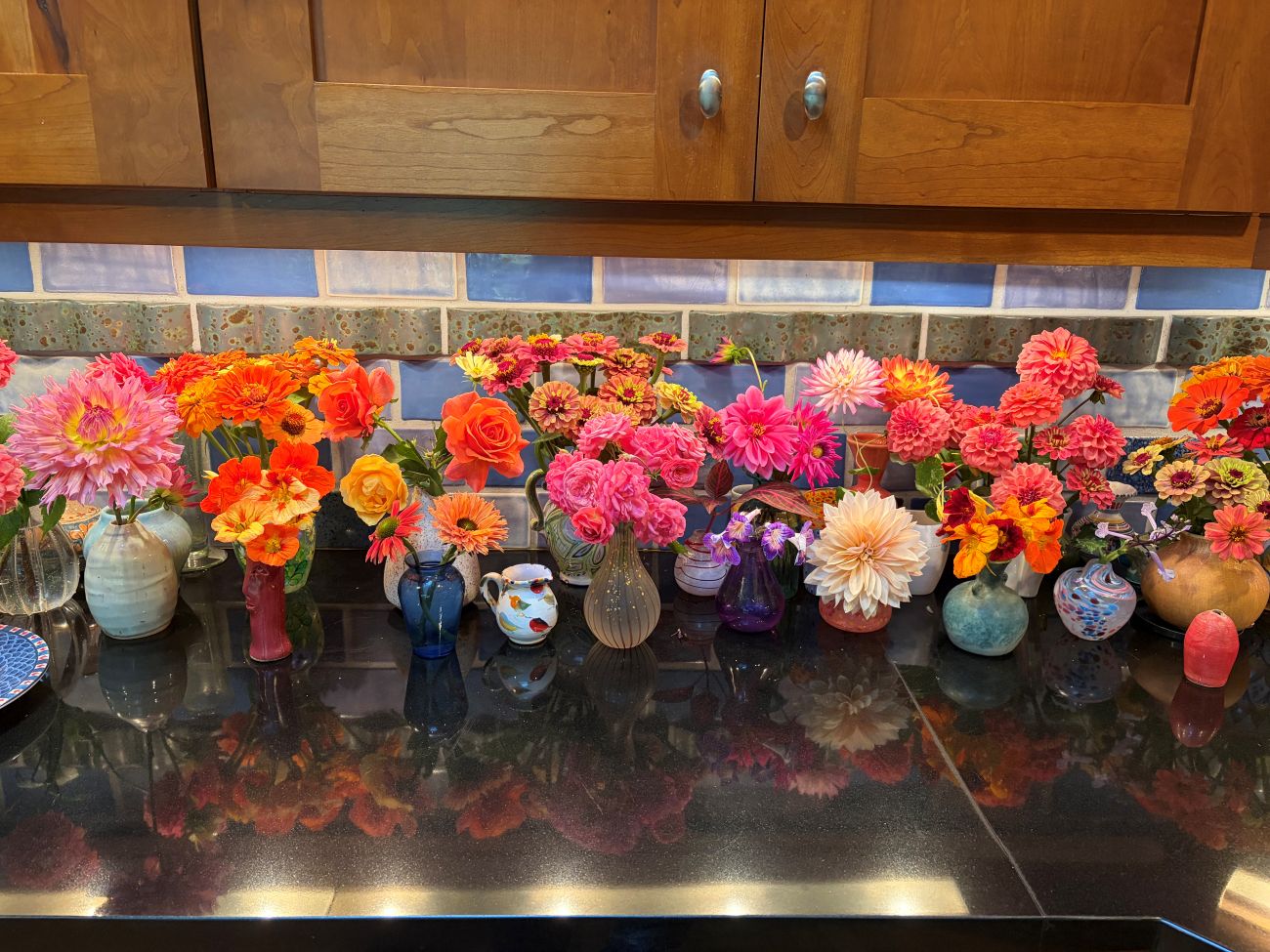
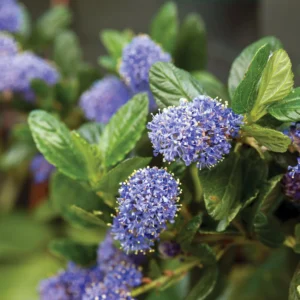
While the majority of her harvest originated from the raised beds, she also incorporated a touch of indoor luxury: the Streptocarpus, or cape primrose. A shade-loving houseplant with delicate, trumpet-shaped purple flowers, the cape primrose is not a traditional cutting garden plant. However, as the temperature dropped, Goldfarb brought the plant indoors for winter protection and took the opportunity to harvest a stem, blending it with the outdoor harvest to bridge the gap between her garden and her interior living space.
Implications for Future Garden Planning
The end of the season is the most critical time for evaluation. As Goldfarb notes, one of the most rewarding aspects of gardening is the process of iteration—deciding which plants performed well enough to return next year and which ones failed to meet expectations.
For the home gardener, this reflection period offers several key takeaways:

- Light Management: The shift in Goldfarb’s garden from shade to sun underscores the importance of monitoring the canopy. Gardeners should periodically assess the impact of neighboring trees and structures to ensure their sun-loving crops receive adequate light.
- Raised Bed Efficiency: By utilizing 17-inch raised beds, Goldfarb has minimized soil compaction and improved drainage, allowing for more intensive planting schedules than traditional in-ground beds.
- Frost Preparedness: Having a plan for the first frost—whether it is harvesting for indoor vases or employing row covers—prevents the loss of valuable late-season plant material.
The Broader Impact: Cultivating Community
The sharing of garden successes, as seen through the "Garden Photo of the Day" (GPOD) initiative, serves a vital function in the gardening community. It transforms a private act of cultivation into a public dialogue. When designers like Goldfarb share their process—from the construction of raised beds to the final arrangement of a floral bouquet—they empower amateur gardeners to experiment with new techniques.
The community aspect of gardening extends beyond the soil. It is found in the exchange of stories: the successes we are proud of, the failures that taught us resilience, and the hopes we harbor for the next spring. By participating in these forums, gardeners are not just growing plants; they are growing a network of knowledge that spans hardiness zones and geographic boundaries.
Practical Tools for the Modern Gardener
Maintaining a productive garden requires the right equipment. Based on the practices demonstrated in Goldfarb’s garden, several categories of tools are essential for the serious home horticulturist:
- Dexterity and Protection: For tasks like harvesting roses and managing thorny stems, high-quality, breathable nitrile-coated gloves (such as the SHOWA Atlas series) are essential. They provide the protection needed to handle sharp material while maintaining the dexterity required for delicate floral arrangements.
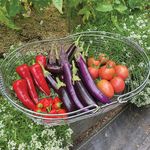
- Harvest and Cleanliness: A dedicated garden wash basket—specifically those designed with wire mesh for cleaning produce and flowers—is a game-changer. These tools allow for an immediate rinsing of harvests, ensuring that dirt and pests do not make their way from the garden into the kitchen or onto the dining table.
- Design Inspiration: Literature that focuses on local, offbeat design, such as books highlighting "Buffalo-Style" gardens, serves as a catalyst for creativity. These resources encourage gardeners to move away from rigid, formal designs and toward more personalized, quirky, and one-of-a-kind landscapes.
Conclusion: A Season of Growth
As we wrap up our feature on Ellen Goldfarb’s New Jersey oasis, the takeaway is clear: gardening is a dynamic, ever-changing process. From the structural changes of adding raised beds to the emotional reward of a final autumnal bouquet, every step is a part of the gardener’s journey.
Whether you are a novice gardener with a single balcony pot or a seasoned veteran with multiple raised beds, the lessons of the past season are your most valuable tools for the future. We encourage all of our readers to document their own gardening journeys, take photos of their successes, and share their stories with the wider community. Your garden is a testament to your hard work and creativity—and it deserves to be seen.
As the winter frost settles in, take a moment to look back at your photos, assess your plant lists, and begin dreaming of the first bulbs that will signal the return of the light in the spring. Happy gardening!