The Art of the Drizzle: Mastering the High-Stakes World of Food Pour Photography
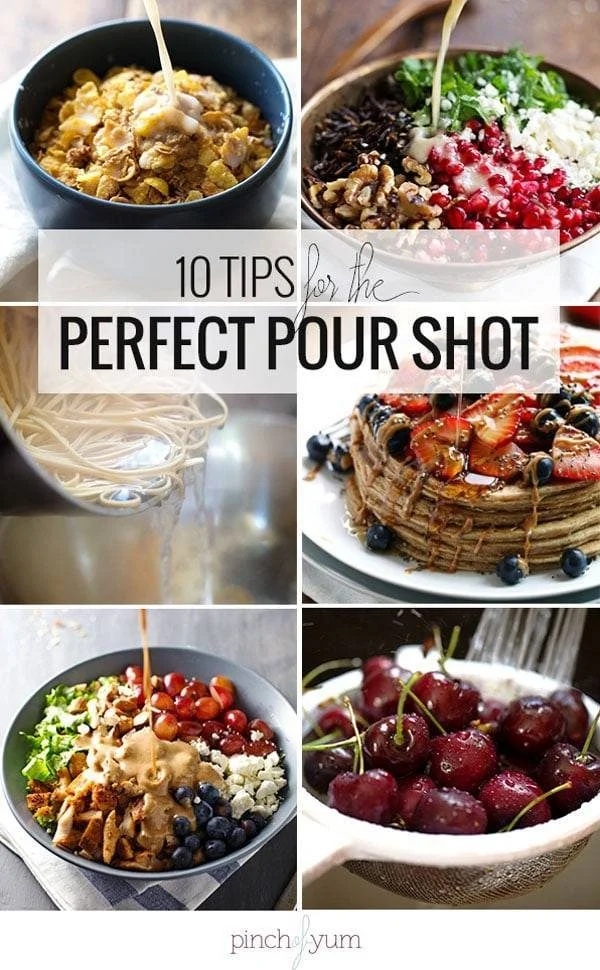
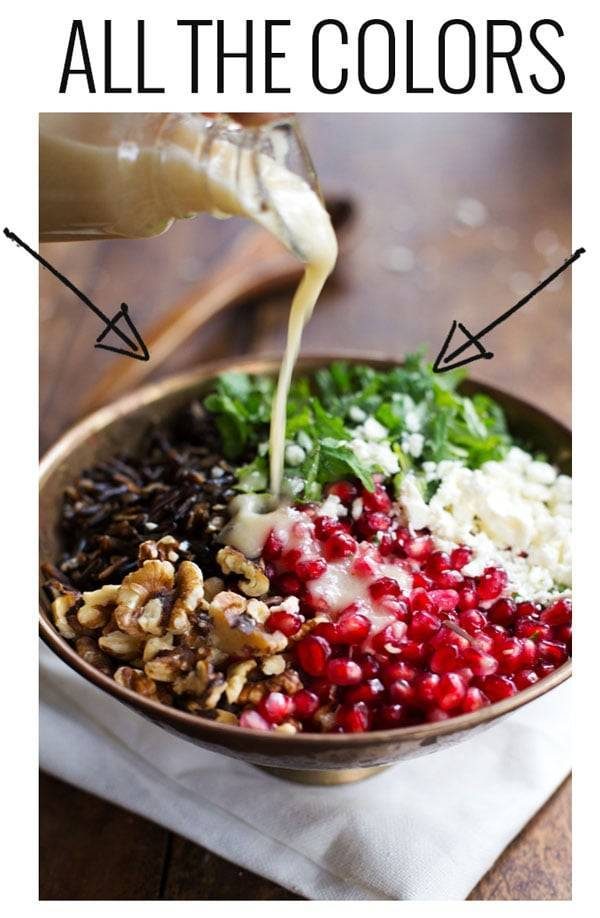
In the hyper-competitive landscape of food blogging and digital culinary media, the "pour shot"—that singular, arresting image of sauce cascading over a dish or cream swirling into coffee—has become the gold standard for engagement. It promises movement, freshness, and an immediate, visceral connection to the viewer. However, beneath the polished, aesthetic veneer of these images lies a reality defined by trial, error, and a significant amount of spilled sauce. Achieving the perfect pour requires more than just a keen eye; it demands an understanding of physics, lighting, and technical camera mechanics.
The Anatomy of the Pour: Main Facts and Reality
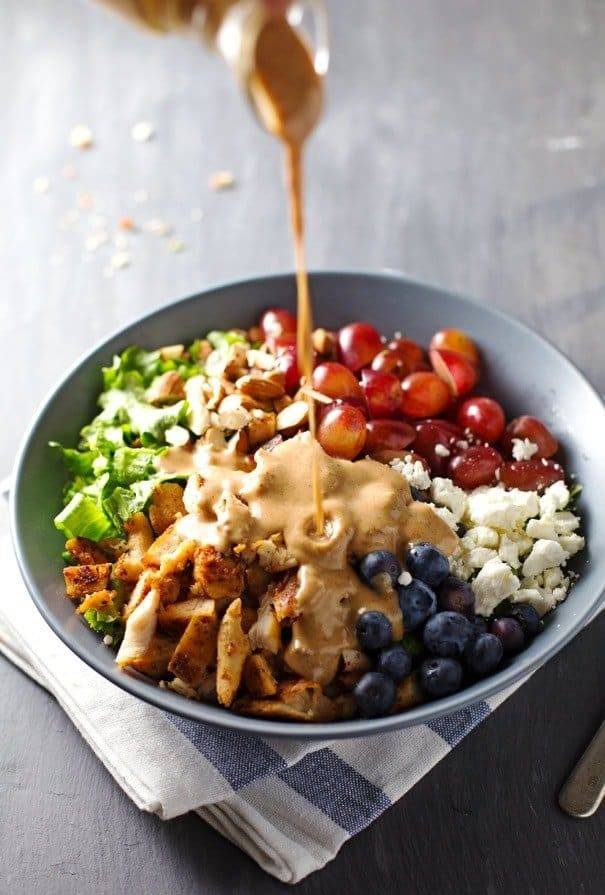
For every crisp, high-definition image of a perfectly executed drizzle, creators often report hundreds of discarded frames. The "pour shot" is inherently chaotic; it involves coordinating a liquid’s viscosity, the timing of a shutter release, and the positioning of a steady hand.
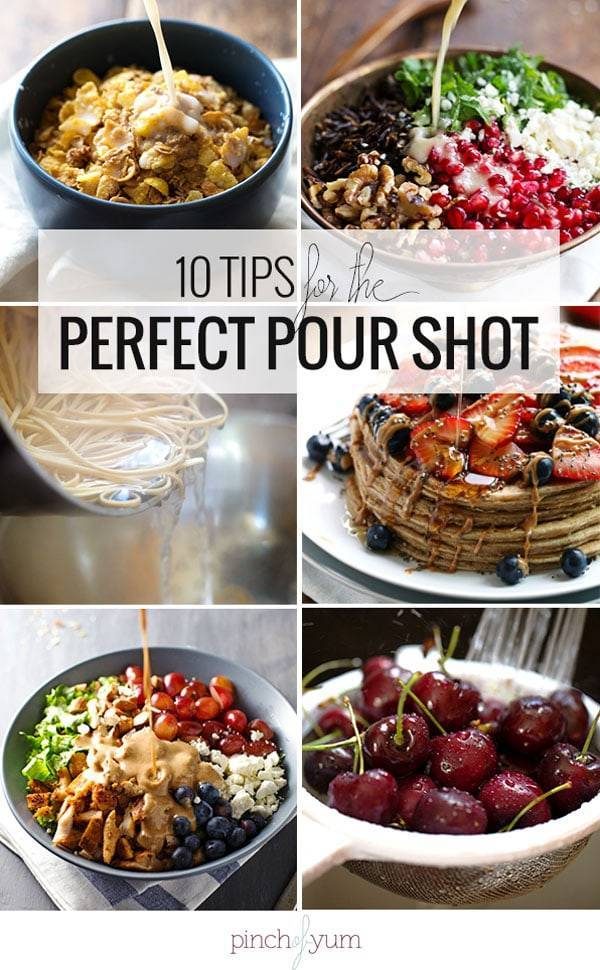
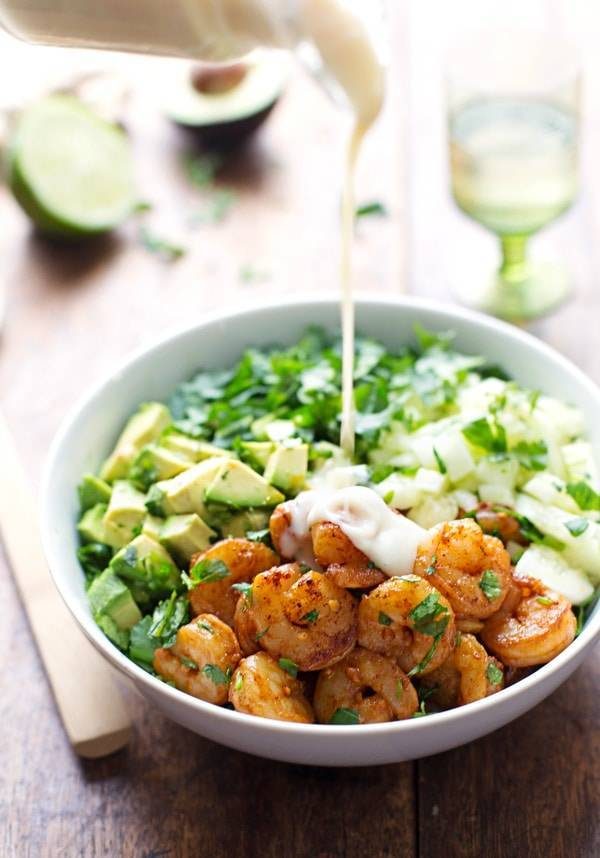
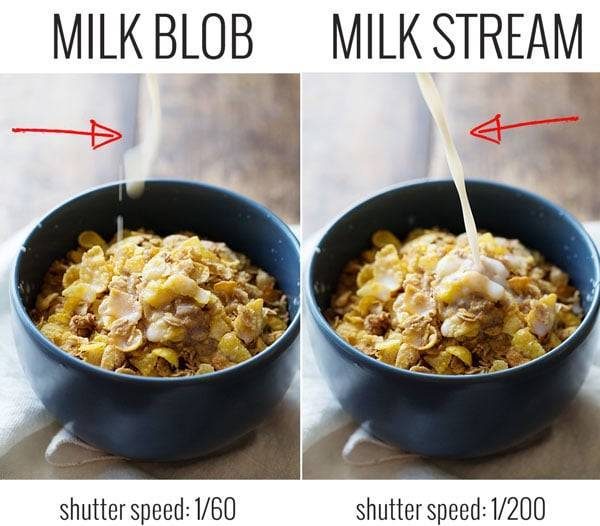
The primary challenge lies in the unpredictability of the subject. Unlike a static salad or a plated entrée, a pour is a fleeting moment of action. Without precise control, the result is often a "blob"—a shapeless, blurry mass of liquid that fails to capture the elegance of a controlled stream. Achieving success requires a deliberate approach to equipment, specifically selecting vessels that offer a narrow, consistent flow, and mastering the technical settings of the camera to freeze that action in time.
A Chronology of the Craft
The evolution of the pour shot in the digital age has mirrored the rise of social media-driven food photography.
- The Early Era: Initially, food photography focused on still life, with minimal emphasis on action.
- The "Action" Shift: As audience demand for "behind-the-scenes" authenticity grew, bloggers began experimenting with movement. The inclusion of human hands and pouring vessels became a way to bridge the gap between the viewer and the food.
- The Technical Refinement: In recent years, photographers have moved toward professional-grade setups, utilizing remote triggers and tripods to ensure that the "messy" elements of the process are removed from the final frame.
Despite these advancements, many creators still rely on the "improvised" method—holding a camera with one hand while maneuvering a sauce boat with the other—a technique that remains a staple of the "homemade" aesthetic.
Supporting Data: Technical Parameters for Success
To move from a "blobby splat" to a "dreamy stream," photographers must rely on specific technical adjustments. Data collected from seasoned food stylists indicates three critical pillars for success:
1. Shutter Speed as the Key
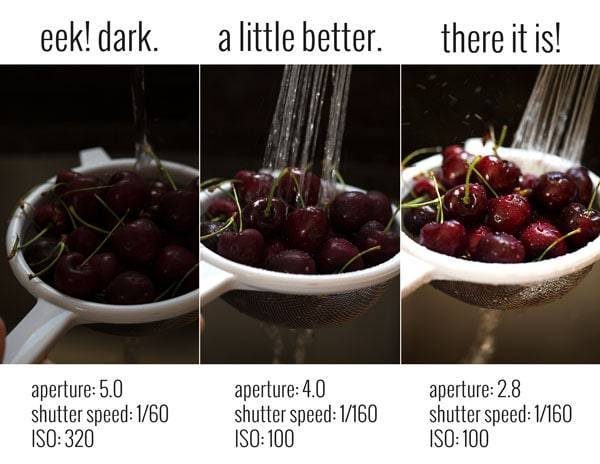
The most common mistake for beginners is using a slow shutter speed. In standard indoor food photography, a setting of 1/60th of a second is often sufficient for stationary objects. However, to freeze a liquid in mid-air, a shutter speed of at least 1/200th of a second is recommended. This rapid "open-close" cycle captures the individual droplets and the defined arc of the liquid before gravity can turn the stream into a blur.
2. The Physics of the Vessel
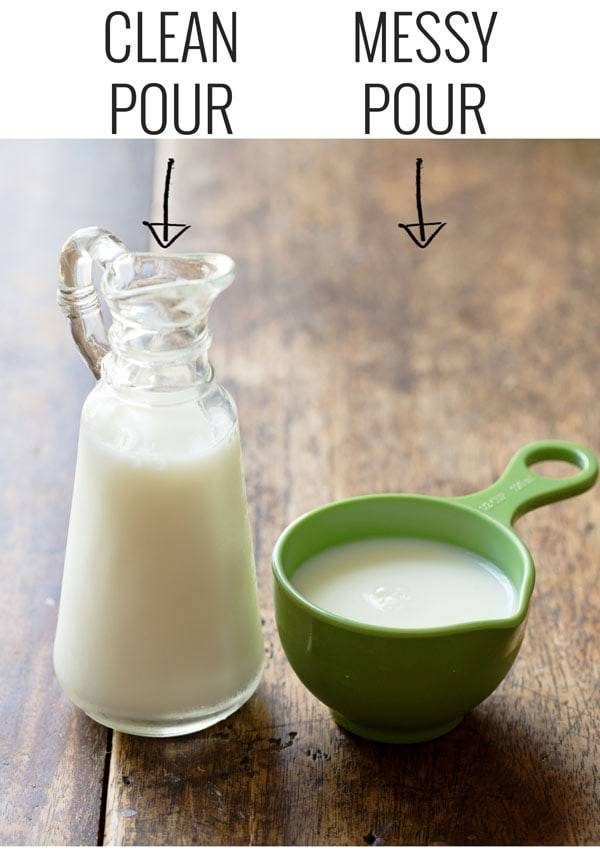
The vessel matters as much as the camera. A wide-mouthed measuring cup might be convenient for kitchen work, but it is disastrous for photography. A long, narrow-spouted pitcher is essential for a clean, uniform stream. Furthermore, the handle placement dictates the ergonomics of the shot; a handle on the back of the vessel allows the photographer to maintain a neutral wrist position, which is essential for aiming the stream accurately.
3. Focal Point Precision
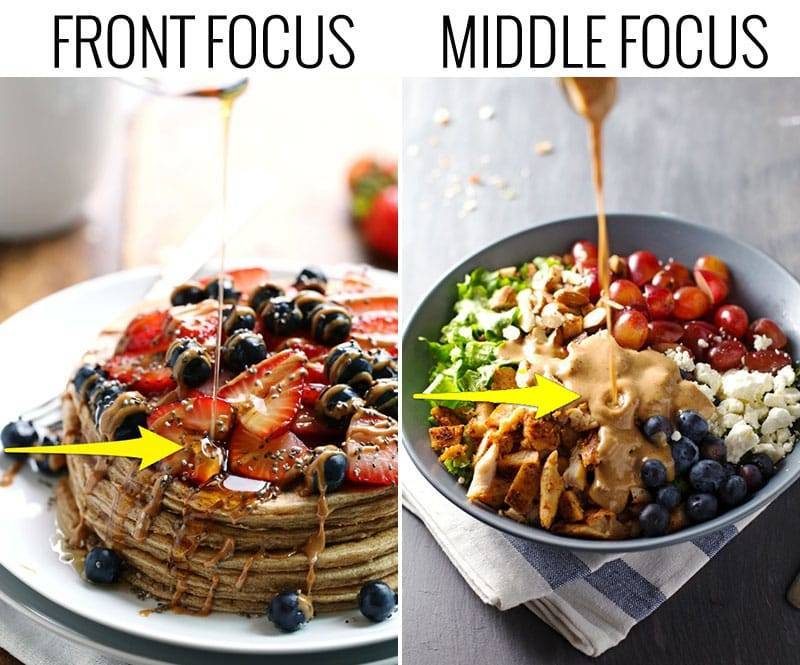
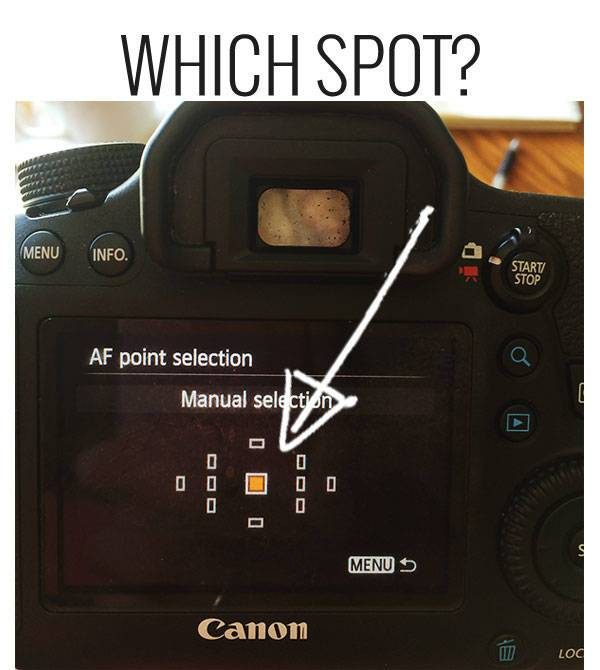
The camera’s autofocus can easily be confused by a moving stream. By utilizing manual focus and selecting a specific focal point—typically where the sauce is intended to land—the photographer ensures the image remains sharp even if the liquid moves slightly. Providing the frame with contrast (via texture or color) also helps the camera’s sensor lock onto the intended target, preventing the dreaded "lens hunting" effect.
Professional Perspectives and Industry Standards
While some purists argue for the use of high-end, studio-lit setups with tripods, there is an enduring appeal to the "scrappy" approach. Many successful food photographers emphasize that the goal is not to achieve perfection in the first attempt, but to understand the manipulation of the subject.
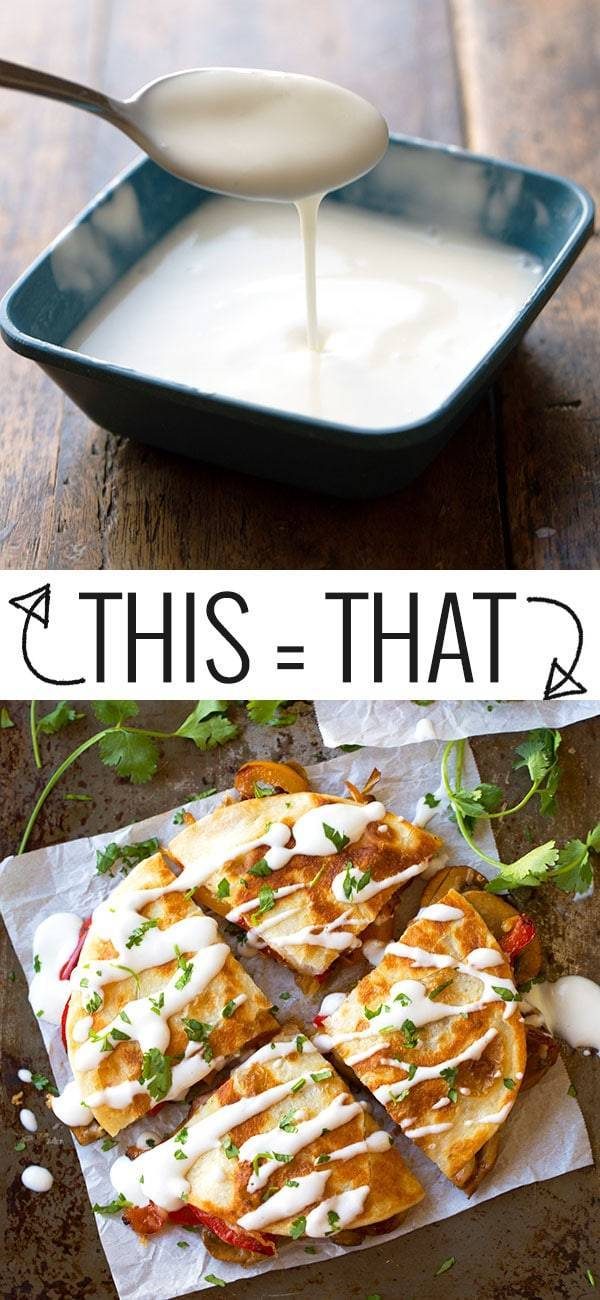
One industry-standard technique is the adjustment of the liquid’s viscosity. If a sauce is too thick to flow, experts recommend adding a small amount of water or thinning agent. This is not considered "cheating," but rather a necessary modification for the medium of photography. The camera does not capture taste; it captures visual consistency, and a slightly thinner sauce often photographs better than a thick, unappealing "glop."
The Psychological and Creative Implications
The rise of the pour shot has profound implications for how audiences consume food media. It shifts the viewer from a passive observer to an active participant. Seeing a sauce hit a plate evokes a sensory memory—the sound of the pour, the temperature of the food, and the anticipation of the first bite.
However, the pressure to produce these images can lead to significant frustration. The "800 failed attempts" statistic serves as a reminder that photography is a practice of endurance. The implication for creators is clear: one must be willing to embrace the mess. The "spilled sauce" incident is not a failure; it is a prerequisite for the one shot that makes it to the final portfolio.
Future Trends: Beyond the Still Image
As we look forward, the transition from static photography to short-form video and high-frame-rate captures is changing the game. The same principles—shutter speed, lighting, and vessel control—apply to video, but the demand for consistency is higher.
The advice for those entering the space is simple: Practice, practice, practice. Whether you are rinsing a bowl in the sink or plating a dinner, the act of pouring is an opportunity to refine your motor skills. By treating every culinary task as a potential photography exercise, the once-daunting "pour shot" becomes a muscle-memory reflex.

Conclusion: Bridging the Gap
The journey to mastering the pour shot is a microcosm of the larger digital content creation journey. It requires a balance between technical proficiency (manual camera controls, aperture, ISO, and shutter speed) and creative intuition.
As technology continues to advance, the ability to control light and motion will remain the defining trait of a professional food photographer. By moving away from the fear of failure—the fear of the "mysterious dark creature of the hand" or the "sloshed table"—creators can find the freedom to capture the beauty in the mundane. The next time you prepare a meal, don’t just cook it; consider how you might capture the essence of the process. With the right tools and a willingness to clean up a few spills, the dreamy, professional-grade pour shot is well within reach.