Culinary Efficiency: Elevating the Mediterranean Spiced Beef Meal Prep Experience
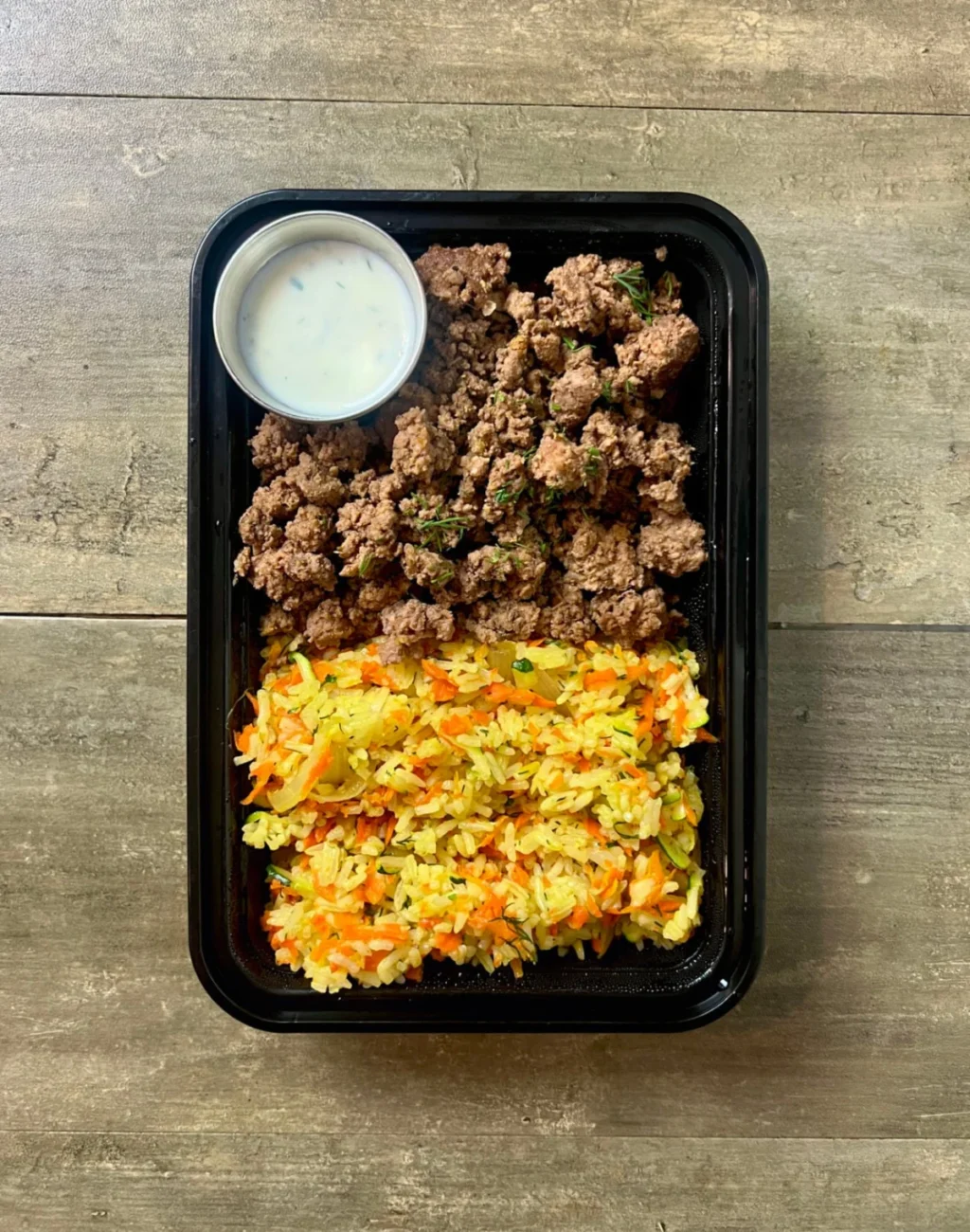
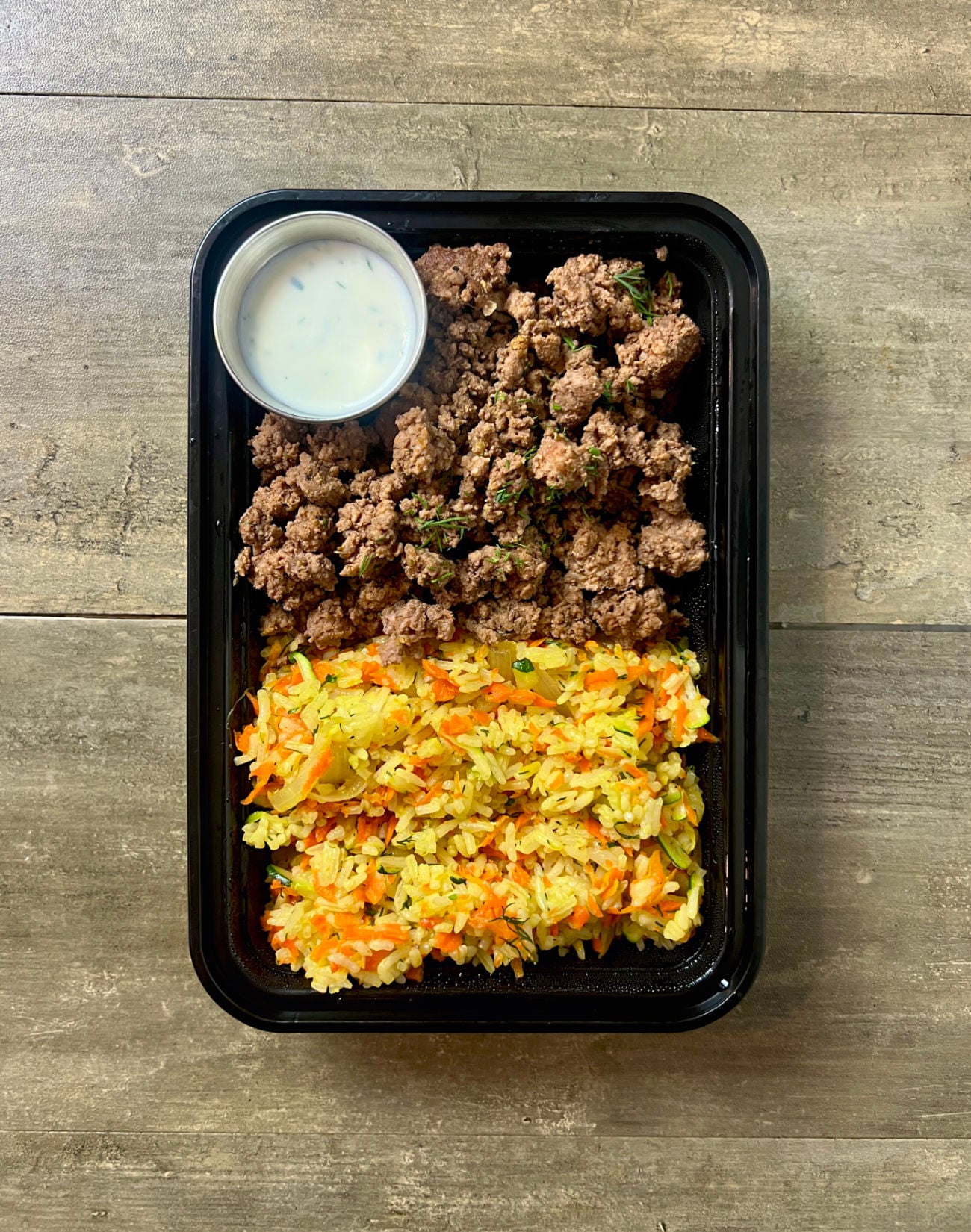
In the modern culinary landscape, the intersection of nutrition, convenience, and global flavor profiles has become the primary driver for home meal preparation. Among the most recent innovations in this space is the "Mediterranean Spiced Beef" meal prep concept—a meticulously balanced dish that marries the robust, savory profile of spiced ground beef with the bright, aromatic notes of a vegetable-studded rice base and a cooling lemon-dill yogurt sauce.
As professional athletes, busy professionals, and health-conscious families increasingly seek sustainable ways to maintain their dietary goals without sacrificing the joy of eating, recipes that optimize macro-nutrient density have taken center stage. This article provides a comprehensive analysis of the Mediterranean Spiced Beef recipe, exploring the mechanics of its preparation, the nutritional logic behind its composition, and its implications for long-term dietary success.
Main Facts: The Anatomy of a Balanced Meal
The Mediterranean Spiced Beef recipe is designed for the efficiency-minded cook. With a total preparation and cook time of approximately one hour, it yields five distinct servings, making it an ideal candidate for weekly meal prep.
The dish is fundamentally built upon three pillars:
- The Protein Core: High-quality beef, seasoned with a blend of Mediterranean-inspired spices, provides a dense source of high-quality amino acids necessary for muscle repair and metabolic health.
- The Fiber-Rich Foundation: A base of rice, supplemented with nutrient-dense vegetables such as carrots and zucchini, ensures a sustained release of glucose, providing energy that lasts throughout the workday.
- The Acidic Counterbalance: The lemon-dill yogurt sauce serves not only as a flavor enhancer but as a digestive aid, introducing probiotics and a light, refreshing contrast to the richness of the spiced meat.
With 687 calories per serving, this meal is positioned as a substantial lunch or dinner for individuals with moderate to high activity levels, offering a balanced profile of 56g of carbohydrates, 43g of protein, and 32g of fat.
Chronology: The Evolution of the Recipe
The shift toward Mediterranean-inspired meal prep is not a trend, but a calculated movement toward anti-inflammatory eating patterns. Traditionally, meal prep was synonymous with bland, repetitive chicken and broccoli. However, the development of this specific recipe reflects a broader shift in the "Meal Prep Manual" philosophy: moving toward flavor-forward, culturally inspired, and texturally diverse meals.
- Development Phase (20 minutes): The prep phase focuses on the mise-en-place. Vegetables are diced to a uniform size to ensure even cooking, while the beef is seasoned to allow the spices to penetrate the proteins before hitting the heat.
- The Cook Phase (40 minutes): The cooking process is staggered to maintain the integrity of the ingredients. By prioritizing the sautéing of vegetables before the beef, or vice-versa depending on the desired level of char, the cook ensures that the carrots and zucchini retain a slight "al dente" texture rather than becoming overly soft during the reheating process.
- The Cooling and Assembly Phase: Proper cooling is essential for food safety and flavor retention. The sauce is kept separate from the hot components to maintain the temperature gradient, which is a critical aspect of the professional meal-prep experience.
Supporting Data: Nutritional Breakdown and Macro-Logic
When analyzing the nutritional data of this recipe, it is clear that the focus remains on satiety and sustained performance.
- Protein (43g): By utilizing beef, this meal provides essential minerals such as iron, zinc, and B-vitamins. 43 grams is a therapeutic dose for muscle protein synthesis, making it an excellent post-workout or recovery meal.
- Carbohydrates (56g): The inclusion of carrots and zucchini alongside the rice increases the fiber content to 3.8g per serving, which helps mitigate the glycemic spike often associated with simple starches.
- Fats (32g): The fat content is derived from the beef and the yogurt-based sauce, which provides long-chain fatty acids that are vital for hormone production and nutrient absorption.
The following breakdown illustrates how the dish maintains its macro-nutrient profile:
| Component | Role in Nutrition |
|---|---|
| Beef | Essential Amino Acids, B12, Iron |
| Rice & Veg | Glycogen Replenishment, Micronutrients |
| Yogurt Sauce | Probiotics, Calcium, Palate Cleansing |
Official Culinary Perspectives
Professional chefs and nutritionists often highlight that the secret to successful meal prep lies in the "reheatability" of the ingredients. The Mediterranean Spiced Beef is specifically engineered to hold up under the rigors of refrigeration and microwave reheating.
According to meal prep experts, the key to this dish’s longevity in the fridge is the lemon-dill yogurt sauce. By utilizing yogurt as a base rather than a heavy cream or oil-based dressing, the sauce remains stable and does not break or separate. Furthermore, the use of fresh herbs like dill acts as a natural antioxidant, keeping the flavor profile vibrant even into the fourth or fifth day of storage.
Implications for the Modern Diet
The adoption of a Mediterranean-spiced regimen has significant implications for long-term health. The Mediterranean diet is globally recognized by health organizations for its ability to reduce the risk of cardiovascular disease and improve metabolic outcomes. By bringing these principles into the context of modern, convenience-based meal prep, home cooks are bridging the gap between convenience and longevity.
The Sustainability Factor
Beyond the individual health benefits, this recipe promotes sustainable consumption. By buying in bulk to prepare five servings at once, the consumer reduces food waste—a common issue when buying fresh produce that sits in the refrigerator unused. The combination of root vegetables (carrots) and long-lasting aromatics (dill and lemon) ensures that the raw ingredients are utilized effectively, minimizing the ecological footprint of the kitchen.
Culinary Customization
One of the strengths of this meal plan is its modular nature. While the current recipe lists specific metrics, it is designed to be a template. For those monitoring specific caloric intake, the volume of rice can be adjusted, or the fat content of the beef can be modified by choosing leaner cuts (such as 90/10 or 95/5 ground beef) without compromising the structural integrity of the Mediterranean spice blend.
Conclusion: Mastering the Prep
To successfully execute the Mediterranean Spiced Beef, one must approach the kitchen with a sense of order. Start by organizing the spice blend, ensuring a high-quality mix of cumin, coriander, and perhaps a touch of cinnamon or smoked paprika to evoke the classic Mediterranean warmth.
As you transition into the cooking phase, remember that the "Total Time" of one hour is an investment in the next five days of your nutritional success. By standardizing the cooking of the grains and the searing of the proteins, you are not just preparing dinner—you are engaging in a proactive act of self-care.
In a world where processed, high-sodium convenience foods are the default, the Mediterranean Spiced Beef represents a triumph of intentional eating. It is proof that with minimal equipment and a clear plan, the modern individual can enjoy restaurant-quality flavors while adhering to the most stringent of health and fitness goals. Whether you are a seasoned meal-prepper or a novice looking to streamline your weekly routine, this recipe offers a reliable, delicious, and nutritionally sound blueprint for culinary efficiency.