Beyond the Bloom: Mastering Year-Round Garden Design with Jay Sifford
For many home gardeners, the transition from the vibrant chaos of summer to the dormant stillness of winter feels like an inevitable loss. As the final perennial blossoms fade and the deciduous leaves drop, many landscapes fall into a state of neglect, relegated to "offseason" status until the spring thaw. However, according to award-winning landscape designer and writer Jay Sifford, this seasonal lull is not a failure of nature, but rather a missed opportunity in design.
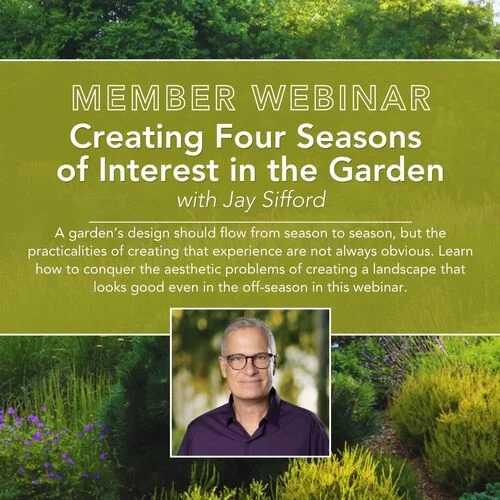
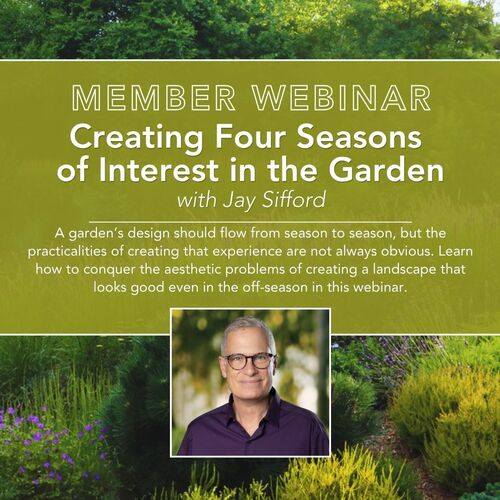
On October 16, 2026, Sifford will headline a highly anticipated live webinar hosted by Fine Gardening, titled "Designing for Four Seasons of Interest in the Garden." This masterclass aims to shift the gardener’s perspective, moving away from the narrow focus on ephemeral blooms toward a more architectural, holistic approach to landscape management that ensures a compelling visual narrative throughout all twelve months of the year.
The Philosophy of Perpetual Interest
At the core of Sifford’s design ethos is the belief that a truly great garden should never "take the winter off." In his upcoming presentation, Sifford argues that the secret to a high-performing landscape lies in intentionality. By weaving together the elements of structure, bark texture, persistent berries, and strategic foliage placement, gardeners can craft a space that remains aesthetically arresting even in the deepest freeze.
Sifford’s methodology is heavily influenced by his broader work, including his new online course for Fine Gardening, "The Four Cornerstones of Great Garden Design." In this curriculum, he explores how to use the concepts of "story, art, and a little magic" to elevate a plot of land from a collection of plants into a cohesive outdoor living space.
"The garden is a conversation," Sifford often notes. "If you only focus on the flowers, you are only listening to one part of the dialogue. By integrating hardscape, layering, and winter-hardy plants, we ensure that as the curtain falls on the spring show, the summer, autumn, and winter acts are already prepared to take the stage."
Chronology of the Seasonal Landscape
To understand Sifford’s approach, one must look at the garden as a fluid timeline rather than a static snapshot.
Spring: The Awakening and Structure
Spring is often over-indexed by gardeners who crave color after the winter. Sifford advises that while the bulbs and early perennials are critical, this is the time to establish the "bones" of the garden. By setting the stage with structural evergreens and thoughtful hardscaping, gardeners provide the necessary backdrop for the floral explosions that follow.
Summer: The Lush Canopy
During the heat of mid-year, the challenge is maintenance and heat tolerance. Sifford emphasizes the importance of foliage contrast—using varying leaf shapes and textures to create interest when heat stress might dampen floral output. This is the period where "layering" becomes essential, ensuring that no single area of the garden remains stagnant.
Autumn: The Final Flourish
Autumn is not just about senescence; it is about the transition. Sifford encourages the use of late-blooming perennials and ornamental grasses that retain their form well into the cold months. The focus shifts toward seed heads, changing leaf colors, and the introduction of late-season berries that provide both visual appeal and essential support for local wildlife.
Winter: The Architectural Masterpiece
For the uninitiated, winter is the death of the garden. For the Sifford-inspired designer, it is the reveal. This is when the "bones" of the landscape are fully exposed. The texture of tree bark, the sculptural silhouette of shrubs, and the crisp geometry of stone pathways take center stage. Sifford’s teaching emphasizes that winter interest is not just about what is alive, but how the garden interacts with the elements—frost on a branch, snow on a hedge, or the way low-angle sun hits a stone wall.
Supporting Data: Why Design Matters
While aesthetics are the primary driver for most gardeners, the implications of four-season design extend into ecological and property-value benefits.
Research into residential landscape design consistently shows that homes with "professional-grade" landscaping, characterized by year-round structure and high-quality hardscaping, command higher market values. According to industry reports, curb appeal is directly linked to the health and diversity of a property’s plant palette. A garden that looks vibrant in January is a significantly more attractive asset than one that looks neglected and barren.

Furthermore, from an ecological perspective, a garden designed for year-round interest is inherently more beneficial to local biodiversity. By selecting plants that offer berries in late winter or seeds in autumn, gardeners provide critical resources for overwintering birds and pollinators. The integration of "pollinator-friendly" plants, such as those found in the Fine Gardening recommended collections, ensures that the landscape serves a dual purpose: beauty for the human observer and sustenance for the local ecosystem.
Official Perspective: The Expert’s Take
Jay Sifford, based in Charlotte, North Carolina, has been a fixture in the horticultural community for years. His recognition as "Best of Houzz" for landscape design in 2024 reflects not only his technical skill but his ability to translate high-concept design into accessible, actionable advice for home gardeners.
"The biggest mistake I see is the ‘all-or-nothing’ approach to the seasons," Sifford explains. "Gardeners often buy plants because they look good in a nursery pot in May. But if that plant offers nothing but green leaves for the other ten months, you have limited your garden’s potential. My goal with this webinar is to help people look at their garden through a wider lens. It is about curation, not just collection."
Fine Gardening has consistently championed this approach, emphasizing that professional-level results are within reach for any enthusiast willing to learn the principles of spatial design and plant selection. By providing resources like the "Four Cornerstones" course and these targeted webinars, the publication aims to bridge the gap between amateur gardening and landscape architecture.
Implications of the "Four-Season" Shift
The shift toward year-round design has profound implications for the gardening industry at large. As climate patterns shift, gardeners are being forced to adapt their plant choices. Sifford’s focus on hardscape and structural elements provides a buffer against the unpredictability of climate change. If a particularly hot summer or a harsh winter kills off certain delicate perennials, a well-designed garden still maintains its integrity because its foundation—the hardscape and the structural plantings—remains intact.
Additionally, this approach promotes a more sustainable way of gardening. By focusing on long-term structure, gardeners are less likely to over-consume annuals, which require frequent replacement and high water/fertilizer inputs. It encourages a "plant once, enjoy for years" mentality that is better for both the wallet and the environment.
How to Participate
The live webinar on October 16, 2026, is open to all members of the Fine Gardening community. Participants are encouraged to register early, as these sessions often reach capacity.
Webinar Details:
- Topic: Designing for Four Seasons of Interest in the Garden
- Speaker: Jay Sifford, Award-Winning Garden Designer
- Date: October 16, 2026
- Time: 12:00 p.m. EDT
- Registration: Available via the official Zoom link.
Attendees will have the opportunity to engage in a live Q&A session, allowing them to ask specific questions about their own landscapes. Whether you are dealing with a small urban courtyard or a sprawling suburban lot, the principles outlined by Sifford are designed to be scalable and adaptable to any climate zone.
For those looking to deepen their engagement, Fine Gardening offers an "All-Access" subscription, providing entry to a massive library of webinars, expert articles, and specialized gardening tools. As the industry continues to evolve, staying informed through expert-led education remains the most effective way for gardeners to cultivate spaces that are not just beautiful, but resilient, sustainable, and truly alive—all year long.
Conclusion: Reclaiming the Garden
As we look toward the changing seasons, it is time to stop viewing the winter as a period of absence. Instead, we should view it as a unique aesthetic phase. With the right tools, a bit of foresight, and the expert guidance of designers like Jay Sifford, any gardener can transform their outdoor space into a year-round sanctuary.
Do not let your garden fade into the background. Join the conversation this October and learn how to design a landscape that speaks, thrives, and captivates—no matter what the calendar says.