The Ultimate Guide to Batch-Prep Success: Mastering Chipotle-Style Cilantro Lime Rice
In the fast-paced world of modern meal preparation, the quest for the perfect, versatile staple is never-ending. For home cooks and fitness enthusiasts alike, the "holy grail" of meal prep is a carbohydrate source that is not only delicious and consistent but also holds up perfectly in the freezer. Enter the Chipotle-style Cilantro Lime Rice—a culinary masterpiece that bridges the gap between restaurant-quality flavor and the practical demands of a busy weekly schedule.
By mastering this recipe, you are not just cooking a side dish; you are building the foundation for a sustainable, healthy, and cost-effective eating strategy. This guide explores the mechanics of this iconic recipe, its nutritional profile, and why it has become the gold standard for "Snack City" freezer stashes.
Main Facts: The Anatomy of the Perfect Grain
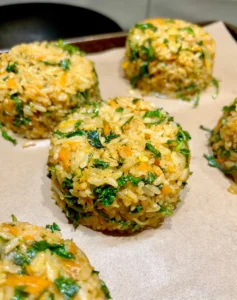
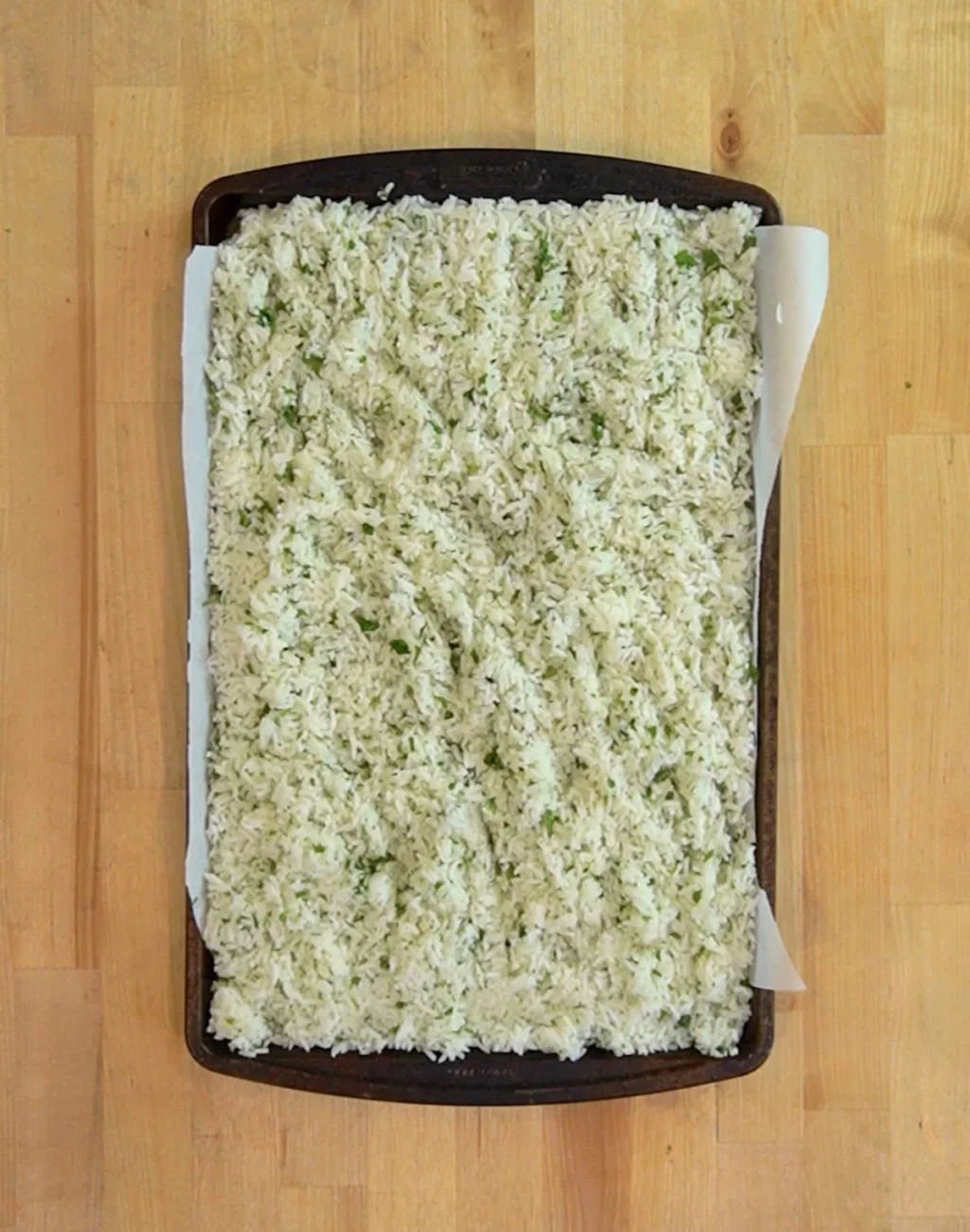
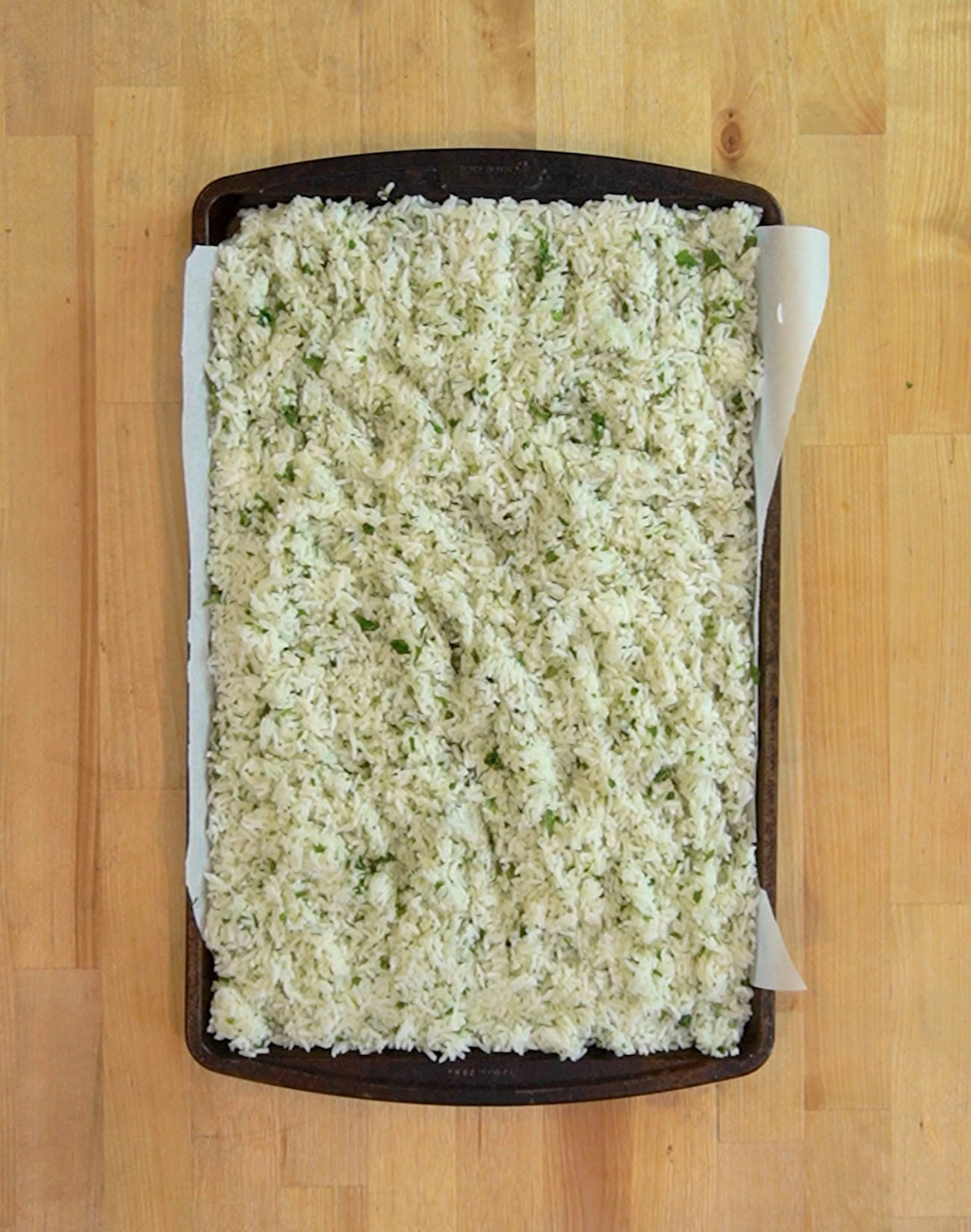
At its core, Chipotle-style Cilantro Lime Rice is a study in simplicity. It relies on three primary pillars: high-quality long-grain rice, fresh aromatic herbs, and bright, acidic citrus. Unlike standard boiled rice, which can often turn mushy or bland, this preparation focuses on achieving a distinct, fluffy texture where each grain remains separate and infused with flavor.
The recipe is designed for batch processing, yielding 10 substantial servings. With a calorie count of approximately 249 per serving, it is an ideal fuel source for those managing their macronutrient intake. The breakdown—51.5g of carbohydrates, 4.7g of protein, and a lean 2.7g of fat—makes it an exceptionally clean energy source that pairs seamlessly with grilled proteins, black beans, or fajita-style vegetables.
Chronology: From Pantry to Freezer
Achieving the perfect batch requires a systematic approach. The process is broken down into three distinct phases: preparation, infusion, and preservation.
Phase 1: The Foundation (10 Minutes)
The prep phase is where the groundwork for flavor is laid. It involves rinsing the rice thoroughly to remove excess surface starch—a critical step that prevents the grains from clumping. During this time, gather your fresh cilantro and limes. Quality matters here; the brightness of the lime juice and the freshness of the cilantro are what distinguish this from a standard side dish.
Phase 2: The Cook (25 Minutes)
Cooking the rice is a precise operation. Whether using a stovetop method or a dedicated rice cooker, the goal is to achieve an "al dente" finish that won’t disintegrate during the cooling or reheating processes. Once the rice is cooked, it must be fluffed and allowed to steam for a brief moment before the aromatics are introduced. This prevents the cilantro from wilting prematurely and ensures the lime juice absorbs evenly into the starches.
Phase 3: The Preservation (Storage)
The final phase is the "Freezer Integration." By portioning the rice into airtight containers while it is still warm—but not steaming hot—you lock in the moisture. Once frozen, these portions become the building blocks for "Snack City," a strategy where your freezer acts as a curated pantry of pre-made, healthy meals.
Supporting Data: Nutritional Efficiency
For those tracking their intake, the efficiency of this recipe is unmatched. The provided nutritional data highlights a key advantage: the lack of hidden fats. Many restaurant versions of this rice are finished with excessive butter or oil to improve mouthfeel. In this home-prepared version, the fat content is kept to a minimal 2.7g per serving, allowing the home cook to control the flavor through natural acidity rather than heavy lipids.
| Nutrient | Amount per Serving |
|---|---|
| Calories | 249 kcal |
| Carbohydrates | 51.5g |
| Protein | 4.7g |
| Fat | 2.7g |
| Fiber | 0.9g |
These metrics confirm that the dish serves its purpose as a high-carb, low-fat fuel source, making it particularly effective for pre-workout meals or post-training recovery, where glycogen replenishment is the primary goal.
The Professional Culinary Perspective
Culinary experts often point to "acid balance" as the secret to restaurant-style success. The lime juice in this recipe serves a dual purpose: it provides a sharp, clean finish that cuts through the starchiness of the rice, and it acts as a natural preservative. When frozen, the slight acidity helps maintain the integrity of the rice grains, ensuring that when you reheat a bowl weeks later, the texture remains remarkably close to the day it was prepared.
Furthermore, the choice of cilantro is not merely for color. The compounds in fresh cilantro provide a herbaceous note that complements the earthiness of long-grain rice. When batch-prepping, it is recommended to add the cilantro at the very end of the cooking process to preserve the volatile oils that provide its signature scent and flavor.
Implications for Meal Prep Strategy
The adoption of this Cilantro Lime Rice recipe signals a shift in how individuals approach dietary management. It moves away from the "dieting" mentality of bland, repetitive meals and toward a "culinary architecture" approach.
Scalability and Flexibility
One of the most significant implications of this recipe is its scalability. While the current instructions yield 10 servings, the ratio remains consistent regardless of whether you are cooking for one or for a family. By dedicating 35 minutes of total time to the kitchen, you effectively offload 10 future meal-prep sessions. This "time-banking" is the cornerstone of sustainable healthy eating.
Dietary Versatility
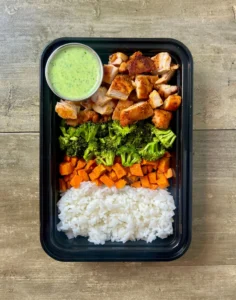
Because the base is naturally gluten-free and vegetarian, it serves as a universal platform for a variety of diets. Whether you are building a vegan burrito bowl with roasted sweet potatoes or a high-protein bowl with carnitas, this rice provides the neutral yet flavorful canvas required to tie disparate ingredients together.
Frequently Asked Questions
Q: Can I use brown rice instead of white?
A: While the nutritional profile will shift (typically increasing fiber), the cooking time will need to be adjusted significantly. Brown rice requires more water and a longer cook time, which may affect the final texture of the cilantro and lime.
Q: How do I prevent the rice from drying out in the freezer?
A: The key is to ensure the container is airtight. Using a vacuum sealer or a high-quality glass container with a silicone seal is recommended. When reheating, adding a teaspoon of water or a small ice cube to the container before microwaving can help rehydrate the grains.
Q: How long does the rice stay fresh in the freezer?
A: For optimal flavor and texture, it is best consumed within three months. While it remains safe to eat well beyond this window, the vibrant, fresh taste of the lime and cilantro may begin to diminish.
Conclusion: Elevating the Daily Routine
The Chipotle-style Cilantro Lime Rice is more than a recipe; it is a tactical tool for the modern lifestyle. By combining the precision of nutritional science with the art of classic Mexican-inspired cooking, you empower yourself to take control of your diet.
As you integrate this into your "Snack City" routine, remember that the quality of your output is directly tied to the quality of your inputs. Choose fresh limes, vibrant cilantro, and high-grade rice, and you will find that the convenience of a frozen meal does not have to come at the expense of a gourmet experience. With these techniques in your repertoire, the barrier to consistent, healthy eating is effectively removed, leaving you with more time to focus on the things that truly matter.