From Lawn to Landscape: A Journey of Horticultural Renewal in North Carolina
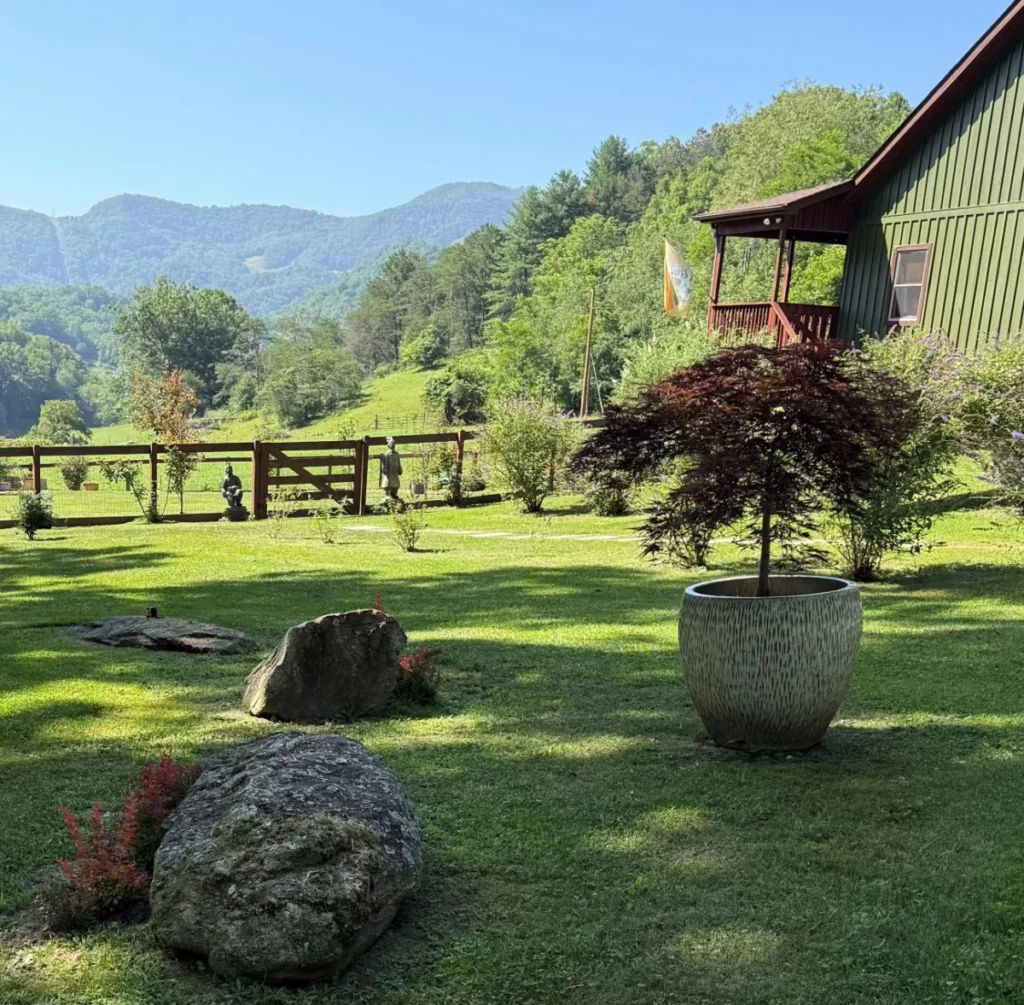
When Janice first arrived at her new property in Clyde, North Carolina, she was met with a clean, albeit uninspiring, slate: an expanse of simple green lawn and little else. For a gardener with years of experience, this was not a disappointment, but a profound opportunity. Over the past three years, she has meticulously transformed this blank canvas into a multi-layered sanctuary of fragrance, color, and texture. Her journey offers a masterclass in adapting to new ecoregions and the quiet, persistent joy of starting over.
The Shift in Zones: Adapting to a New Climate
The most significant challenge in Janice’s transition was moving from USDA Zone 8 to the slightly cooler, more temperate climate of Zone 7. While a single zone shift might seem minor to a novice, for a dedicated gardener, it requires a complete recalibration of planting calendars, species selection, and winter preparation.
"We have been living here in Zone 7 for almost three years," Janice explains. "Before moving here, we were in Zone 8, so it is very different. I have had to adjust my thinking about timing and what will do well here."
Despite the initial learning curve, Janice has found that Zone 7 offers a unique rhythm that she has come to appreciate. "Zone 7 is much more forgiving than Zone 8—we love it here," she notes. The transition has allowed her to re-evaluate her relationship with her plants, moving away from the high-maintenance requirements of her previous residence toward a more curated, sustainable approach to her North Carolina garden.
A Chronology of Transformation
The development of the Clyde property did not happen overnight. It was a phased, intentional process that began with the removal of monotonous grass and the introduction of structural elements.
Phase 1: Establishing Structure
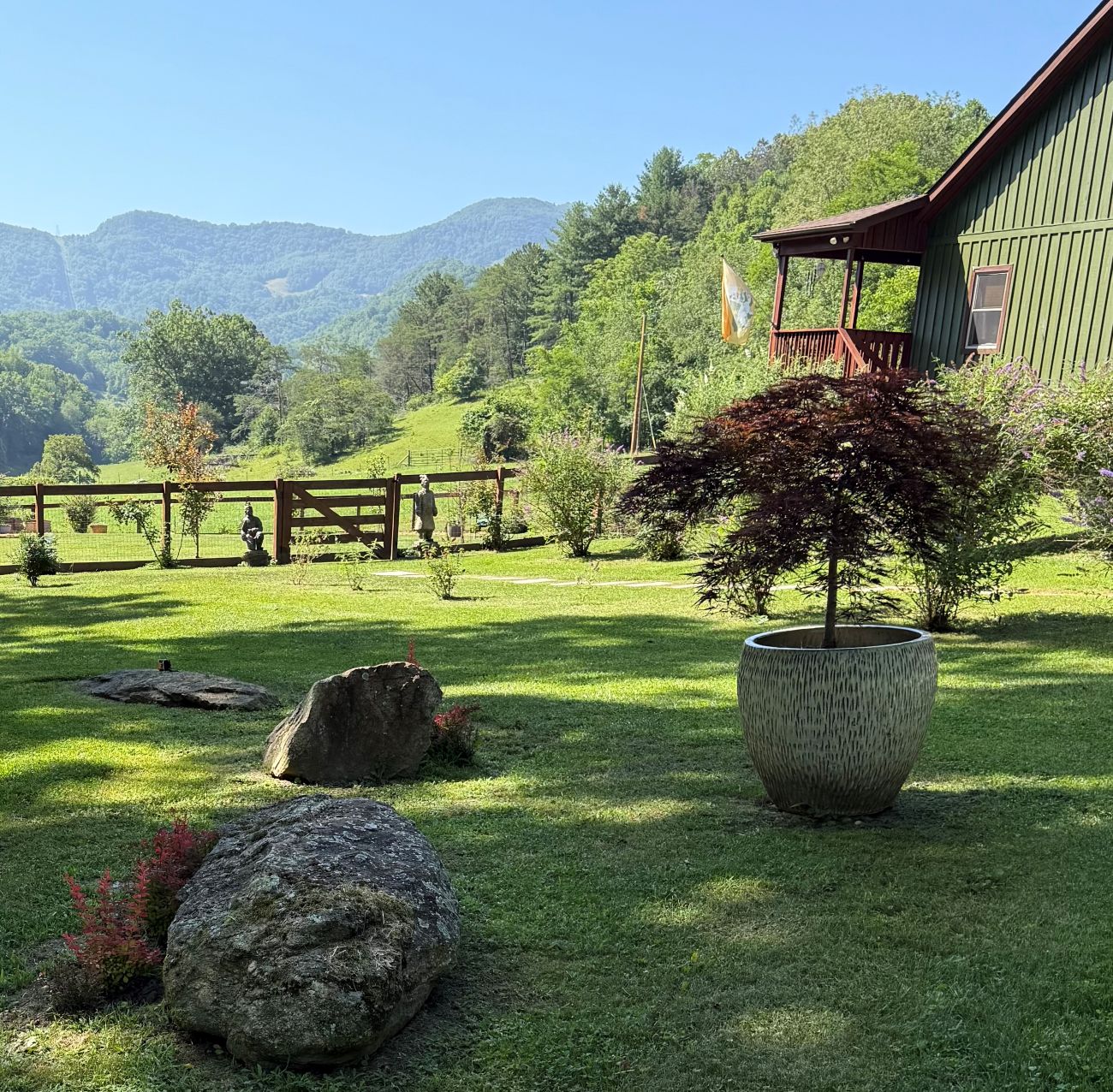
Upon arrival, the property lacked the vertical interest Janice craved. Her first priority was to break up the lawn. She started by utilizing the existing, large boulders that dotted the landscape—a gift from the previous owners—as anchors for her design. By pairing these natural features with a Japanese maple (Acer palmatum var. dissectum), she immediately created a focal point that added age and gravity to the garden.
Phase 2: Building the Path
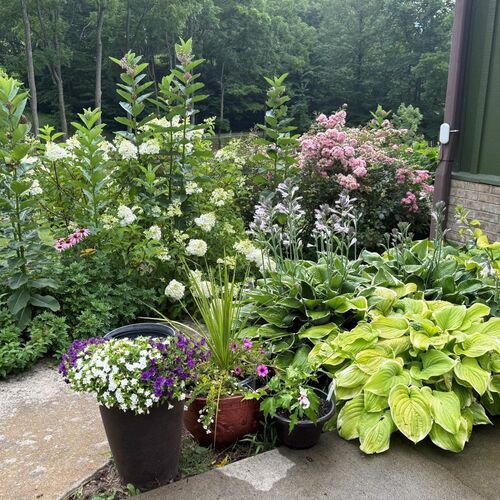
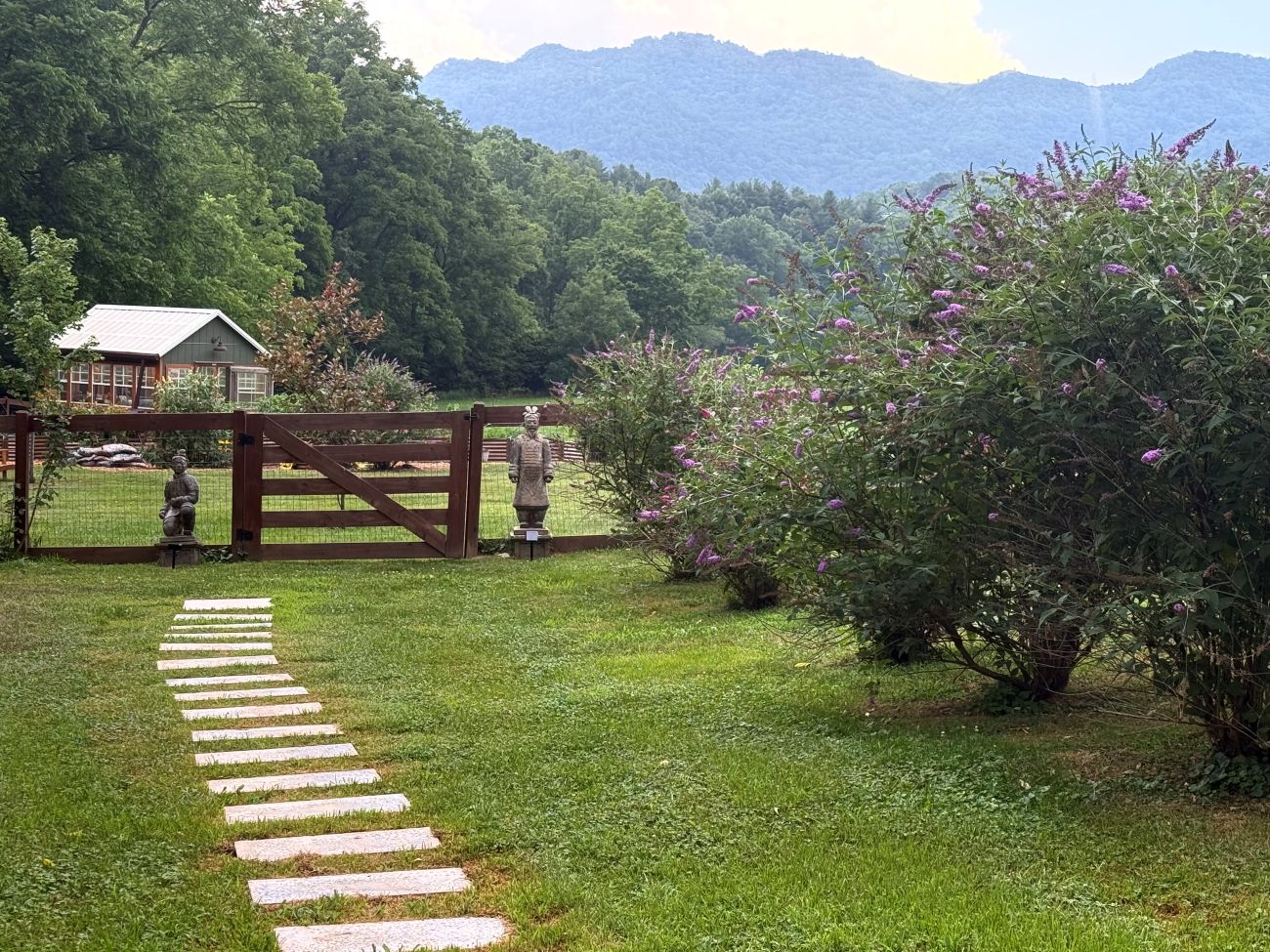
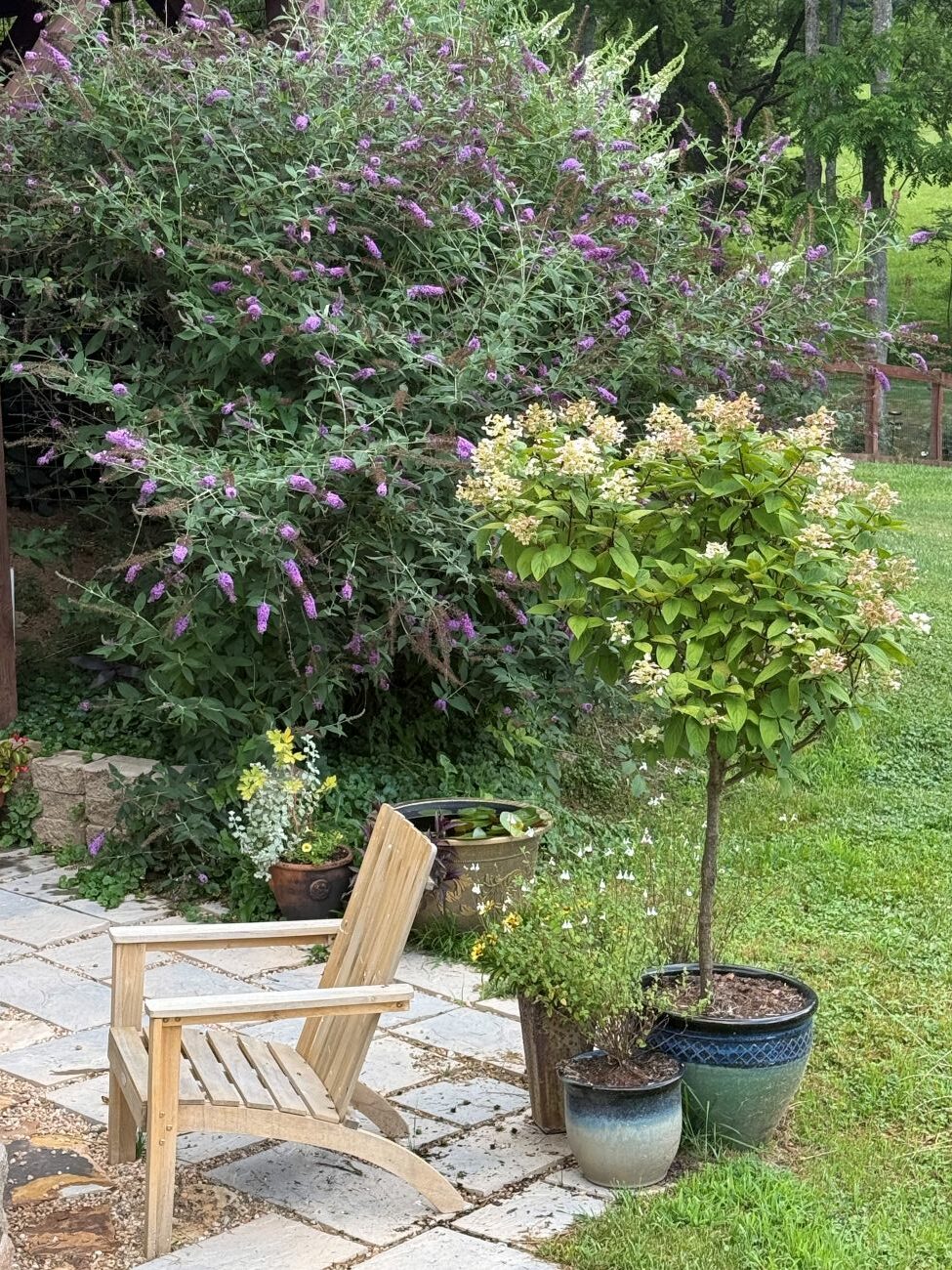
With the bones of the garden in place, the focus shifted to connectivity. Janice transformed bare walkways into inviting corridors. She integrated Buddleja (butterfly bushes), specifically the deep, rich tones of ‘Black Knight’ and the vibrant, compact ‘Miss Molly,’ to flank the paths. These choices served a dual purpose: they filled the horizontal space previously occupied by grass and provided a sensory experience for anyone walking through the garden, as the bushes release a heady, sweet perfume throughout the summer months.
Phase 3: Personalizing the Sanctuary
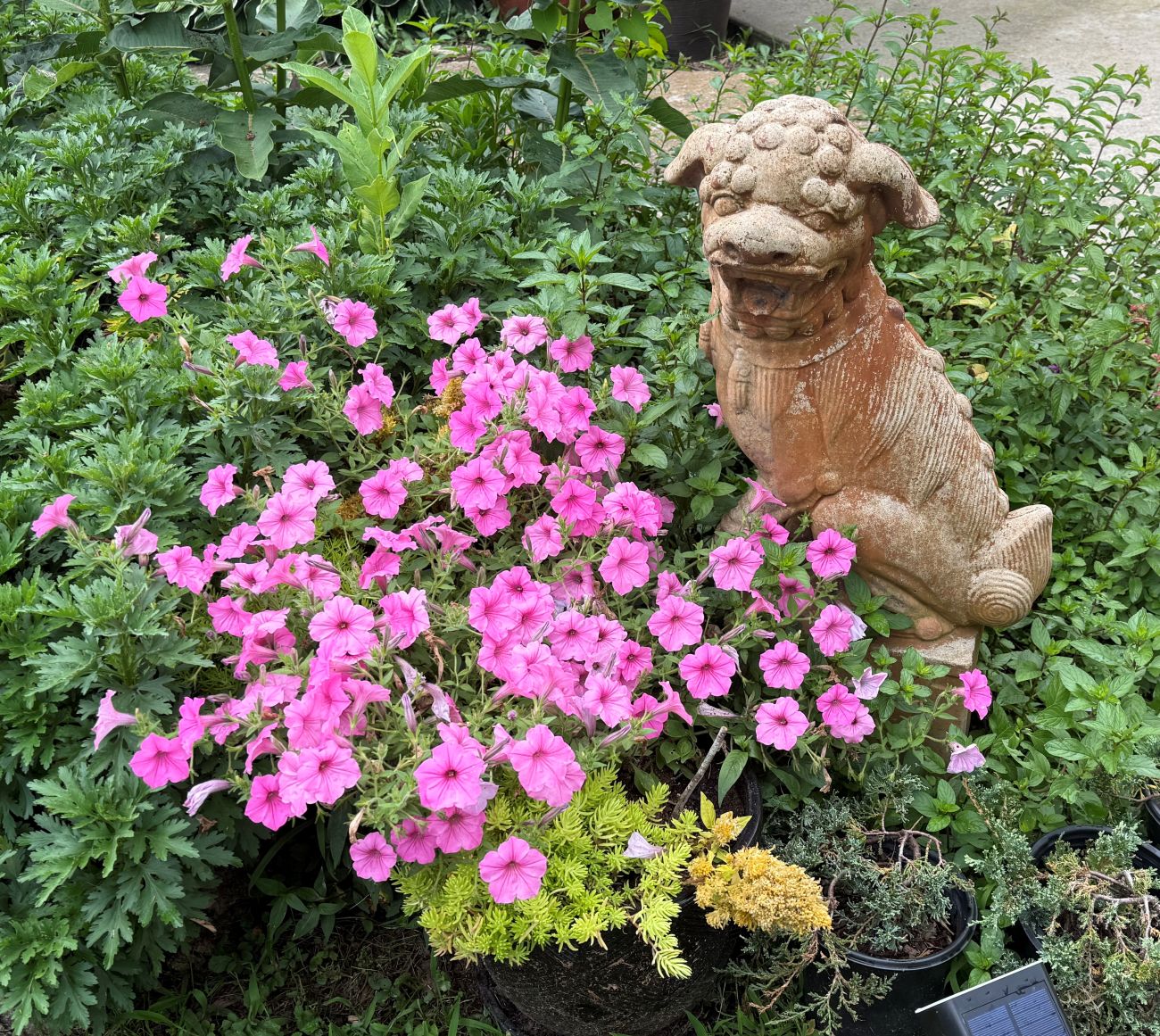
The final phase, which continues to evolve, involves the curation of personal touches. This includes the installation of a whimsical Foo Dog statue—a piece of her gardening identity she carried over from her previous home—and the development of a dedicated vegetable garden. The latter has been a particular success; by leveraging the specific soil and climate conditions of her new location, she has achieved unprecedented yields of tomatoes, squash, and beans.
Supporting Data: The Science of Species Selection
Janice’s garden is a testament to the importance of selecting plants that are not only aesthetically pleasing but also biologically suited to their environment. By choosing hardy, high-performance plants, she ensures a garden that thrives with minimal chemical intervention.
Key Plant Highlights:
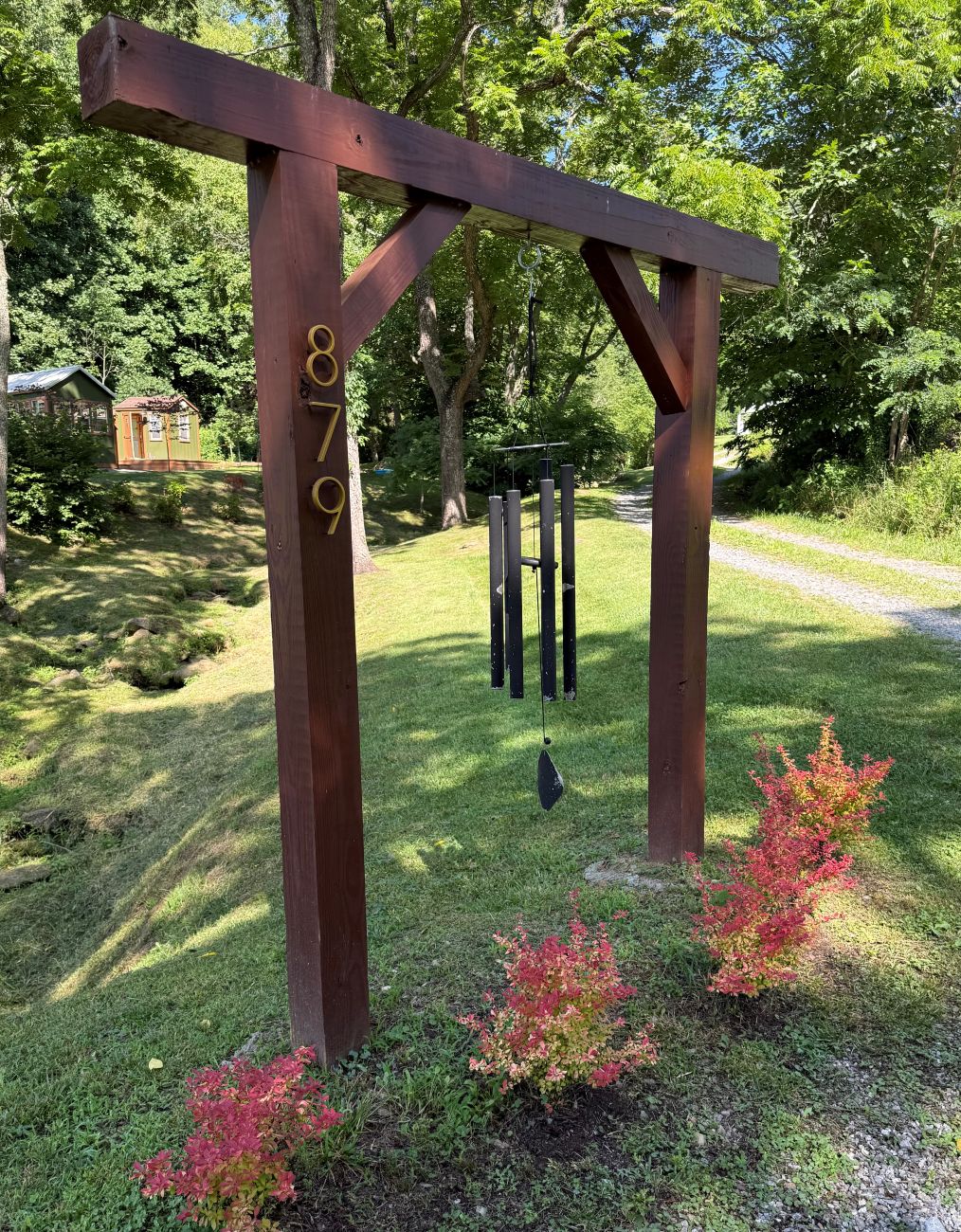
- Sunjoy Neo® Japanese Barberry: Used at the entrance, these shrubs provide a striking red contrast against the green lawn, proving that foliage color can be just as impactful as floral displays.
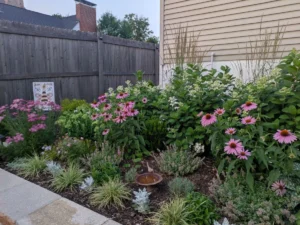
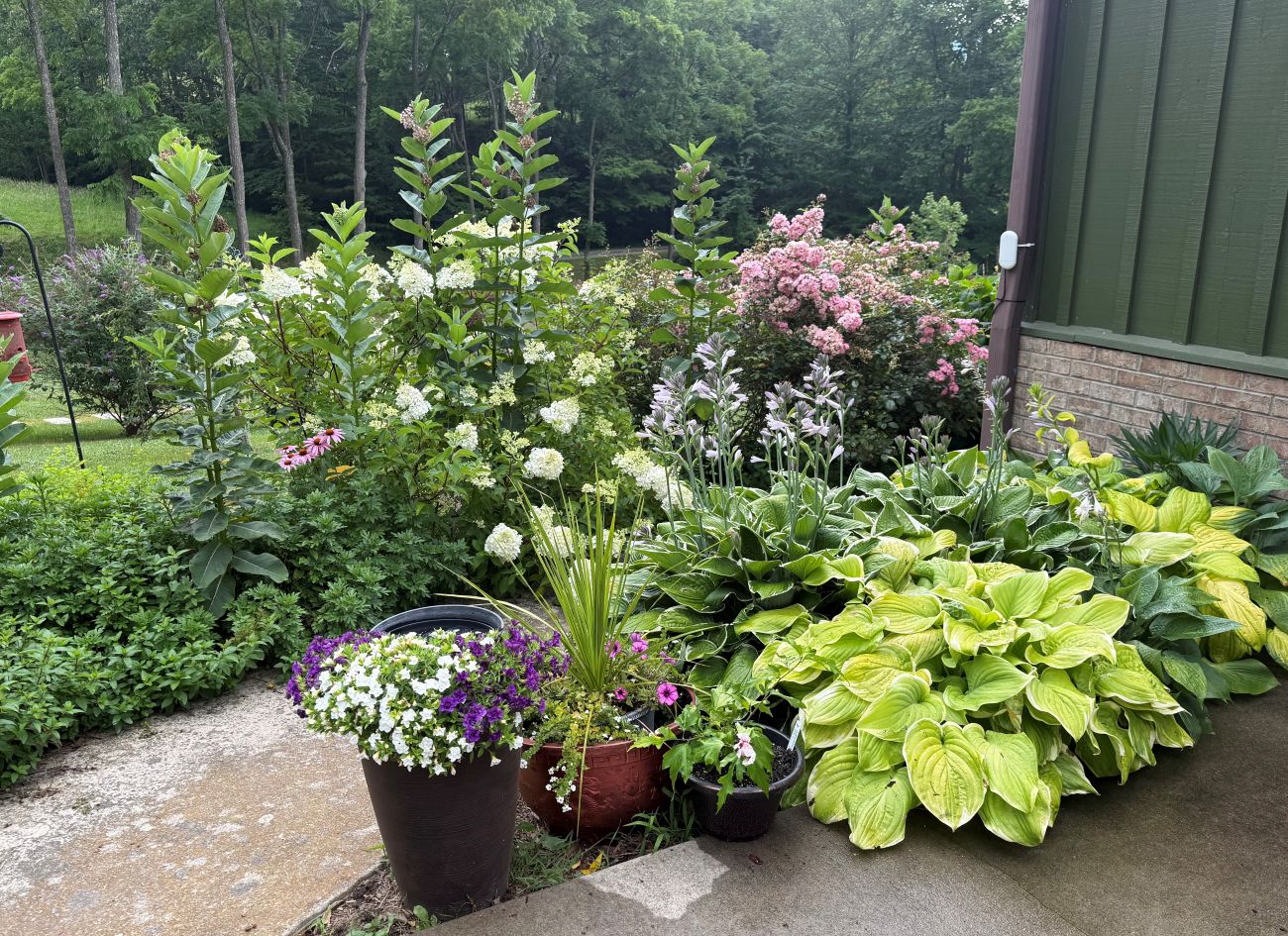
- Asclepias syriaca (Common Milkweed): An accidental but welcome guest, these plants have become a staple of her walkway. Their presence highlights the importance of allowing for "managed wildness" in a garden, as they provide essential resources for local pollinators.
- Reblooming Daylilies: By focusing on reblooming varieties, Janice ensures that her "happy place" remains vibrant throughout the season, rather than suffering from the post-bloom slump common in standard perennials.
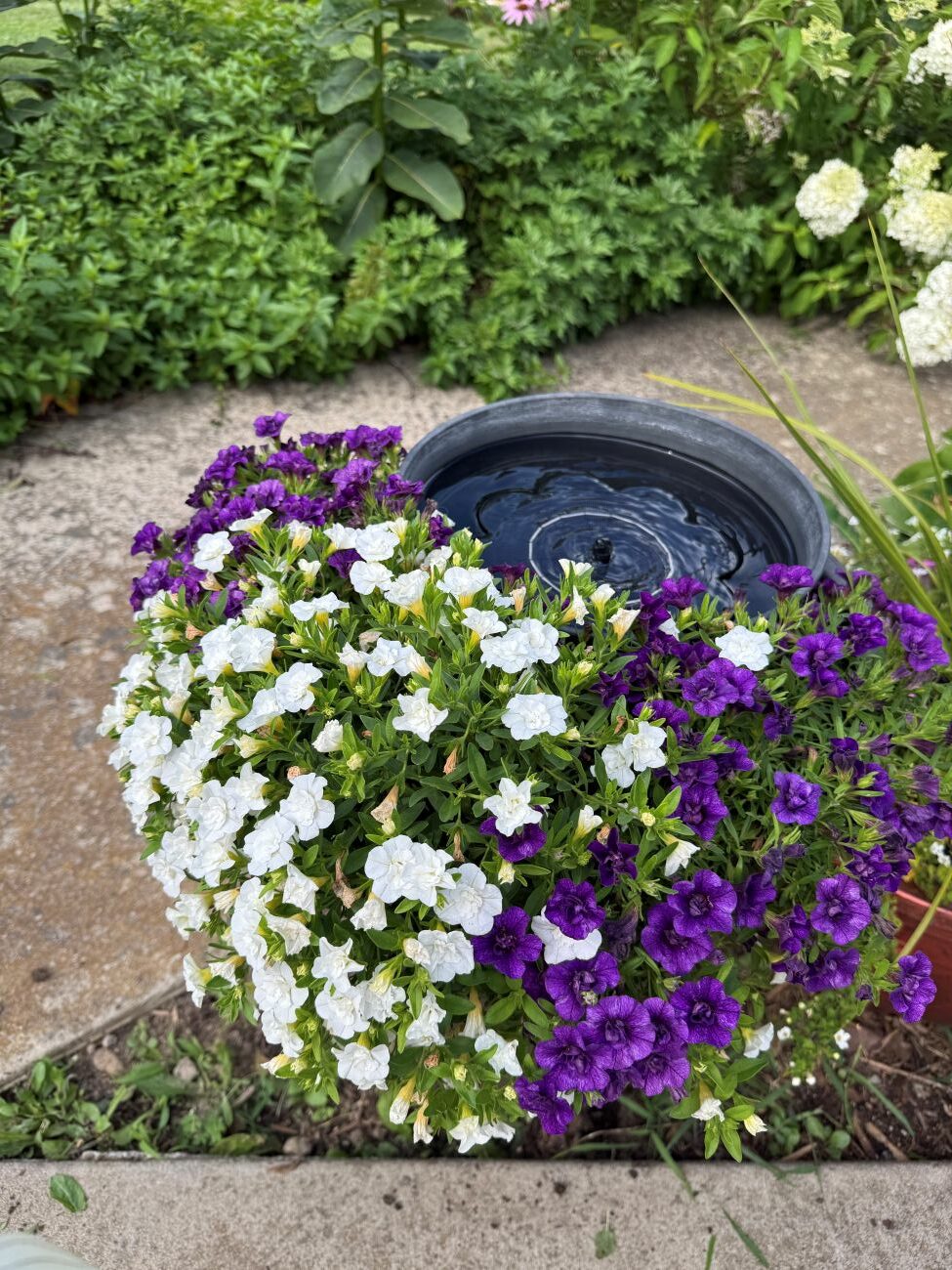
- Million Bells (Calibrachoa): Used in conjunction with a water feature, these plants provide a cascading effect that softens the edges of her hardscaping.
Official Horticultural Perspectives
Experts in the field of horticulture, such as those at Fine Gardening, often emphasize that the success of a garden project is rarely about the initial budget and almost always about the gardener’s observation skills. Janice’s experience aligns with this consensus. By waiting to see what appeared naturally—such as the milkweed—she was able to work with the land rather than forcing a rigid design upon it.
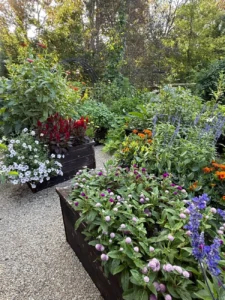
Furthermore, the integration of edible crops into an ornamental landscape is a growing trend. "I love flowers, trees, and shrubbery in my gardens. I also love veggie gardening, so all those things are what my gardens reflect," she says. This philosophy—often called "edible landscaping"—maximizes the utility of a small property while maintaining a cohesive, beautiful aesthetic.
Implications for Future Gardeners
Janice’s experience offers several key takeaways for those looking to transform their own outdoor spaces:
- Embrace the Learning Curve: Moving to a new zone is not a failure of experience; it is an invitation to learn new techniques. Do not be afraid to experiment with plants you haven’t grown before.
- Highlight Existing Features: Before buying new hardscaping, look at what the property already offers. The boulders in Janice’s yard saved her the cost and labor of installing artificial stone features.
- Prioritize Sensory Experience: A garden should be heard, smelled, and felt. By selecting fragrant plants like butterfly bushes and milkweed, Janice created an environment that is immersive rather than purely visual.
- Consistency is Key: The success of her rose garden, which she noted was a trial-and-error process, reminds us that gardening is a marathon, not a sprint. Resilience in the face of plant failure is the hallmark of a master gardener.
The Role of Garden Infrastructure
Beyond the plants themselves, the inclusion of infrastructure—such as the greenhouse and the water feature—has elevated the functionality of the space. Water features are particularly vital in a garden, providing a cooling effect and a focal point for the senses. Similarly, the greenhouse has allowed Janice to extend her growing season, ensuring that even as the temperatures in Zone 7 fluctuate, her vegetable production remains consistent.
Conclusion: A Living Canvas
Janice’s garden in Clyde is more than just a collection of plants; it is a manifestation of her personality and her resilience. It serves as a reminder that the most rewarding gardens are those that evolve alongside their caretakers. Whether she is tending to her fragrant roses, protecting her garden with her faithful Foo Dog, or harvesting fresh vegetables from her greenhouse, Janice has successfully turned a simple, grassy lawn into a legacy.
As she continues to experiment with new species and refine her design, she stands as a beacon for gardeners everywhere who might be facing a "blank slate" of their own. Through careful observation, patient experimentation, and a deep, abiding love for the process, any space can be transformed into a personal paradise.
How to Get Involved
Inspired by Janice’s story? The journey of a gardener is one of constant sharing and discovery. If you have photos of your own garden—or even a single corner that you are particularly proud of—we invite you to share your story. Whether you are dealing with a difficult zone change, a surplus of vegetable growth, or a unique design success, your experience could be the inspiration for another reader.
To submit your own garden photos and stories, please fill out the Garden Photo of the Day Submission Form. We are eager to learn about your successes, your failures, and everything in between. Sign up for our email newsletter to see daily features from gardeners across the globe and continue your horticultural education.