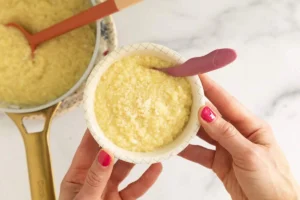
The Art of the Vegetable: Why Zucchini Rice is the Ultimate Weeknight Solution
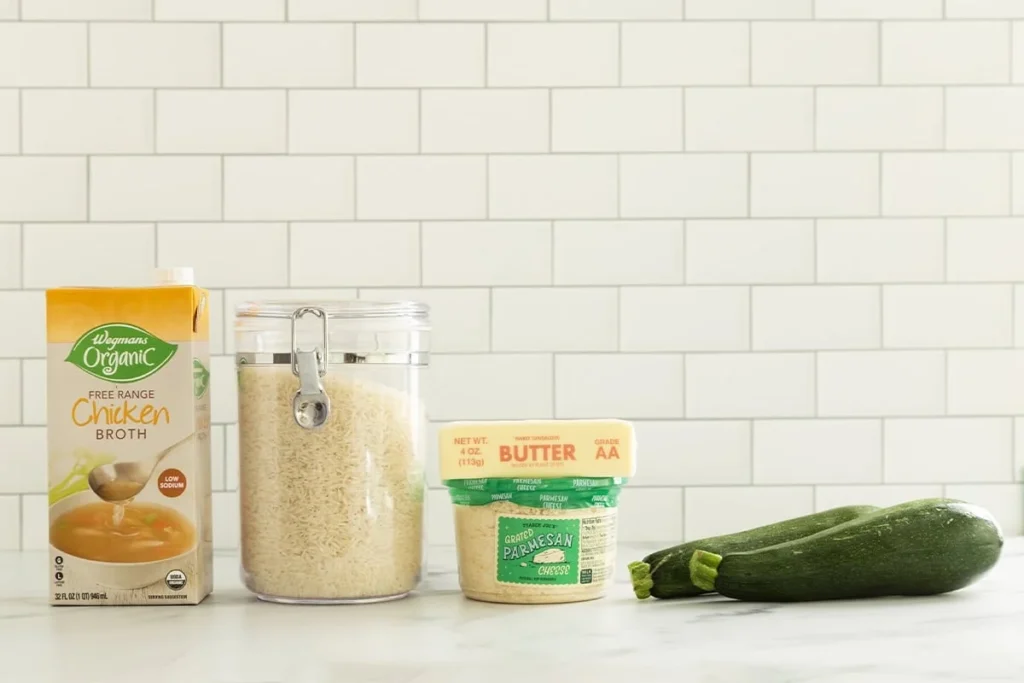
In the modern culinary landscape, the challenge for many parents and home cooks is not merely preparing food, but ensuring that nutrition is woven seamlessly into the meals that families actually want to eat. As the summer months bring an abundance of garden-fresh produce, the humble zucchini often finds itself at the center of the kitchen counter. While many default to bread or grilling, a more efficient, versatile, and kid-friendly method has emerged as a gold standard for busy households: Zucchini Rice.
Fluffy, fast, and remarkably savory, this dish transforms a simple grain into a nutrient-dense side, proving that the gap between “healthy” and “delicious” can be bridged with a single, effective technique.
Main Facts: The Anatomy of a Perfect Side Dish
At its core, Zucchini Rice is a masterclass in culinary efficiency. It combines the comfort of steamed rice with the freshness of seasonal squash. The primary objective is to create a dish that doesn’t just feature vegetables as an afterthought, but integrates them into the texture of the meal.
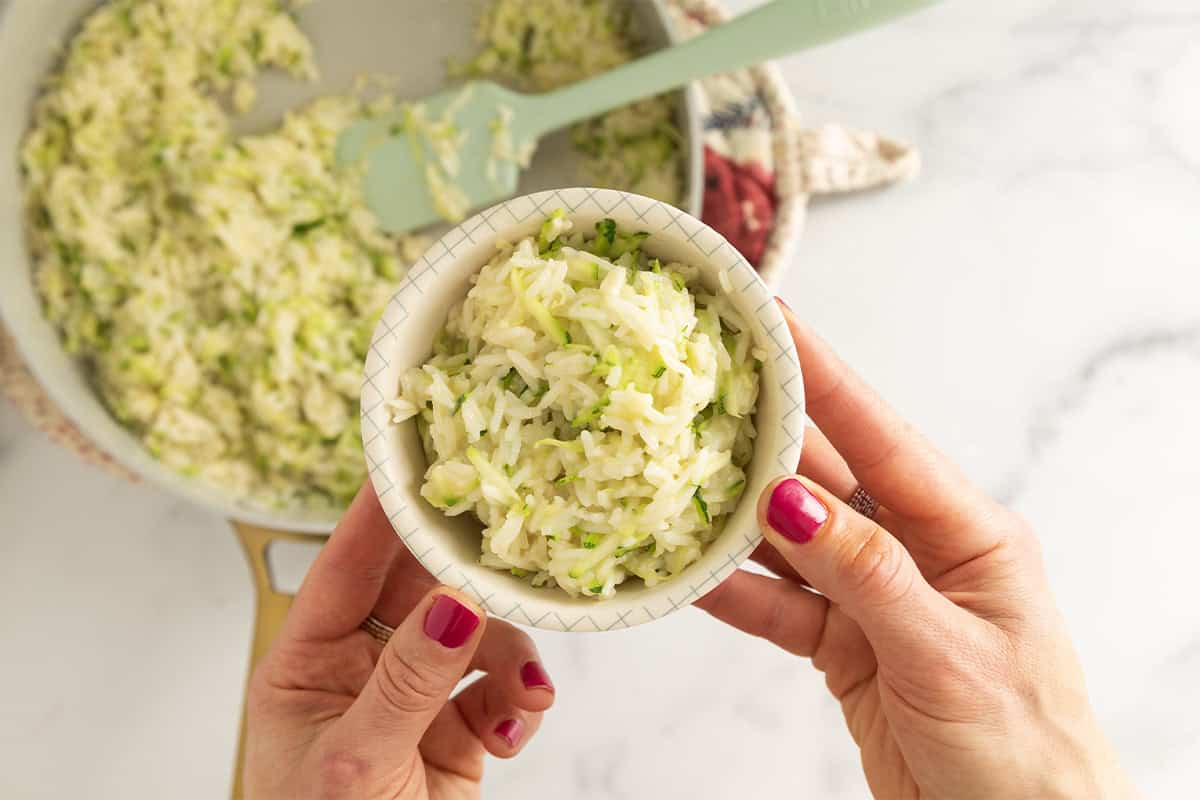
The Essential Components
To achieve the perfect balance, the dish relies on four pillars:
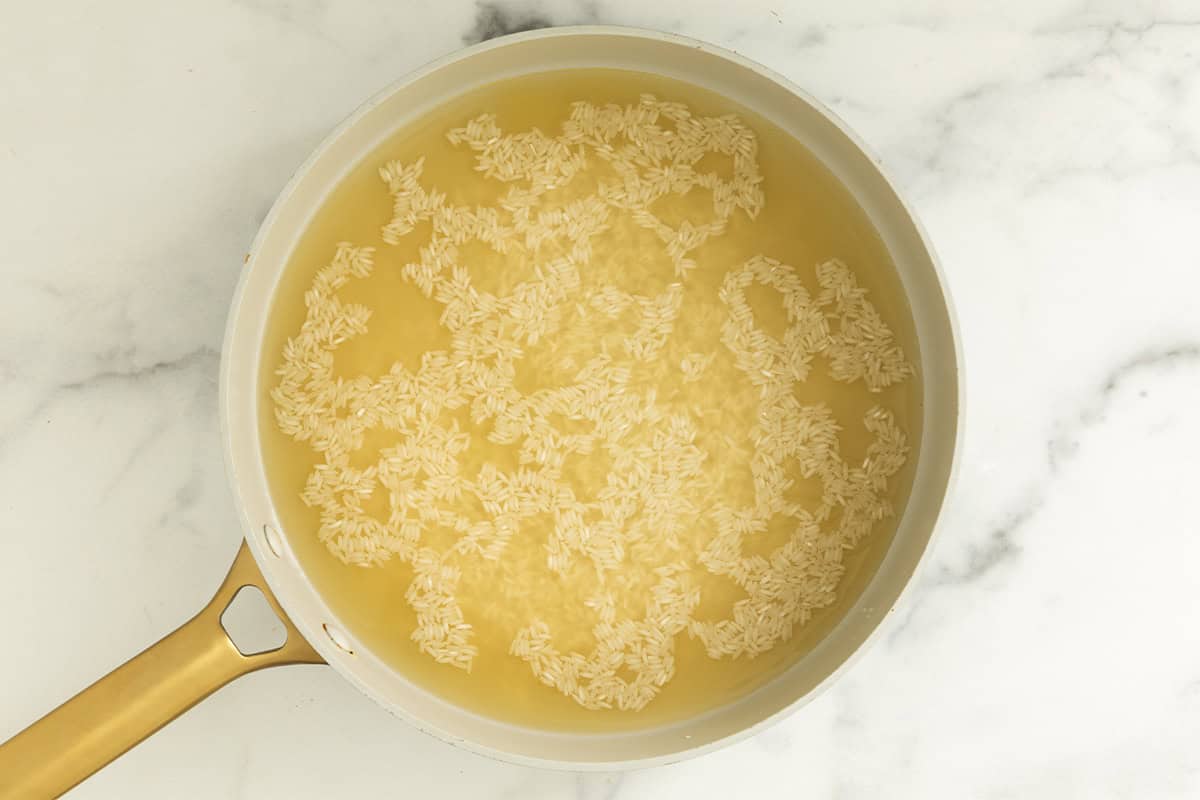
- The Base: High-quality white rice acts as the canvas. By cooking it in a flavorful broth rather than plain water, the grain absorbs depth from the very first minute.
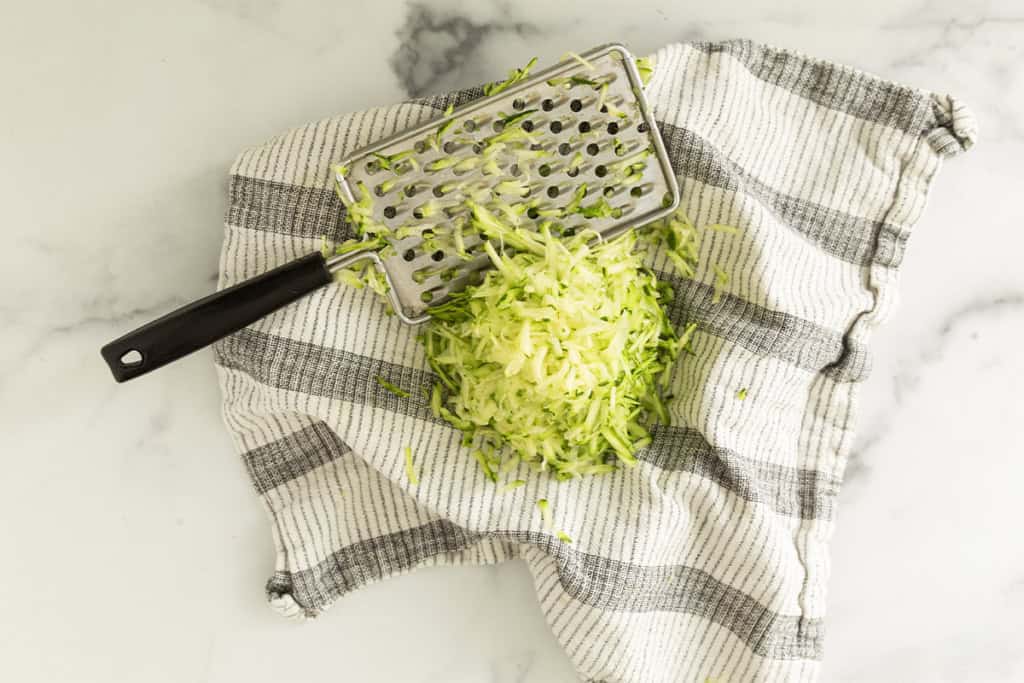
- The Vegetable: Finely shredded zucchini provides the color and nutrition. The secret, however, lies in the moisture management—a quick squeeze removes excess water, ensuring the rice remains fluffy rather than soggy.
- The Binding Elements: A touch of butter and quality Parmesan cheese provides a creamy, salty finish that rounds out the vegetal notes of the squash.
- The Aromatic Finish: Optional additions, such as lemon zest, fresh basil, or parsley, elevate the dish from a simple side to a vibrant, restaurant-quality accompaniment.
Chronology: A Step-by-Step Culinary Journey
The success of Zucchini Rice lies in its streamlined preparation. Unlike complex casseroles, this dish adheres to a strict, efficient timeline that accommodates the hectic pace of family life.
Phase 1: The Simmer (0–15 Minutes)
The process begins with the broth. Bringing the liquid to a steady simmer before adding the rice ensures that the cooking process is consistent. As the rice absorbs the broth, it releases its starches, creating the foundation for the final texture.
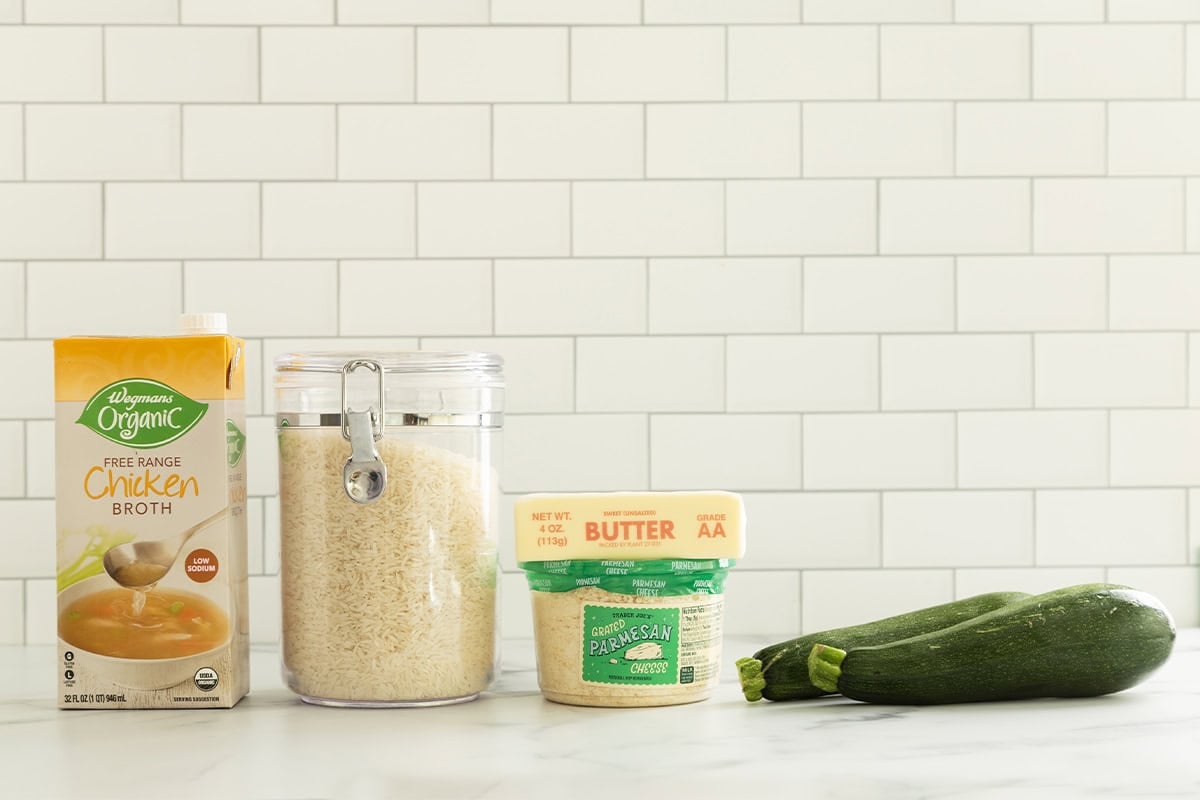
Phase 2: The Preparation (Concurrent)
While the rice is simmering, the focus shifts to the zucchini. Shredding the vegetable using a box grater is the preferred method for optimal texture. A crucial step often missed by beginners is the "towel squeeze." By wrapping the shreds in a clean kitchen cloth or paper towel and pressing firmly, the cook removes the bitter, excess water, preventing the rice from becoming a mushy porridge.
Phase 3: The Integration (Final 5 Minutes)
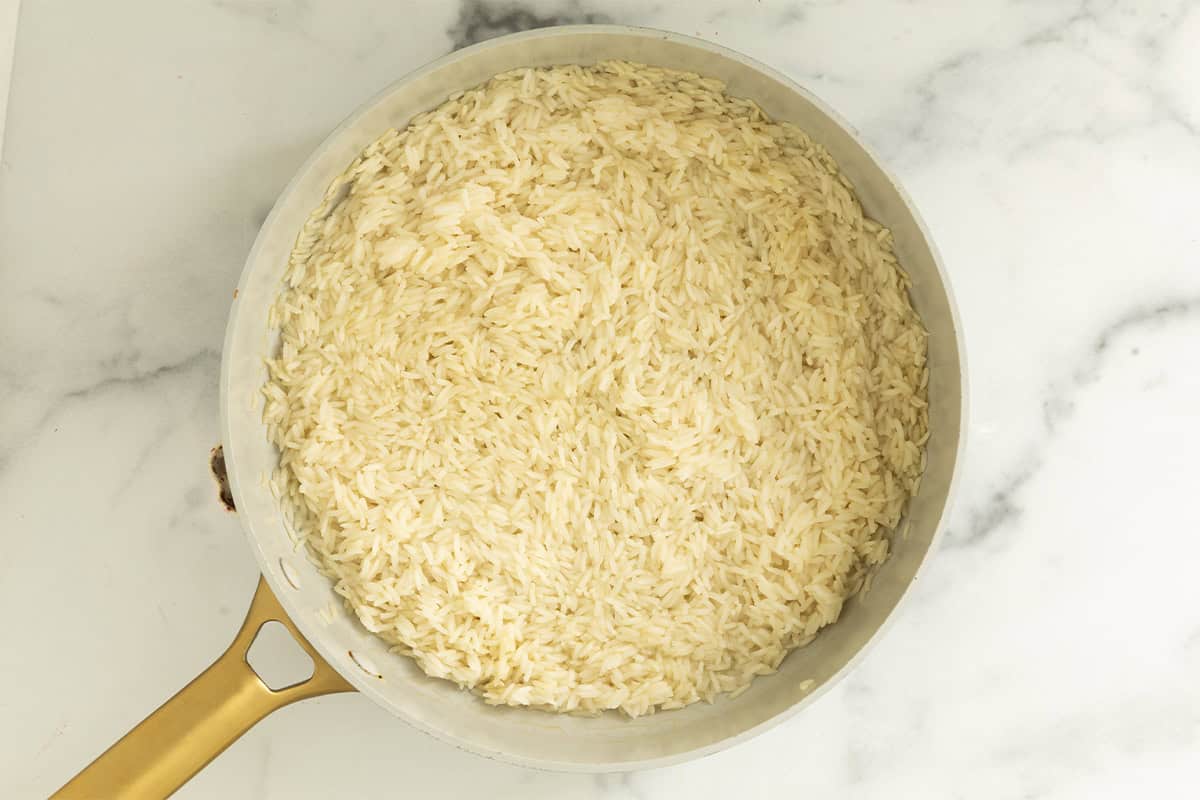
Once the rice reaches the desired level of tenderness, the heat is turned off. This is the moment of transformation. By folding in the shredded zucchini, Parmesan, and butter, and covering the pot, the residual steam gently cooks the zucchini in under five minutes. This method preserves the vibrant green color and the subtle crunch of the vegetable, ensuring it remains an appealing texture for even the most selective eaters.
Supporting Data: Nutritional and Practical Utility
Beyond its appeal to the palate, Zucchini Rice serves as a practical solution for balanced meal planning. From a nutritional standpoint, the addition of zucchini increases the fiber and vitamin content of a standard starch-heavy meal.
Nutritional Profile (per serving)
- Calories: ~293 kcal
- Carbohydrates: 42g
- Protein: 10g
- Fat: 10g (primarily healthy fats from the butter and cheese)
- Micronutrients: The dish offers a boost of Vitamin C and Vitamin A, essential for immune support, alongside a respectable dose of calcium provided by the Parmesan.
The Versatility Factor
The dish excels in its adaptability. It functions as a neutral base that pairs perfectly with:
- Proteins: Crispy fish nuggets, baked chicken, or pan-seared salmon.
- Vegetarian Main: By adding chickpeas, black beans, or peas, the dish is transformed into a complete vegetarian protein source.
- Individual Lunches: For parents looking for a quick, nutritious midday meal, reheating this dish with a side of scrambled eggs provides a balanced lunch that is both satiating and energizing.
Expert Insights and Culinary Refinements
Professional chefs and nutritionists alike emphasize that the "secret" to getting children—and adults—to eat more vegetables is to focus on flavor integration.
Why Texture Matters
"Vegetables often fail in the home kitchen because they are served as distinct, often overcooked, side items," says a leading nutritionist. "By incorporating the vegetable into the rice, you change the sensory experience. It becomes a unified dish rather than a chore."
Tips for Success
- The Garlic Technique: For those looking to add a layer of complexity, sautéing two minced cloves of garlic in olive oil before adding the broth introduces an aromatic depth that pairs beautifully with the zucchini.
- Cheese Alternatives: While Parmesan is the classic choice, the recipe is easily modified. Crumbled feta adds a briny tang, while goat cheese offers a velvety, rich mouthfeel.
- Storage Protocols: One of the most significant advantages of this dish is its longevity. When stored in an airtight container, it remains fresh in the refrigerator for up to five days. To maintain the integrity of the rice during reheating, a splash of water or broth helps restore the original fluffiness.
Implications for the Modern Household
The widespread adoption of recipes like Zucchini Rice reflects a broader trend in home cooking: the move toward "stealth health." As households face increasing pressure to provide meals that are simultaneously quick, healthy, and acceptable to children, the demand for modular, vegetable-forward recipes has never been higher.
Simplifying the Weeknight Rush
The implications for meal prep are significant. By mastering this dish, families can reduce their reliance on processed, pre-packaged sides. It encourages the use of seasonal, whole foods, which are often more affordable and environmentally sustainable.
Furthermore, the act of "fluffing" the rice—a simple ritual—serves as a reminder that cooking is not just about the end product, but the care put into the preparation. When food is presented in a way that is visually appealing (the bright green of the zucchini against the white of the rice), the psychological barrier to trying "healthy" food is significantly lowered.
A Sustainable Future
As we look toward the future of home nutrition, the focus will undoubtedly remain on these types of "bridge" recipes—dishes that don’t ask the cook to reinvent the wheel, but rather to improve upon the basics. Zucchini Rice stands as a testament to the idea that simplicity, when executed with intention, is the most powerful tool in the kitchen.
Whether you are a seasoned home cook managing a busy week or a parent trying to introduce more greens into your family’s diet, this recipe offers a reliable, delicious, and deeply practical path forward. The next time you find yourself with an abundance of summer squash, remember: the answer isn’t to bake it into a heavy bread, but to let it shine in a bright, fluffy bowl of rice.
Frequently Asked Questions (FAQs)
- Can I use other types of rice? Yes, the technique is adaptable to long-grain, basmati, or jasmine rice. Always adjust the liquid ratios according to the specific packaging instructions of your chosen grain.
- Is this recipe suitable for those with dairy allergies? Certainly. The Parmesan can be omitted entirely, or replaced with a nutritional yeast blend to maintain a savory profile without the dairy.
- What if I don’t have fresh herbs? While fresh basil or parsley provides a bright finish, dried herbs like oregano or thyme can be added during the simmering phase for a more earthy, robust flavor.
By integrating these small refinements, you ensure that Zucchini Rice remains a staple in your culinary repertoire for years to come.