The Art of Batch Prep: Mastering the Chipotle-Style Cilantro Lime Rice at Home
In the modern culinary landscape, the ability to balance convenience, nutrition, and cost-effectiveness has become the "holy trinity" of meal planning. Among the most popular components of the fast-casual dining revolution is the iconic Chipotle-style Cilantro Lime Rice. A staple of burrito bowls and taco platters, this side dish is prized for its zesty, herbaceous profile and its ability to act as the perfect foundation for a wide array of proteins and vegetables.
For home cooks, however, the challenge lies in replicating that distinct texture—fluffy, distinct grains that aren’t clumped together—and the bright, fresh acidity of the cilantro-lime infusion. With the rise of "Snack City" freezer-friendly prep methods, mastering this recipe has become an essential skill for those looking to reclaim their time without sacrificing their health goals.
Main Facts: The Anatomy of a Perfect Grain
The Chipotle-style cilantro lime rice is more than just white rice tossed with herbs; it is a carefully calibrated balance of acidity, salinity, and starch management. At its core, the recipe is designed for volume, yielding ten generous servings that are easily stored and reheated.
Each serving, containing approximately 249 calories, is a testament to the efficiency of batch cooking. The nutritional breakdown is remarkably balanced, providing 51.5g of carbohydrates, 4.7g of protein, and a modest 2.7g of fat. Because the recipe is naturally gluten-free and vegetarian, it serves as a versatile anchor for diverse dietary requirements, whether you are fueling for an athletic endeavor or simply managing a busy work week.
The secret to this recipe’s popularity in the meal-prep community lies in its structural integrity. Unlike standard home-cooked rice, which can become gummy when reheated, this method employs specific techniques—such as proper rinsing of the grains and the controlled addition of lime juice—to ensure that the final product maintains a pleasant, toothsome bite even after spending time in the freezer.
Chronology: From Pantry to Freezer
Achieving the perfect batch-prepped rice is a process that requires precision, starting from the initial prep phase to the final storage.
The Preparation Phase (10 Minutes)
The process begins with the rigorous cleaning of the rice. Rinsing the starch off the surface of the grains is the most critical step in preventing the rice from becoming a sticky mass. Once the grains are clear, the focus shifts to the aromatics. Fresh cilantro must be finely chopped, and high-quality limes should be juiced. The quality of these two ingredients is non-negotiable; bottled lime juice, while convenient, lacks the vibrant essential oils found in fresh fruit, which are vital for cutting through the richness of the carbohydrates.
The Cooking Phase (25 Minutes)
Cooking the rice requires a "set it and forget it" mentality. Utilizing a reliable rice cooker or a heavy-bottomed pot, the grains are steamed to perfection. The goal is to avoid over-agitation during the cooking process. Once the rice is tender, it must be allowed to steam for a few minutes off the heat before the final assembly begins. This resting period allows the moisture to redistribute evenly throughout the grains.
The Infusion and Cooling (The Final Stretch)
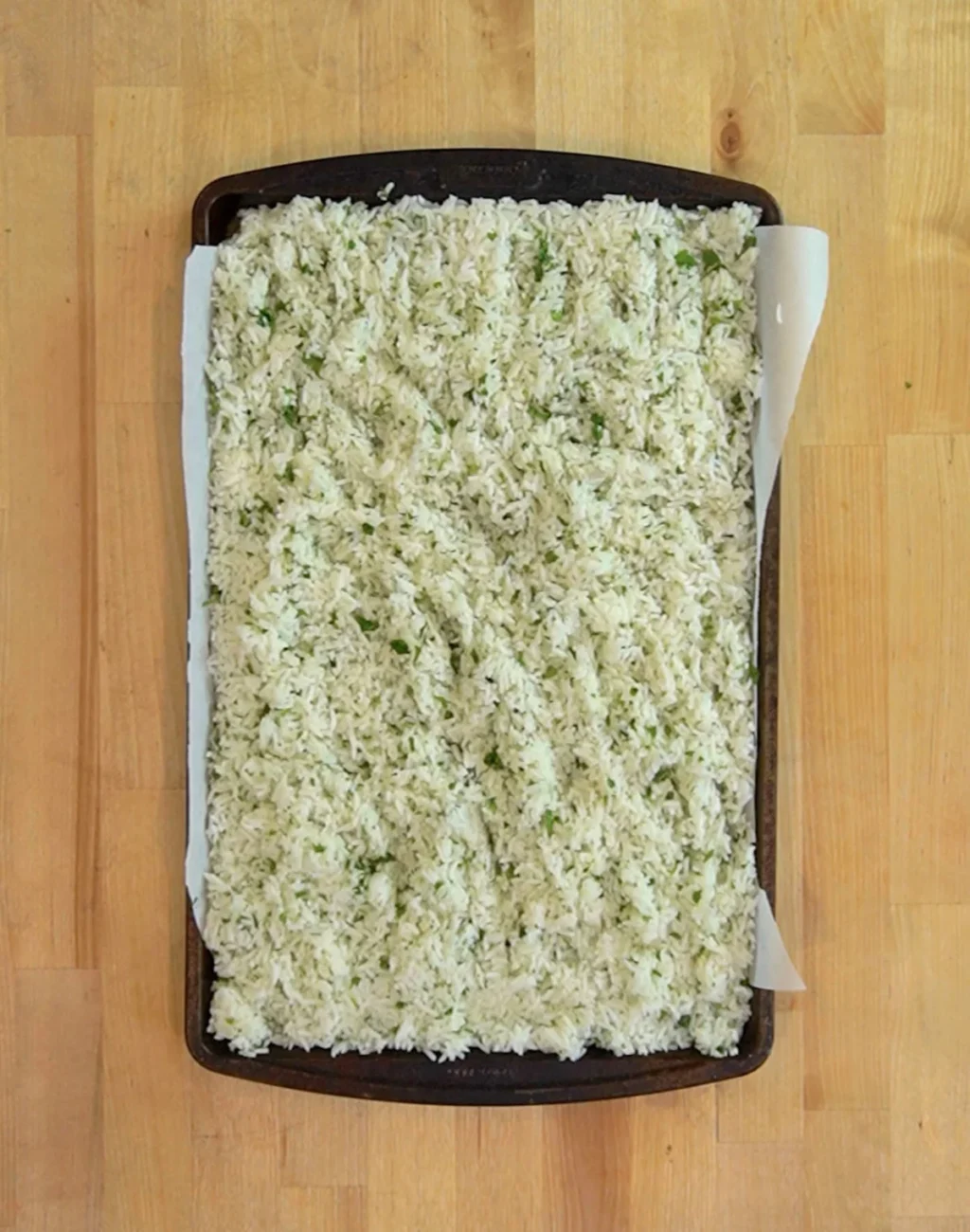
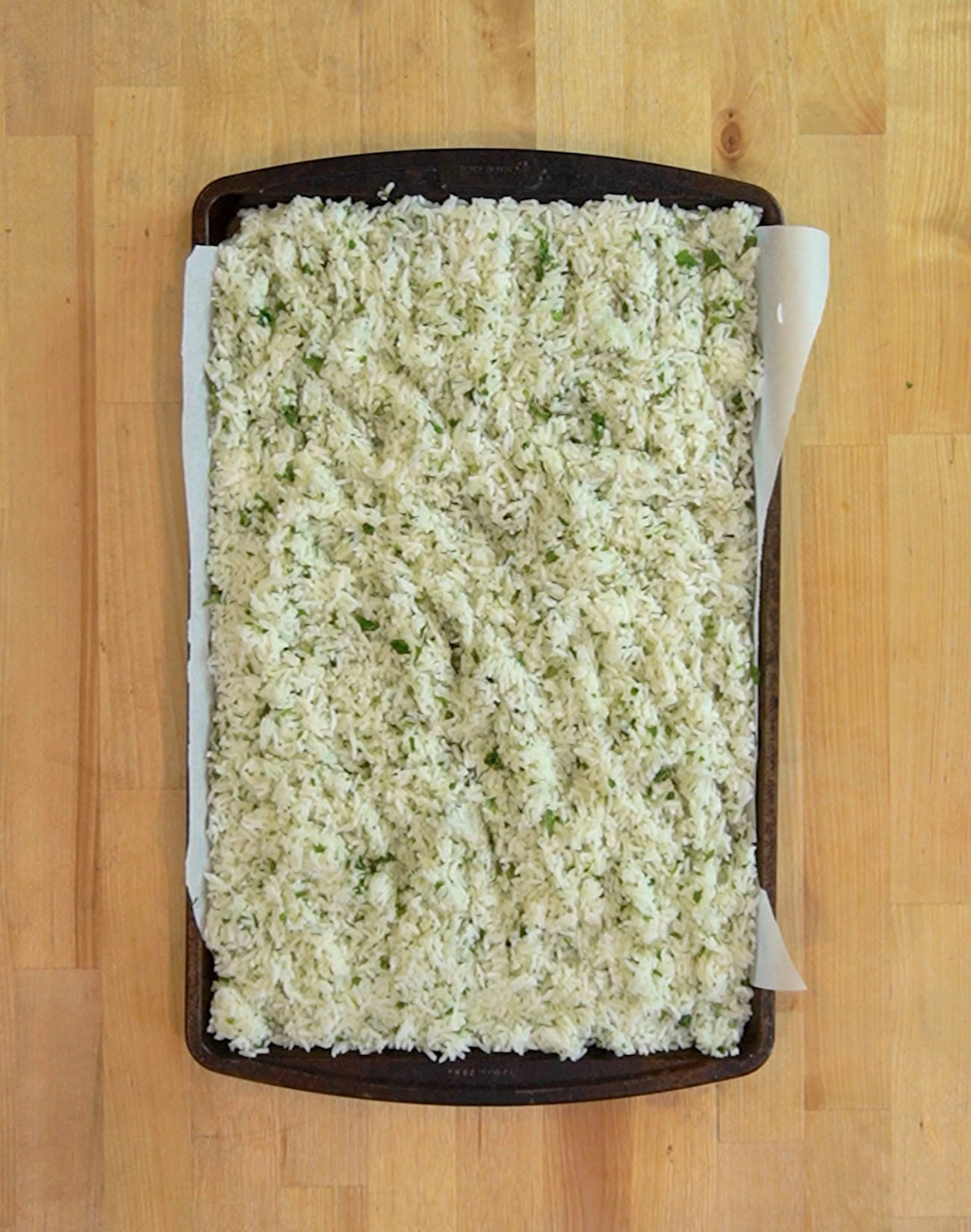
Once the rice is cooked, the cilantro and lime are folded in. It is crucial to perform this step while the rice is still warm, as the residual heat helps the lime juice permeate the starch without making the grains soggy. After seasoning with salt to taste, the rice must be cooled rapidly. In a professional meal-prep setting, spreading the rice out on a sheet pan is the standard protocol; this increases the surface area, allowing heat to escape quickly and preventing the rice from continuing to cook in its own trapped steam.
Supporting Data: Nutritional Efficiency
The primary advantage of this recipe is its predictability. When cooking in bulk, consistency is paramount. With 51.5g of carbohydrates per serving, this rice serves as a primary fuel source for those engaged in high-intensity training or daily physical activity.
| Nutrient | Amount per Serving |
|---|---|
| Calories | 249 kcal |
| Carbohydrates | 51.5g |
| Protein | 4.7g |
| Fat | 2.7g |
| Fiber | 0.9g |
The low fat content, sitting at just 2.7g per serving, allows the home cook the flexibility to add healthy fats later—such as sliced avocado, a dollop of sour cream, or a drizzle of olive oil—without worrying about caloric overload. Furthermore, the 0.9g of fiber contributes to digestive health, making it a superior choice compared to highly processed instant rice products that often lack nutritional substance.
Official Perspectives: The Philosophy of "Snack City"
The concept of "Snack City"—a term coined by meal-prep enthusiasts to describe a well-stocked freezer filled with pre-portioned, high-quality meals—is a direct response to the "food fatigue" that often leads to unhealthy takeout choices. Experts in the field of nutritional science emphasize that the biggest hurdle to a healthy diet is not a lack of willpower, but a lack of preparation.
When you have a base like this Cilantro Lime Rice ready to go, the barrier to entry for cooking dinner drops significantly. Instead of spending 45 minutes cooking from scratch after a long workday, you are merely assembling components. The "official" philosophy here is that if you remove the friction, the habit becomes sustainable. By batch-prepping ten servings at a time, you are essentially buying back hours of your own time for the remainder of the week.
Implications: The Impact on Long-Term Wellness
The implications of adopting a batch-prep routine extend far beyond the kitchen. When individuals take control of their carbohydrate intake through recipes like this, they often report improved energy stability throughout the day. Unlike the "blood sugar roller coaster" associated with fast-food burrito bowls—which are often laden with hidden sodium, preservatives, and excess fats—homemade cilantro lime rice allows for total control over the seasoning profile.
Culinary Autonomy
The ability to customize is the hallmark of home cooking. While the standard recipe calls for specific amounts of cilantro and lime, the home cook can adjust the acid levels to their preference. This autonomy fosters a deeper connection to one’s food. It transforms eating from a passive act of consumption into a deliberate choice about what fuels the body.
Economic Sustainability
From a financial perspective, the cost-per-serving of this recipe is a fraction of what one would pay at a restaurant. With current food inflation, the ability to buy rice, limes, and cilantro in bulk and utilize them across multiple meals is a sound economic strategy. It shifts the household budget away from service fees and delivery premiums, redirecting those funds into higher-quality produce or proteins.
Environmental Impact
Reducing reliance on single-use takeout containers is an often-overlooked benefit of home meal prep. By utilizing reusable glass or BPA-free plastic containers, the environmental footprint of your weekly diet is significantly reduced. This shift toward sustainable consumption is a cornerstone of modern, conscious living.
Conclusion
The Chipotle-style Cilantro Lime Rice is more than a side dish; it is a foundational pillar for a structured, healthy lifestyle. By mastering the 35-minute preparation process, you are equipping yourself with a tool that mitigates the chaos of modern living. Whether you are aiming to increase your athletic performance, save money, or simply enjoy a delicious, restaurant-quality meal on a Tuesday night, this recipe provides the roadmap to success.
As you fill your freezer, remember that every portion is an investment in your future self—a small, tangible victory in the ongoing quest for balance and vitality. With the right ingredients and a commitment to the process, "Snack City" becomes not just a goal, but a daily reality.