The Immediate Impact: How a Single High-Fat Meal Can Cripple Your Body Within Hours
Introduction
The adage "you are what you eat" takes on a stark, immediate relevance when examining the physiological aftermath of a high-fat meal. Far from a gradual process, the consumption of fat-laden foods can trigger a cascade of detrimental responses within the human body, impacting everything from arterial function to respiratory health, all within a matter of hours. This rapid onset of negative effects challenges the conventional understanding of diet-related health issues as solely long-term concerns, highlighting the acute vulnerability of our internal systems to dietary choices.
Our arteries, often considered silent conduits of life, are profoundly sensitive to what we consume. The health of these vital vessels is a critical determinant of overall longevity and well-being. A diet rich in unhealthy fats, coupled with sedentary lifestyles, contributes significantly to adverse aging processes. This includes the impairment of mitochondria—the cellular "power plants" responsible for energy production—leading to increased free radical formation, oxidative stress, and systemic inflammation. These insidious processes collectively pave the way for arterial dysfunction, a precursor to cardiovascular disease, which remains the leading cause of mortality worldwide.
Decades of research have illuminated the immediate and profound impact of dietary fat on our circulatory system. Landmark studies have demonstrated that a single high-fat meal can initiate a significant decline in arterial function within just hours of consumption, a stark contrast to the negligible effects observed after a low-fat alternative. This article delves into the intricate chronology of these adverse reactions, supported by robust scientific data, and explores the broader implications for public health and individual dietary choices.
Main Facts: The Immediate Assault on Your Cardiovascular and Respiratory Systems
The human body’s response to a high-fat meal is surprisingly swift and aggressive. Within hours, a meal rich in saturated fats can launch a multi-front assault on critical physiological systems, particularly the cardiovascular and respiratory systems. The core findings from extensive research reveal a rapid deterioration of arterial health, marked by impaired blood vessel function and a surge in inflammatory markers throughout the body.
This immediate decline in health is not merely a transient discomfort but a significant physiological event that, if repeated consistently, lays the groundwork for chronic disease. Studies have specifically pointed to the detrimental effects on the endothelium, the delicate inner lining of our blood vessels, which plays a crucial role in maintaining cardiovascular health. When this lining is compromised, arteries lose their ability to properly dilate, blood flow becomes less efficient, and the risk of plaque formation increases.

Beyond the arteries, the impact extends to the lungs, where an acute inflammatory response can be observed. This is particularly concerning for individuals with pre-existing respiratory conditions like asthma, but even healthy individuals exhibit signs of increased airway inflammation. The underlying mechanisms involve a surge in oxidative stress, damage to cellular mitochondria, and a heightened immune response, all triggered by the fat content of the meal. These immediate, observable changes underscore the powerful, rapid influence of diet on our most vital functions.
Chronology of Damage: What Unfolds After a High-Fat Meal
The journey from consumption to physiological distress following a high-fat meal is a rapid, well-documented sequence of events. Understanding this chronology is crucial for appreciating the pervasive impact of dietary choices.
Hour 1-3: The Initial Vascular Response
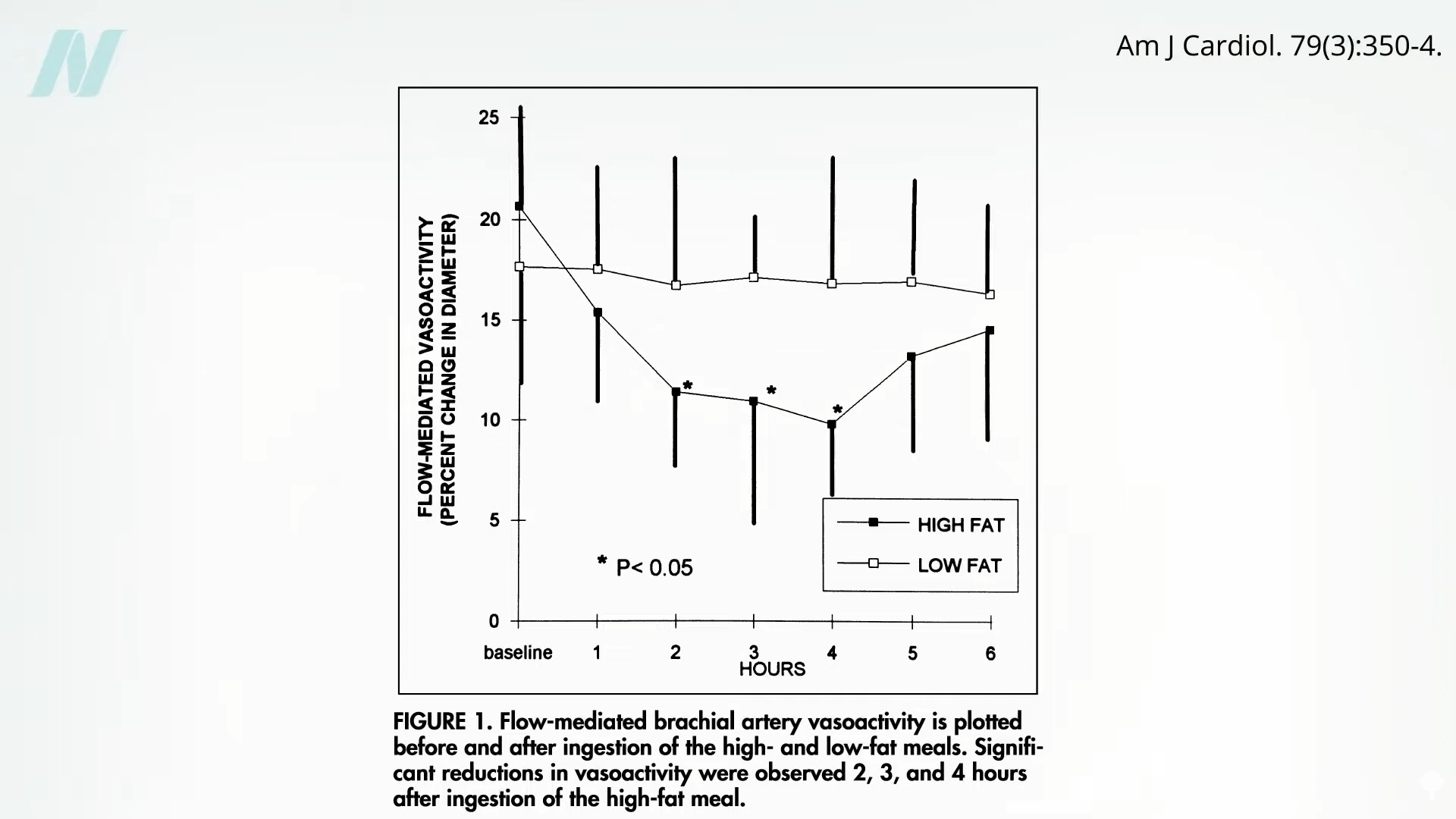
The first few hours after ingesting a high-fat meal mark the beginning of a significant physiological shift, primarily centered on the vascular system. Within this timeframe, the arteries, particularly their innermost lining known as the endothelium, begin to exhibit signs of stress and dysfunction. This initial phase is characterized by a measurable impairment in endothelial function. The endothelium is vital for regulating blood pressure, preventing blood clots, and maintaining the smooth flow of blood. Its ability to dilate and constrict in response to physiological demands is critical for cardiovascular health.
Landmark research, often cited in the context of postprandial lipemia (the presence of elevated lipids in the blood after a meal), has graphically illustrated this rapid decline. For instance, a study involving a high-fat meal consisting of items like Sausage and Egg McMuffins from McDonald’s demonstrated a significant crippling of arterial function within hours. This impairment manifested as a reduced ability of the arteries to dilate, indicative of endothelial dysfunction. Crucially, a control group consuming a low-fat meal, even one high in simple carbohydrates like Frosted Flakes, did not experience this detrimental effect. This distinction strongly suggests that it is the fat content—specifically saturated fat, eggs, and processed meat—rather than carbohydrates, that drives this immediate vascular impairment. The implications are clear: the very first hours after a high-fat meal set in motion a chain of events that compromise arterial integrity.
Hour 4-6: Systemic Inflammation Takes Hold
As the digestive process continues and absorbed fats circulate throughout the bloodstream, the body enters a phase of more widespread systemic inflammation. Approximately four to six hours after a high-fat meal, inflammatory markers begin to surge, indicating a heightened immune response. This period sees an increase in oxidative stress, a state where there’s an imbalance between the production of free radicals and the body’s ability to counteract their harmful effects. This oxidative stress is directly linked to the impairment of cellular mitochondria, the "power plants" within our cells. When mitochondria are compromised, they become less efficient and produce more reactive oxygen species, further exacerbating cellular damage and inflammation.
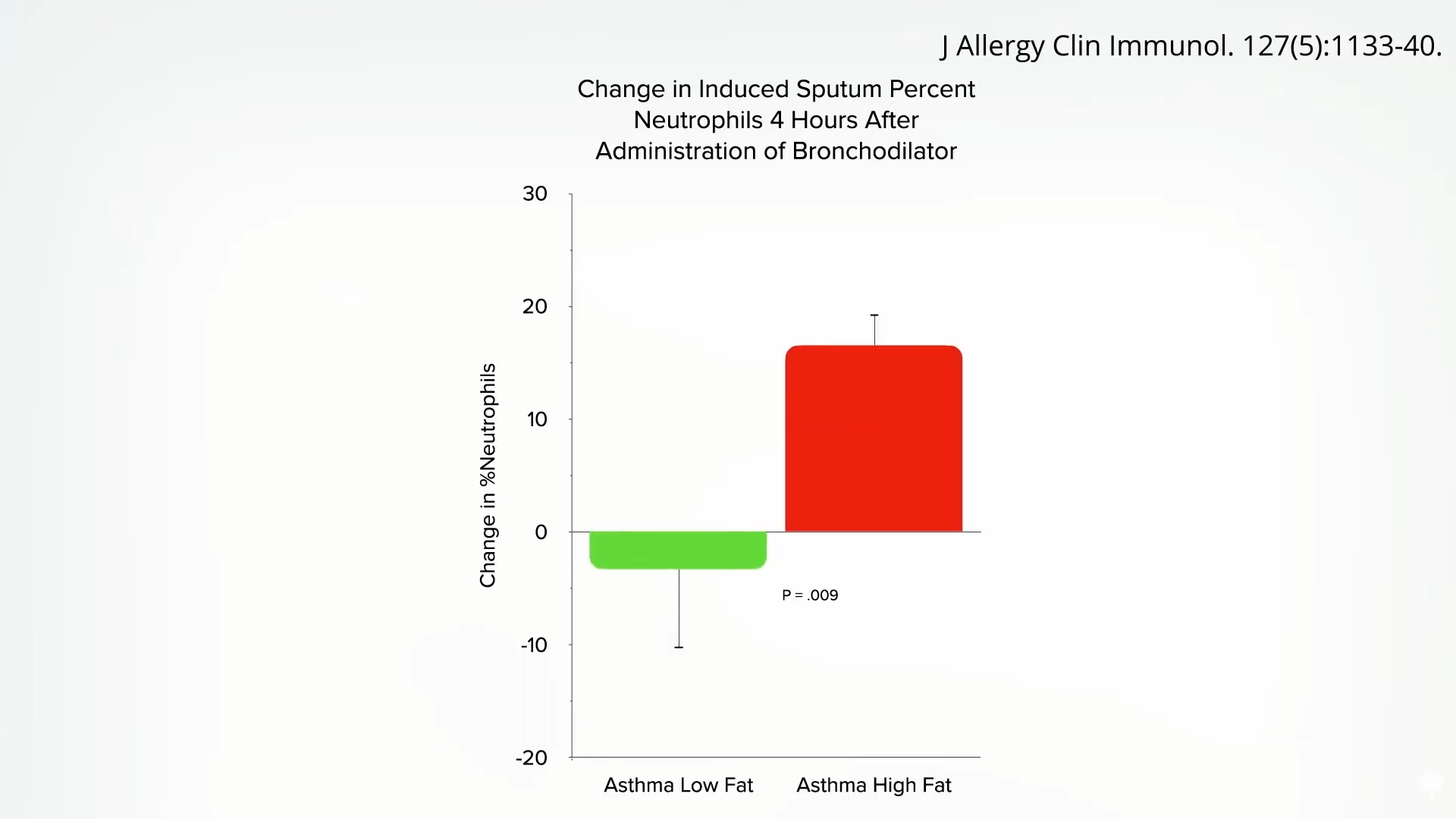
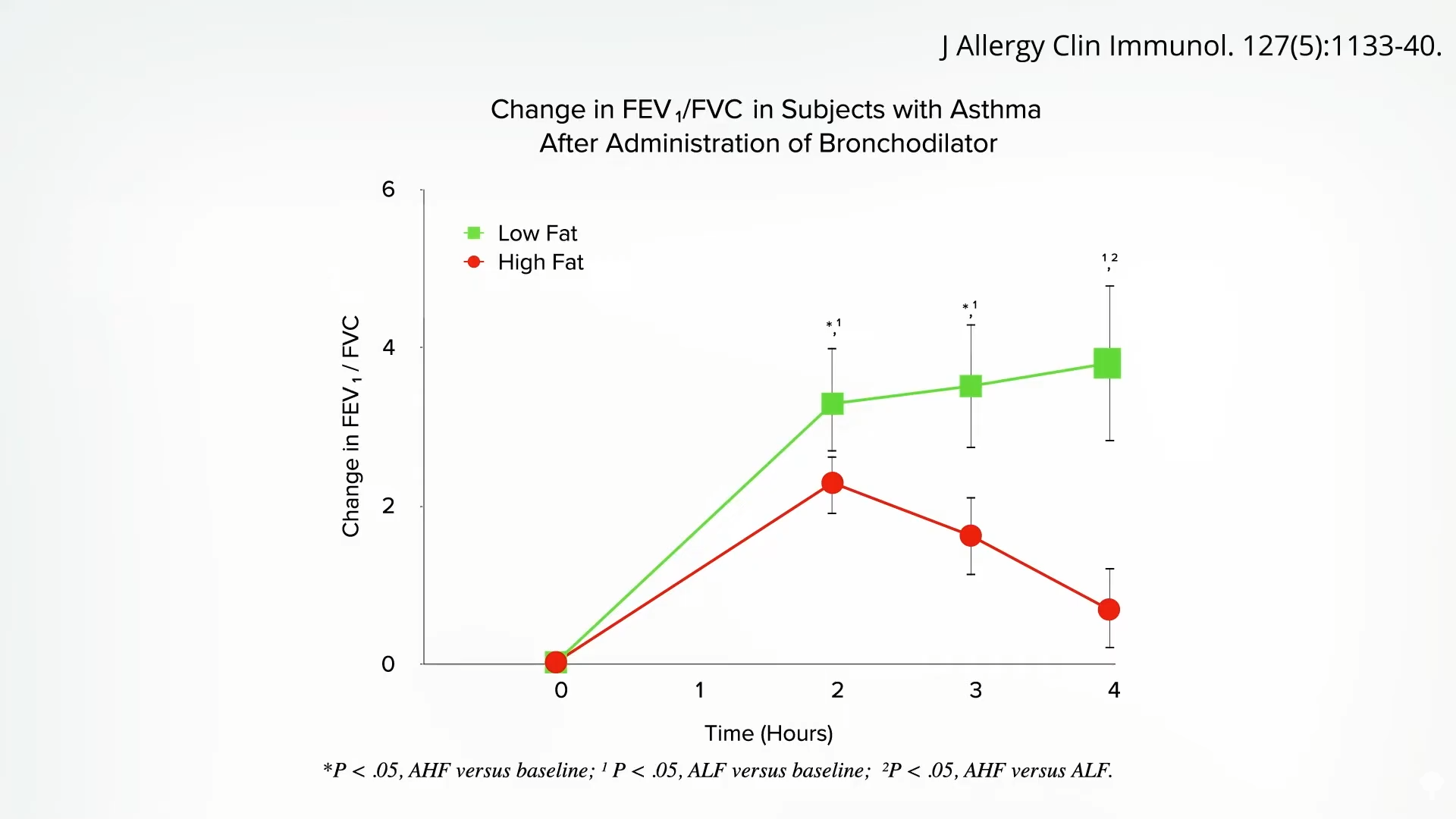
During this window, the inflammatory cascade extends beyond the arteries to other vital organs, notably the lungs. Studies have shown that a high-fat meal can significantly increase airway inflammation. For individuals with asthma, this translates into a measurable impairment in bronchodilator recovery, meaning that common asthma medications like albuterol (Ventolin) become less effective at opening airways. The lungs of these patients show a marked increase in inflammatory cells in sputum samples collected hours after a high-fat challenge. Even in individuals without asthma, researchers have observed a similar spike in inflammatory cells in lung sputum after consuming high-fat meals, such as a "Jimmy Dean’s Meat Lover’s breakfast bowl." This indicates a generalized inflammatory response that affects respiratory tissues, potentially contributing to breathing difficulties and exacerbating existing conditions. The body’s immune system, perceiving the influx of fats as a threat, initiates a defensive reaction that unfortunately harms healthy tissues in the process.
Beyond 6 Hours: A Cycle of Damage
The acute effects of a high-fat meal are not short-lived. Just as arterial function begins its slow process of recovery, typically five to six hours after the meal, it’s often time for the next meal. This common pattern of eating—breakfast, lunch, and dinner, frequently featuring high-fat components—means that many individuals spend the vast majority of their waking hours, approximately 16 hours a day, in a continuous "after-a-meal" inflammatory state.
This perpetual cycle of postprandial stress prevents the body from fully recovering from the damage inflicted by the previous meal. Arteries are subjected to a relentless "hammering" of inflammation, oxidative stress, and impaired function. Over time, this sustained insult contributes significantly to the development and progression of chronic cardiovascular disease. The cumulative effect of these daily dietary choices transforms transient inflammatory responses into chronic, low-grade systemic inflammation, a known driver of atherosclerosis, heart attacks, and strokes. The constant exposure to elevated lipids and inflammatory mediators prevents the endothelium from healing and regenerating effectively, leading to a gradual but persistent decline in cardiovascular health. This cycle underscores why dietary patterns, not just isolated meals, are paramount in shaping long-term health outcomes and why cardiovascular disease remains the leading cause of death globally.
Supporting Data: The Science Behind the Rapid Decline
The scientific community has rigorously investigated the mechanisms underpinning the rapid deterioration of health markers after high-fat meals. This supporting data provides a deeper understanding of the cellular and molecular changes that contribute to these adverse effects.
Endothelial Dysfunction: The Gateway to Arterial Disease
Endothelial dysfunction is recognized as one of the earliest detectable stages of atherosclerosis, the hardening and narrowing of arteries. The endothelium, a single layer of cells lining the interior surface of blood vessels, plays a crucial role in vascular homeostasis. It regulates vascular tone, influencing blood pressure; controls inflammation; and prevents the formation of blood clots. A healthy endothelium produces nitric oxide (NO), a potent vasodilator that relaxes blood vessels and ensures optimal blood flow.
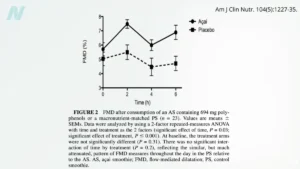
Following a high-fat meal, the rapid influx of dietary fats, particularly saturated fats, into the bloodstream leads to a reduction in nitric oxide bioavailability. This occurs through several mechanisms, including increased production of reactive oxygen species (free radicals) that inactivate NO, and direct interference with the enzymes responsible for NO synthesis. The resulting decrease in NO leads to impaired vasodilation, meaning the arteries become stiffer and less responsive to the body’s needs. This state, known as endothelial dysfunction, makes arteries more susceptible to injury, inflammation, and the accumulation of plaque. Studies consistently show a measurable decrease in flow-mediated dilation (FMD), a clinical indicator of endothelial function, within hours of consuming high-fat meals, directly linking dietary fat intake to this critical early marker of cardiovascular disease.
Oxidative Stress and Mitochondrial Impairment
The cellular "power plants" or mitochondria are central to understanding the link between high-fat meals and oxidative stress. Mitochondria are responsible for generating adenosine triphosphate (ATP), the primary energy currency of the cell, through oxidative phosphorylation. However, this process can also produce reactive oxygen species (ROS), commonly known as free radicals, as byproducts. Under normal conditions, the body has antioxidant defenses to neutralize these free radicals.
A high-fat meal, particularly one rich in saturated fatty acids, can overload mitochondrial metabolic pathways. This overload leads to mitochondrial dysfunction, where the mitochondria become less efficient and produce an excessive amount of ROS. This surge in free radicals overwhelms the body’s antioxidant capacity, leading to a state of oxidative stress. Oxidative stress is highly damaging to cells and tissues; it can impair enzyme function, damage DNA, and contribute to the inflammation observed in arteries and lungs. The resulting cellular damage further perpetuates the inflammatory cycle, creating a vicious feedback loop that exacerbates endothelial dysfunction and tissue injury. The intricate interplay between dietary fat, mitochondrial stress, and oxidative damage is a fundamental mechanism driving the immediate adverse effects observed.
Inflammatory Cascade and Immune Response
The consumption of a high-fat meal triggers a robust inflammatory cascade involving various components of the immune system. One key player in the development of atherosclerosis is low-density lipoprotein (LDL) cholesterol, particularly its oxidized form. After a high-fat meal, circulating LDL particles can become oxidized, transforming into pro-inflammatory oxidized LDL. This modified LDL is highly attractive to certain types of white blood cells, specifically macrophages.
Macrophages "suck up" oxidized LDL, becoming engorged with lipids and transforming into "foam cells." These foam cells are a hallmark of early atherosclerotic plaques and contribute significantly to the inflamed pus that builds up within artery walls, eventually leading to heart attacks. Research has shown that within hours of eating a high-fat meal, such as pizza, there can be a doubling of the amount of pro-inflammatory oxidized LDL cholesterol taken up by these white blood cells. This rapid increase in foam cell precursors demonstrates how quickly a high-fat meal can accelerate the atherosclerotic process. The inflammatory response is not confined to the arteries; as noted, it also manifests in the lungs, with increased inflammatory cells like neutrophils and macrophages appearing in sputum samples, even in healthy individuals.
The Endotoxin Debate: Fat or Bacteria?
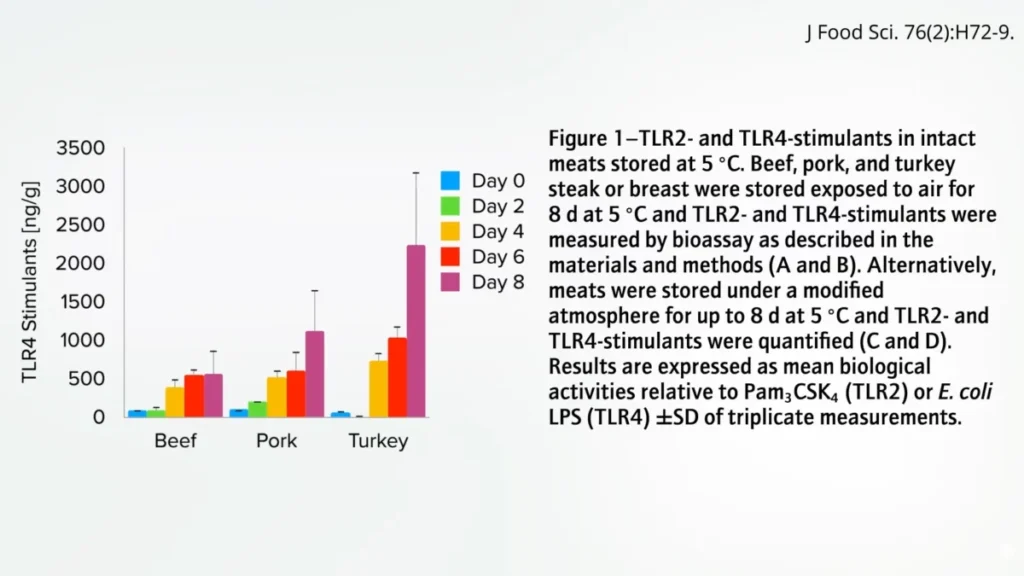
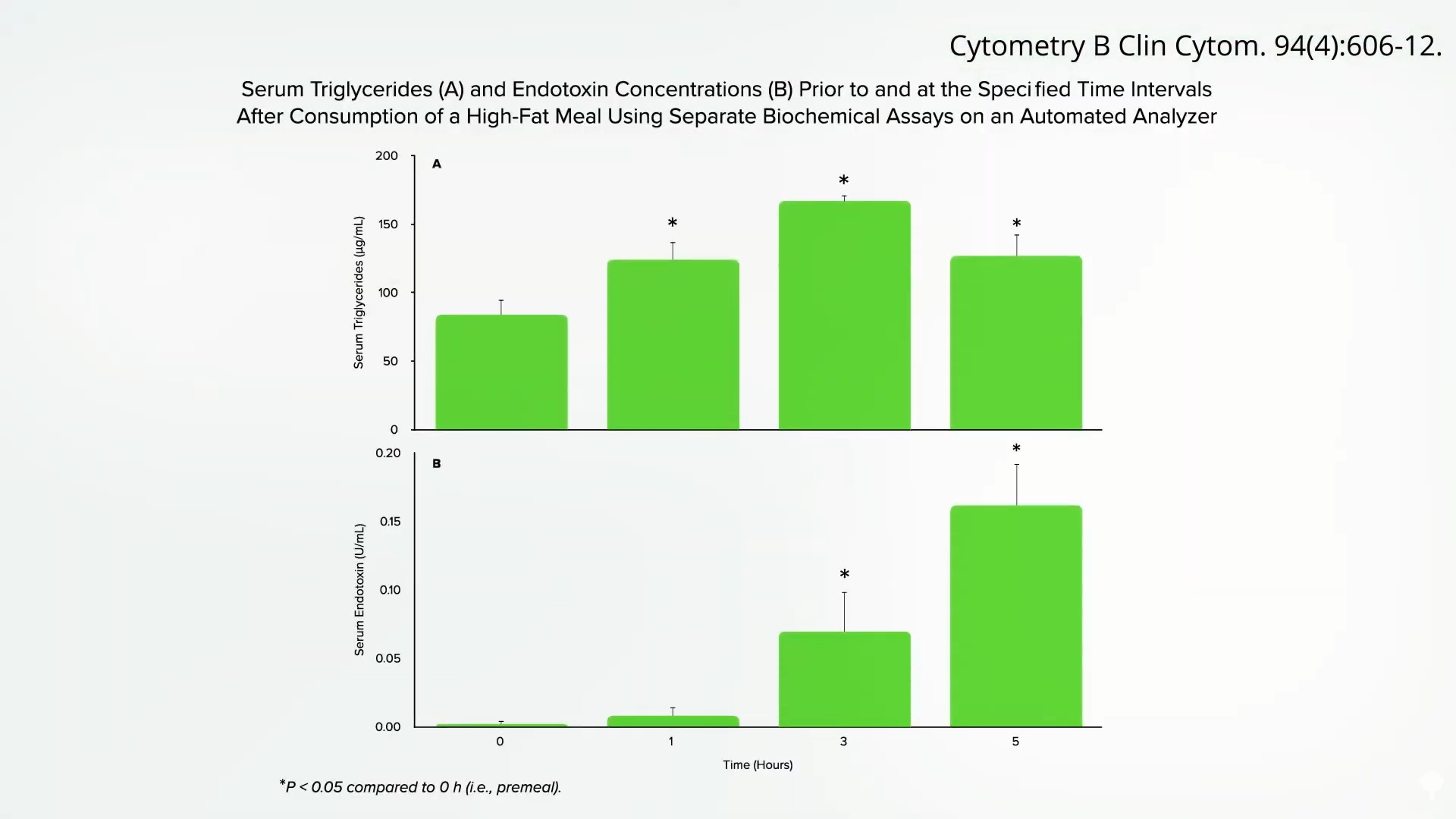
For some time, a significant part of the inflammatory response observed after high-fat meals was attributed to endotoxins. Endotoxins are lipopolysaccharide components of the outer membrane of gram-negative bacteria. Foods like meat, both red and white, can be contaminated with bacteria (alive and dead) and their endotoxins. It was hypothesized that these endotoxins, absorbed from the gut into the bloodstream, could trigger a systemic inflammatory response. Indeed, studies have shown elevated endotoxin levels in the blood after high-fat meals, suggesting a possible link.
However, more recent research, published around 2020, has refined this understanding. While endotoxins may play a role, evidence increasingly suggests that the fat itself, particularly saturated fat, may be the primary culprit in inducing inflammation. The saturated fatty acids floating in the blood after an unhealthy meal appear to induce inflammation more directly, possibly by activating specific immune receptors (e.g., Toll-like receptors) on various cells. This mechanism suggests that even in the absence of significant bacterial contamination, the fat content alone is sufficient to provoke a strong inflammatory reaction. Regardless of whether endotoxins or the fat itself is the main driver, the consistent finding is that high-fat meals lead to a rapid increase in systemic inflammation, making individuals acutely responsible for shaping their risk factors for chronic metabolic disease with every meal.
Official Responses and Broader Health Perspectives
The scientific findings regarding the immediate impact of high-fat meals resonate deeply with established public health recommendations and highlight ongoing challenges in dietary guidance. While there may not be specific "official responses" to individual studies, the cumulative weight of this research underpins broader health directives.
Public Health Recommendations and Dietary Guidelines
The consistent evidence of rapid arterial impairment and systemic inflammation following high-fat meals strongly supports current public health recommendations to limit the intake of saturated and trans fats. Organizations such as the American Heart Association (AHA), the World Health Organization (WHO), and national dietary guidelines universally advise reducing consumption of processed meats, high-fat dairy, and foods rich in saturated and industrially produced trans fats. These guidelines emphasize a diet rich in whole, unprocessed foods, including fruits, vegetables, whole grains, lean proteins, and healthy fats. The immediate physiological damage demonstrated by studies provides a compelling rationale for these recommendations, moving beyond the traditional focus on long-term cholesterol levels to emphasize acute post-meal effects that contribute to chronic disease over time. These findings underscore that dietary advice is not arbitrary but rooted in demonstrable biological responses that begin almost immediately after eating.
Industry Perspectives and Dietary Trends
Despite the clear scientific consensus on the detrimental effects of high-fat, processed foods, there remains a significant disconnect in public perception and industry practices. The fast-food industry, a major purveyor of the types of meals shown to cause rapid physiological harm, continues to thrive on marketing convenience and taste, often without adequately addressing the nutritional implications. Similarly, popular dietary trends, such as the "butter is back" narrative or ketogenic diets that heavily feature saturated fats, sometimes gain traction despite contradicting established scientific evidence regarding cardiovascular health. These trends often cherry-pick certain studies or misinterpret complex nutritional science, leading consumers to believe that high-fat consumption is benign or even beneficial. The challenge for public health lies in effectively communicating the immediate, tangible harms of such dietary patterns against powerful marketing campaigns and pervasive misinformation.
The "After-a-Meal" State: A Modern Epidemic
The fact that most individuals spend approximately 16 hours a day in an "after-a-meal" state carries profound implications for public health. If a significant portion of these post-meal periods involves heightened inflammation and arterial dysfunction due to high-fat meals, it paints a grim picture of continuous physiological stress. This chronic, low-grade inflammation is a known driver of numerous chronic diseases, not just cardiovascular disease, but potentially diabetes, certain cancers, and neurodegenerative conditions. The prevalence of cardiovascular disease as the number one killer globally is not merely a consequence of aging or genetics but is heavily influenced by sustained dietary habits that constantly "hammer" our internal systems. Recognizing this persistent postprandial stress as a modern epidemic necessitates a re-evaluation of our eating patterns and a greater emphasis on nutrient-dense, anti-inflammatory whole foods.
Implications for Long-Term Health and Lifestyle Choices
The immediate and profound physiological responses to high-fat meals carry significant implications for long-term health, underscoring the critical importance of daily dietary choices.
Preventing Chronic Metabolic Disease
The rapid onset of arterial dysfunction, oxidative stress, and systemic inflammation after a single high-fat meal highlights the cumulative nature of dietary choices in shaping health outcomes. Each meal serves as an opportunity to either protect or damage our internal systems. Consistent consumption of high-fat, processed foods perpetuates a state of chronic low-grade inflammation that is a fundamental driver of chronic metabolic diseases, including atherosclerosis, type 2 diabetes, and hypertension. By understanding these immediate effects, individuals are empowered to make more informed decisions, recognizing that preventing chronic disease is not just about avoiding future problems but about mitigating ongoing damage occurring with every meal. The responsibility for long-term health truly rests on the meal-by-meal choices we make.
Beyond the Heart: Systemic Impact
While cardiovascular health is a primary concern, the research clearly indicates that the adverse effects of high-fat meals extend beyond the heart. The observed increase in lung inflammation, even in healthy individuals, suggests a broader systemic impact that could affect various organ systems over time. Chronic inflammation is a shared pathway for many non-communicable diseases. Therefore, dietary patterns that trigger acute inflammatory responses could contribute to a range of health issues, including exacerbating autoimmune conditions, impairing cognitive function, and potentially influencing cancer risk. This holistic view reinforces the idea that diet is a foundational pillar of overall health, affecting virtually every cell and system in the body.
Empowering Dietary Decisions
The insights gleaned from this research serve as a powerful tool for empowering individuals to make healthier dietary decisions. Rather than relying on abstract, long-term health warnings, the evidence of immediate physiological damage offers a more tangible and relatable consequence. Choosing whole, unprocessed foods, significantly reducing saturated fats, and increasing the intake of plant-based meals are not merely recommendations for future health but strategies to protect the body today. Incorporating foods known to protect arteries from saturated fat, as explored in related discussions, can further mitigate potential harm. Furthermore, regular physical activity has been shown to offer some protection against the immediate negative effects of fast food, offering another layer of defense. By understanding the acute responses to food, individuals can actively work to minimize their time spent in a state of post-meal inflammation, thereby fostering greater well-being and longevity. The "Doctor’s Note" and accompanying videos on topics like "Exercising to Protect Your Arteries from Fast Food" and "Foods to Help Protect Your Arteries from Saturated Fat" provide valuable resources for those seeking to translate this scientific understanding into actionable lifestyle changes. The journey to better health begins with the very next meal.