Beyond Indulgence: Can Smart Food Choices Buffer the Blow of Unhealthy Meals?
In an age of convenience and culinary temptations, a pervasive question lingers in the minds of health-conscious individuals: if one succumbs to an unhealthy indulgence, can strategically chosen accompanying foods mitigate the potential damage? The pursuit of this dietary "undo button" has spurred extensive scientific inquiry, revealing a complex interplay between what we eat and how our cardiovascular system responds. Emerging research points towards a compelling truth: while a consistently wholesome diet remains paramount, certain plant-based powerhouses possess remarkable properties that can acutely bolster arterial function, offering a glimpse into a world where informed choices can indeed help buffer the physiological impact of less-than-ideal meals.
This article delves into the scientific evidence surrounding dietary mitigation strategies, focusing on the immediate and long-term effects of various food groups on vascular health. From the profound differences observed between vegetarian and meat-eating diets to the acute protective effects of specific nuts and berries, we explore the mechanisms at play and the practical implications for navigating our modern food landscape.
Main Facts: The Stark Divide in Vascular Health
The journey to understanding dietary mitigation begins with a fundamental comparison of dietary patterns and their long-term impact on arterial health. The findings are not merely significant; they are transformative, highlighting the profound influence of food choices on our most vital circulatory pathways.
The Vegetarian Advantage: A Four-Fold Difference in Artery Function
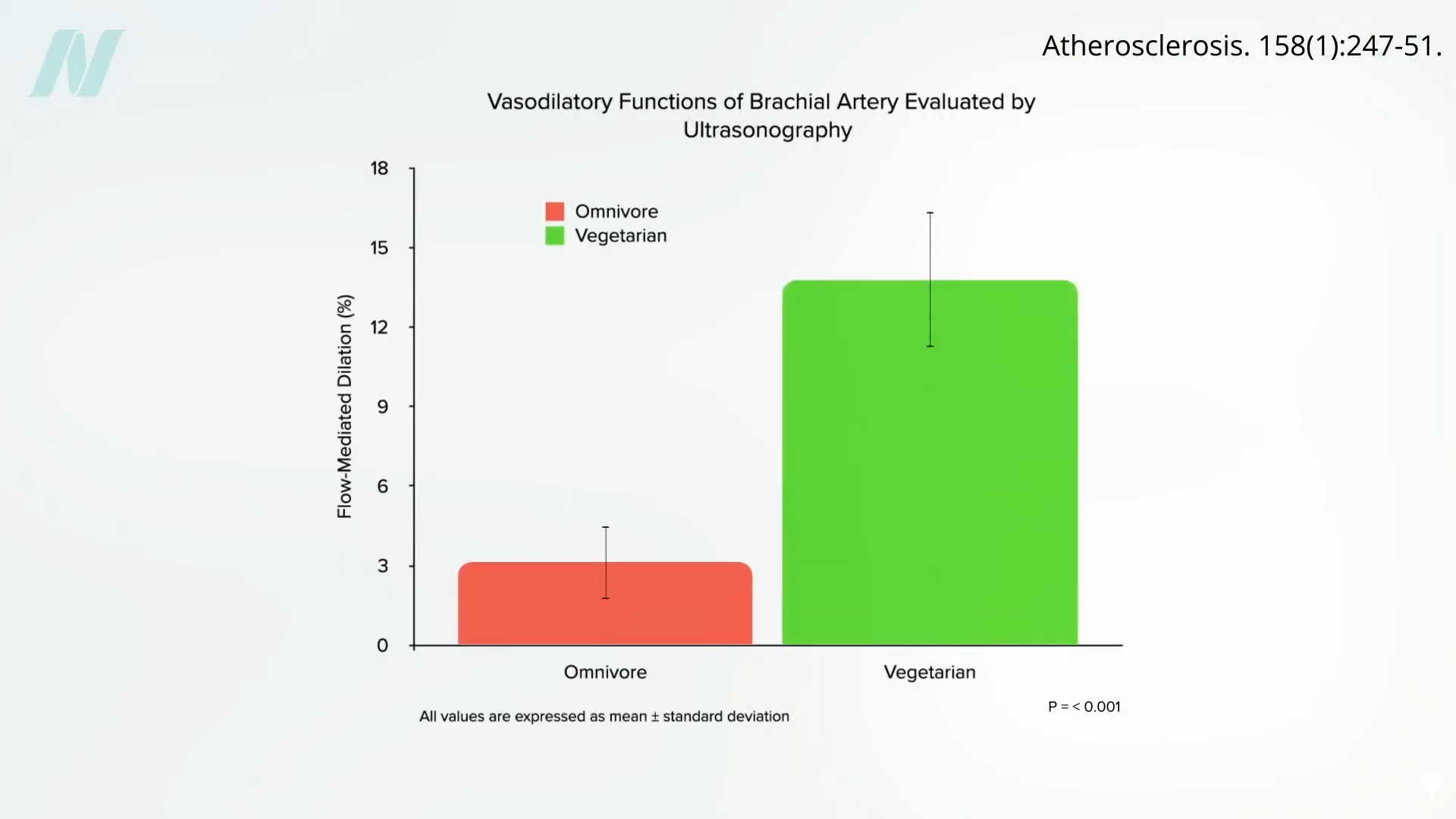
A seminal study comparing the artery function of vegetarians and meat-eaters unveiled a striking disparity. The healthy ability of arteries to dilate – to expand and allow increased blood flow – was found to be significantly superior among those adhering to a vegetarian diet. This wasn’t a marginal difference; researchers observed that vegetarians exhibited artery function that was an astounding four times better than their meat-eating counterparts. This remarkable physiological resilience underscores a deep-seated benefit of plant-centric eating patterns on the vascular system. The capacity for arteries to dilate efficiently is a critical indicator of cardiovascular health, directly influencing blood pressure regulation and the overall burden on the heart. Impaired dilation, known as endothelial dysfunction, is an early and key precursor to atherosclerosis, heart attacks, and strokes. (As illustrated in the video, "Foods to Help Protect Your Arteries from Saturated Fat" at the 0:24 mark, and referenced in this study).
Beyond Lifestyle: Isolating the Dietary Impact
Critics often argue that vegetarians tend to be healthier across the board – younger, less likely to smoke, slimmer, and with lower rates of diabetes, high cholesterol, high blood pressure, and heart disease. However, the researchers behind this pivotal study anticipated these confounding factors. They meticulously controlled for them, carefully selecting a cohort of healthy non-smokers. Furthermore, they recruited a group of meat-eaters who were similarly lean, exhibited comparable blood pressure readings, and possessed nearly identical cholesterol levels to their vegetarian counterparts.
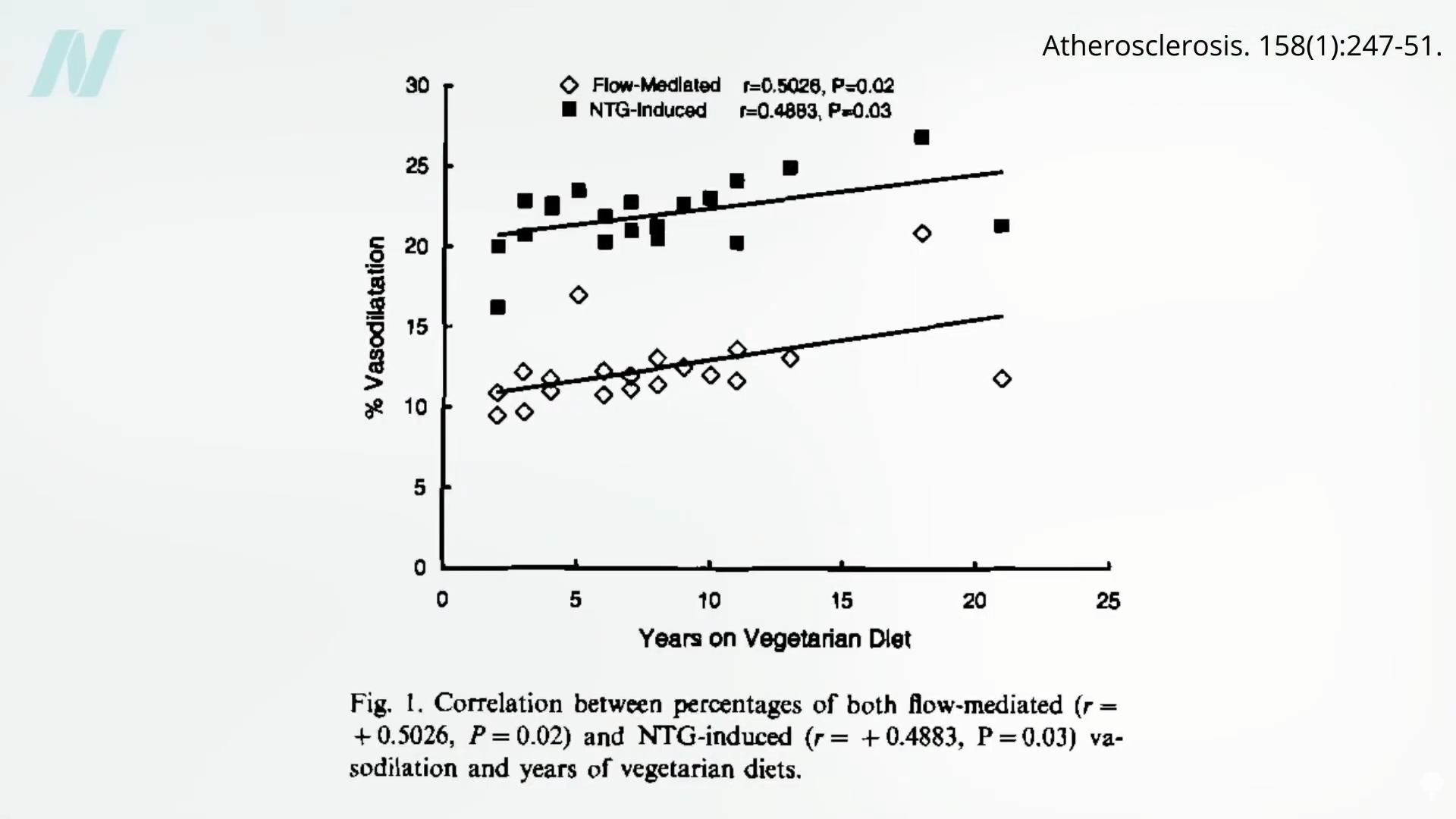
Despite this rigorous equalization of other health metrics, the "healthy omnivores" still found their arteries significantly outmatched by those of the vegetarians. This robust control strongly suggests that the observed differences were not merely due to overall healthier lifestyles but were a direct consequence of dietary choices. The study further revealed a dose-response relationship: the longer an individual had maintained a meat-free diet, the better their artery function. Instead of artery function naturally worsening with age, it actually improved the longer participants adhered to a vegetarian diet (a trend visible at 1:03 in the same video and supported by the research). This sustained improvement strongly suggests that vegetarian diets, independent of other lifestyle factors, exert a direct and profoundly beneficial effect on artery function, thereby helping to explain the lower rates of atherosclerosis and cardiovascular mortality seen in plant-based populations.
The Culprit: Animal Fat vs. Plant Power
With the clear advantage of vegetarian diets established, the scientific focus shifted to identifying the specific dietary components responsible for these profound effects. Was it simply the absence of harmful elements in meat, or the presence of beneficial compounds in plant foods?
Early investigations into the acute effects of meals on artery function provided critical clues. Researchers compared two distinctly "junky" meals: a fast-food breakfast combo of Egg McMuffin, Sausage McMuffin, and hash brown patties against a sugary cereal meal of Frosted Flakes. The findings were stark: the fatty fast-food meal significantly impaired artery function within hours of consumption, whereas the sugary cereal meal did not. Initially, fat was implicated as the primary culprit. However, further research began to differentiate between types of fat. High-fat whole plant foods, such as nuts, were shown not to induce the same detrimental effects. In fact, a systematic review of randomized controlled trials on nut consumption revealed that nuts actually lead to significant improvements in artery function over time (BMJ Open). This distinction highlighted that it might not be all fat, but specifically animal fat, that poses a more immediate threat to vascular health.
Chronology of Discovery: Unpacking the Protective Power of Plants
The scientific understanding of how diet impacts arterial health has evolved over decades, moving from broad observations to precise identifications of protective compounds and foods. This chronological progression has illuminated a clearer path towards optimizing cardiovascular well-being.
Early Insights: The Artery-Crippling Effect of Animal Products
The initial observations that sparked this line of inquiry were the direct comparisons of arterial health between vegetarians and meat-eaters, as well as the immediate negative impact of high-fat, animal-based fast food meals on endothelial function. These early studies laid the groundwork, demonstrating a clear and rapid response of the arteries to specific dietary inputs. The impairment of arterial function within hours of consuming a meal rich in animal fats was a critical discovery, suggesting that even a single meal could trigger a cascade of events detrimental to vascular health. This realization shifted the perspective from solely long-term dietary patterns to the acute physiological responses occurring after each meal, underscoring the importance of every food choice.
The Rise of Superfoods: Nuts and Berries Emerge as Protectors
With the understanding that animal fats could acutely cripple arteries, researchers began to investigate whether specific plant foods could offer protection or even reverse some of this damage. This led to the identification of several "superfoods" with demonstrable vascular benefits.
Nuts: The focus quickly turned to nuts, a source of healthy plant fats. A pivotal question arose: could nuts counteract the artery-crippling effects of an unhealthy meal, such as a salami sandwich? The answer proved to be nuanced, distinguishing between different varieties. Walnuts, often hailed for their omega-3 fatty acids and polyphenols, demonstrated a remarkable capacity to counteract these detrimental effects. Almonds, while healthy in their own right, did not show the same protective power in this specific context (study). This led to the evocative analogy that walnuts are "the blueberries of nuts," implying a superior, perhaps unique, vascular benefit within their food category.
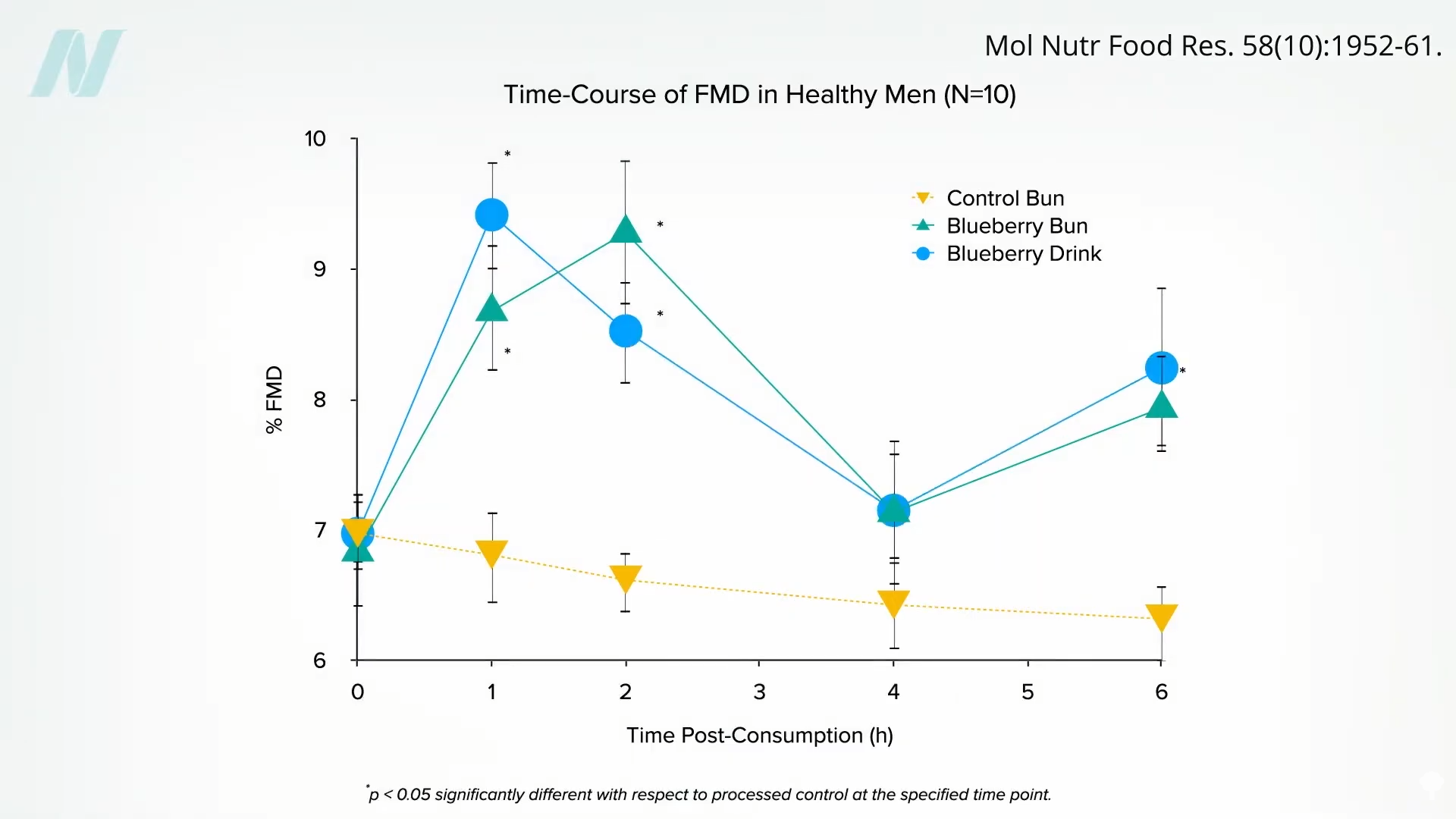
Berries: If walnuts were the "blueberries of nuts," then blueberries themselves surely held a special place. Indeed, randomized, controlled crossover trials confirmed their exceptional status. One study tested the effects of cooked blueberries, raw blueberries, or no blueberries when added to an unhealthy bun made from white flour, eggs, butter, and salt – essentially a sugar and egg-laden pastry. The control group, consuming the bun alone, experienced a gradual drop in artery function over the subsequent six hours. However, when the equivalent of a cup of wild blueberries was incorporated into that same bun, a significant boost in artery function was observed. The vascular response was almost as robust as if the blueberries had been consumed purely with water (as seen at 2:57 in the video and detailed in this study). This dramatic protective effect, even in the context of an otherwise unhealthy meal, solidified blueberries’ reputation as a powerful vascular protector.
Other berries also demonstrated significant benefits. About the same amount of strawberries, however, failed to rescue artery function from an extremely heavy load of two cheese blintzes, whipped cream, sugary syrup, egg, and bacon (study). This highlights that while powerful, even superfoods have their limits when pitted against an overwhelming assault of unhealthy ingredients.
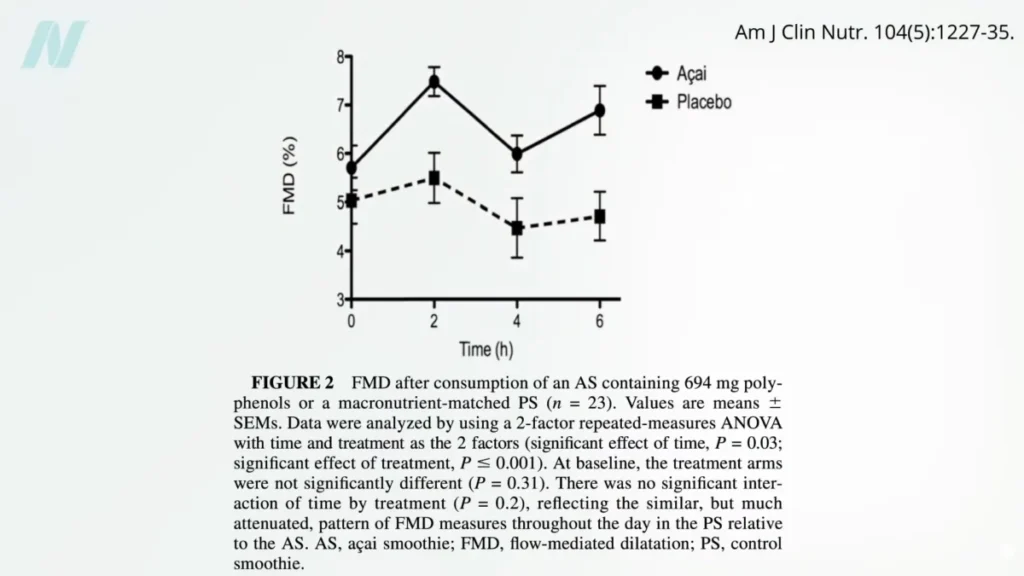
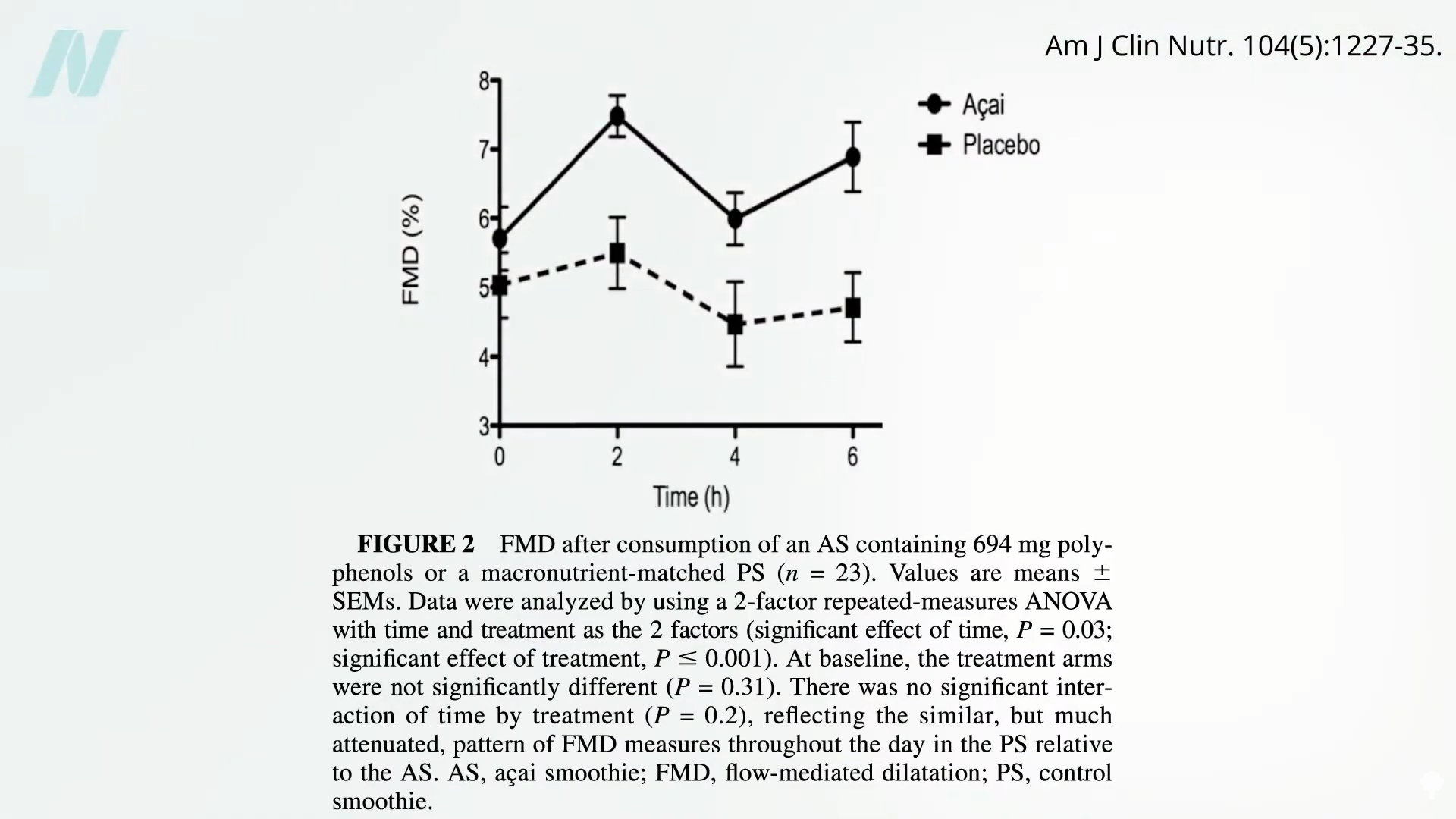
Acai berries also showed promise. When one and a half frozen acai smoothie packs, blended with half a small banana in water, were consumed, they significantly rehabilitated arterial function compared to a control smoothie (as shown at 3:20 in the video and in this study).
Raspberries further cemented the role of berries in vascular health. A rigorous double-blind, randomized, controlled trial investigated the effects of frozen red raspberries. Participants consumed either a smoothie containing about ¾ cup or 1½ cups of raspberries blended with water, or a placebo drink designed to mimic the color and taste. The placebo had no effect, but both raspberry doses improved artery function, with benefits observed at both 2 and 24 hours (as seen at 3:56 in the video and detailed in this study). Interestingly, the ¾ cup dose appeared to be as effective as the 1½ cups dose, suggesting a plateau effect after about a cup, a pattern also observed with blueberries (study). The bottom line is that "dietarily achievable amounts of red raspberries acutely improve" artery function for up to 24 hours. While the acute increase might be modest (around 1% by day’s end), at a population level, each 1% increase in artery function is associated with a significant 12% reduction in the risk of cardiovascular events like heart attacks or strokes (study).
Juice vs. Whole Food: A Nuanced Picture
The success of whole berries naturally led to inquiries about berry juices. Could the concentrated power of berries in liquid form offer similar benefits? Researchers tested five different concentrations of cranberry juice against a placebo. The results were encouraging: the 25% cranberry juice drink provided a small boost to artery function at two hours, and the 50% juice showed effects lasting eight hours. Higher concentrations (75%, nearly pure, and ultraconcentrated) also improved artery function within hours of consumption (as seen at 4:52 in the video and in this study). However, it’s crucial to note that these studies, much like the raspberry study, involved consuming the juices alone, not in conjunction with an artery-crushing meal.
When berry juice was tested against the backdrop of a high-fat meal, the results were less optimistic. A cocktail of grapes, blueberries, strawberries, lingonberries, and black aronia berries, while potent on their own, failed to significantly mitigate the artery dysfunction caused by a high-fat meal (study). This suggests that while berries can improve artery function when consumed alone, their ability to fully counteract the profound negative impact of a very unhealthy meal is limited.
The same pattern emerged with other popular beverages. Study participants consumed a high-fat meal of ham and cheese croissants alongside either water, orange juice, green tea, or red wine. The croissants predictably impaired arterial function. Disappointingly, neither orange juice, green tea, nor red wine offered any significant protective effect (study). This led to the pragmatic conclusion that it’s probably best to avoid such high-fat meals in the first place, rather than relying on drinks to undo the damage.
Furthermore, a concerning finding emerged regarding orange juice: drinking it with a fatty meal could actually exacerbate the problem. When participants consumed bacon and cheese muffins with or without orange juice, the juice led to a longer period of elevated fat levels in the blood (study). This is likely because the body preferentially burns the rapidly absorbed free sugars in the juice (sugars not encased in the fiber matrix of whole fruit) for energy, leaving the dietary fat to circulate longer and potentially be stored. This highlights a critical distinction between whole fruits and their juice counterparts.
Supporting Data: The Mechanisms Behind Vascular Resilience
Understanding why certain foods impact artery function requires a deeper dive into the physiological mechanisms governing cardiovascular health. The observed benefits of plant-based diets and specific "superfoods" are rooted in complex biological processes.
Endothelial Function: The Heart of the Matter
At the core of healthy arteries lies the endothelium, a thin layer of cells lining the inner surface of blood vessels. This endothelium is far from a passive lining; it’s a dynamic organ that plays a crucial role in vascular tone, blood clotting, and inflammation. A key function of the endothelium is the production of nitric oxide (NO), a potent vasodilator. Nitric oxide signals the smooth muscle cells in the artery walls to relax, allowing the vessel to widen and blood to flow more freely. When the endothelium is healthy and produces sufficient NO, arteries can dilate effectively, ensuring optimal blood supply to tissues and organs.
Conversely, endothelial dysfunction – characterized by impaired NO production and reduced vasodilation – is a hallmark of early cardiovascular disease. It contributes to hypertension, atherosclerosis (hardening of the arteries), and increases the risk of heart attack and stroke. The superior artery function observed in vegetarians, and the acute improvements seen with berries and walnuts, are primarily attributed to their ability to enhance endothelial function and boost nitric oxide bioavailability.
Phytochemicals and Antioxidants: Plant-Based Defense
Whole plant foods are rich in an array of bioactive compounds known as phytochemicals, which include polyphenols, flavonoids, and anthocyanins. These compounds are powerful antioxidants and anti-inflammatory agents.
- Antioxidant Action: Oxidative stress, caused by an imbalance between free radical production and the body’s ability to neutralize them, damages endothelial cells and impairs NO function. The antioxidants in berries (especially anthocyanins, which give them their vibrant colors) and walnuts (e.g., ellagic acid, various phenolic acids) scavenge these harmful free radicals, protecting the endothelium from damage.
- Anti-inflammatory Effects: Chronic low-grade inflammation is another major driver of atherosclerosis. Many plant phytochemicals possess potent anti-inflammatory properties, reducing the expression of inflammatory markers and cytokines that would otherwise harm arterial walls.
- Nitric Oxide Enhancement: Beyond directly protecting the endothelium, some phytochemicals can directly stimulate nitric oxide synthase (the enzyme that produces NO) or protect NO from degradation, thereby increasing its bioavailability and promoting vasodilation. For instance, the polyphenols in blueberries have been shown to directly enhance NO production.
Fiber’s Role: Beyond Direct Artery Effects
While not always immediately apparent in acute vasodilation studies, the high fiber content of whole plant foods contributes significantly to long-term vascular health. Dietary fiber, particularly soluble fiber found abundantly in fruits, vegetables, and nuts, plays several indirect roles:
- Cholesterol Reduction: Soluble fiber binds to cholesterol in the digestive tract, preventing its absorption and leading to lower LDL ("bad") cholesterol levels, a major risk factor for atherosclerosis.
- Blood Sugar Regulation: Fiber slows down the absorption of sugars, preventing sharp spikes in blood glucose and insulin levels. Chronic hyperglycemia and hyperinsulinemia are detrimental to endothelial function.
- Gut Microbiome Modulation: Fiber serves as a prebiotic, feeding beneficial gut bacteria. A healthy gut microbiome produces short-chain fatty acids (SCFAs) that have anti-inflammatory effects and can positively influence cardiovascular health.
The Downside of Processed Sugars and Animal Fats
Conversely, the negative impacts observed with animal fats and rapidly absorbed sugars are also mechanistically understood:
- Saturated and Trans Fats: These fats, prevalent in many animal products and processed foods, can increase LDL cholesterol, promote inflammation, and directly impair endothelial function. They can also contribute to postprandial lipemia (elevated fats in the blood after a meal), which is independently associated with arterial stiffness.
- Free Sugars: While whole fruits are beneficial, the rapidly absorbed free sugars in fruit juices (devoid of fiber) can lead to rapid spikes in blood glucose and insulin. Over time, this can contribute to insulin resistance, inflammation, and oxidative stress, all of which damage the endothelium. The observation that orange juice exacerbated fat levels after a fatty meal highlights how the body prioritizes burning readily available simple sugars, potentially delaying the metabolism and clearance of harmful fats.
Official Responses and Expert Perspectives: A Call for Dietary Rethink
The accumulating body of evidence regarding diet and vascular health has significant implications for public health and challenges conventional nutritional wisdom.
Shifting Paradigms in Nutritional Science
For decades, nutritional science often focused on single nutrients – fat, sugar, protein – and calorie counting. However, the findings on arterial function, particularly the profound benefits of whole plant foods and the acute harms of certain animal products, underscore a paradigm shift. The emphasis is increasingly moving towards whole food patterns and the synergistic effects of various compounds within complex food matrices. It’s not just about what’s missing (e.g., saturated fat) but also what’s present (e.g., polyphenols, fiber) in the diet. This holistic view recognizes that foods are more than the sum of their individual nutrients.
Public Health Implications: Guidelines and Recommendations
These research findings directly inform and strengthen public health guidelines. Major health organizations worldwide, including the American Heart Association and national dietary guidelines, consistently recommend increasing the intake of fruits, vegetables, nuts, and whole grains. The evidence on superior artery function in vegetarians, and the protective effects of berries and walnuts, provides robust scientific backing for these recommendations. There’s a growing consensus that adopting a predominantly plant-based diet is one of the most powerful strategies for preventing and managing cardiovascular disease. This isn’t about promoting strict veganism for everyone, but advocating for a significant shift towards plant-rich eating for the general population.
The "Mitigation" Dilemma: Prevention Over Cure
While the initial question explored the possibility of "mitigating damage," the scientific consensus leans heavily towards prevention as the superior strategy. While certain foods like blueberries or walnuts can acutely improve artery function and buffer some immediate negative impacts of an otherwise unhealthy meal, they are not a "cure" or a license for indiscriminate indulgence. The strawberry study, where even a substantial amount failed to rescue arteries from an extremely heavy, unhealthy meal, illustrates this limitation.
Experts emphasize that consistently consuming a diet rich in whole, unprocessed plant foods is the most effective way to maintain long-term vascular health. Relying on "superfoods" to justify frequent consumption of artery-crippling meals is a misinterpretation of the science. These protective foods work best within the context of an overall healthy diet, where they can contribute to cumulative benefits rather than being seen as isolated antidotes. The goal is to build resilience, not merely to react to damage.
Implications for Daily Life and Future Research
The insights gained from these studies offer valuable guidance for individuals seeking to optimize their cardiovascular health and open new avenues for scientific exploration.
Empowering Dietary Choices: Practical Takeaways
For the average consumer, the message is clear and actionable:
- Prioritize Whole Plant Foods: Make fruits, vegetables, nuts, seeds, legumes, and whole grains the foundation of your diet.
- Embrace Berries and Walnuts: Incorporate "dietarily achievable amounts" (around a cup) of blueberries, raspberries, acai, and walnuts into your daily routine. These can be added to breakfast cereals, smoothies, salads, or consumed as snacks.
- Distinguish Between Whole Foods and Processed Forms: Opt for whole fruits over juices, as the fiber in whole fruits is crucial for slowing sugar absorption and providing comprehensive benefits. Be wary of highly processed "health" foods, even if they contain some beneficial ingredients.
- Understand the Limits of Mitigation: While specific plant foods can acutely improve arterial function, they cannot entirely negate the chronic damage caused by a consistently unhealthy diet. The ultimate goal should be to reduce the frequency and severity of "artery-crippling" meals.
- Focus on Overall Dietary Patterns: A predominantly plant-based, whole-food diet is the most effective strategy for long-term vascular health, rather than relying on individual "superfoods" as quick fixes.
The Promise of Precision Nutrition
Future research will likely delve deeper into the nuances of individual responses to dietary interventions. The field of precision nutrition aims to understand how genetic makeup, gut microbiome composition, and lifestyle factors influence an individual’s unique response to specific foods. This could lead to personalized dietary advice, optimizing the intake of protective compounds for each person. Further studies might also explore the synergistic effects of various plant compounds, identifying optimal combinations and dosages for maximal vascular benefit.
A Holistic View of Health
Finally, it’s crucial to remember that diet is just one pillar of health. While undeniably powerful, its effects are intertwined with other lifestyle factors. Regular physical activity, adequate sleep, stress management, and avoidance of smoking are all indispensable components of a comprehensive approach to cardiovascular well-being. The "Doctor’s Note" in the original context, referencing articles like "How a Single Meal Can Cripple Your Arteries and Lungs" and "Can Exercise Counteract a High-Fat Meal?", reinforces this holistic perspective. True health resilience is built through a multifaceted commitment to well-being.
Conclusion: The Unmistakable Message of Vascular Health
The scientific evidence presents an unmistakable message: our dietary choices wield profound power over the health of our arteries. A diet rich in whole, unprocessed plant foods, particularly berries and walnuts, not only fosters long-term vascular resilience but can also offer acute protective effects against some of the immediate harms of less healthy meals. While the allure of a dietary "undo button" is strong, the research ultimately guides us towards a more proactive stance: consistent, conscious food choices that prioritize plants are the most effective pathway to safeguarding our cardiovascular health. In a world saturated with dietary options, the clarity of science empowers us to make choices that nourish, protect, and enhance our most vital circulatory pathways.