Unpacking the Controversy: A Deep Dive into Conflicting Dietary Guidelines on Meat Consumption
Introduction: A Collision of Scientific Perspectives and Public Health Advice
For decades, public health organizations worldwide have consistently advised reducing the consumption of red and processed meats, citing substantial evidence linking them to increased risks of chronic diseases. This long-standing consensus, however, was dramatically challenged in September 2019 when a series of papers published in the prestigious Annals of Internal Medicine concluded that adults should "continue current consumption of unprocessed red meat and processed meat." These controversial guidelines, developed by a self-appointed panel known as NutriRECS, sparked an immediate and fervent backlash from the scientific community, igniting a critical debate over methodological rigor, conflicts of interest, and the fundamental principles guiding public health recommendations.
At the heart of the controversy lies a stark divergence in how scientific evidence is evaluated and interpreted, particularly concerning complex dietary and lifestyle factors. While acknowledging many of the established risks associated with meat consumption, the NutriRECS panel’s recommendations appeared to prioritize personal preference over documented health outcomes, leading many experts to question the integrity and validity of their conclusions. This article delves into the intricacies of this contentious issue, dissecting the main facts, tracing the chronology of events, examining the supporting data and methodological choices, analyzing the official responses and alleged industry ties, and exploring the profound implications for public trust in dietary guidelines and the future of nutritional science.
Main Facts: The Startling Conclusions that Shook the Nutritional World
The 2019 NutriRECS guidelines delivered a message that ran directly contrary to decades of public health messaging, advising individuals not to alter their current consumption levels of red and processed meats. This recommendation landed like a bombshell, particularly given the growing body of evidence, much of it acknowledged even within the NutriRECS papers, pointing towards significant health risks.
The Industry’s Own Alarm Bell: Undeniable Risks
Perhaps one of the most striking elements of this entire saga is the recognition that even the meat industry’s own internal studies and broader scientific literature have consistently highlighted the adverse health effects of high meat consumption. Independent analyses, often referencing the same foundational research, have repeatedly concluded that increased meat consumption elevates the risk of serious health conditions, including various forms of cancer, heart disease, type 2 diabetes, and indeed, premature death. This widely accepted understanding forms the backdrop against which the NutriRECS recommendations must be viewed, making their conclusions all the more perplexing. The scientific community has largely converged on the understanding that reducing red and processed meat intake is a prudent measure for disease prevention.
The Annals of Internal Medicine Papers and Their Counter-Intuitive Advice
The core of the controversy stems from a series of papers published in the Annals of Internal Medicine in September 2019. These papers, spearheaded by the NutriRECS consortium, offered a conclusion that directly contradicted the public health advice that individuals have heard for years: "largely discounted all but the highest quality randomised studies" to suggest that people should continue their current consumption of red and processed meats. This bold departure from established dietary guidelines immediately drew widespread criticism, as it seemed to dismiss a vast body of epidemiological evidence that has informed public health policy for decades. The timing and prominence of the publication amplified the surprise and concern among nutrition scientists, public health advocates, and medical professionals globally.
The Underlying Health Risks (Even in the Controversial Study)
Crucially, even after applying their highly selective methodological criteria, the NutriRECS panel’s own meta-analyses could not entirely dismiss the health risks associated with meat consumption. Their findings, published within the same series of papers, still revealed an undeniable association between meat intake and an increased risk of cancer. More broadly, they found that adopting diets lower in red or processed meat consumption was associated with decreased risks for premature death, cardiometabolic disease and mortality (encompassing conditions like heart disease and type 2 diabetes), and the incidence of and mortality from cancer.
To quantify these potential benefits, their own data showed that a moderate reduction in red and processed meat consumption could lead to significant health improvements: a 13% reduction in total mortality, a 14% reduction in heart disease mortality, an 11% reduction in cancer mortality, and a substantial 24% reduction in type 2 diabetes risk. Despite these compelling findings of reduced risk for the leading causes of death and chronic illness, the panel inexplicably concluded in their dietary guideline recommendations to "continue current unprocessed red meat consumption" and "continue current processed meat consumption." This apparent cognitive dissonance—acknowledging significant risks while recommending no change in behavior—became a central point of contention for critics.
The "Taste Cost" Justification: Prioritizing Enjoyment Over Health
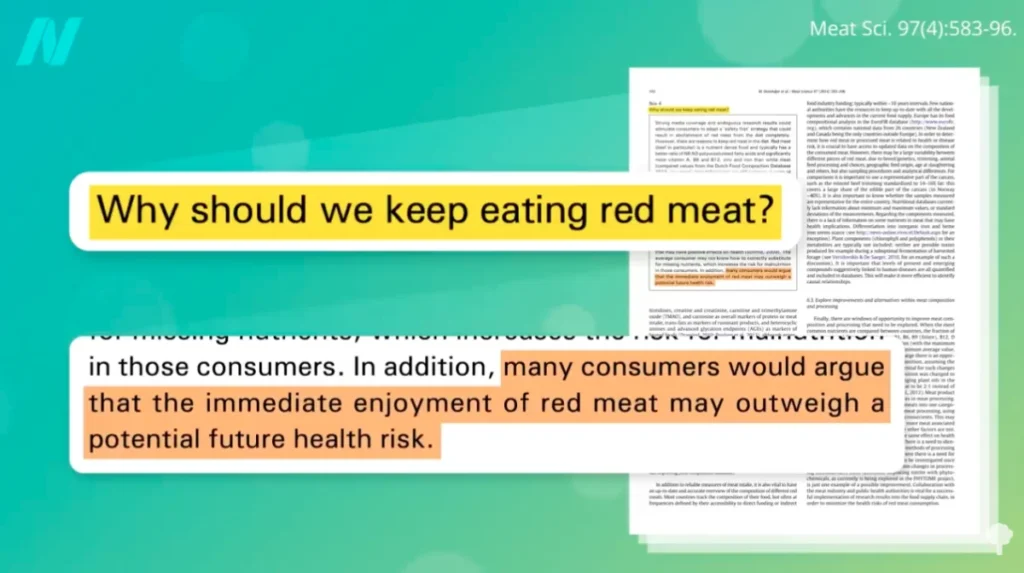
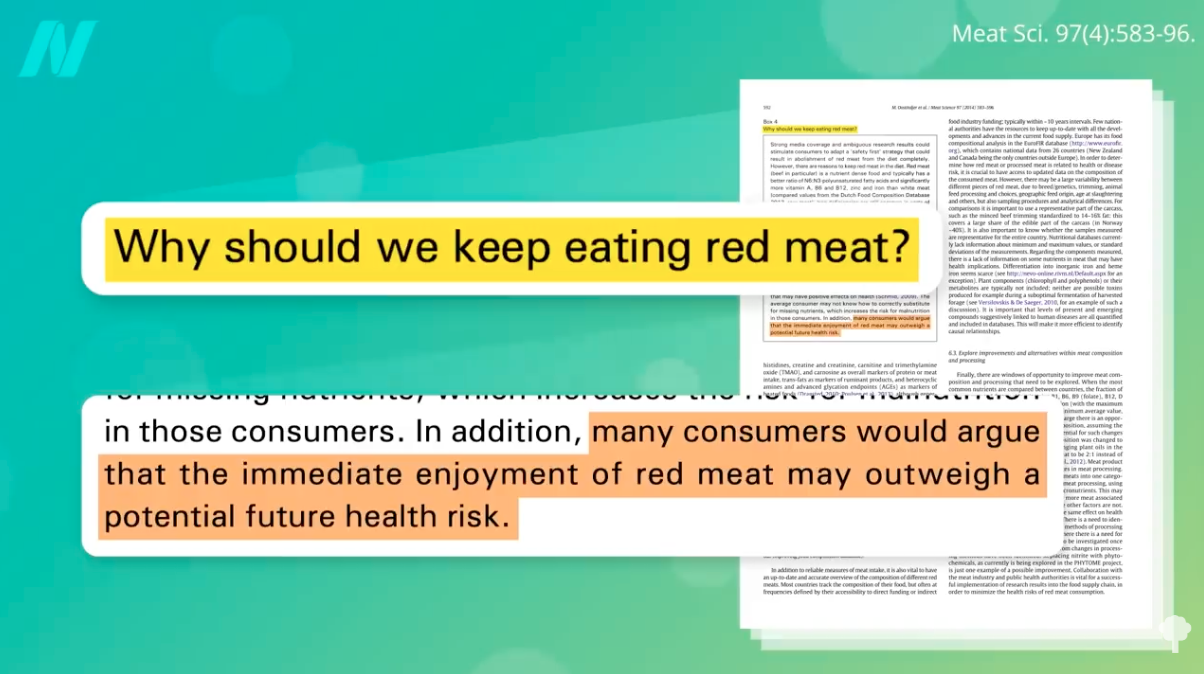
The rationale behind the NutriRECS panel’s seemingly contradictory recommendations proved to be as controversial as the recommendations themselves. The panel argued that for the majority of people, the "desirable effects" associated with reducing meat consumption—such as lowering the risk of devastating diseases like cancer and heart attacks—"probably do not outweigh the undesirable effects." These "undesirable effects" were primarily defined as the perceived loss of enjoyment or "taste cost" associated with giving up meat.
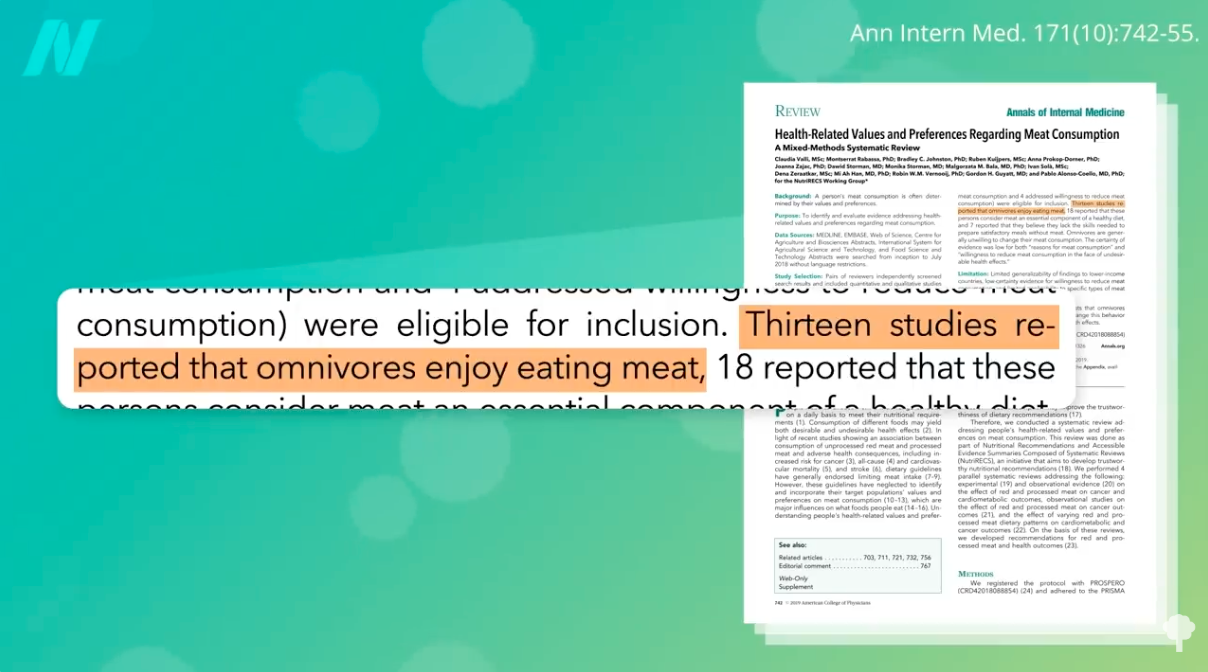
The panel explicitly stated their aim to produce nutritional guideline recommendations based on the "preferences of patients," going so far as to conduct a systematic review on preferences regarding meat consumption. This review, perhaps unsurprisingly, found that people who eat meat "enjoy eating meat" and are generally "unwilling to change their meat consumption," even in response to health concerns. This unprecedented emphasis on personal enjoyment and reluctance to change, rather than purely scientific evidence of health outcomes, marked a radical departure from traditional public health guideline development and fueled accusations of a profound ethical and scientific misstep.
Chronology of a Controversy: Tracing the Path of the NutriRECS Guidelines
The publication of the NutriRECS guidelines was not an isolated incident but rather a flashpoint in an ongoing debate about dietary advice, scientific methodology, and external influences on public health. Understanding the timeline and context is crucial to appreciating the depth of the controversy.
Pre-2019: Established Consensus and Growing Concerns
For many years leading up to 2019, major health organizations worldwide, including the World Health Organization (WHO), the American Cancer Society, the World Cancer Research Fund, and the American Heart Association, had consistently advised populations to limit or reduce their intake of red and processed meats. This consensus was built upon a vast body of observational studies, meta-analyses, and some intervention trials that demonstrated a consistent association between higher consumption of these foods and increased risks of colorectal cancer, cardiovascular disease, and type 2 diabetes. The evidence, while often not from randomized controlled trials (which are notoriously difficult to conduct for long-term dietary interventions), was considered robust enough to warrant public health recommendations for moderation or reduction.
September 2019: The Annals of Internal Medicine Publication and Immediate Fallout
On September 30, 2019, the Annals of Internal Medicine published the series of NutriRECS papers. Accompanying the publications was a press release that boldly declared, "No need to reduce red or processed meat consumption for good health." This direct and unequivocal statement, issued by a respected medical journal, immediately sent shockwaves through the scientific and medical communities. The papers themselves argued that the evidence linking meat consumption to disease was of "low certainty" when evaluated using their chosen methodology, and that the health benefits of reducing intake were too small to warrant a change in behavior, especially considering people’s enjoyment of meat.
The response was swift and overwhelmingly critical. Leading nutrition scientists, public health experts, and medical organizations expressed outrage and concern, accusing the NutriRECS panel of misinterpreting data, using flawed methodology, and issuing irresponsible advice that could jeopardize public health. The Harvard T.H. Chan School of Public Health, for instance, described the guidelines as "flawed" and "tantamount to promoting meat consumption, despite their own findings that high consumption is harmful to health."
Immediate Backlash and Expert Outcry
The scientific community’s backlash was unprecedented in its intensity. Prominent figures like Dr. David Katz, director of Yale’s Prevention Research Center, articulated the widespread dismay, stating that "Guidelines opposing the very data on which they purport to be based are not science; they are anti-science." He further drew stark analogies, suggesting that based on the same methodology and rationale, one might as well conclude, "No need to quit smoking for good health" or "No need to exercise for good health." Nutritionists across the globe "saw red" over the study, expressing alarm that such a prominent publication could disseminate advice that appeared to disregard the weight of scientific evidence and prioritize consumer preference over public health imperatives. The concern was that these guidelines would confuse the public, undermine trust in dietary recommendations, and ultimately lead to poorer health outcomes.
Subsequent Revelations and Scrutiny: Unveiling the Ties
In the days and weeks following the publication, further scrutiny revealed concerning details about the NutriRECS consortium and its lead author, Dr. Bradley Johnston. It came to light that the panel had received "generous support" from groups with direct financial ties to the meat industry, including organizations that receive millions annually from the industry. Furthermore, Dr. Johnston had previously published a paper criticizing sugar guidelines, a study that was later found to have been funded by the soda and candy industries. This pattern of industry-funded critiques of public health recommendations, particularly from the same lead researcher and consortium, solidified suspicions of potential bias and conflicts of interest. The revelations intensified calls for greater transparency in nutritional research and stricter policies regarding industry funding and author disclosures.
Supporting Data: The Methodological Underpinnings of the Dispute
The controversy surrounding the NutriRECS guidelines is deeply rooted in methodological choices and the interpretation of scientific evidence. The panel’s approach, particularly their use of the GRADE criteria, fundamentally shaped their conclusions and ignited a fierce debate within the scientific community.
The GRADE Criteria: A Misfit for Dietary Research?
A cornerstone of the NutriRECS panel’s methodology was their stringent application of the GRADE (Grading of Recommendations Assessment, Development, and Evaluation) criteria. GRADE is a widely respected framework for evaluating the certainty of evidence and the strength of recommendations, primarily designed for assessing interventions in clinical medicine, such as drug trials. For drug trials, the gold standard is randomized, double-blind, placebo-controlled trials, which can effectively isolate the effect of a single intervention.
However, applying the same strictness to dietary, lifestyle, and environmental factors presents significant challenges. It is notoriously difficult, often impossible, to conduct long-term, double-blind, placebo-controlled randomized trials for complex dietary patterns. How do you blind participants to whether they are eating meat or not? How do you control for all other dietary and lifestyle variables over decades? Consequently, much of the robust evidence for dietary and lifestyle recommendations comes from large-scale prospective cohort studies and meta-analyses of such studies, which, while observational, can provide compelling insights into long-term health effects.
The critics argued that the "strictness of these criteria will probably cause evidence for just about every dietary, lifestyle, and environmental factor related to chronic disease to be graded as ‘low’ or ‘very low.’" Indeed, if the GRADE criteria were applied universally to evaluate the evidence for other critical public health recommendations—such as promoting high consumption of fruits and vegetables, limiting sugar-sweetened beverages, reducing alcohol intake, increasing physical activity, practicing safe sex, ensuring adequate sleep, avoiding passive smoking, or mitigating air pollution—none of the current, widely accepted recommendations on these issues would be supported by "high-" or even "moderate-quality" evidence according to the GRADE framework. This over-reliance on a tool ill-suited for the nuances of nutritional science led to the systematic "discounting" of major parts of the available, otherwise robust, evidence.
Meta-Analyses and Consistent Findings: The Unavoidable Risks
Despite their methodological filters, the NutriRECS panel’s own meta-analyses could not entirely escape the consistent findings of previous research. Even after "ignoring major parts of the available evidence," they still found an association between meat intake and an increased risk of cancer, as well as premature death and cardiometabolic diseases. Their own data showed that a moderate reduction in red and processed meat consumption could reduce total mortality by 13%, heart disease mortality by 14%, cancer mortality by 11%, and type 2 diabetes risk by 24%.
The critical point here is that "they’re not saying meat is less risky; they’re saying the risk… is acceptable for individuals." This represents a profound shift in the interpretation of scientific findings. Instead of presenting the objective health risks, the panel introduced a subjective judgment about what constitutes an "acceptable" risk for an individual, implicitly weighing it against other factors. This move from scientific assessment to a value judgment is what fundamentally distinguishes their guidelines from traditional public health recommendations, which typically focus on minimizing population-level health risks based on the best available evidence. The "one body of evidence" found by NutriRECS was, in essence, the "same risk that all the other reviews found," yet their conclusion diverged dramatically.
The "Preferences" Paradox: When Enjoyment Trumps Health
The most controversial aspect of the NutriRECS guidelines, however, was their explicit prioritization of "patient preferences" and the "enjoyment" people derive from eating meat. The panel conducted a systematic review to understand these preferences, concluding that "omnivores enjoy eating meat" and are generally "unwilling to change their meat consumption," even when faced with health concerns. Based on this, the panel believed that for the majority of people, the desirable effects of reducing meat consumption (e.g., lower disease risk) "probably do not outweigh the undesirable effects" (e.g., giving up "yummy meat"). This led directly to their recommendation to "continue current consumption."
Critics swiftly condemned this approach as unscientific and irresponsible for public health guidelines. As one commentator aptly put it, it’s "kind of like saying: We know [motorcycle] helmets can save lives, but some people still prefer the feeling of the wind in their hair." Should public health advice then tell people not to wear helmets? The argument that "complying with dietary recommendations therefore imposes a ‘taste cost’ on consumers" and that guidelines should "best balance health benefits against ‘taste cost’" was seen as a dangerous precedent. Following this logic, "even if science told us that eating butter is unhealthy, its taste justifies the continuation of using it." This effectively implies that pleasure should dictate public health policy, a notion that runs contrary to the very purpose of evidence-based health recommendations.
Official Responses and Industry Ties: Unveiling the Influences
The controversy surrounding the NutriRECS guidelines was further amplified by revelations about the panel’s composition, funding, and a perceived pattern of challenging established dietary advice, often with apparent ties to specific food industries.
NutriRECS: A Self-Appointed Panel with a Controversial Mandate
NutriRECS presented itself as an independent group aiming to produce nutritional guideline recommendations based on the "preferences of patients." However, critics quickly pointed out that it was a "self-appointed panel" with a mandate that seemed fundamentally at odds with traditional public health. The idea that patient preferences, particularly for pleasurable but potentially harmful foods, should dictate population-level dietary guidelines raised serious ethical questions. Should medical professionals advise patients to continue behaviors known to increase their risk of disease simply because they enjoy them? This approach, some argued, risks transforming medical advice into a consumer satisfaction survey, potentially leading to absurd recommendations like "telling people to eat donuts and ice cream all day."
Financial and Institutional Support: The Shadow of Industry Influence
Perhaps the most damaging revelation for the NutriRECS panel was the exposure of its financial and institutional ties to the meat industry. It was reported that the panel had received "generous support" from groups like Texas A&M AgriLife, an institution that itself receives millions of dollars annually from the meat industry. This direct or indirect funding created a clear perception of a conflict of interest, leading many to suspect that the guidelines were designed to serve industry interests rather than public health.
This was not an isolated incident. The lead author, Dr. Bradley Johnston, had previously published a critique of sugar guidelines, which was later revealed to have been funded by the soda and candy industries. This pattern strongly suggested a concerted effort to undermine public health recommendations that might negatively impact the sales of specific food sectors. The repetition of such conflicts of interest, involving the same key individuals and methodologies, severely eroded the credibility of the NutriRECS guidelines and intensified calls for rigorous scrutiny of funding sources in nutritional science.
The Annals of Internal Medicine‘s Role: Amplifying the Message
The Annals of Internal Medicine, a highly respected peer-reviewed journal, played a significant role by publishing the NutriRECS papers. While journals are expected to publish diverse viewpoints, the accompanying press release, which declared, "No need to reduce red or processed meat consumption for good health," was particularly criticized. This statement, amplifying the controversial conclusion without adequately contextualizing the methodological caveats or the strong counter-arguments from the broader scientific community, was seen as irresponsible. It lent an unwarranted air of authority to the NutriRECS findings and risked misinforming both the public and healthcare professionals. The journal’s decision to publish and promote these guidelines without a more robust editorial disclaimer or accompanying critical commentary was widely questioned.
Widespread Scientific Condemnation: "Anti-Science"
The condemnation from the broader scientific community was swift, widespread, and emphatic. Organizations such as the American Heart Association, the American Cancer Society, and the World Cancer Research Fund reiterated their existing recommendations to limit red and processed meat, directly contradicting the NutriRECS advice. Individual experts, like Dr. David Katz, minced no words, stating, "Guidelines opposing the very data on which they purport to be based are not science; they are anti-science." He powerfully illustrated the absurdity of the NutriRECS approach by drawing parallels to telling people there’s "no need to quit smoking for good health" or "no need to exercise for good health," given that these behaviors, too, are often enjoyed by individuals but carry significant, well-documented health risks. This collective outcry underscored the perception that the NutriRECS guidelines represented a dangerous departure from evidence-based public health principles.
Implications: Reshaping Public Trust and Dietary Advice
The NutriRECS controversy has far-reaching implications, extending beyond the specific debate about meat consumption. It touches upon fundamental issues of scientific integrity, public trust, and the very nature of public health guidance in a complex, information-saturated world.
Erosion of Public Trust in Dietary Guidelines
One of the most significant consequences of such conflicting advice, particularly when perceived as influenced by industry, is the erosion of public trust in dietary guidelines and scientific institutions. When a prominent journal publishes recommendations that directly contradict years of established public health advice, and these new recommendations are then linked to industry funding, it creates confusion and skepticism among the general public. People may become cynical about all dietary advice, struggling to discern credible information from biased messaging. This "information overload" can lead individuals to dismiss all recommendations, or selectively choose advice that aligns with their personal preferences, regardless of its scientific merit. Ultimately, this undermines public health efforts to combat diet-related diseases.
Challenges for Policymakers and Healthcare Professionals
The NutriRECS guidelines also pose substantial challenges for policymakers and healthcare professionals. How are dietitians, doctors, and public health officials expected to advise their patients and populations when a major medical journal publishes recommendations that directly contradict those from established health organizations? The conflicting messages can create uncertainty in clinical practice, making it difficult for healthcare providers to offer clear, consistent, and evidence-based advice. Furthermore, such controversies can complicate the development and implementation of national dietary guidelines, potentially leading to weaker recommendations or a lack of unified strategy in public health campaigns aimed at improving diet and preventing chronic diseases.
The Ethical Debate: Health Outcomes vs. Personal Preference
At its core, the NutriRECS controversy ignited a profound ethical debate about the role of public health. Should public health recommendations prioritize scientific evidence and long-term health outcomes, even if it means advising against behaviors that individuals enjoy? Or should guidelines be tailored to accommodate "patient preferences" and "taste costs," potentially at the expense of optimal health? Critics argued that public health’s mandate is to protect and improve population health, which often requires challenging popular but unhealthy habits. Allowing personal enjoyment to dictate health policy sets a dangerous precedent, implying that any unhealthy behavior can be justified if enough people enjoy it. The societal costs of diet-related diseases—including healthcare expenditures, lost productivity, and diminished quality of life—are immense, reinforcing the argument that public health advice must be grounded in robust evidence of health outcomes, not consumer preferences.
Future of Nutritional Research and Guideline Development
The controversy has highlighted the urgent need for greater transparency in funding and stricter conflict-of-interest policies within nutritional research and guideline development. It has also prompted a re-evaluation of methodological tools, such as the GRADE criteria, and their appropriate application to complex dietary and lifestyle interventions. There is a clear call for the establishment of truly independent panels, free from industry influence, to develop dietary guidelines that prioritize public health based on the totality of scientific evidence. This incident serves as a critical reminder for journals, researchers, and institutions to uphold the highest standards of scientific integrity and to safeguard the public’s trust in evidence-based health information.
Conclusion: Navigating the Complexities of Diet, Science, and Society
The NutriRECS controversy surrounding red and processed meat guidelines stands as a stark illustration of the complexities inherent in translating scientific evidence into public health advice. While the panel’s intentions to consider patient preferences may have been well-meaning, their methodological choices, apparent conflicts of interest, and ultimate recommendations diverged sharply from established public health principles and the weight of scientific evidence. The intense backlash from the scientific community underscored the consensus that, despite the challenges of dietary research, the consistent links between high consumption of red and processed meats and increased risks of cancer, heart disease, and diabetes are too significant to ignore or dismiss on the basis of "taste cost."
This episode serves as a vital reminder for individuals to approach health information with critical thinking, to consider the source and potential biases, and to prioritize advice from independent, authoritative public health bodies. For the scientific community, it reinforces the imperative for rigorous methodology, complete transparency in funding, and an unwavering commitment to evidence-based recommendations that genuinely serve the public good. As we navigate an increasingly complex landscape of dietary information, upholding these principles is paramount to maintaining public trust and effectively addressing the global burden of diet-related diseases.
(For a deeper dive into the specific evidence and discussions, readers are encouraged to explore the video "The Health Risks vs. Benefits of Meat Consumption," as well as companion articles such as "How Much Cancer Does Processed Meat Cause?", "How Big Meat Distorted the Evidence," and "How Many Minutes of Life Does a Burger Cost?").