Re-evaluating the "Porcelain Throne": The Science of Squatting and the Squatty Potty Phenomenon
For generations, the act of defecation has been a private, often unmentioned, aspect of human physiology. Yet, beneath the surface of this daily routine lies a fascinating interplay of anatomy, cultural practice, and evolving health science. In Western societies, the standard sitting toilet has become an unquestioned fixture, a symbol of modernity and comfort. However, a growing body of research, propelled by innovative products like the Squatty Potty, is challenging this entrenched custom, suggesting that our posture on the toilet might be profoundly impacting our bowel health.
This article delves into the scientific rationale behind optimal defecation posture, examining the physiological mechanisms at play, the evidence supporting a return to more natural positions, and the broader implications for public health and dietary choices.
Main Facts: Unveiling the Anorectal Angle
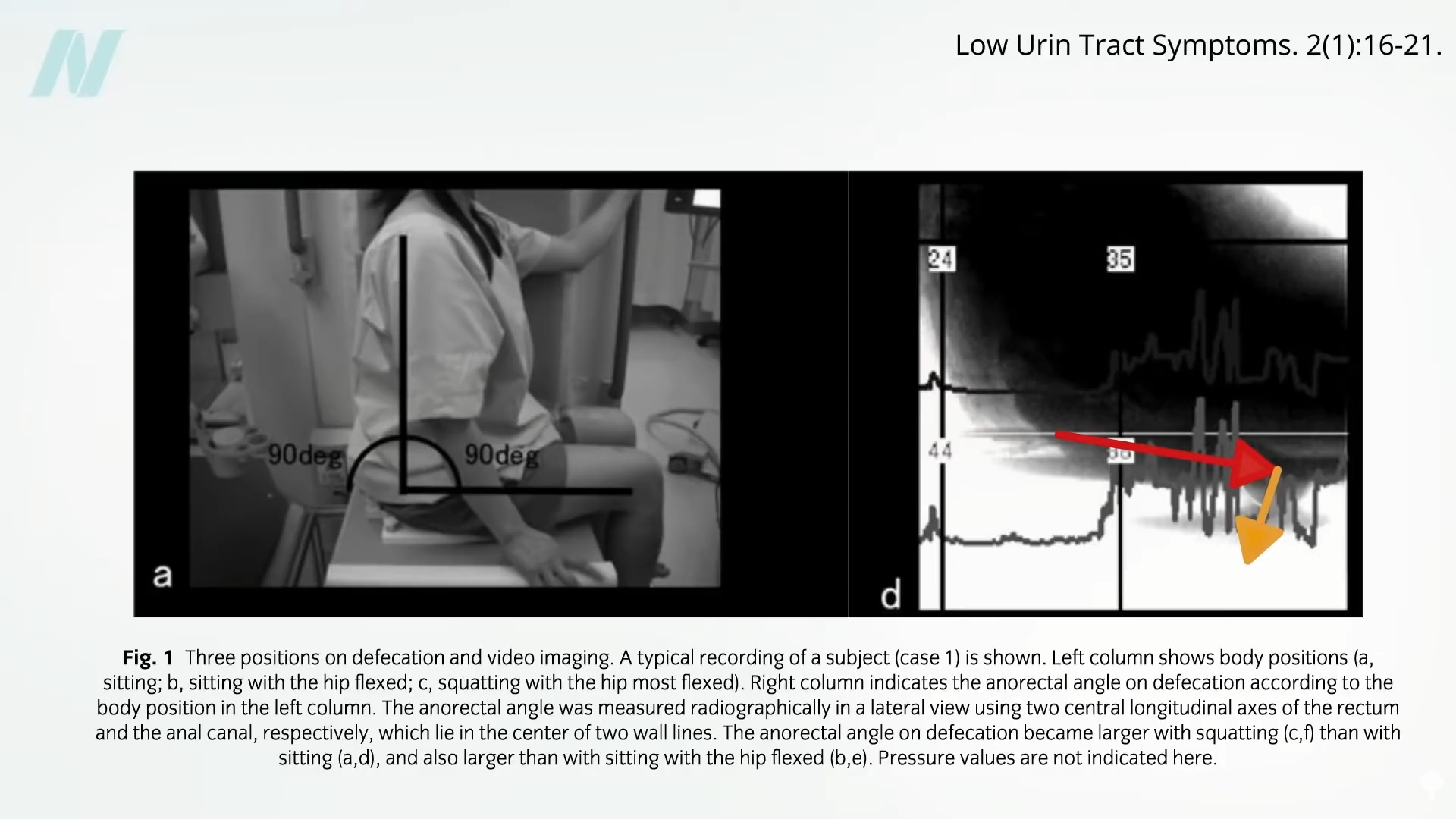
The central tenet of the debate surrounding toilet posture revolves around the "anorectal angle." When we sit on a conventional toilet, our body assumes an upright position that creates a nearly 90-degree bend in the colon, specifically at the juncture where the rectum meets the anus. This angle, formed by the puborectalis muscle, is crucial for maintaining continence – preventing involuntary bowel movements when we’re not ready. It acts like a kink in a hose, effectively closing off the pathway.
While this physiological design is brilliant for keeping us from "pooping our pants" every time we sit down, it becomes counterproductive when it’s time to evacuate. The natural process of defecation requires this angle to straighten, allowing for a smoother, less obstructed passage of stool. Western sitting toilets, by design, impede this natural straightening, potentially leading to increased straining, incomplete evacuation, and contributing to common ailments like constipation, hemorrhoids, and even more serious conditions.
In contrast, the squatting position, traditional in many parts of Asia and Africa, naturally relaxes the puborectalis muscle, opening the anorectal angle to a more favorable, straighter alignment. This facilitates easier and more complete bowel movements, aligning with our body’s inherent anatomical design for defecation.
Chronology: From Ancient Squats to Modern Solutions
The history of human waste disposal is a journey from natural environments to increasingly sophisticated plumbing. For millennia, squatting was the universal human posture for defecation, performed over holes in the ground, rivers, or simple latrines. This natural position was dictated by necessity and anatomy.
The shift began with the advent of the "privy seat" in medieval Europe, primarily for royalty and the infirm, evolving into the modern pedestal toilet in the 19th century, championed for its perceived hygiene and comfort. This innovation, while revolutionary for sanitation, inadvertently altered a fundamental human physiological process. Westerners became accustomed to sitting, largely forgetting the biomechanical advantages of squatting.
Early Inquiries into Posture:
The medical community, for a long time, largely overlooked the implications of toilet posture. Discussions around "unmentionable bodily functions" were often avoided, and many physicians remained "ignorant" of the subtle yet significant impact of body mechanics on defecation. However, isolated studies began to emerge, tentatively exploring the effect of body position. Early attempts to replicate the squatting position on Western toilets involved small, four-inch footstools. These initial trials, unfortunately, yielded inconclusive results regarding self-described difficulty in defecation or time spent on the toilet, possibly due to their insufficient height to adequately modify the anorectal angle.
The Rise of the Squatty Potty:
The early 21st century saw a renewed interest in the squatting posture, driven not just by scientific curiosity but also by entrepreneurial spirit. The Squatty Potty, an eight-inch toilet stool, emerged as a prominent solution. Gaining significant public recognition after its appearance on the television show Shark Tank, the Squatty Potty quickly became a household name, transforming a once-taboo topic into mainstream conversation. Its commercial success paved the way for more rigorous scientific investigation into its efficacy.
Formal Testing and "The Thinker" Position:
Researchers began to formally implement "Defecation Posture Modification Devices," such as the Squatty Potty, in clinical studies. These trials marked a significant step in moving the discussion from anecdotal evidence to empirical data.
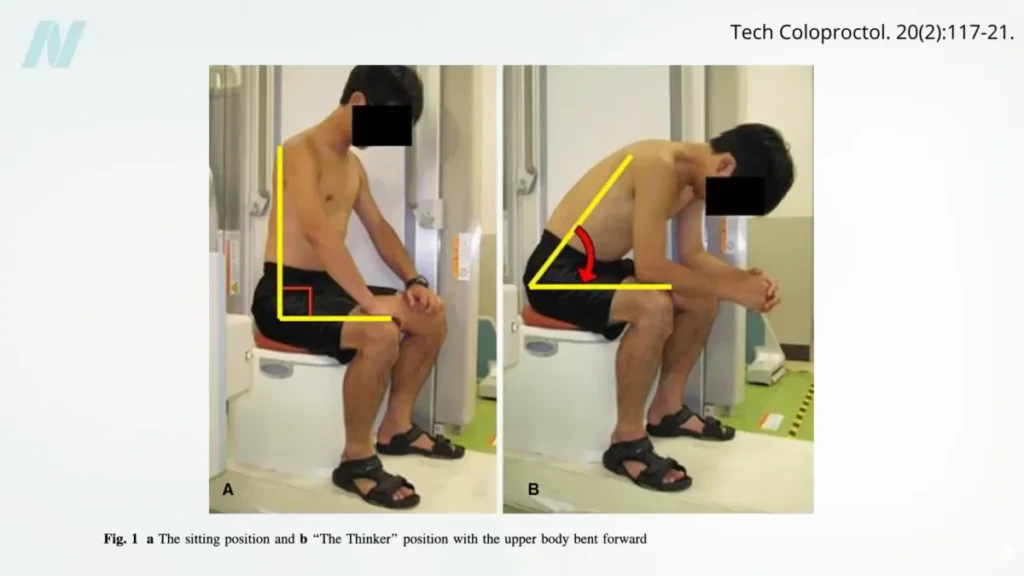
Simultaneously, alternative methods to achieve a similar physiological advantage were explored. One such innovation, dubbed "The Thinker" position, after Rodin’s famous sculpture, involved leaning significantly forward while seated on a conventional toilet. This posture aimed to achieve the same straightening of the anorectal angle without the need for a footstool, offering a potentially simpler, free alternative.

Supporting Data: Quantifying the Benefits
The scientific community has increasingly turned its attention to the biomechanics of defecation, employing various methods to quantify the effects of different postures.
The Squatty Potty’s Efficacy:
A landmark study investigating the Squatty Potty (or a similar "Defecation Posture Modification Device") provided compelling evidence for its benefits. Participants using the device reported:
- Increased feelings of bowel emptiness: This suggests a more complete evacuation of stool, reducing the sensation of residual waste.
- Reduced straining: By straightening the anorectal angle, less effort is required to pass stool, which is critical given the health risks associated with straining.
- Reduced time on the toilet: Participants spent approximately one minute less on the toilet, indicating a more efficient process.
The success of the eight-inch Squatty Potty contrasted sharply with earlier trials of smaller, four-inch footstools, which had shown little to no difference. This highlights the importance of achieving a sufficient elevation to effectively modify the anorectal angle. However, the studies also noted a potential downside: some participants experienced discomfort with the device, with one earlier trial of a six-inch riser being abandoned due to "extreme discomfort." This suggests that while beneficial, the squatting position may require an adjustment period for some individuals accustomed to a lifetime of sitting.
"The Thinker" Position and Cinedefecography:
To gain a deeper understanding of the physiological changes, researchers at institutions like the Cleveland Clinic utilized cinedefecography. This advanced diagnostic technique, essentially an "x-ray poop movie," allows clinicians to visualize the anorectal angle and the passage of stool in real-time under different conditions. It’s a precise way to measure internal anatomical changes during defecation.
Studies employing cinedefecography revealed that while raising the feet (akin to using a footstool) did open the anorectal angle to approximately 90 degrees, "The Thinker" position, involving a significant forward lean, was even more effective. It was shown to open the angle to more than 130 degrees, representing a near-complete straightening of the pathway. This suggests that leaning forward could be a highly efficient method for defecation, potentially surpassing the benefits of just raising the feet. While promising, its efficacy in terms of self-reported benefits like reduced straining and increased emptiness has yet to be formally tested in large-scale trials.
The Perils of Straining:
Beyond discomfort and inconvenience, improper defecation posture and the resulting straining carry significant health risks. The act of "bearing down" or straining to pass stool can induce the Valsalva maneuver, a physiological response involving forceful exhalation against a closed airway. This temporarily spikes blood pressure in the heart and brain. For individuals with underlying cardiovascular conditions, this sudden increase in pressure can be perilous.
Studies have linked straining during defecation to serious cardiovascular events, including sudden death from heart attacks and strokes. In Japan, for instance, passing stool has been identified as the daily activity most often occurring at the time of death. This risk is particularly acute for vulnerable populations, such as the elderly or bedridden, who often use bedpans while lying flat on their back – considered the worst possible position for defecation due to the extremely acute anorectal angle and maximum straining required. For these individuals, even a slight elevation to a seated position in bed can significantly reduce the strain on their cardiovascular system.
Official Responses: Doctors, Diet, and the Digestion Debate
The "official response" to the squatting versus sitting debate is multifaceted, reflecting both historical medical reluctance and evolving scientific understanding.
Medical Community’s Evolving Stance:
Historically, many physicians were hesitant to discuss bowel habits, viewing them as "unmentionable bodily functions." This cultural reticence, coupled with a lack of specific training in the biomechanics of defecation, meant that doctors often "didn’t know squat" about optimal posture. Gastroenterologists typically focused on diet, hydration, and pharmacological interventions for constipation.
However, with increasing public awareness and robust scientific data, the medical community’s perspective is shifting. While not universally endorsed, devices like the Squatty Potty are now frequently mentioned by some healthcare providers as a non-pharmacological option for patients struggling with constipation, hemorrhoids, or chronic straining. The emphasis remains on personalized care, considering individual patient comfort and medical history.
The Fundamental Role of Diet:
A critical "official response" comes from a broader public health and nutritional perspective, challenging the notion that posture alone is the panacea for Western bowel maladies. As a nearly 50-year-old commentary wisely pointed out, "The man who squats because he has no modern plumbing also tends to eat food that is less refined." This highlights a crucial confounding factor: traditional squatting societies often consume diets rich in whole, unprocessed foods, high in dietary fiber – a stark contrast to the refined, low-fiber Western diet.
This perspective argues that while posture can certainly aid in the mechanics of defecation, it may be secondary to the foundational role of diet. A diet lacking in fiber often leads to hard, difficult-to-pass stools, making straining inevitable regardless of posture. Conversely, adding sufficient fiber to the diet (from fruits, vegetables, legumes, and whole grains) can produce soft, bulky stools that are easier to pass effortlessly, even on a conventional sitting toilet. Therefore, many health organizations and dietary guidelines emphasize a high-fiber diet as the primary intervention for preventing and treating constipation. The argument is, perhaps, if we truly change the design of our diets, we won’t need to fundamentally change the design of our plumbing.
Implications: A Holistic Approach to Bowel Health
The findings surrounding defecation posture carry significant implications across several domains:
For Public Health:
Chronic constipation and straining are not merely uncomfortable; they contribute to a range of health issues, from hemorrhoids and anal fissures to pelvic floor dysfunction. By promoting optimal defecation posture, whether through devices like the Squatty Potty or techniques like "The Thinker" position, there’s potential to reduce the prevalence of these conditions and improve overall quality of life. Furthermore, reducing straining could have a profound impact on cardiovascular health, particularly for at-risk populations, potentially lowering incidents of heart attack and stroke linked to defecation.
For Toilet Design and Bathroom Ergonomics:
The research challenges the conventional wisdom embedded in modern toilet design. It suggests that a one-size-fits-all approach to toilets may not be optimal from a physiological standpoint. Future toilet designs could integrate features that facilitate a more squat-like position, or at least provide adjustable platforms to accommodate different body types and preferences. This could lead to a more ergonomically conscious bathroom experience, designed with natural human physiology in mind.
For Dietary Recommendations:
The ongoing debate between posture and diet underscores the importance of a holistic approach to bowel health. While posture aids the mechanics, diet dictates the consistency and volume of stool. Public health campaigns continue to emphasize the critical role of dietary fiber, adequate hydration, and regular physical activity in maintaining digestive regularity. The most effective strategy likely combines both: optimizing posture while ensuring a fiber-rich diet that produces healthy, easy-to-pass stools.
The Future of Research:
Areas for future research include larger, long-term trials on "The Thinker" position to formally assess its clinical efficacy for constipation. Further investigation into the discomfort associated with squatting devices could lead to design improvements or guidance on adaptation. Moreover, studies combining dietary interventions with postural modifications could provide a comprehensive understanding of their synergistic effects.
In conclusion, the simple act of defecation is far more complex than it appears. While the modern sitting toilet offers comfort and convenience, it may inadvertently create physiological challenges. Products like the Squatty Potty and techniques like "The Thinker" position offer promising ways to re-align our bodies with their natural design for evacuation. However, these postural aids should not overshadow the fundamental importance of a high-fiber, plant-rich diet – the ultimate foundation for effortless, healthy bowel movements. Ultimately, a balanced approach that considers both body mechanics and nutritional intake is likely the most effective path toward optimal digestive health.
Doctor’s Note
For those interested in exploring further aspects of digestive health and natural remedies, consider the following resources:
- Prunes: A Natural Remedy for Constipation: Discover the evidence-based benefits of this common fruit in promoting regularity.
- Should You Sit, Squat, or Lean During a Bowel Movement?: A deeper dive into the nuances of various defecation postures.
- How Many Bowel Movements Should You Have Every Day?: Understand what constitutes a healthy bowel movement frequency.